Grey Hairs Result from Stem Cells Getting ‘Stuck’

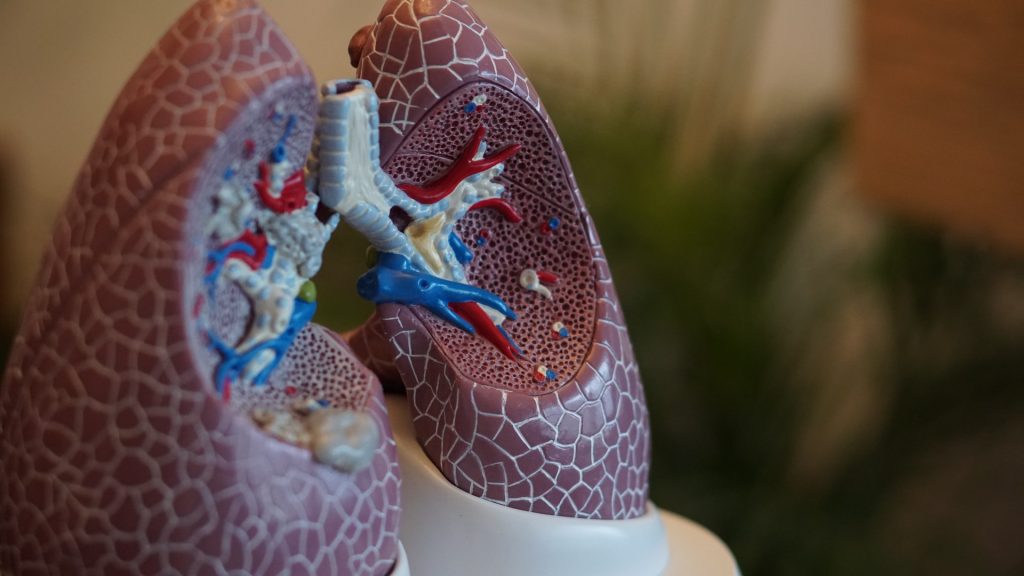
Photo by Natasha Brazil on Unsplash

Certain stem cells have a unique ability to move between growth compartments in hair follicles, but get stuck as people age and so lose their ability to mature and maintain hair colour, a new Nature study shows.

Led by researchers from NYU Grossman School of Medicine, the new work focused on cells in the skin of mice and also found in humans called melanocyte stem cells, or McSCs. Hair colour is controlled by whether nonfunctional but continually multiplying pools of McSCs within hair follicles get the signal to become mature cells that make the protein pigments responsible for color.

The new study showed that McSCs are remarkably plastic. This means that during normal hair growth, such cells continually move back and forth on the maturity axis as they transit between compartments of the developing hair follicle. It is inside these compartments where McSCs are exposed to different levels of maturity-influencing protein signals.

Specifically, the research team found that McSCs transform between their most primitive stem cell state and the next stage of their maturation, the transit-amplifying state, and depending on their location.

The researchers found that as hair ages, sheds, and then repeatedly grows back, increasing numbers of McSCs get stuck in the stem cell compartment called the hair follicle bulge. There, they remain, do not mature into the transit-amplifying state, and do not travel back to their original location in the germ compartment, where WNT proteins would have prodded them to regenerate into pigment cells.

“Our study adds to our basic understanding of how melanocyte stem cells work to colour hair,” said study lead investigator Qi Sun, PhD, a postdoctoral fellow at NYU Langone Health. “The newfound mechanisms raise the possibility that the same fixed-positioning of melanocyte stem cells may exist in humans. If so, it presents a potential pathway for reversing or preventing the graying of human hair by helping jammed cells to move again between developing hair follicle compartments.”

Researchers say McSC plasticity is not present in other self-regenerating stem cells, such as those making up the hair follicle itself, which are known to move in only one direction along an established timeline as they mature. For example, transit-amplifying hair follicle cells never revert to their original stem cell state. This helps explain in part why hair can keep growing even while its pigmentation fails, says Sun.

Earlier work by the same research team at NYU showed that WNT signalling was needed to stimulate the McSCs to mature and produce pigment. That study had also shown that McSCs were many trillions of times less exposed to WNT signalling in the hair follicle bulge than in the hair germ compartment, which is situated directly below the bulge.

In the latest experiments in mice whose hair was physically aged by plucking and forced regrowth, the number of hair follicles with McSCs lodged in the follicle bulge increased from 15% before plucking to nearly half after forced aging. These cells remained incapable of regenerating or maturing into pigment-producing melanocytes.

The stuck McSCs, the researchers found, ceased their regenerative behaviour as they were no longer exposed to much WNT signalling and hence their ability to produce pigment in new hair follicles, which continued to grow.

By contrast, other McSCs that continued to move back and forth between the follicle bulge and hair germ retained their ability to regenerate as McSCs, mature into melanocytes, and produce pigment over the entire study period of two years.

“It is the loss of chameleon-like function in melanocyte stem cells that may be responsible for greying and loss of hair colour,” said study senior investigator Mayumi Ito, PhD, a professor in the Ronald O. Perelman Department of Dermatology and the Department of Cell Biology at NYU Langone Health.

“These findings suggest that melanocyte stem cell motility and reversible differentiation are key to keeping hair healthy and coloured,” said Ito, who is also a professor in the Department of Cell Biology at NYU Langone.

Ito says the team has plans to investigate means of restoring motility of McSCs or of physically moving them back to their germ compartment, where they can produce pigment.

Source: NYU Langone Health / NYU Grossman School of Medicine

A Sleeping Pill Lowers Alzheimer’s Protein Levels

An early sign of Alzheimer’s disease is sleep disturbance – many people eventually diagnosed with Alzheimer’s start experiencing difficulty falling and staying asleep years before the emergence of cognitive problems such as memory loss and confusion. In a vicious circle, Alzheimer’s disease disrupts sleep, and poor sleep accelerates harmful changes to the brain.

Now, researchers at Washington University School of Medicine in St. Louis have identified a possible way to help break that cycle. Published in Annals of Neurology, a small, two-night study has shown that people who took a sleeping pill before bed experienced a drop in the levels of key Alzheimer’s proteins – a good sign, since higher levels of such proteins tracks with worsening disease. The study, which involved a sleeping aid known as suvorexant that is already approved by the Food and Drug Administration (FDA) for insomnia, hints at the potential of sleep medications to slow or stop the progression of Alzheimer’s disease, although much more work is needed to confirm the viability of such an approach.

“This is a small, proof-of-concept study. It would be premature for people who are worried about developing Alzheimer’s to interpret it as a reason to start taking suvorexant every night,” said senior author Brendan Lucey, MD, an associate professor of neurology and director of Washington University’s Sleep Medicine Center. “We don’t yet know whether long-term use is effective in staving off cognitive decline, and if it is, at what dose and for whom. Still, these results are very encouraging. This drug is already available and proven safe, and now we have evidence that it affects the levels of proteins that are critical for driving Alzheimer’s disease.”

Suvorexant belongs to a class of insomnia medications known as dual orexin receptor antagonists. Orexin is a natural biomolecule that promotes wakefulness. When orexin is blocked, people fall asleep. Three orexin inhibitors have been approved by the FDA, and more are in the pipeline.

Alzheimer’s disease begins when plaques of the protein amyloid beta start building up in the brain. After years of amyloid accumulation, a second brain protein, tau, begins to form tangles that are toxic to neurons. People with Alzheimer’s disease start experiencing cognitive symptoms such as memory loss around the time tau tangles become detectable.

Lucey and colleagues were among the first to show in people that poor sleep is linked to higher levels of both amyloid and tau in the brain. The question remains as to whether good sleep has the opposite effect – a reduction in amyloid and tau levels, and a halt in or reversal of the progress of Alzheimer’s disease – but mouse studies with orexin inhibitors have been promising.

As a first step to assess the effect of orexin inhibitors on people, Lucey and colleagues recruited 38 participants ages 45 to 65 and with no cognitive impairments to undergo a two-night sleep study. The participants were given a lower dose (10 mg) of suvorexant (13 people), a higher dose (20 mg) of suvorexant (12 people) or a placebo (13 people) at 9 p.m. and then went to sleep in a clinical research unit at Washington University. Researchers withdrew a small amount of cerebrospinal fluid via spinal tap every two hours for 36 hours, starting one hour before the sleeping aid or placebo was administered, to measure how amyloid and tau levels changed over the next day and a half.

Amyloid levels dropped 10% to 20% in the cerebrospinal fluid of people who had received the high dose of suvorexant compared to people who had received placebo, and the levels of a key form of tau known as hyperphosphorylated tau dropped 10% to 15%, compared to people who had received placebo. Both differences are statistically significant. There was not a significant difference between the people who received a low dose of suvorexant and those who received the placebo.

By 24 hours after the first dose, hyperphosphorylated tau levels in the high-dose group had risen, while amyloid levels remained low compared to the placebo group. A second dose of suvorexant, administered on the second night, sent the levels of both proteins down again for people in the high-dose group.

“If we can lower amyloid every day, we think the accumulation of amyloid plaques in the brain will decrease over time,” Lucey said. “And hyperphosphorylated tau is very important in the development of Alzheimer’s disease, because it’s associated with forming tau tangles that kill neurons. If you can reduce tau phosphorylation, potentially there would be less tangle formation and less neuronal death.”

The study is preliminary, since it only looked at the effect of two doses of the drug in a small group of participants. Lucey has studies underway to assess the longer-term effects of orexin inhibitors in people at higher risk of dementia.

“Future studies need to have people taking these drugs for months, at least, and measuring the effect on amyloid and tau over time,” Lucey said. “We’re also going to be studying participants who are older and may still be cognitively healthy, but who already have some amyloid plaques in their brains. This study involved healthy middle-aged participants; the results may be different in an older population.

“I’m hopeful that we will eventually develop drugs that take advantage of the link between sleep and Alzheimer’s to prevent cognitive decline,” he continued. “We’re not quite there yet. At this point, the best advice I can give is to get a good night’s sleep if you can, and if you can’t, to see a sleep specialist and get your sleep problems treated.”

Source: Washington University School of Medicine

Scientists Probe Links Between Chronic Alcohol Use and Pain Sensitivity

The links between alcohol and pain are complex. Research published in the British Journal of Pharmacology suggests that chronic alcohol consumption may increase drinkers’ pain sensitivity through two different molecular mechanisms – the first driven by alcohol intake and the second by alcohol withdrawal.

The research also suggests potential new drug targets for treating alcohol-associated chronic pain and hypersensitivity.

“There is an urgent need to better understand the two-way street between chronic pain and alcohol dependence,” says senior author Marisa Roberto, PhD, the Schimmel Family Chair of Molecular Medicine, and a professor of neuroscience at Scripps Research. “Pain is both a widespread symptom in patients suffering from alcohol dependence, as well as a reason why people are driven to drink again.”

Over time, alcohol use disorder (AUD) can trigger the development of numerous chronic diseases, including heart disease, stroke, liver disease and some cancers. Among the many impacts of long-term alcohol consumption is pain: more than half of people with AUD experience persistent pain of some type. This includes alcoholic neuropathy, which is nerve damage that causes chronic pain and other symptoms.

Studies have also found that AUD is associated with changes in how the brain processes pain signals, as well as changes to how immune system activation occurs. In turn, this pain can lead to increased alcohol consumption. Moreover, during withdrawal, people with AUD can experience allodynia, in which a harmless stimulus is perceived as painful.

Roberto and her colleagues were interested in learning the underlying causes of these different types of alcohol-related pain. In the new study, they compared three groups of adult mice: animals that were dependent on alcohol (excessive drinkers), animals that had limited access to alcohol and were not considered dependent (moderate drinkers), and those that had never been given alcohol.

In dependent mice, allodynia developed during alcohol withdrawal, and subsequent alcohol access significantly decreased pain sensitivity. Separately, about half of the mice that were not dependent on alcohol also showed signs of increased pain sensitivity during alcohol withdrawal but, unlike the dependent mice, this neuropathy was not reversed by re-exposure to alcohol.

When Roberto’s group then measured levels of inflammatory proteins in the animals, they discovered that while inflammation pathways were elevated in both dependent and non-dependent animals, specific molecules were only increased in dependent mice. This indicates that different molecular mechanisms may drive the two types of pain. It also suggests which inflammatory proteins may be useful as drug targets to combat alcohol-related pain.

“These two types of pain vary greatly, which is why it is important to be able to distinguish between them and develop different ways to treat each type,” says first author Vittoria Borgonetti, PhD, a postdoctoral associate at Scripps Research.

Roberto’s group is continuing studies on how these molecules might be used to diagnose or treat alcohol-related chronic pain conditions.

“Our goal is to unveil new potential molecular targets that can be used to distinguish these types of pain and potentially be used in the future for the development of therapies,” says co-senior author Nicoletta Galeotti, PhD, associate professor of preclinical pharmacology at the University of Florence.

Source: Scripps Research Institute

Cranberry Products for UTI Prevention Really Do Work

A global study looking at the benefits of cranberry products has determined that cranberry juice, and its supplements, reduce the risk of repeat symptomatic UTIs in women by more than a quarter. The study researchers, from Flinders University and The Children’s Hospital at Westmead, also found that was reduced in children by more than half, and in people susceptible to UTI following medical interventions by about 53%.

Cranberry juice and healthcare supplements that commonly include the fruit, such as capsules and tablets, have long been promoted as a readily available solution to ward off the infection but the most recent review in 2012, with evidence from 24 trials, showed no benefit from the products.

The medical scientists behind this updated review published in Cochrane Reviews aimed to update these findings, as by looking at 50 more recent trials that included almost 9000 participants.

“This incredible result didn’t really surprise us, as we’re taught that when there’s more and better evidence, the truth will ultimately come out. UTIs are horrible and very common; about a third of women will experience one, as will many elderly people and also people with bladder issues from spinal cord injury or other conditions,” says the study lead author Dr Gabrielle Williams.

“Even back in 1973, my mum was told to try cranberry juice to prevent her horrible and frequent UTIs, and for her it’s been a saviour. Despite me niggling in her ear about evidence, she’s continued to take it daily, first as the nasty sour juice and in recent years, the easy to swallow capsules. As soon as she stops, wham the symptoms are back. As usual, it turns out that mum was right! Cranberry products can help some women prevent UTIs.”

Flinders University epidemiologist Dr Jacqueline Stephens, a co-author of the study, says if the UTI persists untreated it can move to the kidneys and cause pain and more complications, including sepsis in very severe cases, so prevention is the most effective way to reduce risks.

“Most UTIs are effectively, and pretty quickly, treated with antibiotics, sometimes as little as one dose can cure the problem. Unfortunately, in some people UTIs keep coming back. Without being sure if or how it works, some healthcare providers began suggesting it to their patients. It was a harmless, easy option at the time. Even centuries ago, Native Americans reportedly ate cranberries for bladder problems, leading somewhat more recently, to laboratory scientists exploring what it was in cranberries that helped and how it might work.”

“The studies we looked at included a range of methods to determine the benefits of cranberry products. The vast majority compared cranberry products with a placebo or no treatment for UTI and determined drinking cranberries as a juice or taking capsules reduced the number of UTIs in women with recurrent cases, in children and in people susceptible to UTi’s following medical interventions such as bladder radiotherapy.”

“It’s also important to consider that few people reported any side effects with the most common being tummy pain based on the results. We also did not find enough information to determine if cranberry products are more or less effective compared with antibiotics or probiotics in preventing further UTIs.”

The data also doesn’t show any benefit for elderly people, pregnant women or in people with bladder emptying problems.

The study’s senior author, Professor Jonathan Craig, says the real benefits of cranberry products became clear when the researchers expanded the scope of the review to include the most recently available clinical data.

“This is a review of the totality of the evidence and as new evidence emerges, new findings might occur. In this case, the new evidence shows a very positive finding that cranberry juice can prevent UTI in susceptible people,” says Professor Craig.

“We have shown the efficacy of cranberry products for the treatment of UTIs using all the evidence published on this topic since the mid-nineties. The earlier versions of this review didn’t have enough evidence to determine efficacy and subsequent clinical trials showed varied results, but in this updated review the volume of data has shown this new finding.”

The study authors conclude that while cranberry products do help prevent UTIs in women with frequent recurrence, more studies are needed to further clarify who with UTI would benefit most from cranberry products.

Source: Flinders University

More Physical Activity a Health Benefit of a Three-day Weekend

Photo by Julian Jagtenberg on Pexels

With a three-day weekend being trialled in countries across the globe, new empirical research by Australian researchers shows that the extra time off increases active healthy behaviours, lending extra support to a shorter but still productive work week.

The researchers assessed study participants’ changes in daily movements before, during and after holidays, finding that physical activity increased when they were on holiday, even with just a three-day break. Their findings were published in the International Journal of Behavioral Nutrition and Physical Activity.

Across the 13-month study period, participants generally took two to three holidays on average, each being around 12 days. The most common holiday type was ‘outdoor recreation’ (35%), followed by ‘family/social events’ (31%), ‘rest and relaxation’ (17%) and ‘non-leisure pursuits’ such as caring for others or home renovations (17%).

Specifically, it showed that on holiday, participants:

  • engaged in 13% more moderate-to-vigorous physical activity (MVPA) each day (or five min/day more)
  • were 5% less sedentary each day (or 29 min/day less)
  • slept 4% more each day (or 21 min/day more).

University of South Australia researcher Dr Ty Ferguson says that the research indicates that people display healthier behaviours when they are on holiday.

“When people go on holiday, they’re changing their everyday responsibilities because they’re not locked down to their normal schedule,” Dr Ferguson says.

“In this study, we found that movement patterns changed for the better when on holiday, with increased physical activity and decreased sedentary behaviour observed across the board.

“We also found that people gained an extra 21 minutes of sleep each day they were on holiday, which can have a range of positive effects on our physical and mental health. For example, getting enough sleep can help improve our mood, cognitive function, and productivity. It can also help lower our risk of developing a range of health conditions, such as obesity, diabetes, cardiovascular disease, and depression.

“Interestingly, the size of these changes increased in line with the length of the holiday – so the longer the holiday, the better the health benefits.”

The study used data from the Annual rhythms in adults’ lifestyle and health (ARIA) study where 308 adults (mean age 40.4 years) wore fitness trackers 24 hours a day for 13 months. Minute-by-minute

movement behaviour data were aggregated into daily totals to compare movement behaviours pre-holiday, during holiday and post-holiday.

Senior researcher UniSA’s Prof Carol Maher says that the study offers support for the growing movement for a four-day week.

“A shorter working week is being trialled by companies all over the world. Not surprisingly, employees reported less stress, burnout, fatigue, as well as better mental health and improved work-life balance,” Prof Maher says.

“This study provides empirical evidence that people have healthier lifestyle patterns when they have a short break, such as a three-day weekend. This increase in physical activity and sleep is expected to have positive effects on both mental and physical health, contributing to the benefits observed with a four-day work week.

“Importantly, our study also showed that even after a short holiday, people’s increased sleep remained elevated for two weeks, showing that the health benefits of a three-day break can have lasting effects beyond the holiday itself.

“As the world adapts to a new normal, perhaps it’s time to embrace the long weekend as a way to boost our physical and mental health.”

Source: University of South Australia

Gastric Surgery for Weight Loss Harms Adolescents’ Bone Development

In sleeve gastrectomy (SG), about 80% of the stomach is removed to reduce obesity and its complications. It has been observed to be associated with bone loss in adolescents, prompting a prospective study published in the Journal of Bone and Mineral Research, that revealed through imaging tests that SG decreases strength and bone mineral density of the lumbar spine in adolescents and young adults.

The researchers followed 29 adolescents and young adults with obesity underwent SG and 30 were without surgery over 12 months. At baseline and 12 months, participants underwent computed tomography of the lumbar spine for bone assessments and magnetic resonance imaging of the abdomen and thigh for body composition assessments.

Participants in the SG group lost an average of 34.3 kg 12 months after surgery, whereas weight was unchanged in controls. There were significant reductions in abdominal fat tissue and thigh muscle in the SG group compared with controls. Also, bone strength and bone mineral density decreased in the SG group compared with controls. Reductions in bone strength and bone mineral density were associated with reductions in body mass index, abdominal fat tissue, and muscle.

“Weight loss surgery is very effective in treating obesity and obesity-associated comorbidities in adolescents and young adults with obesity; however, it can cause loss of bone density and strength. We hope that our study raises awareness of the importance of bone health after weight loss surgery, so physicians can make sure that children eat a healthy diet with enough calcium and vitamin D and engage in weight-bearing activity to build up muscle mass, which is good for bones,” said corresponding author Miriam A. Bredella, MD, of Massachusetts General Hospital. 

Source: Wiley

Western Diet Increases Prostate Cancer Risk

A study published in BJU International found that while adherence to healthy diets seems to have no effect on prostate cancer risk, following an unhealthy ‘Western’ diet may increase the risk of developing aggressive prostate cancer.

The study assessed the diets of 15 296 men recruited in Spain in from 1992–1996. Among these men, 609 prostate cancer cases were identified during a median follow-up of 17 years. Diets were categorised as Western, Prudent, or Mediterranean. The Western dietary pattern consisted of a high intake of high-fat dairy products, processed meat, refined grains, sweets, caloric drinks, convenience food, and sauces, and a low intake of low-fat dairy products and whole grains. The Prudent dietary pattern was characterised by a high intake of low-fat dairy products, vegetables, fruits, whole grains, and juices. The Mediterranean dietary pattern represented a high intake of fish, vegetables, legumes, boiled potatoes, fruits, olives, and vegetable oil, and a low intake of juices.

No effect over prostate cancer risk was detected for the Prudent and Mediterranean dietary patterns, but detrimental effect was observed with the Western dietary pattern. This effect was only observed for aggressive tumors.

“Our results indicate that avoiding unhealthy dietary habits could be the best nutritional strategy to prevent aggressive prostate cancer,” said lead author Adela Castelló-Pastor, PhD, of the Carlos III Institute of Health and CIBERESP, in Spain. “Substituting the intake of Western-type diet products by products characteristic of the Mediterranean diet could also decrease the risk of other chronic diseases,” added co–senior author Marina Pollán, PhD, of the Carlos III Institute of Health and CIBERESP, in Spain.

“The information provided by the Spanish cohort of the European Prospective Investigation into Cancer and Nutrition – or EPIC – has contributed to improving scientific knowledge of the relationship between diet and cancer and other chronic diseases,” added co–senior author Maria-José Sánchez, MD, PhD, lecturer at the Andalusian School of Public Health, scientific director at ibs.GRANADA and researcher at CIBERESP, in Spain.

Source: Wiley

Better Transplant Outcomes from Slightly Warmer Donor Lungs

Photo by Robina Weermeijer on Unsplash

Storing donor lungs for transplant at 10°C markedly increases the length of time the organ can live outside the body, according to results of a trial were published in the New England​ Journal of Medicine Evidence. These findings will help reduce the strain on hospitals, reduce waitlists and possibly eliminate the need to bump other surgeries for a lung transplant.

The multicentre, non-randomised clinical trial study of 70 patients demonstrated that donor lungs remained healthy and viable for transplant up to four times longer compared to storage at the current standard of ice cooler preservation of around 4°C. The study was led by a team of scientists at the Toronto Lung Transplant Program in UHN’s Ajmera Transplant Centre.

“The clinical impact of this study is huge,” says lead author Dr Marcelo Cypel, Surgical Director of the Ajmera Transplant Centre and a surgeon within UHN’s Sprott Department of Surgery.

“It’s a paradigm shift for the practice of lung transplant.​ I have no doubt that this will become the gold standard practice of lung preservation for the foreseeable future.”

Lungs available for transplant are currently limited by the length of time a donor organ can be kept viable. Increasing storage time allows for viable donor lungs to come from greater distances, increasing the potential for greater numbers of lungs becoming available for transplant and overcoming many of the hurdles around transplant logistics.

“In transplant, we still see a critical shortage of organs and people dying on the waitlist because there are not enough lungs to be transplanted,” says Dr Cypel, who is also a professor in the Division of Thoracic Surgery, Department of Surgery at the University of Toronto.

“It’s a great accomplishment to see that our research is now having an impact, and that we can actually have more cases done at our centre, with continued outstanding clinical results.

“Better organ preservation also means better outcomes for patients.”

Transplant surgeries could become planned procedures

The trial took place over 18 months at UHN’s Toronto General Hospital, the Medical University of Vienna, and Hospital Universitario Puerta de Hierro-Majadahonda in Madrid.

“The ability to extend the lifespan of the donor organ poses several advantages,” says study first author Dr Aadil Ali, adjunct scientist at the Toronto General Hospital Research Institute.

“Ultimately, these advantages will allow for more lungs to be utilised across farther geographies and the ability to improve recipient outcomes by converting lung transplantation into a planned rather than urgent procedure.”

Some advantages of this new 10°C standard for lung storage include the potential to reduce or eliminate the 24/7 schedule and urgency of lung transplant procedures. By increasing the length of time donor lungs are viable, transplant surgeries could become planned procedures, which avoids bumping scheduled surgeries and overnight transplantation.

The study also suggests the new preservation temperature will allow more time to optimise immunologic matching between donor and recipients, and the possibility of performing lung transplantation in a semi-elective rather than urgent fashion.

For more on the study, watch Dr Marcelo Cypel’s presentation of findings at a recent American Association for Thoracic Surgery event.

Also, watch a video with Drs Cypel and Ali discussing the foundational work leading to this breakthrough.

Source: University Health Network

The Era of Pandemics: Abbott Partnership to Address Emerging Viral Threats in Africa

Prof Tulio de Oliveira and Dr Mary Rogers
  • Scientists predict that we are entering the era of pandemics.
  • A sustainable global commitment to pandemic preparedness is instrumental to maintaining the upper hand and winning the battle.
  • In collaboration with the Abbott Pandemic Defense Coalition, CERI unveiled a new genomics facility to help identify, analyse and test infectious diseases in Africa to enable early detection and rapid responses to potential viral threats.  

With the increasing rates of urbanisation, global travel and climate change, infectious disease experts predict the world is entering a new era of pandemics. In response to this, Abbott founded the Abbott Pandemic Defense Coalition which comprises of 20 scientific and public health organisations from across the globe who are committed to detecting and responding to emerging viral threats.

Since its launch in 2021, the global Coalition has partnered with organisations in Africa to build up the network and capabilities in the region. The Centre for Epidemic Response and Innovation (CERI) at Stellenbosch University is one of the recent partners, who recently unveiled a new genomics facility that will enable early detection and the rapid response to emerging threats in Africa in collaboration with the Abbott Pandemic Defense Coalition.

“No one organisation, network or country is strong enough to effectively fight against viral pathogens,” says Mary Rodgers, principal scientist at Abbott’s diagnostics business. “We therefore must have an ongoing global commitment to pandemic preparedness – and key to that is collaboration across the private and public sectors to detect and have a rapid response to emerging threats. Our partnership with CERI will expand testing capacity to continue research in understanding how known viruses are spreading in order to identify new viral outbreaks, so that we can stop them from becoming the next pandemic.”

New Technology to Detect Viral Threats in Africa

The state-of-the-art genomics facility is equipped with new technology such as the Metagenomics Next Generation Sequencing which is revolutionising how viruses are discovered – creating a genome that once took years to complete can now be sequenced and analysed in a day or two. The genomics center will also have access to Abbott’s diagnostics molecular lab testing capabilities to provide fast and scalable molecular testing, as well as provide researchers the ability to create molecular tests for new and emerging viral threats.

Professor Tulio de Oliveira, director of CERI concludes, “The partnership with the Abbott Pandemic Defense Coalition will help train Africa’s next generation of virus hunters and public health experts in cutting-edge sequencing, bioinformatics, and other technologies so that they can track and identify viruses faster and smarter. The launch of this new genomics facility is a testament to our shared commitment to advancing scientific knowledge and protecting public health in Africa.”

SAHPRA Reports 3rd Fatal Case of Guillain-Barré Syndrome Following Janssen Vaccination

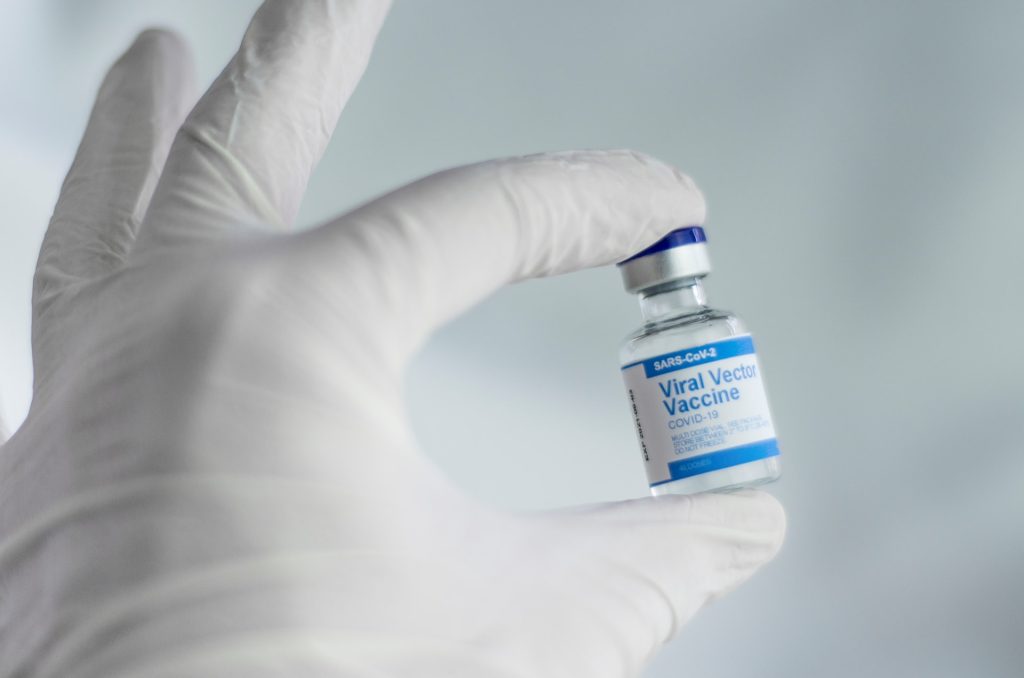
Gloved hand holding vial of Janssen COVID vaccine
Photo by Spencer Davis on Unsplash

The South African Health Products Regulatory Authority (SAHPRA) issued media statements on 4 August 2022 and 12 September 2022, relating to two fatal cases of Guillain-Barré syndrome (GBS) following vaccination with COVID-19 Vaccine Janssen. SAHPRA has been informed of a third fatal case of GBS following vaccination with the same vaccine.

A causality assessment of the reported case was conducted by the National Immunisation Safety Expert Committee (NISEC) using the World Health Organization’s (WHO) methodology. Following investigations, the case was classified as a vaccine product-related event. The events reported in the vaccine recipient were consistent with the case definition of GBS and no other likely cause of GBS was identified at the time of illness.

As previously communicated, GBS is a very rare but potentially severe neurological adverse event that is associated with the administration of various vaccines and other medicines and can also be triggered by some bacterial or viral infections, including SARS-CoV-2. Symptoms of GBS range from mild to severe, and may include muscle weakness, muscle pain, numbness, and tingling. In many cases, GBS resolves with no serious after-effects, but in some cases GBS can cause serious or life-threatening problems.

Regulatory authorities have previously investigated reports of GBS associated with COVID-19 vaccines. They concluded that COVID-19 Vaccine Janssen may increase the risk of GBS. GBS is therefore listed as a rare adverse event in the professional information (PI) for COVID-19 Vaccine Janssen.

Investigations and causality assessment of all reported severe adverse events following immunisation (AEFI) with all COVID-19 vaccines are ongoing. The outcomes of these investigations and causality assessments will be shared with the public as soon as they are completed.

Important points to note

  • COVID-19 vaccines have consistently been shown to prevent severe forms of disease, hospitalisation and death. Based on the currently available evidence, SAHPRA has determined that the benefits of COVID- 19 vaccination far outweigh the very low risk of severe adverse events, including GBS. The public are strongly advised not to delay COVID-19 vaccination if eligible in terms of the national vaccination programme.
  • SAHPRA urges the public to report any suspected adverse events following the use of all medicines and vaccines. Reporting can be done at a health facility or by downloading the Med Safety App (https://medsafety.sahpra.org.za/), which is available for Android and iOS phones, or by calling the COVID-19 hotline at 0800 029 999. More information regarding AEFIs reported for the COVID-19 vaccines and how to report an AEFI is available from the SAHPRA website: https://aefi-reporting.sahpra.org.za/.
  • More information regarding AEFIs reported for the COVID-19 vaccines and how to report an AEFI is available from the SAHPRA website: https://aefi-reporting.sahpra.org.za/.

Source: SAHPRA