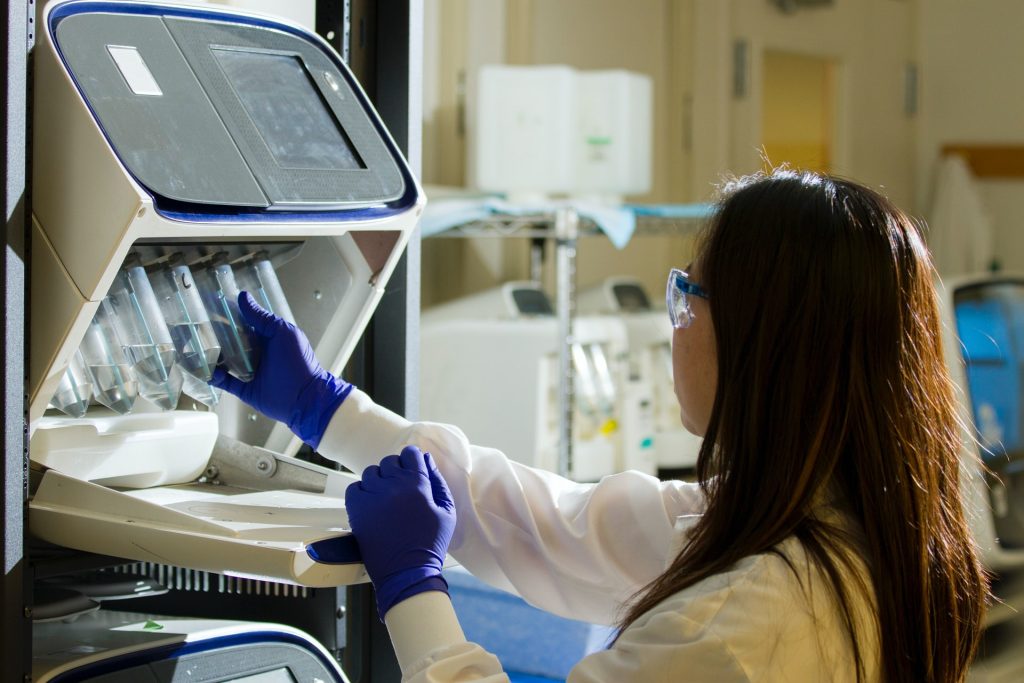
Cultured Cells may Restore Vision Lost to Photoreceptor Damage
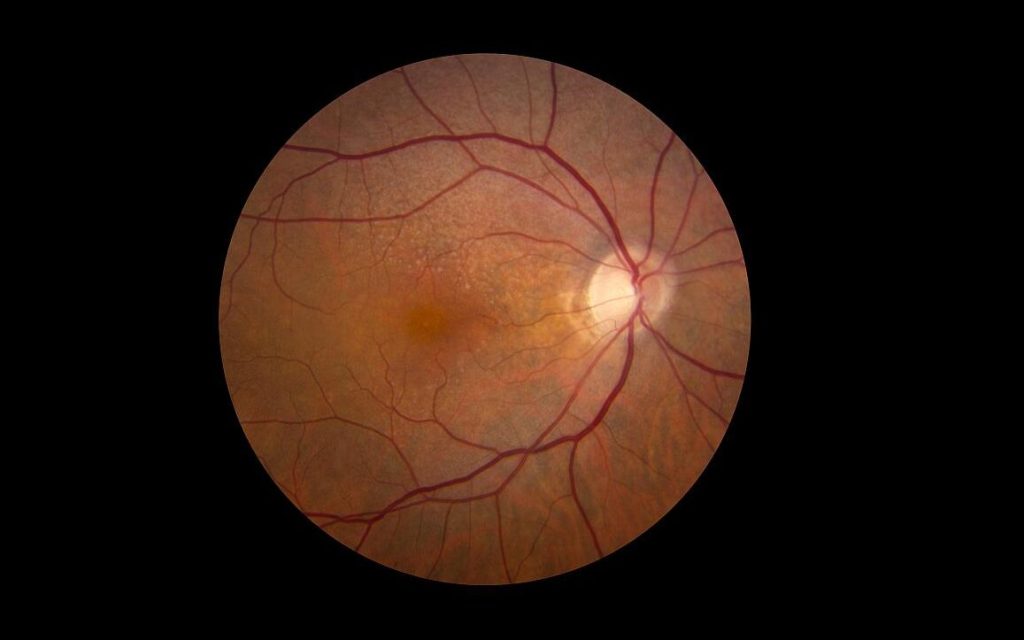
A preclinical study that produced progenitor photoreceptor cells and transplanted them into experimental models of damaged retinas has resulted in significant vision recovery. This finding marks a first step towards potentially restoring vision in eye diseases characterised by photoreceptor loss.

“Our laboratory has developed a novel method that enables the production of photoreceptor progenitor cells resembling those in human embryos,” said Assistant Professor Tay Hwee Goon, first author of the study published in Molecular Therapy. “Transplantation of these cells into experimental models has yielded partial restoration of the retinal function.”

The degeneration of photoreceptors in the eye is a significant cause of declining vision that can eventually lead to blindness and for which there is currently no effective treatment. Photoreceptor degeneration occurs in a variety of inherited retinal diseases, such as retinitis pigmentosa, a rare eye disease that breaks down cells in the retina over time and eventually causes vision loss, and age-related macular degeneration, a leading cause of vision impairment worldwide.

Asst Prof Tay and her team from Duke-NUS Medical School, the Singapore Eye Research Institute and the Karolinska Institute in Sweden, developed a procedure to grow human embryonic stem cells in the presence of purified laminin proteins. These proteins are involved in normal development of human retinas, and in their presence, stem cells could be directed to differentiate into photoreceptor progenitor cells responsible for converting light into signals that are sent to the brain.

When these cells were transplanted into damaged retinas, the preclinical models showed significant recovery of vision. A diagnostic test called electroretinogram also identified significant recovery in the retinas via electrical activity in the retina in response to a light stimulus. The transplanted cells established connections with surrounding retinal cells and nerves in the inner retina. They also survived and functioned for many weeks after transplantation.

Moving forward, the team hopes to refine their method to make it simpler and achieve more consistent results than earlier attempts to explore stem cell therapy for photoreceptor cell replacement.

“It is exciting to find these results, which suggest a promising route towards using stem cells to treat those forms of visual deterioration and blindness caused by the loss of photoreceptors,” said Dr Helder Andre, Head of Molecular and Cellular Research from Karolinska Institute’s Department of Clinical Neuroscience and a senior author of the study.

Associate Professor Enrico Petretto, Director of the Centre for Computational Biology at Duke-NUS and the study’s bioinformatics analysis lead, added: “Our method may also be useful for understanding the molecular and cellular pathways that drive the progression of macular degeneration, perhaps leading to the development of other therapeutic approaches.”

The next challenge for the researchers is to explore the efficacy of their method in models of photoreceptor degeneration that more closely match the human condition.

“If we get promising results in our future studies, we hope to move to clinical trials in patients,” said Professor Karl Tryggvason, from Duke-NUS’ Cardiovascular and Metabolic Disorders Programme, and the corresponding author of the study. “That would be an important step towards for being able to reverse damage of the retina and restore vision.”

Source: Duke-NUS Medical School

Real-world Testing Confirms Bulevirtide Efficacy in Treating Hepatitis D

Colourised transmission electron micrograph of hepatitis B virus particles (colourised red and yellow). Credit: NIAID and CDC (Transmission electron micrograph image courtesy of CDC; colourisation by NIAID).

In 2020, bulevirtide (BLV) was conditionally approved for treating chronic hepatitis delta (CHD), an inflammation of the liver caused by hepatitis D virus (HDV). Now, as reported in the Journal of Hepatology, real-world studies confirm that long-term suppressive therapy with BLV monotherapy reduces viral replication and improves liver tests of these difficult-to-treat patients.

Two of the studies, led by Pietro Lampertico, MD, PhD, were designed to assess the effectiveness and safety of patients with advanced HDV-related compensated cirrhosis being treated with BLV 2mg monotherapy and the consequences of discontinuing this treatment.

“HDV is the most severe form of chronic viral hepatitis,” explained Dr Lampertico. “For many years, the only therapeutic option was the off-label administration of pegylated-interferon-alpha (PegIFNa), an approach characterised by suboptimal efficacy, an unfavourable safety profile and several contraindications.”

In a study of 18 patients with HDV-related advanced cirrhosis treated with BLV 2mg/day for 48 weeks, Dr. Lampertico and colleagues demonstrated significant virological, biochemical and combined response rates associated with improvement of liver function.

“The efficacy and safety of BLV monotherapy in patients with advanced compensated cirrhosis were unknown before this study. Virological and biochemical responses to BLV monotherapy that we observed in our difficult-to-treat patients with HDV-related compensated cirrhosis were similar to those shown in the phase III registration study,” Dr Lampertico noted.

In a case report, Dr Lampertico and colleagues demonstrated that HDV could be successfully eradicated from both serum and liver following a three-year course of BLV monotherapy. This was despite the persistence of HBsAg, in a patient with HDV-related compensated cirrhosis and oesophageal varices. During the 72-week off-BLV follow-up, liver biopsy, intrahepatic HDV RNA and hepatitis D antigen were undetectable, less than 1% of hepatocytes were HBsAg positive and all were negative for hepatitis B core antigen.

“We were surprised to demonstrate that HDV can be eradicated following a finite course of an entry inhibitor administered as monotherapy such as BLV 2mg/day, despite the persistence of HBsAg positivity,” commented Dr Lampertico.

In a study in JHEP Reports led by Katja Deterding, MD, investigators report the first data from the largest multicentre cohort of patients to date who were treated with BLV under real-world conditions. This included 50 patients with signs of significant portal hypertension, elevated pressure in the major vein that leads to the liver.

The retrospective analysis of 114 cases covered 4289 patient weeks of BLV treatment. Viral response was observed in 87 cases while hepatic inflammation improved, and treatment was well tolerated. More than 50% of patients showed a virologic response with less than 10% of patients not achieving an HDV RNA drop of at least 90% after 24 weeks. An improvement of biochemical hepatitis activity as measured by the liver enzyme alanine transaminase (ALT) values was observed regardless of virologic response. Investigators concluded that treatment was safe and well tolerated and associated with improvements in liver cirrhosis and portal hypertension with prolonged treatment.

“In line with other real-world cohorts and clinical trials our real-world study confirms the antiviral activity of BLV,” noted Dr Deterding. “We were surprised to see an improvement in biochemical hepatitis activity even in cases without viral response. Potential explanations for this phenomenon include anti-inflammatory properties of BLV.”

“This is the first time that patients with HDV-related chronic advanced liver disease can be treated with an antiviral therapy since 1977 when HDV was discovered. Long-term suppressive therapy with BLV 2mg/day has the potential to improve survival, of these difficult-to-treat patients for the first time in 45 years,” concluded Dr Lampertico. “We also found that BLV treatment can be successfully discontinued in some HDV patients who achieved long-term viral suppression while on therapy.”

HDV infection occurs when people become infected with both hepatitis B and D virus either simultaneously (co-infection) or acquire the hepatitis D virus after first being infected with hepatitis B (super-infection). According to the World Health Organization, HDV affects nearly 5% of individuals with a chronic infection resulting from hepatitis B virus (HBV). Populations that are more likely to have HBV and HDV co-infection include indigenous populations, haemodialysis recipients and individuals who inject drugs.

Source: Elsevier

Scientists Close in on the Genetic Determinants of Height

Pexels Photo by Monstera

Human height is dictated by the sealing of the growth plates at the ends of bones that harden as a child develops. Along with diet and disease, heritability has long been known to be a factor determining height. Now, researchers report in Cell Genomics that cells in these plates determine the length and shape of bones and may partly predict final stature. The study identified potential “height genes” and found that genetic changes affecting cartilage cell maturation may strongly influence adult height.

“The study is really understanding the genetics of skeleton,” says paediatric endocrinologist and senior author Nora Renthal of Boston Children’s Hospital and Harvard University. “Height is a good starting point to understand the relationship between genes, growth plates, and skeletal growth because we can measure the height of every human being.”

To pinpoint height-associated genes, the team screened 600 million mouse cartilage cells to identify genes that, when deleted, can alter cell growth and maturation. These types of cellular changes in the growth plate are known to lead to variations in human height. The search turned up 145 genes mostly linked to skeletal disorders and are crucial for growth plate maturation and bone formation.

The team then compared these genes with data from genome-wide association studies (GWAS) of human height, which located “hotspots” along the entire human genome where “height genes” are located. But these regions can contain multiple genes, making it hard for researchers to track down and study an individual target.

“That’s kind of like looking for your friend’s house, but you only know the zip code,” says Renthal. “It’s difficult.”

The comparison revealed that genes affecting cartilage cells overlap with hotspots from human height GWAS, precisely locating genes in our DNA that likely play a role in determining our stature. Renthal and her team also discovered that many of the GWAS suggested height genes led to early maturation in cartilage cells. These findings suggest that genetic changes affecting cartilage cell maturation may influence height more.

Renthal notes that studies in mouse cells may not fully translate to humans, and GWAS are observational studies that cannot fully illustrate the cause and effects of height. But her study provides a novel method to bridge the two methods and provide new insights into human genetics.

Next, the team plans to use the method to understand hormones’ effect on cartilage cells. They will also look into some of the 145 genes that have no known connection to skeletal growth. The investigation may reveal new genes and pathways that play a role in the bones.

“I see patients with skeletal dysplasia, where there isn’t any treatment because genetics made their bones grow this way,” says Renthal. “It’s my hope that the more we can understand about the biology of the growth plate, the more we would be able to intervene at earlier times in growing skeletons and the life of a kid.”

Source: MedicalXpress

Researchers Tie Sex-specific Genes to Depression

Photo by Sydney Sims on Unsplash

Depression is widely reported to be more common in women than in men, with women twice as likely to receive a diagnosis than men. A new study published in Nature has found that there are differences between male and female genes and how they relate to depression.

In a genome-wide association(GWA} study, the McGill University researchers analysed the genomes of more than 270 000 individuals. They found that sex-specific prediction methods were more accurate in forecasting an individual’s genetic risk of developing depression than prediction methods that did not specify sex. The researchers found 11 areas of DNA that were linked to depression in females, and only one area in males.

In both males and females, genetic correlations were significant between the broad depression GWA and other psychopathologies; however, correlations with educational attainment and metabolic features including body fat, waist circumference, waist-to-hip ratio and triglycerides were significant only in females. Gene-based analysis showed 147 genes significantly associated with broad depression in the total sample, 64 in the females and 53 in the males.

Despite the biological processes involved in depression being similar in males and females, researchers found that different genes were involved for each sex. This information can be useful to identify future sex-specific treatments for depression.  “This is the first study to describe sex-specific genetic variants associated with depression, which is a very prevalent disease in both males and females. These findings are important to inform the development of specific therapies that will benefit both men and women while accounting for their differences,” says Dr Patricia Pelufo Silveira, lead author and Associate Professor in the Department of Psychiatry. “In the clinic, the presentation of depression is very different for men and women, as well as their response to treatment, but we have very little understanding of why this happens at the moment.”

Source: McGill University

Abbott Partnership to Bring Affordable Blood-based HIV Self-test Kits to SA

HIV testing is essential across the continuum of care but too often unavailable, unaffordable, or inaccessible. Abbott, the global leader in diagnostics and the fight against HIV, is partnering with Population Services International (PSI) and Unitaid to make HIV self-testing (HIVST) available at an affordable and accessible price. An initial 400 000 tests will be distributed within Africa.

This vital partnership serves as an early market access vehicle to enable affordable access to high-quality self-test kits in high HIV burden settings with a dire need for access to healthcare services, while mitigating risks such as increased supply chain costs and custom fees. People who test positive will undergo confirmatory testing and will be linked to antiretroviral treatment, keeping them healthy and helping reduce further transmission to others.

“With millions of people living with HIV worldwide, many of whom who do not know their status, receiving a diagnosis is a vital first step in accessing treatment”, says Bassem Bibi, divisional vice president, for Abbott’s rapid diagnostics business for EEMEA. “This is why this partnership is so important to Abbott as it reinforces our commitment to enabling people in Africa to live healthier, fuller lives, by improving testing capabilities through high quality and affordable blood-based HIV self-tests.”

“Self-testing has shifted the paradigm for HIV testing.  The HIV Self-Testing Africa (STAR) Initiative amassed compelling evidence that HIVST can reach more people than traditional diagnostics. It offers an alternative option to people living with HIV to find out about their status and to access anti-retroviral treatment services. Self-testing is a critical entry point to HIV prevention services for those testing negative, including the delivery of Pre-Exposure Prophylaxis (PrEP). It is also useful for screening in health facilities and to keep services going during COVID-19 and any future emergencies. We require more product options to meet the growing demand,” said Dr Karin Hatzold, Director of the STAR Initiative Project and Associate Director of HIV/TB Programs at PSI. “This important partnership under the early market access vehicle will make it easier for countries to acquire products and embed them in health systems. This will ensure that self-test kits are affordable to those who want to access them.”  

The Abbott HIV self-test kits will be distributed strategically to communities with inadequate access to healthcare services and will help build capacity to meet the UNAIDS 95-95-95 targets for 2025. The 95-95-95 targets stipulate that 95% of people living with HIV know their status; 95% of people who know their status are on antiretroviral therapy; and 95% of people on treatment have suppressed viral loads.

“Self-testing has helped us reach beyond health centres and make testing easier. This is critically important for vulnerable groups who are often at higher risk of HIV but may also be hesitant to access health services for fear of stigma, discrimination, and violence,” said Dr Philippe Duneton, executive director of Unitaid. “Making quality self-testing kits widely available and affordable is vital to reaching people at risk of HIV with the opportunity to test privately and access life-saving care.”

Pompe Disease – Early Diagnosis and Treatment are Crucial

Photo by CDC on Unsplash

Pompe disease (PD) is an autosomal-recessively inherited neuromuscular disease that can be fatal if it is not diagnosed and treated early.1 Due to lack of acid alpha-glucosidase (GAA), there is progressive intracellular accumulation of glycogen, which can severely damage the muscles and heart.1

PD can present from early infancy into adulthood, with variable rates of disease progression.Severity is determined by age of onset, organ involvement, including the degree of muscle involvement (skeletal, respiratory, and cardiac), and rate of progression.1

Classification1

PD is classified into two groups: infantile and late-onset.

Infantile form:

• Classic infantile PD is most severe and rapidly progressive, and is characterised by prominent cardiomegaly, hepatomegaly, muscular weakness and hypotonia. Death results from cardiorespiratory failure in <1 year, if not treated.

• Infantile variant form (non-classic, in the <1-year group that has slower progression and less severe or absent cardiomyopathy).

Late-onset form:

• Childhood/juvenile or muscular variant (heterogeneous group) presenting later than infancy and typically excluding cardiomyopathy.

• Adult-onset form characterised by slowly progressive myopathy predominantly involving skeletal muscle and presenting as late as the 2nd – 6th decade of life.

Signs and symptoms

In infants, symptoms begin in the first months of life, with feeding problems, poor weight gain, breathing difficulties, profound hypotonia, and cardiomegaly.Many infants with PD also present with macroglossia.2

Kelly du Plessis, CEO and Founder of non-profit organisation, Rare Diseases SA (RDSA), says that the difficulty for both parents and healthcare professionals is that PD shows itself in many ways. “There is not one specific thing that you can pinpoint. My child, who is a PD sufferer, took longer to reach his milestones, and got slower as time progressed. It is better to be overcautious than under-cautious because early identification is critical to a positive outcome, and the damage done up until diagnosis cannot be undone.”

Du Plessis says that RDSA is also seeing many more adults being diagnosed with PD lately, and describes a few of the signs and symptoms: “In adults these include difficulty walking, particularly up stairs or inclines, recurring chest infections, being very fatigued, finding that their arms are getting weaker when they try to reach something on a top shelf, and falling over quite often owing to lower muscle tone and foot drop. Healthcare professionals need to be aware of this link with PD – because early intervention is critical to outcomes.”

Diagnosis

While making an early diagnosis is imperative to optimise disease management and outcomes,many patients experience a diagnostic odyssey.3

Monique Nel, Medical Advisor – Rare Diseases at Sanofi, says: “The diagnostic odyssey for PD can be quite long and complicated, as the symptoms can be similar to those of other conditions, and the disease is quite rare. The journey to diagnosis can take years, and many patients go through a battery of tests and specialists before finally receiving a correct diagnosis.”

In the United States it was reported that before implementation of newborn screening, there was, on average, a 3-month delay in diagnosing infantile-onset PD after the onset of symptoms.3 In late-onset PD, symptoms may begin any time from infancy to adulthood.3 In paediatric onset cases, on average: symptom onset occurs at approximately 6 years of age, yet diagnosis is generally made around 18 years of age, with a potential 12-year delay in diagnosis.3 The average age of symptom onset in adult-onset PD is 35 years, with a 7-year delay in diagnosis after symptom onset.3

Adds Nel: “In South Africa, we do enzyme activity testing via a dried blood spot test to measure the activity of the alpha-glucosidase enzyme. If the enzyme activity is low, it suggests that the individual may have PD. Genetic testing is currently performed abroad. This involves analysing a person’s DNA to look for mutations in the GAA gene. If two mutated copies of the GAA gene are found, it confirms a diagnosis of PD.”

Treatment

Enzyme replacement therapy (ERT) is available for all forms of PD, and has dramatically changed patient outcomes.3 This life-changing therapy is more effective when started before the onset of symptoms.3

Since the end of 2012, ERT (as alglucosidase alfa) has been registered with the South African Health Products Regulatory Authority (SAHPRA) for use in PD patients.1 Patients with infantile-onset PD who receive ERT have significantly prolonged survival, decreased cardiomegaly, and improved cardiac and skeletal muscle function.1 Cardiac response appears to be good, irrespective of the stage of disease at initiation of ERT, while the skeletal muscle response appears more variable.1 The best skeletal muscle response occurs when ERT is administered prior to skeletal muscle damage.1

Says Nel: “Early screening for PD and prompt treatment is crucial to prevent or delay the onset of disease complications. Therefore, healthcare providers must consider PD as a potential differential diagnosis when evaluating patients with muscle weakness, respiratory difficulties, and other related symptoms.”

Says du Plessis: “With medication, you see a difference in the patients within weeks, and they have a lot more energy. RDSA advocates as much as is necessary to get patients approved for medication, since this treatment changes their lives and quality of life – and in fact saves their lives. We need to do everything we can now, with the treatments we have today, to keep these patients as healthy as possible, so that they can benefit from the treatments that come tomorrow.”

For more information, visit: www.rarediseases.co.za

References

1. Bhengu, L, et al. Diagnosis and management of Pompe disease. South African Medical Journal 2014;104(4):273-274.

2. National Institute of Neurological Disorders and Stroke. Pompe disease. N.d. Available at: https://www.ninds.nih.gov/health-information/disorders/pompe-disease#, accessed 7 April 2023.

3. Ficicioglu, C, et al. Newborn screening for Pompe disease: Pennsylvania experience. Int J Neonatal Screen 2020;6(4):89.

An Elusive Relationship Between The Gastrointestinal Immune System and Caffeine

Certain gut microorganisms are thought to contribute to the development of inflammatory conditions such as inflammatory bowel disease (IBD), but the sequence of events leading from microbes to immune cells to disease remains elusive. A new study published in Immunity explores exactly what leads to the generation of Th17 cells, an important subtype of cells in the intestine, and uncovers some of the underappreciated molecular players and events that lead to cell differentiation in the gut. One of those players is the purine metabolite xanthine – high levels of which are found in caffeinated foods such as coffee, tea and chocolate.

“One of the concepts in our field is that microbes are required for Th17 cell differentiation, but our study suggests that there may be exceptions,” said co-lead auhor Jinzhi Duan, PhD, of the Division of Gastroenterology, Hepatology and Endoscopy in the Department of Medicine at Brigham and Women’s Hospital,. “We studied the underlying mechanisms of Th17 cell generation in the gut and found some surprising results that may help us to better understand how and why diseases like IBD may develop.”

While illuminating the steps leading to Th17 cell differentiation, the researchers unexpectedly discovered a role for xanthine in the gut.

“Sometimes in research, we make these serendipitous discoveries – it’s not necessarily something you sought out, but it’s an interesting finding that opens up further areas of inquiry,” said senior author Richard Blumberg, MD, of the Division of Gastroenterology, Hepatology and Endoscopy in the Department of Medicine. “It’s too soon to speculate on whether the amount of xanthine in a cup of coffee leads to helpful or harmful effects in a person’s gut, but it gives us interesting leads to follow up on as we pursue ways to generate a protective response and stronger barrier in the intestine.”

Interleukin-17-producing T helper (Th17) cells are thought to play a key role in the intestine. The cells can help to build a protective barrier in the gut, and when a bacterial or fungal infection occurs, these cells may release signals that cause the body to produce more Th17 cells. But the cells have also been implicated in diseases such as multiple sclerosis, rheumatoid arthritis, psoriasis, and IBD.

Duan, co-lead author Juan Matute, MD, Blumberg and colleagues used several mouse models to study the molecular events that lead to the development of Th17 cells. Surprisingly, they found that Th17 cells could proliferate even in germ-free mice or mice that had been giving antibiotics wiping out bacteria. The team found that endoplasmic reticulum stress in intestinal epithelial cells drove Th17 cell differentiation through purine metabolites, such as xanthine, even in mice that did not carry microbes and with genetic signatures that suggested cells with protective properties.

The authors note that their study was limited to cells in the intestine. It’s possible that crosstalk between cells in the gut and other organs, such as the skin and lung, may have an important influence on outcomes. They also note that their study does not identify what causes Th17 cells to become pathogenic, and that further exploration is needed, including studies that focus on human-IBD Th17 cells.

“While we don’t yet know what’s causing pathogenesis, the tools we have developed here may take us a step closer to understanding what causes disease and what could help resolve or prevent it,” said Blumberg.

Source: Brigham and Women’s Hospital

The Effectiveness of Salt Restriction in Primary Aldosteronism

Results from a clinical trial published in the Journal of Internal Medicine reveal several health benefits of moderate salt restriction in patients on standard medical treatment for primary aldosteronism/ These included lowered blood pressure and reduced depressive symptoms. 

Primary aldosteronism – when adrenal glands produce excess aldosterone – is a common cause of secondary hypertension. The combination of aldosterone excess and high dietary salt intake leaves affected patients with a higher risk of cardiovascular disease than patients with hypertension from other causes. Mineralocorticoid antagonists are the main treatment of primary aldosteronism, but these medications do not completely normalise patients’ elevated cardiovascular risk.

Because elevated aldosterone and high dietary salt intake have detrimental effects on patients’ health, investigators wanted to find out whether salt restriction might benefit patients. In the non-randomised single-arm Salt CONNtrol trial that included 41 patients, moderate salt restriction reduced blood pressure and depressive symptoms without detectable adverse effects.

“The study shows that a moderate dietary salt restriction is feasible, when combined with a dedicated smartphone app for continuous motivation, and has a strong antihypertensive effect in patients with primary aldosteronism,” said corresponding author Christian Adolf, MD, of Ludwig Maximilian University of Munich, in Germany. “Our findings will help to improve care for patients with primary aldosteronism and, likely, also for subgroups of patients with essential hypertension.”

Source: Wiley

Lower-dose Hormonal Contraceptives may be Possible, Study Suggests

Photo: Reproductive Health Supplies Coalition on Unsplash

The dosage of hormones in common contraceptives could be reduced by as much as 92% and still effectively suppress ovulation, according to a computational model from University of the Philippines Diliman which is described in PLOS Computational Biology.

Constant dosage and nonconstant dosage comparison. The shaded regions in Panels (A), (C), and (E) indicate the minimum total constant dosage of exogenous estrogen and/or progesterone over 28 days that lowers maximum P4 concentration to 4.99 ng/mL. The shaded region below u1 (area under the curve or AUC) in Panel (B) is the total nonconstant dosage of exogenous E2 which suppresses the P4 level to 4.43 ng/mL, a reduction by about 92% of the total dosage in (A). Panel (D) illustrates the total nonconstant dosage of exogenous P4 that reduces maximum P4 to 4.66 ng/mL, a reduction by about 43% of the total dosage in (C). Panel (F) shows the combined nonconstant doses of exogenous E2 and P4 that gives a maximum P4 level of 4.31 ng/mL. Credit: Gavina et al., 2023, PLOS Computational Biology, CC-BY 4.0 (creativecommons.org/licenses/by/4.0/)

A normal menstrual cycle involves multiple phases which are regulated by the endocrine system and influenced by levels of various hormones. The most contraceptive approaches, including pills, injectables and implants, involve the administration of exogenous oestrogen and/or progesterone to block ovulation.

In the new study by Brenda Lyn A. Gavina, PhD student, and her collaborators, researchers used data on hormone levels in 23 women aged 20 to 34 with normal menstrual cycles.  The team developed computational models depicting the interactions between various hormone levels as well as the impacts of exogenous hormones.

The model provided evidence that it is possible to reduce the total dose by 92% in oestrogen-only contraceptives, or the total dose by 43% in progesterone-only contraceptives, and still prevent ovulation. By combining oestrogen and progesterone, the doses of each hormone could be reduced even further. In addition, the model showed the importance of timing the hormones during the cycle, pointing toward ways that exogenous oestrogen and progesterone could be given during only certain phases of the menstrual cycle rather than at steady constant doses.

“These results may give clinicians insights into optimal dosing formulations and schedule of therapy that can suppress ovulation,” the authors say.

Source: EurekAlert!

Better Survivor Outcomes One Year after Cardiac Arrest When Bystanders Perform Defibrillation

Pexels Photo by Freestocksorg

Survivors of out-of-hospital cardiac arrest (OHCA) who received initial bystander defibrillation with a nearby automated external defibrillator (AED) reported better outcomes at 12 months after arrest compared with those initially defibrillated by paramedics, according to a new study from Monash University which appears in Heart.

The retrospective study recruited adult non-traumatic OHCA with initial shockable rhythms between 2010 and 2019. Survivors at 12 months after arrest were invited to participate in structured telephone interviews. Outcomes were identified using the Glasgow Outcome Scale-Extended (GOS-E), EuroQol-5 Dimension (EQ-5D), 12-Item Short Form Health Survey and living and work status-related questions.

Of 6050 patients, 3211 (53.1%) had a pulse on hospital arrival, while 1879 (31.1%) were discharged alive. Survival rates were highest with bystander defibrillation (52.8%), followed by dispatched first responders (36.7%) and paramedics (27.9%). Of the survivors, 1802 (29.8%) survived to 12-month post-arrest; of these 1520 (84.4%) were interviewed. 1088 (71.6%) were initially shocked by paramedics, 271 (17.8%) by first responders and 161 (10.6%) by bystanders. Bystander-shocked survivors reported higher rates of living at home without care (87.5%), upper good recovery (GOS-E=8) (41.7%) and EQ-5D visual analogue scale (VAS) ≥ 80 (64.9%) compared with first responder and paramedics, respectively. After adjustment, initial bystander defibrillation was associated with higher odds of EQ-5D VAS ≥ 80 (adjusted OR (AOR) 1.56), good functional recovery (GOS-E ≥ 7) (AOR 1.53), living at home without care (AOR 1.77) and returning to work (AOR 1.72) compared with paramedic defibrillation.