People Near Airports Likely to Suffer from Shorter Sleep

Photo by Daniel Eledut on Unsplash

A new study published in the journal Environmental Health Perspectives has found that people who were exposed to even moderate levels of aircraft noise were less likely to receive the minimum recommended amount of sleep each night, and this risk increased among people living near a major cargo airport, or near a large water body, and among people with no hearing loss.

A new analysis by Boston University School of Public Health (BUSPH) and Oregon State University has found that exposure to even moderate levels of airplane noise may disrupt sleep, building upon a growing body of research on the adverse health effects of environmental noise.

The study found that people who were exposed to airplane noise at levels as low as 45dB were more likely to sleep less than 7 hours per night. For comparison, the sound of a whisper is 30dB, a library setting is 40dB, and a typical conversation at home is 50dB.

Sleep is essential to overall health and well-being, including daily physical and mental functioning, and a lack of adequate sleep can lead to increased risks of cardiovascular disease, depression, diabetes, cancer, and numerous other health conditions. Health experts state that most adults need seven to nine hours of sleep each night for healthy functioning.

This study is the first large-scale analysis of aircraft noise and sleep duration that accounts for the disruptive effects of multiple environmental exposures in communities, such as greenery and light at night (LAN).

Despite how common exposure to noise from aircraft is for many people, little is known about the health effects of aircraft noise, particularly in the U.S., according to study lead author Matthew Bozigar, assistant professor of epidemiology at OSU, and study senior author Junenette Peters, associate professor of environmental health at BUSPH.

“This study helps us understand the potential health pathways by which aircraft noise may act, such as through disrupted sleep,” Peters says.

For the study, Dr. Peters, Dr. Bozigar and colleagues from BUSPH, Brigham and Women’s Hospital, Harvard Medical School, and Harvard T.H. Chan School of Public Health examined airplane noise exposure and self-reported sleep disturbance among more than 35 000 participants living around 90 of the major US airports. The participants were selected from the Nurses’ Health Study (NHS), an ongoing, prospective study of US female nurses who have completed biennial questionnaires since 1976.

The team examined aircraft noise levels every five years from 1995 to 2015, focusing on two measurements: a nighttime estimate (Lnight) that captures airplane noise occurring when people sleep, and a day-night estimate (DNL) that captures the average noise level over a 24-hour period and applies a 10 dB adjustment for aircraft noise occurring at night, when background noise is low. The DNL is also the primary metric that the FAA uses for aircraft noise policies, and the threshold for significant noise impacts is above DNL 65 dB. The team linked these measures at multiple thresholds with the nurses’ geocoded residential addresses.

After accounting for a range of factors, including demographics, health behaviors, comorbidities, and environmental exposures such as greenery and light at night (LAN), the results showed that the odds of sleeping less than seven hours rose as airplane noise exposure increased.

Short sleep duration was also more likely among nurses who lived on the West Coast, near a major cargo airport or a large body of water, as well as among nurses who reported no hearing loss.

“We found surprisingly strong relationships for particular subgroups that we are still trying to understand,” Bozigar says. “For instance, there was a relatively strong signal between aircraft noise and both dimensions of disrupted sleep, short sleep duration and poor sleep quality, near major cargo airports. There is likely more going on to this story, as cargo operations tend to use larger, older, heavily laden, and therefore noisier aircraft that often fly through the nighttime hours. And the quantity of cargo shipped by air has been steadily increasing over the last couple of decades, possibly linked to more e-commerce. If the trends continue, it could mean more aircraft noise impacts to more groups of people.”

While the results suggested a clear link between airplane noise and sleep duration, the researchers observed no consistent association between aircraft noise and quality of sleep.

Source: Boston University School of Public Health

How Psychedelics Alter Brain Activity to Produce ‘Trips’

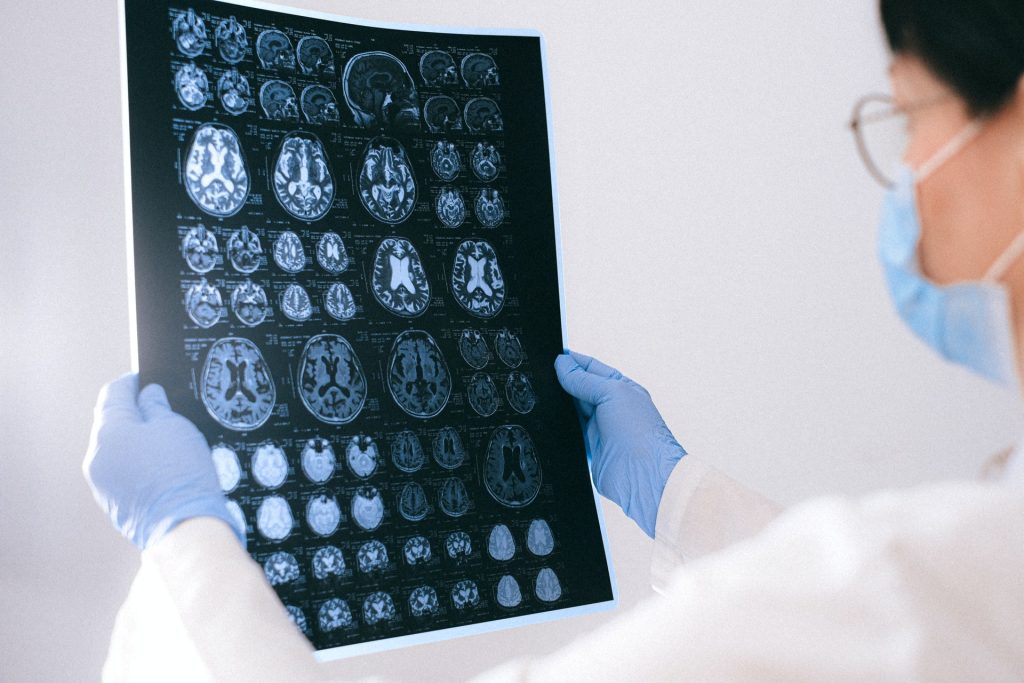
In a study published in the journal PNAS, detailed brain imaging data from 20 healthy volunteers revealed how the potent psychedelic compound, DMT (dimethyltryptamine), alters brain function. During the immersive DMT experience, there was increased connectivity across the brain, with more communication between different areas and systems. The changes to brain activity were most prominent in areas linked with ‘higher level’ functions, such as imagination.

DMT is a potent psychedelic found naturally in certain plants and animals, and unlike classic psychedelics, such as LSD or psilocybin, DMT’s has shorter-lasting effects on the brain, measured in minutes, rather than hours. It occurs in trace amounts in the human body and is the major psychoactive compound in ayahuasca.

The study is the first to track brain activity before, during and after the DMT experience in such detail.

Dr Chris Timmerman, from the Centre for Psychedelic Research at Imperial College London, and first author on the study, said: “This work is exciting as it provides the most advanced human neuroimaging view of the psychedelic state to-date.

“One increasingly popular view is that much of brain function is concerned with modelling or predicting its environment. Humans have unusually big brains and model an unusually large amount of the world. For example, like with optical illusions, when we’re looking at something, some of what we’re actually seeing is our brain filling in the blanks based on what we already know. What we have seen with DMT is that activity in highly evolved areas and systems of the brain that encode especially high-level models becomes highly dysregulated under the drug, and this relates to the intense drug ‘trip’.”

DMT can produce intense and immersive altered states of consciousness, with the experience characterised by vivid and bizarre visions, a sense of ‘visiting’ alternative realities or dimensions, and similarities with near death experiences. But exactly how the compound alters brain function to account for such effects has been unclear.

In the latest study, 20 healthy volunteers were given an injection of the drug while researchers from Imperial’s Centre for Psychedelic Research captured detailed imagery of their brains, enabling the team to study how activity changes before, during and after the trip.

Volunteers intravenously received a high dose of DMT (20mg), while simultaneously undergoing functional magnetic resonance imaging (fMRI) of their brain and electroencephalography (EEG). The total psychedelic experience lasted about 20 minutes, and at regular intervals, volunteers provided a rating of the subjective intensity of their experience (on a 1 to 10 scale).

The fMRI scans found changes to activity within and between brain regions in volunteers under the influence of DMT. Effects included increased connectivity across the brain, with more communication between different areas and systems. These phenomena, termed ‘network disintegration and desegregation’ and increased ‘global functional connectivity’, align with previous studies with other psychedelics. The changes to activity were most prominent in brain areas linked with ‘higher level’, human-specific functions, such as imagination.

The researchers highlight that while their study is not the first to image the brain under the influence of psychedelics or the first to show the signatures of brain activity linked to psychedelics, it is the first to combine imaging techniques to study the brain during a highly immersive psychedelic experience. They explain the work provides further evidence of how DMT, and psychedelics more generally, exert their effects by disrupting high level brain systems.

Prof Robin Carhart-Harris, founder of the Centre for Psychedelic Research at Imperial College London, and senior author on the paper (now working at the University of California, San Francisco), commented: “Motivated by, and building on our previous research with psychedelics, the present work combined two complementary methods for imaging the brain imaging. fMRI allowed us to see the whole of the brain, including its deepest structures, and EEG helped us view the brain’s fine-grained rhythmic activity.

“Our results revealed that when a volunteer was on DMT there was a marked dysregulation of some of the brain rhythms that would ordinarily be dominant. The brain switched in its mode of functioning to something altogether more anarchic. It will be fascinating to follow-up on these insights in the years to come. Psychedelics are proving to be extremely powerful scientific tools for furthering our understanding of how brain activity relates to conscious experience.”

The Imperial team is now exploring how to prolong the peak of the psychedelic experience through continuous infusion with DMT, and some are also advising on a commercially run trial to assess DMT for patients with depression.

Source: Imperial College London

Vitamin D may be Necessary for Effective Immunotherapy in Skin Cancer

3D structure of a melanoma cell derived by ion abrasion scanning electron microscopy. Credit: Sriram Subramaniam/ National Cancer Institute

Vitamin D has many effects on the body, including regulation of the immune system. New research indicates that for patients with advanced skin cancer, it may be important to maintain normal vitamin D levels when receiving immunotherapy in the form of immune checkpoint inhibitors. The findings are published in CANCER.

To see whether levels of vitamin D might impact the effectiveness of immune checkpoint inhibitors, investigators analysed the blood of 200 patients with advanced melanoma both before and every 12 weeks during immunotherapy treatment.

A favourable response rate to immune checkpoint inhibitors was observed in 56.0% of patients in the group with normal baseline vitamin D levels or normal levels obtained with vitamin D supplementation, compared with 36.2% in the group with low vitamin D levels without supplementation. Progression‐free survival in these groups was 11.25 and 5.75 months, respectively.

“Of course, vitamin D is not itself an anti-cancer drug, but its normal serum level is needed for the proper functioning of the immune system, including the response that anti-cancer drugs like immune checkpoint inhibitors affect,” said lead author Łukasz Galus, MD, of Poznan University of Medical Sciences, in Poland. “In our opinion, after appropriately randomised confirmation of our results, the assessment of vitamin D levels and its supplementation could be considered in the management of melanoma.”

Source: Wiley

Food Shortages at Chris Hani Baragwanath as Suppliers Fail to Deliver

Chris Hani Baragwanath Academic Hospital (CHBAH) has been hit with shortages of essential foods as contractors fail to deliver the quantities of food tendered for, Daily Maverick reports.

Last week, a head of department at CHBAH notified Daily Maverick of the developing crisis, saying “So once again there is a food crises at Bara – suppliers weren’t paid, also no soap and hand towels and as a result infections spreading 😡.”

The unnamed healthcare worker said that the crisis was due to small suppliers being unable to fulfil the quantities for tenders they secured. Dry goods were particularly affected, and protein substitutes were having to be purchased from petty cash which was now depleted. This was verified by another healthcare worker, who described a situation of hospital kitchens having to borrow from one another.

This comes after new details into Gauteng health department tender corruption have emerged thanks to a whistleblower.

One doctor spoke of elective surgeries being cancelled due to financial pressure, and an atmosphere of intimidation. Motalatale Modiba, spokesperson for the Gauteng Department of Health, denied that there was a food shortage situation, but said that delivery of some protein food items, such as chicken and fish, had been withheld due to administrative payment delays.

Read the full story at Daily Maverick.

Preterm Birth and Size Linked to Adult Fibrillation Risk

Photo by Hush Naidoo on Unsplash

A new study published in JAMA Pediatrics showed an association between being born preterm or large for gestational age and increased risks of atrial fibrillation later in life. Being small for gestational age at birth was only associated with an increased risk of atrial fibrillation up to the age of 18.

The incidence of atrial fibrillation in the young has increased over the past few decades, from low levels.

To date there have been little or mixed findings regarding the risk of atrial fibrillation in those with adverse birth outcomes. Atrial fibrillation increases the risk of stroke and other cardiovascular conditions, and is the most common form of cardiac arrhythmia. It mainly affects the middle-aged and the elderly. The estimated incidence in the young is low, 0.12 to 0.16%.

Low incidence in the young

A collaborative study involving researchers from Karolinska Institutet has now investigated the risk of atrial fibrillation according to preterm birth and foetal growth.

“Atrial fibrillation at a young age may involve a heavy socioeconomic burden for the affected individuals and we need to learn more about the underlying causes of the disease,” says first author Fen Yang, doctoral student at Karolinska Institutet. “Our findings may highlight the need to monitor and prevent the disease in individuals with an elevated risk of atrial fibrillation.”

“We found that individuals born preterm and those who were large for gestational age at birth had a slightly higher risk of developing atrial fibrillation up to middle-age than those with corresponding normal birth outcomes,” says principal investigator Krisztina László, associate professor at the Department of Global Public Health, Karolinska Institutet, and senior lecturer at the Department of Public Health and Caring Sciences at Uppsala University. “Individuals who were small for gestational age at birth had an increased risk of atrial fibrillation up to the age of 18, but not later in adulthood.”

The risk increase was 30% for individuals born preterm, 55% for individuals who were large at birth and 71% for individuals who were both preterm and large for gestational age at birth.

Eight million participants

The results of the study are based on statistical analyses of over eight million births from Danish (1978–2016), Finnish (1987–2014) and Swedish (1973–2014) medical birth registries who were followed for incident atrial fibrillation in the national patient and cause of death registries up to 2021. The results were compared with siblings in the same families. Since the study was observational, no causal relationships could be ascertained.

The researchers say that future studies may investigate the association between preterm birth, foetal growth, and the risk of atrial fibrillation up to old age.

Source: Karolinska Institutet

Statins Trial in HIV Patients Ended Early Due to Efficacy

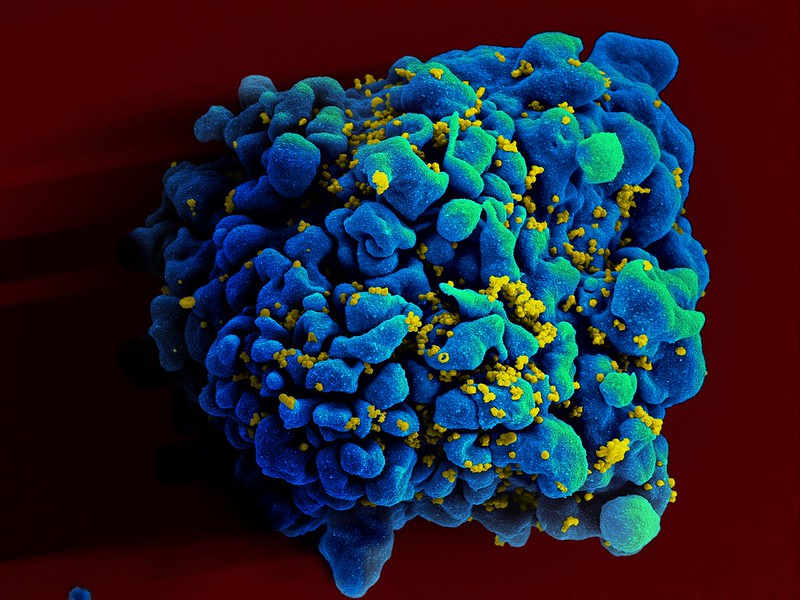
Colourised scanning electron micrograph of HIV (yellow) infecting a human T9 cell (blue). Credit: NIH

A large randomised controlled trial into using statins in people with HIV and low-to-moderate cardiovascular risk was stopped early due to clear benefits, according to an update posted online in JAMA Network. Participants, who were taking 4mg pitavastatin calcium daily, saw a 35% reduction in risk with no significant difference in adverse events compared to placebo, according to the National Institutes of Health.

This recommendation came after a planned interim analysis of data from the Randomized Trial to Prevent Vascular Events in HIV (REPRIEVE) study, which enrolled 7769 participants, across 12 countries across Asia, Europe, North America, South America and Africa. Participants were aged 40–75 years, had 100 cells/mmof blood at enrollment, and had low-to-moderate traditional cardiovascular disease risk that would not typically be considered for statin treatment. 

It was not clear if statins would have the same effect in people living with HIV and who have premature cardiovascular disease despite having low-to-moderate traditional risk. The interim analysis was compelling enough that the study’s independent Data Safety and Monitoring Board recommended at its latest regular meeting that it be halted early given adequate evidence of efficacy.

The study participants are being notified of the findings and will continue to be monitored for several months. Study results from the review are expected to be published in the coming weeks.

Study Reveals Why Cancer Drugs Cause Cardiotoxicity

While being effective at treating cancer, some cancer treatments can cause cardiotoxicity which can lead to heart failure – a phenomenon unexplained until now. An international study, published in the journal Science Advances, has identified proteins present in the blood that are linked to an increased risk of developing cardiac disease, including heart failure, and which are also affected by drugs used in cancer treatment.

The findings can explain how cancer drugs cause their damaging effects on the heart and could help to identify those at increased risk. In the long run, the researchers believe this will help to improve cancer treatments, with new drugs potentially being developed that can shrink tumours without affecting the identified proteins.

In addition, the study reveals new potential drug targets for treating heart diseases including heart failure. These may work by inhibiting proteins linked to higher disease risk, or activating proteins linked to lower risk.

The researchers first performed a genome-wide association study, searching through the DNA of nearly 37,000 people without heart disease enrolled in the UK Biobank study. This identified genetic variants linked to changes to the structure and function of the pumping chambers of the heart – the ventricles.

The researchers then pinpointed 33 proteins using Mendelian randomisation, coded for by these genetic variants, that are present in the blood and associated with the risk of developing several heart diseases. These included different types of heart failure, and atrial fibrillation (a common abnormal heart rhythm which increases the risk of stroke). Crucially, many of these proteins are the targets of drugs currently used to treat cancer.

Lead author Dr Floriaan Schmidt said: “The proteins identified in our study will help to accelerate future drug development, offering scientists a blueprint for new treatments for both cancer and heart diseases. This can help them to be more confident of the effects of the drugs that they design – whether that’s shrinking tumours without causing damage elsewhere or improving the heart’s pumping action.”

Professor Sir Nilesh Samani, Medical Director at the British Heart Foundation, said: “While there have been advances in treating cancer, one of the consequences has been a risk of heart damage from these drugs.

“This research points the way towards developing safer and more refined drugs so that, one day, worries about developing heart problems after cancer treatment might be a thing of the past.”

Source: University College London

Gel Delivery Method Achieves 100% Cure for Glioblastomas in Mice

Photo by Anna Shvets on Pexels

Anticancer drugs delivered by a novel gel cured 100% of mice with glioblastoma, one of the deadliest and most common brain tumours in humans. The results are published today in Proceedings of the National Academy of Sciences.

“Despite recent technological advancements, there is a dire need for new treatment strategies,” said chemical and biomolecular engineer Honggang Cui, who led the research. “We think this hydrogel will be the future and will supplement current treatments for brain cancer.”

Cui’s John Hopkins University team combined an anticancer drug and an antibody in a solution that self-assembles into a gel to fill the tiny grooves left after a brain tumour is surgically removed. The gel can reach areas that surgery might miss and current drugs struggle to reach to kill lingering cancer cells and suppress tumour growth.

The gel also seems to trigger an immune response that a mouse’s body struggles to activate on its own when fighting glioblastoma. When the researchers rechallenged surviving mice with a new glioblastoma tumour, their immune systems alone beat the cancer without additional medication. The gel appears to not only fend off cancer but help rewire the immune system to discourage recurrence with immunological memory, researchers said.

Surgery is still necessary; applying the gel directly in the brain without surgical resection resulted in a 50% survival rate.

“The surgery likely alleviates some of that pressure and allows more time for the gel to activate the immune system to fight the cancer cells,” Cui said.

The gel solution consists of nano-sized filaments made with paclitaxel, an FDA-approved drug for breast, lung, and other cancers. The filaments provide a vehicle to deliver an antibody called aCD47. By blanketing the tumour cavity evenly, the gel releases medication steadily over several weeks, and its active ingredients remain close to the injection site.

By using that specific antibody, the team is trying to overcome one of the toughest hurdles in glioblastoma research. It targets macrophages, a type of cell that sometimes supports immunity but other times protects cancer cells, allowing aggressive tumour growth.

One of the go-to therapies for glioblastoma is a wafer developed in the 1990s, with the commercial name Gliadel. This FDA-approved, biodegradable polymer also delivers medication into the brain after surgical tumour removal.

Gliadel showed significant survival rates in laboratory experiments, but the results achieved with the new gel are some of the most impressive the Johns Hopkins team has seen, said Betty Tyler, a co-author and associate professor of neurosurgery at the Johns Hopkins School of Medicine who played a pivotal role in the development of Gliadel.

“We don’t usually see 100% survival in mouse models of this disease,” Tyler said. “Thinking that there is potential for this new hydrogel combination to change that survival curve for glioblastoma patients is very exciting.”

The new gel offers hope for future glioblastoma treatment because it integrates anticancer drugs and antibodies, a combination of therapies researchers say is difficult to administer simultaneously because of the molecular composition of the ingredients.

“This hydrogel combines both chemotherapy and immunotherapy intracranially,” Tyler said. “The gel is implanted at the time of tumour resection, which makes it work really well.”

Johns Hopkins co-author Henry Brem, who co-developed Gliadel in addition to other brain tumour therapies currently in clinical trials, emphasised the challenge of translating the gel’s results in the lab into therapies with substantial clinical impacts.

“The challenge to us now is to transfer an exciting laboratory phenomenon to clinical trials,” said Brem, who is neurosurgeon-in-chief at Johns Hopkins Hospital.

Source: John Hopkins University

After COVID, Experts Advise Against Universal Masking in Healthcare

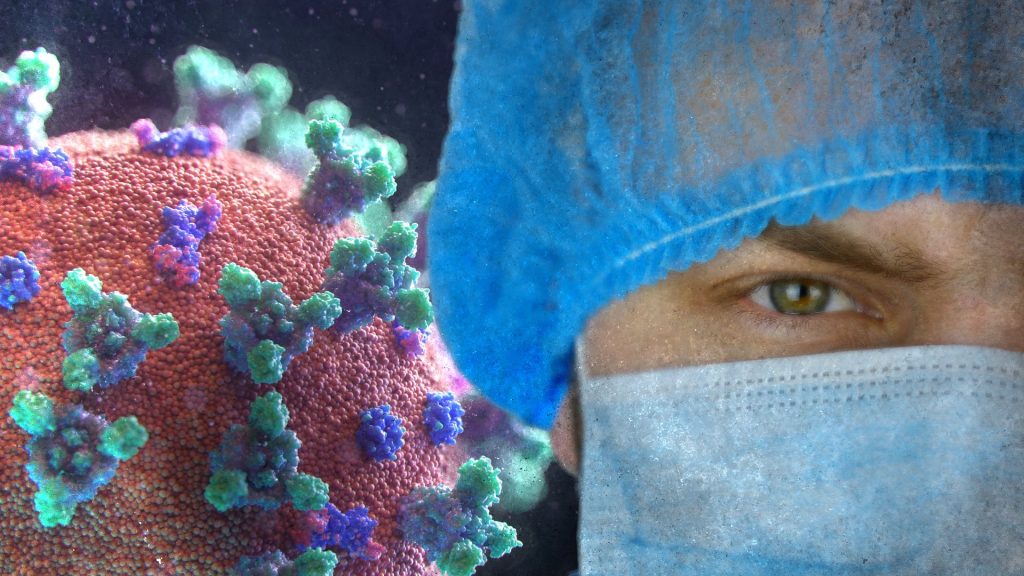
While masking was a critical preventative measure to protect healthcare workers, patients and visitors during the COVID pandemic, infectious disease researchers argue against masking, saying that that as the pandemic dies down, the routine use of masking should be reconsidered. Previous policies over healthcare masking use against SARS-CoV-2 transmission were formulated against a background which assumed no population immunity and no countermeasures.

In editorial published in Annals of Internal Medicine, the authors argue for the discontinuation of universal COVID masking in healthcare settings as infection rates and mortality have fallen and access to testing and therapeutics is widespread, as is immunity. Universal masking is therefore no longer of benefit and its own drawbacks, such as facial irritation and hindering communication, are more of a hinderance.

In addition to difficulties faced by speakers of different languages as well as the hard of hearing, masks have a number of detrimental effects for communication. “The increase in listening effort required when masks are used in clinical encounters is associated with increased cognitive load for patients and clinicians,” the authors wrote. In addition to making clinicians’ jobs harder, they also impact the all-important clinician–patient relationship, as face masks “obscure facial expression; contribute to feelings of isolation; and negatively impact human connection, trust, and perception of empathy.”

Healthcare workers should instead adopt an approach for SARS-CoV-2 similar to that of any other endemic respiratory disease. Drawing on the experience of the COVID pandemic, they suggest a more flexible, responsive approach to masking policies. In response to future epidemics or localised outbreaks “may justify more widespread or targeted masking policies, respectively, as part of a bundled response. High-quality epidemiologic data with frequent updates and regular reevaluation are needed to inform scale-up or scale-down decisions.”

New Mental Health Policy Welcomed, but Experts Concerned over Implementation

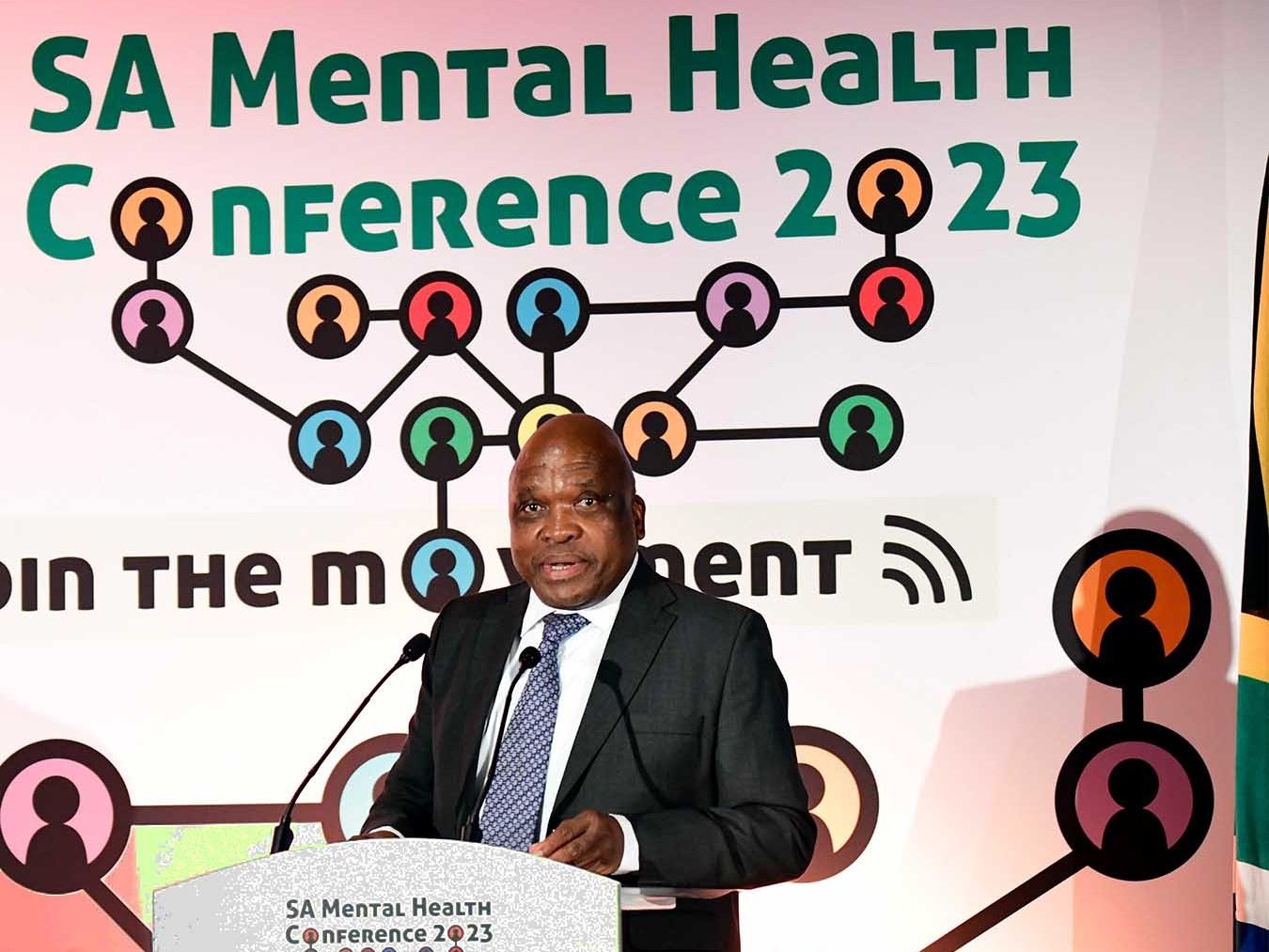
South Africa’s long-awaited new National Mental Health Policy Framework and Strategic Plan 2023 – 2030 has been published. The policy framework was presented at the SA mental health conference this week. PHOTO: DOH/Twitter

By Thabo Molelekwa at Spotlight

South Africa’s long-awaited new National Mental Health Policy Framework and Strategic Plan 2023 – 2030 took centre stage this week at the two-day SA Mental Health Conference in Johannesburg. As Spotlight previously reported, the old policy framework technically expired in 2020.

But even though there has been a gap from 2020 to 2023, speaking to Spotlight at the conference, Minister of Health Dr Joe Phaahla said that it doesn’t mean there was a gap in terms of updating. “Every either three or five years, we revise the policy. So, it is not that there has been a gap. There has been a policy, which has been guiding,” he said.

“But as things change, and in each cycle of the strategy and planning, we have a particular timeframe so that we can evaluate. And so now we have evaluated, and that’s why we are adding [additional things], as we learned from the previous implementation.”

Phaahla said that gaps in the country’s mental health services are not because of a lack of policy and plans but due to implementation issues and sometimes the shortage of resources and psychiatrists.

“If you look at the area of psychiatrists, it is just the two-tier system of our health service, which makes it very difficult because what psychiatrists can earn providing the services to more of the insured patients – it is something we can’t really match with the public sector salaries generally,” he said. Phaahla said that psychiatrists, who mostly work in the private sector, were typically trained at public-sector teaching hospitals. “But once they’re qualified, they stay for one year or so, then they are attracted by better income,” he told Spotlight.

According to Phaahla, to deal with the shortage of psychiatrists in provinces such as the Northern Cape where there are only three psychiatrists, the department plans to contract psychiatrists from other provinces. “We can have part-time psychiatrists, maybe take some from Gauteng where the majority are and in Western Cape and contract them to provide services in Northern Cape. Even if it’s on a weekly rotation,” he said.

Concerns over delays

While several mental health experts have welcomed the new policy framework and agree with Phaahla about the importance of implementation, they are not happy about the delays.

“We’re now sitting in 2023, three years late,” said Cassey Chambers of the South African Depression and Anxiety Group (SADAG). What that means, she said, is that civil society did not have a working document with which to engage government at provincial or district level.

Bharti Patel of the South African Mental Health Federation expressed similar concerns. “As the Federation for mental health, we are disappointed that it has taken this long for the policy to be reviewed, given the fact that the initial policy was launched in 2013,” said Patel.

“We had a crisis during that period from 2013 to 2020. We have witnessed mental healthcare users losing their lives during Life Esidimeni. The [Health] ombud report, the South African Human Rights Commission Report, have all given recommendations,” Patel said. Patel argues that those recommendations should have informed policy and implementation more quickly.

Implementation problems

Chambers described the previous strategic policy framework as a “very good document”. Then, she said, the problem came in the implementation. “And I think perhaps this is [why there was a] delay in having an updated document that is now running from 2023 to 2030. It is because the document was good, the policy was good. However, how it was implemented was not happening,” she said.

Speaking to Spotlight, Professor Crick Lund, Co-Director, of the Centre for Global Mental Health at King’s College London, explained that there are a number of factors that create implementation challenges. “The one is ignorance on the part of senior decision-makers about mental health, ignorance about the scale of the problem, and ignorance about the fact that something can be done about it,” he said.

According to Lund, the new policy framework has stronger implementation monitoring mechanisms and implementation can be tracked in a much clearer way over time.

For the new policy framework to work better than the previous one, Lund believes there is a need to create greater public awareness about mental health and about the mental health policy. He says, “We need to get all the sectors involved working together – the Department of Health, Education, Social Development, the criminal justice system, and also the NGO sector.”

Along similar lines, Patel stressed the importance of getting more government departments involved. “While the policy is developed at the national level, the National Department of Health is responsible for training the provinces and not only the Department of Health; they need to train all government departments within the province who have bought this policy,” she said. “You can’t have the Department of Health alone implement a policy. This is a policy that requires inter-sectoral collaboration so that different departments can also put budgets towards implementation.”

Lund said that there is a lot of common agreement on what the priorities are and a lot of energy going forward. “So I’m hopeful that we can move things forward.”

Budgets and human resources

While there seems to be consensus on the need for more training and getting wider buy-in, there is also a shared awareness that successful implementation will depend on the availability of sufficient funds and human resources.

“We need to see structured action plans in the provinces with budgets allocated so that we can hold the government departments accountable,” said Patel.

Chambers agrees that in order to get implementation of the new policy framework right, we will have to get the budgets right. “You need to allocate a budget in order to help with the implementation plan, especially knowing that our previous policy framework was not implemented. So, we have to overcompensate for that now, which is concerning because this year, the health budget has been reduced. Therefore, meaning that the national mental health budget has been reduced,” she said.

According to the new policy framework, the case for investing in mental health is strong. It states that at a societal level, lost income associated with mental illness far exceeds public sector expenditure on mental healthcare – in other words, it costs South Africa more to not treat mental illness than to treat it. The impact of mental illnesses such as depression and anxiety has been estimated to cost the economy more than US$3.6 billion (R61.2 billion) in lost earnings per year. Certain conditions such as perinatal depression and anxiety have lifelong cost consequences. For example, it is estimated that the lifetime costs of perinatal depression and anxiety in South Africa amount to US$2.8 billion (R47.6 billion) per annual cohort of births.

Chambers also stressed that we are facing shortages of human resources and appropriate facilities. “We don’t have the human resources or the capacity to fulfil that implementation plan and that’s a worry and a concern,” she said.

NHI and provincial plans

According to the new policy framework, mental health will be financed according to the principles adopted for all health financing in South Africa, and people will be protected from the catastrophic financial consequences of mental ill-health.

According to the policy framework, in the financing of the National Health Insurance (NHI) system, mental health services will be given parity with other health conditions, in proportion to the burden of disease and evidence for cost-effective interventions. NHI will specifically include packages of care for mental health, in line with the evidence for the most cost-effective interventions. The policy framework states that private medical aid schemes should be required to provide similar parity between mental health and other health conditions.

“Budget will be allocated to meet targets set for the implementation of the policy and regular discussions will be held with provinces to discuss strategies and monitor progress with implementation. At provincial level, mental health budgets will be reviewed annually to align mental health with national priorities, for each of the areas for action in 2023 and annually thereafter,” the policy framework reads.

The policy also says that all provinces will develop provincial strategic plans for mental health, in keeping with national policy, which outlines specific strategies, targets, timelines, budgets, and indicators in 2023 and annually thereafter, informed by specific unique local challenges.

Source: Spotlight