Not Your ‘Average’ Gut: Study Reveals Great Variation in Gastrointestinal Systems
Source: CC0

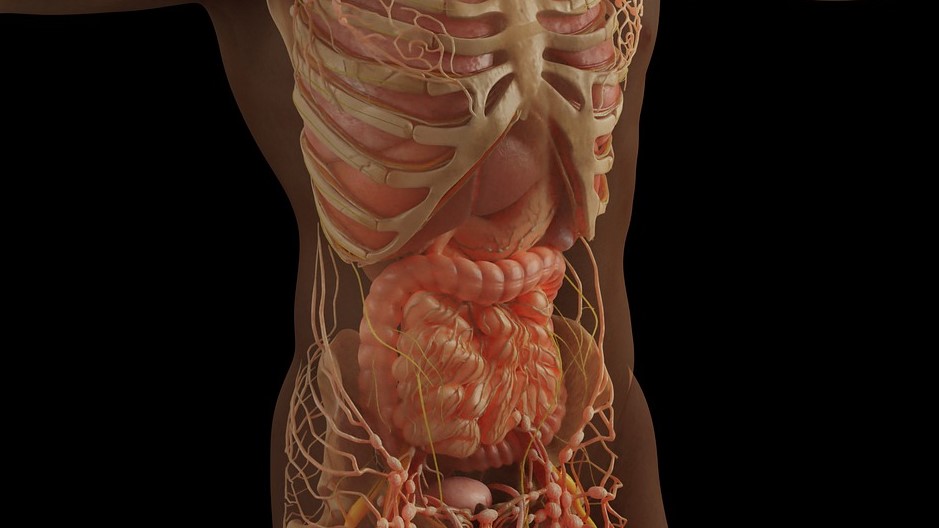
There is a great deal of variation in the anatomy of the gastrointestinal system, with pronounced differences possible between healthy individuals, according to surprising new research published in PeerJ. Differences between males and females were also uncovered.

The finding has implications for understanding the role that the digestive tract’s anatomy can play in affecting human health, as well as providing potential insights into medical diagnoses and the microbial ecosystem of the gut.

“There was research more than a century ago that found variability in the relative lengths of human intestines, but this area has largely been ignored since then,” says Amanda Hale, study co-first author and a PhD candidate at North Carolina State University. “When we began exploring this issue, we were astonished at the extent of the variability we found.”

“If you’re talking to four different people, odds are good that all of them have different guts, in terms of the relative sizes of the organs that make up that system,” says Erin McKenney, corresponding author and an assistant professor of applied ecology at NC State. “For example, the cecum is an organ that’s found at the nexus of the large and small intestine. One person may have a cecum that is only a few centimeters long, while another may have a cecum the size of a coin purse. And we found similar variability for many digestive organs.”

In another striking example, the researchers found that women tend to have longer small intestines than men.

“Because having a longer small intestine helps you extract nutrients from your diet, this finding supports the canalisation hypothesis, which posits that women are better able to survive during periods of stress,” says Hale.

“Given that there is more variation in human gut anatomy than we thought, this could inform our understanding of what is driving a range of health-related issues and how we treat them,” says McKenney. “Basically, now that we know this variability exists, it raises a number of research questions that need to be explored.”

For this study, the researchers measured the digestive organs of 45 people who donated their remains to the Anatomical Gifts Program at the Duke University School of Medicine.

In addition to shedding light on the unexpected variability in human anatomy, this project also led to rediscovering the importance of teaching anatomical variation to medical students.

“It’s particularly important in medical training, because if students are only learning about a ‘normal’ or ‘average’ anatomy, that means they are not going to be familiar with the scope of human variation,” says Roxanne Larsen, co-author of the paper and an associate professor of veterinary and biomedical sciences at the University of Minnesota. “It’s increasingly clear that the medical field is moving toward individualized medicine to improve patient outcomes and overall health and well-being. Garnering experience in understanding anatomical variation can play a critical role in helping future doctors understand the importance of individualised medicine.”

“We’re excited about this discovery and future directions for the work,” McKenney says. “It underscores just how little we know about our own bodies.”

Source: North Carolina State University

The Body’s Safety Valve Against Insulin Shock

Novolog insulin pen. Photo by Dennis Klicker on Unsplash

Insulin is an important treatment for people with type 1 or 2 diabetes, but excessive insulin can cause hypoglycaemia, leading to convulsions, coma and possibly death – a collection of conditions that defines insulin shock.

In a new study published in Cell Metabolism, a team of scientists at the University of California San Diego School of Medicine, with colleagues elsewhere, describe a key component in the mechanism that regulates against excessive insulin.

“Although insulin is one of the most essential hormones, whose insufficiency can result in death, too much insulin can also be deadly,” said senior study author Professor Michael Karin, PhD, at UC San Diego School of Medicine.

In the new study, Karin, first author Li Gu, PhD, a postdoctoral scholar in Karin’s lab, and colleagues describe “the body’s natural defence or safety valve” that reduces the risk of insulin shock.

That valve is a metabolic enzyme called fructose-1,6-bisphosphate phosphatase or FBP1, which acts to control gluconeogenesis, a process in which the liver synthesises glucose, during sleep and secretes it to maintain steady supply of glucose in the bloodstream.

Some antidiabetic drugs, such as metformin, inhibit gluconeogenesis but without apparent ill effect. Children born with a rare, genetic disorder in which they do not produce sufficient FBP1 can also remain healthy and live long lives.

But in other cases, when the body is starved for glucose or carbohydrates, an FBP1 deficiency can result in severe hypoglycaemia, leading to convulsions, coma and possibly death.

Compounding and confounding the problem, FPB1 deficiency combined with glucose starvation produces adverse effects unrelated to gluconeogenesis, such as an enlarged, fatty liver, mild liver damage and elevated blood lipids or fats.

To better understand the roles of FBP1, researchers created a mouse model with liver specific FBP1 deficiency, accurately mimicking the human condition. Like FBP1-deficient children, the mice appeared normal and healthy until fasted, which quickly resulted in the severe hypoglycaemia and the liver abnormalities and hyperlipidaemia described above.

Gu and her colleagues discovered that FBP1 had multiple roles. Beyond playing a part in the conversion of fructose to glucose, FBP1 had a second non-enzymatic but critical function: It inhibited the protein kinase AKT, which is the primary conduit of insulin activity.

“Basically, FBP1 keeps AKT in check and guards against insulin hyper-responsiveness, hypoglycaemic shock and acute fatty liver disease,” said first author Gu.

Working with Yahui Zhu, a vising scientist from Chongqing University in China and second author of the study, Gu developed a peptide (a string of amino acids) derived from FBP1 that disrupted the association of FBP1 with AKT and another protein that inactivates AKT.

“This peptide works like an insulin mimetic, activating AKT,” said Karin. “When injected into mice that have been rendered insulin resistant, a highly common pre-diabetic condition, due to prolonged consumption of high-fat diet, the peptide (nicknamed E7) can reverse insulin resistance and restore normal glycaemic control.”

Karin said the researchers would like to further develop E7 as a clinically useful alternative to insulin “because we have every reason to believe that it is unlikely to cause insulin shock.”

Source: University of California – San Diego

Up to Half of Concussions May Have Long-lasting Effects

Photo by Tom Jur on Unsplash

Even mild concussion can cause long-lasting effects to the brain, according to a University of Cambridge analysis published in Brain. The study researchers showed that for almost a half of all people who receive a concussion, there are changes in how regions of the brain communicate with each other. This could potential cause long term symptoms such as fatigue and cognitive impairment.

Concussion, a mild traumatic brain injury, can occur as a result of a fall, a sports injury or from a cycling accident or car crash, for example. But despite the ‘mild’ label, it is commonly linked with persistent symptoms and incomplete recovery. Such symptoms include depression, cognitive impairment, headaches, and fatigue.

While some clinicians in recent studies predict that 9 out of 10 individuals who experience concussion will have a full recovery after six months, evidence is emerging that only a half achieve a full recovery. This means that a significant proportion of patients may not receive adequate post-injury care.

Predicting which patients will have a fast recovery and who will take longer to recover is challenging, however. At present, patients with suspected concussion will typically receive either a CT or MRI brain scan to look for structural problems, such as inflammation or bruising. Yet even if these scans show no obvious structural damage, a patient’s symptoms may still persist.

Dr Emmanuel Stamatakis from the Department of Clinical Neurosciences and Division of Anaesthesia at the University of Cambridge said: “Worldwide, we’re seeing an increase in the number of cases of mild traumatic brain injury, particularly from falls in our ageing population and rising numbers of road traffic collisions in low- and middle-income countries.

“At present, we have no clear way of working out which of these patients will have a speedy recovery and which will take longer, and the combination of over-optimistic and imprecise prognoses means that some patients risk not receiving adequate care for their symptoms.”

Dr Stamatakis and colleagues studied functional MRI (fMRI) brain scans taken from 108 patients with mild traumatic brain injury and compared them with scans from 76 healthy volunteers. Patients were also assessed for ongoing symptoms.

The patients and volunteers had been recruited to CENTER-TBI, a large European research project which aims to improve the care for patients with traumatic brain injury.

The team found that just under half (45%) were still showing symptoms resulting from their brain injury, with the most common being fatigue, poor concentration and headaches.

The researchers found that these patients had abnormalities in a region of the brain known as the thalamus, which integrates all sensory information and relays this information around the brain. Counter-intuitively, concussion was associated with increased connectivity between the thalamus and the rest of the brain – in other words, the thalamus was trying to communicate more as a result of the injury – and the greater this connectivity, the poorer the prognosis for the patient.

Rebecca Woodrow, a PhD student in the Department of Clinical Neuroscience and Hughes Hall, Cambridge, said: “Despite there being no obvious structural damage to the brain in routine scans, we saw clear evidence that the thalamus – the brain’s relay system – was hyperconnected. We might interpret this as the thalamus trying to over-compensate for any anticipated damage, and this appears to be at the root of some of the long-lasting symptoms that patients experience.”

Using positron emission tomography (PET) scans, the researchers were able to make associations with key neurotransmitters depending on which long-term symptoms a patient displayed. For example, patients experiencing cognitive problems such as memory difficulties showed increased connectivity between the thalamus and areas of the brain rich in the neurotransmitter noradrenaline; patients experiencing emotional symptoms, such as depression or irritability, showed greater connectivity with areas of the brain rich in serotonin.

Dr Stamatakis added: “We know that there already drugs that target these brain chemicals so our findings offer hope that in future, not only might we be able to predict a patient’s prognosis, but we may also be able to offer a treatment targeting their particular symptoms.”

Source: University of Cambridge

Many Pilots Dodge Doctors to Keep Flying

Photo by Daniel Eledut on Unsplash

A survey of military and paid civilian pilots has revealed that they may avoid seeking medical advice out of fear of losing certification to fly. Two-thirds of military and paid civilian pilots answered “yes” to at least one of four survey questions on reluctance to seek formal medical advice about health problems, reported William R. Hoffman, MD, who presented a poster at the American Academy of Neurology annual meeting.

Hoffman, a US Air Force employee, noted that both civilian and military pilots can be grounded if they have certain medical symptoms or diagnoses, with a range of negative repercussions for the pilot. As a result, pilots are disinclined to be truthful about their health if their employers or officials might find out.

In a previous survey of pilots led by Hoffman, more than three-quarters reported that they “felt worried about seeking medical care due to concern for their career or hobby.” The new survey probed this reluctance, with respondents asked whether they agreed or disagreed with the following:

  • Sought informal medical advice for fear of certificate loss
  • Flew despite experiencing a new symptom (physical or psychological) that warranted evaluation
  • Did not disclose prescription medication use
  • Misrepresented or withheld information on a written healthcare questionnaire for fear of certificate loss

Respondents to the web-based survey included 2383 nonprofessional civilian pilots, 1097 paid civilian pilots, and 261 military pilots.

Just over half of the unpaid civilian pilots denied ever hiding any of the four types of information. But that was true for only 33.6% of the paid civilian pilots and 32.2% of the military pilots.

Fortunately, among all respondents, only 6.8% said they had not disclosed prescription drug use as required, and just 16.8% acknowledged that they had kept new symptoms secret. But 45.7% acknowledged seeking informal advice in place of seeing a professional, and 26.8% said they had withheld or overtly misrepresented information on written forms. A few (2.2%) admitted to all four types of avoidance.

Female pilots reported slightly more avoidance of disclosure (62.0% of all female respondents vs 55.4% of men; P not reported). Younger pilots were also less open, especially those aged 25–40 (69.1% vs 40.7% in those older than 60). Union membership and active-duty military status were linked to high rates of avoidance (70.1% and 75.8%, respectively, vs 51.8% among non-unionised civilian and military reservist pilots).

Hoffman suggested that neurologists recognise that pilots may be shy about revealing their true health condition. “This might be mitigated through developing rapport with the pilot, asking questions about concerns related to their flying status, and clear communication about documentation and clinic course.”

Additionally, he recommended, “it is good technique to order only the necessary tests for all patients, to include pilots to avoid false positives.”

Despite this, medical professionals have an obligation to communicate a pilot’s health concerns to those responsible for evaluating fitness to fly.

Source: MedPage Today

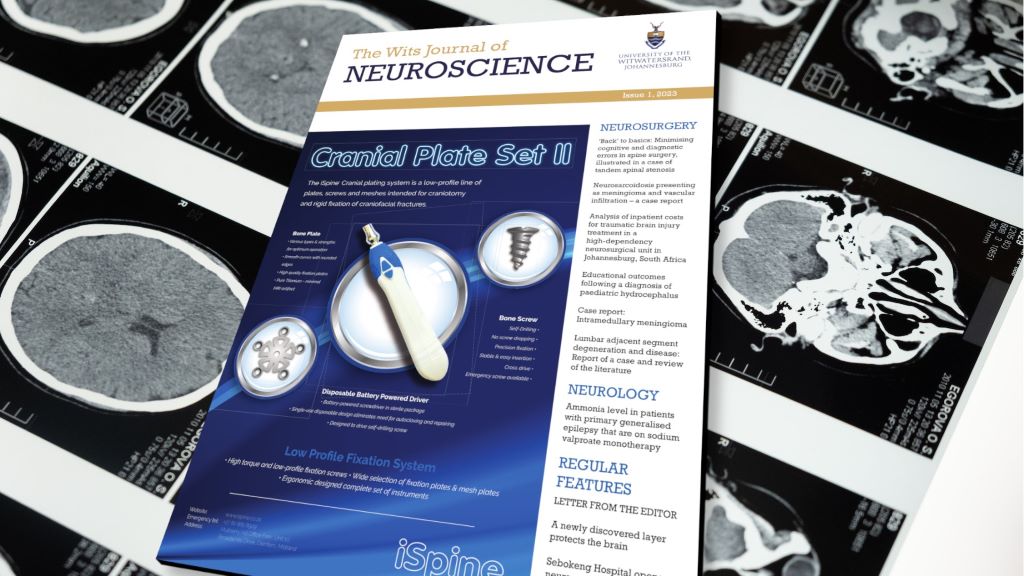
Introducing The Wits Journal of Neuroscience – Inaugural Issue

Modern Media Publishing is pleased to announce the inaugural issue of the Wits Journal of Neuroscience*, a new academic journal aiming to connect those in the field of neuroscience and broaden its horizons in South Africa.

The journal is available online here, and will also have a print distribution.

The new publication will feature articles from clinician researchers in the fields of neurosurgery, neurology, ophthalmology and ears, nose and throat (ENT). The journal features original research and case reports and MMed articles selected by its distinguished editorial board. It also reports on local neuroscience news and events as well as international research highlights. Readers also get a peek behind the curtain at upcoming research.

Professor John R. Ouma, Head of Department of Neuroscience at Wits said, “The aim of this new journal is to fill a gap that has been existing, wherein there has not hitherto been a common platform for academicians and others interested in neurosciences to come together and share ideas as well as generate new science.

“This journal will be widely circulated within the Neuroscience community of this University and its associated hospitals, and then further afield to sister Universities, hospitals and entities to ensure that the ideas generated and expressed in it achieve the widest exposure and impact.

“We hope you enjoy it, both now, and in future editions.”

*The Wits Journal of Neuroscience is Produced and Distributed on behalf of the Wits Dept of Neuroscience by Modern Media Publishing (Pty) Ltd. They can be contacted on 011-326-4171 or by email on info@modernmedia.co.za

Improper ‘Pruning’ of Brain Connections may Cause Teen Mental Health Disorders

Photo by Andrew Neel on Unsplash

Problems with the brain’s ability to ‘prune’ itself of unnecessary connections may underlie a wide range of mental health disorders that begin during adolescence, according to research published in Nature Medicine.

The findings, from an international collaboration, led by researchers in the UK, China and Germany, may help explain why people are often affected by more than one mental health disorder, and may in future help identify those at greatest risk.

One in seven adolescents (aged 10-19 years old) worldwide experiences mental health disorders, according to the World Health Organization (WHO). Depression, anxiety and behavioural disorders, such as attention deficit hyperactivity disorder (ADHD), are among the leading causes of illness and disability among young people, and adolescents will commonly have more than one mental health disorder.

Many mental health problems emerge during adolescence, such as depression and anxiety, which manifest as ‘internalising’ symptoms, including low mood and worrying. Other conditions such as attention deficit hyperactivity disorder (ADHD) manifest as ‘externalising’ symptoms, such as impulsive behaviour.

Professor Barbara Sahakian from the Department of Psychiatry at the University of Cambridge said: “Young people often experience multiple mental health disorders, beginning in adolescence and continuing – and often transforming – into adult life. This suggests that there’s a common brain mechanism that could explain the onset of these mental health disorders during this critical time of brain development.”

In the study, the researchers say they have identified a characteristic pattern of brain activity among these adolescents, which they have termed the ‘neuropsychopathological factor’, or NP factor for short.

The team examined data from 1,750 adolescents, aged 14 years, from the IMAGEN cohort, a European research project examining how biological, psychological, and environmental factors during adolescence may influence brain development and mental health. In particular, they examined imaging data from brain scans taken while participants took part in cognitive tasks, looking for patterns of brain connectivity – in other words, how different regions of the brain communicate with each other.

Adolescents who experienced mental health problems – regardless of whether their disorder was one of internalising or externalising symptoms, or whether they experienced multiple disorders – showed similar patterns of brain activity. These patterns – the NP factor – were largely apparent in the frontal lobes, the area at the front of the brain responsible for executive function which, among other functions, controls flexible thinking, self-control and emotional behaviour.

The researchers confirmed their findings by replicating them in 1799 participants from the ABCD Study in the USA, a long-term study of brain development and child health, and by studying patients who had received psychiatric diagnoses.

When the team looked at genetic data from the IMAGEN cohort, they found that the NP factor was strongest in individuals who carried a particular variant of the gene IGSF11 that has been previously associated with multiple mental health disorders. This gene is known to play an important role in synaptic pruning, a process whereby unnecessary brain connections – synapses – are discarded. Problems with pruning may particularly affect the frontal lobes, since these regions are the last brain areas to complete development in adolescents and young adults.

Dr Tianye Jia from the Institute of Science and Technology for Brain-Inspired Intelligence, Fudan University, Shanghai, China and the Institute of Psychiatry, Psychology & Neuroscience, King’s College London, London, UK said: “As we grow up, our brains make more and more connections. This is a normal part of our development. But too many connections risk making the brain inefficient. Synaptic pruning helps ensure that brain activity doesn’t get drowned out in ‘white noise’.

“Our research suggests that when this important pruning process is disrupted, it affects how brain regions talk to each other. As this impact is seen most in the frontal lobes, this then has implications for mental health.”

The researchers say that the discovery of the NP factor could help identify those young people at greatest risk of compounding mental health problems.

Professor Jianfeng Feng from Fudan University in Shanghai, China, and the University of Warwick, UK, said: “We know that many mental health disorders begin in adolescence and that individuals who develop one disorder are at increased risk of developing other disorders, too. By examining brain activity and looking for this NP factor, we might be able to detect those at greatest risk sooner, offering us more opportunity to intervene and reduce this risk.”

Source: University of Cambridge

Chinese Traditional Medicine in Pregnancy Linked to Increased Congenital Malformations

A new study published in the journal Acta Obstetricia et Gynecologica Scandinavica has uncovered an association between the use of traditional Chinese medicine during pregnancy and congenital malformations, including heart defects, in children.

In the prospective study, 16 751 women who received obstetrics care from hospitals in China completed a survey on their use of traditional Chinese medicine before and during pregnancy. Among foetuses, there were 273 congenital malformations.

Foetuses exposed to traditional Chinese medicine had 2.1-times higher odds of developing congenital malformations compared with those without exposure. There were significant associations with congenital malformations in women with early pregnant use of traditional Chinese medicine and for those who used two or more types of these products.

“To improve traditional Chinese medicine, we should pay more attention to its hazards – especially the identification of teratogenic ingredients – while also evaluating its therapeutic effects,” said corresponding author Jiang-Nan Wu, of Obstetrics and Gynecology Hospital of Fudan University, in China.

Source: Wiley

Suicide Attempts Show Increasing Exposures to Cannabis

Photo by Kindel Media on Unsplash

Analysis of US poison centre data has shown that suspected suicidal cannabis exposures have increased 17% annually, over a period of 12 years. According to the study published in the journal JAMA Network Open, more than 92%, involved other substances in addition to cannabis, and the data cannot show a direct causal link between cannabis and suicide attempts.

Still, the findings are cause for concern, the researchers said, especially since the increase was more pronounced among children and women during and after the pandemic.

“This study adds to already ample evidence that cannabis use, particularly by younger people, has significant implications for mental health,” said study co-author Tracy Klein, a WSU associate professor of nursing. “We don’t have evidence that cannabis alone was the primary driver of a suicide attempt, but we do know that cannabis can worsen certain mental health conditions and increase impulsivity.”

The researchers found 18,698 cases of intentional, suspected suicide cannabis exposures reported to U.S. poison centers from 2009 to 2021. Of these cases, 9.6% resulted in death or major outcomes such as permeant disability. The researchers noted that while more of these exposures involved younger people, severe consequences occurred more often among people 65 and older.  

U.S. poison centers take calls 24-hours a day from households and healthcare facilities to provide toxicology expertise in suspected poisoning cases. They also investigate the causes, often following up with patients and doctors to determine if patients took substances intentionally or not.

It is well known that accidental cannabis poisonings have been increasing since many states legalized cannabis. Some policies can help prevent these unintentional cases, Klein said, such as packaging guidelines so edible cannabis products are not mistaken for candy.

Intentional cannabis poisonings, on the other hand, have not been well studied, which is one of the reasons the researchers undertook this analysis, and their findings point to the need for more mental health services.

“We have a significant shortage of mental health and primary care providers in the United States,” Klein said. “We know that mental health needs not only changed but became even more acute during the COVID-19 emergency. Cannabis is one part of that.”

Other research has shown that cannabis use is associated with depression and anxiety in youth and that it may interfere with brain development as well. Recent studies have also suggested a link between suicidal ideation and cannabis use in young people. Given this evidence, it is especially important to limit youth access to cannabis, said Janessa Graves, first author and a WSU nursing associate professor.  

“Children and adolescents shouldn’t be able to purchase or access cannabis,” Graves said. “We also need to educate kids and parents around the risks of cannabis. I think many people just aren’t aware the impacts cannabis can have on brain development, and on behavioural and mental health, especially in adolescents and young adults.”

Source: Washington State University

Experimental Biologic Drug Defeats MRSA in Early Lab Tests

Methicillin-resistant Staphylococcus aureus (MRSA). Image by CDC on Unsplash

Researchers reported in Cell Host & Microbe that early tests of a bioengineered drug candidate were successful in countering Staphylococcus aureus, a bacteria particularly dangerous to hospitalised patients. 

Experiments demonstrated that SM1B74, an antibacterial biologic agent, was superior to a standard antibiotic drug at treating mice infected with S. aureus, including its treatment-resistant form known as MRSA.

The researchers tested mAbtyrins, a combination molecule based on an engineered version of a human monoclonal antibody (mAb), a protein that clings to and marks S. aureus for uptake and destruction by immune cells. Attached to the mAb are centyrins, small proteins that prevent these bacteria from boring holes into the human immune cells in which they hide. As the invaders multiply, these cells die and burst, eliminating their threat to the bacteria.

Together, the experimental treatment targets ten disease-causing mechanisms employed by S. aureus, but without killing it, say the study authors. This approach promises to address antibiotic resistance, say the researchers, where antibiotics kill vulnerable strains first, only to make more space for others that happen to be less vulnerable until the drugs no longer work.

“To our knowledge, this is the first report showing that mAbtyrins can drastically reduce the populations of this pathogen in cell studies, and in live mice infected with drug-resistant strains so common in hospitals,” said lead study author Victor Torres, PhD, the C.V. Starr Professor of Microbiology and director of the NYU Langone Health Antimicrobial-Resistant Pathogen Program.”Our goal was to design a biologic that works against S. aureus inside and outside of cells, while also taking away the weapons it uses to evade the immune system.”

Inside Out

The new study is the culmination of a five-year research partnership between scientists at NYU Grossman School of Medicine and Janssen to address the unique nature of S. aureus.

The NYU Langone team together with Janssen researchers, published in 2019 a study that found that centyrins interfere with the action of potent toxins used by S. aureus to bore into immune cells. They used a molecular biology technique to make changes in a single parental centyrin, instantly creating a trillion slightly different versions of it via automation. Out of this “library,” careful screening revealed a small set of centyrins that cling more tightly to the toxins blocking their function.

Building on this work, the team fused the centyrins to a mAb originally taken from a patient recovering from S. aureus infection. Already primed by its encounter with the bacteria, the mAb could label the bacterial cells such that they are pulled into bacteria-destroying pockets inside of roving immune cells called phagocytes. That is unless the same toxins that enable S. aureus to drill into immune cells from the outside let it drill out of the pockets to invade from the inside.

In a “marvel of bioengineering,” part of the team’s mAbtyrin serves as the passport recognised by immune cells, which then engulf the entire, attached mAbtyrin, along with its centyrins, and fold it into the pockets along with bacteria. Once inside, the centyrins block the bacterial toxins there. This, say the authors, sets their effort apart from antibody combinations that target the toxins only outside of cells.

The team made several additional changes to their mAbtyrin that defeat S. aureus by, for instance, activating chain reactions that amplify the immune response, as well by preventing certain bacterial enzymes from cutting up antibodies and others from gumming up their action.

The researchers tracked the growth of S. aureus strains commonly occurring in US communities in the presence of primary human immune cells (phagocytes). Bacterial populations grew almost normally in the presence of the parental antibody, slightly less well in the presence of the team’s engineered mAb, and half as fast when the mAbtyrin was used.

In another test, 98% of mice treated with a control mAb (no centyrins) developed bacteria-filled sores on their kidneys when infected with a deadly strain of S. aureus, while only 38% of mice did so when treated with the mAbtyrin. Further, when these tissues were removed and colonies of bacteria in them counted, the mice treated with the mAbtyrin had one hundred times (two logs) fewer bacterial cells than those treated with a control mAb.

Finally, the combination of small doses of the antibiotic vancomycin with the mAbtyrin in mice significantly improved the efficacy of the mAbtyrin, resulting in maximum reduction of bacterial loads in the kidneys and greater than 70% protection from kidney lesions.

“It is incredibly important,” said Torres, “that we find new ways to boost the action of vancomycin, a last line of defence against MRSA.”

Source: NYU Langone Health / NYU Grossman School of Medicine

Researchers Quantify Risk Factors for Oral Diclofenac

Safety concerns related to the widely used analgesic diclofenac may be tied to a little-studied drug-metabolising enzyme which can vary as much as 3000 times across individuals, according to new research published in the journal Clinical Pharmacology & Therapeutics.

The findings could be used to develop ways to identify those at risk of serious side effects from the drug. They may help determine safer dosing standards for specific populations, including women, young children and people of certain ethnicities.

Used to treat arthritis-associated pain and inflammation, diclofenac was available over-the-counter in the US until 2013, when the Food and Drug Administration restricted it to prescription-only use following reports of the drug causing heart damage. More than 10 million prescriptions per year are written for it in the US. It is also one of the most widely used non-steroidal anti-inflammatory drugs worldwide, and is still over-the-counter in many countries. 

“Most patients who are using diclofenac have arthritis, and many of them are at risk of heart disease,” senior author Bhagwat Prasad, an associate professor at Washington State University. “So there is a concern that taking diclofenac may be putting them at even greater risk of cardiovascular events such as heart attack and stroke.”

Previous findings by the WSU team had found a high degree of variability in the expression of UGT2B17, an enzyme that is a known player in diclofenac metabolism. They found that the enzyme is present at much lower levels in women than in men, which could explain the increased risk of heart damage seen in women taking diclofenac. The enzyme was also mostly absent in children under age 9 and discovered large ethnicity-based differences in the number of people who lack the gene for the enzyme altogether, which ranges from around 20% of Caucasians up to around 90% of Japanese people.

In this new study, the WSU researchers used human liver and intestinal samples along with computer modelling to quantify the degree to which this enzyme contributes to diclofenac metabolism relative to other related enzymes. They found it to be a major player, supporting the idea that low levels of the UGT2B17 enzyme may be the cause of heart damage tied to diclofenac use.

“No one knew why this heart toxicity is happening in some individuals,” said first author Deepak Ahire, a graduate student in the WSU College of Pharmacy and Pharmaceutical Sciences. “Our study showed, for the first time, that UGT2B17 is important in diclofenac metabolism and suggests that differences in UGT2B17 expression are what makes people’s response to diclofenac so variable, leading to toxicity in some whereas for others the drug simply does not work.”

Ahire said that their study found that this enzyme metabolises diclofenac mainly in the intestine, unlike other related enzymes that are active mostly in the liver. Thus the observed effects are limited to diclofenac tablets taken by mouth, which provides for the quickest absorption and pain relief.

The findings suggest genetic testing could help healthcare providers evaluate safety risks before prescribing diclofenac. Prasad also noted that drug regulatory authorities in countries where diclofenac is still available over the counter should consider doing efficacy testing to determine the optimal dose of the drug for their local market.

The WSU researchers are currently in the process of confirming their findings in a pilot clinical trial. Their next step would be to pursue collaborations with large hospitals to study the connection between diclofenac and heart damage in patients’ electronic medical records.

Source: Washington State University