Cancer researchers have shown that immunotherapy after stem cell transplantation effectively combats neuroblastomas in children. Crucially, stem cells from a parent provide children with a new immune system that responds much better to immunotherapies. These results of an early clinical trial were published in the Journal of Clinical Oncology.
Tumours of the nervous system, neuroblastomas are associated with an unfavourable prognosis if the tumour is classified as a high-risk type. and particularly poor for patients in the relapsed stage. In this study by scientists at St. Anna Children’s Cancer Research Institute and the Eberhard Karls University of Tübingen, immunotherapy following stem cell transplantation is now associated with long-term survival in a substantial proportion of the patients. Compared to an earlier study the survival rate was increased.
“After the transplantation of stem cells from a parent, the patients are equipped with a new immune system. This enables a better immune response to the subsequent immunotherapy and clearly improves the outcome,” explains Prof Ruth Ladenstein, MD, co-first author.
Five-year survival exceeds 50%
“After a median follow-up of about eight years, we see that more than half of the study patients live five years or longer with their disease,” Prof Ladenstein reports (5-year overall survival: 53%). In comparison, the 5-year overall survival in an earlier study, in which stem cell transplantation was not followed by immunotherapy, was only 23%. Those patients who showed a complete or partial response to prior treatment had significantly better survival.
“In summary, immunotherapy with dinutuximab beta following transplantation of stem cells from matched family donors resulted in remarkable outcomes when patients had at least a partial response to prior treatment,” says Prof Ladenstein. “In our study, there were no unexpected side effects and the frequency of graft-versus-host-disease was low.”
Restoring natural killer cell potency
Dinutuximab beta is a monoclonal antibody that binds to a molecule, GD2, on the surface of tumour cells, marking them for destruction by natural killer cells. But prior chemotherapies may impair natural killer cells. “Therefore, a transplantation of intact natural killer cells from matched family donors seems reasonable before immunotherapy is administered. The transplanted, new natural killer cells are now able to target the tumour cells more efficiently – by means of an antibody-dependent reaction,” explains Prof Ladenstein.
According to the authors, further studies are needed to determine the individual components of the therapeutic approaches. Recently, conventional chemotherapy has also been combined with immunotherapy early in the treatment strategy, resulting in similarly improved response rates. The hope is that a renewed immune system through a healthy parent in combination with the described transplantation procedure could further increase survival rates: “Our approach could thus result in stronger and longer lasting tumour control. A randomised study would be necessary to scientifically substantiate the additional potential benefit of a new immune system in the context of relapse therapy,” Prof Ladenstein adds.
Specially trained and accredited pharmacists in South Africa will now be allowed to provide people with medicines to prevent HIV and tuberculosis (TB) and to treat uncomplicated HIV without a doctor’s script. This is because the North Gauteng High Court this week ruled against an application by the IPA Foundation (an association of private doctors) attempting to block the implementation of Pharmacist-Initiated Management of Antiretroviral Therapy (PIMART).
PIMART involves the introduction of a legislative framework, a specialised training course, and an accreditation process to allow pharmacists to supply HIV and TB medicines to people visiting pharmacies, under certain conditions, without a doctor’s script.
While PIMART has been delayed for two years by the IPA Foundation’s legal challenge, Judge van der Schyff’s ruling now clears the way for the SAPC to proceed with its implementation.
Steve Letsike, Chair of the SAPC’s Health Committee and PIMART Task Team, said in a media conference on Thursday that the IPA Foundation has until 8 September to appeal the High Court’s decision. Speaking at the same media conference, Mogologolo Phasha, President of the SAPC, indicated that if the IPA Foundation appeals the ruling, the SAPC will continue to fight to preserve the initiative in higher courts.
Spotlight asked the IPA Foundation whether they plan to appeal the decision, but no response was received by time of publication.
The background
The introduction of PIMART was proposed by the SAPC in 2018 in response to a request from the National Department of Health for the SAPC to develop an intervention to enable pharmacists to help get HIV prevention treatment to more people quicker.
Pharmacists trained and accredited under the PIMART initiative will be able to provide preventative therapy for HIV (both post-exposure and pre-exposure prophylaxis – PEP and PrEP), TB preventive therapy, and first-line antiretroviral treatment for uncomplicated HIV.
According to Phasha, around 900 pharmacists, or 5% of pharmacists on the register have already undertaken specialised, supplementary training to enable them to provide PIMART services. He noted, however, that before trained pharmacists would be able to start providing PIMART services they would need to receive accreditation in the form of a permit granted by the National Department of Health under Section 22(A)15 of the Medicines and Related Substances Act.
The court’s response to the IPA Foundation’s arguments
In February 2022, the IPA Foundation filed an affidavit with the North Gauteng High Court seeking review and dismissal of the SAPC’s decision to implement PIMART and related legislation.
In its affidavit, the IPA Foundation argued that the provision of PIMART services falls within the domain of medical doctors and that pharmacists do not have the required training and competencies to provide these services. The IPA Foundation further argued that the SAPC does not have the legislative mandate to introduce PIMART, that the SAPC’s reasons for implementing PIMART were not adequately explained, and that the SAPC’s procedures for implementing PIMART were not procedurally fair and did not provide adequate opportunity for interested parties to comment.
The IPA Foundation warned of a “slippery slope” resulting from PIMART’s introduction, adding “this objection essentially warns of the opening of the floodgates or perhaps an anticipated negative precedent setting occurrence relevant to the provision of medication… without prescription”.
In her ruling, Judge van der Schyff noted that while tension between healthcare cadres regarding their scopes of practice is common, the World Health Organization calls for “a collaborative approach to primary healthcare issues and the embracing of task-shifting”.
She added that “competition, per se, does not limit or curtail the rights of medical practitioners to continue providing the services that they currently provide,” further stating that “even if the assumed competition is regarded to affect family practitioner’s rights adversely, the alleged adverse effect it holds for medical practitioners has to be considered against the need to expand primary healthcare services aimed at preventing and treating HIV”.
Judge van der Schyff dismissed the IPA Foundation’s argument that the SAPC is not mandated to introduce PIMART, stating that “the SAPC is empowered to prescribe the scope of practice of the various categories of persons registered in terms of the Pharmacy Act”. She added, “The development and implementation of PIMART, does not expand the existing scope of practice of pharmacists that generically provides for PIT [pharmacist-initiated therapy] and PCDT [primary care drug therapy]. It introduced a specialised category of PIT and PCDT focused on preventing and treating HIV.”
Judge van der Schyff also rejected the IPA Foundation’s arguments that PIMART’s introduction was procedurally unfair and the decision for its implementation was not properly explained, arbitrary, or capricious. She says that “through its collaboration with the Southern African HIV Clinicians Society, whose members include numerous medical doctors, the development of PIMART was given great exposure”.
“The need to widen access to first-line ART [antiretroviral therapy] and TPT [TB preventative therapy] on a community level is not a figment of SAPC’s imagination, but a dire need that is also evinced in other countries,” held van der Schyff.
Finally, Judge van der Schyff rejected the argument that pharmacists are not adequately trained to provide PIMART services, stating, “The PIMART training course was developed to ensure that pharmacists who successfully completed the training would be ‘suitably qualified to safely and effectively assist in providing ART’.” She adds that the PIMART training course was “developed by suitably qualified experts in the field, which experts include medical practitioners”.
The ruling was welcomed by the SAPC and several HIV groups.
“The superior court yesterday (Wednesday) confirmed what has been our long-held view that PIMART is a necessary and competently designed intervention programme to support South Africa’s efforts in providing access to patients diagnosed with HIV and AIDS,” said Phasha. “The programme may also arrest and lower the ballooning HIV budget, which is nearly half the national health budget, by reducing the rate of new infections.”
Nelson Dlamini, Head of Communications at the South African National AIDS Council (SANAC), told Spotlight that SANAC welcomes the court ruling.
“The magnitude of South Africa’s HIV burden requires innovative ways of accessing HIV treatment, care, and support. PIMART is one such approach that will improve access to antiretroviral therapy for people living with HIV and those requiring PEP & PrEP,” said Dlamini.
Sibongile Tshabalala, Chairperson of the Treatment Action Campaign (TAC), said the organisation also welcomes the ruling. “The challenges that we are facing in the country include one of people queuing for a long time in facilities… and also the attitude of nurses in facilities which chases away so many people from facilities. We also have the issue of key populations that are not comfortable to go in public health facilities to access medication… so if a pharmacist is able to issue and prescribe ARVs and TB medication it will mean that we will be able to cover a lot of people.”
*NOTE:A representative of the TAC is quoted in this article. Spotlight is published by SECTION27 and the TAC, but is editorially independent – an independence that the editors guard jealously. Spotlight is a member of the South African Press Council.
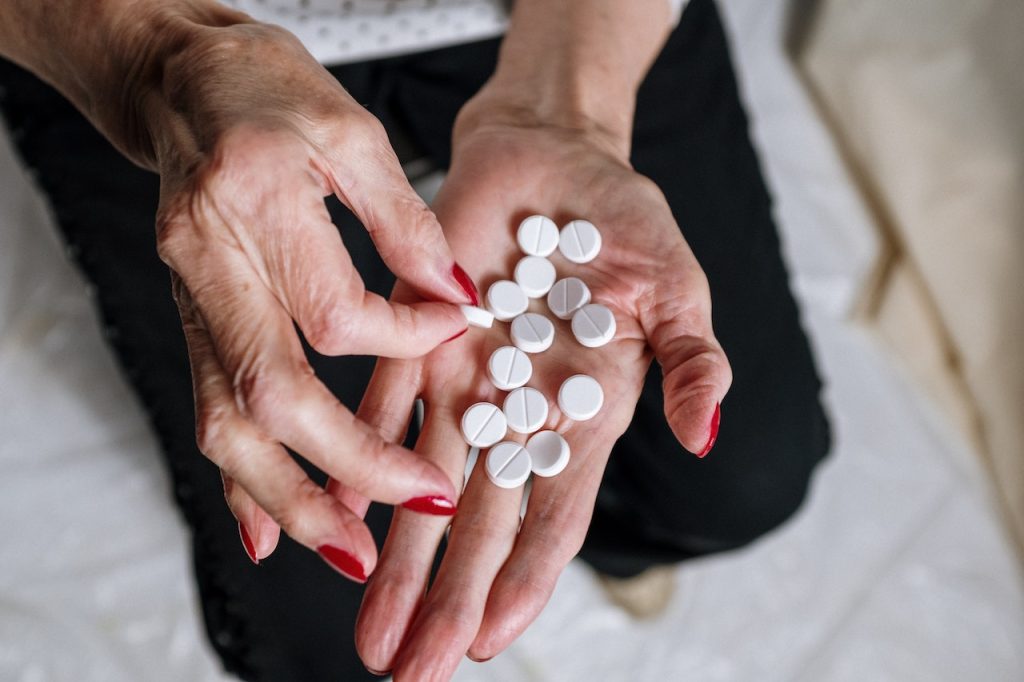
Photo by cottonbro studio: https://www.pexels.com/photo/person-holding-white-round-medication-pill-4661296/
Medications to treat various chronic diseases may hinder the body’s ability to lose heat and regulate its core temperature to optimal levels. The loss of effective thermoregulation has implications for elderly people receiving treatment for illnesses like cancer, cardiovascular, Parkinson’s disease/dementia and diabetes, particularly during hot weather, according to a review by a team of scientists from various institutions in Singapore.
The group, led by Associate Professor Jason Lee from the National University of Singapore (NUS Medicine), identified and reviewed relevant research papers using keyword searches on databases such as PubMed and Google Scholar. These papers studied the associations and effects of medications on thermoregulation. The review findings were presented in a topical manner, focusing on medication classes used to treat commonly diagnosed chronic conditions (eg, diabetes, cardiovascular disease, neurodegenerative disease, and cancer). The findings were published in Pharmacological Reviews.
Health implications in clmate change
The findings show that medications used to treat common chronic conditions, like blood thinners, blood pressure drugs, Parkinson’s disease/Alzheimer’s medications, and some chemotherapy drugs, can make it harder for the human body to handle hot weather by reducing its ability to sweat or increase blood flow to the skin.
Lead author and second-year PhD candidate from the Human Potential Translational Research Programme Mr Jericho Wee said, “Rising global temperatures caused by climate change pose a significant health concern for clinical patients reliant on long-term medications and healthcare. Increasingly, we will continue to see more elderly patients, many who have multiple health conditions and are taking different types of medication concurrently to manage their chronic diseases, compounding the risk of heat-related illness and dehydration. Understanding how each medication impacts thermoregulation, in the face of warmer environments, is the crucial first step to predicting the possible health outcomes when multiple medications are taken concurrently.” While previous reviews have highlighted the impacts of medications on heat, the scope of those reviews did not present the evidence in the context of the chronic diseases and ageing. The team’s narrative review presents the evidence in the context of high ambient temperatures and their impact on chronic disease sufferers who are on long-term and life-long medication.
Senior author Assoc Prof Jason Lee said, “This review emphasises the importance of studying the mechanisms of altered thermoregulation in individuals with diabetes and other cardiometabolic conditions to prevent heat-induced conditions. This is most relevant in Singapore and many other countries, where we have rapidly ageing populations and rising ambient temperatures. Pharmacological and thermal physiologists should focus transdisciplinary efforts on this area of research to refine and enhance safe medication prescription guidelines to preserve the health of people who need these medications, even in hot weather.”
Assoc Prof Melvin Leow, the review’s co-author and Senior Consultant Endocrinologist at Tan Tock Seng Hospital said, “Physicians are often unaware of the potential harms certain drugs may cause by compromising the body’s thermoregulatory control mechanisms. This is an especially important area to delve into as those with chronic diseases and older adults are susceptible to adverse health outcomes in the heat, due to their reduced thermoregulatory capacity. It is timely and prudent that scientists and doctors collaborate even closer in this important field that cuts across a wide range of medical disciplines.”
Scientists have for a long time tried to develop contactless heart rate monitoring, such as using cameras to measure subtle colour changes in the face from blood flow, but have been hampered by noise artefacts. Now, Japanese researchers have developed a way to pick up a clean signal by taking advantage of the pulse’s characteristic rhythm.
In the past decade or so, researchers tried to develop contactless heart rate (HR) measuring which avoids the discomfort and dermatitis risk of physical contact. An example is cameras that focus on the blood volume pulse (BVP), that causes slight temporal changes in facial skin colour captured in videos and which can be used for HR estimation. However, due to the small magnitude of these colour changes, the accuracy of HR estimation is adversely affected by facial movements, ambient lighting variations, and noise.
To address these challenges, a team of researchers from Japan have now developed a novel method that leverages the temporal characteristics of the blood pulse. Importantly, it builds on the ability of the pulse to exhibit quasi-periodic behaviour, which distinguishes it from noise artefacts. The study was led by Dr Yoshihiro Maeda, Junior Associate Professor, from the Department of Electrical Engineering at the Tokyo University of Science and is published in the journal IEEE Access.
The proposed method uses dynamic mode decomposition (DMD), a technique that analyses spatio-temporal structures in multi-dimensional time-series signals. It also employs adaptive selection of the optimal spatio-temporal structure based on medical knowledge of HR frequencies. “Our method, unlike previous applications of DMD, effectively models and extracts the BVP signal by incorporating physics-informed DMD in a time-delay coordinate system, taking into account the nonlinearity and quasi-periodicity of the BVP dynamics,” explains PhD student Kosuke Kurihara.
The proposed method relies solely on tracking time-series data from videos of a person’s face, eliminating the need for any attached detectors on the person’s body. In this method, the video time-series of the face, monitoring continuous changes, are converted into RGB time-series signals, which helps in extracting information of blood volume changes occurring beneath the skin. After effectively dealing with noise or misinformation that might creep into the data, the observed RGB signals are then converted to pulse wave information data.
Using the DMD method in a time-delayed coordinate system with conservative dynamics modeling, pulse waves containing major and accurate information can be extracted to estimate HR.
To demonstrate the efficacy of this method, the researchers used 67 facial videos from three publicly available datasets. The results of this method were then compared with other non-contact HR estimation methods. Interestingly, the proposed method adaptively selects the dynamic mode that contains the most pulse wave components, based on the knowledge of the typical range of pulse wave components. As a result, the method showed a 36.5% improvement in estimation accuracy compared to conventional methods, especially in scenes with ambient light fluctuations.
“This achievement is expected to play a significant role as a fundamental technology for vital monitoring systems in the medical and fitness fields. The breakthrough contactless method holds great potential for non-contact heart rate estimation in various applications, such as remote health monitoring and physiological assessments,” concludes Dr Maeda. Further research will be needed to explore techniques that incorporate multispectral information, which can contribute to reducing noise and improving the accuracy of the method.
The COVID pandemic took disinfecting to new heights. Now, a new study has uncovered a niche for bacteria to colonise: despite being worn daily, routine cleaning of wristbands is generally overlooked or simply ignored.Researchers from Florida Atlantic University tested wristbands of various materials to determine their risk for harbouring potentially harmful pathogenic bacteria, and found that plastic and rubber bands had a particularly high load, especially if worn at the gym.
For the study, researchers tested plastic, rubber, cloth, leather and metal (gold and silver) wristbands to see if there is a correlation between wristband material and the prevalence of bacteria. They investigated the hygienic state of these various types of wristbands worn by active individuals and identified the best protocols to properly disinfect them.
Using standard microbiological assays, researchers looked at bacterial counts, type of bacteria and their distribution on the wristband surfaces. They also conducted a bacteria susceptibility assay study screening the effectiveness of three different disinfectant solutions: Lysol™ Disinfectant Spray; 70% ethanol, commonly used in hospitals and alcohol wipes; and a more natural solution, apple cider vinegar.
Results of the study, published in the journal Advances in Infectious Diseases, suggest you stick with the ‘gold standard’ or at least silver the next time you purchase a wristband. Nearly all wristbands (95%) were contaminated. However, rubber and plastic wristbands had higher bacterial counts, while metal ones, especially gold and silver, had little to no bacteria.
“Plastic and rubber wristbands may provide a more appropriate environment for bacterial growth as porous and static surfaces tend to attract and be colonissd by bacteria,” said Nwadiuto Esiobu, PhD, senior author and a professor of biological sciences in the Charles E. Schmidt College of Science.
The most important predictor of wristband bacteria load was the texture of wristband material and activity (hygiene) of the subject at sampling time. There were no significant differences between males and females in the occurrence or distribution of the bacteria groups.
Intestinal organisms of the genera Escherichia, specifically E. coli. Staphylococcus spp was prevalent on 85% of the wristbands; researchers found Pseudomonas spp on 30% of the wristbands; and they found E. coli bacteria on 60% of the wristbands, which most commonly begins infection through faecal-oral transmission.
The gym-goer showed the highest staphylococcal counts, which emphasises the necessity of sanitising wristbands after engaging in rigorous activity at the gym or at home.
“The quantity and taxonomy of bacteria we found on the wristbands show that there is a need for regular sanitation of these surfaces,” said Esiobu. “Even at relatively low numbers these pathogens are of public health significance. Importantly, the ability of many of these bacteria to significantly affect the health of immunocompromised hosts indicates a special need for health care workers and others in hospital environments to regularly sanitize these surfaces.”
Findings from the study showed that Lysol™ Disinfectant Spray and 70% ethanol were highly effective regardless of the wristband material with 99.99% kill rate within 30 seconds. Apple cider vinegar was not as potent and required a full two-minute exposure to reduce bacterial counts. While these common household disinfectants all proved at least somewhat effective on all materials (rubber, plastic, cloth and metal), antibacterial efficacy was significantly increased at two minutes compared to thirty seconds.
Different disinfectants, depending on their active ingredients, kill bacteria in different ways, such as by disrupting cell membrane integrity, altering or removing proteins or interfering with metabolic activities.
“Other potential forms of bacterial transmission and facilitation of infection, such as earbuds or cell phones, should be similarly studied,” said Esiobu.
The Health Justice Initiative today reported an important court victory in their attempts to lift the veil of of secrecy over government’s vaccine procurement contracts. The result is a court ruling which orders the Department of Health to disclose these contracts, which will shed light on important questions such as whether these vaccines were purchased at inflated prices and unfavourable terms. They detail the court victory in a press release:
Health Justice Initiative v The Minister of Health and Information Officer, National Department of Health (Case no 10009/22).
Today, South African courts upheld the principles of transparency and accountability when our government procures health services using public funds. The Pretoria High Court ruled in our favour in our bid to compel the National Department of Health to provide access to the COVID-19 vaccine procurement contracts. The Court ordered (per Millar J) that all COVID-19 vaccine contracts must be made public within 10 days.
This is a massive victory for transparency and accountability. The contracts concern substantial public funds, and the contracting process has been marred by allegations that the government procured vaccines at differential, comparatively inflated prices and that the agreements may contain onerous and inequitable terms including broad indemnification clauses, export restrictions, and non-refundability clauses.
This significant moment comes as we begin to emerge from the devastation of the COVID-19 pandemic. It sets an important precedent, especially as our government pursues National Health Insurance (NHI). With increasing reports of corruption within the healthcare sector, we cannot have a healthcare system shrouded in secrecy. Procurement must be held in check, as it will involve powerful multinational companies, particularly from the pharmaceutical industry.
The secrecy surrounding COVID-19 vaccine procurement at the height of the pandemic continues to be a global issue, not just limited to SA – it is important to know what was agreed to in our name at the behest of powerful vaccine manufacturers who have been reported to have bullied governments in the Global South especially, insisting on contracts that ultimately made them huge profits, without maximum accountability and openness. Therefore, this judgment can be leveraged by other countries to demand open contracting in their jurisdictions.
We believe that in the current Pandemic Treaty negotiations, where worrying attempts are being made to water down transparency, this judgment will support Pandemic Preparedness measures by bolstering provisions on transparency and accountability in these negotiations.
This case demonstrates that all governments should and can be held accountable when spending public funds, this also includes the parties it entered into contracts with. It is in the public interest to know what was agreed to. The judgment has affirmed that today.
We look forward to the Department of Health’s cooperation by making available all the records HJI requested within the time period set out in the judgment (10 court days from 17 August 2023).
In South Africa, the use of pit latrines remains a prevalent human rights issue, infringing on every person’s right to life, dignity, and health, as well as their right to access water and adequate basic sanitation. Despite their unavoidable application in certain contexts, pit latrines pose numerous risks to life, health, and safety, particularly in schools and areas lacking proper sanitation infrastructure such as informal settlements, prompting efforts to eliminate their presence in the country.
As far back as 2019, the Department of Water and Sanitation (DWS) launched a campaign called Khusela, which means “to eradicate” in isiZulu, to abolish pit latrines by 2030. Given the extensive challenges related to sanitation infrastructure, eradicating pit latrines is going to take time, particularly in rural areas. Nonetheless, this human rights issue must be squarely addressed and that functional, sustainable alternatives to open pit latrines are given the proper prioritisation.
Pit latrines: the shocking numbers
From a sanitation perspective, there are 380 schools in South Africa with no running water. 3392 schools still use pit latrines, which affects 34 489 teachers and 1 042 698 learners. While it is difficult to ascertain exact population figures, it is estimated that there are still four million pit latrines in use by communities throughout the country, of which only two million are Ventilated Improved Pit (VIP) latrines, while the remainder are ordinary pits with, or without covers. VIP latrines are a type of pit latrine that has a ventilation pipe that allows air to circulate through the pit, which helps to reduce odours and the breeding of flies. These latrines are also typically constructed with a more substantial exterior structure than ordinary pit latrines.
Endangering communities
The use of pit latrines can be perilous, posing a safety risk, particularly for young children, females, and vulnerable individuals. Without proper maintenance or safety precautions, accidents such as falls, injuries, and even drownings occur. Pit latrines contribute to the spread of disease, posing a major health hazard to users and nearby residents, as inadequate waste management and poor sanitation practices contaminate the groundwater and soil, as well as nearby water sources which lead to the transmission of waterborne diseases like cholera, diarrhoea, and dysentery. Pit latrines often lack essential sanitation facilities, such as handwashing stations or proper waste disposal systems, which results in unhygienic environments, poor personal hygiene practices, and an elevated risk of infections and diseases.
For affected communities, the lack of access to clean water and proper sanitation has a significant impact on health and well-being. The lack of access to safe and hygienic sanitation facilities can lead to health problems, which can make it difficult for people to work and earn a living. The correlation between adequate sanitation and poverty is a complex issue, with several contributing factors. As such, it is important to address these factors to improve sanitation and ultimately reduce poverty.
Challenging to service
Pit latrines are used primarily in areas that do not have access to water. These gradually fill up over time, primarily with solid waste as most liquid waste evaporates or is absorbed into the soil. Originally estimated to last seven to ten years, these latrines often require maintenance in just two to three years due to the significant amount of additional waste they receive. Decisions must then be made to either close the latrine and dig a new hole or seek servicing, a challenging task that involves treating the solid waste to create a more liquid environment before using a honey sucker or vacuum tanker to extract and dispose of the waste in a treatment plant. The remote locations of many facilities add to the complexity of the process.
Seeking practical solutions and facing reality
This highlights the urgent need for practical solutions when addressing the challenges posed by pit latrines. To illustrate the practicalities, consider the sheer number of pit latrines – four million, with two million being VIPs and two million standards. Replacing all of these with waterborne sanitation is simply unfeasible in the short term, as this would require an additional one billion litres of water daily for flushing alone. This is currently an insurmountable obstacle in terms of water supply and treatment, considering the condition of existing waste treatment plants. The South African private sector has sought to find the most practical and effective way to address the critical issues of safety, environmental impact, and serviceability of these facilities. To make a tangible difference, it is necessary first to acknowledge that an immediate conversion to waterborne solutions is not practical, in the short and medium term.
Attainable, cost-effective alternatives
A safer alternative to pit latrines has been developed and tested extensively and is ready for implementation in communities. It is a cost-effective, dry sanitation unit that addresses health and safety shortfalls, installation difficulties and servicing problems with pit latrines while ensuring that environmental and underground water contamination cannot occur. The main structure consists of concrete and the door is made of injection moulding plastic, with a ventilation pipe to limit odours. The waste containment unit has a 1500-litre bladder with a 3–5-year guaranteed life cycle, which can be removed without disabling the unit. The units are mobile, and no pit must be dug, which reduces installation costs and limits the abandonment of land. The unit itself is shaped in an ellipse to maximise space utilisation and waste containment, using a rotating bowl to dispose of waste, which prevents contact with faecal matter. The unit is sealed to prevent insects from entering or exiting the system and uses environmentally friendly products to treat waste, all of which address environmental concerns.
A cleaner, safer future
The need to eliminate pit latrines in South Africa is clear, given the multitude of risks they pose to the health, safety, and environment of communities. While an immediate conversion to waterborne sanitation may not be practical due to water supply and treatment limitations, the development of safer alternatives, such as the dry sanitation unit, offers promising possibilities. By prioritising the implementation of such practical and effective solutions, South Africa can significantly enhance the well-being and quality of life of its communities, making strides towards a future where pit latrines are replaced with safe, sustainable, and healthier sanitation options for all citizens.
Researchers in the UK have evaluated a potential drug for the treatment of spinal cord injury (SCI), which could potentially regrow damaged nerves, and found it to be safe and tolerable. The results of their Phase 1 clinical trial were published in British Journal of Clinical Pharmacology and evaluated the KCL-286 drug, which activates retinoic acid receptor beta (RARb) in the spine to promote recovery.
There are no licensed drugs that can fix the adult central nervous system’s inability to regenerate. Implants have been able to restore some function, but for most, spinal cord injuries are life-changing.
Previous studies have shown that nerve growth can be stimulated by activating the RARb2 receptor, but no drug suitable for humans has been developed. KCL-286, an RARb2 agonist, was developed by Professor Corcoran and team and used in a first in man study to test its safety in humans.
The study by the Institute of Psychiatry, Psychology & Neuroscience (IoPPN) at King’s College London, recruited 109 healthy males in a single ascending dose (SAD) adaptive design with a food interaction (FI) arm, and multiple ascending dose (MAD) arm. Participants in each arm were further divided into different dose treatments.
SAD studies are designed to establish the safe dosage range of a medicine by providing participants with small doses before gradually increasing the dose provided. Researchers look for any side effects, and measure how the medicine is processed within the body. MAD studies explore how the body interacts with repeated administration of the drug, and investigate the potential for a drug to accumulate within the body.
Researchers found that participants were able to safely take 100mg doses of KCL-286, with no severe adverse events.
Professor Jonathan Corcoran, Professor of Neuroscience and Director of the Neuroscience Drug Discovery Unit, at King’s IoPPN and the study’s senior author said, “This represents an important first step in demonstrating the viability of KCL-286 in treating spinal cord injuries. This first-in-human study has shown that a 100mg dose delivered via a pill can be safely taken by humans. Furthermore, we have also shown evidence that it engages with the correct receptor.
“Our focus can hopefully now turn to researching the effects of this intervention in people with spinal cord injuries.”
Dr Bia Goncalves, a senior scientist and project manager of the study, and the study’s first author from King’s IoPPN said, “Spinal Cord Injuries are a life changing condition that can have a huge impact on a person’s ability to carry out the most basic of tasks, and the knock-on effects on their physical and mental health are significant.
“The outcomes of this study demonstrate the potential for therapeutic interventions for SCI, and I am hopeful for what our future research will find.”
The researchers are now seeking funding for a Phase 2a trial studying the safety and tolerability of the drug in those with SCI.
Credit: Darryl Leja National Human Genome Research Institute National Institutes Of Health
While treatment for localised prostate cancer has a relatively high success rate, mortality is high in advanced metastatic cancer. The precise mechanism behind the spread of the tumour has not been fully explained. Researchers have now decoded the underlying cellular signal pathway and have demonstrated that the common diabetes drug metformin could provide a new treatment option. The study has just been published in the journal Molecular Cancer.
Using a complex mouse model, the research team under Lukas Kenner at the Medical University of Vienna examined prostate cancer cells and identified the key factors in the regulation of tumour cell growth and the way they interact with each other. The protein signal transducer and activator of transcription 3 (STAT3) plays the leading role – its activation by another protein called interleukin 6 (IL6) has been a focus for cancer researchers in connection with tumour progression for some time now.
“Interestingly, our study showed for the first time that permanent activation of STAT3 prevents the development of prostate cancer as well as the development and spread of metastases. Conversely, we discovered that the loss of the signal pathway between STAT3 and IL6 in the prostate can lead to massive tumour growth and metastasis, which significantly increases the aggressiveness of the cancer and the mortality rate,” explained Kenner.
Metformin as a potential medication
In the course of the study, the researchers also found that activation of STAT3 in the prostate leads to increased levels of cell components (LKB1/pAMPK) that are responsible for the regulation of glucose metabolism and are linked to type 2 diabetes mellitus. The proteins LKB1/pAMPK block certain cancer molecules (mTOR and CREB) and as a result also stop the tumour growing. “In light of this finding, we used a common diabetes drug in our research,” said Kenner. Kenner and his team discovered that the active ingredient metformin, which is used in the treatment of type 2 diabetes to regulate glucose levels, can significantly slow the progression of STAT3-positive prostate cancer, a condition with a metabolism that is very similar to type 2 diabetes. “As metformin is already available, our research findings could be useful in developing new treatment options for patients with STAT3-positive prostate cancer in the foreseeable future,” Kenner pointed out, looking ahead to further research into the newly discovered approach.
Photo by Miguel Á. Padriñán: https://www.pexels.com/photo/syringe-and-pills-on-blue-background-3936368/
The South African Pharmacy Council (SAPC) has been given judicial go-ahead to introduce its Pharmacy-Initiated Management of Antiretroviral Treatment (PIMART) initiative, which will allow specially trained pharmacists to manage and prescribe medicine to patients with HIV and tuberculosis.
Pretoria High Court Judge Elmarie van der Schyff has dismissed an application brought by a doctors’ organisation – the IPA Foundation – for the setting aside of the programme.
She said the pilot project had emphasised the value of the initiative, which was in line with the World Health Organisation’s vision to promote widely accessible primary health care.
“The untapped value of pharmacists in fighting HIV was also emphasised by the efficient role pharmacies played in meeting health care needs and providing health care services during the Covid-19 pandemic,” she said.
“The need to widen access to first line ART and TPT therapy on a community level is not a figment of SAPC’s imagination but a dire need that is also evinced in other countries.”
The IPA Foundation approached the court, under the Promotion of Administrative Justice Act (PAJA), seeking to review and set aside the SAPC’s decision to implement PIMART.
IPA claimed that the SAPC had failed to give interested parties an adequate opportunity to comment before the initiative was implemented. It further contended that PIMART unjustifiably encroached on the domain of medical practitioners and was in conflict with legislation.
IPA also accused SAPC of misleading the Director-General of Health, claiming there had been extensive consultation with stakeholders, which led to the approval and issuing of permits for the initiative.
The SAPC said the application should be dismissed. It said pharmacy-provided primary healthcare was a well known and functional concept in South Africa and PIMART was simply a “widening of this”.
Referring to the background and context, Judge van der Schyff said, in line with WHO recommendations that all people living with HIV must be provided with ART, the department of health had requested the SAPC to consider and implement interventions that would ensure that patients had increased access to medicines.
This led to the SAPC requesting the Director-General in August 2018 to consider issuing permits to pharmacists who had completed supplementary training, to manage patients and to dispense medication under PIMART.
In March 2021, the SAPC published a notice for public comment regarding the adoption of PIMART. The first permits were issued in August that year.
However, IPA submitted objections outside of the timeline for comments. It said this was because its members were struggling with another wave of the Covid-19 pandemic.
“Pharmacists and doctors operate in distinct and separate professional domains, the boundaries of which are closely guarded and some tension exists … IPA’s objection to PIMART seems to be rooted, partially at least, in this professional tension.
“This is evidenced by its fear that the decision to implement PIMART might ‘open the floodgates’ and ‘pave the way for pharmacists to ultimately treat and prescribe other schedule 4 drugs in respect of acute illnesses’,” the Judge said.
She noted, however, that the National Drugs Policy, in line with WHO guidelines, promoted “task shifting” to advance access to medicine and that at primary level, prescribing should be competency based, not occupation based.
Any alleged adverse effect that PIMART held for a medical practitioner had to be considered against the need to expand primary health care services aimed at preventing and treating HIV and providing first-line ART therapy.
Judge van der Schyff said the initiative gave members of the public a choice as to whether they wanted to approach a pharmacist, who had been issued with a permit, or a general practitioner.
In considering procedural fairness, the judge said there was nothing sinister in the timing of the notice calling for comment, that the project was not something hidden in secrecy and “I find it improbable, as alleged, that none of IPA’s members had timeous knowledge of the board notice”.
The decision to implement PIMART also fell within the ambit of the SAPC’s powers.
Evidence also showed that the PIMART training course was developed to ensure that pharmacists who successfully completed the training would be suitably qualified to safely and effectively assist in providing ART.
Judge van der Schyff dismissed the review application and ordered IPA to pay the costs.
Professor Francois Venter, former President of the Southern African HIV Clinicians Society and Director of Ezintsha, an HIV research organisation at Wits University, commented, “I hope this is the end of it. The pharmacies are an essential part of the health system, and pharmacists internationally play a big role in expanding HIV services.”