Pig-to-human Kidney Xenotransplant is the Longest Successful One Yet

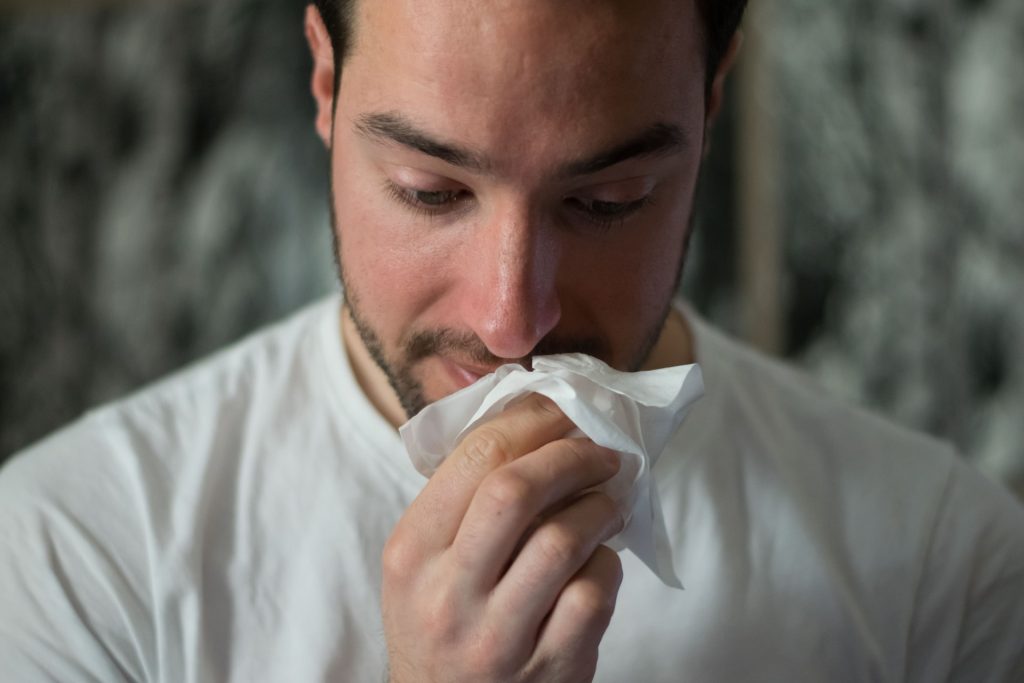
Photo by Natanael Melchor on Unsplash

Surgeons at NYU Langone Health have transplanted a genetically engineered pig kidney that continues to function well after 32 days in a man declared dead by neurologic criteria and maintained with a beating heart on ventilator support. This represents the longest period that a gene-edited pig kidney has functioned in a human, and the latest step toward the advent of an alternate, sustainable supply of organs for transplant.

Led by Robert Montgomery, MD, DPhil, the procedure was performed on July 24, 2023 and marks the fifth xenotransplant performed at NYU Langone. Observation is ongoing and the study will continue through mid-September 2023.

“This work demonstrates a pig kidney – with only one genetic modification and without experimental medications or devices – can replace the function of a human kidney for at least 32 days without being rejected,” said Dr Montgomery, who had previously performed the world’s first genetically modified pig kidney transplant into a human decedent in 2021.

Removing single troublesome gene

The first hurdle to overcome in xenotransplants is preventing so-called hyperacute rejection, which typically occurs just minutes after an animal organ is connected to the human circulatory system. By “knocking out” the gene that encodes the biomolecule known as alpha-gal, responsible for a rapid antibody-mediated rejection of pig organs by humans, immediate rejection has been avoided in all five xenotransplants at NYU Langone. Additionally, the pig’s thymus gland, which is responsible for educating the immune system, was embedded underneath the outer layer of the kidney to stave off novel, delayed immune responses. The combination of modifications has been shown to prevent rejection of the organ while preserving kidney function.

To ensure the body’s kidney function was sustained solely by the pig kidney, both of the transplant recipient’s native kidneys were surgically removed. One pig kidney was then transplanted and started producing urine immediately without any signs of hyperacute rejection. During the observation phase, intensive care clinical staff maintained the decedent on support while the pig kidney’s performance was monitored and sampled with weekly biopsies. Levels of creatinine, a bodily waste product found in the blood and an indicator of kidney function, were in the optimal range during the length of the study, and there was no evidence on biopsy of rejection.

The surgery was the latest in a larger study approved by a specific research ethics oversight board at NYU Langone and was performed after consultation with the New York State Department of Health. This important research, which study leaders say could save many lives in the future, was made possible by the family of a 57-year-old male who elected to donate his body after a brain death declaration and a circumstance in which his organs or tissues were not suitable for transplant.

A big leap toward a new organ source

“There are simply not enough organs available for everyone who needs one,” said Dr Montgomery, who received a hepatitis C-positive heart transplant himself in 2018. “Too many people are dying because of the lack of available organs, and I strongly believe xenotransplantation is a viable way to change that.”

The kidney and thymus gland used in this procedure were procured from a GalSafeTM pig, an animal engineered by Revivicor, Inc., a subsidiary of United Therapeutics Corporation. In December 2020, the U.S. Food and Drug Administration (FDA) approved the GalSafe pig as a potential source for human therapeutics as well as a food source for people with alpha-gal syndrome, a meat allergy caused by a tick bite.

Less may be more

While previous genetically engineered pig organ transplants have incorporated up to 10 genetic modifications, this latest study shows that a single-gene knockout pig kidney can still perform optimally for at least 32 days without rejection.

“We’ve now gathered more evidence to show that, at least in kidneys, just eliminating the gene that triggers a hyperacute rejection may be enough along with clinically approved immunosuppressive drugs to successfully manage the transplant in a human for optimal performance – potentially in the long-term,” said Dr Montgomery.

The NYU Langone team used standard transplant immunosuppression medications combined with enhanced screening of porcine cytomegalovirus (pCMV) in the donor pig to ensure safety. Recent studies have shown pCMV may affect organ performance and potentially trigger organ failure. No pCMV was detected after 32 days, and close surveillance of porcine endogenous retrovirus (PERV), along with six other viruses of interest, was performed.

Next steps

Monitoring of the pig kidney recipient will continue for another month with permission from the family, ethics committee approval and continued support from United Therapeutics. The additional data from the next several weeks will be analyzed further to develop a deeper understanding of this unique medical advance.

“We think using a pig already deemed safe by the FDA in combination with what we have found in our xenotransplantation research so far, gets us closer to the clinical trial phase,” said Dr Montgomery. “We know this has the potential to save thousands of lives, but we want to ensure the utmost safety and care as we move forward.”

Source: NYU Langone Health

CMS Provides Clarity over BHF’S Court Challenges

Various stakeholders within the medical schemes value chain have sharply raised concerns over the unending court challenges brought by the Board of Healthcare Funders (BHF) against CMS. As an agile regulator, the CMS endeavours to clarify any misconception and confusion over BHF’s court challenges.

Chronology of Events

Initially, the main issue brought by BHF in this case was to request the court to grant them a general exemption for medical schemes to offer low-cost benefit options and to declare an alleged moratorium unlawful by the CMS and Ministry of Health in order to prevent medical schemes from offering low-cost benefit options.

In response, the CMS vehemently opposed the application on the basis that there was no moratorium as alleged by BHF and it would be thus unlawful to grant BHF a general exemption for medical schemes to offer low costs benefit options.

“It must be noted that while the main case/dispute was still ongoing (even after CMS submitted an extensive record of documents that were compliant with relevant information and documents having been exchanged between CMS and BHF), surprisingly BHF brought an interlocutory application alleging that CMS and the Minister were hiding certain information.”

Accordingly, the interlocutory application requested CMS and the NDOH to release an exhaustive list of documents which the CMS believed were irrelevant and had no bearing on the main application.

Despite CMS’s vehement contestation to the court on the additional requested documents by BHF, Judge Botha granted the BHF the order they sought, and the CMS, as well as the Minister of Health were ordered to produce the documents listed in Notice in terms of Rule 30A within 10 (ten) days of the Court Order, being 24 July 2023. 

Before the expiration of rule 18 of the superior court, CMS filed leave to appeal the court order of Judge Botha as CMS believed that the order was flawed in law and that the judge had no reasons for ordering CMS and the Minister to produce those documents.

While the CMS legal team was studying the order, BHF concurrently lodged a contempt of court on an urgent basis.

CMS, through its attorneys, moved swiftly and wrote to BHF urging them to withdraw the contempt application as the CMS had already lodged its leave to appeal the court order of Judge Botha and this meant that the court order by Judge Botha would been suspended. 

BHF refused to withdraw the contempt application and the application was heard on 8th August 2023 and the court dismissed BHF’s application on 10 August 2023 with costs in favour of CMS and Minister.

Citing Judge E van der Schyff who emphasised that “in the Practice Manual of the Gauteng High Court Division that while an application maybe urgent, it may not be sufficiently urgent to be heard at the time selected by an applicant” and also strongly highlighted that it does “not mean that applicants can indiscriminately approach the urgent court on the basis of extreme urgency without having regard to the context and facts of each individual application.”

Based on this order, the contempt application is now in our view moot or rather has been overtaken by the leave to appeal lodged by CMS and the Minister and CMS/NDOH. The leave to appeal will be heard somewhere September 2023.

The main application brought by BHF is likely to be heard in later parts of 2024.

An Antibiotic Alternative to Treating Kids’ Ear Infections

This illustration depicted a three-dimensional (3D), computer-generated image, of a group of Gram-positive, Streptococcus pneumoniae bacteria. The artistic recreation was based upon scanning electron microscopic (SEM) imagery.

Doctors typically treat paediatric ear infections with antibiotics, but children don’t always complete the full course, accelerating resistance to these medications. Today, researchers report developing a single-use nanoscale system that’s unlikely to generate resistance. Using a compound similar to bleach in test animals, they show it can kill off Streptococcus pneumoniae, a common cause of ear infections, and it could someday be easily applied as a gel.

The researchers will present their results at the meeting of the American Chemical Society (ACS).

“We initially conceived of this idea by looking at the household cleaner bleach. Even though it has been used since the 19th century, bacteria do not appear to have developed any widespread resistance to this cleaner,” says Rong Yang, PhD, the project’s principal investigator.

But Yang quickly warns that people should not treat infections with bleach. The solution sold at stores is highly concentrated and caustic, but when used in a properly controlled manner at extremely low concentrations, the active ingredient in bleach is considered compatible with living tissue.

After realising that the active ingredient in the household cleaner could circumvent antibiotic resistance, the Cornell University researchers, set out to tackle a nearly universal childhood scourge: acute ear infections. These infections affect more than 95% of children in the US, and treatment typically requires taking antibiotics for five to 10 days. However, these regimens can cause problematic side effects, leading some families to discontinue the medication prematurely, particularly if symptoms resolve. But using these medications improperly can speed up the development of antibiotic resistance, which makes infections more difficult, if not impossible, to treat. This issue ranks among the biggest threats to global health, according to the World Health Organization.

Bacteria have more success fighting against some substances than others. Hypochloric acid from bleach belongs to a family of compounds, known as hypohalous acids, to which bacteria have yet to develop any significant resistance; most likely because of the numerous ways these highly reactive acids damage microbial cells, Yang says.

Because these substances break down quickly, Yang and her colleagues sought to generate one of them on an as-needed basis behind the eardrum in the middle ear, where ear infections occur. They found inspiration in an enzyme from giant kelp, which converts hydrogen peroxide (H2O2) to hypobromous acid (HOBr), a chemical relative of bleach.

Streptococcus pneumoniae, a frequent cause of ear infections, produces H2O2 to fight off other microbes. To mimic the kelp enzyme, which contains the metal vanadium, Yang and her colleagues designed nanowires made of vanadium pentoxide (V2O5). These produce HOBr only in the presence of the H2O2-producing bacteria, and their rod-like shape helps to keep them in place by reducing their ability to diffuse into body fluids.

In tests on chinchillas, which contract ear infections from the same pathogens as human children, they succeeded in eliminating most of the S. pneumoniae. Yang and colleagues found that after treatment with the nanowires, the animals’ once-inflamed eardrums returned to normal. Meanwhile, tests in healthy animals found evidence that the treatment did not interfere with hearing.

For these experiments, the researchers injected the nanowires directly into the middle ear. In more recent work in chinchillas, they developed a less invasive, more practical method for delivering the wires. By decorating the nanowires with peptides known to transport small particles across the eardrum, Yang and her team found they could deliver the treatment topically as a gel deposited into the ear canal. Once the gel was applied, the nanowires within it went through the intact tissue. They are also exploring other approaches for passing the nanowires through the eardrum.

Because other ear-infection-causing bacteria do not produce H2O2, the researchers are currently examining whether this system is effective in the presence of microbes other than S. pneumoniae, and how they might adapt it to fight the other bugs.

The researchers have not yet done studies to determine how long the system stays in place, although their evidence suggests the nanowires drain out of the middle ear after the infection clears. However, Yang suspects they could adapt the nanowires’ properties to stay in place for long periods afterward. This latter approach could make it possible to prevent recurrent infections that plague many children.

“If the bacteria return, the system could restart, so children wouldn’t need antibiotics repeatedly and breed more resistance along the way,” Yang says.

A video on the research is available at www.acs.org/Earaches.

Source: American Chemical Society

Liraglutide Boosts Associative Learning in People with Obesity

Photo by Patrick Fore on Unsplash

Obesity leads to altered energy metabolism and reduced insulin sensitivity of cells. The so-called “anti-obesity drugs” such as liraglutide are increasingly used to treat obesity and have caused tremendous interest, especially in the USA. Researchers in Germany have now shown in people with obesity that reduced insulin sensitivity affects learning of sensory associations. The results, published in Nature Metabolism, showed that a single dose of liraglutide was able to normalise these changes and restore the underlying brain circuit function.

The brain must be able to form associations in order to control behaviour. This involves, for example, associating a neutral external stimulus with a consequence following the stimulus. In this way, the brain learns what the implication of handling of the first stimulus are. Associative learning is the basis for forming neural connections and gives stimuli their motivational force. It is essentially controlled by a brain region called the dopaminergic midbrain. This region has many receptors for the body’s signalling molecules, such as insulin, and can thus adapt behaviour to the body’s physiological needs.

But what happens when the body’s insulin sensitivity is reduced due to obesity? Does this change brain activity, ability to learn associations and thus behaviour? Researchers at the Max Planck Institute for Metabolism Research have now measured how well the learning of associations works in participants with normal body weight (high insulin sensitivity, 30 volunteers) and in participants with obesity (reduced insulin sensitivity, 24 volunteers), and if this learning process is influenced by the anti-obesity drug liraglutide.

Low insulin sensitivity reduces the brain’s ability to associate sensory stimuli.

In the evening, they injected the participants with either the drug liraglutide or a placebo in the evening. Liraglutide is a so-called GLP-1 agonist, which activates the GLP-1 receptor in the body, stimulating insulin production and producing a feeling of satiety. It is often used to treat obesity and type 2 diabetes and is given once a day. The next morning, the subjects were given a learning task that allowed the researchers to measure how well associative learning works. They found that the ability to associate sensory stimuli was less pronounced in participants with obesity than in those of normal weight, and that brain activity was reduced in the areas encoding this learning behaviour.

After just one dose of liraglutide, participants with obesity no longer showed these impairments, and no difference in brain activity was seen between participants with normal weight and obesity. In other words, the drug returned the brain activity to the state of normal-weight subjects.

“These findings are of fundamental importance. We show here that basic behaviours such as associative learning depend not only on external environmental conditions but also on the body’s metabolic state. So, whether someone has overweight or not also determines how the brain learns to associate sensory signals and what motivation is generated. The normalisation we achieved with the drug in subjects with obesity, therefore, fits with studies showing that these drugs restore a normal feeling of satiety, causing people to eat less and therefore lose weight,” says study leader Marc Tittgemeyer from the Max Planck Institute for Metabolism Research.

“While it is encouraging that available drugs have a positive effect on brain activity in obesity, it is alarming that changes in brain performance occur even in young people with obesity without other medical conditions. Obesity prevention should play a much greater role in our healthcare system in the future. Lifelong medication is the less preferred option in comparison primary prevention of obesity and associated complications,” says Ruth Hanßen, first author of the study and a physician at the University Hospital of Cologne.

Source: Max Planck Institute for Biology of Ageing

Mediterranean Lifestyle Linked to Lower Risk of All-cause and Cancer Mortality

in Mayo Clinic Proceedings.

People who adhere to a Mediterranean lifestyle, which involves a plant-rich diet, adequate rest, physical activity and socialisation, have a lower risk of all-cause and cancer mortality, according to a new study in Mayo Clinic Proceedings. People who adhered to the lifestyle’s emphasis on rest, exercise, and socialising with friends had a lower risk of cardiovascular disease mortality.

While many studies have established the health benefits of a Mediterranean diet and lifestyle, there are few studies on the diet outside of its region of origin. “This study suggests that it’s possible for non-Mediterranean populations to adopt the Mediterranean diet using locally available products and to adopt the overall Mediterranean lifestyle within their own cultural contexts,” said lead author Mercedes Sotos Prieto, Ramon y Cajal research fellow at La Universidad Autónoma de Madrid and adjunct assistant professor of environmental health at Harvard Chan School. “We’re seeing the transferability of the lifestyle and its positive effects on health.”

Led by La Universidad Autónoma de Madrid and Harvard T.H. Chan School of Public Health, the study analysed the habits of 110,799 members of the UK Biobank cohort, a population-based study across England, Wales, and Scotland using the Mediterranean Lifestyle (MEDLIFE) index, which is derived from a lifestyle questionnaire and diet assessments. Participants, who were between the ages of 40 and 75, provided information about their lifestyle according to the three categories the index measures: “Mediterranean food consumption” (intake of foods part of the Mediterranean diet such as fruits and whole grains); “Mediterranean dietary habits” (adherence to habits and practices around meals, including limiting salt and drinking healthy beverages); and “physical activity, rest, and social habits and conviviality” (adherence to lifestyle habits including taking regular naps, exercising, and spending time with friends). Each item within the three categories was then scored, with higher total scores indicating higher adherence to the Mediterranean lifestyle.

The researchers followed up nine years later to examine participants’ health outcomes. Among the study population, 4247 died from all causes; 2401 from cancer; and 731 from cardiovascular disease. Analysing these results alongside MEDLIFE scores, the researchers observed an inverse association between adherence to the Mediterranean lifestyle and risk of mortality. Participants with higher MEDLIFE scores were found to have a 29% lower risk of all-cause mortality and a 28% lower risk of cancer mortality compared to those with lower MEDLIFE scores. Adherence to each MEDLIFE category independently was associated with lower all-cause and cancer mortality risk. The “physical activity, rest, and social habits and conviviality” category was most strongly associated with these lowered risks, and additionally was associated with a lower risk of cardiovascular disease mortality.

Source: Harvard T.H. Chan School of Public Health

UK Nurse Sentenced to Life for Murders of 7 Babies

Photo by Tingey Injury Law Firm on Unsplash

A UK nurse has been sentenced to life in prison for murdering seven babies in a neonatal unit. In what is the longest murder trial in recent UK history, 33-year old Lucy Letby was also convicted of attempting to kill six other babies, and further investigation by the BBC has also revealed how hospital management at the time deflected concerns by doctors and actively silenced them.

Between June 2015 and June 2016, Letby deliberately injected air into babies’ parenteral nutrition lines, force-fed milk to others and administered huge doses of insulin to two others. In the years before, less than three death per year had been recorded at Countess of Chester Hospital at the neonatal unit where she worked.

According to The Guardian, Mr Justice Goss said during her sentencing: “This was a cruel, calculated, and cynical campaign of child murder involving the smallest and most vulnerable of children, knowing that your actions were causing significant physical suffering and would cause untold mental suffering.”

She was found not guilty of two other counts of attempted murder, but the jury consisting of four men and seven women were unable to reach a verdict on six additional attempted murder charges. The court will consider whether to attempt to retry these six charges.

Dr Stephen Brearey, lead consultant at the neonatal unit where Letby worked told the BBC he first raised concerns about the nurse in October 2015, but not no action was taken and she went on to attack five more babies.

He that hospital management failed to investigate allegations against her and also tried to silence doctors. An investigation by BBC Panorama BBC News revealed just how Letby was able to get away with murdering and harming the babies for so long.

The hospital’s top manager ordered doctors to make written apologies to to Letby, and two consultants had to undertake mediation with the nurse, despite their suspecting she had killed babies. Efforts to bring in the police were also quashed by senior management, who said in an email “This is absolutely being treated with the same degree of urgency … All emails cease forthwith”.

Dr Ravi Jayaram, a consultant paediatrician at the hospital, wrote on social media that he felt relief at the oft-maligned justice system working “this time”.

But he continued there were “things that need to come out about why it took several months from concerns being raised to the top brass before any action was taken to protect babies”.

He also added: “And why from that time it then took almost a year for those highly-paid senior managers to allow the police to be involved.”

Long COVID’s ‘Blue Legs’ Syndrome in Need of Greater Awareness

An unusual case of a Long Covid patient’s legs turning blue after 10 minutes of standing highlights the need for greater awareness of this symptom among people with the condition, according to new research published in the Lancet.

The paper, authored by Dr Manoj Sivan at the University of Leeds, focuses on the case of one 33-year man who developed with acrocyanosis – venous pooling of blood in the legs.

A minute after standing, the patient’s legs began to redden and became increasingly blue over time, with veins becoming more prominent. After 10 minutes the colour was much more pronounced, with the patient describing a heavy, itchy sensation in his legs. His original colour returned two minutes after he returned to a non-standing position.

The patient said he had started to experience the discolouration since his COVID-19 infection. He was diagnosed with postural orthostatic tachycardia syndrome (POTS), a condition that causes an abnormal increase in heart rate on standing.

Dr Sivan, Associate Clinical Professor and Honorary Consultant in Rehabilitation Medicine in the University of Leeds’ School of Medicine, said: “This was a striking case of acrocyanosis in a patient who had not experienced it before his COVID-19 infection.

“Patients experiencing this may not be aware that it can be a symptom of Long Covid and dysautonomia and may feel concerned about what they are seeing. Similarly, clinicians may not be aware of the link between acrocyanosis and Long Covid.

“We need to ensure that there is more awareness of dysautonomia in Long Covid so that clinicians have the tools they need to manage patients appropriately.”

Long Covid affects multiple systems in the body and has an array of symptoms, affecting patients’ ability to perform daily activities. The condition also affects the autonomic nervous system, which is responsible for regulating blood pressure and heart rate.

Acrocyanosis has previously been observed in children with dysfunction of the autonomic nervous system (dysautonomia), a common symptom of post-viral syndromes.

Previous research by Dr Sivan’s team has shown that both dysautonomia and POTS frequently develop in people with Long Covid.

Dysautonomia is also seen in a number of other long-term conditions such as Fibromyalgia and Myalgic Encephalomyelitis, also known as Chronic Fatigue Syndrome or ME.

Dr Sivan said: “We need more awareness about dysautonomia in long term conditions; more effective assessment and management approaches, and further research into the syndrome. This will enable both patients and clinicians to better manage these conditions.”

The research is the latest work by the team in the field of autonomic medicine. Other developments include a home test for people with symptoms of autonomic dysfunction in conditions such as long COVID, chronic fatigue syndrome, fibromyalgia, and diabetes 1 and 2, where people experience dizziness or blackouts.

Source: University of Leeds

More than 1 in 10 Cardiac Patients in ICU Found to Have Recreational Drugs in Their Systems

Pexels Photo by Freestocksorg

Recreational drug use may be a factor in a significant proportion of admissions to cardiac intensive care, with various substances detected in 1 in 10 such patients, suggest the findings of a multicentre French study published online in the journal Heart

Drug use was also associated with significantly poorer outcomes, with users nearly 9 times as likely to die or require emergency intervention as other heart patients while in hospital, and 12 times as likely to do so if they used more than one drug. 

Recreational drug use is a known risk factor for cardiovascular incidents, such as a heart attack or abnormal heart rhythm (atrial fibrillation), explain the researchers. An estimated 275 million people around the globe indulged in this activity in 2022, a 22% increase on the figure for 2010, they add.

But it’s not clear how common recreational drug use is among patients admitted to hospital with heart problems, or to what extent this affects the likely course of their condition.

To try and find out, the researchers analysed the urine samples of all patients admitted to cardiac intensive care in 39 French hospitals during one fortnight in April 2021, with a view to  detecting recreational drug use.

During this period, 1904 patients were admitted, 1499 of whom provided a urine sample – average age 63, 70% male. Of these, 161 (11%) tested positive for various recreational drugs, but only just over half (57%) of whom admitted to using.

Prevalence was even higher among the under-40s, 1 in 3 (33%) of whom tested positive for recreational drugs.

The most frequently detected substance was cannabis (9%), followed by opioids (2%), cocaine (just under 2%), amphetamines (nearly 1%), and MDMA or ecstasy (just over 0.5%). 

Compared with other non-using heart patients, users were more likely to die or to require emergency intervention for events such as cardiac arrest or acute circulatory failure (haemodynamic shock) while in hospital: 3% vs 13% – especially if they had been admitted for heart failure or a particular type of heart attack (STEMI).

After adjusting for other underlying conditions, such as HIV, diabetes, and high blood pressure, users were nearly 9 times as likely to die or require emergency treatment. 

While cannabis, cocaine, and ecstasy were each independently associated with these incidents, and single drug use was detected in nearly 3 out of 4 patients (72%), several drugs were detected in more than 1 in 4 (28%) users: these patients were at even greater risk, being 12 times as likely to die or require emergency treatment. 

This is an observational study, so can’t establish that recreational drug use resulted in admission to cardiac intensive care. The researchers also acknowledge that the study was only conducted over 1 fortnight in April, so the findings might not be applicable to other months of the year or the longer term.

And they caution: “Although the strong association between the use of recreational drugs and the occurrence of [major adverse events] suggests an important prognostic role, the limited number of events requires caution in the clinical interpretation of these findings.”

But recreational drugs can increase blood pressure, heart rate, temperature, and consequently the heart’s need for oxygen, they explain. 

And they conclude: “While the current guidelines recommend only a declarative survey to investigate recreational drug use, these findings suggest the potential value of urine screening in selected patients with acute cardiovascular events to improve risk stratification in [cardiac intensive care].” 

In a linked editorial, doctors from London’s St Bartholomew’s Hospital and Queen Mary’s University of London reiterate that the study wasn’t designed to uncover a causal relationship. Larger studies would be needed to try and establish that.

But the study findings prompt two obvious questions, they suggest: “(1) Should patients admitted to intensive cardiac care units be screened for recreational drug use: and (2) What, if any, interventions might be implemented following a positive patient test result?”

Knowing that a patient had used recreational drugs might shed light on the cause of their condition and inform how it’s managed, they suggest. It might have other benefits too.

“A positive test result would provide an opportunity for counselling about the adverse medical, psychological, and social effects of drugs, and for the implementation of interventions aimed at the cessation of drug use,” they write.

But quite apart from the cost, screening raises issues of patient confidentiality and the potential for discrimination in how targeted screening might be applied, they say.

And they conclude: “There is a considerable way to go, however, before screening for recreational drug use can be recommended.”

Source: The BMJ

Suicide in Cancer not Affected by the Option of Assisted Suicide

Source: Pixabay CC0

In countries which allow the practice, assisted suicide would seem to be an alternative to conventional suicide – but new research shows that this is not a simple relationship. An analysis published in Cancer Medicine reveals the trends of self-initiated deaths – including assisted suicide (AS) and conventional suicide (CS) – in Switzerland over a 20-year period, focusing on people who suffered from cancer. While cancer-related AS rose, CS fell but then stabilised – suggesting that cancer-related CS has more complex reasons behind it.

Although supporters of assisted dying state that access to AS should lead to a reduction in violent CS, the study’s findings do not confirm this assumption. The situations and motivations for cancer-associated CS seem to be clearly different from those for cancer-related AS.

In Switzerland, assisting in a suicide is not punishable as long as it does not serve selfish motives. In this analysis of data from 1999–2018, investigators found that cancer was the most often listed principal disease for AS: 3580 people with cancer died by AS, representing 41.0% of AS cases. Cancer was listed in only a small minority of CS cases (832 people, representing 3.8% of CS cases).

There was approximately a doubling of AS cases among patients with cancer every 5 years. Also, the percentage of cancer-associated AS in relationship with all cancer-associated deaths increased over time to 2.3% in 2014–2018. The numbers of cancer-associated CS showed a downward trend in 1999–2003 and were stable through 2009–2018.

“Obviously, the situations and motivations for cancer-associated CS seem to be clearly different from those for cancer-related AS,” said corresponding author Uwe Güth, MD, of the University of Basel.

Source: Wiley

Can People Accurately Assess the Strength of Their Immune Systems?

Photo by Brittany Colette on Unsplash

People often say whether they feel like their immune system is ‘down’ – but could there be some truth to this? A recent study showed that when freshly vaccinated people self-assessed the strength of their immune response, their estimates correlated well to their measured antibody levels. They were even more accurate when their immune response was weak. The results were published in the journal Biological Psychology.

At the University of Konstanz, Stephanie psychologist Dimitroff researches the connection between our brain and our immune system. “Listen to your body,” she concludes from her study. “The field of medicine is moving towards greater patient orientation. Our findings support the idea that patients’ self-perceptions provide valuable clues about their state of health. Physicians should listen to them more.”

Communication between the immune and nervous systems

One part of our brain, the insula, receives information from the body and gives us a basic impression of its condition, which until now was assumed to be quite general in nature. Stephanie Dimitroff’s study now suggests that our brain can perceive the body’s condition more specifically than previously thought. Is it possible that our brain can assess the state of our immune system?

“Of course, our brain does not count antibodies. But our immune system is intrinsically connected to the central nervous system,” Dimitroff explains. “The immune system is regulated via this connection. And our brain also receives information from the immune system.”

This communication between the immune system and the central nervous system is key for our sense of well-being or illness. “It is important to know here: When we feel ill, for example, we have a cold, this feeling is caused quite significantly by the immune system’s communication with the central nervous system,” says Dimitroff. “The brain receives signals that something is wrong with the body and causes the feeling of illness as a result.”

The same flow of information between the immune and nervous systems can generally also take place when the body is not ill. This means it could be possible that this communication process gives us an impression of our immune system even when we are healthy. Stephanie Dimitroff’s study investigates whether this is actually the case.

Results of the study

The study looked at people who had received the COVID-19 vaccine. This group of participants was chosen because a particularly large number of people received the vaccine in the summer of 2021, when the study was conducted. 166 people between the ages of 18 and 59 participated in the study.

After vaccination, the participants in the study were able to assess surprisingly well how strongly their immune system was positioned to fight the respective illness. This was especially true for people who had developed only a few antibodies. In fact, 71% of participants who did not feel well protected after vaccination also had a below-average immune response. “Our most notable finding is that those who felt they had not produced high levels of antibodies after vaccination were often correct in their assessment.”

By contrast, participants who assessed their immune response as good were not always right. However, all of those who had a particularly strong immune response also reported feeling well protected.

Alternative interpretations

For Stephanie Dimitroff, however, it is still too early to draw any final conclusions. The psychologist is considering other possible causes, including the placebo effect. This is because communication between the brain and the immune system runs in both directions. The signals from our brain can therefore also influence our immune system. People who firmly believe in vaccination or are basically optimistic could thus actually develop a better immune defence (placebo effect) and also feel better protected. It is therefore possible that belief in the effectiveness of a vaccine is what improves its efficacy, and this could also explain the high accuracy of the self-assessments.

“Our results suggest that it is quite likely that people have a real ability to assess their own health. However, I cannot rule out that there is a combination of effects at play, including the placebo effect and/or feelings of optimism,” Dimitroff says. In her view, it would make sense to repeat the study in order to confirm the results and rule out alternative causes.

Source: University of Konstanz