Analysis: Incentives Seem to Work in Private Healthcare, Why Not in Public?
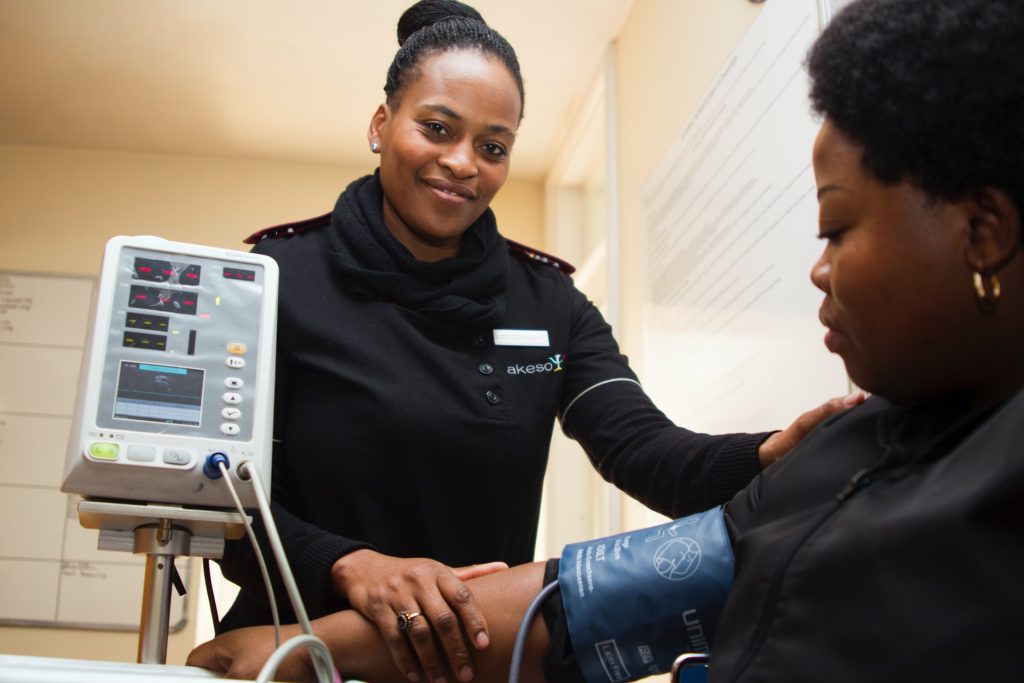
Photo by Hush Naidoo on Unsplash

By Amy Green for Spotlight

Doing ‘the right thing’ for one’s health, be it eating well, exercising, or going for an annual HIV test or blood pressure check, is easier said than done. One way to nudge people to make these ‘right’ decisions is to offer rewards or incentives. Discovery Health Medical Scheme’s Vitality programme is probably the best local example of such an incentive programme.

While incentive programmes have made a splash in private healthcare, they’ve hardly caused a ripple in South Africa’s public sector. In fact, the only public sector incentive of any notable scale of which we are aware was the vouchers that were offered to people who got vaccinated against SARS-CoV-2. There have been several scientific studies of cash transfers and other incentives, but the data is relatively limited and the differences between studies were substantial, as indicated in this review of cash transfers for HIV prevention, among others.

Evidence from other countries has shown that a targeted public sector incentive programme could yield significant positive results. The Indian Government launched a programme called Janani Suraksha Yojana (JSY) in 2005, “with the goal of reducing the numbers of maternal and neonatal deaths” using a conditional cash transfer scheme to encourage giving birth in a health facility. In those who benefited from the scheme, there was a reduction of 4.1 perinatal deaths per 1000 pregnancies and a reduction of 2.4 neonatal deaths per 1000 live births.

As Spotlight has recently reported, South Africa is doing relatively poorly against its diabetes and hypertension targets and substantially better against its HIV targets. Yet, we can find no evidence that the Department of Health has given serious thought to incentive programmes in these various areas.

Some might argue that the impact of such programmes is unproven and that they are too expensive. No doubt, a carbon copy public sector version of Vitality is wishful thinking. But are there any elements of it worth copying or adapting for the public sector?

“It has always amazed me that incentives are always so OK for rich people like me, on Discovery, but somehow unacceptable for poor people ‘who should do it for their own good’ in the public system,” says Professor Francois Venter, who heads up Ezintsha at the University of the Witwatersrand. He describes it as patronising.

Venter says that while hugely complex issues like controlling non-communicable diseases (NCDs) and obesity can’t be solved with incentives, they could certainly be added to the very limited toolbox of the existing arsenal being used to prevent disease or death through early detection, testing, and screening. He says incentives “definitely should not be dismissed right off the bat when it comes to the 84% of people who rely on the public system”.

The power of ‘points’

An estimated 60% of diseases across the board are caused by unhealthy lifestyles, according to a 2022 study published in the International Journal of Environmental Research and Public Health. In line with such evidence, Discovery’s Vitality programme is primarily focused on encouraging its members to make healthier lifestyle choices.

“Vitality aims to leverage behaviour change techniques, most notably using incentives, to motivate or nudge members to adopt healthy behaviours,” says Dr Mosima Mabunda, who is the Head of Wellness at Vitality. She says that four core factors are implicated in most NCDs, namely an unhealthy diet, a lack of physical activity, smoking, and alcohol misuse.

The Vitality programme is complex and uses a wide range of incentives and rewards to motivate members, including giving members monetary rebates for healthy food purchases, subsidised gym membership, and a comprehensive points-based system that rewards a range of healthy lifestyle choices. These points can be converted to cash or used at a range of local retailers. There is an incredible variety of Vitality rewards that range from discounts on flights to discounts at movie theatres.

According to a Discovery report, the “overall impact of Vitality on mortality rates is significant”. By “making people healthier” they say they have achieved an average reduction in mortality of 13%.

Several experts interviewed by Spotlight point out that most of this data has not been published in reputable, peer-reviewed journals. Even so, it is certainly plausible that Vitality’s annual incentivised health check helps with earlier diagnosis of hypertension, diabetes, and even HIV. Similarly plausible is the idea that points may successfully incentivise some people to exercise more. Scepticism of the health benefits of other elements of the Vitality programme may well be warranted – it is hard to know without independent analysis.

Importance of early detection

The underlying logic of such incentive systems is typically that the savings due to behaviour change or early detection outweighs the cost of the incentives. Put another way, the private sector isn’t just doing this to help people stay healthy, they are also doing it to save money. The costs and benefits for state-run incentive programmes will obviously look very different, but there may well be cases where the benefits of incentives outweigh their costs.

It is also possible that in some instances incentives are actually needed more urgently by users of the public sector than the private. As Professor Harsha Thirumurthy, who is an expert on behavioural economics and health incentives based at the University of Pennsylvania points out, “the majority of Vitality members don’t face barriers like transport costs” or even being located many kilometres away from the nearest state facility.

Late diagnosis or poor disease control has high human and economic costs in both the public sector and private. According to a 2013 study published in the Global Health Action journal, uncontrolled diabetes caused 8000 new cases of blindness and 2000 new amputations in South Africa in 2009 alone. More recent statistics reveal the situation is getting worse. In 2018, then KwaZulu-Natal MEC for Health Dr Sibongiseni Dhlomo revealed that six amputations occur every single day – which equates to over 2100 a year – in that province.

And the financial implications are staggering. For example, a 2022 literature review that looked at the costs of treating common NCDs in South Africa, estimated the cost of treating one person for one year with medication for type 2 diabetes to be roughly between R1000 and R3500 in the public sector. In comparison, the study also looked at the costs of treating common complications of uncontrolled diabetes. For example, diabetes-related renal disease was estimated to cost roughly R67 000 per person per year.

Screening for diabetic retinopathy, an eye condition that causes vision loss, costs between R110 and R370 per person. In comparison, the cost of treating ophthalmic disease in people with diabetes is estimated to be R59 000 per person per year.

These are only the health system costs and don’t include the costs of serious complications and lifelong disability to individuals, families, and communities.

Barriers to healthy lifestyle choices  

Most experts we spoke to agree that the Vitality programme in its entirety is too complex and expensive to be replicated at scale in the public sector. Additionally, helping the majority of the population make healthy lifestyle choices, particularly those around healthy diets and physical activity, is a mammoth task and exceeds the ambit and powers of the National Department of Health.

“It’s really important to appreciate that there are so many environmental, social, [and] structural factors that make it difficult for people to quote-unquote ‘do the right thing’ when it comes to health-related behaviours,” says Thirumurthy. “For example, people are constantly subjected to advertising of unhealthy food products. Many are living in environments that make it hard to eat a healthy diet even if they wanted to.

“To really make a difference, we have to take a step back and identify the overall system-level or structural changes that could be made to influence people’s diets and other health behaviours. We need to think about what types of government regulation and policy levers can be utilised to achieve better health outcomes,” says Thirumurthy, who is also the co-founder of South Africa’s first ‘nudge unit’, based at Wits University called Indlela: Behavioural Insights for Better Health, which is focused on identifying low-cost behavioural solutions to public health challenges.

As Spotlight previously reported, many of these issues are flagged in South Africa’s recently published Strategy for the Prevention and Management of Obesity in South Africa 2023 – 2028. But while most experts we interviewed felt the strategy flagged the right issues, there was also agreement that the strategy didn’t set out a realistic plan for dealing with those issues. And not finding ways to deal with these issues is costing a lot of money.

In 2018, the public sector cost of treating patients diagnosed with diabetes alone totalled R2.7 bn “and would be R21.8 bn if both diagnosed and undiagnosed patients are considered”, according to a 2020 report about the health promotion of NCDs published by the South African Medical Research Council (SAMRC). Moreover, in real terms, it is estimated that by 2030 the cost of all type 2 diabetes cases will soar to R35.1 bn.

According to Thirumurthy, incentive-based interventions represent one creative solution with the potential to help improve health outcomes and reduce the financial burden on the health system in the long term. “I’m not saying incentives or rewards-based programmes are going to save the day, so to speak. However, they do represent a small but important part of an overall policy package that is necessary to address NCDs. Global experience suggests this policy package should prioritise regulatory interventions, including taxes on sugary sweetened beverages and other unhealthy foods, but incentive-based interventions can certainly be a useful addition to a broader strategy or policy package,” he says.

A public sector annual health check?

Early detection is one area where the public sector could potentially benefit from copying a private sector incentive scheme.

Vitality’s annual health check is a free screening and testing consultation that includes HIV testing, mental health screening, body mass index evaluation, blood pressure check and a blood glucose test, among other things. Members are rewarded handsomely with points, simply for showing up. Critically, these checks are offered at many pharmacies and are thus relatively easy to access.

According to Belinda Kahler, Wellness Specialist for Vitality, there is data that suggests that the inclusion of a screening questionnaire for depression in their annual health check yields significant benefits for both the scheme and its members. She says that members who complete the screening and are flagged as high-risk are over three times more likely to seek professional help which “fosters early detection and management which reduces complications and ultimately reduces healthcare costs”.

One way a public sector version of this could work would be for the state to contract with nurses at private sector pharmacies and GPs to provide the checkups in addition to public sector clinics. This would make it much easier for people to access these checkups, and may well boost early diagnosis of diabetes, hypertension, and other diseases, especially if an incentive is included. For this to work, the public sector data systems to facilitate the capturing of measurements and test results will have to be in place, but presumably, work along these lines is already underway for the NHI data system that is being developed. Many public-sector clients already collect their medicines from private-sector pharmacies and some were vaccinated against SARS-CoV-2 at private-sector pharmacies – so it won’t be breaking entirely new ground to add checkups to the mix.

According to Thirumurthy, programmes that are ongoing, requiring daily or weekly action, are not feasible or sustainable for the public health system at this stage as they are too resource-intensive, requiring constant monitoring, and reward allocation. “But incentivising a once-off or annual behaviour, such as going for a vaccination or health check, is not only more likely to succeed compared to daily behaviours like going to the gym or taking a certain number of steps, it is also much more cost-effective and much easier for a government to implement,” he says.

He says addressing healthy lifestyles is incredibly difficult and preventive care interventions represent a more attainable goal for the National Department of Health. Screening, preventive care, and early detection save money and lives, but it is notoriously difficult to get patients to engage in the health system before they get really sick or experience noticeable symptoms. More often than not, patients seek care too late to prevent costly complications.

“Depending on the particular behaviour, test or screening combination that is incentivised, a programme like this could really move the needle on the intended health outcome and equate to money well spent in future averted healthcare costs,” says Thirumurthy.

Dr Brendan Maughan-Brown, who is the Chief Research Officer at the Southern Africa Labour and Development Research Unit, points out that “we really are going to have a collision of comorbidities in the next seven to eight years” fuelled by an ageing HIV population. “All these NCDs are going to become even more burdensome to the health system – already in some areas, over 25% of people over 50 are living with HIV. This is going to be a major challenge for the health system, insurers, and the NHI, so thinking about solutions now, including a proposed annual health check or screening, is a good place to start.”

What should incentives look like?

Once-off or annual programmes do not need to be expensive, according to Dr Sophie Pascoe, who is the Indlela Co-Director. “They would require a level of coordination, but there are many companies who I’m sure would be willing to come on board as sponsors. The big supermarket chains could subsidise grocery vouchers or incentives could be in the form of airtime backed by one of the big mobile networks, for example,” she says. These partnerships would “benefit everybody” by encouraging those targeted behaviours, while sponsors would profit from the exposure and an increase in their customer base.

“I think part of the problem is, when we mention the word ‘incentives’, everyone imagines a lot of money and big rewards. But the rewards don’t need to be big or costly,” she says.

Maughan-Brown, who is also an expert in behavioural economics and the behavioural determinants of HIV risk, says that for an incentivised preventive programme to be successful, there needs to be a comprehensive understanding of the various “hassle factors” faced by those who rely on the public health sector. What would be valuable to people? Transport, airtime, grocery vouchers, child care, paid leave from work or something else? He says a lot of work would need to be done to understand what rewards will work and there needs to be a level of flexibility because different people will need or value different incentives.

Pascoe, in turn, suggests that a lottery incentive could be added and would be inexpensive to augment an immediate but smaller reward that would be received directly after the health check or screening intervention, for example.

She adds that another difficulty when it comes to advocating for this kind of programme is that tangible benefits or outcomes will only be seen in the long term, while government is more receptive to programmes or policies with clear and quick results.

Venter has similar concerns. He says there is a perception that these programmes are expensive to implement and run. “But that is only part of the issue,” he says, “I find it bizarre that I get incentivised left, right, and centre by Discovery, yet every time we raise it for poor people, I get told ‘they should be doing it, anyway’. It makes no sense.” As it stands, Venter says that problematic and pervasive perceptions need to be addressed before any incentive-based programme will even likely be considered by policy-makers and government officials, and even international funders, civil society, and the media for that matter.

‘Already incentivised’

National Department of Health Spokesperson, Foster Mohale, told Spotlight that his department “is not against incentivisation but each preventive programme has its own issues and each community of health system user has different incentives for staying well”. He agrees that the “public health benefits of health checks and health screening” have the potential to “result in early detection and reduced costs to the health system”.

However, he says that these services are already incentivised and that considering interventions inspired by Vitality is “inappropriate”. Asked about the nature of the current public sector incentives, he said, “[It] depends on what one sees as an incentive! For me, a gym membership, Fitbit, express check-in queue or cheap flights are of no value and I regard them as an insult. For others, they rush to ‘benefit’. For the majority of South Africans, a visit from the [community health worker] is the incentive!”

Mohale argues that, by definition, incentive “means inducement, motivation, motive, reason, encouragement” and that, “in the true spirit of incentives”, “testing and screening services are incentivised through health promotion in ALL public health clinics, and in school health programmes”.

He says that “the massive programme for HIV testing [is] incentivised through free testing [and] specific clinics”. He adds that the department offers another incentivised programme in the form of adherence clubs, where groups of about 30 people who are on chronic medication meet regularly, share their experiences with each other and receive some screening and counselling from healthcare workers.

NOTE: Professor Francois Venter is quoted in this article. Venter is a member of Spotlight’s Editorial Advisory Panel. The panel provides the Spotlight editors with advice and feedback on the quality and relevance of Spotlight’s public interest health journalism. The Spotlight editors, however, remain editorially independent and solely responsible for all editorial decisions. Read more on the role and purpose of the panel here.

Republished from Spotlight under a Creative Commons Licence.

Source: Spotlight

Source of Hidden Consciousness in ‘Comatose’ Brain Injury Patients Found

Photo by Rodnae Productions on Pexels

Researchers have identified brain injuries that may underlie hidden consciousness, a puzzling phenomenon in which brain-injured patients are unable to respond to simple commands, making them appear unconscious despite having some level of awareness.

“Our study suggests that patients with hidden consciousness can hear and comprehend verbal commands, but they cannot carry out those commands because of injuries in brain circuits that relay instructions from the brain to the muscles,” says study leader Jan Claassen, MD, associate professor of neurology at Columbia University.

The findings, published in the journal Brain, could help physicians more quickly identify brain-injured patients who might have hidden consciousness and better predict which patients are likely to recover with rehabilitation.

Brain circuits disrupted in patients with hidden consciousness

Hidden consciousness, also known as cognitive motor dissociation (CMD), occurs in 15–25% of patients with brain injuries stemming from head trauma, brain haemorrhage, or cardiac arrest.

In previous research, Claassen and colleagues found that subtle brainwaves detectable with EEG are the strongest predictor of hidden consciousness and eventual recovery for unresponsive brain-injured patients.

But the precise pathways in the brain that become disrupted in this condition were unknown.

In the new study, the researchers used EEG to examine 107 brain injury patients. The technique can determine when patients are trying, though unable, to respond to a command such as “keep opening and closing your right hand.”

The analysis detected CMD in 21 of the patients. The researchers then analysed structural MRI scans from all of the patients.

“Using a technique we developed called bi-clustering analysis, we were able to identify patterns of brain injury that are shared among patients with CMD and contrast to those without CMD,” says co-lead author Qi Shen, PhD, associate research scientist in the Claassen lab.

The researchers found that all of the CMD patients had intact brain structures related to arousal and command comprehension, supporting the notion that these patients were hearing and understanding the commands but were unable to carry them out.

“We saw that all of the CMD patients had deficits in brain regions responsible for integrating comprehended motor commands with motor output, preventing CMD patients from acting on verbal commands,” says Claassen.

The findings may allow researchers to better understand which brain injury patients have CMD, which will be useful for clinical trials that support recovery of consciousness.

More research is required before these approaches can be applied to clinical practice. “However, our study shows that it may be possible to screen for hidden consciousness using widely available structural brain imaging, moving the detection of CMD one step closer to general clinical use,” Claassen says.

“Not every critical care unit may have resources and staff that is trained in using EEG to detect hidden consciousness, so MRI may offer a simple way to identify patients who require further screening and diagnosis.”

Source: Columbia University Irving Medical Center

Researchers Develop Online Tool to Calculate Psoriatic Arthritis Risk

Photo by Towfiqu barbhuiya: https://www.pexels.com/photo/person-feeling-pain-in-the-knee-11349880/

In research published in Arthritis & Rheumatology, investigators developed and validated a tool called PRESTO that identifies patients with psoriasis who face an elevated risk for developing psoriatic arthritis and may therefore benefit from preventive therapies. The PRESTO calculator is available online.

The University of Toronto psoriasis cohort followed 635 patients with psoriasis, and 51 and 71 developed psoriatic arthritis during 1-year and 5-year follow-up periods, respectively. The risk of developing psoriatic arthritis within 1 year was higher in patients with younger age; male sex; family history of psoriasis; back stiffness; nail pitting (dents, ridges, and holes in the nails); joint stiffness; use of biologic medications; poor health; and pain severity. The risk of developing psoriatic arthritis within 5 years was higher in patients with morning stiffness, psoriatic nail lesion, psoriasis severity, fatigue, pain, and use of systemic non-biologic medication or phototherapy.

Taking these data into account, PRESTO uses a mathematical model to estimate a patient’s risk of developing psoriatic arthritis.

“The PRESTO tool could serve future efforts to reduce the progression from psoriasis to psoriatic arthritis. For example, PRESTO can be used to enrich prevention trials with at-risk populations. It can also identify patients with psoriasis who can benefit from early treatments, and it can serve as an educational tool for patients to increase awareness of psoriatic arthritis risk,” said corresponding author Lihi Eder, MD, PhD, of Women’s College Hospital and the University of Toronto, in Canada. “Ultimately, we hope that these efforts will improve the lives of people living with psoriatic disease.”

Source: Wiley

Allmed Healthcare Professionals Launches Cutting-Edge Pay Slip App Empowering Nurses

15 August 2023

Allmed Healthcare Professionals, a leading healthcare agency, has launched its innovative Pay Slip App, designed to provide convenience and efficiency to its valued staff. The app, available for both Android and iPhone devices, revolutionises the pay slip distribution process, eliminating the need for staff to physically visit the office.

The development of the Pay Slip App began in January 2022 with the vision of addressing the challenges staff faced while collecting their pay slips. “We saw that our staff were spending time and money to come to our offices, which led to inefficiencies and unnecessary expenses,” explained Zukisani Sirwaxa, Operations Manager at Allmed. “Our goal was to save costs, improve accessibility, and streamline the entire process for our staff.”

The user-friendly app allows staff to access all their pay slips since they started working for Allmed, aiding them in financial planning and loan applications. Staff can easily check their pay details, including overtime, leaves, and earnings for specific shifts. This real-time access empowers staff to proactively manage their finances.

Karishma Dayaram, Business Unit Manager at Allmed, highlighted the app’s broader benefits, saying, “The Pay Slip App not only saves costs in printing and delivery but also frees up valuable staff time that was previously spent on manual processes. It enhances transparency and empowers our staff with immediate access to their essential pay information.”

Donald McMillan, Managing Director of Allmed, shared his excitement about the app’s unique features, stating, “As one of the first agencies to introduce such a dedicated Pay Slip App, we have been at the forefront of technology adoption in the industry. We are continuously exploring ways to improve the app’s functionality to meet our staff’s evolving needs.”

The Pay Slip App, developed in collaboration with a third-party developer, underwent a rigorous testing phase to ensure its efficiency and reliability. Since its launch, the app has received several thousand downloads, and Allmed has been proactive in addressing any technical challenges to ensure a seamless user experience.

Looking towards the future, Allmed envisions expanding the app’s functionalities to provide enhanced communication with our staff. “We are exploring the possibility of using the platform to share important updates, memos, and notices directly with our staff,” said Zukisani Sirwaxa. “This will further streamline our communication and foster a dynamic and connected community.”

As a forward-thinking company, Allmed recognises the importance of environmental responsibility. “We are also proud to align ourselves with the green initiative,” stated Donald McMillan. “By embracing digital solutions like the Pay Slip App, we are reducing paper usage and contributing to a sustainable future.”

Intermittent Corticosteroid Use is Less Likely to Need Fracture Prevention Care

Photo by Mehmet Turgut Kirkgoz on Unsplash

Prolonged use of corticosteroids, such as prednisolone, has been shown to cause osteoporosis increase fracture risk. The damage can increase the more corticosteroids are taken. But an analysis of prescribing data showed that for those taking intermittent doses of corticosteroids, there was less fracture risk.

Fracture preventive measures are recommended in cases of prolonged corticosteroid use, especially in older age. These can include referrals to specialist osteoporosis clinics or prescribing bisphosphonates.

In a study published in JAMA Dermatology, a team of researchers analysed data to determine whether corticosteroid prescription patterns may affect the likelihood that fracture prevention is considered. The authors, including researchers from the London School of Hygiene & Tropical Medicine (LSHTM), looked at data from across the UK and Ontario, Canada.

Dr Julian Matthewman, lead study author and Research Fellow at LSHTM, said, “Despite well understood benefits of fracture preventive care, including the use of bisphosphonates, previous research suggests that it is under-prescribed. One reason for this could be that doctors are not made aware when some patients have been prescribed an amount of corticosteroids that can damage the bones, such as when they are prescribed gradually or intermittently over multiple prescriptions, potentially even by several doctors.

“In our study, we focused on people aged 66 or older that were prescribed corticosteroids at a level where fracture preventive care should be considered. We used data from GP practices and hospitals across the UK and Ontario, Canada, including information on both corticosteroid and bisphosphonate prescriptions.

“We found that patients prescribed gradual or intermittent corticosteroids were indeed less likely to receive fracture preventive care as compared to patients prescribed corticosteroids in fewer but higher doses or longer-lasting prescriptions. In the UK, the former were about half as likely to receive fracture preventive care. In Ontario, they are about one third less likely.

“Fractures in older age can be dangerous, even deadly, cause disability and incur high costs for health care systems. Hip fractures alone cost the UK around £2 billion, and account for 1.8 million days spent in hospitals each year, according to the Office of Health Improvement & Disparities. Better recognizing patients who can benefit from proactive care has the potential to prevent fractures and their consequences.”

Source: London School of Hygiene & Tropical Medicine

For Stroke Recovery, Deep Brain Stimulation may Aid Rehabilitation

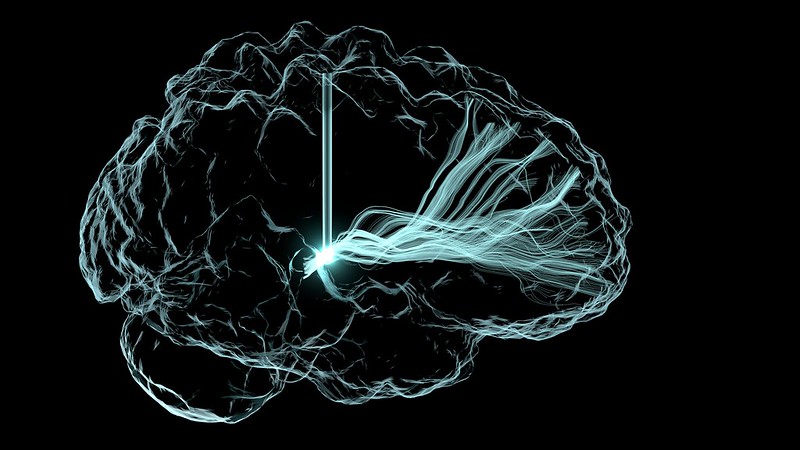
Deep brain stimulation illustration. Credit: NIH

A first-in-human trial of deep brain stimulation (DBS) for post-stroke rehabilitation patients has shown that using DBS to target the dentate nucleus – which regulates fine-control of voluntary movements, cognition, language, and sensory functions in the brain – is safe and feasible.

The EDEN trial (Electrical Stimulation of the Dentate Nucleus for Upper Extremity Hemiparesis Due to Ischemic Stroke) also shows that the majority of participants (9 of 12) demonstrated improvements in both motor impairment and function. Importantly, the study found that participants with at least minimal preservation of distal motor function at enrolment showed gains that almost tripled their initial scores.

Published in Nature Medicine, these findings build on more than a decade of preclinical work led by principal investigators Andre Machado, MD, PhD, and Kenneth Baker, PhD, at Cleveland Clinic.

“These are reassuring for patients as the participants in the study had been disabled for more than a year and, in some cases, three years after stroke. This gives us a potential opportunity for much needed improvements in rehabilitation in the chronic phases of stroke recovery,” said Dr Machado, patented the DBS method in stroke recovery. “The quality-of-life implications for study participants who responded to therapy have been significant.”

“We saw patients in the study regain levels of function and independence they did not have before enrolling in the research,” Dr Machado said. “This was a smaller study and we look forward to expanding as we have begun the next phase.”

The completed EDEN trial enrolled 12 individuals with chronic, moderate-to-severe hemiparesis of the upper extremity as a result of a unilateral middle cerebral artery stroke 12-to-36 months prior. There were no major complications throughout the study. Nine of the 12 participants improved to a degree that is considered meaningful in stroke rehabilitation.

Source: Cleveland Clinic

Why Blood Vessel Linings go Wrong and Contribute to Plaque Growth

Source: Wikimedia CC0

University of Virginia Health researchers probing the causes of coronary artery disease have identified why blood vessel lining, which usually secure plaques to stop them drifting, sometimes instead contribute to plaque buildup. The discovery, published in Circulation: Genomic and Precision Medicine, provides new targets for scientists looking for better ways to treat and prevent the disease.

“Smooth muscle cells that make up the bulk of our blood vessels play important roles in coronary artery disease. They undergo pathological transformations as the disease develops inside our arteries,” said researcher Mete Civelek, of the University of Virginia School of Medicine’s Center for Public Health Genomics and the Department of Biomedical Engineering.

“Our results point to a previously underappreciated role for metabolic pathways during this pathological transformation,” he said.

Civelek and his team wanted to unravel a longstanding mystery about the behaviour of smooth muscle cells during plaque formation. These cells, which line blood vessels, protect the body during plaque formation by building stabilising caps over the plaque that prevent the lesions from breaking loose and causing strokes.

But sometimes smooth muscle cells begin to accelerate the plaque development and spur the progression of the disease, scientists believe.

Civelek’s new discovery helps explain why. Noah Perry, a doctoral student on Civelek’s team, analysed smooth muscle cells collected from 151 heart transplant donors and used a sophisticated approach to identify genes responsible for the smooth muscle cells’ behaviour.

After initially identifying 86 groups of genes, the researchers focused in on 18 groups that could explain the mysterious behaviour. Their analysis suggested that the smooth muscle cells’ shift might stem from problems with how the cells use nitrogen and glycogen.

The researchers identified a particular sugar, mannose, that may be contributing to the problems, potentially even triggering them. But determining that, the scientists say, will require more research.

“The metabolic shift in the cells as they transition to a disease state can point to points of intervention and therapy,” said Perry, of UVA’s Department of Biomedical Engineering, the lead author of the study.

By better understanding what triggers the smooth muscle cells to become harmful, Civelek says, doctors may be able to develop ways to prevent that from happening. That could open the door to new ways to treat and prevent coronary artery disease.

“Coronary artery disease is still the leading cause of death worldwide,” Civelek said. “Although cholesterol-lowering therapies and blood pressure control have been very effective tools to prevent deaths from heart attacks, we still need more targets to reduce the suffering of patients and their families from this devastating disease.”

Source: University of Virginia

Study Tries Roasting out The Toxicants in Coffee

Photo by Mike Kenneally on Unsplash

Coffee is one of the world’s most popular beverages, but it also has potential health concerns, one of which is the production of foodborne toxicants such as acrylamide and furan during roasting process. A study published in Beverage Plant Research investigated ways to mitigate both contaminants in coffee by changing roasting parameters, including special procedures.

A study analysed a Vietnam Robusta grade 2 and a Brazil Arabica (unwashed) coffee with different roasting profiles (tangential, drum and hot air roasting) and roast degrees (light, medium and dark roast). Researchers accurately measured the acrylamide and furan derivative content in the samples by GC-MS. They found that acrylamide contents were highest in light roasts, and the content of furan and methylfurans were low in light roasts for both the Robusta and Arabica samples.

In addition, the study also explored the impact of special roasts, such as double roast or roasting with a sudden temperature change on acrylamide and furan content. The results showed that special roasts had no significant effect on the two contaminants. To sum up, these findings suggest that the coffee type and roasting process significantly influence the levels of these toxicants. Simultaneous mitigation of the effects of acrylamide and furan/methylfuran by changing the roasting parameters is not possible.

In conclusion, the research results show that both the type of coffee and its roasting profile have a substantial impact on the levels of acrylamide and furan, highlighting the possibility of regulating these toxicants through controlled roasting processes. However, simultaneous mitigation of these toxicants seems to be impossible. This study holds significant implications for the future of coffee production, potentially paving the way for safer and healthier consumption practices.

Source: EurekAlert!

Optimum Heart Rate for Fat Burning can Vary Widely among Individuals

The study uncovered individual variations in fat burning during exercise. Graphs of two people’s fat burning curves highlight differences in fat burning rates at varying exercise intensities and demonstrate that fatMAX falls outside the predicted ‘fat burning zone’. Credit: Hannah Kittrell, Mount Sinai Physiolab and AIMS Lab at Icahn Mount Sinai

The ‘fat burning zone’ on commercial exercise machines often does not line up the best heart rate for burning fat as it differs for each individual, Icahn School of Medicine at Mount Sinai researchers report.

Instead, the researchers said, clinical exercise testing (a diagnostic procedure to measure a person’s physiological response to exercise) may be a more useful tool to help individuals achieve intended fat loss goals. The study, which used a machine learning-based modelling approach, was published online in Nutrition, Metabolism and Cardiovascular Disease.

“People with a goal of weight or fat loss may be interested in exercising at the intensity which allows for the maximal rate of fat burning. Most commercial exercise machines offer a ‘fat-burning zone’ option, depending upon age, sex, and heart rate,” says lead author Hannah Kittrell, MS, RD, CDN, a PhD candidate at Icahn Mount Sinai. “However, the typically recommended fat-burning zone has not been validated, thus individuals may be exercising at intensities that are not aligned with their personalised weight loss goals.”

The term FATmax is sometimes used to represent the exercise intensity and associated heart rate at which the body reaches its highest fat-burning rate during aerobic exercise. At this point, fat is a significant fuel source and therefore this intensity may be of interest to those seeking to optimize fat loss during workouts.

As part of the study, the researchers compared heart rate at FATmax, as measured during a clinical exercise test, to predicted heart rate at percentages of maximal effort within the typically recommended ‘fat-burning zone’. In a sample of 26 individuals, the researchers found that there was poor agreement between measured and predicted heart rate, with a mean difference of 23 beats per minute between the two measures. This suggests that general recommendations for a ‘fat-burning zone’ may not provide accurate guidance.

Next, the researchers plan to study whether individuals who receive a more personalised exercise prescription demonstrate more weight and fat loss, as well as improvement of metabolic health markers that identify health risks like type 2 diabetes, obesity, and heart disease.

“We hope that this work will inspire more individuals and trainers to utilise clinical exercise testing to prescribe personalised exercise routines tailored to fat loss. It also emphasises the role that data-driven approaches can have toward precision exercise,” says senior author Girish Nadkarni, MD, MPH, Professor of Medicine at Icahn Mount Sinai.

Source: The Mount Sinai Hospital / Mount Sinai School of Medicine

In A First, Immunotherapy for Glioblastoma Successfully Tested in Mice

Photo by Kanashi ZD on Unsplash

Immunotherapy has dramatically improved survival against many cancers but efforts to use it against glioblastomas have to date proven fruitless. Now, Salk scientists have found the immunotherapy treatment anti-CTLA-4 leads to considerably greater survival of mice with glioblastoma. Furthermore, they discovered that this therapy was dependent on immune cells called CD4+ T cells infiltrating the brain and triggering the tumour-destructive activities of other immune cells called microglia, which permanently reside in the brain.

The findings, published in the journal Immunity, show the benefit of harnessing the body’s own immune cells to fight brain cancer and could lead to more effective immunotherapies for treating brain cancer in humans.

Glioblastoma, the most common and deadly form of brain cancer, grows rapidly to invade and destroy healthy brain tissue. The tumour sends out cancerous tendrils into the brain that make surgical tumour removal extremely difficult or impossible.

“There are currently no effective treatments for glioblastoma – a diagnosis today is basically a death sentence,” says Professor Susan Kaech, senior author and director of the NOMIS Center for Immunobiology and Microbial Pathogenesis. “We’re extremely excited to find an immunotherapy regimen that uses the mouse’s own immune cells to fight the brain cancer and leads to considerable shrinkage, and in some cases elimination, of the tumour.”

For some tumours, immunotherapy can be used, in which the body’s own immune cells to seek and destroy cancer cells, leading to strong, lasting anti-cancer responses for many patients. Kaech sought new ways of harnessing the immune system to develop more safe and durable treatments for brain cancer.

Her team found three cancer-fighting tools that have been somewhat overlooked in brain cancer research that may cooperate and effectively attack glioblastoma: an immunotherapy drug called anti-CTLA-4 and specialized immune cells called CD4+ T cells and microglia.

Anti-CTLA-4 immunotherapy works by blocking cells from making the CTLA-4 protein, which, if not blocked, inhibits T cell activity. It was the first immunotherapy drug designed to stimulate our immune system to fight cancer, but it was quickly followed by another, anti-PD-1, that was less toxic and became more widely used. Whether anti-CTLA-4 is an effective treatment for glioblastoma remains unknown since anti-PD-1 took precedence in clinical trials. Unfortunately, anti-PD-1 was found to be ineffective in multiple clinical trials for glioblastoma – a failure that inspired Kaech to see whether anti-CTLA-4 would be any different.

As for the specialized immune cells, CD4+ T cells are often overlooked in cancer research in favour of a similar immune cell, the CD8+ T cell, because CD8+ T cells are known to directly kill cancer cells. Microglia live in the brain full time, where they patrol for invaders and respond to damage – whether they play any role in tumour death was not clear. When treated with anti-CLA-4, mice with glioblastoma had longer lifespans than those receiving anti-PD-1.

Upon investigation, they found that after anti-CTLA-4 treatment, CD4+ T cells secreted a protein called interferon gamma that caused the tumour to throw up “stress flags” while simultaneously alerting microglia to start eating up those stressed tumour cells. As they gobbled up the tumour cells, the microglia would present scraps of tumour on their surface to keep the CD4+ T cells attentive and producing more interferon gamma, creating a cycle that lasts until the tumour is destroyed.

“Our study demonstrates the promise of anti-CTLA-4 and outlines a novel process where CD4+ T cells and other brain-resident immune cells team up to kill cancerous cells,” says co-first author Dan Chen, a postdoctoral researcher in Kaech’s lab.

To understand the role of microglia in this cycle, the researchers collaborated with co-author and Salk Professor Greg Lemke. For decades, Lemke has investigated critical molecules, called TAM receptors, used by microglia to send and receive crucial messages. The researchers found that TAM receptors told microglia to gobble up cancer cells in this novel cycle.

“We were stunned by this novel codependency between microglia and CD4+ T cells,” says co-first author Siva Karthik Varanasi, a postdoctoral researcher in Kaech’s lab. “We are already excited about so many new biological questions and therapeutic solutions that could radically change treatment for deadly cancers like glioblastoma.”

Connecting the pieces of this cancer-killing puzzle brings researchers closer than ever to understanding and treating glioblastoma.

“We can now reimagine glioblastoma treatment by trying to turn the local microglia that surround brain tumours into tumour killers,” says Kaech. “Developing a partnership between CD4+ T cells and microglia is creating a new type of productive immune response that we have not previously known about.”

Next, the researchers will examine whether this cancer-killing cell cycle is present in human glioblastoma cases. Additionally, they aim to look at other animal models with differing glioblastoma subtypes, expanding their understanding of the disease and optimal treatments.

Source: Salk Institute