Health in 2023: A Deceptively Busy Year in Fewer Than 1000 Words

PHOTO: Ashraf Hendricks/GroundUp

By Marcus Low

2023 was a busy year for healthcare in South Africa. There were several policy developments, landmark court cases, important pieces of legislation, and some changes in leadership. Yet, take a step back and not much seems to have changed. Shortages of healthcare workers persist, corruption is still rife, budgets tight, and our health governance crisis remains as acute as ever.

Start with some positives. Following the release in 2022 of a non-communicable disease policy with important diabetes and hypertension targets, this year saw the release of South Africa’s overdue new mental health policy, an obesity policy, and a new strategic plan for HIV, TB and STIs. These policy documents were generally welcomed, although most experts we spoke to had questions over the state’s ability to implement them.

That ability to implement was dealt another blow this year with continued budget cuts in the public healthcare sector and the freezing of posts in some areas. As shown in several of the community healthcare monitoring group Ritshidze’s excellent provincial reports this year, staff shortages remain acute across much of the country – something that is unlikely to change given budget constraints. Though South Africa has a good healthcare worker strategy on paper, another year has passed with no clear indication that the state is committed to implementing it.

Instead, much of the political oxygen in 2023 was again consumed by National Health Insurance (NHI). As the year draws to an end, the NHI Bill has cleared parliament and chances are the President will sign it ahead of next year’s national and provincial elections – though actual implementation will take years.

Reforms to South Africa’s procurement legislation are also making its way through parliament, although critics have slammed the bill for not doing enough to clamp down on corruption. The State Liability Bill was delayed again because a report from the South African Law Reform Commission on medico-legal claims has still not been finalised.

In the courts, an important judgment in the Eastern Cape limited the extent to which the state can be held financially liable for medical negligence, although the law in this area remains somewhat unsettled. There were also major court victories for the right to transparency, with a court ordering the disclosure of COVID-19 contracts entered into by government, and for the ability of pharmacists to provide antiretrovirals without a script from a doctor – this latter judgment is being appealed. This year also saw the pieces put in place for what is set to be a landmark court case for access to medicines, as Cheri Nel and others challenge a monopoly on life-changing cystic fibrosis medicines.

Photo by National Cancer Institute on Unsplash

As for leadership changes, this year South Africa got a new health ombud (we interviewed the outgoing ombud here) and a new registrar of the Health Professions Council – the latter institution remains in urgent need of reform. Maybe the most important leadership change this year, however, was the controversial removal in September of Dr Rolene Wagner as head of the Eastern Cape Health Department. Wagner’s removal seems symptomatic of ongoing and excessive political interference in the running of provincial health departments.

Several of these departments again made the headlines for the wrong reasons. Current and former Officials in both the North West and Northern Cape Department of Health are facing serious charges, but maybe most dispiriting was the ongoing dysfunction in the Gauteng Department of Health. From botched food and security contracts to the lacklustre response to alleged corruption at Tembisa Hospital, those who hoped for a turnaround in the department were disappointed. The end of the inquest into the Life Esidimeni tragedy this year served as reminder that the department’s problems are entrenched and long-standing.

South Africa’s TB response was given a boost this year with the adoption of an ambitious new test-and-treat strategy, whereby people who test positive for TB are treated and at-risk people who test negative are offered preventive therapy. Some new TB treatment regimens have been rolled out, but we are unfortunately still waiting for others. A reduced price for the DR-TB drug bedaquline was secured, largely due to the work of South African and international TB activists, and two philanthropies put up the money for a critically important phase 3 TB vaccine trial.

Photo by Sergey Mikheev on Unsplash

Pilot programmes testing HIV prevention injections and HIV prevention rings in South Africa were set to start at the beginning of the year, but the injection part of those pilots ended up being delayed. It is still not clear when the many young women in South Africa who could benefit from the prevention injection will be able to get it. A recently announced price for the injection is calculated to be far too high for our healthcare system.

There was some good news this year in that more people in South Africa are finally able to access breakthrough hepatitis C cures developed over the last decade. The picture looks less promising with new weight loss medicines – high prices, supply constraints, and monopolies are likely to keep these exciting medicines out of reach for most people in South Africa, despite the rising number of people with obesity who could benefit from them.

As for the numbers, the WHO this year estimated that in 2022 280 000 people fell ill with TB in South Africa and 54 000 people died of TB. According to the latest estimates from the Thembisa model, in 2022 around 13% of the population were living with HIV, 164 000 people were newly infected with HIV, and 48 000 died of HIV-related causes (there is substantial overlap since many people with HIV die of TB). The Human Sciences Research Council (HSRC) raised some eyebrows when it estimated that 91% of people diagnosed with HIV were on treatment in 2022, UNAIDS and the Thembisa model have this number at well under 80%. New UNAIDS and Thembisa estimates due in 2024 will be closely watched to see how they are impacted by the HSRC findings.

Republished from Spotlight under a Creative Commons Licence.

Source: Spotlight
Little-studied Cell in the Brain could be Driver of Glioblastoma

Photo by National Cancer Institute on Unsplash

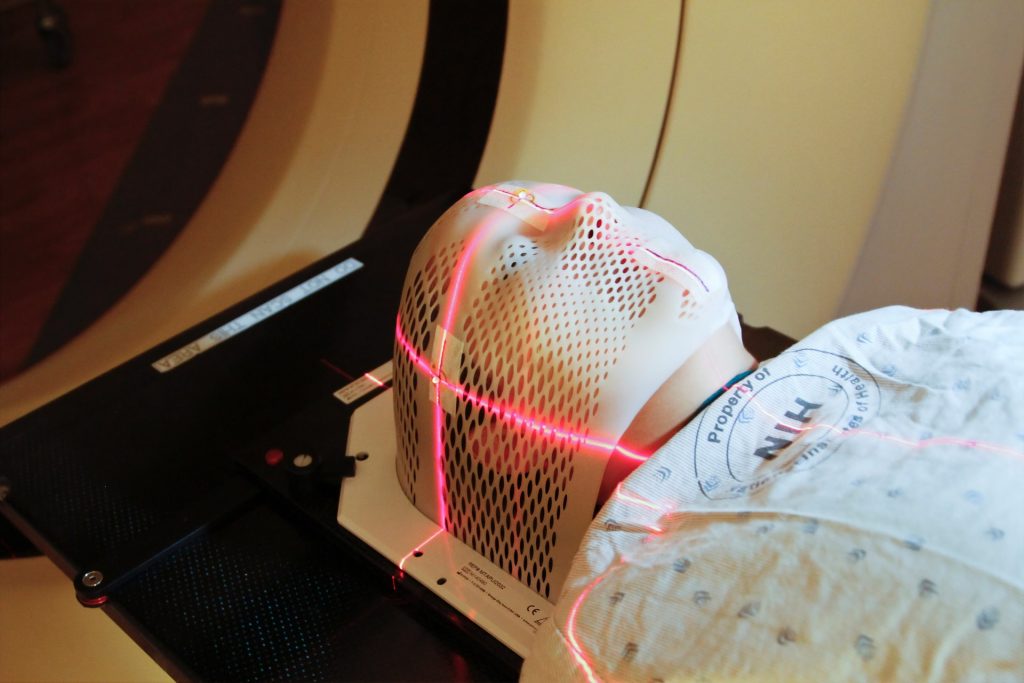
Glioblastoma is one of the most treatment-resistant cancers, with those diagnosed surviving for less than two years. In a new study in NPJ Genomic Medicine, researchers at the University of Notre Dame have found that a largely understudied cell could offer new insight into how the aggressive, primary brain cancer is able to resist immunotherapy.

“A decade ago, we didn’t even know perivascular fibroblasts existed within the brain, and not just in the lining of the skull,” said senior author Meenal Datta, assistant professor of aerospace and mechanical engineering at Notre Dame.

“My lab’s expertise is examining tumours from an engineering and systems-based approach and looking at the novel mechanical features in rare cancers that may have been understudied or overlooked.”

Using standard bioinformatics and newer AI-based approaches, Datta’s TIME Lab began analysing different genes expressed in the tumour microenvironment related to the extracellular matrix – or the scaffolding cells create to support future cell adhesion, migration, proliferation and differentiation – and other various cell types.

What they found was a surprising, fairly new cell type: perivascular fibroblasts.

These fibroblasts are typically found in the blood vessels of a healthy brain and deposit collagen to maintain the structural integrity and functionality of brain vessels.

“It was a serendipitous discovery,” said first author Maksym Zarodniuk, graduate student in the TIME Lab and the bioengineering doctorate programme.

“We started in a completely different direction and stumbled upon this population of cells by using a combination of both bulk and single-cell RNA sequencing analyses of patient tumours.”

In their data, researchers were able to identify two groups of patients: those with a higher proportion of perivascular fibroblasts and those with significantly less.

They found that brain cancer patients with more perivascular fibroblasts in their tumours were more likely to respond poorly to immunotherapies and have poor survival outcomes.

Further study revealed that perivascular fibroblasts support the creation of an immunosuppressive tumour microenvironment, allowing the cancer to better evade the immune system.

The fibroblasts may also help the cancer resist therapies such as chemotherapy that targets cell division by promoting stem-like cancer cells that rarely divide, which are believed to be a major source of tumour relapse and metastasis.

“Moving forward, we want to do new experiments to confirm what we found in this paper and provide some good ground to start thinking about how to improve response to immunotherapy,” Zarodniuk said.

Because perivascular fibroblasts are a part of a healthy brain’s vasculature, Datta believes that these cells are breaking off and getting close to or infiltrating the glioblastoma tumour.

However, instead of supporting healthy brain function, these fibroblasts are getting reprogrammed and helping the tumour instead.

“Most people think about the brain as being very soft, with soft cells and a soft matrix. But by putting down these fibroblasts and making these very fibrous proteins, it gives us an entirely different perspective on the structure of the brain and how it can be taken advantage of by cancer cells originating in the same organ,” Datta said.

Source: University of Notre Dame

Cause of Pregnancy Sickness – and Potential Treatment

Photo by Anna Hecker on Unsplash

A Cambridge-led study has shown why many women experience nausea and vomiting during pregnancy – and why some women, including the Duchess of Cambridge, become so sick they need to be admitted to hospital.

The culprit is a hormone produced by the foetus – a protein known as GDF15. But how sick the mother feels depends on a combination of how much of the hormone is produced by the foetus

The discovery, published today in Nature, points to a potential way to prevent pregnancy sickness by exposing mothers to GDF15 ahead of pregnancy to build up their resilience.

As many as seven in ten pregnancies are affected by nausea and vomiting. In some women – thought to be between one and three in 100 pregnancies – it can be severe, even threatening the life of the foetus and the mother and requiring intravenous fluid replacement to prevent dangerous levels of dehydration. So-called hyperemesis gravidarum is the commonest cause of admission to hospital of women in the first three months of pregnancy.

Although some therapies exist to treat pregnancy sickness and are at least partially effective, widespread ignorance of the disorder compounded by fear of using medication in pregnancy mean that many women with this condition are inadequately treated.

Until recently, the cause of pregnancy sickness was entirely unknown. Recently, some evidence, from biochemical and genetic studies has suggested that it might relate to the production by the placenta of the hormone GDF15, which acts on the mother’s brain to cause her to feel nauseous and vomit.

Now, an international study, involving scientists at the University of Cambridge and researchers in Scotland, the USA and Sri Lanka, has made a major advance in understanding the role of GDF15 in pregnancy sickness, including hyperemesis gravidarum.

The team studied data from women recruited to a number of studies, including at the Rosie Maternity Hospital, part of Cambridge University Hospitals NHS Foundation Trust and Peterborough City Hospital, North West Anglia NHS Foundation Trust. They used a combination of approaches including human genetics, new ways of measuring hormones in pregnant women’s blood, and studies in cells and mice.

The researchers showed that the degree of nausea and vomiting that a woman experiences in pregnancy is directly related to both the amount of GDF15 made by the foetal part of placenta and sent into her bloodstream, and how sensitive she is to the nauseating effect of this hormone.

GDF15 is made at low levels in all tissues outside of pregnancy. How sensitive the mother is to the hormone during pregnancy is influenced by how much of it she was exposed to prior to pregnancy – women with normally low levels of GDF15 in blood have a higher risk of developing severe nausea and vomiting in pregnancy..

The team found that a rare genetic variant that puts women at a much greater risk of hyperemesis gravidarum was associated with lower levels of the hormone in the blood and tissues outside of pregnancy. Similarly, women with the inherited blood disorder beta thalassemia, which causes them to have naturally very high levels of GDF15 prior to pregnancy, experience little or no nausea or vomiting.

Professor Sir Stephen O’Rahilly, Co-Director of the Wellcome-Medical Research Council Institute of Metabolic Science at the University of Cambridge, who led the collaboration, said: “Most women who become pregnant will experience nausea and sickness at some point, and while this is not pleasant, for some women it can be much worse – they’ll become so sick they require treatment and even hospitalisation.

“We now know why: the baby growing in the womb is producing a hormone at levels the mother is not used to. The more sensitive she is to this hormone, the sicker she will become. Knowing this gives us a clue as to how we might prevent this from happening. It also makes us more confident that preventing GDF15 from accessing its highly specific receptor in the mother’s brain will ultimately form the basis for an effective and safe way of treating this disorder.”

Mice exposed to acute, high levels of GDF15 showed signs of loss of appetite, suggesting that they were experiencing nausea, but mice treated with a long-acting form of GDF15 did not show similar behaviour when exposed to acute levels of the hormone. The researchers believe that building up woman’s tolerance to the hormone prior to pregnancy could hold the key to preventing sickness.

Co-author Dr Marlena Fejzo from the Department of Population and Public Health Sciences at the University of Southern California whose team had previously identified the genetic association between GDF15 and hyperemesis gravidarum, has first-hand experience with the condition. “When I was pregnant, I became so ill that I could barely move without being sick. When I tried to find out why, I realised how little was known about my condition, despite pregnancy nausea being very common.

“Hopefully, now that we understand the cause of hyperemesis gravidarum, we’re a step closer to developing effective treatments to stop other mothers going through what I and many other women have experienced.”

The work involved collaboration between scientists at the University of Cambridge, University of Southern California, University of Edinburgh, University of Glasgow and Kelaniya University, Colombo, Sri Lanka. The principal UK funders of the study were the Medical Research Council and Wellcome, with support from the National Institute for Health and Care Research Cambridge Biomedical Research Centre.

The original text of this story is licensed under a Creative Commons License

Source: University of Cambridge

Clues from Autoimmune Disorder on Disrupted Tooth Enamel Development

Photo by Caroline Lm on Unsplash

In one of every 10 people, and in one third of children with celiac disease, the enamel coating of the teeth appears defective, failing to protect the teeth properly. As a result, teeth become more sensitive to heat, cold and sour food, and they may decay faster. In most cases, the cause of the faulty enamel production is unknown.

Now, a study by Prof Jakub Abramson and his team at the Weizmann Institute of Science, published recently in Nature, may shed light on this problem by revealing a new children’s autoimmune disorder that hinders proper tooth enamel development. The disorder is common in people with a rare genetic syndrome and in children with celiac disease. These findings could help develop strategies for early detection and prevention of the disorder.

Tooth enamel is made up primarily of mineral crystals that are gradually deposited on protein scaffolds during enamel development. Once the crystals are in place, the protein scaffold is dismantled, leaving behind a thin, exceptionally hard layer of enamel. A strange phenomenon was identified in people with a rare genetic disorder known as APS-1: although the enamel layer of their milk teeth forms perfectly normally, something causes its faulty development in their permanent teeth. Since people with APS-1 suffer from a variety of autoimmune diseases, Abramson and his team hypothesised that the observed enamel defects may also be of an autoimmune nature

In autoimmune disease, to prevent T cells from triggering the immune system to attack body tissues, T cells developing in the thymus gland must be educated’ to discriminate between the body’s own proteins and those of foreign origin. To this end, T cells are presented with short segments of self-proteins that make up various tissues and organs in the body. When a ‘poorly educated’ T cell erroneously identifies a self-protein in the thymus as a target for attack, that T cell is labelled as dangerous and destroyed, so that it could not cause any damage after being released from the thymus.

This critical education step is impaired in APS-1 patients as a result of a mutation in a gene known as the autoimmune regulator (Aire). This gene is essential for the T cell education process: It produces a protein that is responsible for the collection of self-proteins presented to the T cells in the thymus. In their new study, scientists from Abramson’s lab in Weizmann’s Immunology and Regenerative Biology Department, led by research student Yael Gruper, sought to work out how mutations in the Aire gene lead to deficient tooth enamel production. The researchers discovered that, in the absence of Aire, proteins that play a key role in the development of enamel are not presented to the T cells in the thymus gland. As a result, T cells that are liable to identify these proteins as targets are released from the thymus, and they encourage the production of antibodies to the enamel proteins. But why do these autoantibodies damage permanent teeth and not baby teeth?

The answer to this question lies in the fact that milk teeth develop in the embryonic stage, when the immune system is not yet fully formed and cannot create autoantibodies. In contrast, the development of enamel on permanent teeth starts at birth and continues until around the age of six, when the immune system is sufficiently mature to thwart enamel development. Furthermore, the researchers found a correlation between high levels of antibodies to enamel proteins and the severity of the harm to enamel development in children with APS-1. This strengthens the assumption that the presence of enamel-specific autoantibodies in childhood can potentially lead to dental problems.

When the researchers looked into deficiencies in enamel development in people with other autoimmune diseases, they found a very similar phenomenon in children with celiac disease, a relatively common autoimmune disorder that affects around 1% of people in the West. When people with this disease are exposed to gluten, their immune system attacks and destroys the cellular layer lining the small intestine, leading to attacks on other self-proteins in the intestine.

In an attempt to understand how celiac disease, known to cause intestinal damage, may also cause damage to tooth enamel, the researchers first examined whether people with this disease have autoantibodies against enamel. They found that a large proportion of celiac patients have these autoantibodies, just as do people with APS-1. But the ‘education’ in the thymus gland of these patients seems normal, so why do they develop these antibodies? The researchers hypothesised that some proteins are found in both the intestine and the dental tissue and that these proteins play an important role in the development of tooth enamel. In this case, the antibodies that identify proteins in the intestine might move through the bloodstream to the dental tissue, where they could start to disrupt the enamel production process.

Since many celiac patients had previously been found to develop sensitivity to cow’s milk, the researchers decided to focus on the k-casein protein, a major component of dairy products. Strikingly, they found that the human equivalent of k-casein is one of the main components of the scaffold necessary for enamel formation. This led them to hypothesise that antibodies produced in the intestines of celiac patients in response to certain food antigens, such k-casein, may subsequently cause collateral damage to the development of enamel in the teeth, similarly to the way in which antibodies against gluten can eventually trigger autoimmunity against the intestine.

Indeed, they discovered that most of the children diagnosed with celiac had high levels of antibodies against k-casein from cows’ milk, which in many cases can also react against k-casein’s human equivalent expressed in the enamel matrix. This means that in theory, the same antibodies that are produced in the intestine against the milk protein could act against the human k-casein in the teeth.

These findings could have implications for the food industry. “Similarly to the lessons learned from gluten, we can assume that the consumption of large quantities of dairy products could lead to the production of antibodies against k-casein,” Abramson explains. “This protein increases the amount of cheese that can be produced from milk, so the dairy industry deliberately raises its concentration in cow’s milk. Our study, however, found that the milk k-casein is a potent immunogen, which may potentially trigger an immune response that can harm the body itself.”

Tooth enamel flaws are common, not just among people with celiac disease or APS-1. “Many people suffer from impaired tooth enamel development for unknown reasons,” Abramson says. “It is possible that the new disorder we discovered, along with the possibility of diagnosing it in a blood or saliva test, will give their condition a name. Most important, early diagnosis in children may enable preventive treatment in the future.”

Source: Weizmann Institute of Science

Opinion Piece: From Crisis to Cleanliness – CSI Initiatives Have the Power to Eliminate Pit Latrines in South African Schools

By Robert Erasmus, Managing Director at Sanitech

The continued use of pit latrines presents grave risks in South Africa, particularly within school environments where the safety and well-being of children are compromised. Recent government statistics from March 2023 reveal a staggering reality: out of 23 000 public schools, over 3300 still rely on pit latrines, necessitating urgent action.

Private sector involvement through Corporate Social Investment (CSI) emerges as a critical player in tackling this pressing issue. In 2022, a substantial R10.9 billion was designated for CSI, with half of the funds directed to the education sector. By reallocating a portion of these resources towards sanitation initiatives, companies could act as a powerful force for meaningful change, especially if invested in innovative solutions like the Khusela dry sanitation unit. This advanced solution not only holds the potential to resolve the sanitation crisis in schools but also provides an avenue for businesses to elevate their Environmental, Social, and Governance (ESG) ratings simultaneously.

CSI can bypass burdensome bureaucracy

With approximately 14% of public schools still relying on hazardous facilities, urgent action is essential; but eradicating pit latrines from South African schools is no small feat. While close collaboration between the private and public sector will be required, government has been slow to address this health and safety crisis as promised, and their burdensome procurement and tender processes have only served to hinder progress, making it evident that relief will have to be sought elsewhere. This is where a beacon of hope emerges through the coordination of CSI and ESG initiatives in the private sector. One of the key advantages of leveraging CSI and ESG initiatives is their potential for rapid, impactful change. The private sector, with its focused CSI efforts, can target key areas for high-impact intervention. Schools, being the cornerstone of a child’s daily life, stand to benefit the most. Imagine the profound difference proper sanitation facilities could make in the lives of students who spend most of their day within these school premises. A rapid transformation in these facilities, facilitated by private sector involvement, can significantly improve the learning environment and overall, well-being of these young minds.

A swift and strategic approach to school sanitation

Measuring the success of CSI initiatives is crucial, and this is where a collaborative approach truly shines. Conducting nationwide surveys and prioritising schools most in need will allow for a strategic and targeted allocation of resources. Instead of waiting for bureaucratic processes to run their course, CSI initiatives can swiftly address the pressing issues of inadequate sanitation facilities. The results will be tangible, the impact immediate, and the benefits will reach those in need, without delay or diversion. Furthermore, ongoing collaboration with waste management providers will oversee these sanitation solutions to ensure initiatives remain purpose-fit, providing not just a one-time fix but a sustained relationship for ongoing positive change.

A safe, cost-effective sanitation solution

At the forefront of revolutionising sanitation in South African schools stands the Khusela dry sanitation unit. Unlike traditional pit latrines, the Khusela unit offers a safer and more hygienic alternative, eliminating the inherent health risks associated with dangerous, unsanitary facilities. Its design focuses on promoting a healthier environment by efficiently managing waste, mitigating contamination, and significantly reducing unpleasant odours. The introduction of Khusela units in schools will not only address a critical health concern but also empower students, especially girls, by providing a discreet and dignified space for personal hygiene, ensuring that the barriers to regular school attendance are diminished. Additionally, the ESG advantages of sanitation upgrade projects are significant, spanning environmental preservation, enhanced social well-being, and improved governance, aligning clearly with fundamental ESG principles that emphasise dedication to a sustainable future.

CSI and ESG: win-win for public schools and the private sector

In short, effective CSI initiatives focused on sanitation offer a dual advantage: they align with corporate CSI objectives while directly addressing essential ESG aspects like environmental and social responsibility. This unique synergy creates a win-win scenario, where the private sector can fulfil its societal and environmental obligations and ultimately contribute to a sustainable and equitable future. The call to action is clear – businesses must recognise the power they possess to expedite change and must engage with organisations in the waste management, hygiene, and sanitation space for impactful partnerships. Together, we can replace pit latrines in South African schools with safer, more hygienic alternatives and create healthier environments that are conducive for the growth and development of our youth. 

Resounding Success for New Personalised Treatment for Adult Leukaemia

Photo by Tima Miroshnichenko on Pexels

Personalised treatment for the most common form of adult leukaemia helps patients survive for longer and stay in remission, a phase III trial has found. The trial, by the University of Leeds, has been identified as groundbreaking research by the New England Journal of Medicine and the 65th American Society of Hematology (ASH) Annual Meeting and Exposition in San Diego, where the results were presented.

The data shows that the duration of therapy can be individualised for each patient by using regular blood tests to monitor their response. In the trial, this approach resulted in significant improvements in both progression-free and overall survival in patients with previously untreated chronic lymphocytic leukaemia (CLL). The effect was stronger among patients with poorer outcomes to standard treatments, such as those with some genetic mutations.

Adult patients were given a combination of cancer growth blocking drugs over varied durations depending on how rapidly their disease responded.

The trial found that this approach significantly improved progression-free and overall survival compared to the standard treatment for CLL, with more than 19 in 20 patients in remission three years after starting treatment.

The study, named FLAIR, is a phase III randomised controlled trial for untreated CLL, taking place in more than 100 hospitals across the UK.

Lead author Peter Hillmen, Professor of Experimental Haematology in the University of Leeds’ School of Medicine, and Honorary Consultant Haematologist at Leeds Teaching Hospitals NHS Trust, said: “Our findings show that, for this group of patients, the treatment is very effective at tackling their disease and is well tolerated by them. This means that patients on our trial had better outcomes while also enjoying a better quality of life during their treatment. Most patients treated with the new combination have no detectable leukaemia in their blood or bone marrow by the end of treatment which is better than with previous treatments and is very encouraging.”

Dr Iain Foulkes, Executive Director of Research and Innovation at Cancer Research UK, said: “We are delighted to see these results from the FLAIR trial which show the importance and effectiveness of tailoring cancer treatment to the individual patient. Not only this, but the trial has found a way to do so without requiring frequent bone marrow tests which are more invasive and can be painful.

“The collaborative effort that went into this trial – involving researchers, healthcare professionals, funders and dedicated patients and their families – point to a new standard of care which could see real progress made against leukaemia.”

Chronic lymphocytic leukaemia is a type of cancer that affects the blood and bone marrow. It cannot usually be cured but can be managed with treatment. More than nine in 10 people are aged 55 and over when they are diagnosed.

Current treatments include chemotherapy, immunotherapy, or cancer growth blockers.

The FLAIR trial tested cancer growth blockers called Ibrutinib and Venetoclax (I+V), which are usually administered either continuously or for the same fixed duration rather than tailored to each patient’s response. This means that many patients may stop treatment too early, missing the full potential benefit from their therapy or continue therapy for longer than necessary. This could lead to a greater chance of relapse of their leukaemia and/or of treatment side effects.

FLAIR researchers aimed to discover whether it was possible to personalise I+V treatment duration for patients based on regular blood sampling and / or bone marrows, and whether this was as effective or better than standard treatment (FCR).

This regular blood and bone marrow monitoring gave researchers a more up-to-date picture of how patients were responding to I+V, and meant that the duration of I+V treatment could be tailored accordingly to each patient. In addition, it was found that basing the duration of treatment on less invasive, quicker blood samples was just as effective as using bone marrows, which can be painful and sometimes require sedation.

FLAIR was launched in 2014, recruiting 1509 patients with CLL. They were randomised to four treatment groups, each receiving a different treatment.

This part of the FLAIR trial compared two of the groups, placing 260 patients on I+V and 263 on the standard treatment, known as FCR. Almost three quarters were male, which was to be expected as CLL occurs more frequently in males. The average age was 62, and just over a third had advanced disease.

At the end of this stage of the trial, 87 patients had seen their disease progress, 75 of which were on FCR, and 12 on I+V.

To date, 34 of these patients have died during the trial. Of these, 25 were treated with FCR and only nine with I+V.

The patients on I+V underwent blood tests and bone marrows to monitor their response to treatment. The technique used is known as measurable residual disease (MRD) which allows clinicians to see the number of remaining cancer cells. The number of cells may be so small that the patient is asymptomatic. An MRD positive test result means that there are remaining cancer cells.

The research team now hope that this more personalised therapy approach, guided by blood test monitoring will be adopted as a new standard of care for patients needing first line CLL treatment.

Professor Hillmen said: “The results of the FLAIR Trial, led by the Leeds Cancer Research UK Clinical Trials Unit at the University of Leeds, are exceptional and herald a change in the way chronic lymphocytic leukaemia will be treated. FLAIR has been a huge collaborative effort over the last decade by the UK’s leading CLL specialists and by the haematology teams in over 100 hospitals throughout the UK. The participation of patient groups, individual patients and their families were critical to delivering such progress particularly through the challenges of the pandemic.”

The trial was co-ordinated by the Leeds Cancer Research UK Clinical Trials Unit at the University of Leeds. Deputy Director Professor David Cairns said: “The vision of the Leeds Cancer Research UK CTU is to improve the length and quality of survival for cancer patients on a worldwide scale. Our strategy to do this is to ensure that we build evidence to identify the correct treatment, for the correct duration, for the correct patient. FLAIR is a trial well aligned to our strategy, and reflects team science including clinicians, laboratory scientists, methodologists and operational experts working together to deliver important trial results. None of this would be achieved without the selfless commitment of trial participants who contribute their time and data.”

The FLAIR trial was funded by Cancer Research UK, Janssen Research & Development, LLC, and AbbVie Pharmaceutical Research and Development.

Source: University of Leeds

The NHI Will Enforce the Use of EHRs – Resulting in a Steep Learning Curve for 60% Of SA’s GPs

Photo by National Cancer Institute on Unsplash

As the development of the National Digital Health Strategy for South Africa (2019 – 2024) progresses, and the implementation of the National Health Insurance (NHI) implementation looms closer, it is clear that digital health will be the significant driver behind transforming our health system.

To date, a Health Patient Registration System (HPRS) Project has been started as an initial requirement before developing a template for what a patient Electronic Health Record (EHR) would include. Although the diagnostic, treatment and billing modules necessary for EHR’s within the NHI still need to be developed, one thing is certain: a complete, shareable, electronic health record for each patient will be key.  

How will it work

CompuGroup Medical South Africa, (CGM SA), a leading MedTech company describes an EHR as a portable, interactive, digital set of health records for a patient that assists healthcare providers in managing their care. The wealth of information provided in each EHR – from a patient’s medical history, demographics, their laboratory test results over time, medicine prescribed, a history of medical procedures, X-rays to any medical allergies – offers endless opportunities for real time patient care.

EHRs have the potential to play a role in closing the healthcare gap in South Africa by improving affordable access to healthcare and reducing health disparities. This is particularly important for marginalised populations who may have limited access to healthcare services.

GPs must adapt

Although the adoption of EHRs in South Africa is very low, with an estimated 40%* of healthcare professionals currently using digital health records in their practice or hospital, the looming National Health Insurance (NHI) Bill will encourage the adoption of EHRs, potentially improving care coordination, enhancing population health management, increasing efficiency and cost savings.

Globally, EHRs are responsible for improving efficiency by reducing duplicates within patient records, reducing unnecessary interventions such as repeat prescriptions and duplicate referrals. Of those using any form of healthcare technologies daily, 69% have found an improvement in the quality of care and 59% have seen a positive impact on patient outcomes.

Looking at the usage of technology by patients in South Africa, the statistics show that we lag behind the world average, with less than a third of our population using digital health technologies to track their health. It appears this is partially due to a distrust for the security of their health data and an affordability consideration.  

“One of the major challenges from a general practitioner perspective is that there is currently a lack of government policy and guidelines for patient data security, which in turn, affects their willingness to adopt EHRs as a standard,” says Dillip Naran, Vice President for Product Architecture at CGM SA.  

“If these hurdles can be overcome, the adoption of EHRs by GPs is predicted to have a positive impact on healthcare outcomes, and improve efficiency in the long run. The successful implementation and utilisation of EHRs will require careful planning, investment, and collaboration across the proposed NHI healthcare system, “ he goes on to mention.

Here are the seven main ways EHRs will contribute to the success of a National Health Insurance (NHI) programme in South Africa:

  • Improved patient safety: Reducing adverse effects related to medication prescription errors, dispensing errors, labelling errors and even, wrong site surgery.
  • Improved care coordination: Helping healthcare providers share patient information easily and more accurately, improving the coordination of care across different providers and settings, and eliminating the duplication of services.
  • Enhanced population health management: Providing data on health outcomes and trends to identify and address public health issues, such as disease outbreaks or health disparities, potentially informing policy decisions and resource allocation within the NHI.
  • Increased efficiency and cost savings: Reducing the administrative burden and streamlining processes, which can improve efficiency and reduce costs within the healthcare system.
  • Enhanced decision-making: Providing healthcare professionals with immediate access to relevant patient data, including medical history, allergies, medications, and test results. This information empowers clinicians to make well-informed decisions about patient care, leading to better diagnosis and treatment options.
  • Efficient claims processing: Streamlining the claims process, in the context of the NHI model, with the electronic submission of medical information leading to faster claims processing and reducing the chances of errors or fraud.
  • Early detection and management of chronic conditions: Flagging individuals who may be at a higher risk for chronic conditions, and monitoring the management of their care. 

It is important to realise that the implementation of EHRs can’t be expected to be solely responsible for closing the gap in healthcare. Other factors such as access to healthcare services, poverty and education need to be addressed, along with solving challenges such as data privacy, security concerns and improving digital literacy within certain previously disadvantaged population groups.

By Andrea Desfarges on behalf of CompuGroup Medical SA.

*. *Statistics taken from “Adapt as you adopt: Adjusting to digital health tech to drive access to care” by Jasper Westerlink, Dec 2019.  

Key Protein Coordinates Healing in Brain Injuries

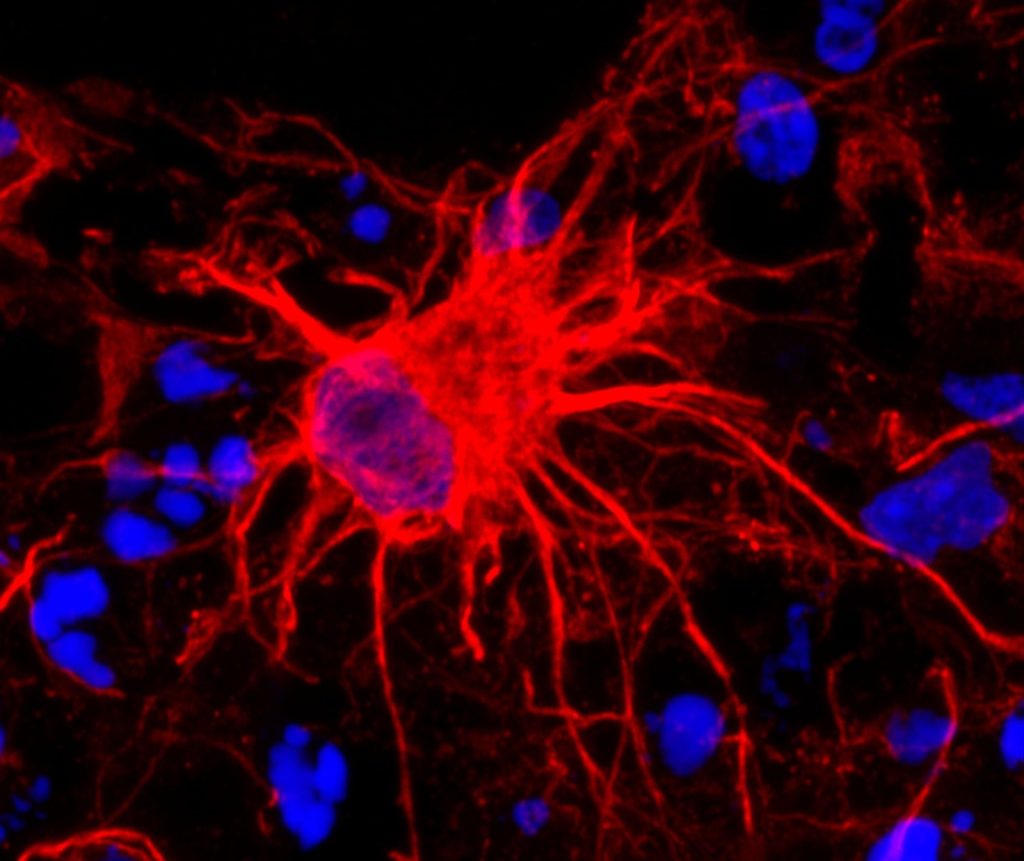
Image of an astrocyte, a subtype of glial cells. Glial cells are the most common cell in the brain. Credit: Pasca Lab, Stanford University NIH support from: NINDS, NIMH, NIGMS, NCATS

A new study published in PNAS Nexus provides a better understanding of how the brain responds to injuries. Researchers at the George Washington University discovered that a protein called Snail plays a key role in coordinating the response of brain cells after an injury.

The study shows that after an injury to the central nervous system (CNS), a group of localised cells start to produce Snail, a transcription factor or protein that has been implicated in the repair process. The GW researchers show that changing how much Snail is produced can significantly affect whether the injury starts to heal efficiently or whether there is additional damage.

“Our findings reveal the intricate ways the brain responds to injuries,” said senior author Robert Miller, the Vivian Gill Distinguished Research Professor and Vice Dean of the GW School of Medicine and Health Sciences.

“Snail appears to be a key player in coordinating these responses, opening up promising possibilities for treatments that can minimise damage and enhance recovery from neurological injuries.”

This study identified for the first time a special group of microglial-like cells that produce Snail. Microglial cells are found in the central nervous system. The researchers found that lowering the amount of Snail produced after an injury results in inflammation and increased cell death. During this process, the injury worsens and there are fewer connections or synapses between brain cells. In contrast, when Snail levels are increased the outcome of brain injury improves-suggesting this protein can help limit the spread of injury-induced damage.

The research raises questions about whether an experimental drug that affects Snail production could be used to limit the damage incurred after someone suffers a stroke or has been injured in an accident, Miller said.

Additional studies must be done to show that increasing Snail production could curtail injury or even promote healing of the brain.

Miller and his team also plan to study the regulation of Snail in diseases like multiple sclerosis, a disease resulting in damage to the myelin nerve sheath. If drugs targeting Snail could be used to stop that damage, many of the future symptoms of this disease could be eased, he says.

But researchers have years of work to do before new drugs targeting Snail can be tested in clinical trials. The payoff ultimately might be drugs that can lead to accelerated healing for stroke damage, head wounds and even neurodegenerative diseases like dementia.

Source: George Washington University

Male Murder Rate is a National Health Priority, say Researchers

Photo by Maxim Hopman on Unsplash

By Daniel Steyn

study by researchers at the South African Medical Research Council (MRC) recommends that the murder of men in South Africa deserves an urgent national response.

Richard Matzopoulos of the MRC’s Burden of Disease Unit and his team, which included scientists from the UCT School of Public Health, studied postmortem reports from 2017 to compare murders of women and men. Among the factors looked at were cause of death, age, geographic location and whether alcohol played a role.

The study, published in PLOS Global Public Health, found that 87% of people murdered in 2017 were men. The authors note similar percentages in 2009 (86%) and 2000 (84%). 

According to the researchers, this is the first study on male murders in South Africa. Previous studies have focused mainly on femicide (the killing of women). The study focused on 2017 to coincide with the third national femicide study (previous femicide studies were in 2000 and 2009).

The researchers faced challenges getting the paper published in a peer-reviewed journal. Dr Morna Cornell, one of the study’s authors, told GroundUp that men’s health is generally understudied. Cornell believes “we are living in an outdated paradigm which regards all men as powerful and able to navigate health systems etc, and therefore less deserving of care”.

The most common causes of death among male murder victims were sharp stabbings and shootings. For people between the ages of 15 and 44, rates of male murders were more than eight times higher than female murders. The Western Cape has the biggest gap between male and female victims: for every female killed, 11.4 men were killed.

Male murders peaked over December and weekends, suggesting the role alcohol plays.

The study aims to challenge the idea that men are “invulnerable”.

“The fact that men are both perpetrators and victims of homicides masks the strong evidence that men are extremely vulnerable in many contexts,” the study reads.

Murder in South Africa is concentrated in poor neighbourhoods where the effects of poverty and inequality are most significant. According to the study, “violence has been normalised as a frequent feature of civil protest and political discourse”.

High levels of firearm ownership and imprisonment also contribute to violence in South Africa.

“Men are socialised into coping by externalising through anger, irritability, violence against intimate partners and others, and increased engagement in risk-taking behaviours. This, alongside the high levels of violence to which males are exposed across [life], [causes] a continuous, and often intergenerational cycle of violence,” the study says.

While the study acknowledges that “violence against women is endemic in South Africa, with rates almost six times the global figures”, it argues that “men’s disproportionate burden of homicide has not resulted in targeted, meaningful prevention”.

Interventions recommended by the researchers include stricter control of alcohol and firearms, programs to address societal norms that drive physical violence, and efforts to overcome the root causes of poverty and inequality.

Professor Richard Matzopolous, the main author of the study, told GroundUp that more research is needed to understand risks and interventions, especially in a South African context.

“Phase 2 of this study will explore victim/perpetrator and situational contexts,” said Matzopolous.

Republished from GroundUp under a Creative Commons Attribution-NoDerivatives 4.0 International License.

Source: GroundUp

Study Exposes Opportunities for Strengthening Cancer Drugs Trials in China

Of more than four hundred phase 2 and 3 randomised trials of cancer drugs registered in China between 2016 and 2017, about sixty had suboptimal control arms

Photo by Rodion Kutsaiev on Unsplash

More than one-eighth of the randomised trials of cancer drugs seeking regulatory approval in China in recent years used inappropriate controls to test the effectiveness and safety of the drugs, according to a new study published December 12th in the open access journal PLOS Medicine by Professor Xiaodong Guan of Peking University, China, and colleagues.

In randomised trials, patients are assigned to either a control arm, in which they receive the current optimal treatment, or an experimental arm, in which they receive the new drug being tested. However, studies have previously found that control arms in cancer clinical trials (including in the United States) are not supported by relevant guidelines, instead using treatments other than the standard-of-care. Adopting a suboptimal control group may bias a study’s results in favour of the experimental arm, potentially exposing patients to substandard therapy and producing unreliable results of clinical efficacy.

In the new study, researchers analysed the control arms of 453 Phase II/III and Phase III randomised oncology trials authorised by Chinese institutional review boards between 2016 and 2021, supporting investigational new drug applications of these drugs in China.

Overall, 60 trials (13.2%) used suboptimal control arms. Of those suboptimal trials, 35 (58.3%) used comparators that were not recommended by a prior guideline. In total, 18 610 people enrolled in clinical trials (15.1% of the total number in all samples trials) were exposed to suboptimal treatments due to the control arms. Trials using suboptimal controls were more likely to report a positive result for the experimental arm. In addition, the researchers found an overall upward trend in the number of trials using inappropriate control arms.

“Trial sponsors, ethical review boards, and oncologists should make collaborative efforts to protect patients from unnecessary harm and drugs with uncertain clinical benefits over the existing standard of care,” the authors say. “Regulatory agencies should be cautious when reviewing investigational new drug applications whose supporting trial used a suboptimal control.”

The authors add, “This research highlights the necessity to refine the design of randomised trials to generate optimal clinical evidence for new cancer therapies. In November 2021, China issued the Guidance on Clinical Value-Oriented Oncology Drug Research and Development, aiming to promote a better generation of clinically relevant novel oncology drugs in China. We hope our research findings can provide empirical evidence to the stakeholders and draw regulators’ attention to this matter so that the guideline can be delivered in the manner that it set out to be.”

Provided by PLOS One