Category: Paediatrics

Newborns Can Sense Pain Before They Can Understand It

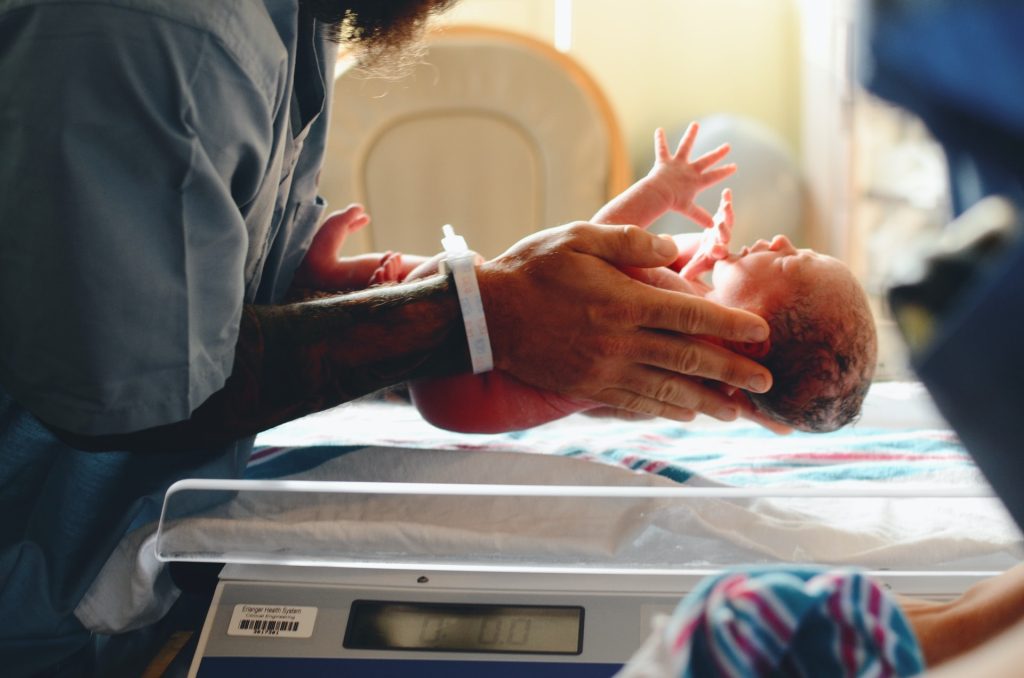
Photo by Christian Bowen on Unsplash

Brain networks responsible for sensing, understanding, and responding emotionally to pain develop at different rates in infants, with the conscious understanding of pain not fully developed until after birth, finds a new study led by UCL (University College London) researchers.

The authors of the study, published in the journal Pain, investigated how different types of pain processing develop very early on, by scanning the brains of infants born prematurely.

Lead author Professor Lorenzo Fabrizi (UCL Neuroscience, Physiology & Pharmacology) said: “Pain is a complex experience with physical, emotional, and cognitive elements. In adults, pain processing relies on a functional network of brain regions called the ‘pain connectome’, with different regions working together to help us experience pain, each part responsible for different aspects of it.

“In newborn babies, this network is underdeveloped, which could mean that pain experience in newborns is totally different from the way we, as adults, understand it.”

The scientists, based at UCL, UCLH and King’s College London, were looking at three different components of pain processing: sensory-discriminative (identifying and localising the intensity and quality of pain), affective-motivational (resulting in the emotional response to pain), and cognitive-evaluative (the appraisal and interpretation of pain).

Using advanced brain imaging data from two of the largest available databases of brain magnetic resonance imaging (MRI) in the world – the Developing Human Connectome Project and the Human Connectome Project – the researchers mapped how these networks grow in a group of 372 infants, mostly born preterm, from less than 32 weeks up to 42 weeks after conception. The infants were all less than two weeks old when the scans took place, to ensure that the findings reflected the intrinsic brain maturation, without being affected by different experiences post-birth.

The researchers compared these findings to brain data from adults, as the mature pain-processing networks have previously been mapped out in other studies. The researchers analysed how much the brain networks known to be responsible for processing pain were functionally connected in infants at different ages.

The scientists found that the first subnetwork to reach adult levels in strength and connectivity is the sensory-discriminative network, at around 34-36 weeks after conception, so that babies can sense pain but are not yet fully capable of responding emotionally or interpreting the pain. Before this point, infants may have difficulty identifying what part of their body is experiencing pain. At around 36-38 weeks, the affective-motivational subnetwork reaches maturity, so that infants can identify pain as unpleasant and threatening.

The cognitive-evaluative subnetwork does not reach maturity until more than 42 weeks after conception, meaning that babies born at full term have still not fully developed the brain networks required to understand pain.

The research team had previously found in a 2023 study that preterm babies do not habituate to repeated pain experiences in medically necessary procedures (that is, their reaction to repeated pain does not reduce over time). The new finding that preterm babies have not fully developed the brain connections responsible for appraising pain may help to explain this.

Professor Fabrizi said: “Our results suggest that preterm babies may be particularly vulnerable to painful medical procedures during critical stages of brain development. The findings therefore emphasise the importance of informed paediatric care, including the role of tailored pain management and carefully planned timing of medical interventions for newborns, particularly those born preterm.”

Source: University College London

Clinical Trial Shows Improved Health Outcomes for Teens with Type 1 Diabetes

A new study in teenagers with type 1 diabetes shows promise in reducing chronic kidney disease and informing future precision care.

Photo by Nataliya Vaitkevich on Pexels

A clinical trial involving adolescents with type 1 diabetes (T1D) has found a combination therapy may reduce chronic kidney disease and improve health outcomes. The findings could help guide more precision care for young people with T1D. 

Led by Dr Farid Mahmud, Associate Scientist in the Translational Medicine program and Staff Physician in the Division of Endocrinology at The Hospital for Sick Children (SickKids), and published in Nature Medicine, the study evaluated a therapy that combines standard insulin treatment with the investigational drug dapagliflozin. Results of this combination therapy showed improved blood sugar control and kidney function, and reduced weight gain in adolescents with T1D. 

While most people with T1D are diagnosed as adults, the condition often starts in childhood and early adolescence. The lifelong insulin therapy needed can lead to side effects such as weight gain and chronic kidney disease. In the trial, participants who received dapagliflozin alongside insulin had fewer of these side effects and better overall health outcomes. 

“Our findings showed that adolescents who received this combination therapy were able to improve many symptoms typically associated with insulin-managed type one diabetes,” says Mahmud. “This could inform a new early intervention strategy for the growing population of teenagers with type one diabetes.” 

Patient partner key to trial success 

While previous research has shown similar results in adults, Mahmud’s team focused on designing a clinical trial specifically for teenagers, a group often underrepresented in clinical trials. Hormonal changes, psychological development, and the shared responsibility between teens and their parents for managing treatment protocols can make trial participation more complex for this age group. 

To address these challenges, the research team worked closely with patient partner Lynne McArthur. Together, they enrolled 98 participants between 12 and 18 years old in the study, known as the ATTEMPT study, across three sites. 

McArthur’s involvement in research began when one of her twin sons was diagnosed with T1D following a trip to the SickKids emergency department at just 18 months old. A few years later, his twin was also diagnosed. That experience led McArthur to become more involved in research efforts to improve diagnosis and treatment options for families like hers. 

“Deciding to participate in a clinical trial is an important decision, but my goal has always been disease prevention. I knew that our participation could help build a future where children don’t get T1D.”

Lynne McArthur

Now that her sons are older, McArthur continues to be involved as a patient advisor. She reviews recruitment materials and provides feedback on trial design, helping ensure the research stays connected to the lived experience of people managing T1D. 

“Participating in research, whether in a trial or as an advisor, is hugely rewarding. With my experience as trial participant, I can see how the plans on paper would impact the real lives of people living with diabetes,” explains McArthur.  

Source: SickKids News

Catch-up Sleep on the Weekend Can Improve Teens’ Anxiety

Photo by Eren Li

A new study presented at the SLEEP 2025 annual meeting found that teens who get moderate, but not excessive, catch-up sleep on weekends have fewer symptoms of anxiety symptoms.

Results show that teens who got up to two more hours of sleep on weekends than on weekdays exhibited fewer anxiety symptoms compared with those who did not sleep longer on weekends. However, longer durations of catch-up sleep on weekends were associated with slightly more internalising symptoms.

“The results show that both sleeping less on weekends than weekdays and sleeping substantially more on weekends were associated with higher anxiety symptoms,” said lead author Sojeong Kim, a doctoral candidate in the department of clinical psychology and psychology graduate advisor at the University of Oregon in Eugene. “In contrast, moderate catch-up sleep – defined as less than two hours – was associated with lower anxiety symptoms, suggesting that some weekend recovery sleep may be beneficial.”

The American Academy of Sleep Medicine recommends that teenagers 13 to 18 years of age should sleep 8 to 10 hours on a regular basis to promote optimal health. However, CDC data show that only 23% of high school students get sufficient sleep on an average school night.

“Many teens try to make up for lost sleep by sleeping in on weekends,” Kim said.

Consistently getting sufficient sleep is associated with better health outcomes including improved attention, behavior, learning, memory, emotional regulation, quality of life, and mental and physical health. In contrast, insufficient sleep in teenagers is associated with increased risks of problems such as depression and suicidal thoughts.

The study involved 1877 adolescents with a mean age of 13.5 years. Sleep duration was estimated using Fitbit devices, while internalising symptoms were assessed using the Child Behavior Checklist survey. Weekend catch-up sleep was calculated as the difference between weekend and weekday sleep duration.

Kim noted that it is important to identify the right amount of catch-up sleep that is beneficial to teens who restrict their sleep during the week.

“Too little or too much sleep variability from weekday to weekend may contribute to the symptoms someone is trying to combat, like physical or mental fatigue and feelings of anxiety,” she said.

Source: American Academy of Sleep Medicine

Burning for Beauty: How TikTok Skin Trends Are Harming Young Girls

It turns out when teens on TikTok say, “Get ready with me,” it can be more harmful than they might realise.

Photo by Steinar Engeland on Unsplash

In the first peer-reviewed study to examine the potential risks and benefits of teen skin-care routines posted on social media, scientists at Northwestern Medicine found girls ages 7 to 18 are using an average of six different products on their faces, with some girls using more than a dozen products. These products tend to be marketed heavily to younger consumers and carry a high risk of skin irritation and allergy, the study found.

The findings are published in the journal Pediatrics.

Each teen daily skin-care regimen costs an average of $168 (which the authors estimate typically lasts a month depending on the size of the products), with some costing more than $500, the study found. As the summer nears, the study authors cautioned that only 26% of daytime skin care regimens included sunscreen – arguably the most important skin care product for any age range, but particularly for kids.

The top-viewed videos contained an average of 11 potentially irritating active ingredients, the study found, putting the content creators at risk of developing skin irritation, sun sensitivity and a skin allergy known as allergic contact dermatitis. Prior evidence has shown that developing such an allergy can limit the kinds of soaps, shampoos and cosmetics users can apply for the rest of their lives.

“That high risk of irritation came from both using multiple active ingredients at the same time, such as hydroxy acids, as well as applying the same active ingredient unknowingly over and over again when that active ingredient was found in three, four, five different products,” said corresponding author Dr. Molly Hales, a postdoctoral research fellow and board-certified dermatologist in the department of dermatology at Northwestern University Feinberg School of Medicine.

For example, in one video included in the study, the content creator applied 10 products on her face in six minutes.

“As she’s applying the products, she begins to express discomfort and burning, and in the final few minutes, she develops a visible skin reaction,” said senior author Dr. Tara Lagu, adjunct lecturer of medicine and medical social sciences at Feinberg and a former Northwestern Medicine hospitalist.

Videos ‘emphasized lighter, brighter skin’

“We saw that there was preferential, encoded racial language in some cases that really emphasized lighter, brighter skin,” Lagu said. “I think there also were real associations between use of these regimens and consumerism.”

These videos offer little to no benefit for the pediatric populations they’re targeting, the study authors concluded. What’s more, given how the algorithms work, it’s nearly impossible for parents or pediatricians to track exactly what children or adolescents are viewing. Lastly, there are dangers beyond skin damage, Hales said.

“It’s problematic to show girls devoting this much time and attention to their skin,” Hales said. “We’re setting a very high standard for these girls. The pursuit of health has become a kind of virtue in our society, but the ideal of ‘health’ is also very wrapped up in ideals of beauty, thinness and whiteness. The insidious thing about ‘skin care’ is that it claims to be about health.”

Studying teens in the TikTok environment

In the study, Hales and another researcher each created a new TikTok account, reporting themselves to be 13 years old. The “For You” tab was used to view relevant content until 100 unique videos were compiled. They collected demographics of content creators, number and types of products used and total cost of regimens and then created a list of products used and their active and inactive ingredients. The Pediatric Baseline Series used in patch testing was used to identify ingredients with elevated risk of inducing allergic contact dermatitis.

Source: Northwestern University

Singing to Babies Improves Their Mood

Photo by William Fortunato on Pexels

Around the world and across cultures, singing to babies seems to come instinctively to caregivers. Now, new findings published in Child Development support that singing is an easy, safe, and free way to help improve the mental well-being of infants. Because improved mood in infancy is associated with a greater quality of life for both parents and babies, this in turn has benefits for the health of the entire family, the researchers say. The study also helps explain why musical behaviours may have evolved in parents.

“Singing is something that anyone can do, and most families are already doing,” says Eun Cho, DMA, postdoctoral researcher at the Yale Child Study Center, and co-first author of the study. “We show that this simple practice can lead to real health benefits for babies.”

“We don’t always need to be focusing on expensive, complicated interventions when there are others that are just as effective and easy to adopt,” adds Lidya Yurdum, a PhD student in psychology at the University of Amsterdam, affiliated with the Child Study Center, and co-first author.

Increased singing improves infants’ moods

The new study included 110 parents and their babies, most of whom were under the age of 4 months. The researchers randomly assigned the parents into two groups, encouraging one group to sing to their infants more frequently by teaching the parents new songs, providing karaoke-style instructional videos and infant-friendly songbooks, and sending weekly newsletters offering ideas for incorporating music into daily routines.

For four weeks, these parents received surveys on their smartphones at random times throughout the day. Parents answered questions related to infant mood, fussiness, time spent soothing, caregiver mood, and frequency of musical behavior. For instance, parents were asked to rate how positive or negative their baby’s mood was within the last two to three hours before receiving the survey. The 56 parents in the control group also received an identical intervention in the four weeks following the initial experiment.

The researchers found that parents were successfully able to increase the amount of time they spent singing to their babies. “When you ask parents to sing more and provide them with very basic tools to help them in that journey, it’s something that comes very naturally to them,” says Yurdum.

Not only did the parents sing more frequently, but they also chose to use music especially in one context in particular: calming their infants when they were fussy. “We didn’t say to parents, ‘We think you should sing to your baby when she’s fussy,’ but that’s what they did,” says Samuel Mehr, EdD, an adjunct associate professor at the Child Study Center, and director of The Music Lab. Mehr is also the study’s principal investigator. “Parents intuitively gravitate toward music as a tool for managing infants’ emotions, because they quickly learn how effective singing is at calming a fussy baby.”

Most surprisingly, the responses to the survey showed that increased singing led to a measurable improvement in infants’ moods overall, compared to those in the control group – in other words, parents who sang more rated their babies’ moods as significantly higher. Importantly, improved mood was found in general, not just as an immediate response to music.

While singing did not significantly impact caregivers’ moods in this study, Mehr believes that there could be follow-on effects on health in young families. “Every parent knows that the mood of an infant affects everyone around that infant,” says Mehr. “If improvements to infant mood persist over time, they may well generalize to other health outcomes.”

Follow-up study to further explore singing’s benefits

The team believes that the benefits of singing may be even stronger than the current study shows. “Even before our intervention, these participating families were particularly musical,” Yurdum explains. “Despite that, and despite only four weeks of the intervention, we saw benefits. That suggests that the strength of singing to your babies would likely be even stronger in a family that does not already rely on music as a way of soothing their infants.”

The Child Study Center researchers are currently enrolling parents and babies under 4 months old in a follow-up study, “Together We Grow,” which will investigate the impact of infant-directed singing over an eight-month period.

Although the researchers did not see an improvement in caregiver mood within four weeks, they are intrigued to see if singing can help alleviate stress or conditions such as postpartum depression in the long term. They are also interested in exploring whether singing might have benefits beyond mood in infants, such as improved sleep.

Previous work from The Music Lab has shown that infant-directed music is universal in humans, and that humans can even infer context of songs – such as whether it is for dancing or a lullaby – in foreign languages and from other cultures. For Mehr, the new findings make sense in light of these basic science results. “Our understanding of the evolutionary functions of music points to a role of music in communication,” says Mehr. “Parents send babies a clear signal in their lullabies: I’m close by, I hear you, I’m looking out for you – so things can’t be all that bad.”

The babies, apparently, are listening.

Source: Yale University

Tested and Safe? Court Battle over Circumcision Device

Photo by cottonbro studio

By Tania Broughton

A tender for a circumcision device, set to be used in all provincial health care centres and the military, is under legal scrutiny amid claims that the device is untested and unsafe.

Unicirc Pty Ltd has filed papers in the Pretoria High Court seeking to review and set aside the award of the tender to CircumQ RF Pty Ltd amid claims that the CircumQ device is “vastly inferior” compared to its own and others.

In his founding affidavit, Dr Cyril Norman Parker said that the application was “in the public interest” to ensure only safe and proven surgical devices are used in circumcision procedures. 

“There is no publicly available information even to suggest that CircumQ’s device is such a device,” he said.

Parker – who has extensive circumcision experience – and his wife, Elizabeth Pillgrab-Parker, co-founded and continue to work in two primary health care centres they established in Mitchells Plain and Sea Point in the Western Cape under the auspices of Simunye Health Care.

Parker says he has worked in the area of male circumcision for 30 years, in particular as an HIV prevention strategy.

They are also the co-directors of Unicirc, which has the licence to distribute and sell a single-use circumcision device for safe and cost effective circumcision. The device “has significant capacity for scaling up circumcision procedures”, Parker said.

Unicirc bid for the tender for the supply of a surgical aid to be used at the nine departments of health and the Department of Defence.

Parker said he and his wife set up the Simunye health care centres when HIV prevalence was high.

“The conclusive results of three landmark clinical trials gave cause for optimism that circumcision could reduce female to male transmission of HIV by between 50 and 60%,” he said.

In terms of a policy decision taken by the National Department of Health, circumcision services were offered to all males aged ten and above.

“Our role, as service providers, is to ensure that we provide that service safety. In so far as ten to 14-year-olds, this means the strict use of device-based methods that avoid the need for sutures which brings complication rates down to less than 1.5%.”

He said he had performed over 3000 circumcisions across all age groups using multiple techniques.

“What is absolutely clear is that in order to provide services to everyone in need, a surgical-only approach has to be abandoned in favour of a device approach. But not all devices are the same.

“We conceptualised the development of a new circumcision device to improve safety, efficiency and accessibility.”

He said the Unicirc device, which is manufactured overseas, allowed for a complete circumcision in one visit, performed by a single health care provider, using a local anaesthetic and without any sutures.

The whole procedure is completed in about ten to 12 minutes and with proper training, it can also be performed by nurses.

“It has now been used for more than ten years by a range of different health care providers. More than 7,500 procedures have been performed in all ages in both public and private health care sectors. No severe adverse events have been reported and excellent cosmetic results have been achieved.

“It has resulted in the doubling of the number of circumcisions that can be performed safely in a day, a significant reduction in complications and increased client satisfaction,” Parker said.

When the World Health Organisation (WHO) published its (device) guidelines in 2020, only the Unicirc device came close to meeting the requirements. The manufacturer had now started the process of securing WHO pre-qualification. (WHO pre-qualified devices have to meet strict standards of quality, safety and efficacy.)

The device had also been tested in medical trials.

In contrast, Parker said, very little was known publicly about the CircumQ device.

“I am not aware of any peer-reviewed publications that consider its use. It has not been reviewed in any of the WHO literature I have perused or in any systematic review of circumcision devices that I have read. This is in contrast to the Unicirc device as well as other products.

“While I have come across two studies, I have not been able to find out anything about this research and I have not seen any evidence to suggest that it is close to being prequalified or even evaluated by WHO.”

Parker said however, he had studied its design, read training material and spoken to various experts and researchers and health care workers who had used that device and later attended training on the Unicirc device.

“It is vastly inferior. Sutures are required, increasing healing time and requiring a follow up visit. It increases patient discomfort and the risk of infection, the procedure takes longer and it’s more difficult to scale up because it requires two operators,” he said.

“But it’s not just a question of which device is better. There is simply no scientific data supporting the use of it.

“In the absence of that, it would be highly irresponsible to recommend its use, especially in the vulnerable ten to 14 age group. It places young boys at unnecessary risk of potentially irreparable harm and undermines the circumcision programme as a whole.”

He said while the tender was awarded in August 2023, “the public health system was far from ready to implement it”.

This was apparent from a letter from National Treasury, dated March 2025, in which it was stated that because of delays in training, service providers were allowed to continue using the conventional dorsal slit surgical method.

Parker submitted that the tender should be reviewed and set aside, and a new bidding process should start afresh.

Unicirc has called on the Treasury to provide a record of its decision-making process after which it may file a further affidavit. This will be provided by 30 May.

So far only the Treasury respondents have filed notices of opposition and they have yet to file affidavits.

Republished from GroundUp under a Creative Commons Attribution-NoDerivatives 4.0 International License.

Read the original article.

Privacy and Safety Highest in New Survey of Parental Concerns About Screen Time

Photo by Emily Wade on Unsplash

As kids spend more time on screens, a new national survey conducted by Ipsos on behalf of The Kids Mental Health Foundation, founded by Nationwide Children’s Hospital, identifies parents’ greatest fears for their children around screen time.

The top three fears parents have around their child and screen time are: privacy and safety concerns (47%), exposure to misinformation (36%) and not socialising in person (34%). Fewer parents ranked concerns around body image and schoolwork high on their list.

“My biggest concerns with screens are making sure that my kids don’t get exposed to things before I’m ready for them to and making sure that people aren’t trying to contact them,” said Xia Chekwa, a mom of three kids in Columbus, Ohio. “They’re aware that not everywhere is a safe place, not everything is a safe thing to watch.”

Eight in 10 parents say they actively do something to manage the screen time of kids. Parents who set screen-time boundaries say setting time limits works the best (58%), followed by encouraging offline hobbies (53%) and using parental control apps (34%).

“When it comes to screen time, we can’t expect kids to set their own limits and boundaries. because this technology is made to keep us using it,” said Ariana Hoet, PhD, executive clinical director of The Kids Mental Health Foundation and a paediatric psychologist at Nationwide Children’s. “As parents, we have to pay attention to how much they are using technology – what they are consuming on it, what are they doing with it, and who are they interacting with through various platforms of games or social media.”

The Kids Mental Health Foundation offers free, evidence-informed resources to help parents understand how to set healthy screen time boundaries and understand how phones, tablets, computers and more impact the mental health and well-being of kids.

Dr Hoet says having conversations with kids about technology and screen time is key.

Sit with them, watch how they use it, ask them questions, be engaged,” said Dr. Hoet. “And not only does that help your child feel like, oh, you’re interested in me and what I’m doing, but it helps you learn as the parent or caregiver.”

Chekwa believes having a social media plan and setting healthy boundaries with technology now will help her oldest daughter in the future.

“Eventually, there’s going to come a time when we’re not there,” said Chekwa. “And we want to make sure that she knows, and she can decipher and use her intuition for herself and not just because mom and dad said so.”

Survey methodology

This survey was conducted online within the United States by Ipsos on the KnowledgePanel® from April 4 to 6, 2025. This poll is based on a nationally representative probability sample of 1085 adult parents of children under the age of 18. The margin of sampling error is plus or minus 3.2 percentage points at the 95% confidence level, for results based on the entire sample of adults. The margin of sampling error takes into account the design effect, which was 1.14.

Source: Nationwide Children’s Hospital

Scientists Discover the Genes that Influence When Babies Start Walking

Photo by Chayene Rafaela on Unsplash

In the first study of its kind, scientists analysed the genetic information of more than 70 000 infants. They identified 11 genetic markers influencing when babies start walking, thus offering multiple targets for future in-depth biological investigation. 

In a paper published in Nature Human Behaviour, the study found that genetics accounts for about a quarter of the differences in when children take their first steps.

For years, researchers knew that environmental factors could influence when babies begin to walk, but this new finding shows that genetics also has a major impact. It suggests that, just like with other traits such as height, some children may naturally start walking earlier or later because of their genetic propensity. 

Professor Angelica Ronald, Professor of Psychology and Genetics, said: “Most babies take their first step sometime between ages 8 months and 24 months, so it is a wide window in which this exciting milestone happens. It is a big moment for both parents and baby; it symbolises a new phase in a child’s life.”

Dr Anna Gui, an author of the study and a researcher at the University of Rome Tor Vergata and Birkbeck, University of London said: “Until now, we didn’t understand what causes the wide differences between children in when they take their first step. Parents might often worry that walking early or late is a bad sign or that they have done something wrong. We see that genetics play a considerable role in influencing the timing of this milestone.

Walking isn’t just a key milestone in the development of a child, but it is connected in terms of genetic influences with many other important aspects of human development. The study found that the genetic factors influencing when children take their first step are partly the same genetic factors that influence brain development including the amount of folding and ridges in the outer surface of the brain (the “cortex”). Moreover, walking later within the typical range was linked genetically with less chance of developing ADHD. Finally, the study showed that relatively later onset of walking was influenced by some of the same genes involved in higher educational attainment.  

Prof Ronald added: “It is exciting to be able to discover the genes that influence when children learn to walk. Starting to walk independently is a major milestone for young children. We hope these new genetic findings can advance fundamental understanding about the causes of walking and be used to better support children with motor disorders and learning disabilities.”

She added that parents should still see a GP if there was concern, there is a lot of variety in when children take their first unaided step,

Led by scientists in the UK, the study was made possible through a large collaboration with scientists in the UK, Netherlands and Norway, and through UK and international funding including from the Simons Foundation for Autism Research Initiative.  

Cape Town Study Brings Hope to Newborns Left Behind in HIV Treatment Advances

Professor Adrie Bekker explains the findings of a study on two novel formulations for the administration of dolutegravir in babies born to mothers living with HIV. (Photo: Biénne Huisman/Spotlight)

By Biénne Huisman

Research led by Professor Adrie Bekker is paving the way for an important HIV medicine to be made available to neonates in a way that is both safe and much more convenient than previous options. Spotlight met with the passionate clinician-scientist at her office in Cape Town.

Two new ways of giving the important HIV medicine dolutegravir to newborn babies have been found to be safe and effective, according to new research done in Cape Town. The new findings support for the first time the broader use of dolutegravir in infants who are less than 28 days old.

Dolutegravir is recommended by the World Health Organization (WHO) for infants, children and adults and is the preferred HIV medicine in South Africa. It exists in a scored 10 milligram child-friendly dispersible tablet. But until now, there hasn’t been any guidance on how to safely use it for newborns in their first four weeks of life. A study called PETITE-DTG aimed to bridge this critical gap in neonatal HIV care.

Forty-one full-term babies, each weighing at least 2 kilograms and born to mothers receiving dolutegravir-based HIV treatment, were enrolled in the study at Tygerberg Hospital to test two paediatric formulations of dolutegravir.

The first method involved using a 5 milligram dispersible tablet dissolved in 5 millilitres of water and given every second day for the first 14 days of life, then once daily until the baby was four weeks old. This was administered with a syringe.

The second method involved using a novel 5 milligram mint-flavoured film the size of a fingernail that dissolves on the tongue in seconds. It followed the same dosing schedule as the first method.

Findings showed that both formulations were safe and effective, achieving drug concentrations comparable to adults receiving 50 milligram of dolutegravir twice daily.

The study’s findings were presented at the Conference on Retroviruses and Opportunistic Infections in March. Researchers are currently writing up the final results of the study for publication in a peer-reviewed medical journal.

Professor Adrie Bekker, a neonatologist from the University of Stellenbosch is co-principal investigator of the PETITE-DTG study alongside Dr Tim Cressey, a clinical pharmacologist from the University of Chiang Mai in Thailand.

“The study results confirmed that the regimen [both 5 milligram dolutegravir formulations] was safe, effective, and highly acceptable to mothers, with the dolutegravir film being particularly easy to administer,”

says Bekker, speaking to Spotlight in her office at Stellenbosch University’s medical campus next to Tygerberg Hospital.

In examining dosing safety and efficacy, she says that the study found that both formulations “achieved target concentrations” in the neonates, without the newborn babies experiencing any adverse effects related to the medicine. All neonates were HIV negative at the end of the study.

Babies born to a mother living with HIV may need antiretroviral medicines for the prevention or treatment of HIV. Bekker explains that neonates are currently given an older type of liquid HIV medication that doesn’t taste good, costs more than dolutegravir, is harder to give properly, and can’t be stored for long.

The novel film method was popular with mums in the study, who cited its simplicity of administering and dose accuracy as highly advantageous, with no risk of the medicine being spit out or other spillage.“I wash and dry my hands and I cut the paper, it’s quick. As soon as I put it on his tongue, it just dissolves in a few seconds, he enjoys it,” said one mother, as quoted on a poster highlighting the results of the study.

Commenting on the film strip, Bekker notes it is one of the least disruptive ways to give medication.

“So what has been amazing to me is that the babies seem to be completely oblivious of what is happening when the mother puts the film in their mouth,” she says pointing out a video clip on her desktop of a film strip being placed in a tiny baby’s mouth.

“If they were crying, they would just keep on crying. If they were sleeping, they would just keep on sleeping. If they were happy, they would just keep on being happy. It really is the most unintrusive way of administering medication.”

Bekker says the colourless dolutegravir film is made by the Indian multinational pharmaceutical company Laurus Labs. Previously, it had only been tested in adults and is not yet commercially available. “It’s actually never even been used in children…And so our study for the first time tested the dolutegravir film in newborns to see what drug levels are found in a baby when you use it,” she says.

She says the research findings have been presented to the World Health Organization (WHO) and expects they will be included in the organisation’s upcoming updated dosing guidelines for infants and children.

Commenting on dolutegravir for neonates, Bekker says: “I think the first step is to actually get this recommendation into the WHO guidelines. As soon as the WHO releases their updated HIV guidelines, then countries can decide whether they want to adopt it or not.”

Commenting on the availability and possible roll-out of dolutegravir for neonates, she adds: “The generic 10 milligram dolutegravir scored dispersible tablet is already available and being used in children. What we’ve shown now is that 5 milligram of dolutegravir with this dosing strategy is safe for neonates…The film is a bit more complicated because it is not yet commercially available. And we don’t know the price of the drug; all of that will need to be discussed and negotiated with the company and relevant parties before it can become available.”

The PETITE-DTG research has been welcomed by fellow scientists.

“Adrie Bekker and her colleagues at Tygerberg Hospital and in Thailand have done great work and are really moving the field forward for neonatal antiretroviral treatment,” says Associate Professor James Nuttall, a paediatric infectious diseases sub-specialist at the Red Cross War Memorial Children’s Hospital and the University of Cape Town.

He says the research “provides really nice information about how we could use our existing drugs to treat neonates, potentially”.

Nuttall described the new film as extraordinary, and suggested that it might eventually replace the current drug formulations.

For Nuttall though, making provision for using a pill like the scored 10 milligram dispersible tablet that’s already available and routinely used to treat children in South African hospitals is more immediately relevant. “Using this 5 milligram dispersible tablet in neonates and working out the dosing schedule for that, that’s the real advance of this study to me, the big win.”

He anticipates these findings to be implemented in South Africa in the next few years. “From what I understand, she [Bekker] has presented this to WHO already. And once it gets accepted and included into WHO guidelines, then countries tend to really take note and follow, that’s when it makes its way into national guidelines…”

While the study focused on healthy full-term babies weighing at least two kilograms, Nuttall noted that many babies born to mothers living with HIV are either premature or have low birth weight. “So this dosing and safety information doesn’t yet apply to those children,” he said.

Bekker already has her eye set on assessing dosing safety for pre-term newborns. “So obviously our dream is to extend this to pre-term babies,” she says. “And there is a possibility that a 2.5 milligram dolutegravir film may be a good dose for pre-term neonates. Obviously, that will have to be studied very rigorously first.”

Other research goals include the hope of being involved in studies assessing long-acting antiretroviral drugs in neonates. Bekker notes that the WHO-led Paediatric Drug Optimisation group identified long-acting cabotegravir injectables as a high research priority for HIV prevention in neonates. She adds that developing patches with tiny microneedles that deliver HIV medication could hold great promise for treating newborns in the future.

Commenting on the PETITE-DTG study, Dr Moherndran Archary, who has been at the forefront of South Africa’s HIV response for children, said: “Professor Bekker’s research has directly impacted access to life-saving HIV medication for newborn infants – the most vulnerable of populations who have not traditionally benefited from the significant advances in HIV treatment.”

The PETITE-DTG study is one of many under the Unitaid-funded BENEFIT Kids project aiming to improve treatment for children with HIV or multidrug-resistant tuberculosis. UNITAID is a global health initiative that, amongst others, funds research and helps facilitate the more rapid introduction of new health technologies.

Republished from Spotlight under a Creative Commons licence.

Read the original article.

Antibiotic Resistance is Putting SA’s Newborns at Risk

Photo by Christian Bowen on Unsplash

By Sue Segar

Experts say bacterial infections are responsible for more infant deaths than is generally recognised, and things may get worse as more of the bugs become resistant to commonly used antibiotics. We asked local experts about this growing threat to newborns.

A two-week-old baby is referred to the Red Cross War Memorial Children’s Hospital (RCWMCH) in Cape Town. The infant, who was born prematurely at six months, has come from a nearby neonatal hospital.

She’s developed complications, including a feed intolerance and constant vomiting. On investigation, she is found to have a bowel perforation and a condition called necrotising enterocolitis. Surgeons conclude she needs an operation to repair the perforation. A sample of pus from inside her abdomen is sent to a laboratory to identify any infections. While the tests are being done, the infant is started on second-line antibiotics. The doctors suspect she picked up an infection due to pathogens that may be resistant to first-line antibiotics while in the neonatal hospital.

“But 48 hours later, when the results are available, they may show that the antibiotics we’ve been treating the baby with are not treating the bacteria that have now been detected in the lab,” says Associate Professor James Nuttall, a paediatric infectious diseases sub-specialist at RCWMCH and the University of Cape Town.

“In response to those results, we’d change to a different set of antibiotics to try and target the bacteria that have been detected. In the meantime, the child has deteriorated and requires a second operation. Throughout all the subsequent treatments, we are testing samples for infections she might – and frequently will – acquire along the way.”

From then on, he says it’s a case of trying to keep up with the sequence of infections that the baby might develop. Some of these infections may have originated at the neonatal hospital, while others could have been acquired during her treatment in the Intensive Care Unit (ICU) at RCWMCH, possibly from the operating theatre, intravenous lines, or healthcare workers’ hands.

“This is the kind of scenario we are faced with all the time,” says Nuttall. “The fact is, an infant might come into hospital with one infection and, unfortunately, pick up a bunch of other infections while in the hospital from transmission of pathogens that may be resistant to one or more of the commonly used first- or second-line antibiotics.”

Sitting in a boardroom at the Red Cross Hospital, close to the paediatric wards and clinics in which he treats sick children referred from other hospitals in Cape Town and beyond, Nuttall says there are two possible outcomes for this baby.

“She might turn the corner and respond to the new antibiotics, together with interventions from the surgical doctors and expert management in an ICU. Or she might not respond to the treatment, and die two days later, because of ongoing infection that doesn’t respond to treatment.”

Nuttall is discussing the ongoing issue of rising antibiotic resistance, particularly among neonates, the group most vulnerable to this. He’s responding to Spotlight’s main question: Will the antibiotics used to treat bacterial infections, such as Klebsiella pneumoniae – which have seen hundreds of babies die in hospitals in recent years – keep working? And, how big is the risk of antibiotic resistance to infants?

“The short answer to whether the antibiotics we currently use to treat bacterial infections will keep working is no,” he says.

‘Almost endemic’

In some South African healthcare facilities, especially in the public sector, antibiotic-resistant bacteria have become “almost endemic”, says Professor Shabir Madhi, director of the Wits Vaccines and Infectious Diseases Analytics Unit at University of Witwatersrand (WITS VIDA).

“There are a large number of deaths occurring on an ongoing basis. We still have clusters of outbreaks, but those are underpinned by a really widespread dissemination of these antibiotic-resistant bacteria, and persistently high rates of hospital-acquired infections, especially in the first month of life,” he says. “Despite the best of efforts, we haven’t been able to get on top of this.”

Madhi headed up a study at the Chris Hani Baragwanath Academic Hospital in Soweto in which they used molecular testing to look at evidence of infections in 153 babies who had passed away. The researchers found that infections were the immediate or underlying cause of death in 58% of all the neonatal deaths, including the immediate cause in 70% of neonates with complications of prematurity as the underlying cause.

Overall, 74.4% of 90 infection-related deaths were hospital-acquired, mainly due to multidrug-resistant Acinetobacter baumannii (52.2%), Klebsiella pneumoniae (22.4%), and Staphylococcus aureus (20.9%).

Also asked whether the antibiotics used to treat Klebsiella and other bacterial infections will keep working, Madhi says: “The short answer is that we’ve already run out of antibiotics in the public sector that can treat all of these different bacteria.”

He says that there are two bacteria that are of particular concern in South Africa.

“The one is Klebsiella pneumoniae, which that has become resistant to almost all of the antibiotic classes that are available for use, except perhaps for colistin, (a reserve antibiotic which is seen as a last-resort treatment for multidrug-resistant Gram-negative infections), but even antibiotic resistance to colistin in bacteria is emerging.

“The other big one is Acinetobacter baumannii, which is also a common cause of hospital-acquired infections. Here the bacteria have become resistant to all classes of antibiotics including colistin.”

Madhi says compared to other African countries, South Africa is better equipped to provide high-level care, including intensive care, to prematurely-born babies.

“Consequently, we end up spending a mini fortune to get these very premature children to survive the first few days of life, only for them then to succumb to hospital-acquired infections. Whereas in other settings many of these babies will die in the first few hours of life.”

He adds: “The single leading cause of neonatal mortality in South Africa is antibiotic resistant bacterial infections, but that is underpinned by other conditions which increases the susceptibility of babies to eventually succumb to these hospital-acquired infections.”

In the public sector, Madhi says hospital-acquired infections are a major reason why children are dying. In the private sector, there is more attention on identifying these infections, along with better resources, which helps reduce the problem.

Meanwhile, physicians like Nuttall are put in impossible situations at Red Cross.

“When doing blood tests on an infant to check for infection, you can’t wait for those results. You have to start treatment with what you think is the appropriate treatment. That’s the empirical treatment,” explains Nuttall.

“Then, when you isolate a bacterium and know its resistance profile (or antibiotic susceptibility profile), you must redirect your treatment to what’s known as ‘directed’ or definitive treatment. But there’s now been a time gap of 24 to 72 hours where the infant is on treatment, and you don’t know if it’s the right treatment. That’s a critical issue, because the baby might deteriorate in that time because they’re not on the right treatment,” he says.

He says the choice of empiric antibiotics is becoming more difficult, “as what we previously used as empiric antibiotic treatment is less and less reliable to treat serious infections, particularly in patients who acquire resistant infections in hospital”.

In a position paper, Nuttall and his colleagues write that growing antibiotic resistance is linked to the increased use of “reserve” and “watch” antibiotics. The WHO classifies antibiotics into three groups. Access antibiotics are the common ones used to treat everyday infections in the community. Watch antibiotics are broad-spectrum antibiotics that carry a higher risk of causing resistance, so their use must be carefully monitored and limited. Reserve antibiotics are last-resort treatments for infections caused by multi-drug-resistant bacteria and should only be used when all other options have failed.

‘Totally underestimated’

Following the research described earlier, Madhi says they convened an expert panel, to deliberate on what the causes of death was in children.

Unfortunately, he says, it’s become completely monotonous in that there’s a clear series of events for children born prematurely, who die: They’re admitted to hospital, they usually require ICU, they improve in ICU, and two to three days later, they appear very sick again. “Often you don’t actually identify the bacteria causing the clinical deterioration when you investigate ante-mortem, and you only realise the child actually succumbed to antimicrobial resistant bacterial infections after you’ve done the postmortem sampling”. Postmortem sampling is not done systematically across the country.

“What the post-mortem sampling has unmasked, is that we’ve totally underestimated the contribution of antibiotic-resistant bacteria in relation to causes of neonatal death. If we were to do the same investigations in other facilities, there would be much greater heightened awareness of what is really an unrecognised endemic public health crisis across our healthcare facilities,” says Madhi.

Professor Angela Dramowski, Head of the Clinical Unit: General Paediatrics at Tygerberg Hospital, agrees that outbreaks in low- and middle-income country hospitals, including South Africa are under-reported.

“What we see in the literature and in the headlines of newspapers is the tip of the iceberg. The vast majority of outbreaks in fact are either undetected or unreported. This is almost an invisible problem because a lot of the deaths are currently labelled due to another cause, for example, prematurity.

“This is a crucial public health crisis. We cannot practice modern medicine without effective antibiotics, and, especially for newborns the situation is perilous as we have very few effective treatment options left.”

‘Existential threat’

Though more acute in some areas, the problem is a global one. Marc Mendelson, Professor of Infectious Diseases at the University of Cape Town, describes antibiotic resistance as an existential global health threat.

“If antibiotic resistance is not mitigated, in the next 25 years, 39 million people globally will die of an antibiotic-resistant bacterial infection. That will dwarf HIV, tuberculosis, and malaria,” he says.

“There are bacteria currently causing infections in our hospitals in South Africa that are totally resistant to antibiotics. Those patients would usually die or need extraordinary measures to keep them alive such as amputating a limb to remove the infection in a bone or joint,” Mendelson says.

“People have always assumed if you get sick with a bacterial infection, there will be an antibiotic to treat it. Doctors in and out of hospitals have been too lax in how they prescribe antibiotics. Now we’re paying the price as some bacterial infections are not easily treatable,” he says.

As Dramowski points out, there is a lot of good science confirming the extent of the problem. A systematic review published in The Lancet found that almost 5 million deaths in 2019 were associated with bacterial infections resistant to antibiotics.

“That huge number is more than deaths from HIV and malaria combined,” she says.

Dramowski also points to another review study that found 3 million cases of neonatal sepsis globally each year, with at least 570 000 deaths (likely an underestimate). Over 95% of deaths from neonatal antibiotic resistance occur in low- and middle-income countries (LMICs).

“In a nutshell, in five big studies … they showed that antibiotic resistance to the World Health Organization-recommended antibiotic treatments ranges anywhere between 40 to 70%, so almost half of all babies with severe bacterial infection have resistance to the recommended antibiotic treatment,” she says.

What to do?

To address the major issue of antibiotic resistance in infants, Dramowski stresses the importance of prevention. This includes improving Water, Sanitation, and Hygiene (WASH) as well as Infection Prevention and Control programmes to reduce the spread of antibiotic-resistant bacteria in communities and healthcare facilities. She also stresses the need to prevent pre-term births as much as possible, as hospital admissions carry a high risk of acquiring antibiotic-resistant bacteria and developing infections.

She says increased surveillance of infections in LMICs is also crucial, along with more antibiotic trials to provide better alternatives. Additionally, there is a strong need for responsible antibiotic use (stewardship) to ensure they are only used when necessary, helping to prevent the development of antibiotic resistance.

A challenge in practicing stewardship is the difference in resources between the public and private sectors, says Professor Vindana Chibabhai, Head of the Centre for Healthcare-associated Infections, Antimicrobial Resistance, and Mycology (CHARM) at the National Institute for Communicable Diseases. Expensive antibiotics are more easily accessible in the private sector, while they are often not available in the public sector.

“Antibiotic stewardship is happening all over the country but we need to have a national monitoring system,” she says.

Chibabhai says that private sector clinicians often work independently and are not required to follow stewardship programmes as strictly as those in public sector hospitals. To address antibiotic resistance, she says we need monitoring systems to track the effectiveness of these programmes and provide support to hospitals struggling with them. Even though some hospitals have dedicated pharmacists, microbiologists, and clinicians, Chibabhai says they may need additional help to strengthen their antibiotic stewardship efforts.

‘Lots of lovely paper

A major issue highlighted by experts is the lack of a clear AMR strategy in South Africa. The last strategy, which covered 2019 to 2024, was not funded, and its impact has not been evaluated.

“We have lots of lovely paper and lots of committed people doing great work but in terms of interventions, none of it is funded,” says Mendelson, who chaired the Ministerial Advisory Committee on Antimicrobial Resistance for the eight years until 2022. “If these interventions were funded, we could save lives.”

Madhi says the consequences of not implementing South Africa’s AMR plan are exactly what we are seeing now. “The problems have become endemic and entrenched in public healthcare facilities and lead to large numbers of unnecessary deaths which could have been prevented if we implemented a proper strategy in place.”

He says the situation now calls for a multi-faceted approach. “It’s not just about the type of antibiotics that should be available but about mitigating the many contributing factors that resulted in these outbreaks. That requires immense investment in terms of resources and expertise.”

Republished from Spotlight under a Creative Commons licence.

Read the original article.