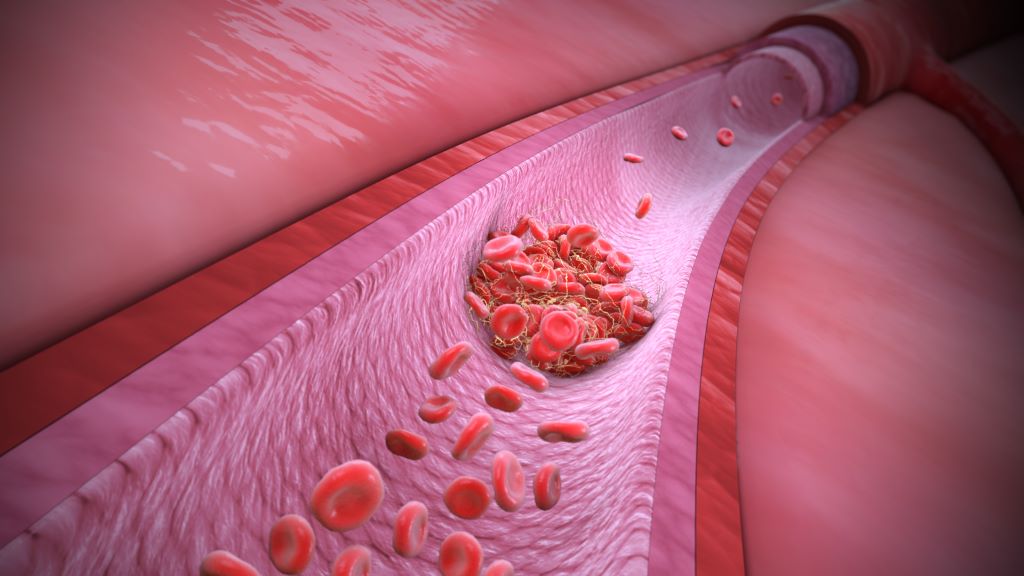
New University of Colorado Boulder research shows the popular sugar substitute erythritol comes with serious downsides, impacting brain cells in numerous ways that can boost the risk of stroke. The study was published in the Journal of Applied Physiology.
“Our study adds to the evidence suggesting that non-nutritive sweeteners that have generally been purported to be safe, may not come without negative health consequences,” said senior author Christopher DeSouza, professor of integrative physiology and director of the Integrative Vascular Biology Lab.
First approved by the Food and Drug Administration in 2001, erythritol is a sugar alcohol, often produced by fermenting corn, and found in hundreds of products made by various brands. It has almost no calories, is about 80% as sweet as table sugar, and has a negligible impact on insulin levels, making it a favourite for people trying to lose weight, keep their blood sugar in check or avoid carbohydrates.
But recent research has begun to shed light on its risks.
One recent Cleveland Clinic study involving 4000 people in the US and Europe found that men and women with higher circulating levels of erythritol were significantly more likely to have a heart attack or stroke within the next three years.
DeSouza and first author Auburn Berry, a graduate student in his lab, set out to understand what might be driving that increased risk.
To test impacts of erythritol on cells, researchers in the lab treated human cerebral microvascular endothelial cells (hCMECs) for three hours with about the same amount of erythritol contained in a typical sugar-free beverage.
They observed that the treated cCMEVs were altered in numerous ways:
They expressed significantly less nitric oxide, a molecule that relaxes and widens blood vessels, and more endothelin-1, a protein that constricts blood vessels. Meanwhile, when challenged with thrombin, cellular production of the natural clot-busting compound t-PA was “markedly blunted.” The erythritol-treated cells also produced more reactive oxygen species (ROS), aka “free radicals,” metabolic byproducts which can age and damage cells and inflame tissue.
Previous research has shown that as little as 30g of erythritol (about as much as you’d find in 600mL of sugar-free ice cream) can also cause platelets to clump together, potentially forming clots.
“Big picture, if your vessels are more constricted and your ability to break down blood clots is lowered, your risk of stroke goes up,” said Berry. “Our research demonstrates not only that, but how erythritol has the potential to increase stroke risk.”
DeSouza notes that their study used only a serving-size worth of the sugar substitute. For those who consume multiple servings per day, the impact, presumably, could be worse.
The authors caution that their study was a laboratory study, conducted on cells, and larger studies in people are now needed.
That said, De Souza encourages consumers to read labels, looking for erythritol or “sugar alcohol” on the label.
“Given the epidemiological study that inspired our work, and now our cellular findings, we believe it would be prudent for people to monitor their consumption of non-nutrient-sweeteners such as this one,” he said.
Changes in food insecurity go hand in hand with symptoms of anxiety and depression, according to research published in the open access journal PLOS Mental Health. Melissa Bateson of Newcastle University, UK, and colleagues at École Normale Supérieure, Northumbria University and York University, collected monthly data from adults in the UK and France and found that changes in food insecurity one month went hand-in-hand with changes in symptoms of anxiety and depression the next. The authors propose that interventions to reduce food insecurity might have immediate positive impacts on mental health.
Social determinants play a role in the development of poor mental health, and food insecurity has been associated with increased anxiety and depression, though it has been unclear whether this effect is causal and the timescale over which it occurs. The authors collected monthly data between September 2022 and August 2023 from almost 500 adults in the UK and France. They assessed food insecurity for the previous week and measured anxiety and depression with two commonly used questionnaires — GAD-7 and PHQ-8.
The team found a surprisingly high prevalence of food insecurity, with 39.5% of participants experiencing it in at least one month of the study. For those individuals, fluctuations between food insecurity and security were associated with changes in anxiety and depression, with deteriorations in mental health occurring when they experienced food insecurity and improvements when food security improved. The authors were able to predict mental health variations based on food security changes during the previous month. Such rapid changes in mental health suggest that the effects could be related to food security rather than longer-term nutritional changes which would take longer to manifest in mood alterations.
The authors state their results support the hypothesis that food insecurity could rapidly cause symptoms of anxiety and depression, such that interventions to prevent food insecurity might be likely to quickly and effectively reduce prevalence of anxiety and depression symptoms in populations currently experiencing periodic food insecurity.
The authors note: “What really impressed us was how rapidly symptoms of anxiety and depression responded to changes in participants’ food insecurity status and the large size of the effects”.
They add: “Our results suggest that eliminating periodic food insecurity in those currently experiencing it could reduce the number of people with clinically concerning symptoms of anxiety and depression by 20 percentage points.”
A large prospective study published in Molecular Nutrition and Food Research reveals that a healthy plant-based diet is linked with a reduced risk of inflammatory bowel disease (IBD).
For the study, 143 434 individuals in the UK reported on their dietary intake. During an average follow-up of 14.5 years, 1117 participants developed inflammatory bowel disease – 795 cases of ulcerative colitis and 322 cases of Crohn’s disease.
A healthy plant-based diet was associated with an 8% lower risk of ulcerative colitis, and a 14% lower risk of Crohn’s disease. An unhealthy plant-based diet was associated with a 15% higher risk of Crohn’s disease, with results suggesting that this was in part due to higher intake of vegetable oils and animal fats. Fruits and vegetables were identified as protective factors against inflammatory bowel disease.
Blood analyses suggested that the benefits seen in this study might be explained by the anti-inflammatory properties of plant-based foods.
“Our research indicates that a healthy plant-based diet may protect against inflammatory bowel disease, with its anti-inflammatory properties playing a key role,” said corresponding author Zhe Shen, MD, of the Zhejiang University School of Medicine, in China.
The cost of each recommended diet, defined as the cost of the least expensive food items to meet FBDG at a constant energy total of 2,330 kcal d−1 in 2021 PPP dollars per person per day. Diet cost estimates were derived for 172 countries where available to calculate the cost of meeting FBDG of Argentina (ARG), Benin (BEN), Malta (MLT), Pakistan (PAK), the United States (USA) and Viet Nam (VNM); from 171 countries of the HDB, Bangladesh (BGD), China (CHN), Ghana (GHA), India (IND), Indonesia (IDN), Jamaica (JAM), the Netherlands (NLD) and Zambia (ZMB); from 169 countries of Ethiopia (ETH), Oman (OMN); and 162 countries of the EAT-Lancet reference diet (EAT). Source: Herforth et al., Nature Food 2025.
A decade-long project measuring access to healthy foods worldwide is wrapping up in August, after shedding new light on the scope and specifics of nutrition insecurity, kickstarting solutions, and shifting the conversation around the affordability of healthy diets.
“I’m just stunned by the speed of adoption,” said Will Masters, director of the project and professor of food policy and economics at the Friedman School. “For the first time, governments are measuring whether people have access to the biological requisites of an active and healthy life.”
Based on national dietary guidelines from many countries around the world, the team’s Healthy Diet Basket dietary standard was validated as a way to measure diet costs in the most recent of the team’s 27 scientific journal articles. The new study appeared this month in Nature Food.
“The indicator captures an implicit consensus on what countries around the world agree that people need for healthy diets,” said Anna Herforth, N05, co-director of Food Prices for Nutrition and lead author of the paper. “The importance of meeting dietary needs has been recognized for a long time, but measuring whether people can actually do that has been elusive until now.”
Measuring Affordability
The team has found that the minimum cost of a healthy diet, using the cheapest locally available food options in each country, was generally between $3 and $4 per person in 2021, with a global average of $3.68 per person. That same year, the international extreme poverty line was $2.15.
In other words, “many people in the world who are counted as ‘non-poor’ still can’t afford to meet the basic requirements for a healthy diet,” Herforth said.
A healthy diet is more than just having enough calories. Our bodies need a balance of different foods from different food groups—vegetables, fruits, starchy staples, legumes, animal-source foods such as meat, eggs, or dairy—to acquire all the nutrients for an active, healthy life.
Buying a healthy diet of the cheapest, most basic foods is “completely out of reach” for more than 80 percent of people in African countries, and a total of 2.8 billion people worldwide, Masters said. “For many people, even if they put all their resources into buying food, they wouldn’t have enough to meet dietary standards for lifelong health,” he said.
The project’s purpose is to provide a diagnostic metric that distinguishes between prices, incomes, and other factors as potential causes behind malnutrition, and helps identify what the best solutions might be. Their research shows how some people still face unavailability or high prices for even the least expensive option in each food group needed for a healthy diet. In that situation, governments can make a healthy diet more accessible and affordable by investing in innovation to lower the cost of production and distribution of those products.
What the new cost and affordability data has revealed, says Masters, is the extent to which malnutrition is caused by low incomes available for food, after accounting for nonfood expenses. People whose available income is below the total cost of even the least expensive locally available options for a healthy diet need wage increases or social safety nets to help them afford a healthy life. And if low-cost options for a healthy diet could be purchased but people are choosing less nutritious foods, it is likely the result of other factors such as time use and the cost of meal preparation, or aspirations shaped by culture and marketing. These factors need to be identified and addressed directly to improve diet quality.
The project’s core finding, according to Masters, is that “farmers and food traders can deliver the products needed for a healthy diet at roughly similar cost in most of the world. Malnutrition happens because the poorest third of the world can’t afford to buy enough of the vegetables, fruits, dairy, and fish or other animal source foods needed for health, and the rest of us all too often consume other foods instead.”
What’s Next
Impacts of the new data are already being felt in Nigeria, which became the world’s first country to publish official monthly bulletins on healthy diet costs in January 2024. Labour unions used their findings to negotiate a raise in the national minimum wage that July, and others are using the data to push for changes in farm and trade policy. National bulletins have also been published in Ethiopia, Malawi, Pakistan, and in other countries where the new data can help guide change.
In a larger sense, Yan Bai, AG09, F16, N20, co-corresponding author on Food Prices for Nutrition’s most recent paper, said the work is “contributing to a global shift from focusing on calories alone to embracing a much more rigorous understanding of food and nutrition security—one that prioritises economic access, human health, and sustainability.”
Bai, who started working with the Food Prices for Nutrition project while earning his doctorate at Tufts, is now helping to implement the work at a global scale as an economist with the Development Data Group of the World Bank.
“By providing internationally consistent metrics, we aim to inform evidence-based policymaking and hope to help catalyse broader multisectoral actions to make healthy diets more affordable and accessible to all,” Bai said.
Next, the researchers will collaborate with food providers in Africa to provide data and create new metrics to help build the supply chains for healthy, low-cost foods. They are also planning to continue supporting national governments and international organizations in calculating and using the cost and affordability metrics for healthy diets.
“People have talked about affordability for decades. Now we have a practical way to measure it,” Masters said. “The next step is using those data to guide actions, and bring healthy diets within reach for everyone.”
As we age, our skin naturally becomes thinner and more fragile due to a decline in cell production. Now, researchers have found that vitamin C (VC) can help counteract this ageing process. Using a 3D human skin model, they showed that VC boosts epidermal thickness by activating genes linked to cell growth through DNA demethylation. These findings suggest that VC may help prevent age-related skin thinning and support healthier, stronger skin in ageing individuals.
With age, the epidermis, the outermost layer of skin, gradually becomes thinner and loses its protective strength. About 90% of the cells in this layer are keratinocytes, which originate from deeper layers of the epidermis and migrate upward, ultimately forming the skin’s protective barrier. To combat ageing’s impact on skin, numerous studies have emphasised the benefits of vitamin C (VC), a vitamin well known for its role in skin health and antioxidant properties.
Now, researchers in Japan have discovered that VC helps thicken the skin by directly activating genes that control skin cell growth and development. Their findings, published online in the Journal of Investigative Dermatology on April 20, 2025, suggest that VC may restore skin function by reactivating genes essential for epidermal renewal.
This study was led by Dr Akihito Ishigami, Vice President of the Division of Biology and Medical Sciences at Tokyo Metropolitan Institute for Geriatrics and Gerontology (TMIG), Japan
“VC seems to influence the structure and function of epidermis, especially by controlling the growth of epidermal cells. In this study, we investigated whether it promotes cell proliferation and differentiation via epigenetic changes,”explains Dr Ishigami.
To investigate how VC affects skin regeneration, the team used human epidermal equivalents, which are laboratory-grown models that closely mimic real human skin. In this model, skin cells are exposed to air on the surface while being nourished from underneath by a liquid nutrient medium, replicating the way human skin receives nutrients from underlying blood vessels while remaining exposed to the external environment.
The researchers used this model and applied VC at 1.0 and 0.1mM – concentrations comparable to those typically transported from the bloodstream into the epidermis. On assessing its effect, they found that VC-treated skin showed a thicker epidermal cell layer without significantly affecting the stratum corneum (the outer layer composed of dead cells) on day seven. By day 14, the inner layer was even thicker, and the outer layer was found to be thinner, suggesting that VC promotes the formation and division of keratinocytes. Samples treated with VC showed increased cell proliferation, demonstrated by a higher number of Ki-67-positive cells – a protein marker present in the nucleus of actively dividing cells.
Importantly, the study revealed that VC helps skin cells grow by reactivating genes associated with cell proliferation. It does so by promoting the removal of methyl groups from DNA, in a process known as DNA demethylation. When DNA is methylated, methyl groups attach to cytosine bases, which can prevent the DNA from being transcribed or read, thereby suppressing gene activity. Conversely, by promoting DNA demethylation, VC promotes gene expression and helps cells to grow, multiply, and differentiate.
These findings reveal how VC promotes skin renewal by triggering genetic pathways involved in growth and repair. This suggests that VC may be particularly helpful for older adults or those with damaged or thinning skin, boosting the skin’s natural capacity to regenerate and strengthen itself.
“We found that VC helps thicken the skin by encouraging keratinocyte proliferation through DNA demethylation, making it a promising treatment for thinning skin, especially in older adults,” concludes Dr Ishigami.
Caption: Hearty chefs (from left) Heleen Meyer, Herman Lensing, Isabella Niehaus, Monché Muller, and Zola Nene blend DASH principles with bold flavours – proving heart-healthy meals can be both delicious and fun.
South African heart-health is in the global spotlight this month, with Pharma Dynamics celebrating two major honours at the 30th Gourmand World Cookbook Awards, that took place during the Cascais World Food Summit in Lisbon, Portugal from 18–22 June 2025.
Hearty – Pharma Dynamics’ recently launched digital heart-healthy recipe collection was awarded first place in the category: Best Free Recipe Resourcein the World and also secured second place in the Free Resources for Healthcare Professionals category.
As part of its milestone celebration, Gourmand International reviewed three decades of award-winning cookbooks to identify the “cream of the crop” from each country. Cooking from the Heart’s DASH Edition, which won the Gourmand Award in 2023 in the Professional Health and Nutrition category, was selected as one of 20 standout South African titles of the past 30 years, nominated for the Gourmand’s 30th Anniversary Showcase.
The Cascais World Food Summit and Gourmand Awards bring together more than 500 food professionals from over 80 countries, celebrating excellence in culinary publishing and innovation.
“It is an incredible honour to see both our current innovation, Hearty and our longstanding Cooking from the Heart project recognised on the global stage,” says Nicole Jennings, spokesperson for Pharma Dynamics.
“Hearty represents the next evolution of our mission – combining the creativity of South Africa’s top chefs with proven heart-healthy principles. At the same time, having Cooking from the Heart’s DASH Edition selected for the 30th Anniversary Showcase reaffirms the enduring value of our work in empowering South Africans to eat healthier.”
Hearty showcases the culinary talents of five South African chefs and food writers who’ve each won the Gourmand’s “Best in the World” award:
Heleen Meyer – Food consultant, stylist and co-creator of Pharma Dynamics’ Cooking from the Heart series; multiple Gourmand honouree.
Herman Lensing – Author of seven cookbooks and award-winning magazine editor; Best in the World Celebrity Chef at Gourmand 2023.
Isabella Niehaus – Chef, stylist and author of several celebrated cookbooks; winner in the Entertainment and Vegan categories at Gourmand.
Monché Muller – Executive Chef of international wine label Oddo Vins et Domaines; winner of Best International Book at Gourmand 2023.
Zola Nene – Celebrity chef and TV personality; multiple Gourmand World Cookbook Awards winner.
Developed in collaboration with the Heart and Stroke Foundation South Africa, Hearty builds on the principles of the DASH (Dietary Approaches to Stop Hypertension) eating plan, but brings an indulgent, gourmet twist designed to challenge the notion that heart-healthy eating is bland or restrictive.
“Hearty is about celebrating food and flavour, while supporting cardiovascular wellness,” adds Jennings. “It’s a joy to collaborate with such an extraordinary line-up of chefs – each bringing their unique flair and creativity to inspire South Africans to embrace heart-healthy eating in a fresh and exciting way.”
The platform complements Pharma Dynamics’ Cooking from the Heart series – now in its eighth edition, which offers practical, dietitian-approved recipes designed to help South Africans manage and prevent cardiovascular disease. According to South African and international guidelines for hypertension, cholesterol and diabetes, lifestyle factors, such as healthy eating and maintaining a healthy weight are essential for effectively treating and controlling these conditions.
As South Africa’s leading supplier of cardiovascular medicines, Pharma Dynamics has provided patients and healthcare professionals with its Cooking from the Heart (CFTH) series since 2012. All eight titles are endorsed by the Heart and Stroke Foundation SA.
Pharma Dynamics continues to champion the shift from treatment to prevention through initiatives that promote sustainable lifestyle change.
“To be recognised at this level is a powerful reminder that our work – from the kitchen to the clinic – truly makes a difference,” emphasises Jennings. “It inspires us to keep finding new ways to help South Africans eat well, live well and thrive.”
Comparing intermittent fasting with traditional daily calorie restriction, researchers at the University of Colorado Anschutz Medical Campus found greater weight loss among the intermittent fasting group, a significant finding given that most previous studies reported no notable difference between the two diet strategies.
Singling out the 4:3 plan of the popular intermittent fasting (IMF) model – where dieters eat freely four days a week with three days a week of intense calorie restriction – the researchers found an average body weight loss of 7.6% among IMF participants at the one-year mark compared with 5% in the daily caloric restriction (DCR) group.
“It was surprising and exciting to me that it was better,” said Victoria Catenacci, MD, co-lead author and associate professor of endocrinology at the CU School of Medicine.
“The more important message to me is that this is a dietary strategy that is an evidence-based alternative, especially for people who have tried DCR and found it difficult,” Catenacci said, noting the weight-loss difference was modest.
An endocrinologist who specializes in obesity medicine, Catenacci’s work targets a decades-long health crisis in this country, with 40% of Americans 20 and older meeting the medical criteria for obesity. She works at the CU Anschutz Health and Wellness Center (AHWC), the study’s primary site.
She and co-lead author Danielle Ostendorf, PhD, who worked on the study as a post-doctoral fellow with Catenacci in 2018 and has since moved to the University of Tennessee Knoxville, share more about the research in the Q&A below.
While you’re probably not pouring your morning cup for the long-term health benefits, coffee consumption has been linked to lower risk of mortality. In a new observational study, researchers from Tufts University found the association between coffee consumption and mortality risk changes with the amount of sweeteners and saturated fat added to the beverage.
The study, published online in TheJournal of Nutrition, found that consumption of 1-2 cups of caffeinated coffee per day was linked to a lower risk of death from all causes and death from cardiovascular disease. Black coffee and coffee with low levels of added sugar and saturated fat were associated with a 14% lower risk of all-cause mortality as compared to no coffee consumption. The same link was not observed for coffee with high amounts of added sugar and saturated fat.
“Coffee is among the most-consumed beverages in the world, and with nearly half of American adults reporting drinking at least one cup per day, it’s important for us to know what it might mean for health,” said study senior author Professor Fang Fang Zhang at the Gerald J. and Dorothy R. Friedman School of Nutrition Science and Policy. “The health benefits of coffee might be attributable to its bioactive compounds, but our results suggest that the addition of sugar and saturated fat may reduce the mortality benefits.”
The study analysed data from nine consecutive cycles of the National Health and Nutrition Examination Survey (NHANES) from 1999 to 2018, linked to National Death Index Mortality Data. The study included a nationally representative sample of 46 000 adults aged 20 years and older who completed valid first-day 24-hour dietary recalls. Coffee consumption was categorised by type (caffeinated or decaffeinated), sugar, and saturated fat content. Mortality outcomes included all-cause, cancer, and cardiovascular disease. Low added sugar (from granulated sugar, honey, and syrup) was defined as under 5% of the Daily Value, which is 2.5 grams per 8-ounce [250mL] cup or approximately half a teaspoon of sugar. Low saturated fat (from milk, cream, and half-and-half) was defined as 5% of the Daily Value, or 1 gram per 250mL cup or the equivalent of 5 tablespoons of 2% milk, 1 tablespoon of light cream, or 1 tablespoon of half-and-half.
In the study, consumption of at least one cup per day was associated with a 16% lower risk of all-cause mortality. At 2-3 cups per day, the link rose to 17%. Consumption beyond three cups per day was not associated with additional reductions, and the link between coffee and a lower risk of death by cardiovascular disease weakened when coffee consumption was more than three cups per day. No significant associations were seen between coffee consumption and cancer mortality.
“Few studies have examined how coffee additives could impact the link between coffee consumption and mortality risk, and our study is among the first to quantify how much sweetener and saturated fat are being added,” said first author Bingjie Zhou, a recent Ph.D. graduate from the nutrition epidemiology and data science program at the Friedman School. “Our results align with the Dietary Guidelines for Americans which recommend limiting added sugar and saturated fat.”
Limitations of the study include the fact that self-reported recall data is subject to measurement error due to day-to-day variations in food intake. The lack of significant associations between decaffeinated coffee and all-cause mortality could be due to the low consumption among the population studied.
The potential role of vitamin D in preventing and treating colorectal cancer (CRC) has attracted growing research interest – especially as CRC rates are rising, particularly among younger adults. This isn’t a new area of study. Low vitamin D levels have long been linked to a higher risk of developing colorectal cancer.
One large study involving over 12 000 participants found that people with low blood levels of vitamin D had a 31% greater risk of developing CRC compared to those with higher levels. Similarly, another study reported a 25% lower CRC risk among individuals with high dietary vitamin D intake.
Data from the Nurses’ Health Study – a long-term investigation of American nurses – showed that women with the highest vitamin D intake had a 58% lower risk of developing colorectal cancer compared to those with the lowest intake.
Now, a review highlights vitamin D’s promise in colorectal cancer prevention and treatment – but also underscores the complexity and contradictions in current research.
While observational data, which follow people’s use of vitamin D, and mechanistic studies, to investigate how vitamin D works in the laboratory, suggest protective effects, this isn’t confirmed by larger trials.
In fact, randomised controlled trials (RCTs), in which some people receive vitamin D and others don’t, the gold standard by which treatments are judged, reveal inconsistent outcomes. This highlights the need for a balanced approach to its integration into public health strategies.
Vitamin D is synthesised in the skin in response to sunlight and exerts its biological effects through vitamin D receptors (VDRs) found throughout the body, including in colon tissue. When activated, these receptors help regulate gene activity related to inflammation, immune response and cell growth – processes central to cancer development and progression.
Preclinical studies have shown that the active form of vitamin D (calcitriol) can suppress inflammation, boost immune surveillance (the immune system’s ability to detect abnormal cells), inhibit tumour blood vessel growth and regulate cell division – a key factor in cancer development, as demonstrated in my recent research.
Epidemiological studies, which track health outcomes across large populations over time, consistently find that people with higher blood levels of vitamin D have a lower risk of developing CRC. This paints a hopeful picture, suggesting that something as simple as getting more vitamin D – via sun exposure, diet, or supplements – could lower cancer risk.
But the story gets more complicated.
Mixed results
When it comes to medical decision-making, randomised controlled trials (RCTs) are the gold standard. These studies randomly assign participants to receive either a treatment (like vitamin D) or a placebo, helping eliminate bias and isolate cause-and-effect relationships.
Unfortunately, RCTs on vitamin D and CRC have produced mixed results.
For example, the VITAL trial – a major RCT involving over 25 000 participants – found no significant reduction in overall colorectal cancer incidence with 2000 IU/day of vitamin D supplementation over several years.
However, a meta-analysis of seven RCTs did show a 30% improvement in CRC survival rates with vitamin D supplements, suggesting potential benefits later in the disease course rather than for prevention.
On the other hand, the Vitamin D/Calcium Polyp Prevention Trial found no reduction in the recurrence of adenomas (pre-cancerous growths) with supplementation, raising questions about who benefits most, and at what dosage.
Adding to the uncertainty is the question of causation. Does low vitamin D contribute to cancer development? Or does the onset of cancer reduce vitamin D levels in the body? It’s also possible that the observed benefits are partly due to increased sunlight exposure, which itself may have independent protective effects.
The big picture
These discrepancies highlight the importance of considering the “totality of evidence” – treating each study as one piece of a larger puzzle.
The biologic plausibility is there. Observational and mechanistic studies suggest a meaningful link between vitamin D and lower CRC risk. But the clinical evidence isn’t yet strong enough to recommend vitamin D as a standalone prevention or treatment strategy.
That said, maintaining sufficient vitamin D levels – at least 30ng/mL – is a low-risk, cost-effective health measure. And when combined with other strategies like regular screening, a healthy diet, physical activity, and personalised care, vitamin D could still play a valuable role in overall cancer prevention.
Vitamin D is not a miracle cure – but it is part of a much broader picture. Its role in colorectal cancer is promising but still being defined. While it’s not time to rely on supplements alone, ensuring adequate vitamin D levels – through sun exposure, diet, or supplements – remains a smart choice for your health.
Colorectal cancer is a complex disease, and tackling it requires an equally nuanced approach. For now, that means focusing on evidence-based lifestyle changes, regular screenings, and staying informed as new research unfolds.
Eating a high-fat diet containing a large amount of oleic acid – a type of fatty acid commonly found in olive oil – could drive obesity more than other types of dietary fats, according to a study published in the journal Cell Reports.
The study found that oleic acid, a monounsaturated fat associated with obesity but also tentatively linked to cardiovascular benefits and often touted as a ‘healthy’ fatty acid, causes the body to make more lipid cells. By boosting a signalling protein called AKT2 and reducing the activity of a regulating protein called LXR, high levels of oleic acid resulted in faster growth of the precursor cells that form new lipid cells.
“We know that the types of fat that people eat have changed during the obesity epidemic. We wanted to know whether simply overeating a diet rich in fat causes obesity, or whether the composition of these fatty acids that make up the oils in the diet is important. Do specific fat molecules trigger responses in the cells?” said Michael Rudolph, PhD, assistant professor of biochemistry and physiology at the University of Oklahoma College of Medicine.
Rudolph and his team fed mice a variety of specialised diets enriched in specific individual fatty acids, including those found in coconut oil, peanut oil, milk, lard and soybean oil. Oleic acid was the only one that caused the precursor cells that give rise to fat cells to proliferate more than other fatty acids.
“You can think of the fat cells as an army,” Rudolph said. “When you give oleic acid, it initially increases the number of ‘fat cell soldiers’ in the army, which creates a larger capacity to store excess dietary nutrients. Over time, if the excess nutrients overtake the number of fat cells, obesity can occur, which can then lead to cardiovascular disease or diabetes if not controlled.”
Unfortunately, it’s not quite so easy to isolate different fatty acids in a human diet. People generally consume a complex mixture if they have cream in their coffee, a salad for lunch and meat and pasta for dinner. However, Rudolph said, there are increasing levels of oleic acid in the food supply, particularly when access to food variety is limited and fast food is an affordable option.
“I think the take-home message is moderation and to consume fats from a variety of different sources,” he said. “Relatively balanced levels of oleic acid seem to be beneficial, but higher and prolonged levels may be detrimental. If someone is at risk for heart disease, high levels of oleic acid may not be a good idea.”