Eating animal-sourced protein foods is not linked to a higher risk of death and may even offer protective benefits against cancer-related mortality, new research finds.
The study, published in Applied Physiology, Nutrition, and Metabolism, analysed data from nearly 16 000 adults aged 19 and older using the National Health and Nutrition Examination Survey (NHAMES III).
Researchers examined how much animal and plant protein people typically consume and whether those patterns were associated with their risk of dying from heart disease, cancer or any cause.
They found no increased risk of death associated with higher intake of animal protein. In fact, the data showed a modest but significant reduction in cancer-related mortality among those who ate more animal protein.
“There’s a lot of confusion around protein – how much to eat, what kind and what it means for long-term health. This study adds clarity, which is important for anyone trying to make informed, evidence-based decisions about what they eat,” explains Stuart Phillips, Professor and Chair of the Department of Kinesiology at McMaster University, who supervised the research.
To ensure reliable results, the team employed advanced statistical methods, including the National Cancer Institute (NCI) method and multivariate Markov Chain Monte Carlo (MCMC) modelling, to estimate long-term dietary intake and minimize measurement error.
“It was imperative that our analysis used the most rigorous, gold standard methods to assess usual intake and mortality risk. These methods allowed us to account for fluctuations in daily protein intake and provide a more accurate picture of long-term eating habits,” says Phillips.
The researchers found no associations between total protein, animal protein or plant protein and risk of death from any cause, cardiovascular disease, or cancer. When both plant and animal protein were included in the analysis, the results remained consistent, suggesting that plant protein has a minimal impact on cancer mortality, while animal protein may offer a small protective effect.
Observational studies like this one cannot prove cause and effect; however, they are valuable for identifying patterns and associations in large populations. Combined with decades of clinical trial evidence, the findings support the inclusion of animal proteins as part of a healthy dietary pattern.
“When both observational data like this and clinical research are considered, it’s clear both animal and plant protein foods promote health and longevity,” says lead researcher Yanni Papanikolaou, MPH, president, Nutritional Strategies.
This research was funded by the National Cattlemen’s Beef Association (NCBA), a contractor to the Beef Checkoff. NCBA was not involved in the study design, data collection and analysis or publication of the findings.
Ultra-processed foods (UPFs) have become public enemy number one in nutrition debates. From dementia to obesity and an epidemic of “food addiction”, these factory-made products, including crisps, ready meals, fizzy drinks and packaged snacks, are blamed for a wide range of modern health problems. Some experts argue that they’re “specifically formulated and aggressively marketed to maximise consumption and corporate profits”, hijacking our brain’s reward systems to make us eat beyond our needs.
Policymakers have proposed bold interventions: warning labels, marketing restrictions, taxes, even outright bans near schools. But how much of this urgency is based on solid evidence?
My colleagues and I wanted to step back and ask: what actually makes people like a food? And what drives them to overeat – not just enjoy it, but keep eating after hunger has passed? We studied more than 3,000 UK adults and their responses to over 400 everyday foods. What we found challenges the simplistic UPF narrative and offers a more nuanced way forward.
Two ideas often get blurred in nutrition discourse: liking a food and hedonic overeating (eating for pleasure rather than hunger). Liking is about taste. Hedonic overeating is about continuing to eat because the food feels good. They’re related, but not identical. Many people like porridge but rarely binge on it. Chocolate, biscuits and ice cream, on the other hand, top both lists.
We conducted three large online studies where participants rated photos of unbranded food portions for how much they liked them and how likely they were to overeat them. The foods were recognisable items from a typical UK shopping basket: jacket potatoes, apples, noodles, cottage pie, custard creams – more than 400 in total.
We then compared these responses with three things: the foods’ nutritional content (fat, sugar, fibre, energy density), their classification as ultra-processed by the widely used Nova system – a food classification method that groups foods by the extent and purpose of their processing – and how people perceived them (sweet, fatty, processed, healthy and so on).
Perception power
Some findings were expected: people liked foods they ate often, and calorie-dense foods were more likely to lead to overeating.
But the more surprising insight came from the role of beliefs and perceptions. Nutrient content mattered – people rated high-fat, high-carb foods as more enjoyable, and low-fibre, high-calorie foods as more “bingeable”. But what people believed about the food also mattered, a lot.
Perceiving a food as sweet, fatty or highly processed increased the likelihood of overeating, regardless of its actual nutritional content. Foods believed to be bitter or high in fibre had the opposite effect.
In one survey, we could predict 78% of the variation in people’s likelihood of overeating by combining nutrient data (41%) with beliefs about the food and its sensory qualities (another 38%).
In short: how we think about food affects how we eat it, just as much as what’s actually in it.
This brings us to ultra-processed foods. Despite the intense scrutiny, classifying a food as “ultra-processed” added very little to our predictive models.
Once we accounted for nutrient content and food perceptions, the Nova classification explained less than 2% of the variation in liking and just 4% in overeating.
That’s not to say all UPFs are harmless. Many are high in calories, low in fibre and easy to overconsume. But the UPF label is a blunt instrument. It lumps together sugary soft drinks with fortified cereals, protein bars with vegan meat alternatives.
Some of these products may be less healthy, but others can be helpful – especially for older adults with low appetites, people on restricted diets or those seeking convenient nutrition.
The message that all UPFs are bad oversimplifies the issue. People don’t eat based on food labels alone. They eat based on how a food tastes, how it makes them feel and how it fits with their health, social or emotional goals.
Relying on UPF labels to shape policy could backfire. Warning labels might steer people away from foods that are actually beneficial, like wholegrain cereals, or create confusion about what’s genuinely unhealthy.
Instead, we recommend a more informed, personalised approach:
• Boost food literacy: help people understand what makes food satisfying, what drives cravings, and how to recognise their personal cues for overeating.
• Reformulate with intention: design food products that are enjoyable and filling, rather than relying on bland “diet” options or ultra-palatable snacks.
• Address eating motivations: people eat for many reasons beyond hunger – for comfort, connection and pleasure. Supporting alternative habits while maximising enjoyment could reduce dependence on low-quality foods.
It’s not just about processing
Some UPFs do deserve concern. They’re calorie dense, aggressively marketed and often sold in oversized portions. But they’re not a smoking gun.
Labelling entire categories of food as bad based purely on their processing misses the complexity of eating behaviour. What drives us to eat and overeat is complicated but not beyond understanding. We now have the dataand models to unpack those motivations and support people in building healthier, more satisfying diets.
Ultimately, the nutritional and sensory characteristics of food – and how we perceive them – matter more than whether something came out of a packet. If we want to encourage better eating habits, it’s time to stop demonising food groups and start focusing on the psychology behind our choices.
Weight-loss interventions, including gastric bypass surgery and drugs that prevent dietary fat absorption, can be invasive or have negative side effects. Now, researchers have developed edible microbeads made from green tea polyphenols, vitamin E and seaweed that, when consumed, bind to fats in the gastrointestinal tract. Preliminary results from tests with rats fed high-fat diets show that this approach to weight loss may be safer and more accessible than surgery or pharmaceuticals.
Yue Wu, a graduate student at Sichuan University, will present her team’s results at the ACS Fall 2025 Digital Meeting, a meeting of the American Chemical Society.
“Losing weight can help some people prevent long-term health issues like diabetes and heart disease,” says Wu. “Our microbeads work directly in the gut to block fat absorption in a noninvasive and gentle way.”
Weight gain is caused by genetic and lifestyle factors, including eating a high-fat diet. A high-fat diet is defined by the U.S. Department of Agriculture as one where 35% or more of a person’s daily calories come from fat, as opposed to protein or carbohydrates. Some pharmaceuticals, such as orlistat, inhibit certain gastric enzymes from breaking down dietary fats, leading to less fat being absorbed by the body. Orlistat is a U.S. Food and Drug Administration (FDA)-approved medication and is effective for weight loss. However, for some people it causes serious side effects, including liver and kidney damage.
So, Wu and her colleagues wanted to target the fat absorption process with their weight-loss intervention but do so without negative side effects. “We want to develop something that works with how people normally eat and live,” says Wu.
To get started, the team created tiny plant-based beads that spontaneously form through a series of chemical bonds between the green tea polyphenols and vitamin E. These structures can form chemical tethers to fat droplets and serve as the fat-binding core of the microbeads. The researchers then coated the spheres in a natural polymer derived from seaweed to protect them from the acidic environment of the stomach. Once ingested, the protective polymer coating expands in response to the acidic pH, and the green tea polyphenols and vitamin E compounds bind to and trap partially digested fats in the intestine.
The microbeads are nearly flavourless, and the researchers foresee them being easily integrated into people’s diets. For example, the microbeads could be made into small tapioca- or boba-sized balls and added to desserts and bubble teas.
The researchers assessed the microbeads as a weight-loss treatment in rats. They put the animals into three groups (eight rats per group), those which were fed a high-fat diet (60% fats) either with or without microbeads and those which were fed a normal diet (10% fats) for 30 days. Rats fed the high-fat diet and microbeads:
Lost 17% of their total body weight, while rats in the other groups didn’t lose weight.
Had reduced adipose tissue and less liver damage compared to rats fed the high-fat and normal diets without microbeads.
Excreted more fat in their feces compared to rats not given microbeads. The extra fat in the rats’ feces had no apparent ill effects on the animals’ health.
Additionally, the eight rats on high-fat diets that consumed microbeads showed similar intestinal fat excretion, but without the gastrointestinal side effects the researchers observed with a fourth group of rats they treated with orlistat.
Wu and her team have started working with a biotechnology company to manufacture the plant-based beads. “All the ingredients are food grade and FDA-approved, and their production can be easily scaled up,” says Yunxiang He, Sichuan University associate professor and co-author on Wu’s presentation.
They’ve also initiated a human clinical trial in collaboration with the West China Hospital of Sichuan University. “This represents a major step toward clinical translation of our polyphenol-based microbeads, following our foundational results,” says Wu. “We have officially enrolled 26 participants in our investigator-initiated trial, and we anticipate that preliminary data may become available within the next year.”
French fries were associated with an increased risk of developing type 2 diabetes (T2D), while other forms of potatoes – including baked, boiled, and mashed – were not, according to a new study led by Harvard T.H. Chan School of Public Health. The study also found that swapping any form of potato for whole grains may lower the risk of T2D.
The study was published July 30 in the BMJ. [Regrettably, no mention is made of SA’s beloved slap tjips – Ed.]
According to the researchers, while previous studies hinted at a link between potatoes and T2D, the evidence was inconsistent and often lacked detail on cooking methods and the potential effects of substituting other foods for potatoes. “Our study offers deeper, more comprehensive insights by looking at different types of potatoes, tracking diet over decades, and exploring the effects of swapping potatoes for other foods,” said lead author Seyed Mohammad Mousavi, postdoctoral research fellow in the Department of Nutrition. “We’re shifting the conversation from, ‘Are potatoes good or bad?’ to a more nuanced—and useful—question: How are they prepared, and what might we eat instead?”
The researchers examined the diets and diabetes outcomes of 205,107 men and women enrolled in the Nurses’ Health Study, Nurses’ Health Study II, and Health Professionals Follow-up Study. For more than 30 years, participants regularly responded to dietary questionnaires, detailing the frequency with which they consumed certain foods, including French fries; baked, boiled, or mashed potatoes; and whole grains. They also reported on new health diagnoses, including T2D, and various other health, lifestyle, and demographic factors, which the researchers controlled for. Over the course of the study period, 22,299 participants reported that they developed T2D.
The study found that three servings weekly of French fries increased the risk of developing T2D by 20%. Baked, boiled, and mashed potatoes were not significantly associated with T2D risk. The researchers calculated, however, that eating whole grains – such as whole grain pasta, bread, or farro – in place of baked, boiled, or mashed potatoes could reduce the risk of T2D by 4%. Replacing French fries with whole grains could bring T2D risk down by 19%. Even swapping refined grains for French fries was estimated to lower T2D risk.
The researchers complemented their study with a novel meta-analytic approach to estimate how swapping potatoes for whole grains could affect the risk of T2D, using data from previously published cohort studies. This involved two separate meta-analyses: one based on data from 13 cohorts examining potato intake and the other from 11 cohorts on whole grain intake, each encompassing over 500 000 participants and 43 000 T2D diagnoses across four continents. The results were closely consistent with those of the new study.
“The public health message here is simple and powerful: Small changes in our daily diet can have an important impact on risk of type 2 diabetes. Limiting potatoes – especially limiting French fries – and choosing healthy, whole grain sources of carbohydrate could help lower the risk of type 2 diabetes across the population,” said corresponding author Walter Willett, professor of epidemiology and nutrition. “For policymakers, our findings highlight the need to move beyond broad food categories and pay closer attention to how foods are prepared and what they’re replacing. Not all carbs—or even all potatoes—are created equal, and that distinction is crucial when it comes to shaping effective dietary guidelines.”
From poached to panfried, when it comes to eggs, it’s all sunny side up, as new research from the University of South Australia confirms that this breakfast favourite won’t crack your cholesterol.
Long blamed for high cholesterol, eggs have been beaten up for their assumed role in cardiovascular disease (CVD). Now, UniSA researchers have shown definitively that it’s not dietary cholesterol in eggs but the saturated fat in our diets that’s the real heart health concern.
In a world-first study, researchers examined the independent effects of dietary cholesterol and saturated fat on LDL cholesterol (the ‘bad’ kind), finding that eating two eggs a day – as part of a high cholesterol but low saturated fat diet – can actually reduce LDL levels and lower the risk of heart disease.
Lead researcher, UniSA’s Professor Jon Buckley, says it’s time to rethink the reputation of eggs.
“Eggs have long been unfairly cracked by outdated dietary advice,” Prof Buckley says.
“They’re unique – high in cholesterol, yes, but low in saturated fat. Yet it’s their cholesterol level that has often caused people to question their place in a healthy diet,” Prof Buckley says.
“In this study, we separated the effects of cholesterol and saturated fat, finding that high dietary cholesterol from eggs, when eaten as part of a low saturated fat diet, does not raise bad cholesterol levels.
“Instead, it was the saturated fat that was the real driver of cholesterol elevation.
“You could say we’ve delivered hard-boiled evidence in defence of the humble egg.”
“So, when it comes to a cooked breakfast, it’s not the eggs you need to worry about – it’s the extra serve of bacon or the side of sausage that’s more likely to impact your heart health.”
An Australian study has found that drinking just one can of artificially sweetened soft drink a day may increase the risk of developing type 2 diabetes by 38 per cent.
Surprisingly, that risk for artificially sweetened soft drink is even higher than for those who consume sugar-sweetened beverages, such as regular soft drinks, where the risk was found to be 23 per cent higher.
The research, conducted by a team from Monash University together with RMIT University and the Cancer Council Victoria, followed more than 36 000 Australian adults over nearly 14 years.
The study – led by Distinguished Professor Barbora de Courten from Monash University and RMIT University, Associate Professor Allison Hodge, from the Cancer Council Victoria, and Monash PhD student Robel Hussen Kabthymer, and published in Diabetes & Metabolism – adds to growing global concern about the health effects of both sugary and artificially sweetened drinks.
“Drinking one or more of these beverages each day – whether sweetened with sugar or artificial substitutes – was linked to a significantly higher chance of developing type 2 diabetes,” said Mr Hussen Kabthymer.
Professor de Courten, senior author on the study, said the findings challenge the common assumption that artificially sweetened beverages are a safer choice.
“Artificial sweeteners are often recommended to people at risk of diabetes as a healthier alternative, but our results suggest they may pose their own health risks,” she said.
While the link between sugary drinks and diabetes could largely be explained by obesity, the connection between artificially sweetened drinks and type 2 diabetes remained strong even after adjusting for body weight, suggesting a potentially direct effect on metabolism.
Professor de Courten said the findings have important implications for public health policy.
“We support measures like sugary drink taxes, but our study shows we also need to pay attention to artificially sweetened options. These are often marketed as better for you; yet may carry their own risks. Future policies should take a broader approach to reducing intake of all non-nutritive beverages.”
The study analysed data from the long-running Melbourne Collaborative Cohort Study, also known as Health 2020, involving participants aged 40–69 years, and adjusted for diet, exercise, education, and health history.
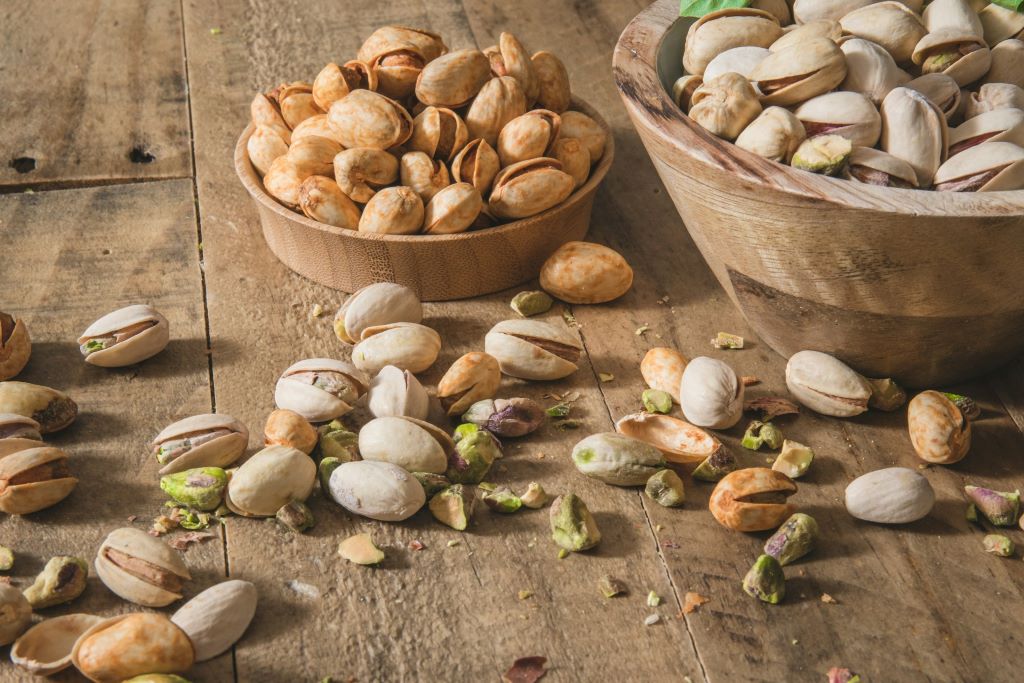
Prediabetes affects a third of people in the United States and most of them will develop Type 2 diabetes, yet effective dietary intervention strategies remain limited. Pistachios have shown promise in improving markers of diet quality, yet little is known about how they influence the gut microbiome – a key player in glucose regulation and inflammation.
A new study led by Kristina Petersen, associate professor of nutritional sciences at Penn State, determined that nighttime pistachio consumption affects gut bacteria in adults with prediabetes. Though the potential therapeutic implications of the findings remain unclear, according to Petersen, they may prove significant for people who are working to improve their metabolic health.
The findings, published in the journal Current Developments in Nutrition, suggested that replacing a traditional carbohydrate-based bedtime snack with pistachios may reshape the gut microbiome. A previous study by these researchers demonstrated that pistachios have a similar effect on blood glucose as 15 to 30 grams of carbohydrates.
“Pistachios seem to be able to meaningfully shift the gut microbial landscape in adults with prediabetes especially when consumed as a nighttime snack.”
Kristina Petersen, associate professor of nutritional sciences at Penn State
“A common dietary recommendation for individuals with prediabetes is to consume a nighttime snack consisting of 15 to 30 grams of carbohydrates to help regulate overnight and morning blood glucose levels,” said Terrence Riley, lead author of this research who earned his doctorate in nutritional sciences at Penn State and currently works as a postdoctoral research fellow at Louisiana State University. “As an example, you could eat one or two slices of whole grain bread.”
Researchers observed that consuming about two ounces of pistachios each night for 12 weeks resulted in significantly different stool microbial community profiles compared to those who consumed the recommended 15 to 30 grams of a carbohydrate snack. Specific bacterial groups, including Roseburia and members of the Lachnospiraceae family – known as “good” bacteria that produces beneficial short-chain fatty acids like butyrate – were more abundant following the pistachio condition.
According to Petersen, butyrate serves as a primary energy source for colon cells, helps maintain the gut barrier and supports anti-inflammatory processes.
“Pistachios seem to be able to meaningfully shift the gut microbial landscape in adults with prediabetes especially when consumed as a nighttime snack,” Petersen said. “These microbiome changes may offer other long-term health benefits – potentially helping to slow the development of Type 2 diabetes or to reduce systemic inflammation – which we hope to explore in future research.”
The study involved 51 adults with prediabetes and was conducted over two 12-week periods separated by a break, so the effects of the first part of the trial would not affect the second part. By the end of the study, all participants received both treatments. Stool samples were collected and analysed using 16S rRNA gene sequencing, a technique that can help classify bacteria based on their genetic makeup.
Petersen noted that participants who ate pistachios also experienced reductions in several bacterial groups that have been linked to less favorable metabolic outcomes.
“Levels of Blautia hydrogenotrophica – a bacterium that helps produce compounds that can build up in the blood and harm kidney and heart health – were lower after pistachio consumption,” Petersen said. “Levels of Eubacterium flavonifractor, which breaks down beneficial antioxidant compounds from foods like pistachios, also decreased.”
Petersen added that the strength of this study is the design used – a randomised crossover clinical trial, in which all participants receive both treatments in a randomised order. By including all participants in the pistachio group and the standard care group, the study helped the researchers better understand how specific foods like pistachios can influence the gut microbiome.
While the study demonstrated shifts in gut bacteria, it remains unclear whether these changes directly translate to improvements in health – a question that requires further research, Petersen said.
Consuming certain sweeteners commonly found in foods and beverages may increase the risk of early puberty in children, particularly among those who are genetically predisposed, according to a study being presented Sunday at ENDO 2025, the Endocrine Society’s annual meeting in San Francisco, Calif.
The researchers found that consuming aspartame, sucralose, glycyrrhizin and added sugars was significantly associated with a higher risk of early puberty, especially in children with certain genetic traits. The more of these sweeteners the teens consumed, the higher their risk of central precocious puberty.
“This study is one of the first to connect modern dietary habits – specifically sweetener intake – with both genetic factors and early puberty development in a large, real-world cohort,” said Yang-Ching Chen, MD, PhD, of Taipei Municipal Wan Fang Hospital and Taipei Medical University in Taipei, Taiwan. “It also highlights gender differences in how sweeteners affect boys and girls, adding an important layer to our understanding of individualised health risks.”
A type of early puberty known as central precocious puberty is increasingly common. It can lead to emotional distress, shorter adult height, and increased risk of future metabolic and reproductive disorders.
Chen’s previous research found that certain sweeteners can directly influence hormones and gut bacteria linked to early puberty. For example, one artificial sweetener, acesulfame potassium or AceK, was shown to trigger the release of puberty-related hormones by activating “sweet taste” pathways in brain cells and increasing stress-related molecules. Another sweetener, glycyrrhizin (found in liquorice) was found to change the balance of gut bacteria and reduce the activity of genes involved in triggering puberty.
“This suggests that what children eat and drink, especially products with sweeteners, may have a surprising and powerful impact on their development,” Chen said.
The new findings come from the Taiwan Pubertal Longitudinal Study (TPLS), begun in 2018. The study included data from 1407 teens. Central precocious puberty was diagnosed in 481 teens. The researchers assessed teens’ sweetener intake through validated questionnaires and testing of urine samples. Genetic predisposition was quantified using polygenic risk scores derived from 19 genes related to central precocious puberty. Early puberty was diagnosed based on medical exams, hormone levels and scans.
Sucralose consumption was linked to a higher risk of central precocious puberty in boys and consumption of glycyrrhizin, sucralose and added sugars was associated with a higher risk of central precocious puberty in girls.
“The findings are directly relevant to families, paediatricians and public health authorities,” Chen said. “They suggest that screening for genetic risk and moderating sweetener intake could help prevent early puberty and its long-term health consequences. This could lead to new dietary guidelines or risk assessment tools for children, supporting healthier development.”
The blood pressure lowering effect of nitrate-rich beetroot juice in older people may be due to specific changes in their oral microbiome, according to the largest study of its kind.
Researchers at the University of Exeter conducted the study, published in the journal Free Radical Biology and Medicine, comparing responses between a group of older adults to that of younger adults. Previous research has shown that a high nitrate diet can reduce blood pressure, which can help reduce risk of heart disease.
Nitrate is crucial to the body and is consumed as a natural part of a vegetable-rich diet. When the older adults drank a concentrated beetroot juice ‘shot’ twice a day for two weeks*, their blood pressure decreased – an effect not seen in the younger group.
The new study, funded by a BBSRC Industrial Partnership Award, provides evidence that this outcome was likely caused by the suppression of potentially harmful bacteria in the mouth. An imbalance between beneficial and harmful oral bacteria can decrease the conversion of nitrate (abundant in vegetable-rich diets) to nitric oxide. Nitric oxide is key to healthy functioning of the blood vessels, and therefore the regulation of blood pressure.
Study author Professor Anni Vanhatalo, of the University of Exeter, said: “We know that a nitrate-rich diet has health benefits, and older people produce less of their own nitric oxide as they age. They also tend to have higher blood pressure, which can be linked to cardiovascular complications like heart attack and stroke. Encouraging older adults to consume more nitrate-rich vegetables could have significant long term health benefits. The good news is that if you don’t like beetroot, there are many nitrate-rich alternatives like spinach, rocket, fennel, celery and kale.”
The study recruited 39 adults aged under 30, and 36 adults in their 60s and 70s through the NIHR Exeter Clinical Research Facility. The trial was supported by the Exeter Clinical Trials Unit. Each group spent two weeks taking regular doses of nitrate-rich beetroot juice and two weeks on a placebo version of the juice with nitrate stripped out. Each condition had a two week “wash out” period in between to reset. The team then used a bacterial gene sequencing method to analyse which bacteria were present in the mouth before and after each condition.
In both groups, the make-up of the oral microbiome changed significantly after drinking the nitrate-rich beetroot juice, but these changes differed between the younger and older age groups.
The older age group experienced a notable decrease in the mouth bacteria Prevotella after drinking the nitrate rich juice, and an increase in the growth of bacteria known to benefit health such as Neisseria. The older group had higher average blood pressure at the start of the study, which fell after taking the nitrate-rich beetroot juice, but not after taking the placebo supplement.
Co-author Professor Andy Jones, of the University of Exeter, said: “This study shows that nitrate-rich foods alter the oral microbiome in a way that could result in less inflammation, as well as a lowering of blood pressure in older people. This paves the way for larger studies to explore the influence of lifestyle factors and biological sex in how people respond to dietary nitrate supplementation.”
Dr Lee Beniston FRSB, Associate Director for Industry Partnerships and Collaborative Research and Development at BBSRC, said: “This research is a great example of how bioscience can help us better understand the complex links between diet, the microbiome and healthy ageing. By uncovering how dietary nitrate affects oral bacteria and blood pressure in older adults, the study opens up new opportunities for improving vascular health through nutrition. BBSRC is proud to have supported this innovative partnership between academic researchers and industry to advance knowledge with real-world benefits.”
Intermittent energy restriction, time-restricted eating and continuous energy restriction can all improve blood sugar levels and body weight in people with obesity and type 2 diabetes, according to a study being presented Sunday at ENDO 2025, the Endocrine Society’s annual meeting in San Francisco, Calif.
“This study is the first to compare the effects of three different dietary interventions intermittent energy restriction (IER), time-restricted eating (TRE) and continuous energy restriction (CER) in managing type 2 diabetes with obesity,” said Haohao Zhang, PhD, chief physician at The First Affiliated Hospital of Zhengzhou University in Zhengzhou, China.
Although researchers identified improved HbA1c levels, and adverse events were similar across the three groups, the IER group showed greater advantages in reducing fasting blood glucose, improving insulin sensitivity, lowering triglycerides, and strengthening adherence to the dietary interventions.
“The research fills a gap in directly comparing 5:2 intermittent energy restriction with a 10-hour time-restricted eating in patients with obesity and type 2 diabetes. The findings provide scientific evidence for clinicians to choose appropriate dietary strategies when treating such patients,” Zhang says.
Zhang and colleagues performed a single-centre, randomised, parallel-controlled trial at the First Affiliated Hospital of Zhengzhou University from November 19, 2021 to November 7, 2024.
Ninety patients were randomly assigned in a 1:1:1 ratio to the IER, TRE or CER group, with consistent weekly caloric intake across all groups. A team of nutritionists supervised the 16-week intervention.
Of those enrolled, 63 completed the study. There were 18 females and 45 males, with an average age of 36.8 years, a mean diabetes duration of 1.5 years, a baseline BMI of 31.7kg/m², and an HbA1c of 7.42%.
At the end of the study, there were no significant differences in HbA1c reduction and weight loss between the IER, TRE and CER groups. However, the absolute decrease in HbA1c and body weight was greatest in the IER group.
Compared to TRE and CER, IER significantly reduced fasting blood glucose and triglycerides and increased the Matsuda index, a measure of whole-body insulin sensitivity. Uric acid and liver enzyme levels exhibited no statistically significant changes from baseline in any study group.
Two patients in the IER group and the TRE group, and three patients in the CER group, experienced mild hypoglycemia.
The IER group had the highest adherence rate (85%), followed by the CER group at 84% and the TRE group at 78%. Both the IER and CER groups showed statistically significant differences compared with the TRE group.
Zhang said these findings highlight the feasibility and effectiveness of dietary interventions for people who have obesity and type 2 diabetes.