Category: Neurology

CAR-T Cell Therapy Causes ‘Brain Fog,’ Study Shows

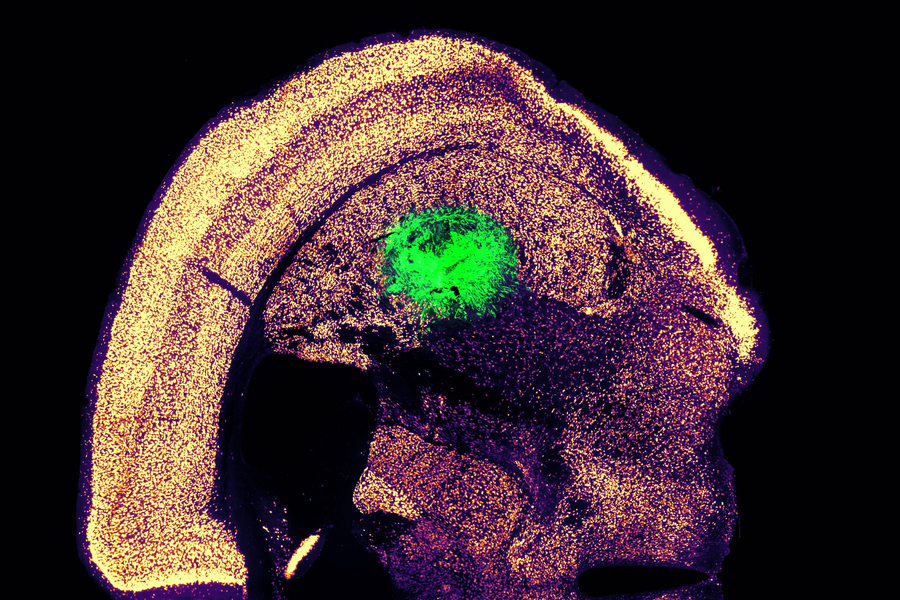
Killer T cells about to destroy a cancer cell. Credit: NIH

After treatment with CAR-T cells, immune cells engineered to attack cancer, patients sometimes tell their doctors they feel like they have “brain fog,” or forgetfulness and difficulty concentrating.

A new Stanford Medicine-led study shows that CAR-T cell therapy causes mild cognitive impairments, independent of other cancer treatments, and that this happens via the same cellular mechanism as cognitive impairment from two other causes: chemotherapy and respiratory infections such as flu and COVID-19. The study, conducted mostly in mice, which was published in Cell, also identifies strategies for reversing the problem.

Medications that ameliorate brain fog will enable better recovery from cancer immunotherapies, the researchers said.

“CAR-T cell therapy is enormously promising,” said senior author, Michelle Monje, MD, PhD, professor in paediatric neuro-oncology. “We need to understand all its possible long-term effects, including this newly recognised syndrome of immunotherapy-related cognitive impairment, so we can develop therapeutic approaches to fix it.”

The study’s lead authors are Anna Geraghty, PhD, senior staff scientist in the Monje lab, and MD/PhD student Lehi Acosta-Alvarez.

Cognitive impairment after CAR-T cell therapy is typically mild; patients are not developing dementia, for instance. But it is frustrating and may not resolve on its own, Monje said. In mice, her team reversed the impairment using compounds similar to existing medications or medications in clinical development – meaning a treatment could be available relatively quickly, she said.

“We’re deeply interested in how cancer therapies affect cognition because it affects patients’ quality of life,” Monje said. “And this is especially important for kids because their brains are still developing.”

Investigating brain fog

CAR-T cell therapy was approved in the US for acute lymphoblastic leukaemia in 2017. The treatment involves removing some of the patient’s own immune cells, known as T cells, and engineering them to attack targets on cancer cells. The modified T cells are returned to the patient’s body, where they recognise and destroy cancer.

In addition to leukaemia, CAR-T cells are now used to treat other blood cancers, including multiple myeloma and some kinds of lymphoma, and they are being tested in clinical trials for various solid tumours. Monje and her colleagues have an ongoing trial of CAR-T cells for deadly brain stem and spinal cord tumours in children, which is beginning to show success.

Although patients report brain fog after CAR-T cell therapy, studies to measure how much cognitive impairment the therapy causes are only just emerging.

The research team wanted to get a comprehensive understanding of the situations in which CAR-T cell therapy might cause cognitive impairment. They studied mice that had tumours induced in the brain, blood, skin and bone. The researchers wanted to understand the influence on cognition of CAR-T cell treatment in combination with the tumours’ location (originating in, spreading to or staying outside the brain), as well as the degree to which the engineered cells evoked additional, accompanying immune responses. Before and after CAR-T cell treatment, the researchers used standard cognitive tests on the mice, measuring how mice responded to a novel object and navigated a simple maze.

CAR-T therapy caused mild cognitive impairment in mice with cancers originating in, metastasizing to and located completely outside the brain. The only mice tested that did not develop cognitive impairment after CAR-T treatment were those that had bone cancer that causes minimal additional inflammation beyond the cancer-fighting activity of the CAR-T cells.

“This is the first study to demonstrate that immunotherapy on its own is sufficient to cause lasting cognitive symptoms,” Monje said. “It’s also the first paper to uncover the mechanisms. We found the exact same pathophysiology we’ve seen in brain fog syndromes that occur after chemotherapy, radiation, and mild respiratory COVID-19 or influenza.”

The researchers demonstrated that the brain’s immune cells, called microglia, are key players in the problem. First, the microglia become activated by the body’s immune response. The activated, “annoyed” microglia produce inflammatory immune molecules known as cytokines and chemokines, which in turn have widespread effects throughout the brain. They are particularly harmful for oligodendrocytes, the brain cells responsible for making myelin, the fatty substance that insulates nerve fibres and helps nerves transmit signals more efficiently. Reduction in the nerves’ insulation translates into cognitive impairment.

Examining tissue samples

The scientists also analysed samples of brain tissue from human subjects who participated in the team’s ongoing clinical trial of CAR-T cells for spinal cord and brain stem tumours. Using post-mortem tissue samples, the researchers confirmed that microglia and oligodendrocytes appear dysregulated in the same way the team had observed in mice after CAR-T therapy.

In mice, the research team tested strategies to resolve the cognitive problems. They gave a compound that depleted microglia in the brains of the mice for a two-week period. After that transient depletion, the microglia  returned in the brain in a normal, non-reactive state. The mice were no longer cognitively impaired.

The researchers also gave the mice a medication that enters the brain and interferes with signals from damaging chemokines, blocking a specific receptor for these molecules.

“That alone rescued cognition,” Monje said, adding that the researchers are now exploring how to safely translate the two strategies – transiently depleting microglia or interrupting chemokine signals – in people who have had CAR-T cell therapy.

“This research further illustrates that there is a unifying principle underpinning brain fog syndromes,” said Monje, a member of the Stanford Cancer Institute. “And this particular study is so exciting because not only have we identified the cells central to this pathophysiology, we’ve found a molecular target we can investigate to treat it.”

Source: Stanford Medicine

Analysis of Pulse Rate can Predict Faster Cognitive Decline in Older Adults

Photo by Matteo Vistocco on Unsplash

Healthy hearts are adaptable, and heartbeats exhibit complex variation as they adjust to tiny changes in the body and environment. Mass General Brigham researchers have applied a new way to measure the complexity of pulse rates, using data collected through wearable pulse oximetry devices. The new method, published in the Journal of the American Heart Association, provides a more detailed peek into heart health than traditional measures, uncovering a link between reduced complexity and future cognitive decline.

“Heart rate complexity is a hallmark of healthy physiology,” said senior author Peng Li, PhD, of the Department of Anesthesia, Critical Care and Pain Medicine at Massachusetts General Hospital (MGH) and the Division of Sleep and Circadian Disorders at Brigham and Women’s Hospital (BWH). “Our hearts must balance between spontaneity and adaptability, incorporating internal needs and external stressors.”

The study used data from 503 participants (average age 82, 76% women) in the Rush Memory and Aging Project. The researchers analysed overnight pulse rate measurements – collected by a fingertip pulse oximetry device known as the Itamar WatchPAT 300 device – and comprehensive measures of cognitive functions, collected around the same time as the pulse rate measurement and at least one annual follow-up visit up to 4.5 years later.

The team found that people with greater complexity in their heartbeats at baseline tend to experience slower cognitive decline over time. They determined that the conventional measures of heart rate variability did not predict this effect, indicating their measure was more sensitive in capturing heart functions predictive of cognitive decline.

The researchers plan to investigate whether pulse rate complexity can predict development of dementia, which would make it useful for identifying people at an early stage who might benefit from therapeutic interventions.

“The findings underscore the usefulness of our approach as a noninvasive measure for how flexible the heart is in responding to nervous system cues,” said lead author Chenlu Gao, PhD, also in the Department of Anesthesia, Critical Care and Pain Medicine at MGH. “It is suitable for future studies aimed at understanding the interplay between heart health and cognitive aging.”

Source: Mass General Brigham

Does Cancer Treatment Affect Connections in the Brain?

Photo by Fakurian Design on Unsplash

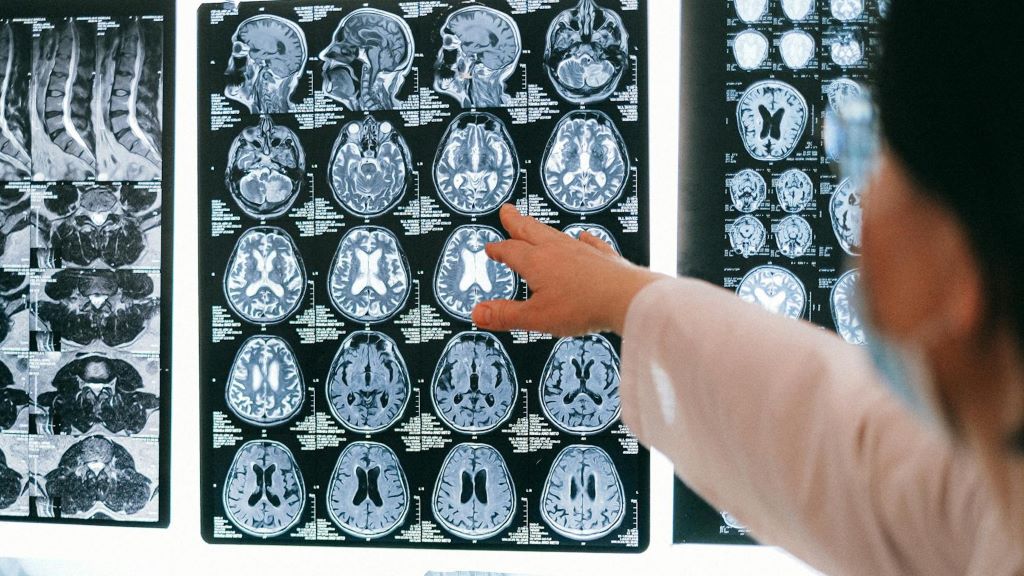
New research published in the Journal of Magnetic Resonance Imaging has uncovered changes in brain connectivity during chemotherapy in patients with breast cancer.

In the study of 55 patients with breast cancer and 38 controls without cancer, investigators conducted functional magnetic resonance imaging scans of participants’ brains over several months.

Scans from patients revealed changes in brain connectivity, particularly in the frontal-limbic system (involved in executive functions) and the cerebellar cortex (linked to memory) throughout the course of treatment. These changes got worse and spread more as chemotherapy continued.

“The findings suggest that chemotherapy can quickly disrupt brain function in breast cancer patients, potentially contributing to cognitive issues,” the authors wrote.

Source: Wiley

How Disturbed Signalling Pathways Could Promote Epileptic Seizures

Source: Pixabay

New insights into dopamine in focal cortical dysplasia: For the first time, a research team in Bonn is systematically investigating the role of the dopamine system in a common form of therapy-resistant epilepsy. Their research, published in Brain, has found major changes in the signalling pathway in a brain malformation linked to treatment-resistant epilepsy.

Focal cortical dysplasia (FCD) type 2 is a congenital malformation of the cerebral cortex associated with hard-to-treat epilepsy. In the affected areas, nerve cells and their layer structures are arranged abnormally, impeding drug therapy. A research team from the University Hospital Bonn (UKB) and the University of Bonn, in collaboration with the German Center for Neurodegenerative Diseases (DZNE), has now found evidence of profound changes in the dopamine system in FCD type 2.

Dopamine is a central neurotransmitter that regulates attention, learning and the excitability of neuronal networks, among other things. Whether and how this system is affected by FCD has so far remained largely unclear. The current study shows that the dopaminergic supply in the affected brain areas is altered. In addition, an increased expression of certain dopamine receptors was observed – both in human tissue and in a corresponding mouse model.

Evidence of disturbed modulation in the developing cortex

“Our data suggest a disrupted dopaminergic system in FCD type 2,” explains Norisa Meli, a doctoral student at the University of Bonn at the Institute for Reconstructive Neurobiology at the UKB and first author of the study. ”Particularly striking was the significantly increased expression of dopaminergic receptors in the neurons that are central role to the disease process.”

These changes could play a role in the development of epileptic seizures – and possibly also explain why many sufferers also experience concentration problems or mood swings.

“Dopamine modulates the excitability of neuronal networks and their formation in the developing cortex,” emphasizes Prof. Sandra Blaess, Professor of Neurodevelopment at UKB and member of the TRA ‘Life & Health’ at the University of Bonn. ”Our results show that this modulation may be disturbed in FCD type 2 – an aspect that has hardly been investigated to date.”

Prof. Albert Becker, Head of Department at the Institute for Cellular Neuroscience II at the UKB and also a member of the TRA “Life & Health” at the University of Bonn, adds: “These findings broaden our understanding of the complex neuropathology of dysplasias. They provide important clues for new potential therapeutic approaches that could go beyond the mere control of seizures.”

The study combines comprehensive molecular analyses of human tissue samples with a preclinical mouse model that replicates the genetic changes in FCD type 2. The researchers hope that these results will contribute to more targeted and effective treatment strategies in the long term.

Source: Universitatsklinikum Bonn

Head Trauma may Activate Latent Viruses, Leading to Neurodegeneration

Source: CC0

In sports, the connection between head injuries and neurodegenerative diseases such as chronic traumatic encephalopathy, Alzheimer’s disease, and Parkinson’s disease is now well recognised.

Researchers at Tufts University and Oxford University have now uncovered mechanisms that may connect the dots between trauma events and the emergence of disease. They point to latent viruses lurking in most of our brains that may be activated by the jolt, leading to inflammation and accumulating damage that can occur over the ensuing months and years. 

The results suggest the use of antiviral drugs as potential early preventive treatments post-head injury. The findings are published in a study in Science Signaling.

The microbiome aids in digestion, immune system development, and protection against harmful pathogens. 

But the microbiome also includes dozens of viruses that swarm within our bodies at any given time. Some of these can be potentially harmful, but simply lie dormant within our cells. Herpes simplex virus 1 (HSV-1), found in over 80% of people, and varicella-zoster virus, found in 95% of people, are known to make their way into the brain and sleep within our neurons and glial cells.

Dana Cairns, GBS12, research associate in the Department of Biomedical Engineering and lead author of the study, had found evidence in earlier studies suggesting that activation of HSV-1 from its dormant state triggers the signature symptoms of Alzheimer’s disease in lab models of brain tissue: amyloid plaques, neuronal loss, inflammations, and diminished neural network functionality.

“In that study, another virus – varicella – created the inflammatory conditions that activated HSV-1,” said Cairns. “We thought, what would happen if we subjected the brain tissue model to a physical disruption, something akin to a concussion? Would HSV-1 wake up and start the process of neurodegeneration?”

The link between HSV-1 and Alzheimer’s disease was first suggested by co-author Ruth Itzhaki, visiting professorial fellow at Oxford University, who more than 30 years ago identified the virus in a high proportion of brains from the elderly population. Her subsequent studies suggested that the virus can be reactivated in the brain from a latent state by events such as stress or immunosuppression, ultimately leading to neuronal damage.

Blows to Brain-like Tissue

In the current study, the researchers used a lab model that reconstructs the environment of the brain to better understand how concussions may set off the first stages of virus reactivation and neurodegeneration.

The brain tissue model consists of a 6mm-wide donut-shaped sponge-like material made of silk protein and collagen suffused with neural stem cells, which are then coaxed into mature neurons, growing axons and dendrite extensions and forming a network. Glial cells also emerge from the stem cells to help mimic the brain environment and nurture the neurons.

The neurons communicate with each other through their extensions similarly to how they would communicate in a brain. And just like cells in the brain, they can carry within them the DNA of dormant HSV-1 virus.  

After enclosing the brain-like tissue in a cylinder and giving it a sudden jolt atop a piston, mimicking a concussion, Cairns examined the tissue under the microscope over time. Some of the tissue models had neurons with HSV-1, and some were virus-free. 

Following the controlled blows, she observed that the infected cells showed re-activation of the virus, and shortly after that the signature markers of Alzheimer’s disease, including amyloid plaques, p-tau (a protein that creates fiber-like “tangles” in the brain), inflammation, dying neurons, and a proliferation of glial cells called gliosis.

More strikes with the pistons on the tissue models mimicking repetitive head injuries led to the same reactions, which were even more severe. Meanwhile, the cells without HSV-1 showed some gliosis, but none of the other markers of Alzheimer’s disease.

The results were a strong indicator that athletes suffering concussions could be triggering reactivation of latent infections in the brain that can lead to Alzheimer’s disease. Epidemiological studies have shown that multiple blows to the head can lead to doubling or even greater chances of having a neurodegenerative condition months or years down the line.
 
“This opens the question as to whether antiviral drugs or anti-inflammatory agents might be useful as early preventive treatments after head trauma to stop HSV-1 activation in its tracks, and lower the risk of Alzheimer’s disease,” said Cairns.

The problem goes far beyond the concerns for athletes. Traumatic brain injury is one of the most common causes of disability and death in adults, affecting about 69 million people worldwide each year, at an economic cost estimated at $400 billion annually.

“The brain tissue model takes us to another level in investigating these connections between injury, infection, and Alzheimer’s disease,” said David Kaplan, Stern Family Endowed Professor of Engineering at Tufts.

“We can re-create normal tissue environments that look like the inside of a brain, track viruses, plaques, proteins, genetic activity, inflammation and even measure the level of signalling between neurons,” he said. “There is a lot of epidemiological evidence about environmental and other links to the risk of Alzheimer’s. The tissue model will help us put that information on a mechanistic footing and provide a starting point for testing new drugs.”

Source: Tufts University

Myelin Becomes a Nutrient of Last Resort for the Brain

Myelin sheath damage. Credit: Scientific Animations CC4.0

According to a study published by Nature Metabolism, marathon runners experience reversible changes in their brain myelin. These findings indicate that myelin exhibits previously unknown behaviour, which contributes towards the brain’s energy metabolism when other sources of energy are running low. Understanding how myelin in the runners recovers quickly may provide clues for developing treatments for demyelinating diseases such as multiple sclerosis.

Exercise for a long period of time forces the human body to resort to its energy reserves. When running a marathon, for example, the body mainly consumes carbohydrates, such as glycogen, as a source of energy, but it resorts to fats when the glycogen in the muscles is used up. Myelin, which surrounds neurons in the brain and acts as an electrical insulator, mainly comprises lipids, and previous research in rodents suggests that these lipids can act as an energy reserve in extreme metabolic conditions.

A study conducted by researchers from the UPV/EHU, CIC biomaGUNE and IIS Biobizkaia shows that people who run a marathon experience a decrease in the amount of myelin in certain regions of the brain. According to the study, this effect is completely reversed two months after the marathon.

Carlos Matute, Professor of Anatomy and Human Embriology at the UPV/EHU and a researcher at IIS Biobizkaia, and Pedro Ramos-Cabrer, Ikerbasque Research Professor at CIC biomaGUNE, together with Alberto Cabrera-Zubizarreta, radiologist at HT Médica, used magnetic resonance imaging to obtain images of the brains of ten marathon runners (eight men and two women) before and 48 hours after the 42-kilometre race. Likewise, the researchers took images of the brains of two of the runners two weeks after the race, and of six runners two months after the race as a follow-up.

By measuring the fraction of myelin water in the brain – an indirect indicator of the amount of myelin – the authors discovered “a reduction in the myelin content in 12 areas of white matter in the brain, which are related to motor coordination and sensory and emotional integration”, explained Carlos Matute. Two weeks later, “the myelin concentrations had increased substantially, but had not yet reached pre-race levels”, added Pedro Ramos. The authors saw that the myelin content had recovered fully two months after the marathon.

Myelin, the brain’s fuel

The researchers concluded that “myelin seems to act as an energy source when other brain nutrients are depleted during endurance exercise, and that further research is needed to establish how extreme exercise is related to the amount of myelin in the brain. Trials in a larger cohort are needed”, said Ramos-Cabrer.

This study reveals that “brain energy metabolism is more complex than previously thought. The use of myelin as brain fuel opens up new insights into the brain’s energy requirements”, explained Matute. Furthermore, according to the authors, more studies are needed to assess whether these changes exert any effect on the neurophysiological and cognitive functions associated with these regions, but they point out that most of the myelin in the brain is not affected.

The results of this work break new ground in the energy role of healthy, aging and diseased myelin in the brain. “Understanding how the myelin in the runners recovers quickly may provide clues for developing treatments for demyelinating diseases, such as multiple sclerosis, in which the disappearance of myelin and, therefore, of its energy contribution, facilitates structural damage and degeneration,” said Matute. At the same time, the researchers are keen to stress that running marathons is not harmful for the brain; “on the contrary, the use and replacement of myelin as an energy reserve is beneficial because this exercises the brain’s metabolic machinery”.

Source: University of the Basque Country

Alleviating Motion Sickness with a Unique Sound

Photo by Pawel Czerwinski on Unsplash

Researchers at Nagoya University Graduate School of Medicine has discovered that using “a unique sound stimulation technology” – a device that stimulates the inner ear with a specific wavelength of sound – reduces motion sickness. Even a single minute of stimulation reduced the staggering and discomfort felt by people that read in a moving vehicle. The results, published in Environmental Health and Preventive Medicine, suggest a simple and effective way to treat this common disorder.

“Our study demonstrated that short-term stimulation using a unique sound called ‘sound spice®’ alleviates symptoms of motion sickness, such as nausea and dizziness,” said study leader Takumi Kagawa. “The effective sound level falls within the range of everyday environmental noise exposure, suggesting that the sound technology is both effective and safe.”

The discovery is an important expansion of recent findings about sound and its effect on the inner ear. Increasing evidence has suggested that stimulating the part of the inner ear associated with balance using a unique sound can potentially improve balance. Using a mouse model and humans, the researchers identified a unique sound at 100Hz as being the optimal frequency.

“Vibrations at the unique sound stimulate the otolithic organs in the inner ear, which detect linear acceleration and gravity,” study leader Masashi Kato explained. “This suggests that a unique sound stimulation can broadly activate the vestibular system, which is responsible for maintaining balance and spatial orientation.”

To test the effectiveness of the devices, they recruited voluntary participants who were exposed to the unique sound. Following the stimulation, motion sickness was induced by a swing, a driving simulator, or riding in a car. The researchers used postural control, ECG readings, and Motion Sickness Assessment Questionnaire results to assess the effectiveness of the stimulation.

Exposure to the unique sound before being exposed to the driving simulator enhanced sympathetic nerve activation. The researchers found symptoms such as “lightheadedness” and “nausea,” which are often seen with motion sickness, were alleviated.

“These results suggest that activation of sympathetic nerves, which are often dysregulated in motion sickness, was objectively improved by the unique sound exposure,” Kato said.

“The health risk of short-term exposure to our unique sound is minimal,” Kagawa said. “Given that the stimulus level is well below workplace noise safety standards, this stimulation is expected to be safe when used properly.”

Their results suggest a safe and effective way to improve motion sickness, potentially offering help to millions of sufferers. The researchers plan to further develop the technology with the aim of practical application for a variety of travel situations including air and sea travel.

Source: Nagoya University

Eight or More Drinks per Week Linked to Signs of Injury in the Brain

Photo by Pavel Danilyuk on Pexels

Heavy drinkers who have eight or more alcoholic drinks per week have an increased risk of brain lesions called hyaline arteriolosclerosis, signs of brain injury that are associated with memory and thinking problems, according to a study published on April 9, 2025, online in Neurology®, the medical journal of the American Academy of Neurology (AAN).

Hyaline arteriolosclerosis is a condition that causes the small blood vessels to narrow, becoming thick and stiff. This makes it harder for blood to flow, which can damage the brain over time. It appears as lesions, areas of damaged tissue in the brain.

“Heavy alcohol consumption is a major global health concern linked to increased health problems and death,” said study author Alberto Fernando Oliveira Justo, PhD, of University of Sao Paulo Medical School in Brazil. “We looked at how alcohol affects the brain as people get older. Our research shows that heavy alcohol consumption is damaging to the brain, which can lead to memory and thinking problems.”

The study included 1781 people who had an average age of 75 at death. All had brain autopsies. Researchers examined brain tissue to look for signs of brain injury including tau tangles and hyaline arteriolosclerosis. They also measured brain weight and the height of each participant. Family members answered questions about participants’ alcohol consumption. Researchers then divided the participants into four groups: 965 people who never drank, 319 moderate drinkers who had seven or fewer drinks per week; 129 heavy drinkers who had eight or more drinks per week; and 368 former heavy drinkers.

Researchers defined one drink as having 14 grams of alcohol, which is about 350mL of beer, 150mL of wine or 45mL of distilled spirits. Of those who never drank, 40% had vascular brain lesions. Of the moderate drinkers, 45% had vascular brain lesions. Of the heavy drinkers, 44% had vascular brain lesions. Of the former heavy drinkers, 50% had vascular brain lesions.

After adjusting for factors that could affect brain health such as age at death, smoking and physical activity, heavy drinkers had 133% higher odds of having vascular brain lesions compared to those who never drank, former heavy drinkers had 89% higher odds and moderate drinkers, 60%.

Researchers also found heavy and former heavy drinkers had higher odds of developing tau tangles, a biomarker associated with Alzheimer’s disease, with 41% and 31% higher odds, respectively. Former heavy drinking was associated with a lower brain mass ratio, a smaller proportion of brain mass compared to body mass, and worse cognitive abilities.

No link was found between moderate or heavy drinking and brain mass ratio or cognitive abilities. Justo noted that, in addition to brain injuries, impaired cognitive abilities were observed only in former drinkers. Researchers also found that heavy drinkers died an average of 13 years earlier than those who never drank.

“We found heavy drinking is directly linked to signs of injury in the brain, and this can cause long-term effects on brain health, which may impact memory and thinking abilities,” said Justo. “Understanding these effects is crucial for public health awareness and continuing to implement preventive measures to reduce heavy drinking.”

A limitation of the study was that it did not look at participants before death and did not have information on the duration of alcohol consumption and cognitive abilities.

Source: American Academy of Neurology

Growth of New Neurons May Reverse Damage in Huntington’s Disease

A healthy neuron. Credit: NIH

New research shows that the adult brain can generate new neurons that integrate into key motor circuits. The findings demonstrate that stimulating natural brain processes may help repair damaged neural networks in Huntington’s and other diseases.

“Our research shows that we can encourage the brain’s own cells to grow new neurons that join in naturally with the circuits controlling movement,” said Abdellatif Benraiss, PhD, a senior author of the study, which appears in the journal Cell Reports. “This discovery offers a potential new way to restore brain function and slow the progression of these diseases.” Benraiss is a research associate professor in the University of Rochester Medical Center (URMC) lab of Steve Goldman, MD, PhD, in the Center for Translational Neuromedicine.

Is neuron regeneration in the adult brain possible?

It is now understood that niches in the brain contain reservoirs of progenitor cells capable of producing new neurons. While these cells actively produce neurons during early development, they switch to producing support cells called glia shortly after birth. One of the areas of the brain where these cells congregate is the ventricular zone, which is adjacent to the striatum, a region of the brain devastated by Huntington’s disease.

The idea that the adult brain retains the capacity to produce new neurons, called adult neurogenesis, was first described by Goldman and others in the 1980s while studying neuroplasticity in canaries. Songbirds, like canaries, are unique in the animal kingdom in their ability to lay down new neurons as they learn new songs. The research in songbirds identified proteins—one of which was brain-derived neurotrophic factor (BDNF)—that direct progenitor cells to differentiate and produce neurons.

Further research in Goldman’s lab showed that new neurons were generated when BDNF and another protein, Noggin, were delivered to progenitor cells in the brains of mice. These cells then migrated to a nearby motor control region of the brain—the striatum—where they developed into cells known as medium spiny neurons, the major cells lost in Huntington’s disease. Benraiss and Goldman also demonstrated that the same agents could induce new medium spiny neuron formation in primates.

Rebuilding and reconnecting brain networks

The extent to which newly generated medium spiny neurons integrate into the brain’s networks has remained unclear. The new research, conducted in a mouse model of Huntington’s disease, demonstrates that the newly generated neurons connect with the complex networks in the brain responsible for motor control, replacing the function of the neurons lost in Huntington’s.

The researchers used a genetic tagging method to mark new cells as they were created, which allowed them to follow them over time as they developed new connections. This enabled the researchers to map the connections between the new neurons, their neighbours, and other brain regions. Employing optogenetics techniques, the researchers turned the new cells on and off, confirming their integration into broader brain networks important for motor control.

A new path for Huntington’s disease therapies

The study indicates that a possible treatment for Huntington’s disease would be to encourage the brain to replace lost cells with new, functional ones and restore the brain’s communication pathways. “Taken together with the persistence of these progenitor cells in the adult primate brain, these findings suggest the potential for this regenerative approach as a treatment strategy in Huntington’s and other disorders characterised by the loss of neurons in the striatum,” said Benraiss.

The authors suggest this approach could also be combined with other cell replacement therapies. Research in Goldman’s lab has shown that glial cells called astrocytes also play an important role in Huntington’s disease. These cells do not function properly in the disease and contribute to the impairment of neuronal function. The researchers have found that replacing the diseased glial cells with healthy ones can slow disease progression in a mouse model of Huntington’s. These glial replacement therapies are currently in preclinical development.

Source: University of Rochester Medical Center

Cytokines Also Act on the Brain, Inducing Anxiety or Sociability

Photo by Andrea Piacquadio on Pexels

Immune molecules called cytokines play important roles in the body’s defence against infection, helping to control inflammation and coordinating the responses of other immune cells. A growing body of evidence suggests that some of these molecules also influence the brain, leading to behavioural changes during illness.

Two new studies from MIT and Harvard Medical School, focused on a cytokine called IL-17, now add to that evidence. The researchers found that IL-17 acts on two distinct brain regions — the amygdala and the somatosensory cortex — to exert two divergent effects. In the amygdala, IL-17 can elicit feelings of anxiety, while in the cortex it promotes sociable behaviour.

These findings suggest that the immune and nervous systems are tightly interconnected, says Gloria Choi, an associate professor of brain and cognitive sciences, a member of MIT’s Picower Institute for Learning and Memory, and one of the senior authors of the studies.

“If you’re sick, there’s so many more things that are happening to your internal states, your mood, and your behavioural states, and that’s not simply you being fatigued physically. It has something to do with the brain,” she says.

Jun Huh, an associate professor of immunology at Harvard Medical School, is also a senior author of both studies, which appear today in CellOne of the papers was led by research scientists Byeongjun Lee and Jeong-Tae Kwon, and the other was led by postdocs Yunjin Lee and Tomoe Ishikawa.

Behavioral effects

Choi and Huh became interested in IL-17 several years ago, when they found it was involved in a phenomenon known as the fever effect. Large-scale studies of autistic children have found that for many of them, their behavioural symptoms temporarily diminish when they have a fever.

In a 2019 study in mice, Choi and Huh showed that in some cases of infection, IL-17 is released and suppresses a small region of the brain’s cortex known as S1DZ. Overactivation of neurons in this region can lead to autism-like behavioral symptoms in mice, including repetitive behaviours and reduced sociability.

“This molecule became a link that connects immune system activation, manifested as a fever, to changes in brain function and changes in the animals’ behaviour,” Choi says.

IL-17 comes in six different forms, and there are five different receptors that can bind to it. In their two new papers, the researchers set out to map which of these receptors are expressed in different parts of the brain. This mapping revealed that a pair of receptors known as IL-17RA and IL-17RB is found in the cortex, including in the S1DZ region that the researchers had previously identified. The receptors are located in a population of neurons that receive proprioceptive input and are involved in controlling behaviour.

When a type of IL-17 known as IL-17E binds to these receptors, the neurons become less excitable, which leads to the behavioural effects seen in the 2019 study.

“IL-17E, which we’ve shown to be necessary for behavioural mitigation, actually does act almost exactly like a neuromodulator in that it will immediately reduce these neurons’ excitability,” Choi says. “So, there is an immune molecule that’s acting as a neuromodulator in the brain, and its main function is to regulate excitability of neurons.”

Choi hypothesises that IL-17 may have originally evolved as a neuromodulator, and later on was appropriated by the immune system to play a role in promoting inflammation. That idea is consistent with previous work showing that in the worm C. elegans, IL-17 has no role in the immune system but instead acts on neurons. Among its effects in worms, IL-17 promotes aggregation, a form of social behaviour. Additionally, in mammals, IL-17E is actually made by neurons in the cortex, including S1DZ.

“There’s a possibility that a couple of forms of IL-17 perhaps evolved first and foremost to act as a neuromodulator in the brain, and maybe later were hijacked by the immune system also to act as immune modulators,” Choi says.

Provoking anxiety

In the other Cell paper, the researchers explored another brain location where they found IL-17 receptors — the amygdala. This almond-shaped structure plays an important role in processing emotions, including fear and anxiety.

That study revealed that in a region known as the basolateral amygdala (BLA), the IL-17RA and IL-17RE receptors, which work as a pair, are expressed in a discrete population of neurons. When these receptors bind to IL-17A and IL-17C, the neurons become more excitable, leading to an increase in anxiety.

The researchers also found that, counterintuitively, if animals are treated with antibodies that block IL-17 receptors, it actually increases the amount of IL-17C circulating in the body. This finding may help to explain unexpected outcomes observed in a clinical trial of a drug targeting the IL-17-RA receptor for psoriasis treatment, particularly regarding its potential adverse effects on mental health.

“We hypothesise that there’s a possibility that the IL-17 ligand that is upregulated in this patient cohort might act on the brain to induce suicide ideation, while in animals there is an anxiogenic phenotype,” Choi says.

During infections, this anxiety may be a beneficial response, keeping the sick individual away from others to whom the infection could spread, Choi hypothesises.

“Other than its main function of fighting pathogens, one of the ways that the immune system works is to control the host behaviour, to protect the host itself and also protect the community the host belongs to,” she says. “One of the ways the immune system is doing that is to use cytokines, secreted factors, to go to the brain as communication tools.”

The researchers found that the same BLA neurons that have receptors for IL-17 also have receptors for IL-10, a cytokine that suppresses inflammation. This molecule counteracts the excitability generated by IL-17, giving the body a way to shut off anxiety once it’s no longer useful.

Distinctive behaviours

Together, the two studies suggest that the immune system, and even a single family of cytokines, can exert a variety of effects in the brain.

“We have now different combinations of IL-17 receptors being expressed in different populations of neurons, in two different brain regions, that regulate very distinct behaviours. One is actually somewhat positive and enhances social behaviours, and another is somewhat negative and induces anxiogenic phenotypes,” Choi says.

Her lab is now working on additional mapping of IL-17 receptor locations, as well as the IL-17 molecules that bind to them, focusing on the S1DZ region. Eventually, a better understanding of these neuro-immune interactions may help researchers develop new treatments for neurological conditions such as autism or depression.

“The fact that these molecules are made by the immune system gives us a novel approach to influence brain function as means of therapeutics,” Choi says. “Instead of thinking about directly going for the brain, can we think about doing something to the immune system?”

Source: Massachusetts Institute of Technology