Category: Neurodegenerative Diseases

Long-term High-fat Diets Shown to Worsen Cognitive Abilities

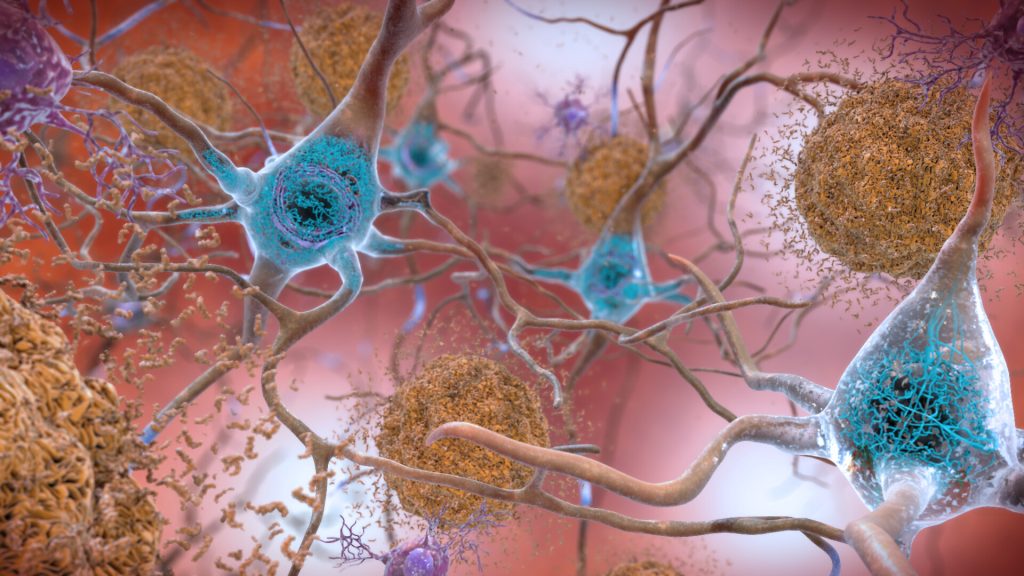
Plaques and neurons. Source: NIAH

A study published in Metabolic Brain Disease has established a clear link between mice being fed a high-fat diet for 30 weeks, resulting in diabetes, and a subsequent worsening of their cognitive abilities. This included developing anxiety, depression and worsening Alzheimer’s disease.

Mice with impaired cognitive function were also more likely to gain excessive weight due to poor metabolism caused by brain changes.

Neuroscientist and biochemist Associate Professor Larisa Bobrovskaya, who co-led the study said that the research adds to the growing body of evidence linking chronic obesity and diabetes with Alzheimer’s disease.

“Obesity and diabetes impair the central nervous system, exacerbating psychiatric disorders and cognitive decline. We demonstrated this in our study with mice,” said Associate Prof Bobrovskaya.

In the study, mice were randomised to a standard diet or a high-fat diet for 30 weeks, starting at eight weeks of age. Food intake, body weight and glucose levels were monitored at different intervals, along with glucose and insulin tolerance tests and cognitive dysfunction.

The mice on the high-fat diet gained significant weight, developed insulin resistance and started behaving abnormally compared to those fed a standard diet.

Genetically modified Alzheimer’s disease mice showed a significant deterioration of cognition and pathological changes in the brain while fed the high fat diet.

“Obese individuals have about a 55 per cent increased risk of developing depression, and diabetes will double that risk,” Assoc Prof Bobrovskaya said.

“Our findings underline the importance of addressing the global obesity epidemic. A combination of obesity, age and diabetes is very likely to lead to a decline in cognitive abilities, Alzheimer’s disease and other mental health disorders.”

Source: University of South Australia

Little to No Link Between Glaucoma and Cognitive Function

Older woman smiling
Photo by Ravi Patel on Unsplasj

Previous studies looking for an association between the neurodegenerative disorder glaucoma and cognitive function have produced mixed results. Now, findings from a large study recently published in the Journal of the American Geriatrics Society suggest that any association, if it exists, will only be small.

Glaucoma, the leading cause of irreversible blindness, is a progressive optic neuropathy with incompletely understood pathogenesis that results in progressive vision loss, often beginning with peripheral visual field defects. As a neurodegenerative process, glaucoma is associated with trans-synaptic degeneration in the brain, specifically in the lateral geniculate nucleus and visual cortex. Some prior studies have suggested that the pathogenesis of primary open angle glaucoma (POAG) and normal tension glaucoma (NTG), specifically, may be part of a broad neurodegenerative mechanism with ocular and non-ocular manifestations. Evidence also suggests that impaired vision is associated with a significant increase in the risk of accelerated cognitive decline and incident dementia. Therefore, there is interest in measuring an association between glaucoma and dementia.

The study included 7073 US adults aged 51 years and older who were interviewed by phone every two years. Those who developed glaucoma tended to have higher cognitive function scores but steeper rates of cognitive score decline over a maximum follow-up time of 18 years. The observed associations between glaucoma and cognitive function were small and unlikely to be clinically meaningful. 

“In this large longitudinal study, a diagnosis of glaucoma was not associated with steeper rates of cognitive decline; however, this study did not have access to clinical data to determine whether glaucoma-related vision loss is a risk factor for cognitive decline and dementia,” said senior author Joshua R. Ehrlich MD, MP, of the University of Michigan Medical School. “This is an important question for future studies to consider.” 

Source: Wiley

For Alzheimer’s, Old Dogs Can Teach Humans New Tricks

Photo by Pauline Loroy on Unsplash

Researchers have found that quantifiable changes can be measured in dogs suspected of suffering from cognitive decline: an approach that could serve as a model for evaluating cognitive decline progression in, and treatments for, humans with Alzheimer’s disease.

In dogs there is a similar condition to similar to Alzheimer’s disease in humans, canine cognitive dysfunction syndrome (CCDS). In CCDS, cognitive decline is associated with the development of amyloid plaques as well as cortical atrophy. CCDS is also challenging to diagnose. Traditionally, CCDS is diagnosed based on ruling out any obvious physical conditions and an owner’s answers to a questionnaire.

“One problem with the current approach is that questionnaires only capture a constellation of home behaviours,” explained Professor Natasha Olby, co-senior author of the paper. “There can be other reasons for what an owner may perceive as cognitive decline – anything from an undiagnosed infection to a brain tumour.”

Olby and co-senior author Assistant Professor Margaret Gruen, wanted to see if cognitive function could be accurately quantified in dogs.

“Our goal was to bring together multiple tools in order to get a more complete picture of how CCDS presents in dogs,” A/Prof Gruen said.

To accomplish this, they recruited 39 dogs from 15 breeds. All of them were in the senior and geriatric age range, but in good health overall. A dog is considered ‘senior’ if it is in the last 25% of its expected life span based on breed and size, and geriatric beyond that.

The dogs underwent physical and orthopaedic exams, as well as lab work that included a blood test that is a marker of neuronal death. Their owners filled out two commonly used diagnostic questionnaires, and then the dogs participated in a series of cognitive tests designed to assess executive function, memory and attention.

“The approach we took isn’t necessarily designed to be diagnostic; instead, we want to use these tools to be able to identify dogs at an early stage and be able to follow them as the disease progresses, quantifying the changes,” Prof Olby said.

The team found that cognitive and blood test results correlated well with the questionnaire scores, suggesting that a multi-dimensional approach can be used to quantify cognitive decline in aging dogs.

“Being able to diagnose and quantify CCDS in a way that is clinically safe and relevant is a good first step toward being able to work with dogs as a model for Alzheimer’s disease in humans,” Prof Olby said. “Many of the current models of Alzheimers disease – in rodents, for example – are good for understanding physiological changes, but not for testing treatments.”

“Dogs live in our homes and develop naturally occurring disease just like we do,” A/Prof Gruen said. “These findings show promise for both dogs and humans in terms of improving our understanding of disease progression as well as for potentially testing treatments.”

Source: North Carolina State University

Implant Helps Patient with Neurodegenerative Disease to Walk Again

Patient takes steps with the help of an assistant. Credit: Jmmy Ravier & NeuroRestore

A woman bedridden for over a year due to a debilitating neurodegenerative disease was able to get up and walk again, thanks to an innovative electrical stimulation system which was able to raise her blood pressure on standing and prevent her fainting. The system was developed by a team headed by Professors Jocelyne Bloch and Grégoire Courtine, and was detailed in The New England Journal of Medicine.

Their system includes electronics implanted directly on the spinal cord to reactivate the neurons that regulate blood pressure, thereby preventing the patient from losing consciousness every time she’s in an upright position. This type of implant was already in use for the treatment of low blood pressure in tetraplegic patients.

The female patient in the study suffers from multiple system atrophy-parkinsonian type (MSA-P), a neurodegenerative disease that afflicts several parts of the nervous system, including the sympathetic nervous system. 

MSA-P leads to the loss of sympathetic neurons regulating blood pressure, which results in orthostatic hypotension, a dramatic blood pressure drop when patients are in an upright position, which in some cases results in fainting. This increases fall risks, limits mobility, and can eventually shorten life expectancy. Having to remain in a reclined position to avoid passing out severely impacts patients’ quality of life.

The implant consists of a set of electrodes connected to an electrical-impulse generator typically used to treat chronic pain. After implanting their device directly on the patient’s spinal cord, the researchers found an improvement in the body’s capacity to regulate blood pressure, enabling the patient to remain conscious for longer periods in an upright position and to begin physical therapy to walk again. After being bedridden for 18 months, the patient is now able to walk as far as 250 metres.

For Jocelyne Bloch, this marks an important step toward the treatment of degenerative diseases: “We’ve already seen how this type of therapy can be applied to patients with a spinal-cord injury. But now, we can explore applications in treating deficiencies resulting from neurodegeneration. This is the first time we’ve been able to improve blood-pressure regulation in people suffering from MSA.”

Grégoire Courtine added that “this technology was initially intended for pain relief, not for this kind of application. Going forward, we and our company Onward Medical plan to develop a system targeted specifically to orthostatic hypotension that can help people around the world struggling with this disorder.”

Source: Ecole Polytechnique Federale de Lausanne

Lithium May Prevent Dementia in Elderly Patients

Old man
Photo by Kindel Media on Pexels

A University of Cambridge study appears to show that older adults who received lithium were less likely to develop dementia. The findings, which appear in the journal PLOS Medicine, are in agreement with other recent studies and could pave the way for larger investigations.

Dementia, the most common form of which is Alzheimer’s, currently represents the leading cause of death in elderly Western populations, but there are no preventative treatments available.

“The number of people with dementia continues to grow, which puts huge pressure on healthcare systems,” said Dr Shanquan Chen from Cambridge’s Department of Psychiatry, the paper’s first author. “It’s been estimated that delaying the onset of dementia by just five years could reduce its prevalence and economic impact by as much as 40 percent.”

In previous studies have proposed, lithium was proposed as a possible treatment for those with a dementia diagnosis or early cognitive impairment, but it is unclear whether it can delay or even prevent the development of dementia altogether, as these studies were limited in size.

Lithium is a mood stabiliser usually prescribed for conditions such as bipolar affective disorder and depression. “Bipolar disorder and depression are considered to put people at increased risk of dementia, so we had to make sure to account for this in our analysis,” said Dr Chen.

The researchers analysed data from 29 618 NHS patients who accessed mental health services between 2005 and 2019. Patients were all over 50 years of age, with a mean age just under 74, had received at least a one-year follow-up appointment, and had not been previously diagnosed with either mild cognitive impairment or dementia.

Of these patients, 548 had been treated with lithium and 29 070 had not. For the group that had received lithium, 53, or 9.7%, were diagnosed with dementia. For the group that had not received lithium, 3,244, or 11.2%, were diagnosed with dementia.

After controlling for factors such as smoking, other medications, and other physical and mental illnesses, lithium use was associated with a lower risk of dementia, both for short and long-term users. However, since the overall number of patients receiving lithium was small and this was an observational study, larger clinical trials would be needed to establish lithium as a potential treatment for dementia.

Another limitation of the study was the number of patients who had been diagnosed with bipolar disorder, which is normally associated with an increased risk of dementia. “We expected to find that patients with bipolar disorder were more likely to develop dementia, since that is the most common reason to be prescribed lithium, but our analysis suggested the opposite,” said Dr Chen. “It’s far too early to say for sure, but it’s possible that lithium might reduce the risk of dementia in people with bipolar disorder.”

Additional research is now needed to see if lithium really does have a benefit in these conditions.

Source: University of Cambridge

An AI ‘Storytelling’ Companion to Assist Dementia Patients

Researchers at the National Robotarium in the UK, are developing an artificial intelligence (AI) ‘storytelling’ companion that will aid memory recollection, boost confidence and combat depression in patients suffering from Alzheimer’s disease and other types of dementia.

The idea for the ground-breaking ‘Agent-based Memory Prosthesis to Encourage Reminiscing’ (AMPER) project came from Dr Mei Yii Lim, a co-investigator of the project and an experienced memory modelling researcher.

In Alzheimer’s patients, memory loss occurs in reverse chronological order, with pockets of long-term memory remaining accessible even as the disease progresses. Rehabilitative care methods currently focus on physical aids and repetitive reminding techniques, but AMPER’s AI-driven user-centred approach will instead focus on personalised storytelling to help bring a patient’s memories back to the surface.

Dr Lim explained the project: “AMPER will explore the potential for AI to help access an individual’s personal memories residing in the still viable regions of the brain by creating natural, relatable stories. These will be tailored to their unique life experiences, age, social context and changing needs to encourage reminiscing.”

Having communication difficulties and decreased confidence are commonly experienced by people living with dementia and can often lead to individuals becoming withdrawn or depressed. By using AI to aid memory recollection, researchers at the National Robotarium hope that an individual’s sense of value, importance and belonging can be restored and quality of life improved.

The project’s long-term vision is to show that AI companions can become more widely used and integrated into domestic, educational, health and assistive-needs settings.

Professor Ruth Aylett from the National Robotarium is leading the research. She said: “One of the most difficult aspects of living with dementia can be changes in behavior caused by confusion or distress. We know that people can experience very different symptoms that require a range of support responses. Current intervention platforms used to aid memory recollection often take a one-size-fits-all approach that isn’t always suitable to an individual’s unique needs.”

“AI technology has the potential to play a pivotal role in improving the lives of people living with cognitive diseases. Our ambition is to develop an AI-driven companion that offers patients and their caregivers a flexible solution to help give an individual a sustained sense of self-worth, social acceptance and independence.

“Through projects like AMPER, we’re able to highlight the many ways AI and robotics can both help and improve life for people now and in the future. At the National Robotarium, we’re working on research that will benefit people in adult care settings as well as across a wide range of other sectors that will make life easier, safer and more supported for people.”

Once developed, the AI technology will be accessed through a tablet-based interface to make it more widely accessible and low-cost. The National Robotarium team will also investigate a using the AI in a desktop robot to see if a physical presence has any benefit.

Source: Heriot Watt University

Blood Test for Alzheimer’s Proves Highly Accurate

Plaques and neurons. Source: NIAH

A study in the journal Neurology has shown that a less expensive blood test to detect Alzheimer’s is highly accurate at early detection, providing further evidence that the test should be considered for routine screening and diagnosis. 

“Our study shows that the blood test provides a robust measure for detecting amyloid plaques associated with Alzheimer’s disease, even among patients not yet experiencing cognitive declines,” said senior author Professor Randall J. Bateman, MD.

“A blood test for Alzheimer’s provides a huge boost for Alzheimer’s research and diagnosis, drastically cutting the time and cost of identifying patients for clinical trials and spurring the development of new treatment options,” Prof Bateman said. “As new drugs become available, a blood test could determine who might benefit from treatment, including those at very early stages of the disease.”

Developed by Prof Bateman and colleagues, the blood test assesses whether amyloid plaques have begun accumulating in the brain based on the ratio of the levels of the amyloid beta proteins Aβ42 and Aβ40 in the blood.

The gold standard PET scan evaluation requires a radioactive brain scan, at an average cost of $5000–$8000 (R75 000–R120 000) per scan. Another common test, which analyses levels of amyloid-beta and tau protein in cerebrospinal fluid, costs about $1000 (R15 000) but requires a spinal tap process.

This study estimates that prescreening with a $500 (R7500) blood test could halve both the cost and the time it takes to enrol patients in clinical trials that use PET scans. Using only blood testing for screening could be done in under six months, a tenth or less of the cost. The test is currently only available in the US and Europe.

The current study shows that the blood test remains highly accurate, even when performed in different labs following different protocols, and in different cohorts across three continents.

Scientists didn’t know if small differences in sampling methods (such as anticoagulant use) could have a big impact on test accuracy because results are based on subtle shifts in amyloid beta protein levels in the blood. Subtle interfernece in these amyloid protein ratios could have triggered a false negative or positive result.

To confirm the test’s accuracy, researchers tested blood samples from current Alzheimer’s studies in the United States, Australia and Sweden, each of which uses different protocols for the processing of blood samples and related brain imaging.

Findings from this study confirmed that the Aβ42/Aβ40 blood test using a high-precision immunoprecipitation mass spectrometry technique developed at Washington University provides highly accurate and consistent results for both cognitively impaired and unimpaired individuals across all three studies.

When blood amyloid levels were combined with another major Alzheimer’s risk factor – the presence of the genetic variant APOE4 – the blood test accuracy was 88% compared to brain imaging and 93% when compared to spinal tap.

“These results suggest the test can be useful in identifying nonimpaired patients who may be at risk for future dementia, offering them the opportunity to get enrolled in clinical trials when early intervention has the potential to do the most good,” Prof Bateman said. “A negative test result also could help doctors rule out Alzheimer’s in patients whose impairments may be related to some other health issue, disease or medication.”

Source: Washington University School of Medicine

Heart Attack Survivors at Lower Risk of Parkinson’s

Credit: American Heart Association

Heart attack survivors may be slightly less likely to develop Parkinson’s disease later in life, according to new research published in the Journal of the American Heart Association.

Parkinson’s disease (PD) is a common neurodegenerative disorder. While a number of non-motor manifestations arise, the typical clinical features involve a movement disorder consisting of bradykinesia, resting tremor, and rigidity, with postural instability occurring at a later stage. The cause of PD is not known, but a number of genetic risk factors have now been characterised, as well as several genes which cause rare familial forms of PD. Secondary parkinsonism, which has symptoms similar to Parkinson’s disease, may be caused by stroke, psychiatric or cardiovascular medications, or other illness.

“We have previously found that following a heart attack, the risk of neurovascular complications such as ischaemic stroke or vascular dementia is markedly increased, so the finding of a lower risk of Parkinson’s disease was somewhat surprising,” said lead study author Jens Sundbøll, MD, PhD. “These findings indicate that the risk of Parkinson’s disease is at least not increased following a heart attack and should not be a worry for patients or a preventive focus for clinicians at follow-up.

“It is not known whether this inverse relationship with risk of Parkinson’s disease extends to people who have had a heart attack. Therefore, we examined the long-term risk of Parkinson’s disease and secondary parkinsonism among heart attack survivors,” Dr Sundbøll said.

Drawing on Danish National Health Service data, the researchers compared the risk of PD and secondary parkinsonism among roughly 182 000 patients who had a first-time heart attack between 1995 and 2016 (average age 71 years old; 62% male) and more than 909 000 matched controls. 

Over a maximum continual follow-up of 21 years, after adjusting for a wide range of potential confounding factors, the analysis found that, when compared to the control group:

  • there was a 20% lower risk of PD among people who had a heart attack; and
  • a 28% lower risk of secondary parkinsonism among those who had a heart attack.

“For physicians treating patients following a heart attack, these results indicate that cardiac rehabilitation should be focused on preventing ischaemic stroke, vascular dementia and other cardiovascular diseases such as a new heart attack and heart failure, since the risk of Parkinson’s appears to be decreased in these patients, in comparison to the general population,” Dr Sundbøll said.

Certain risk factors are common to both heart attack and PD, with higher risk found among elderly men and lower risk among people who drink more coffee and are more physically active. Interestingly, however, some classic heart attack risk factors – such as smoking, high cholesterol, hypertension and Type 2 diabetes – are associated with a reduced risk of PD.

In general, more heart attack patients smoke and have high cholesterol, either of which may explain the slightly reduced risk of PD among heart attack survivors.

“There are very few diseases in this world in which smoking decreases risk: Parkinson’s disease is one, and ulcerative colitis is another. Smoking increases the risk of the most common diseases including cancer, cardiovascular disease and pulmonary disease and is definitely not good for your health,” Dr Sundbøll noted.

One limitation of the study is that there was not enough information about smoking and high cholesterol levels among the participants, which may have influenced the findings. The study participants were almost entirely white, limiting the generalisability to other ethnic groups.

Source: American Heart Association

Peptide Discovery Could Halt Nerve Degeneration

A healthy neuron.
A healthy neuron. Credit: NIH

Promising results have been found in the quest for a treatment to halt nerve cell degeneration in disorders like Parkinson’s disease, by preventing their mitochondria from breaking apart with a particular peptide.

The research, published in Brain, examined how the long axons that carry messages between nerve cells in the brain can break down, which causes increasingly worse tightening of the leg muscles, leading to imbalance and eventually paralysis, in addition to other symptoms.

Animal studies have shown it may be a problem with the mitochondria that leads to the axons breaking down or not growing long enough. Since studying human nerve cells is difficult, the researchers made use of human stem cells they modified to become nerve cells with the genetic disorder for a particular type of hereditary spastic paraplegia.

“What we found was that the mitochondria in these cells were breaking apart, what we call mitochondrial fission, and that caused the axons to be shorter and less effective at carrying messages to the brain,” study leader Prof Xue-Jun Li said. “We then looked at whether a particular agent would change the way the nerve cells function — and it did. It inhibited the mitochondrial fission and let the nerve cells grow normally and also stopped further damage.”

What this means for the thousands of people affected by this type of genetic disorder is that this peptide could prove to be useful for a drug or other therapy to stop the nerve cells from becoming damaged or possibly even reverse the course of the damage. Additionally, gene therapy could also prevent mitochondrial damage, the researchers suggested, which would provide another strategy to reverse the nerve damage.

Source: University of Illinois Chicago

How Many Intervention Sessions to Prevent Cognitive Decline?

Image by Mar Lezhava on Unsplash

Physical activity, diet and cognitive stimulation are all known to be good interventions for the prevention of Alzheimer’s disease and dementia. Now an international team of researchers has determined that only about a dozen intervention sessions are all that were needed to observe an improvement in cognition.

Until now, the number of sessions or “doses” needed for optimal effect has been unknown. Published in Alzheimer’s & Dementia: The Journal of the Alzheimer’s Association, the study led by Université de Montréal psychology professor Sylvie Belleville showed that between 12 and 14 sessions were all that were needed to boost cognitive ability, though the gain observed levelled off with more sessions.

“In pharmacological studies, every effort is made to define an optimal treatment dose needed to observe the expected effects, “ said Prof Belleville,  a neuropsychologist and researcher at the research centre of the UdeM-affiliated Institut universitaire de gériatrie de Montréal. “This is rarely done in non-pharmacological studies, especially those on the prevention of cognitive decline, where little information is available to identify this dose.

“Defining an optimal number of treatment sessions is therefore crucial.,” she continued. “Indeed, proposing too few sessions will produce no noticeable improvement effects, but too many sessions is also undesirable as these interventions are costly. They are costly both for the individual who follows the treatments, in terms of time and involvement, and for the organisation offering these treatments.”

The study is based on a secondary analysis of data from the three-year Multidomain Alzheimer Preventive Trial (MAPT) and examined 749 participants who received a range of interventions aimed at preventing cognitive decline. These interventions included dietary advice, physical activity and cognitive stimulation.

In their research, Prof Belleville’s team noted that people’s individuality should be considered when determining the optimal treatment dose.

In their study, the researchers gauged the effects of the sessions in terms of each participant’s age, gender, education level, and cognitive and physical condition. The relationship between the “dose” each received and their cognitive improvement was then analysed.

The findings revealed an increase with dose followed by a plateau effect after 12 to 14 sessions. However, participants with lower levels of education or more risk factors for frailty did benefit from more sessions.

The researchers concluded that it’s important to pinpoint an optimal dose and to customise the treatment for each individual. Not only is “dosage” an important component of behavioural interventions, it can also provide valuable information in resource-constrained settings, helping public-health agencies develop effective prevention programs and offer guidance to older adults and clinicians.

Source: University of Montreal