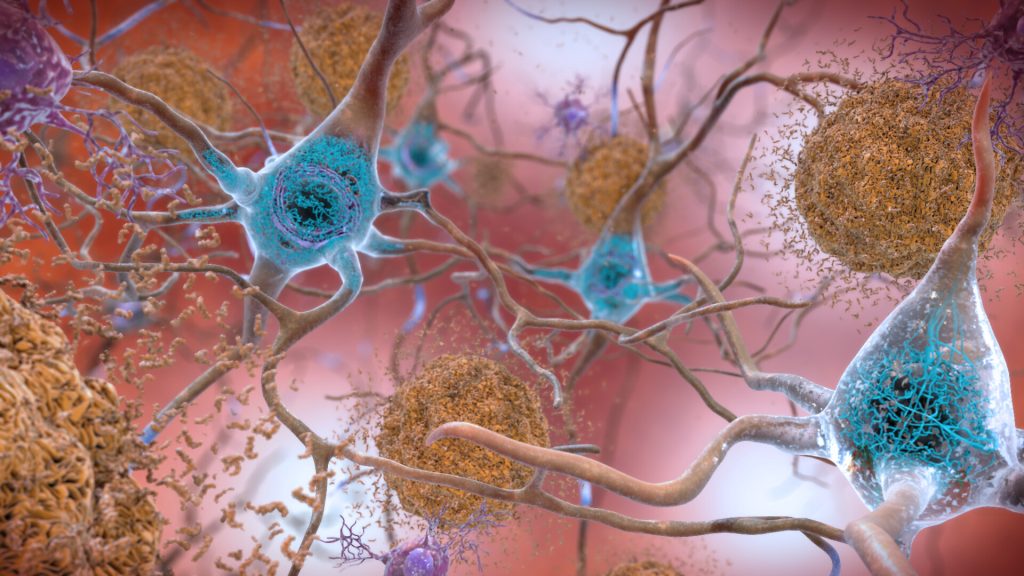
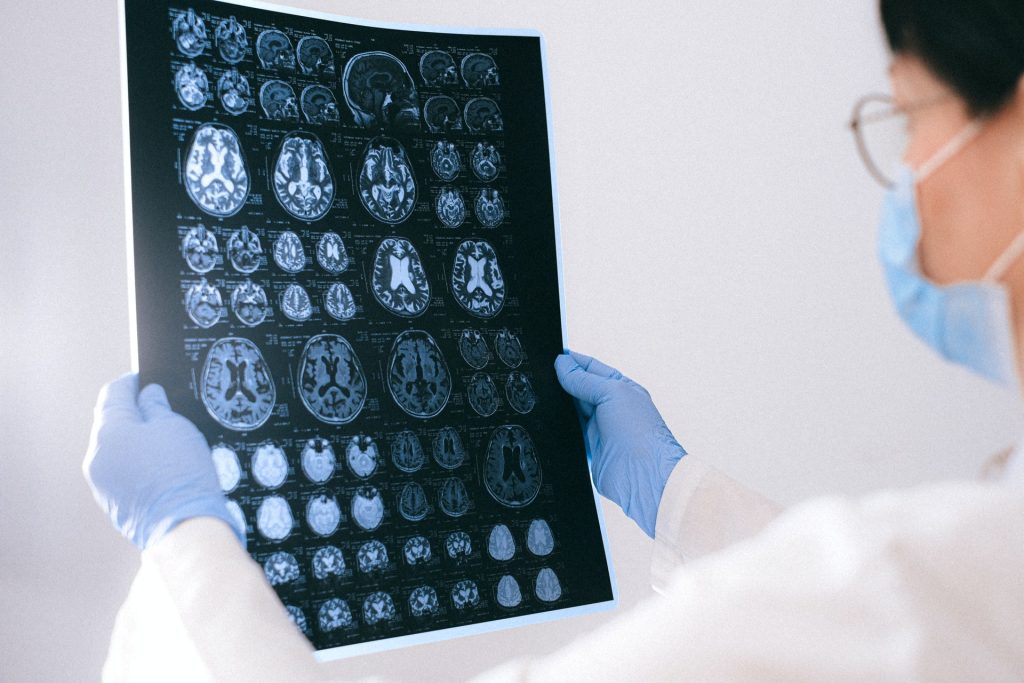
An 18-month randomised controlled trial of the new Alzheimer’s drug lecanemab has been hailed as “momentous” after encouraging Phase III trial results. The effects, while moderate, stand in contrast to virtually all other Alzheimer’s drug development efforts which have ended in failure.
According to the trial results published in the New England Journal of Medicine, lecanemab slows the rate of progression of Alzheimer’s by about 25%, though it is only really effective if the disease is caught early. Cognitive assessment scores as well as positron-emission tomography (PET) imaging of amyloid showed benefits.
This may be of great benefit to those who already know that they are already at risk of the disease, such as actor Chris Hemsworth who, at age 39, is taking a break from acting after he discovered that he has a high genetic risk of Alzheimer’s.
The 1975 trial participants were 50–90 years old with early Alzheimer’s disease (mild cognitive impairment or mild dementia due to Alzheimer’s disease) with evidence of amyloid on PET or by cerebrospinal fluid testing. Participants were randomised to receive intravenous lecanemab (10mg/kg of body weight every 2 weeks) or placebo.
The primary end point was the change from baseline at 18 months in the score on the Clinical Dementia Rating–Sum of Boxes (CDR-SB; range, 0 to 18, with higher scores indicating greater impairment). Key secondary end points included change in amyloid burden on PET, and on other cognitive impairment assessment scores.
The mean CDR-SB score at baseline was approximately 3.2 in both groups. The adjusted least-squares mean change from baseline at 18 months was 1.21 with lecanemab and 1.66 with placebo. In a substudy involving 698 participants, there were greater reductions in brain amyloid burden with lecanemab than with placebo. Other cognitive assessments favoured lecanemab as well. Lecanemab resulted in infusion-related reactions in 26.4% of the participants and amyloid-related imaging abnormalities with oedema or effusions in 12.6%.
Actor Chris Hemsworth. Credit: Gage Skidmore / Wikimedia Commons
Actor Chris Hemsworth has announced that he is stepping back from acting in order to focus on preventative measures for Alzheimer’s disease.
The 39-year-old star of ‘Thor’ told Vanity Fair that genetic testing had confirmed that he had two pairs of a gene, APOE4. which is highly predictive of developing Alzheimer’s. About one in four have a single copy while 2–3% carry two copies of the gene.
The reason APOE4 increases Alzheimer’s risk isn’t not well understood. The APOE protein helps carry cholesterol and other types of fat in the bloodstream. Recent studies suggest that problems with brain cells’ ability to process lipids may play a key role in Alzheimer’s and related diseases.
Lipid imbalances can impair many of a cell’s essential processes. This includes creating cell membranes, moving molecules within the cell, and generating energy.
Hemsworth had made the discovery while making the TV series ‘Limitless‘, in which he engages in a variety of activities to push the limits of his own body and mind and explores ways of extending the lifespan.
“My concern was I just didn’t want to manipulate it and overdramatise it, and make it into some sort of hokey grab at empathy, or whatever, for entertainment,” said Hemsworth. “It’s not like I’ve been handed my resignation.”
He emphasises that he is thankful at having made the discovery, as it has made him more appreciative of his life, and it now means he can now take steps to protect his health.
Fortunately, research suggests that there are lifestyle changes that may offer preventative effects for APOE4 carriers, such as reducing stress and getting regular exercise – though the latter is unlikely to be a problem for the already athletic actor. Dietary measures include various low-carbohydrate diets (including ketogenic diets), regular portions of oily fish, cruciferous vegetables and abstaining from alcohol.
Supplements with potential benefits include DHA, quercetin, resveratrol, vitamin D3, vitamin K2, B-vitamin complex and possibly lithium.
The brains of people with Down syndrome develop the same neurodegenerative tangles and plaques associated with Alzheimer’s disease and they frequently demonstrate signs of the neurodegenerative disorder in their 40s or 50s. A new study in the journal PNAS shows that these tangles and plaques are driven by the same amyloid beta (Aß) and tau prions that they showed are behind Alzheimer’s disease.
Prions begin as normal proteins that become misshapen and self-propagate. They spread through tissue like an infection by forcing normal proteins to adopt the same misfolded shape. In both Alzheimer’s and Down syndrome, as Aß and tau prions accumulate in the brain, they cause neurological dysfunction that often manifests as dementia.
Tau tangles and Aß plaques are evident in most people with Down syndrome by age 40, according to the National Institute on Aging, with at least 50% of this population developing Alzheimer’s as they age.
The new study highlights how a better understanding of Down syndrome can lead to new insights about Alzheimer’s, as well.
“Here you have two diseases – Down syndrome and Alzheimer’s disease – that have entirely different causes, and yet we see the same disease biology. It’s really surprising,” said Stanley Prusiner, MD, the study’s senior author, who was awarded the Nobel Prize in 1997 for his discovery of prions.
Down syndrome is the most common neurodegenerative disease among younger people in the United States, while Alzheimer’s is the most common among adults.
Down syndrome occurs because of an extra copy of chromosome 21. Among the many genes on that chromosome is one called APP, which codes for one of the major components of amyloid beta. With an extra copy of the gene, people with Down syndrome produce excess APP, which may explain why they develop amyloid plaques early in life.
A clearer picture in young brain
It’s been known for some time that Aß plaques and tau tangles are present in both Down syndrome and Alzheimer’s. Having shown earlier that these neurodegenerative features are provoked by prions in Alzheimer’s, the researchers wanted to know whether the same aberrant proteins were present in the brains of people with Down syndrome.
While these plaques and tangles in the brains of people with Alzheimer’s disease have been well-studied, it can be challenging to discern which changes in the brain are from old age and which are from prion activity, said Prusiner.
“Because we see the same plaques-and-tangles pathology at a much younger age in people with Down syndrome, studying their brains allows us to get a better picture of the early process of disease formation, before the brain has become complicated by all the changes that go on during aging,” he said. “And ideally, you want therapies that address these early stages.”
Employing a variation on the novel assay they used in the Alzheimer’s study, the team looked at donated tissue samples from deceased people with Down syndrome, which they obtained from biobanks around the world. Of the 28 samples from donors aged 19 to 65 years old, the researchers were able to isolate measurable amounts of both Aß and tau prions in almost all of them.
New insights could yield preventative measures
The results confirm not only that prions are involved in the neurodegeneration seen in Down syndrome, but that Aß drives the formation of tau tangles as well as amyloid plaques, a relationship that has been suspected but not proven.
“The field has long tried to understand what the intersection is between these two pathologies,” said lead author Carlo Condello, PhD, also a member of the UCSF Institute for Neurodegenerative Diseases. “The Down syndrome case corroborates the idea; now you have this extra chromosome that’s driving the Aß, and there’s no tau gene on the chromosome. So, it’s truly by increasing the expression of Aß that you kick off production of the tau.”
These and other insights gained from studying the brains of people with Down syndrome will lead to a much better picture of how prions begin to form in the first place, said Condello.
Whether the Down syndrome brain tissue will prove to be the ultimate model for developing treatments for Alzheimer’s remains to be seen, the researchers said. While the two disorders share many similarities in their prion pathobiology, there are some differences that may be limiting.
Still, the researchers said, studying the plaques and tangles in Down syndrome is a promising route to identifying the specific prions that arise at the very earliest stages of the disease process. That insight could open new vistas on not only treating but perhaps even fending off Alzheimer’s disease.
“If we can understand how this neurodegeneration begins, we are one big step closer to being able to intervene at a meaningful point and actually prevent these large brain lesions from forming,” Condello said.
In mice, researchers have shown that Chlamydia pneumoniae can travel through the olfactory nerve in the nose and into the brain, where it creates markers that are a tell-tale sign of Alzheimer’s disease. Damage from nose picking can make infection easier for C. pneumoniae.
The Griffith University study, published in the journal Scientific Reports, showed that C. pneumoniae used the nerve extending between the nasal cavity and the brain as an invasion path to invade the central nervous system. The cells in the brain then responded by depositing amyloid beta protein which is a hallmark of Alzheimer’s disease.
Professor James St John, Head of the Clem Jones Centre for Neurobiology and Stem Cell Research, is a co-author of the world first research.
“We’re the first to show that Chlamydia pneumoniae can go directly up the nose and into the brain where it can set off pathologies that look like Alzheimer’s disease,” Professor St John said. “We saw this happen in a mouse model, and the evidence is potentially scary for humans as well.”
The olfactory nerve in the nose is directly exposed to air and offers a short pathway to the brain, one which bypasses the blood-brain barrier. It’s a route that viruses and bacteria have sniffed out as an easy one into the brain.
The team at the Centre is already planning the next phase of research and aim to prove the same pathway exists in humans.
“We need to do this study in humans and confirm whether the same pathway operates in the same way. It’s research that has been proposed by many people, but not yet completed. What we do know is that these same bacteria are present in humans, but we haven’t worked out how they get there.”
There are some simple steps to look after the lining of your nose that Professor St John suggests people can take now if they want to lower their risk of potentially developing late-onset Alzheimer’s disease.
“Picking your nose and plucking the hairs from your nose are not a good idea”,” he said.
“We don’t want to damage the inside of our nose and picking and plucking can do that. If you damage the lining of the nose, you can increase how many bacteria can go up into your brain.”
Smell tests may also have potential as detectors for Alzheimer’s and dementia says Professor St John, as loss of sense of smell is an early indicator of Alzheimer’s disease. He suggests smell tests from when a person turns 60 years old could be beneficial as an early detector.
“Once you get over 65 years old, your risk factor goes right up, but we’re looking at other causes as well, because it’s not just age—it is environmental exposure as well. And we think that bacteria and viruses are critical.”
A global study of over 28 000 people has provided the strongest evidence to date that lowering blood pressure in later life can cut the risk of dementia. The study, which included five randomised controlled trials, was published in the European Heart Journal, and constitutes the highest grade of evidence for this preventative association.
Dr Ruth Peters, Program Lead for Dementia in The George Institute’s Global Brain Health Initiative, said that with no significant dementia treatment breakthroughs being made, reducing the risk of developing the disease would be a welcome step forward.
“Given population ageing and the substantial costs of caring for people with dementia, even a small reduction could have considerable global impact,” she said.
“Our study suggests that using readily available treatments to lower blood pressure is currently one of our ‘best bets’ to tackle this insidious disease.”
Dementia is fast becoming a global epidemic, currently affecting an estimated 50 million people worldwide. This number is projected to triple by 2050 mainly from ageing populations.
Current estimates put the cost at US$20–$40 000 per person with the condition each year.
Dr Peters explained that while many trials have looked at the health benefits of lowering blood pressure, few included dementia outcomes and even fewer were placebo-controlled.
“Most trials were stopped early because of the significant impact of blood pressure lowering on cardiovascular events, which tend to occur earlier than signs of dementia,” she said.
To examine the relationship between blood pressure and dementia more closely, researchers analysed five double-blind placebo-controlled randomised trials that used different blood pressure lowering treatments and followed patients until the development of dementia. A total of 28 008 individuals with an average age of 69 and a history of hypertension from 20 countries were included. Across these studies, the mid-range of follow up was just over four years.
“We found there was a significant effect of treatment in lowering the odds of dementia associated with a sustained reduction in blood pressure in this older population,” said Dr Peters.
“Our results imply a broadly linear relationship between blood pressure reduction and lower risk of dementia, regardless of which type of treatment was used.”
Researchers hope the results will help in designing public health measures to slow the advance of dementia as well as informing treatment, where there may be hesitancy in how far to lower blood pressure in older age.
“Our study provides the highest grade of available evidence to show that blood pressure lowering treatment over several years reduces the risk of dementia, and we did not see any evidence of harm,” said Dr Peters.
“But what we still don’t know is whether additional blood pressure lowering in people who already have it well-controlled or starting treatment earlier in life would reduce the long-term risk of dementia,” she added.
A world-first study published in the journal Diabetes, Obesity and Metabolism, has uncovered an association between metabolism and dementia-related brain measures, providing valuable insights about the disease.
Analysing UK Biobank data from 26 239 people, University of South Australia researchers found that those with obesity related to liver stress, or to inflammation and kidney stress, had the most adverse brain findings.
The study measured associations of six diverse metabolic profiles and 39 cardiometabolic markers, using MRI brain scan measures of brain volume, brain lesions, and iron accumulation, to identify early risk factors for dementia.
Participants with metabolic profiles associated with obesity were more likely to have adverse MRI profiles showing lower hippocampal and grey matter volumes, greater burden of brain lesions, and higher accumulation of iron.
UniSA researcher, Dr Amanda Lumsden, says the research adds a new layer of understanding to brain health.
“Dementia is a debilitating disease that affects more than 55 million people worldwide,” Dr Lumsden said.
“Understanding metabolic factors and profiles associated with dementia-related brain changes can help identify early risk factors for dementia.
“In this research, we found that adverse neuroimaging patterns were more prevalent among people who had metabolic types related to obesity.
“These people also had the highest Basal Metabolic Rate (BMR) -how much energy your body requires when resting in order to support its basic functions — but curiously, BMR seemed to contribute to adverse brain markers over and above the effects of obesity.”
Senior investigator Professor Elina Hyppönen said that the finding presents a new avenue for understanding brain health.
“This study indicates that metabolic profiles are associated with aspects of brain health. We also found associations with many individual biomarkers which may provide clues into the processes leading to dementia,” said Prof Hyppönen.
“The human body is complex, and more work is now needed to find out exactly why and how these associations arise.”
Infections needing hospitalisal treatment in early- and mid-life are associated with an increased subsequent risk of Alzheimer’s and Parkinson’s diseases, according to a population-based, case control study by published in PLOS Medicine. No such increase was seen for amyotrophic lateral sclerosis (ALS), however.
The study used Swedish data on individuals diagnosed with Alzheimer’s disease, Parkinson’s disease or ALS, from 1970–2016, as well as five matched controls per case. The analysis included more than 290 000 Alzheimer’s disease cases, 100 000 Parkinson’s disease cases and 10 000 ALS cases.
The results show that a hospital-treated infection five or more years before diagnosis was associated with a 16% increased risk of Alzheimer’s disease and a 4% higher risk of Parkinson’s disease. The associations only applied to individuals diagnosed before the age of 60, whereas no association was found for those diagnosed later in life.
Individuals with multiple hospital treatments for infections before age 40 was associated with the highest risk of disease, with more than doubled risk of Alzheimer’s disease and more than 40% increase in the risk of Parkinson’s disease.
No association was observed for ALS, regardless of age at diagnosis. Due to the observational nature of the study, no causal link could be established.
“These findings suggest that infectious events may be a trigger or amplifier of a pre-existing disease process, leading to clinical onset of neurodegenerative disease at a relatively early age,” said Jiangwei Sun, the study’s first author and postdoctoral researcher at Karolinska Institutet.
A combination of seven healthy lifestyle habits including sleeping seven to nine hours daily, regular exercise and frequent social contact was associated with a lower risk of dementia in people with type 2 diabetes, according to a study published online in the journal Neurology.
“Type 2 diabetes is a worldwide epidemic that affects one in 10 adults, and having diabetes is known to increase a person’s risk of developing dementia,” said study author Yingli Lu, MD, PhD, of Shanghai Jiao Tong University School of Medicine in China. “We investigated whether a broad combination of healthy lifestyle habits could offset that dementia risk and found that people with diabetes who incorporated seven healthy lifestyle habits into their lives had a lower risk of dementia than people with diabetes who did not lead healthy lives.”
For the study, researchers looked at a health care database in the United Kingdom and identified 167 946 people 60 or older with and without diabetes who did not have dementia at the start of the study. Participants completed health questionnaires, provided physical measurements and gave blood samples. For each participant, researchers calculated a healthy lifestyle score of 0 to 7, with one point for each of 7 healthy habits. Habits included no current smoking, moderate alcohol consumption of up to one drink a day for women and up to two a day for men, regular weekly physical activity of at least 2.5 hours of moderate exercise or 75 minutes of vigorous exercise, and 7 to nine hours of sleep daily.
Another factor was a healthy diet including more fruits, vegetables, whole grains and fish and fewer refined grains, processed and unprocessed meats. The final habits were being less sedentary, which was defined as watching television less than four hours a day, and frequent social contact, which was defined as living with others, gathering with friends or family at least once a month and participating in social activities at least once a week or more often. Researchers followed participants for an average of 12 years. During that time, 4,351 people developed dementia. A total of 4% of the people followed only zero to two of the healthy habits, 11% followed three, 22% followed four, 30% followed five, 24% followed six and 9% followed all seven. People with diabetes who followed two or fewer of the seven healthy habits were four times more likely to develop dementia than people without diabetes who followed all seven healthy habits. People with diabetes who followed all of the habits were 74% more likely to develop dementia than those without diabetes who followed all the habits. For people with diabetes who followed all the habits, there were 21 cases of dementia for 7474 person-years, or 0.28%.
For people with diabetes who followed only two or fewer habits, there were 72 cases of dementia for 10 380 person years or 0.69%. After adjusting for factors like age, education and ethnicity, people who followed all the habits had a 54% lower risk of dementia than those who followed two or fewer. Each additional healthy habit people followed was associated with an 11% decreased risk of dementia. The association between healthy lifestyle score and dementia risk was not affected by medications people took or how well they controlled their blood sugar.
“Our research shows that for people with type 2 diabetes, the risk of dementia may be greatly reduced by living a healthier lifestyle,” Dr Lu said. “Doctors and other medical professionals who treat people with diabetes should consider recommending lifestyle changes to their patients. Such changes may not only improve overall health, but also contribute to prevention or delayed onset of dementia in people with diabetes.” A limitation of the study was that people reported on their lifestyle habits and may not have remembered all details accurately. Lifestyle changes over time were also not captured.
Research reports for the first time a pathway that begins in the gut and ends with a potent pro-inflammatory toxin in brain cells contributing to the development of Alzheimer’s disease (AD). Results are published in Frontiers in Neurology, where the researchers also report a simple way to counter the process.
The researchers, led by Drs Yuhai Zhao and Walter J Lukiw, found evidence that a molecule containing a very potent microbial-generated neurotoxin (lipopolysaccharide or LPS) derived from the Gram-negative bacteria Bacteroidesfragilis in the human gastrointestinal (GI) tract generates a neurotoxin known as BF-LPS.
“LPSs in general are probably the most potent microbial-derived pro-inflammatory neurotoxic glycolipids known,” explained Dr Lukiw. “Many laboratories, including our own, have detected different forms of LPS within neurons of the Alzheimer’s disease-affected human brain.”
The researchers detailed the pathway of BF-LPS from the gut to the brain and its mechanisms of action once there. BF-LPS leaks out of the GI tract, crosses the blood brain barrier via the circulatory system, and accesses brain compartments. Then it increases inflammation in brain cells and inhibits neuron-specific neurofilament light (NF-L,) a protein that supports cell integrity. A deficit of this protein leads to progressive neuronal cell atrophy, and ultimately cell death, as is observed in AD-affected neurons. They also report that adequate intake of dietary fibber can head off the process.
The novel features of this newly described pathological pathway are threefold. The AD-stimulating pathway begins in the gut microbiome and therefore is very “locally sourced” and active throughout our lives. The highly potent neurotoxin BF-LPS is a natural by-product of gut-based microbial metabolism. Bacteroides fragilis abundance in the microbiome, which is the source of the neurotoxin BF-LPS, can be regulated by dietary fiber intake.
“Put another way, dietary-based approaches to balance the microorganisms in the microbiome may be an attractive means to modify the abundance, speciation, and complexity of enterotoxigenic forms of AD-relevant microbes and their potential for the pathological discharge of highly neurotoxic microbial-derived secretions that include BF-LPS and other forms of LPS,” Dr Lukiw explained.
The researchers conclude that an improved understanding of the interaction between the Gut–Brain axis and the gut microbiome and Alzheimer’s disease has considerable potential to lead to new diagnostic and therapeutic strategies in the clinical management of Alzheimer’s disease and other lethal, progressive, and age-related neurodegenerative disorders.
The fields of Alzheimer’s disease and cancer research have both been shaken by recent investigations which have revealed image falsification and plagiarism. These findings call into question specific avenues of research which have received considerable funding.
Neuroscientist Matthew Schrag, a junior professor studying Alzheimer’s, had already ruffled some feathers criticising the FDA approval of the Alzheimer’s drug Aduhelm when he was approached by an attorney to investigate Simufilam, another Alzheimer’s drug under development.
According to Science, he used funding given to him by the attorney to investigate the data behind the drug’s development. The research focuses on amyloid beta (Aβ) plaques, long thought to be the culprit behind Alzheimer’s.
Schrag identified apparently altered or duplicated images in dozens of journal articles, and sent them to the National Institutes of Health (NIH), which had funded tens of millions of dollars.
The investigation drew him towards a bedrock of modern Alzheimer’s research, a 2006 Nature study by Sylvain Lesné of the University of Minnesota in the laboratory of Karen Ashe, which identified an amyloid beta protein.
Schrag avoids describing the suspicious data as fraud, since that would require unfettered access to the original material. “I focus on what we can see in the published images, and describe them as red flags, not final conclusions,” he said. “The data should speak for itself.”
The work focused on ‘toxic oligomers’, subtypes of Aβ that dissolve in some bodily fluids, a potential Alzheimer’s cause that had gained traction in the early 2000s partly due to their discovery in autopsied Alzheimer’s patients.
Using transgenic mice, the UMN team discovered a previously unknown oligomer species, Aβ*56. They isolated Aβ*56 and injected it into young rats, causing a reduction in cognitive ability.
This discovery, the first to show a direct cause, resulted in an explosion in related research, with related studies receiving $287 million in National Institutes of Health funding in 2021, compared to no funding in 2006.
In concert with molecular biologist Elisabeth Bik, no less than 20 of Lesné’s papers were flagged, 10 of which related to Aβ*56. A finding which some Alzheimer’s experts say calls into question 16 years of amyloid beta research. Some had been suspicious and had failed to replicate the findings, but journals are reluctant to publish research which proves a negative or which contradicts a prominent researcher’s findings.
Cancer research has been dogged by its own crisis with fabricated data, according to an investigative report by Nature. For years, a prominent US cancer-research laboratory run by leading cancer geneticist Carlo Croce at the Ohio State University (OSU) had been dogged by allegations of plagiarism and falsified images. To date 11 papers he has co-authored have been retracted, and 21 have needed corrections.
In 2017, The New York Times first reported on allegations of research misconduct against Croce, when OSU opened inquiries into papers from Croce’s lab. These proceeded to formal investigations, Nature learnt, two of which found multiple instances of research misconduct, including data falsification and plagiarism, by scientists Michela Garofalo and Flavia Pichiorri, in papers they’d authored while in Croce’s laboratory.
Garofalo claimed she did not received proper image manipulation training and Pichiorri said she did not understand plagiarism at the time. They have since moved on from OSU.
OSU declined to charge Croce with misconduct as his involvement did not relate to direct plagiarism or image fabrication, but did note that these cases resulted out of his “poor mentorship and lack of oversight.”
Croce was removed from a number of his positions – for which he attempted to sue – but is still employed by OSU, and many of the papers identified by OSU have not been retracted by their journals.