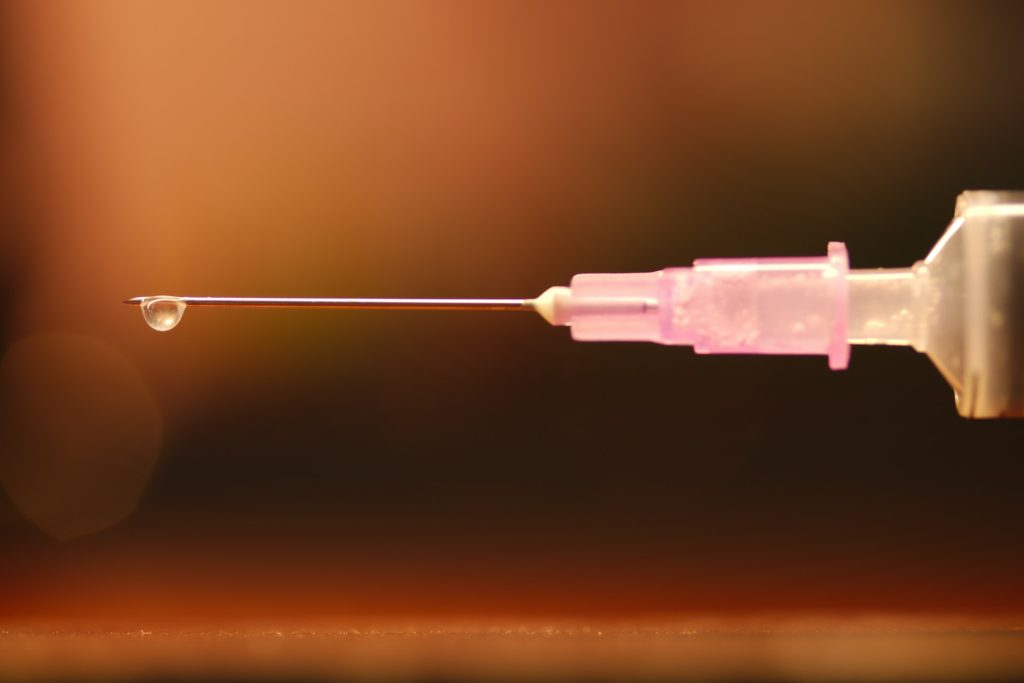
A new injectable solution that self-assembles into a gel under the right conditions could help manage HIV unlike any currently available methods, researchers report in the Journal of the American Chemical Society. Developed by John Hopkins University researchers, the new gel releases a steady dose of the antiretroviral lamivudine over six weeks, suggesting people living with HIV could have an alternative to the daily pill regimen.
“The primary challenge in HIV treatment is the need for lifelong management of the virus, and one way to address this is to reduce dosing frequencies to help patients stick to medical regimens,” said lead researcher Honggang Cui, a chemical and biomolecular engineer. “This new molecular design shows us a future in which drug hydrogelation can do that to improve HIV treatment.”
In plasma-like conditions, Cui’s team showed the gel quickly separates into molecules of lamivudine. By injecting the gel in the backs of mice, the researchers found one injection was sufficient to maintain effective and lasting drug concentrations for 42 days with nearly no side effects.
“Our goal is to help improve people’s quality of life,” Cui said. “The antiviral substance can be injected under the skin and remain in place over an extended period, releasing the therapeutic compound slowly and consistently – a critical need for individuals with HIV.”
For people living with HIV, the key is maintaining bloodstream drug levels at concentrations that suppress virus load in the body. But that can be difficult with traditional approaches because the body naturally rids itself of these chemicals, Cui said, which is why different treatments require different dosages and dosing frequencies to work.
Most antiretroviral therapies use a combination of drugs, so the researchers plan to include other drugs in tests. Because lamivudine is an FDA-approved drug to treat HIV and hepatitis B, the researchers said the hydrogel could also help manage hepatitis B.
“This is a novel way to deliver anti-HIV meds, and this platform has the advantage that a single polymer can be programmed to deliver several different drugs simultaneously,” said co-author Charles W. Flexner, a professor of medicine, pharmacology, and molecular sciences in the Johns Hopkins School of Medicine. “One of the drawbacks of the approved injectable HIV treatments is that none have activity against hepatitis B virus, which is a common co-infection with HIV, especially in Asia and Africa. This formulation delivers lamivudine, a drug active against both HIV and HBV, but can also be modified to deliver tenofovir, which is the current standard of care for HBV treatment.”
The team envisions their hydrogel working as a preventive measure, similar to how some people take anti-HIV drugs to avoid infection.
“Keeping the high drug levels in plasma for 42 days is very impressive,” Cui said. “But in the future, we hope it will be even longer.”
Hydrogels have unique water-absorbing properties that give them a jellylike consistency resembling biological tissue. The new gel undergoes self-formulation, stays close to the site of injection, and separates into molecules that can fend off the virus without the need for additional carriers or delivery materials.
“The most exciting aspect of these gel filaments is that they consist entirely of the therapeutic agent itself,” Cui said. “Everything originates from the same compound after injection, and this simplest drug formulation could streamline the regulatory approval process once clinical efficacy is demonstrated.”
The team tweaked the molecular properties of lamivudine to act as the building blocks of a supramolecular polymer, a large chain of repeating molecules that can either stick together tightly or come apart, depending on temperature, pH, and other external conditions.
The percentage of people living with HIV receiving a three to six-month supply of ARVs at a time in the Free State has dropped from 13% last year to 3% this year, making the province the worst performer in multi-month dispensing of ARVs in the country. This while in Mpumalanga, 64% of people living with HIV receive a three to six-month refill as per national guidelines.
This is according to the latest figures from community-led clinic monitoring group, Ritshidze. In its third Free State report, released on 30 August, the group notes several challenges faced by people living with HIV, key populations that include men who have sex with men and sex workers, among others, and other public healthcare users in the province. Among these are a lack of multi-month dispensing of ARVs and long waiting times at clinics, two factors that can make it harder to take treatment as prescribed.
The report notes that multi-month dispensing often allows people living with HIV to collect their treatment at pick-up points situated at healthcare facilities or externally in the community, making it quicker and easier to collect ARVs. Yet the monitoring data shows that 41% of people using facility pick-up points said they still have to collect files, take vitals, and see a clinician before getting their parcel, which adds to unnecessary delays. “Overall, these shortcomings contribute to slow progress towards getting everyone to start and stay on HIV treatment,” the report states.
Monitoring for the new report was done in April and May this year at 21 facilities and included interviews with 1 095 public healthcare users across four districts in the province. Of the public healthcare users interviewed, 47% (516) were people living with HIV (PLHIV) and 16% (180) were younger than 25.
The recommendations
The report stresses that multi-month dispensing of antiretroviral treatment is just one of several ways to help reduce the burden on the healthcare system, and to reduce the pressure manifesting in long waiting times, overcrowded clinics, and overworked clinic staff. Ritshidze recommends – as it did in its two previous Free State reports – that “the department extends and implements refills up to three months by end of December 2023, and six months by end of September 2024”. It is also recommended that the department, “Ensures that all people living with HIV are offered a range of repeat prescription collection strategy options”, “that facility pick-up points are one-stop very quick ART collection-only, that clinic visits are under 30 minutes and there is no need to go to the clinic registry, collect folders, and to see a clinician.
“Multi-month dispensing and repeat prescription collection strategies can simplify and adapt HIV services across the cascade in ways that both serve the needs of people living with HIV better and reduce unnecessary burdens on the health system,” the report notes.
As people living with HIV often report that healthcare workers send them to the back of the queue when they miss appointments, Ritshidze recommends that staff acknowledge and understand the importance of ART continuity, that it is normal to miss appointments, and that no person living with HIV should be sent to the back of the queue if they miss an appointment as per the welcome back campaign strategy. Ritshidze also recommends that clinics must not require transfer letters to restart or continue with ART and any reports where treatment is delayed by healthcare workers requiring a transfer letter should be urgently investigated and disciplinary action taken where appropriate.
The value of multi-month dispensing
The value of multi-month dispensing is well established. Study findings on the HIV programme in Ethiopia released in May this year, for example, stressed that multi-month dispensing of antiretroviral therapy is “an integral component of differentiated HIV service delivery for people living with HIV”. Ethiopia was the first African country to implement six-month dispensing at scale.
The benefits cited by study participants included “time and cost-savings, fewer work disruptions, reduced stigma due to fewer clinic visits, better medication adherence, and improved overall health”. The perceived health system-level benefits included “improved quality of care, decongested facilities, reduced provider workloads, and improved record-keeping”.
According to Clinical Director at the Southern African HIV Clinicians Society, Camilla Wattrus, requiring people to visit healthcare facilities monthly to collect routine medication, can place a huge strain on the available resources in these facilities.
“Multi-month dispensing for eligible, stable patients on chronic medications, including ARVs can help to alleviate some of this burden, easing up the staff’s available time towards those with acute conditions and unstable patients, says Wattrus.
She says multi-month dispensing is also one way to increase access for stable patients to their medication by reducing potential adherence barriers leading to poor health and loss of income due to transport costs and time away from work – all factors identified by Ritshidze through its monitoring. External pick-up points can also help alleviate congestion at facilities and reduce waiting times.
When asked what the Free State health department can do to improve its performance on multi-month dispensing, Wattrus says establishing clear eligibility criteria will work because not all patients may be suitable. She says that patient education is vital so that they understand the importance of adherence.
“Knowing how to take and store medication, knowing where and when to collect medication, when to return for appointments, and understanding that they can return to the facility at any time they feel unwell or in the case of an emergency is very important. Adequate supply chain management to ensure an uninterrupted supply of medication along with accurate record-keeping and communication is vital,” she says. “Pharmacists, prescribers, and other staff members involved must also be adequately trained on how to deliver multi-month dispensing.”
Wattrus says in order for the Free State to do well, there needs to be an improved supply chain management system, adequate training for all involved staff, and a well-functioning pick-up point system implemented.
The reality on the ground
However, founder of the lesbian, gay, bisexual, and transgender (LGBT) organisation, Free State Rainbow Seeds, Thabiso Chaka says the Free State can do better in expanding external pickup points. “Once a person has shown interest and is also adhering to their medication, it is a bonus to say now you don’t have to come to the facility every month and every day. You can come after every three to six months. “I believe it is a good strategy to ensure that people adhere to their treatment. The reason why the Free State is doing poorly is because there is also not enough treatment viral load literacy and this creates a serious challenge and the level of care is often compromised because facilities are congested,” says Chaka.
“As the Free State Rainbow seed, we also want to become a CCMD point where we can be able to issue three to six months because by so doing our people will be comfortable.” CCMD (Central Chronic Medicines Dispensing and Distribution) is a government programme that enables stable patients to collect chronic medicines dispensed centrally from designated pick-up points. Chaka says multi-month dispensing of ARVs “is a good approach to limit issues of defaulting because the stigma attached to HIV-positive people is still there”.
According to Judy Mokoena from the Treatment Action Campaign (TAC) in the Free State, there are many reasons why the provincial department is struggling with multi-month dispensing of ARVs.
“The first one is that most facility managers and pharmacists order medication too late. Another reason is that they do not have an actual database of people living with HIV who come to their facilities. What I have noticed is that most people in the province still receive their medication inside the facilities. As TAC, we have been emphasising the issue of giving patients a supply of three to six months, but they are failing dismally,” she says. “Every year we ask the same questions when it comes to the multi-month dispensing, but there has not been a clear answer from government.”
“ARV shortage and ARV theft also play a role and could be another reason why the government is struggling to provide three to six months’ supply,” says Mokoena. “In the past, we have had challenges of stockouts in the Free State.”
Dr Mark Blaylock, medical manager at Manguzi Hospital. PHOTO: Supplied.
By Sue Segar for Spotlight
There was a time, about 20 years ago, when, at the Manguzi district hospital in Northern KwaZulu-Natal, (and, of course, at hospitals throughout South Africa too) mothers and their babies were dying of AIDS at shockingly high rates.
“We used to get these patients who were slow progressors,” Mark Blaylock, medical manager at Manguzi, tells Spotlight. “Then there were the rapid progressors – babies who were HIV-positive who would get sick very quickly. There wasn’t much we could do for them. We’d give them vitamins and Bactrim, but ultimately they died. Then we had the ones who got sick a bit later, and those were even worse because now mum has had this baby for five years and they’ve bonded, and are a little family and now they are coming in with AIDS. Obviously, a huge number of mums died too. It was heartbreaking.
“It was the pregnancies that knocked their vulnerable immune systems. We’d watch it over and over again. The mums would come in looking ok and then they’d get pregnant and just go downhill. This was in the pre-ARV era. Pregnancy was a death sentence. I think people have forgotten what it was like in those days.”
Blaylock is talking to Spotlight from Northern KwaZulu-Natal, relaying how things have changed for the better since that terrible era. “It’s quite astounding,” he says. Blaylock returned to the hospital ten years ago after having been away for four.
“I was going through the stats recently, and in those days, 40 percent of all mothers who delivered were HIV positive, and about 40 percent of those babies born to HIV- positive mothers ended up with HIV either from birth or breastfeeding. About 20 percent would pick up HIV at birth and another 20 percent would pick it up subsequently through breastfeeding.
“These days, if we have one baby who is delivered HIV-positive or who picks up HIV, we get really upset. Our six-month HIV-positive rate now for babies is less than 0.6 percent and that is a dramatic change. It makes me so happy. Unfortunately, the young girls are still positive, but at least their babies are not becoming positive.”
Blaylock puts the changes down, “purely”, to prevention of mother-to-child transmission (PMCT) using antiretroviral therapy (ART). “Remember how, at one stage, we only gave HIV treatment if a patient was below a certain CD4 count? That was changed to test-and-treat, so regardless of their CD4 count, patients will get HIV treatment which brings the viral load down dramatically,” he says. “And now we have dolutegravir (an ARV), which is the backbone of our current HIV treatment. The success is due to prevention of mother-to-child transmission (PMTC) as well as the test-and-treat policy.”
‘A mixed bag’
It’s Sunday, a day off for Blaylock, and he’s speaking from a place with the best reception near his house on the edge of the Shengeza Lake. He lives here with his wife, Liz and their 13-year-old home-schooled daughter, Una. The sound of birds in the background makes it hard to hear him on the call. “It’s peaceful. There are hippos all around and lots of birds. It’s Eskom-free, which is even better. I love it. We live with three dogs, three cats, a genet, and I can’t tell you how many snakes. It’s paradise.”
It’s taken a long time to clinch this interview, but Blaylock has finally relented and forwarded us the provincial health department’s media protocol he has to adhere to. On problems in KwaZulu-Natal’s health system, he is reticent, saying only that it’s a “mixed bag”. “There’s a lot of dead wood, but there are real areas of excellence,” he says.
His reticence is understandable.
There was a time, also about 15 years ago, amidst the noise and turmoil of the last few years of state-backed AIDS denialism, when Blaylock was going through his own personal trauma. In April 2008, whilst working as chief medical officer at Manguzi, he was suspended for throwing an official photograph of then-Health MEC Peggy Nkonyeni into a dustbin in the hospital’s foyer. He did this out of anger and frustration, after his colleague at the hospital, Colin Pfaff was charged with misconduct for sourcing funding for antiretroviral drugs for pregnant women, and for implementing dual antiretroviral therapy to save babies from HIV – because politicians were not doing so.
He was also furious about comments made by Nkonyeni, questioning the integrity of rural doctors and suggesting they were racist. The South African National AIDS Council soon after asked the Human Rights Commission to probe the ‘racial tone’ of Nkonyeni’s remarks and to curb her ‘harassment’ of Manguzi doctors.
At the time, Blaylock (and Pfaff) were hailed by many working in the health sector as heroes with a deep commitment to their patients. In a letter to the provincial health department at the time, Blaylock said he had given his “heart and soul” to the under-resourced hospital, going beyond the call of duty.
Needing a change
Blaylock was reinstated but, in December 2008, he decided to leave, saying he needed a change and because the KwaZulu-Natal Department of Health was in “absolute disarray”. He says his old colleague Pfaff went to work as a missionary doctor in Malawi.
There was more to Blaylock’s decision to leave Manguzi than just the public disagreement with Nkonyeni. In our interview, he describes those days as “a really tough decade”. “Working in paediatrics, as I did for my first couple of years at Manguzi, I couldn’t take it anymore, emotionally. I just couldn’t do it, so I taught myself surgery. That was easier, as you could fix people. We were also so broken from losing so many friends, colleagues, and patients from HIV at the time. It was definitely traumatising and emotionally exhausting, not just for me but for Liz.
“There’s no doubt most of us were burnt out,” he says. “We kind of knew it, but we pushed on anyway. We were also quite a bit wilder and younger. We’d blow off steam by recklessly taking tiny boats across the lake, in the big waves, with lots of hippos – or we’d go for runs along the beach or naked midnight swims.”
The years outside SA
After leaving Manguzi, Blaylock moved to Ghana, where he took up a position as a general doctor at ABA Hospital in Tarkwa, north-east of Accra. “The hospital was part of the national health system but contracted to a mine, so we would treat people and then try and charge the government, fairly unsuccessfully, for the treatment,” he says. “I’d always fancied the idea of Ghana. I had this fantasy about Kwame Nkrumah and it being the first country to throw off Britain in Africa – but I didn’t enjoy it as much as I’d hoped. Everywhere you went, the police were pulling you over and asking for bribes.”
A defining moment was when Blaylock says he noticed the anti-malaria medication the hospital was giving patients was “just not working”. “Our malaria patients kept coming back full of parasites. I knew there were similar drugs in South Africa which were fantastic, so there was definitely something wrong.” He says he sent a sample to South Africa for testing and realised that “they weren’t as full of the good stuff as they were meant to be”. “I handed in the report and said ‘deal with it.”
From Ghana, where he married Liz and where his daughter Una was born, the family moved to the Kansanshi Mine Hospital in Zambia where they lived on a “beautiful golf estate, surrounded by poverty”.
“It didn’t feel right at all and was quite unfulfilling work,” he recalls. “I did GP work and there was lots of babbalaria – that’s when mostly the expat wives have a hangover on a Monday morning and they think they have malaria.”
Being “medically bored” in Zambia, Blaylock returned to Newcastle in KZN with the aim of specialising in anaesthetics. He worked in Madadeni Hospital’s anaesthetics department, before getting into a registrar’s programme on the anaesthetics circuit at various hospitals in Durban.
‘Like walking back home’
Then, in 2012, his friend and colleague Etienne Immelman, then working as medical manager of Manguzi, suggested that Blaylock should “come home”. “Etienne had been at Manguzi for more than 20 years when he retired six years ago. We’d always had a friendship and a mutual loyalty. He wanted someone to take over.”
Blaylock decided that indeed, it was time. It meant losing the opportunity to specialise, but he says it “felt right”. He went back as medical officer, before becoming manager.
“When I first arrived back, we were a small team, working hard. We all had the same commitment. It gave me a sense of purpose and belonging which hasn’t left.”
Blaylock said the hospital went through a “wonderful period” with a core team of great doctors. “But I burnt them all out during COVID – we had 164 deaths, but we pulled a lot of people through and many of the doctors have moved on. We have a young team now and they are getting there, but we don’t have the broad skill range we used to have. That is common across most district hospitals nowadays.”
So, is he happy to have come full circle, back to the place that was once a source of deep distress to him? “Yes,” he says. “For me, it’s about the community. This place gives me that, as well as a sense of stability and purpose. If you go into a little shop in Manguzi, everyone knows who you are. You say hallo to each other. You shout at a taxi driver and he says, ‘Hey Mark, don’t be so naughty’. When I came back ten years ago, it was like walking back home. It’s just a nice feeling.”
He says a lot has changed in the area. “People say there’s been no development, but when I first arrived at Manguzi in 2002, we knew every car on the road. Today, the town is overwhelmed with vehicles. There’s more money around. We almost never see malnutrition anymore. A lot of government programmes are working, as much as we like to diss them.”
Taking a stand
Given the toll that taking a stand has taken on doctors like Blaylock and Pfaff, one might be forgiven for wondering whether it was all worth it.
Did it make a difference to how things turned out? “Absolutely,” says Blaylock. “There were people scattered people around South Africa at the time who were doing great things. In our part of the world, it was Victor Friedland at Mseleni Hospital and Colin Pfaff (at Manguzi) who were the big drivers, pushing for the right actions to provide the services that the HIV Clinicians Society at the time thought was the correct one and was affordable. The Western Cape had already started, so we weren’t doing anything that groundbreaking except that it hadn’t been official policy yet,” he says.
“Can you believe that when HIV treatment first came to South Africa, it was going to be done at tertiary hospitals only? Imagine the repercussions for us sending a patient to Durban – in those days the Hluhluwe road was 160 kilometres of dirt road – to go and get their HIV treatment once a month. It was not sustainable.
“The HIV (Clinicians) Society pushed hard to get it decentralised to all hospitals. Then it was just going to be done by doctors and they said we absolutely cannot do it just with doctors. It has to be a nurse-run programme. Their vision became our current system. They weren’t the only people, but they were at the forefront of it at the time.”
‘Keeping it going’
Apart from the many advances in HIV treatment, much else has changed at Manguzi over the last 15 years. Blaylock says these days the hospital’s gastro wards are empty “thanks to the rotavirus vaccine”. “We’ve also seen a turnaround in acute respiratory tract infection,” he says. “The pneumococcal conjugate vaccine has changed that dramatically. We have also seen the pushing out of Continuous Positive Pressure Airway Ventilation (CPAP) for neonatal respiratory distressed newborns to district hospitals. This is a non-invasive way of ventilating babies with immature lungs,” he says.
“Our next great hope is the HPV vaccine, which will be a groundbreaker. It’s been rolled out in the past couple of years, but we’ll only see the effects in ten years or so because cervical cancer takes a few decades to come about. The other thing I really want to get in,” he insists, “is that our therapy department (offers occupational therapy, speech and hearing, and physiotherapy) at Manguzi is astonishingly fantastic. There are a lot of good things happening,” he says. “It is so easy to sit on the things that irritate you, but it is worth trying to remember the wins.”
As with several other rural doctors Spotlight has interviewed over the years, Blaylock seems deeply committed to building on what works at Manguzi and simply getting things done. As he says, “When you’ve invested so much into a hospital, you want to keep going as much as you can.”
Specially trained and accredited pharmacists in South Africa will now be allowed to provide people with medicines to prevent HIV and tuberculosis (TB) and to treat uncomplicated HIV without a doctor’s script. This is because the North Gauteng High Court this week ruled against an application by the IPA Foundation (an association of private doctors) attempting to block the implementation of Pharmacist-Initiated Management of Antiretroviral Therapy (PIMART).
PIMART involves the introduction of a legislative framework, a specialised training course, and an accreditation process to allow pharmacists to supply HIV and TB medicines to people visiting pharmacies, under certain conditions, without a doctor’s script.
While PIMART has been delayed for two years by the IPA Foundation’s legal challenge, Judge van der Schyff’s ruling now clears the way for the SAPC to proceed with its implementation.
Steve Letsike, Chair of the SAPC’s Health Committee and PIMART Task Team, said in a media conference on Thursday that the IPA Foundation has until 8 September to appeal the High Court’s decision. Speaking at the same media conference, Mogologolo Phasha, President of the SAPC, indicated that if the IPA Foundation appeals the ruling, the SAPC will continue to fight to preserve the initiative in higher courts.
Spotlight asked the IPA Foundation whether they plan to appeal the decision, but no response was received by time of publication.
The background
The introduction of PIMART was proposed by the SAPC in 2018 in response to a request from the National Department of Health for the SAPC to develop an intervention to enable pharmacists to help get HIV prevention treatment to more people quicker.
Pharmacists trained and accredited under the PIMART initiative will be able to provide preventative therapy for HIV (both post-exposure and pre-exposure prophylaxis – PEP and PrEP), TB preventive therapy, and first-line antiretroviral treatment for uncomplicated HIV.
According to Phasha, around 900 pharmacists, or 5% of pharmacists on the register have already undertaken specialised, supplementary training to enable them to provide PIMART services. He noted, however, that before trained pharmacists would be able to start providing PIMART services they would need to receive accreditation in the form of a permit granted by the National Department of Health under Section 22(A)15 of the Medicines and Related Substances Act.
The court’s response to the IPA Foundation’s arguments
In February 2022, the IPA Foundation filed an affidavit with the North Gauteng High Court seeking review and dismissal of the SAPC’s decision to implement PIMART and related legislation.
In its affidavit, the IPA Foundation argued that the provision of PIMART services falls within the domain of medical doctors and that pharmacists do not have the required training and competencies to provide these services. The IPA Foundation further argued that the SAPC does not have the legislative mandate to introduce PIMART, that the SAPC’s reasons for implementing PIMART were not adequately explained, and that the SAPC’s procedures for implementing PIMART were not procedurally fair and did not provide adequate opportunity for interested parties to comment.
The IPA Foundation warned of a “slippery slope” resulting from PIMART’s introduction, adding “this objection essentially warns of the opening of the floodgates or perhaps an anticipated negative precedent setting occurrence relevant to the provision of medication… without prescription”.
In her ruling, Judge van der Schyff noted that while tension between healthcare cadres regarding their scopes of practice is common, the World Health Organization calls for “a collaborative approach to primary healthcare issues and the embracing of task-shifting”.
She added that “competition, per se, does not limit or curtail the rights of medical practitioners to continue providing the services that they currently provide,” further stating that “even if the assumed competition is regarded to affect family practitioner’s rights adversely, the alleged adverse effect it holds for medical practitioners has to be considered against the need to expand primary healthcare services aimed at preventing and treating HIV”.
Judge van der Schyff dismissed the IPA Foundation’s argument that the SAPC is not mandated to introduce PIMART, stating that “the SAPC is empowered to prescribe the scope of practice of the various categories of persons registered in terms of the Pharmacy Act”. She added, “The development and implementation of PIMART, does not expand the existing scope of practice of pharmacists that generically provides for PIT [pharmacist-initiated therapy] and PCDT [primary care drug therapy]. It introduced a specialised category of PIT and PCDT focused on preventing and treating HIV.”
Judge van der Schyff also rejected the IPA Foundation’s arguments that PIMART’s introduction was procedurally unfair and the decision for its implementation was not properly explained, arbitrary, or capricious. She says that “through its collaboration with the Southern African HIV Clinicians Society, whose members include numerous medical doctors, the development of PIMART was given great exposure”.
“The need to widen access to first-line ART [antiretroviral therapy] and TPT [TB preventative therapy] on a community level is not a figment of SAPC’s imagination, but a dire need that is also evinced in other countries,” held van der Schyff.
Finally, Judge van der Schyff rejected the argument that pharmacists are not adequately trained to provide PIMART services, stating, “The PIMART training course was developed to ensure that pharmacists who successfully completed the training would be ‘suitably qualified to safely and effectively assist in providing ART’.” She adds that the PIMART training course was “developed by suitably qualified experts in the field, which experts include medical practitioners”.
The ruling was welcomed by the SAPC and several HIV groups.
“The superior court yesterday (Wednesday) confirmed what has been our long-held view that PIMART is a necessary and competently designed intervention programme to support South Africa’s efforts in providing access to patients diagnosed with HIV and AIDS,” said Phasha. “The programme may also arrest and lower the ballooning HIV budget, which is nearly half the national health budget, by reducing the rate of new infections.”
Nelson Dlamini, Head of Communications at the South African National AIDS Council (SANAC), told Spotlight that SANAC welcomes the court ruling.
“The magnitude of South Africa’s HIV burden requires innovative ways of accessing HIV treatment, care, and support. PIMART is one such approach that will improve access to antiretroviral therapy for people living with HIV and those requiring PEP & PrEP,” said Dlamini.
Sibongile Tshabalala, Chairperson of the Treatment Action Campaign (TAC), said the organisation also welcomes the ruling. “The challenges that we are facing in the country include one of people queuing for a long time in facilities… and also the attitude of nurses in facilities which chases away so many people from facilities. We also have the issue of key populations that are not comfortable to go in public health facilities to access medication… so if a pharmacist is able to issue and prescribe ARVs and TB medication it will mean that we will be able to cover a lot of people.”
*NOTE:A representative of the TAC is quoted in this article. Spotlight is published by SECTION27 and the TAC, but is editorially independent – an independence that the editors guard jealously. Spotlight is a member of the South African Press Council.
Photo by Miguel Á. Padriñán: https://www.pexels.com/photo/syringe-and-pills-on-blue-background-3936368/
The South African Pharmacy Council (SAPC) has been given judicial go-ahead to introduce its Pharmacy-Initiated Management of Antiretroviral Treatment (PIMART) initiative, which will allow specially trained pharmacists to manage and prescribe medicine to patients with HIV and tuberculosis.
Pretoria High Court Judge Elmarie van der Schyff has dismissed an application brought by a doctors’ organisation – the IPA Foundation – for the setting aside of the programme.
She said the pilot project had emphasised the value of the initiative, which was in line with the World Health Organisation’s vision to promote widely accessible primary health care.
“The untapped value of pharmacists in fighting HIV was also emphasised by the efficient role pharmacies played in meeting health care needs and providing health care services during the Covid-19 pandemic,” she said.
“The need to widen access to first line ART and TPT therapy on a community level is not a figment of SAPC’s imagination but a dire need that is also evinced in other countries.”
The IPA Foundation approached the court, under the Promotion of Administrative Justice Act (PAJA), seeking to review and set aside the SAPC’s decision to implement PIMART.
IPA claimed that the SAPC had failed to give interested parties an adequate opportunity to comment before the initiative was implemented. It further contended that PIMART unjustifiably encroached on the domain of medical practitioners and was in conflict with legislation.
IPA also accused SAPC of misleading the Director-General of Health, claiming there had been extensive consultation with stakeholders, which led to the approval and issuing of permits for the initiative.
The SAPC said the application should be dismissed. It said pharmacy-provided primary healthcare was a well known and functional concept in South Africa and PIMART was simply a “widening of this”.
Referring to the background and context, Judge van der Schyff said, in line with WHO recommendations that all people living with HIV must be provided with ART, the department of health had requested the SAPC to consider and implement interventions that would ensure that patients had increased access to medicines.
This led to the SAPC requesting the Director-General in August 2018 to consider issuing permits to pharmacists who had completed supplementary training, to manage patients and to dispense medication under PIMART.
In March 2021, the SAPC published a notice for public comment regarding the adoption of PIMART. The first permits were issued in August that year.
However, IPA submitted objections outside of the timeline for comments. It said this was because its members were struggling with another wave of the Covid-19 pandemic.
“Pharmacists and doctors operate in distinct and separate professional domains, the boundaries of which are closely guarded and some tension exists … IPA’s objection to PIMART seems to be rooted, partially at least, in this professional tension.
“This is evidenced by its fear that the decision to implement PIMART might ‘open the floodgates’ and ‘pave the way for pharmacists to ultimately treat and prescribe other schedule 4 drugs in respect of acute illnesses’,” the Judge said.
She noted, however, that the National Drugs Policy, in line with WHO guidelines, promoted “task shifting” to advance access to medicine and that at primary level, prescribing should be competency based, not occupation based.
Any alleged adverse effect that PIMART held for a medical practitioner had to be considered against the need to expand primary health care services aimed at preventing and treating HIV and providing first-line ART therapy.
Judge van der Schyff said the initiative gave members of the public a choice as to whether they wanted to approach a pharmacist, who had been issued with a permit, or a general practitioner.
In considering procedural fairness, the judge said there was nothing sinister in the timing of the notice calling for comment, that the project was not something hidden in secrecy and “I find it improbable, as alleged, that none of IPA’s members had timeous knowledge of the board notice”.
The decision to implement PIMART also fell within the ambit of the SAPC’s powers.
Evidence also showed that the PIMART training course was developed to ensure that pharmacists who successfully completed the training would be suitably qualified to safely and effectively assist in providing ART.
Judge van der Schyff dismissed the review application and ordered IPA to pay the costs.
Professor Francois Venter, former President of the Southern African HIV Clinicians Society and Director of Ezintsha, an HIV research organisation at Wits University, commented, “I hope this is the end of it. The pharmacies are an essential part of the health system, and pharmacists internationally play a big role in expanding HIV services.”
An initiative of Wits University’s MRC/Wits Agincourt Research Unit, the Traditional Healers Project convened two ‘open houses’ at local primary healthcare facilities – Rolle Clinic and Thulamahashe Community Health Centre in rural Bushbuckridge, Mpumalanga – in March 2023.
An ‘open house’ is a community and stakeholder gathering hosted at a public health facility in partnership with the Department of Health.
The aim of these sessions is to build on the relationship that the MRC/Wits Agincourt Research Unit has established between local traditional healers, community members, and healthcare facility staff to support the end of HIV through regular HIV counselling and testing.
Traditional healers in public health
The sessions supplement research that began almost a decade ago, which focuses on the role of traditional healers in healthcare access and delivery.
Specifically, this research aims to determine:
whether traditional healers can conduct HIV counselling and testing (HCT)
whether the patients of traditional healers are willing to undergo HCT that is administered by a traditional healer
whether traditional healers and biomedical healthcare workers can work together to help link patients to HIV/AIDS diagnosis and care.
The open house sessions form part of this research and provide a platform where traditional healers and biomedical healthcare workers can come together and build mutual understanding and trust, with a view to linking those who test positive for HIV with healthcare providers who can then administer lifesaving antiretroviral treatment (ART) and care.
15 traditional healers certified HIV counsellors and testers
The open houses drew an audience of more than 150 participants, including 15 traditional healers, local indunas [tribal chiefs], community healthcare workers (CHWs), community members, and representatives from Right to Care (a local collaborating partner on HIV) and the Department of Health.
Mr Wonderful Mabuza, Project Manager at the MRC/Wits Agincourt Research Unit, oversees the open houses and says that the successes to date have far surpassed expectations:
“It is exciting to be part of the group that is doing this work, knowing that we have a lot of people who visit traditional healers in our communities. It’s groundbreaking to have traditional healers trained to provide HIV counselling and testing – and amazing to see community members respond, with some never having tested previously.”
Gogo Singabeni, one of the 15 traditional healers who has completed the programme, says: “I was very excited to be invited to the HIV training, and that we would be certified in HIV testing and counselling. It’s important to show people proof that I am certified to do HIV testing.”
She adds: “The first day of testing [a patient] was very difficult for me. I was even shaking as I was conducting the test. I started with the first client, although I was shaking, and I managed to complete the process according to how we were trained. After the client left, I drew strength in seeing that I am able to do it.”
Partnerships imperative
Dr Ryan Wagner, Senior Research Fellow at the MRC/Wits Agincourt Research Unit, leads the traditional healers programme known collectively as Ntirhisano (Shangaan for ‘working together’).
He emphasises the importance of the Ntirhisano team, traditional healers, community healthcare workers, and the Department of Health collaborating to strengthen the referral system.
“In order to expand coverage and increase uptake of HIV testing – and thereby contribute to ending new HIV cases – we need to embrace innovative approaches, such as traditional healer-initiated HIV counselling and testing,” says Wagner.
“We have recruited and trained 15 traditional healers in the Thulamahashe/Rolle area who, for the past six months, have been successfully testing their patients for HIV/AIDS. Those who tested positive have been referred to a local clinic or community healthcare worker.”
The Department of Health’s Primary Healthcare Supervisor, Sister Mariah Mkhari, says: “The Department of Health alone cannot do it, but with such collaborations between MRC/Wits and other stakeholders we will be able to conquer HIV. We welcome the initiative, and we hope Wits can expand to other areas in Bushbuckridge and train all traditional healers to test for HIV.”
A study on almost 4000 people of African descent has identified a gene that acts as natural defence against HIV by limiting its replication in certain white blood cells. The findings were published in Nature. An international effort co-led by EPFL, Canada’s National Microbiology Laboratory, and Imperial College London, it paves the way for new treatment strategies.
“We searched for human genetic variation that associates with spontaneous control of HIV and identified a novel region in the genome that is only variable in populations of African ancestries,” says Professor Jacques Fellay at EPFL’s School of Life Sciences. “We used a combination of computational and experimental approaches to explore the biological mechanism behind the genetic association and provide evidence that the gene CHD1L acts to limit HIV replication in a subset of white blood cells.”
HIV is still a problem
Despite significant advances in treatment and access to therapy, the human immunodeficiency virus remains a global health challenge with almost 40 million affected individuals, no vaccine and no cure.
Although annual HIV infections have been declining because of widespread antiretroviral therapies, the trend has slowed substantially since 2005, and there are now alarming increases in the number of newly infected adults in some regions.
Genome-Wide Association Studies, or GWAS, analyse the entire genome of a large number of individuals to identify genetic variants associated with a clinical outcome, such as the ability to naturally control viral replication.
Measuring HIV replication control: not enough in African populations
The degree of viral infection is measured by the virus’ “setpoint viral load” (spVL), which refers to the relatively stable level of HIV replication in the body after the initial, acute phase of infection in untreated individuals.
A critical determinant of HIV infection progression and transmissibility, spVL is expressed as the number of viral copies/mL of plasma. The spVL of HIV varies widely in the infected population, depending on the ability of every individual’s immune system to control viral replication without antiretroviral drugs.
Although there have been large studies of spVL control in populations of European descent, much less has been done in populations of African ancestries, which have both a high genomic diversity and the greater burden of HIV.
A key gene for resistance to HIV replication in people of African ancestries
To address this disparity, a large international collaboration of scientists and clinicians has now performed large-scale GWAS using data from diverse populations of African ancestries. In total, the scientists analyzed the genomes from 3,879 individuals living with HIV-1. Using computational analysis and fine-mapping techniques, they identified a novel region in the genome that shows a strong association with spVL control.
This region corresponds to a gene known as CHD1L (for “Chromodomain Helicase DNA Binding Protein 1 Like”), which encodes a protein that helps DNA unwind after it has been damaged, allowing it to be repaired. But in this study, the CHD1L gene showed genetic variation specific to populations of African ancestries, and that was linked to the spontaneous control of the most common and virulent type of HIV, called HIV-1.
Having identified CHD1L as a potential modulator of HIV-1 infection, the researchers explored the biological mechanism behind the genetic association and determined that CHD1L plays a role in limiting HIV replication in a subset of white blood cells.
The study was co-led by Jacques Fellay at EPFL, Paul McLaren at the Public Health Agency of Canada’s National Microbiology Laboratory, and Manjinder Sandhu at Imperial College London.
The discovery of CHD1L’s role in limiting HIV replication could lead to improved treatment options for infected individuals. “Our findings provide insights into potential therapeutic targets, which are needed to continue the fight against HIV-1,” says Fellay. “In addition, our results underscore the importance of performing genomic studies in diverse ancestral populations to better address their specific medical needs and global health inequities.”
Circumcision rates in South Africa have increased dramatically over the last decade with 62.5% of males aged 15 to 49 who were circumcised as of 2022. PHOTO: Rodger Bosch
There is compelling scientific evidence that Voluntary Male Medical Circumcision (VMMC) is both safe and significantly reduces a man’s risk of becoming infected with HIV. While there can also be some protection from traditional circumcision, the protective effect of medical circumcision is thought to be much greater. The World Health Organization (WHO) has recommended medical circumcision for HIV prevention since 2007.
Circumcision rates in South Africa have increased dramatically over the last decade. According to estimates from Thembisa, the leading mathematical model of HIV in South Africa, 62.5% of males aged 15 to 49 were circumcised as of 2022. In 2012, this number stood at 38.8%. Experts ascribe some of the reduction in the country’s rate of new HIV infections to the massive circumcision drive over the last decade.
But the choice between medical, traditional, or no circumcision is often about much more than HIV risk. For one thing, traditional circumcision has great cultural meaning for some groups.
‘From boyhood to manhood’
Spotlight visited Lwazi Mfeka* at his ibhoma (traditional hut) during his last week at an initiate school in the Eastern Cape this winter. The first-year Walter Sisulu University student asked to remain anonymous for fear of victimisation, as talking openly about initiation is taboo in many rural communities.
He said leaving his ibhoma on the last day of his tenure as an initiate is a moment that will forever be etched in his mind. Not only did this signal the end of a “challenging” three-week period at the school, but it was also a symbolic moment where he says he has graduated from boyhood to manhood.
Mfeka said he was supposed to have undergone the ritual in December last year, but due to a bereavement in his family, he couldn’t. “At varsity, I was often mocked and isolated because I was still a ‘boy’. This bothered me a lot and I couldn’t wait to come here (to the mountain) and finally become a man,” he said.
He admits he was gripped by fear in the months leading up to his initiation.
“For starters, many young boys die while undergoing the custom and I didn’t want to add to the numbers. But, fortunately, my dad chose an ingcibi (traditional surgeon) with a good track record. I first had to go and get tested by a doctor for chronic illnesses such as HIV and TB as I had to present a medical certificate to the ingcibi before being circumcised. At the initiation school, everything was done according to the rules. After each cut, the spear gets sanitised to avoid any spread of infections,” Mfeka said.
Botched circumcisions
Mfeka’s fears are not without merit. In recent years, traditional male circumcision has often made headlines for all the wrong reasons, with the lives of young men lost due to botched or unhygienic circumcisions.
According to Mamnkeli Ngam, spokesperson for the Eastern Cape Department of Cooperative Governance and Traditional Affairs, in the 2022 winter initiation season, 11 of 10 794 boys who underwent traditional circumcision in the province died, while in the summer initiation season, 23 of 51 601 died. Ngam says around 20 000 boys went into the mountains to undergo traditional circumcision this winter (2023).
He told Spotlight that some fly-by-night ingcibis, desperate to make a quick buck, are the ones giving the custom a bad name. He says that assisted by the local chiefs and the police, they have been clamping down on illegal initiation schools and arresting bogus traditional surgeons.
“During the period between 1 June to 20 July, nine bogus traditional surgeons have been arrested in the Eastern Cape,” Ngam said.” We have been conducting safety campaigns ahead of the winter circumcision season to educate communities. Circumcising boys without parental consent [and] not having undergone medical examination to perform the procedure is against the law.”
Nkosi Mpumalanga Gwadiso, the Eastern Cape House of Traditional and Khoisan Leaders’ chair, told Spotlight that parents need to be involved throughout the process. “Often, parents leave everything to the amakhankatha (traditional nurses). That’s where things go wrong. As chiefs, we always emphasise the importance of parental involvement from day one until the initiates come back home safely. Some traditional nurses are the reason things go wrong because they neglect the initiates and go drinking. It is therefore the responsibility of the fathers to ensure that they visit the initiation schools regularly and monitor everything,” Gwadiso said.
While numbers vary widely and we haven’t been able to get a full picture, we understand that initiation schools can admit around 100 initiates during each of the winter and summer circumcision seasons. Our informal survey of several initiation camps in the former Transkei suggests the cost is typically around R300.
The medical alternative
While medical male circumcision is a generally available alternative to traditional circumcision, its provision in the Eastern Cape is influenced by cultural factors. For example, according to Eastern Cape Provincial Health Department spokesperson, Yonela Dekeda, the department does not conduct open marketing or demand creation in the communities/public “due to cultural dynamics within the province”.
“Medical Male Circumcision services are actually confined within the health facility level. Therefore, intake depends on the walk-ins, not on demand creation or promoting of the MMC services,” Dekeda said. “MMC is the choice of individual families. However, as the department, we are ensuring that all the designated MMC sites are well equipped with necessary MMC equipment, including training of clinicians such as medical doctors, clinical associates, and professional nurses to provide quality voluntary medical male circumcision services.”
Despite the lack of promotion, some young men, such as Bandile Macetywa*, have opted to go the medical route. He asked that we not use his real name for fear of victimisation from people who disapprove of his decision not to be circumcised in the traditional manner.
Speaking to Spotlight, the 20-year-old from Cofimvaba in the Eastern Cape said he pleaded with his parents, who are staunch traditionalists, to do the custom the medical way. “I know I disappointed my parents, especially my father, but at the end of the day, it was about my safety. I was happy when they respected my decision,” he said.
However, Mecatywa says he is all too aware of the discrimination that awaits him in society. “There are already naysayers. But I’m just glad the whole process went well. For Pete’s sake, we are in 2023. People are free to choose where they get circumcised. Some people had the guts to tell me to my face that I deserved to be abducted and circumcised again the traditional way?” he said.
Mecetywa believes many lives will be saved if rural communities can be educated to accept medical male circumcision. “It is much safer with [fewer] risks of getting infected while undergoing it. I am not saying traditional male circumcision is wrong. But why do initiates continue to die or have botched operations if things are done the right way,” he asked.
While the department does not actively promote medical circumcision, and while Mecetywa is clearly very aware of being in a minority, there are in fact significant numbers of medical circumcisions being conducted in the Eastern Cape. According to Dekeda, 14 637 were performed in the province in 2022, while 14 300 have been performed so far this year.
Medical male circumcision is an elective procedure that is widely available in the public sector, often provided via NGOs. The process typically involves counselling, a pre-assessment to check for anything that may hamper a client’s ability to be circumcised, post-operative care, and follow-up visits. Clients will typically also be offered an HIV test.
VMMC in the Western Cape
Meanwhile, in the Western Cape, the Department of Health and Wellness in collaboration with the City of Cape Town and the Department of Cultural Affairs and Sport has implemented an initiation consent form as a mechanism to uphold ethics. It includes medical screening that helps minimise and mitigate potential risks.
Western Cape Department of Health spokesman Mark Van der Heever told Spotlight, “The initiation consent form is further reviewed to enable alignment to developments as these emerge. Training and capacitation of traditional surgeons is a key element to strengthening partnership following a whole of government and whole of society approach.”
Van der Heever says since 2020, 274 circumcisions were performed by a Medical Officer invited by the traditional healers to perform the circumcisions. A total of 131 977 medical male circumcisions, according to Van der Heever, were performed at the Western Cape health facilities since 2013, with 13 105 performed just last year.
The rest of the stats are as follows:
2013 – 12 581
2014 – 15 990
2015 – 14 131
2016 – 11 982
2017 – 15 127
2018 – 14 557
2019 – 18 000
2020 – 5 750 (COVID)
2021 – 10 754 (COVID)
2022 – 13 105
Van der Heever adds that between April and March 2023, Medical Male Circumcision was reported at 130 public health sites and a total of 12 259 circumcisions were performed across the province.
“The province also has two Men’s Health Clinics (in Karl Bremer and Elsies River). With the intention of increasing access to services, we are in discussions to upskill clinicians to enable service provision at health facilities. Current service provision is based on roving teams in both the metro and rural districts, which limit access to availability of the team.”
Making the case for governments and donors to pump money into the HIV response has become more difficult over the last decade. This is partly a result of the notable successes we’ve had – for example, in 2022, HIV-related deaths in South Africa were down to less than a fifth of what it was in 2005. There is clearly some justification for the point of view that HIV simply isn’t the crisis it used to be.
That said, it is also true that about 8 million people in South Africa are living with HIV. This number will continue to rise in the coming years as the rate of new HIV infections is much higher than the rate of HIV-related deaths. Barring a major scientific breakthrough, all these millions of people will require antiretroviral medicines for the rest of their lives, both for their own health and to reduce onward transmission of the virus. In this context, a failure to maintain and improve HIV treatment and prevention programmes will have catastrophic consequences.
There is also increasing competition with other areas of urgent need. In recent years, climate change and COVID-19 have understandably made the headlines much more frequently than HIV. There is also a slow shift underway in South Africa’s disease burden, away from HIV and tuberculosis toward non-communicable diseases (NCDs) such as diabetes and hypertension.
Still a no-brainer
Despite these shifts, there is good reason to think that spending money on HIV continues to offer excellent value for money. For example, according to a recent report by Economist Impact (part of the Economist group that also publishes the Economist magazine), for every dollar spent on HIV in South Africa from 2022 to 2030, it is estimated the country will see GDP gains of over $7.
We also have a good idea of the impact and cost-effectiveness of specific HIV-related interventions. According to the most recent version of the South Africa HIV investment case, published in December 2021, condom provision continues to be the most cost-effective intervention in South Africa, followed by antiretroviral treatment, infant testing, pre-exposure prophylaxis for men who have sex with men, and general population testing. Voluntary medical male circumcision has become less cost-effective as coverage levels have risen in recent years, but remains worth it. In fact, the investment case leaves no doubt that most of the key interventions needed to combat HIV in South Africa are both worth it and affordable.
Despite all this, according to a recent UNAIDS report, global investment in HIV has taken a knock in recent years, and in 2022 we were essentially back down to the same level as in 2013. Such reductions constitute a crisis in HIV funding, especially in poor countries that are heavily reliant on donor funds. In South Africa, key interventions like antiretroviral treatment and condoms generally remain funded, but public sector health budgets have been shrinking in real terms, something that is no doubt impacting the HIV programme.
Time to leverage HIV investments
This brings us back to the knotty problem with which we started – while HIV remains a large and serious problem and most investments in combatting HIV remain excellent value for money, making the case for these investments has become more difficult due to competing priorities and the fact that, in South Africa at least, people are not dying of AIDS at nearly the rate they did 20 years ago. How to best make the case in a way that convinces governments and donors to put up the money in this context is a devilishly hard problem.
There are certainly no simple solutions.
What there is, though, is some indications that a too narrow focus on HIV is becoming a harder sell. There is also a risk that as funds for HIV get harder to come by, and the clamour for funding NCDs becomes more pronounced, we may end up pitting diseases against each other in a way that benefits no one.
Given the incredible acuteness of our HIV crisis ten and 20 years ago, a laser focus on HIV was right and necessary. Today, however, the reality is that many people living with HIV are also living with NCDs like diabetes or hypertension, something that will become only more so as the population of people living with HIV grow older. It is clear that we need to start doing a better job of integrating care and treatment for all the different diseases one person might have – the key is to do so in a way that doesn’t drop the ball when it comes to HIV.
In some areas progress is already clear – medicines distribution via pickup points closer to people’s homes were fuelled by the need to get ARVs to people, but is now also being used to distribute medicines for some NCDs. In other areas, such as data systems, integration however remains limited and the systems available for HIV and TB remain superior to those for NCDs.
There appears to be a broader policy shift along these lines. As recently reported on Devex, the Global Fund to Fight HIV, TB, and Malaria’s current five-year strategy explicitly endorses and promises funding for integrating non-communicable disease services with TB and HIV programmes. UNAIDS’s new ‘The path to end AIDS’ report also makes the right noises on the “deeper integration of HIV and other health services”, as does South Africa’s National Strategic Plan for HIV, TB, and STIs 2023 – 2028.
Of course, the road from policy-level ambitions such as these and change on the ground can be a long one – to some extent such integration has been on the cards for over a decade. But, rising NCD rates, an ageing population of people living with HIV and comorbidities, and funding pressures mean that getting integration right is now more urgent than ever.
One of the arguments for HIV-specific funding has always been that HIV investments have benefited healthcare systems more generally, even if that was not the primary intention. Maybe in this next act of the HIV response then, the key will be to stop thinking of health system improvement as a side effect of HIV investments and instead lean into the idea of explicitly leveraging what we’ve done and will continue to do in HIV to improve health systems more generally.
A new study published in the New England Journal of Medicine found that statins, a class of cholesterol-lowering medications, may offset the high risk of cardiovascular disease in people living with HIV by more than a third, potentially preventing one in five major cardiovascular events or premature deaths in this population. People living with HIV can have a 50–100% increased risk for cardiovascular disease.
“This research suggests that statins may provide an accessible, cost-effective measure to improve the cardiovascular health and quality of life for people living with HIV,” said Gary H. Gibbons, MD, director of the National Heart, Lung, and Blood Institute (NHLBI), a study funder. “Additional research can further expand on this effect, while providing a roadmap to rapidly translate research findings into clinical practice.”
For the double-blinded phase 3 trial, known as Randomised Trial to Prevent Vascular Events in HIV (REPRIEVE) study, researchers randomised participants into either a treatment group, where they received pitavastatin calcium daily or a control group receiving placebo. The researchers followed participants for about five years, but ended the trial early when they discovered the treatment benefits outweighed potential risks.
To understand the benefits, the researchers compared how often participants in each group experienced major cardiovascular events, including heart attacks, strokes, or surgery to open a blocked artery. They found participants who took daily pitavastatin had 35% fewer major cardiovascular events than those who took a placebo. The researchers also measured the number of deaths in combination with major cardiovascular events during the study period and found participants in the treatment group were 21% less likely than those in the placebo group to experience these events. Additionally, those taking pitavastatin had a 30% reduction in their low-density lipoprotein (LDL) cholesterol levels.
“Lowering LDL cholesterol levels reduces risks for cardiovascular events, like having a heart attack and stroke, but these findings suggest there may be additional effects of statin therapy that explain these reduced risks among people living with HIV,” said Steven K. Grinspoon, MD, the study chair. “Ongoing research about how statin therapy may affect inflammation and increased immune activation among people with HIV may help us better understand the additional benefits we’re seeing with this treatment approach.”
To support optimal health outcomes among the study participants, normal liver and kidney function were an enrolment criteria. They were also required to take antiretroviral therapy, which itself is critical to reducing the risk of HIV complications and related comorbidities, including cardiovascular disease.
Beginning in 2015, REPRIEVE enrolled 7769 adults, ages 40–75, from 145 sites in 12 countries. Adults in the study were an average age of 50 and had low-to-moderate risks for cardiovascular disease, which meant they normally would not have been prescribed statins. Women accounted for 31% of participants. Approximately 41% of study participants identified as Black, 35% as white, 15% as Asian, and 9% as another race.