Category: HIV

Difficult Conversations: How do You Tell Your Child They Have HIV?

HIV themed candle
Image by Sergey Mikheev on Unsplash

By Biénne Huisman

“It was very, very critical to me. It was an albatross around my neck. It was something that caused a deep persistent anxiety in me…”

This is how a 61-year-old retired school teacher from a township on the East Rand describes the feelings he had around disclosing to his son that he (the child) was born with HIV.

The man, who taught life orientation skills and history, agreed to be interviewed on condition that their identities are protected.

Speaking to Spotlight he says, “With my son, it became late in his life because I didn’t know how to do it – how to tell him. So I postponed and postponed. It was becoming increasingly difficult.”

Three months after the boy was born in 2001 at the Far East Rand Hospital in Springs, the child’s mother passed away from an HIV-related illness. At the time, hospital staff referred the widowed father and baby boy to HIV and AIDS treatment non-profit organisation Right to Care where Dr Leon Levin diagnosed the child with HIV.

“My wife died three months after giving birth. I didn’t realise then that she had HIV and that I have HIV. I took my son to Dr Levin, who tested him. I started giving my son ARVs. I had to employ someone to look after the child while I was working, and this woman didn’t truly understand about adherence and at times did not give him all his medicine. So she defaulted, which is very bad. It was a time when not much information was available, the time of the president [Thabo Mbeki] denying that HIV causes AIDS.”

Also in 2001, young orphan Nkosi Johnson died of AIDS in Johannesburg at the age of 12. Johnson made headlines the previous year when he told the International AIDS Conference in Durban “care for us and accept us. We are all human beings”.

‘Taking medication as a team’

As the years went by, the man says, the burden in his heart grew bigger. “We would go to Dr Levin every six months for a check-up,” he says. “I would tell my son that he is sick, but I did not explain why.”

Eventually, the man felt comfortable allowing Levin to assist in sharing the news with his son. “Around the age of 16, Dr Levin did a full disclosure with my son. It was the heaviest weight off my shoulders. After that intervention, we could speak properly. We had a heart-to-heart, and we started taking medication as a team. This made it easy for me to explain to the child the advantages of adhering [to ARV treatment], the meaning of defaulting [failing to take ARV treatment regularly, as prescribed], and all these consequences. I could discuss with my son the importance of adherence because when you default, the medication becomes resistant. I told him if you take your medication, you can live a long life. You can get married and you can have children.”

Despite the substantial progress South Africa has made in fighting HIV over the last decade and a half, HIV in children is still quite common. According to the latest estimates from Thembisa – the leading mathematical model of HIV in South Africa – around 238 000 children (under the age of 15) were living with HIV in the country in 2021. There were just over 8 300 cases of mother-to-child transmission of HIV last year. While still a staggering problem, this is a significant improvement from the early 2000s when the number was around 74 000.

Disclosure – how to get it right

Sharing news of being born with HIV to a child (perinatal infection) is perhaps an often overlooked, deeply tender aspect of the country’s broader HIV response. The National Department of Health recommends “partial disclosure” from three years old and “full disclosure” from around 10 years old – ideally before a child is 13 or before their sexual debut.

Levin, who is based in Johannesburg, and Dr Julia Turner, who is based in White River, Mpumalanga – both are with Right to Care – spoke to Spotlight about how they assist parents and children in this regard.

“Parents are so scared to tell their child that they have HIV, so they delay and delay and delay,” says Turner. “If you ask a parent they’ll say, oh no, let’s wait until they’re 15. And then they say, oh no, let’s wait until they’re 18. Because it’s such a difficult thing for them to do. They’re scared that their child will be devastated and become depressed and blame them. So they delay and delay and eventually the child either googles it themselves or reads their own file while they’re waiting for the doctor at the clinic. Teenagers and children are generally much smarter than anyone ever thinks they are.”

Levin and Turner point out that it is unreasonable to expect a child or teenager to regularly take medicine when they don’t know what it is for.

“At some stage, the children will ask why do I need this?” says Turner. “Or they’re refusing to take it and then the parents don’t know what to say, so they end up making up something. So they’ll say, you’ve got TB, or you’ve got asthma, or you’ve got herpes, or they make up any excuse as to why the child must take treatment. Perhaps ‘you must take the treatment, otherwise, you’ll die’, which is a bit scary. None of these answers are satisfactory, plus the child might be angry later if they learn they were lied to.”

Levin has been treating children and adolescents with HIV for 26 years. When he started, there were no guidelines and he had to learn from his own mistakes.

“Leon has been a paediatrician for many years and he was dealing with children and teenagers,” says Turner. “And he had to just figure out a way to tell them. And initially, it ended in tears. The child was crying, the parents were crying, he was crying, everyone… So, he slowly developed this technique of doing it so that it was brought into a positive light. And that really worked.”

Turner has helped to refine the technique. They explain that partial disclosure is explaining to a child that they have to take their treatment – without telling the child untruths but without bringing up HIV. Full disclosure is naming the child’s condition as “HIV”.

“Unfortunately, schools use HIV for their own purposes,” says Levin. “They’re using it basically to encourage children not to be promiscuous. So they’re giving out the message that only bad people get HIV and that people die from HIV. So while this works to encourage children to not be promiscuous, the problem is that as soon as a child hears the word ‘HIV’ or that they’ve got HIV, they immediately think they’re going to die – there’s that bad connotation.”

The story of the ‘soldier cells’

Right to Care recommends providing the young child with full information about HIV, without actually naming the disease, to avoid stigma and fear. The crux of the method is to not use the word “HIV” until myths around HIV are dispelled. The organisation offers illustrated booklets, depicting their narrative where white blood cells are depicted as soldiers.

“So we basically tell them a little story that in their body they have white blood cells,” Turner explains. “We say white blood cells are like soldiers and they go around your body and they protect you from germs. But you weren’t born with enough soldiers in your body. So that’s why you can get sick very easily. But the tablets or the medicine you take can help to keep your soldiers strong, keep your immune system strong, and fight off all the germs. So at least that’s true, and it’s a good reason why they must take their medicine. And they are usually very satisfied with that.”

As the child gets older, the story is expanded.

“As they get older, we can say, okay, well, why don’t you have enough soldiers in your blood?” she says. “And then we tell them it’s because you have a virus. You were born with a virus that kills off your soldier cells. And then as they get older, eventually when they’re about 10 years old, you can then say do you want to know the name of that virus that you have? And that’s when we turn partial disclosure into full disclosure by telling them the name HIV.”

Questions and answers

News of the parent having HIV is shared in a similar manner by framing the virus in a positive light. No blame is placed on the parent ever. Instead, when speaking to the child about their HIV status, the doctors recommend that if any blame is apportioned, that it be on the medical fraternity “for not having better medicine available” at the time of the child’s birth.

“We ask the child what they know about HIV, just to try and find out what negative things they have been told,” says Turner. “Then we tell them no, it’s not true, actually, people with HIV live long and healthy lives… I always ask them, what they want to be when they grow up. And if they say they want to be a pilot or a doctor or a teacher, I say, do you think people with HIV can be a pilot? And they always say no. And then I say, of course, they can. People with HIV can do anything they want to do. They can be doctors, teachers, anything.”

Right to Care is set to bring out a disclosure flip chart to help healthcare workers and primary caregivers with this conversation, which might be rolled out by the health department nationally.

“The thing is, you have to think on your feet because you’re having a conversation with this young child and it’s not so straightforward. But the flip chart tells you exactly what to say, it makes it much easier,” says Levin.

Meanwhile, the retired teacher and his now 22-year-old son are together establishing a small business in their community.

“My advice to parents,” he says. “Sharing their HIV status with children might feel like a bombshell. They must ask for professional help – doctors have techniques to make it easier.”

*For more information visit: https://www.righttocare.org/

Republished from Spotlight under a Creative Commons 4.0 Licence.

Source: Spotlight

Supporting Men Living with HIV Own their Health

According to World Population Review, South Africa has one of the highest HIV prevalence in the world; ranking 4th with 19.1% in 2020, coupled with the highest burden of people living with HIV (PLHIV) globally, at an estimated 8.45 million.

In an effort to address these issues, and particularly change the stigma associated with the disease, the United States President’s Emergency Plan for AIDS Relief (PEPFAR), the United States Agency for International Development (USAID) and the National Department of Health (NDoH) partnered with Project Last Mile and FCB Joburg to launch MINA. For Men. For Health, an initiative aimed at encouraging men to get tested for HIV and provide communal support to begin – and stay on – treatment for those who tested HIV positive.    

The campaign seeks to unpack the societal stigmas that result in men not wanting to get tested and then to adhere to taking Antiretroviral Treatment (ART). Beyond this, the campaign provided a safe space for men to express and share their experiences and fears and to address the various misconceptions about living with HIV. Leaning on insights garnered through community coaches and interactions with men living with HIV, a platform was created which gave men the tools and resources they need to take control of their lives and their HIV status. This was MINA. For Men. For Health.

The campaign’s concept emanated from the idea that men could dispel fears of prioritising their health, giving them exposure to a community of men just like them, which remains a great source of support. In the execution stage, this was coupled with brand ambassadors and social media assets that carried the campaign on social platforms, including collateral for presence and awareness in clinics across the country in severely affected communities. The in-clinic journey was an integral part of the campaign as it was vital to intercept and engage clients in real-time who may have been at the clinic for other reasons, to consider getting tested for HIV or begin/continue with their treatment.

MINA. For Men. For Health has demonstrated success in areas where individuals were exposed to brand messaging. Some key statistics include:

1. For every R17 of PEPFAR funding, R51 of earned media was generated.

2. On average, 48 000 more men tested for HIV per quarter in MINA. For Men. For Health activity facilities than non-activity facilities post-launch.

3. Nationally, first quarter post-launch saw a 7% increase in men’s linkage to care.

There has been a notable increase in the number of men who tested for HIV over the campaign period, with more than 107 290 men having tested since campaign’s inception in November 2020, with a subsequent increase in men commencing ART.

“The efforts and campaigns providing a positive narrative around HIV are now showing success across the board in combating the perceptions around the disease. In addition, the campaign is generating a positive framework to aid men living with HIV to express themselves, get the necessary care, and remain on treatment.” says Rodney Knotts, Senior Marketing Advisor at USAID.

“Currently, we are looking at ways to increase the presence of MINA. For Men. For Health, as mass media and social marketing have long been used as tools to increase education, decrease stigma, and promote behaviour change in the fight against HIV/AIDS in South Africa,” says Jonathan Wolberg, Creative Director at FCB Joburg.

Although South Africa has made significant strides over the last decade in combating HIV-AIDS, complacency will turn back the clock on gains made through consistent community engagement, screening and treatment.

MINA. For Men. For Health continues to play an essential role in addressing this public health challenge that still very much has a place in South African society. 

“MINA. For Men. For Health is all about changing and mainstreaming conversations around HIV.  With our above-the-line, digital and in clinic campaign, we not only hope to support and empower men living with HIV, but also their partners, families and communities.  Our goal is to impact social change and perceptions for all South Africans around this completely treatable chronic condition,” says Amanda Manchia, PLM Strategic Marketing Project Lead.

If you’d like to be part of the MINA. For Men. For Health movement, visit www.minaformenforhealth.co.za or  @MINAForMenForHealth on Facebook.

Opinion: Keep an Eye on Quality as We Rush to Test People for HIV

HIV themed candle
Image by Sergey Mikheev on Unsplash

By René Sparks

As we approach World AIDS Day on 1 December, healthcare providers will be offering HIV screening and testing as part of a comprehensive health service.

The theme for this year’s World AIDS Day is: “Equalise and Integrate to End AIDS”.

One aspect in which more equality is arguably needed is between the quality of HIV testing services and aiming to test as many people as possible.

Progress against targets?

It is estimated that 13.9% of South Africa’s population is living with HIV and that the absolute number of people living with HIV in the country has increased from 3.8 million in 2002 to 7.8 million in 2021. This number has continued to rise since the death rate has declined much more rapidly than the rate of new HIV infections.

The most widely used measure of a country’s HIV response in recent years has been the UNAIDS 90-90-90 targets. These aim at 90% of people living with HIV knowing their status, 90% of those diagnosed started on ARVs, and 90% of those on ARVs being virally suppressed by 2020. The goal post has now shifted to 95-95-95.

Earlier this year, Health Minister Dr Joe Phaahla said that in South Africa we are on  94-78-89.

This indicates that we are close to reaching the first 95. It also suggests that our HIV testing efforts have generally been a success, including the introduction of HIV Rapid Testing and HIV Self Screening as HIV testing modelsBut, as we collectively meet these targets, it is important to focus on the quality of HIV rapid testing to ensure that we align with HIV testing standards.

Focus on quality

The quality of HIV Rapid testing to some extent depends on laboratories, but often it is driven by HIV counsellors and service delivery NGOs. As a public health professional managing the National HIV Testing Quality Assurance and Laboratory Systems Strengthening programme, seconded to the Department of Health through SEAD Consulting, it is my job to support NGOs, the Department of Health, and the Department of Correctional Services in implementing quality assurance of HIV Testing and in improving the laboratory systems between health facilities and the National Health Laboratory Service.

As someone who has worked in all aspects of primary healthcare, I am painfully aware of the shortcuts sometimes taken, but also of the impossible expectation of ‘quick services’ linked to HIV testing.

As a healthcare provider, I received peer mentorship upon entry into primary healthcare settings – but I later learnt that this mentorship provided incorrect guidance on HIV testing.

This gave me sleepless nights and fuelled my desire to support other healthcare workers in conducting quality HIV testing to avoid possible misdiagnosis and delays to critical treatment. It is imperative that everyone understands their role when it comes to HIV testing and that we move away from siloed approaches in prevention and curative spaces but integrate both quality and ambitious targets. One cannot be seen in isolation from the other.

So, how are HIV tests supposed to be done?

Firstly, there are multiple things to look out for when having an HIV test done. HIV testing should be conducted by a trained healthcare worker, using nationally approved test kits which are kept in temperature-controlled spaces. Test kits should not be exposed to extreme heat of more than 30 degrees Celsius as it fries the device, which could lead to incorrect results.

Secondly, each test has an expiry date, its own pipette (plastic or glass device to collect the blood), its own buffer (liquid that assists the blood to move across the test strip) and its own incubation time (time it takes for a reaction or outcome of the test).

When being tested, the fingertip needs to be cleaned with an alcohol-based swab, and then the first drop of blood should be wiped away to avoid contamination of the sample. The second drop of blood is then collected with the specific pipette to the required amount for that test. Once collected, the blood is inserted into the well of the test and the required number of drops of buffer is added. Lastly, the timer is set to the manufacturer’s time for each test kit.

The time is of utmost importance, as reading it too early could lead to false HIV-negative results, whereas reading it too long after the time could lead to false HIV-positive results. It is for this reason that each HIV tester needs to have a digital timer that is able to count down and sound an alarm when the time has been reached.

Additional aspects linked to the quality of HIV testing are Personal Protective Equipment (Aprons, gloves, and sanitiser) – these need to be worn by the HIV tester as part of infection control. Also important are ice packs – if you are being tested in a gazebo in the community, the HIV tester needs to ensure that the HIV test kits are kept cool to avoid malfunction or damage.

These are the basics we must get right.

The quality of HIV testing is as important as getting the test done. Too often short cuts, time constraints, and lack of staff impact the quality of testing. To be in a position where we can really celebrate the numbers – the progress – it is essential that we must get these basics right.

*Sparks is a Public Health Professional at SEAD consulting, a co-convenor at the School of Public Health, University of the Western Cape, a Senior Aspen New Voices Fellow, and a Global Atlantic Fellow for Health Equity.

Republished from Spotlight under a Creative Commons 4.0 Licence.

Source: Spotlight

Infection by HIV Leaves a ‘Memory’ in Cells

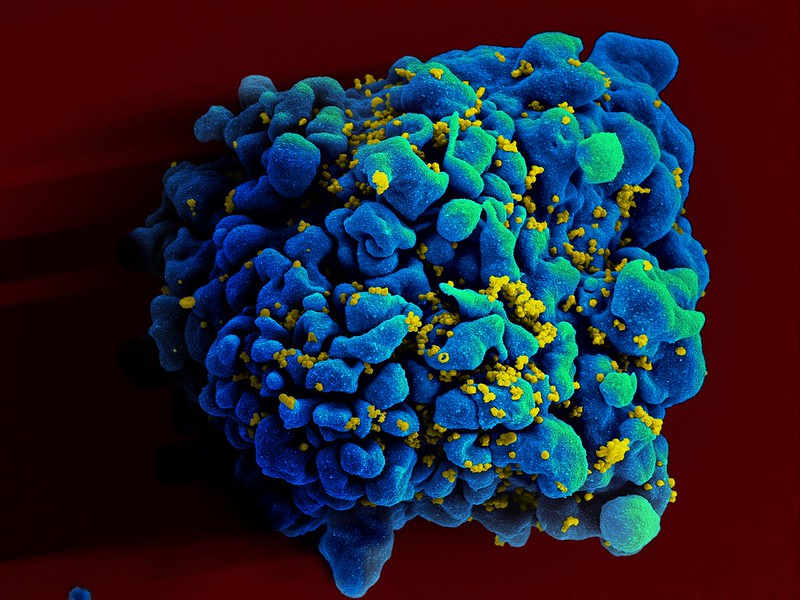
HIV Infecting a T9 Cell. Credit: NIH

Despite the benefits of antiretroviral therapy, people living with HIV often suffer from chronic inflammation, increasing the risk of developing comorbidities such as cardiovascular disease and neurocognitive dysfunction. Now, a new study in Cell Reports explains why chronic inflammation may be happening and how suppression or even eradication of HIV in the body may not resolve it.

In the study, researchers from the George Washington University show how an HIV protein permanently alters immune cells in a way that causes them to overreact to other pathogens. When the protein is introduced to immune cells, genes in those cells associated with inflammation turn on, or become expressed, the study showed. These pro-inflammatory genes remain expressed, even when the HIV protein is no longer in the cells. According to the researchers, this “immunologic memory” of the original HIV infection is why people living with HIV are susceptible to prolonged inflammation, putting them at greater risk for developing cardiovascular disease and other comorbidities.

“This research highlights the importance of physicians and patients recognizing that suppressing or even eliminating HIV does not eliminate the risk of these dangerous comorbidities,” Michael Bukrinsky,professor of microbiology, immunology, and tropical medicine at GW’s School of Medicine and Health Science and lead author on the study, said. “Patients and their doctors should still discuss ways to reduce inflammation and researchers should continue pursuing potential therapeutic targets that can reduce inflammation and co-morbidities in HIV-infected patients.”

For the study, the research team isolated human immune cells in vitro and exposed them to the HIV protein Nef. The amount of Nef introduced to the cells is similar to the amount found in about half of HIV-infected people taking antiretrovirals whose HIV load is undetectable. After a period of time, the researchers introduced a bacterial toxin to generate an immune response from the Nef-exposed cells. Compared to cells that were not exposed to the HIV protein, the Nef-exposed cells produced an elevated level of inflammatory proteins, called cytokines. When the team compared the genes of the Nef-exposed cells with the genes of the cells not exposed to Nef, they identified pro-inflammatory genes that were in a ready-to-be-expressed status as a result of the Nef exposure.

According to Bukrinsky, the findings in this study could help explain why certain comorbidities persist following other viral infections, including COVID-19.

“We’ve seen this pro-inflammatory immunologic memory reported with other pathogenic agents and often referred to as ‘trained immunity,'” Bukrinsky explains. “While this ‘trained immunity’ evolved as a beneficial immune process to protect against new infections, in certain cases it may lead to pathological outcomes. The ultimate effect depends on the length of this memory, and extended memory may underlie long-lived inflammatory conditions like we see in HIV infection or long COVID.”

Source: George Washington University

Health Department Secures Lower Antiretroviral Prices

Image by Cottonbro on Pexels

By Liezl Human

The national Department of Health (DOH) has managed to secure a significant reduction in prices for antiretroviral medicines that treat HIV, with the price of the regimen that is prescribed to most new patients (tenofovir/lamivudine/dolutegravir – TLD) dropping over 30%, from R99 to R68. By comparison the regimen costs well over R250 in the private sector.

TLD is recommended by the World Health Organisation as the preferred first-line regimen for adults living with HIV.

Currently over 4 million South Africans are using this regimen, according to statistics from the DOH. There are about over 5.5 million people receiving treatment for HIV, and 8 million people living with the virus in this country. 

Prices of ABC/3TC, commonly used to treat children with HIV, also fell with the DOH’s new contract.

Khadija Jamaloodien, director of the Affordable Medicines Directorate in the DOH, told GroundUp that South Africa is the biggest buyer of ARVs in the world. She said because of the sheer number of people needing ARVs, the department was able to bring the price down.

“Our volumes are just so huge that it makes it more efficient for manufacturers to be able to supply at reasonable prices,” said Jamaloodien.

She said another reason the department was able to reduce the price was that the manufacturers were applying for a three-year contract with “a certainty of demand”. She said constant communication with manufacturers about changes in demand also helped. If demand is likely to be reduced, the department would inform manufacturers who then would not “sit with stock that they are going to have to write off”.

The contract, which is already being executed, was awarded from July 2022 and ends in June 2025.

Jamaloodien said lower prices meant that the department could serve more patients and provide more medicines within the same budget envelope. (ARVs are provided free to public sector patients.)

Juliet Houghton, CEO of the Southern African HIV Clinicians Society (SAHCS), praised the DOH’s efforts to secure the ARVs so cheaply. She said a “healthy” degree of competition between manufacturers also helped drive prices down.

Houghton added that the reduction in prices “offers an opportunity to reinvest some of the savings into more expensive, particularly prevention drugs, that are coming”.

“As a country, we don’t want to just keep treating more and more people with HIV, we actually want to prevent it,” said Houghton. She said that the remaining budget could also be invested in prevention injectables, which might be more expensive.

Jamaloodien said that the injectable pre-exposure prophylaxis (PrEP) medicines are not yet registered with South African Health Products Regulatory Authority (SAHPRA). These help prevent sexually active people from contracting HIV. She said after the medicines are registered, they will have to look at whether they are affordable.

Francois Venter, executive director of Ezintsha at Wits, also praised the DOH’s “excellent work in securing these price reductions”.

“We also need the department to start using these processes better to secure similar world-class treatments for other common diseases – including diabetes, cancer, obesity, and TB,” he said.

Republished from GroundUp under a Creative Commons Attribution-NoDerivatives 4.0 International License.

Source: GroundUp

HIV Uses Immune Response as a Way to Hide

HIV Infecting a T9 Cell. Credit: NIH

An immune response that likely evolved to help fight infections appears to be the mechanism that drives human immunodeficiency virus (HIV) into a latent state, lurking in cells only to erupt anew, according to research published in the journal Nature Microbiology. The findings help explain why HIV particularly stealthy, but could also apply to other viral infections.

“HIV has proven to be incurable because of a small number of latently HIV-infected T-cells that are untouched by both antiviral drugs and the immune response,” said senior author Bryan R. Cullen, PhD, professor at Duke University School of Medicine.

“These cells, which are very long lived, can spontaneously emerge from latency and start producing HIV even years after infection, thus necessitating the life-long use of antiretrovirals,” Cullen said. “The origin of these latently infected cells has remained unknown despite considerable effort.”

The findings offer important insights, pointing to a protein complex called SMC5/6, which is involved in a host cell’s chromosome function and repair.

HIV enters the body, infects the immune system’s CD4+ T-cells, then makes a genome-length DNA molecule that it integrates into a host cell chromosome where it is then copied to generate viral RNAs and proteins.

If this so-called DNA provirus is prevented from integrating into the host cell DNA, for example by a drug that blocks this process, then it fails to make any viral RNAs and proteins and becomes inert. In contrast, DNA proviruses that are able to integrate are normally able to drive a productive HIV infection.

Cullen and his team found that, in a small number of infected cells, the SMC5/6 protein complex initiates a process that silences the DNA provirus before it integrates into a host cell chromosome. These proviruses remain inert even after integration and result in latent infections, lying low until prompted to erupt into an active infection.

“Our research suggests that latency results not from any intrinsic properties of the infecting HIV but rather from an unfortunate side effect of a cellular innate immune response that probably evolved to silence invasive foreign DNA,” Cullen said.

The researchers found that a molecule that shuts down SMC5/6’s silencing action showed promising results as a potential therapeutic strategy as it inhibited the establishment of latent HIV infections. Reactivated proviruses are vulnerable to natural immune system responses and anti-retroviral drugs.

“Although antiretroviral therapies can reduce the viral load in AIDS patients to below the level of detection, these drugs fail to eradicate HIV-1,” Cullen said. “While there has been considerable effort expended on trying to develop therapies that can activate latent HIV-1 and help antiretroviral therapies clear the body of infectious virus, this effort has so far failed to identify drugs that are both effective and non-toxic. Our study represents a potentially important step toward achieving this goal.”

“Clearly, understanding the mechanism that results in HIV-1 latency may provide insights into how latent HIV-1 proviruses can be reactivated and then destroyed,” Cullen said.

Source: Duke University Medical Center

HIV Infection Creates Chronic ‘Jet Lag’ in Patients

Photo by Malvestida on Unsplash

Research from South Africa and the UK has found that people living with HIV have a significantly delayed internal body clock, consistent with the symptoms of jet lag. The findings, which appear in the Journal of Pineal Research, may explain some of the health problems experienced by people with HIV, and guide research towards improving their quality of life.

Researchers from the University of the Witwatersrand and University of Cape Town along with Northumbria and Surrey universities in the UK and studied people aged 45 years and above living in Mpumalanga province, where nearly one in four people is living with HIV. As such, the infection is endemic and does not associate with any difference in lifestyle.

They found that physiological daily rhythms, as measured by the hormone melatonin, were delayed by more than an hour on average in HIV positive participants. Their sleep cycle was also shorter, with researchers noting that their sleep started later and finished earlier.

This suggests the possibility that HIV infection may cause a circadian rhythm disorder similar to the disruption experienced in shift work or jet lag.

The authors believe that this body clock disruption may contribute significantly to the increased burden of health problems that people living with HIV are experiencing despite successful treatment, such as an increased risk of cardiovascular, metabolic, and psychiatric disorders.

Researchers believe there is a strong need for further funding to identify whether similar disruption to the body clock is experienced by younger people living with HIV in other countries.

“The participants living with HIV essentially experience the one-hour disruption associated with switching to daylight savings time, but every single morning,” says corresponding author Malcolm von Schantz, Professor of Chronobiology at Northumbria University.

“This happens in spite of the fact that essentially everybody is exposed to the same light-dark cycle. Our findings have important potential implications for the health and wellbeing of people living with HIV, especially given the well-established relationships between disrupted circadian rhythms and sleep deprivation.”

Senior author Dr Karine Scheuermaier of Wits University added: “This is very similar to the risk profile observed in shift workers. Understanding and mitigating this disruption may be an important step towards helping people living with HIV live healthier lives.”

“Our findings identify an urgent research topic,” says Xavier Gómez-Olivé, also from the University of the Witwatersrand, whose research grant funded the study. “The next step must be to establish if the same body clock disruption exists in people living with HIV who are younger and who live in other countries.”

Co-author Dale Rae, of the University of Cape Town, added “This is a great example of the importance of studying sleep in people living in Africa, and demonstrates how findings from this research can also be relevant to people anywhere in the world.”

Source: Northumbria University

Earlier HIV Diagnosis and Treatment Improves Outcomes

HIV themed candle
Image by Sergey Mikheev on Unsplash

Compared to delaying antiretroviral treatment (ART) early in the course of HIV infection, an earlier start to ART when the immune system is stronger results in better long-term health outcomes, according to findings presented at the IDWeek Conference.

The findings are based on an extended follow-up of participants in the National Institutes of Health-funded Strategic Timing of Antiretroviral Treatment (START) study. In 2015, START demonstrated a 57% reduced risk of AIDS and serious non-AIDS health outcomes among participants who began ART when their CD4+ T-cell counts were greater than 500 cells/mm³ compared with those who did not begin ART until either their CD4+ counts fell below 350 cells/mm³ or they developed AIDS. Following the 2015 report of these findings, the participants in the deferred treatment arm were advised to begin ART.

The international START study proved the benefit of early ART initiation, but longer-term follow-up of 4446 participants was undertaken to determine whether the health benefits of early ART compared with deferred ART increased, remained constant, or declined after the participants in the deferred arm were advised to begin ART. The primary study endpoints included the number of participants who developed AIDS; those who developed serious non-AIDS health conditions, such as major cardiovascular disease, kidney failure, liver disease and cancer; and those who died.

For participants who began ART before the end of 2015, the median CD4+ cell count at the time of ART initiation was 648 cells/mm³ for the immediate arm and 460 cells/mm³ for the deferred arm. The analysis presented today compared the primary study endpoints before the end of 2015, with those in the extended follow-up period, from 2016–2021. In the latter period, most deferred-arm participants were taking ART. During the second period, people initiating ART in the deferred group had rapid and sustained declines in HIV viral load (less than or equal to 200 copies/mL); however, CD4+ cell counts remained, on average, 155 cells lower compared with that of individuals in the immediate ART group.

While the risk of serious health outcomes was substantially diminished soon after ART was initiated in the deferred treatment group, some excess risk remained compared with the immediate treatment group. The deferred ART group continued to have a somewhat greater risk (21%) of serious health consequences or death in comparison to the immediate treatment group. Over the five-year follow-up, there were 27 cases of AIDS in the deferred group compared with 15 cases in the early group. Similarly, 88 cases of serious non-AIDS health issues occurred in the deferred treatment arm compared with 76 cases in the immediate treatment arm. Lastly, there were 57 deaths in the deferred treatment group compared to 47 in the immediate treatment arm.

These findings confirm that ART significantly improves the health of an individual with HIV and reduce the person’s risk of developing AIDS and serious health issues, and that early diagnosis and treatment are key to maximising these benefits and reducing risk, according to the presenters.

Source: NIH/National Institute of Allergy and Infectious Diseases

TAC Slams Mbeki over His Views on HIV

Photo: Mohamed Nanabhay (via Flickr, CC BY 2.0)

By Mary-Anne Gontsana for GroundUp

The Treatment Action Campaign (TAC) has called on former president Thabo Mbeki to offer an apology to the public for the “dissident” views he expressed about HIV/AIDS while delivering a speech at the University of South Africa (UNISA) last week Wednesday.

In a scathing statement published by the TAC on Tuesday, the organisation said the “repetition of his scientifically erroneous views with such insensitive arrogance is an insult to the 8 million people living with HIV in SA and the families of 4 million South Africans who have died from HIV over the last three decades”.

Mbeki, who is also the Chancellor at UNISA, was speaking to students, diplomats and members of the media at an event which takes place twice each year and allows students to interact with him on pertinent issues that affect Africans.

The TAC accuses Mbeki of misleading the public when he questions the cause of AIDS. The organisation also goes on to say that they were stunned again by Mbeki’s support of the views of the late former Minister of Health, Manto Tshabalala-Msimang “who was ridiculed for promoting garlic and beetroot as the essential ingredient to manage AIDS, giving it a higher premium than antiretroviral (ARV) treatment”.

“Whilst there may be benefits in all healthy foods, the idea that these vegetables are what are most required in the management of AIDS has no basis in fact and is misleading to the public,” said the statement.

Speaking about HIV/AIDS after a question was raised in the event, Mbeki said the questions that he raised then, he would still raise today. He emphasized that AIDS was a syndrome and not a disease.

“Now this syndrome in medical terms is a group of diseases. So all of these diseases which fall under this syndrome, meningitis, TB, they’re in the syndrome.”

“Causes of Tuberculosis are known and historical, but it’s part of the syndrome. So you can’t say one virus causes all of these illnesses, what you can say is this virus impacts negatively on the immune system, it’s that weakened immune system which results in a syndrome.”

“But there’s a consequence to that kind of thinking which is when you go to test and that test says HIV positive… it does not necessarily mean you’ve got the virus. What it means is that the immune system is responding to something that is threatening the body, and therefore you need a clinical analysis in order to determine what is this thing that the immune system is rejecting. It’s in all the medical documents that go about it, and it’s correct, because then you have to go and do this clinical examination in order to determine which of these illnesses in the syndrome is the one that’s affecting this person. And then you treat the person for that particular disease,” said Mbeki.

Mentioning the views of Tshabalala-Msimang, Mbeki started off by saying as government they had to respond in an effective manner to the HIV/AIDS pandemic and various interventions were needed to do this.

“Which is why the question was raised by the then Minister of Health in a very dramatic fashion. Nutrition. Nutrition is very very critical to solving this problem and that’s why she was saying that we must take garlic and beetroot and so on. She was not saying that with those things you’re going to be cured.”

“She was raising the matter about the importance of nutrition. And those particular types of foods even today have been raised in the context of this Covid-19,” said Mbeki.

The TAC, which successfully campaigned in the 2000s for Mbeki’s government to roll out life-saving medicines, was not impressed.

“There is much ongoing stigma and denial when it comes to HIV and we call on Mr Mbeki to desist from statements about HIV that have no basis in fact,” said the TAC statement.

It said: “The former president’s statements remind us that his unscientific views led to a delay in the rollout of the ARV programme during his presidency.”

The TAC’s General Secretary, Anele Yawa, said that if Mbeki was not prepared to apologise, the organisation would make sure that his HIV denialism and the thousands of deaths that resulted, would be the only thing that he would be remembered for.

These are the facts when it comes to HIV/AIDS under Thabo Mbeki’s presidency

By Nathan Geffen, GroundUp Editor

It’s seldom clear what Thabo Mbeki means when it comes to HIV/AIDS. There is much obfuscation. But the key facts are this:

  1. HIV destroys immune system cells in infected people.
  2. Usually over a period of several years, if left untreated, the immune system collapses, causing the person to become ill with life-threatening infections. This is known as AIDS.
  3. Only antiretroviral medicines can halt this process. They have been so effective that the life-expectancy for people with HIV who take them is brought back to almost normal.
  4. HIV tests are reliable. If proper protocols are followed the odds of an incorrect result are extremely small.
  5. Mbeki’s government delayed the rollout of antiretroviral treatment in the public sector until 2004, even though an effective combination of antiretroviral medicines was available from the mid to late 1990s.
  6. It was only due to pressure from the TAC and its allies that Mbeki’s government made antiretrovirals available in the public sector.
  7. The prices of these medicines also became affordable because of the TAC’s (and its allies) campaigning against pharmaceutical companies. Mbeki’s government was largely AWOL in these efforts, despite Mbeki’s rhetoric about these companies.
  8. Two different studies have estimated that the delayed rollout of antiretrovirals resulted in well over 300 000 avoidable deaths. These estimates are conservative.
  9. These estimates also exclude those who died because they were convinced by Mbeki, Tshabalala-Msimang and their acolytes to try treatments promoted by as alternatives to antiretroviral medicines. The promotion of these nonsense remedies by Mbeki and his health minister continued long after the antiretroviral treatment rollout began.

Geffen was involved with the TAC from 2000 to 2013.

Republished from GroundUp under a Creative Commons Attribution-NoDerivatives 4.0 International License.

Views expressed are those of GroundUp and not Quicknews.

Source: GroundUp

HIV Antiretroviral Therapy’s Life Expectancy Success

HIV themed candle
Image by Sergey Mikheev on Unsplash

Since the introduction of the first antiretroviral therapy (ART) drug for HIV/AIDS treatment 35 years ago, life expectancy in Sub-Saharan Africa has steadily increased. ART medications are specifically designed to help an individual’s immune system fight HIV and in turn suppress HIV replication. However, there is a limited understanding of the combined effects of HIV and ART on disability and healthy longevity for individuals with the disease.

In a study published in The Lancet HIV, investigators from the Brigham and Women’s Hospital collaborated alongside international partners in South Africa to compare people with both virally suppressed and unsuppressed HIV, with people who were uninfected with HIV. The team used data they collected in an observational, longitudinal, population-based cohort study that included baseline interviews and blood collection, as well as subsequent follow-up interviews and blood collection about four years later. Their modelling analysis found that those receiving ART medication were predicted to live considerably longer and with less disability than those with unsuppressed HIV.

This research demonstrates the role of ART in healthy aging, as well as the continued importance for international global health organisations to provide HIV treatment to those all over the world, including in Africa.

“It was exciting for us to find that – at the population level – achieving high rates of viral suppression among people with HIV will not only lead to increases in life expectancy but also to healthier aging,” said senior author Jennifer Manne-Goehler, MD of the Division of Infectious Diseases. “This confirms the critical importance of maintaining support for antiretroviral programs as a way to ensure the best long-term health outcomes for people growing older with HIV.”

Source: EurekAlert!