Image caption, left to right: Dr Lisa Mulenga, Country Director of Girl Effect and Gauteng MEC for Health, Ms. Nomantu Nkomo-Ralehoko, engaging with a student at VUT.
Johannesburg, 13 May25: Girl Effect South Africa, a non-profit organisation, joined the Department of Health, South African National Aids Council, Higher Health, and other partners at the ‘Close the Gap Higher Education’ event which took place on Friday, 9 May, at the Vaal University of Technology (VUT). The campaign aims to connect young people with essential health services, encourage HIV testing and treatment, and help close the country’s significant treatment gap.
With young people making up a large proportion of the estimated 5.7 million South Africans living with HIV but not on antiretroviral therapy (ART), the campaign focuses on improving access to youth-friendly healthcare on campuses and in communities. The VUT activation is part of a national strategy to achieve the UNAIDS 95-95-95 targets, which aims to ensure that 95% of people living with HIV know their status, 95% of those are on treatment, and 95% of those on treatment achieve viral suppression.
Girl Effect brings its experience in youth-centred communication, behaviour change, and media to help break down stigma and promote informed, confident decision-making among young people. Its focus is especially on adolescent girls and young women, who remain at higher risk of HIV infection and are often underserved by the health system.
Through its flagship programme, Jik’iZinto, Girl Effect connects young women with transformative health education and digital engagement, empowering them to make informed decisions about their health and wellbeing.
Over 1 687 students accessed HIV counselling, testing, ART initiation and contraceptive services at the event and 38 700 female and male condoms where distributed amongst the young people. The young people were educated on oral Pre-Exposure Prophylaxis (PrEP), a daily pill that significantly reduces the risk of contracting HIV. Young people were also encouraged to conduct screenings for STIs, TB, and chronic diseases. Additionally, students actively participated in youth dialogues and peer-to-peer health education.
“Too often, young people face barriers, whether social, structural or emotional, that prevent them from seeking the healthcare they need,” said Dr Lisa Mulenga, Country Director of Girl Effect South Africa. “At Girl Effect, we work to remove those barriers by creating platforms where young people can access accurate information, engage with relatable content, and feel supported in making decisions about their health.”
Dr Mulenga, a public health and health systems expert with over two decades of experience, leads Girl Effect’s national strategy and programme delivery. The organisation collaborates with government departments, civil society and local partners to strengthen health messaging and improve access to services for underserved groups.
Gauteng MEC for Health, Ms. Nomantu Nkomo-Ralehoko, engaged with stakeholders during the event, culminating in a pledge signing ceremony. This event demonstrated the health department’s commitment to collaborative efforts in addressing health challenges and promoting meaningful partnerships.
The ‘Close the Gap Higher Education ’ campaign aligns with the National Strategic Plan on HIV, TB and STIs (2023 – 2028), which calls for improved service integration, greater community outreach, and targeted youth interventions. In addition to healthcare services, the VUT activation featured student-led dialogues, physical wellness activities, live performances, and keynote addresses from key decision-makers.
The campaign is being delivered in partnership with Shout It Now, Soul City, LoveLife, Aids Healthcare Foundation, the South African Police Service (SAPS), and various youth organisations. The goal is not only to increase uptake of services but to change the way young people experience healthcare, making it accessible, welcoming, and relevant to their lives.
Sex workers in Vosloorus, Johannesburg and Springs talked to GroundUp about their struggle to access health services, particularly antiretroviral treatment, since the closures of US funded clinics. Photos: Kimberly Mutandiro
It’s afternoon on Boundary Road in Vosloorus. Sex worker Simangele (not her real name) hopes to secure her next client.
Making enough money to pay rent has always been a concern for Simangele. But now she has a new worry: how to keep up with her antiretroviral treatment.
Two months ago the closure of a mobile clinic — where Simangele and other sex workers in Vosloorus went for checkups and to collect their treatment — left her without access to the life-saving medication.
The mobile clinic was run by the Wits Reproductive Health and HIV Institute (WITS RHI) which heavily relied on US funding. The institute has been providing critical sexual and reproductive health services since 2018. The programme was one of many health facilities forced to halt services at the end of January in the wake of US funding cuts for global aid.
Speaking to GroundUp, Simangele says she ran out of antiretroviral medicines (ARVs) over a month ago and has resorted to borrowing a few tablets from a friend. “I don’t know what I will do because the tablets my friend gets give me side effects,” she says. (Antiretrovirals treat HIV. They have to be taken daily for life.)
She says the clinic closed without any warning or before they could give them transfer letters to public healthcare facilities. She is now dreading having to go to a public facility where she says sex workers are frequently discriminated against, particularly those who are undocumented.
We spoke to a dozen other sex workers in Joburg and in Springs who are worried about defaulting on their antiretroviral treatment following the closure of the Wits RHI clinics. The clinics also provided pre-exposure prophylaxis (PrEP) (to prevent HIV-negative people contracting HIV), and treatments for sexually transmitted infections, TB, sexual reproductive health services, and counselling.
A sex worker shows the last few ARVs she has left.
Another sex worker said, “The minute we go to public clinics, they will need documents, which some of us do not have … Wits made time to listen to our problems as sex workers. Even when we faced challenges with clients, they never judged us.”
Sisi (not her real name), who rents rooms and assists sex workers in Vosloorus, said she’s aware of several sex workers who have defaulted and no longer have access to condoms, lubricants, and treatment for sexually transmitted infections. “The Wits clinic did not discriminate against people without documents and would sometimes provide food, branded T-shirts, caps, and even jobs,” she said.
“Many of us will die”
We visited Zig Zag Road in Springs, where several sex workers said they were out or almost out of ARVs. When asked why they didn’t just go to a local clinic, they told GroundUp about instances where they experienced stigma while trying to access treatment at public clinics.
“I used to receive PrEP to help prevent HIV (from the Wits clinic). We would also receive birth control services. Now I can’t go to a public clinic because we are mocked for being sex workers,” said Siphesihle.
Ntombi, who waits for clients along End Street, attended one of the Wits clinics in Hillbrow which closed down. She said those on PrEP were given transfer letters before the clinic closed.
Other workers nearby told GroundUp that they now pay up to R250 for PrEP, which is more than they can afford.
Sisonke calls for urgent response to crisis
The Sisonke National Movement, which advocates for the rights of sex workers, has been raising the alarm since the closure of US-funded facilities. Before the closures, Sisonke was in talks with National Department of Health through the South African National AIDS Council about the provision of services to sex workers and other vulnerable groups, said the organisation’s spokesperson Yonela Sinqu.
She said that the department never answered activists when they asked what would happen should donor funds no longer be available for these facilities.
She said the plea for assistance without referral letters is made to all provinces, not only Gauteng. However, Gauteng is the only province that has approached us with the crisis of people without referrals, she said.
Department of Health spokesperson Foster Mohale has not responded to requests for comment.
Professor Adrie Bekker explains the findings of a study on two novel formulations for the administration of dolutegravir in babies born to mothers living with HIV. (Photo: Biénne Huisman/Spotlight)
By Biénne Huisman
Research led by Professor Adrie Bekker is paving the way for an important HIV medicine to be made available to neonates in a way that is both safe and much more convenient than previous options. Spotlight met with the passionate clinician-scientist at her office in Cape Town.
Two new ways of giving the important HIV medicine dolutegravir to newborn babies have been found to be safe and effective, according to new research done in Cape Town. The new findings support for the first time the broader use of dolutegravir in infants who are less than 28 days old.
Dolutegravir is recommended by the World Health Organization (WHO) for infants, children and adults and is the preferred HIV medicine in South Africa. It exists in a scored 10 milligram child-friendly dispersible tablet. But until now, there hasn’t been any guidance on how to safely use it for newborns in their first four weeks of life. A study called PETITE-DTG aimed to bridge this critical gap in neonatal HIV care.
Forty-one full-term babies, each weighing at least 2 kilograms and born to mothers receiving dolutegravir-based HIV treatment, were enrolled in the study at Tygerberg Hospital to test two paediatric formulations of dolutegravir.
The first method involved using a 5 milligram dispersible tablet dissolved in 5 millilitres of water and given every second day for the first 14 days of life, then once daily until the baby was four weeks old. This was administered with a syringe.
The second method involved using a novel 5 milligram mint-flavoured film the size of a fingernail that dissolves on the tongue in seconds. It followed the same dosing schedule as the first method.
Findings showed that both formulations were safe and effective, achieving drug concentrations comparable to adults receiving 50 milligram of dolutegravir twice daily.
The study’s findings were presented at the Conference on Retroviruses and Opportunistic Infections in March. Researchers are currently writing up the final results of the study for publication in a peer-reviewed medical journal.
Professor Adrie Bekker, a neonatologist from the University of Stellenbosch is co-principal investigator of the PETITE-DTG study alongside Dr Tim Cressey, a clinical pharmacologist from the University of Chiang Mai in Thailand.
“The study results confirmed that the regimen [both 5 milligram dolutegravir formulations] was safe, effective, and highly acceptable to mothers, with the dolutegravir film being particularly easy to administer,”
says Bekker, speaking to Spotlight in her office at Stellenbosch University’s medical campus next to Tygerberg Hospital.
In examining dosing safety and efficacy, she says that the study found that both formulations “achieved target concentrations” in the neonates, without the newborn babies experiencing any adverse effects related to the medicine. All neonates were HIV negative at the end of the study.
Babies born to a mother living with HIV may need antiretroviral medicines for the prevention or treatment of HIV. Bekker explains that neonates are currently given an older type of liquid HIV medication that doesn’t taste good, costs more than dolutegravir, is harder to give properly, and can’t be stored for long.
The novel film method was popular with mums in the study, who cited its simplicity of administering and dose accuracy as highly advantageous, with no risk of the medicine being spit out or other spillage.“I wash and dry my hands and I cut the paper, it’s quick. As soon as I put it on his tongue, it just dissolves in a few seconds, he enjoys it,” said one mother, as quoted on a poster highlighting the results of the study.
Commenting on the film strip, Bekker notes it is one of the least disruptive ways to give medication.
“So what has been amazing to me is that the babies seem to be completely oblivious of what is happening when the mother puts the film in their mouth,” she says pointing out a video clip on her desktop of a film strip being placed in a tiny baby’s mouth.
“If they were crying, they would just keep on crying. If they were sleeping, they would just keep on sleeping. If they were happy, they would just keep on being happy. It really is the most unintrusive way of administering medication.”
Bekker says the colourless dolutegravir film is made by the Indian multinational pharmaceutical company Laurus Labs. Previously, it had only been tested in adults and is not yet commercially available. “It’s actually never even been used in children…And so our study for the first time tested the dolutegravir film in newborns to see what drug levels are found in a baby when you use it,” she says.
She says the research findings have been presented to the World Health Organization (WHO) and expects they will be included in the organisation’s upcoming updated dosing guidelines for infants and children.
Commenting on dolutegravir for neonates, Bekker says: “I think the first step is to actually get this recommendation into the WHO guidelines. As soon as the WHO releases their updated HIV guidelines, then countries can decide whether they want to adopt it or not.”
Commenting on the availability and possible roll-out of dolutegravir for neonates, she adds: “The generic 10 milligram dolutegravir scored dispersible tablet is already available and being used in children. What we’ve shown now is that 5 milligram of dolutegravir with this dosing strategy is safe for neonates…The film is a bit more complicated because it is not yet commercially available. And we don’t know the price of the drug; all of that will need to be discussed and negotiated with the company and relevant parties before it can become available.”
The PETITE-DTG research has been welcomed by fellow scientists.
“Adrie Bekker and her colleagues at Tygerberg Hospital and in Thailand have done great work and are really moving the field forward for neonatal antiretroviral treatment,” says Associate Professor James Nuttall, a paediatric infectious diseases sub-specialist at the Red Cross War Memorial Children’s Hospital and the University of Cape Town.
He says the research “provides really nice information about how we could use our existing drugs to treat neonates, potentially”.
Nuttall described the new film as extraordinary, and suggested that it might eventually replace the current drug formulations.
For Nuttall though, making provision for using a pill like the scored 10 milligram dispersible tablet that’s already available and routinely used to treat children in South African hospitals is more immediately relevant. “Using this 5 milligram dispersible tablet in neonates and working out the dosing schedule for that, that’s the real advance of this study to me, the big win.”
He anticipates these findings to be implemented in South Africa in the next few years. “From what I understand, she [Bekker] has presented this to WHO already. And once it gets accepted and included into WHO guidelines, then countries tend to really take note and follow, that’s when it makes its way into national guidelines…”
While the study focused on healthy full-term babies weighing at least two kilograms, Nuttall noted that many babies born to mothers living with HIV are either premature or have low birth weight. “So this dosing and safety information doesn’t yet apply to those children,” he said.
Bekker already has her eye set on assessing dosing safety for pre-term newborns. “So obviously our dream is to extend this to pre-term babies,” she says. “And there is a possibility that a 2.5 milligram dolutegravir film may be a good dose for pre-term neonates. Obviously, that will have to be studied very rigorously first.”
Other research goals include the hope of being involved in studies assessing long-acting antiretroviral drugs in neonates. Bekker notes that the WHO-led Paediatric Drug Optimisation group identified long-acting cabotegravir injectables as a high research priority for HIV prevention in neonates. She adds that developing patches with tiny microneedles that deliver HIV medication could hold great promise for treating newborns in the future.
Commenting on the PETITE-DTG study, Dr Moherndran Archary, who has been at the forefront of South Africa’s HIV response for children, said: “Professor Bekker’s research has directly impacted access to life-saving HIV medication for newborn infants – the most vulnerable of populations who have not traditionally benefited from the significant advances in HIV treatment.”
The PETITE-DTG study is one of many under the Unitaid-funded BENEFIT Kids project aiming to improve treatment for children with HIV or multidrug-resistant tuberculosis. UNITAID is a global health initiative that, amongst others, funds research and helps facilitate the more rapid introduction of new health technologies.
It is widely acknowledged among health and demographic experts that relying solely on what is written on death certificates does not paint an accurate picture of what people in South Africa are actually dying of. Now, an SAMRC study has provided evidence that the undercounting of deaths due to HIV might be even greater than previously thought.
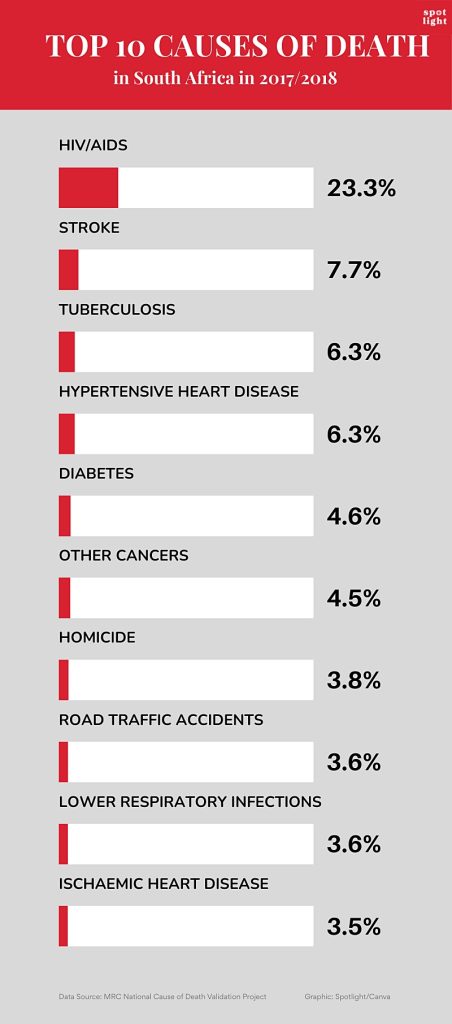
Many in health circles were surprised by a recent South African Medical Research Council (SAMRC) study that found that 23% of deaths in a nationally representative sample drawn from 2017/2018 were due to HIV. By comparison, Stats SA data for roughly the same period puts the figure at only 5.7%.
That Stats SA’s HIV mortality figures differs from other sources is not new and not in itself surprising. This is because Stats SA reports a relatively straight-forward count of what is written on death certificates – where it is known HIV is often not indicated, even if it is the underlying cause of death. By contrast, the new SAMRC study looked at autopsy reports, death certificates, medical records, and interviews with next of kin to come up with its much higher estimate.
The thing that did come as a surprise, is just how much higher the SAMRC figures were than anticipated. Previously, the real number of HIV deaths were thought to be around double the Stats SA number, rather than four times as much. For example, according to Thembisa, the leading model of HIV in South Africa and the basis for UNAIDS’s estimates for the country, around 12% of deaths in the country in 2018 were due to HIV.
“Accurate mortality data are essential for informed public health policies and targeted interventions; however, this study highlights critical gaps in our cause-of-death data, particularly in the underreporting of HIV/AIDS and suicides,” says Professor Debbie Bradshaw, study co-author and Chief Specialist Scientist at the SAMRC Burden of Disease Research Unit, in a media statement. (The study also found substantial under-reporting of suicide on death certificates.)
Multiple data sources
The study was conducted in three phases, examining deaths that were registered in 27 randomly selected health sub-districts between 1 September 2017 and 13 April 2018.
In addition to the examination of autopsy reports, death certificates, and medical records, trained fieldworkers interviewed next of kin to conduct verbal autopsies using a World Health Organization (WHO) questionnaire that had been translated into the country’s nine official languages.
Based on these various sources of data, the cause of each death was categorised into one or more of 44 categories and then compared to the cause of death indicated on the person’s death certificate. (The process for ensuring accuracy, including a review shared by a team of 49 medical doctors, is described in detail in this report.)
The researchers collected data for over 26 000 deaths, although not all types of data were available for each death. Medical records were available for over 17 600 cases, forensic pathology (autopsy) records for 5 700, and about 5 400 verbal autopsies were conducted. In the end, “to save costs”, not all medical records were reviewed.
Overall, for just over 15 000 deaths, the researchers could link and compare their assessment of why a person died to what was written on death certificates.
‘Poor agreement’
The researchers found that “there was poor agreement between the underlying cause of death obtained from the study and the official cause of death data”. The cause of death was the same in only 37% of cases. In addition to the under-reporting of HIV, the researchers also identified “severe under-reporting” of suicide as a cause of death.
A strong link between TB and HIV was observed, with TB responsible for 46% of deaths among people with HIV and 63% of TB deaths occurring in individuals with HIV. Together, these two diseases accounted for almost 30% of deaths.
Some question marks
As noted earlier, the new numbers are substantially higher than estimates from the highly respected Thembisa model. According to their data only 12% of deaths from mid-2017 to mid-2018 were due to HIV-related causes, with a further 9% of deaths occurring in persons with HIV but due to other causes.
Dr Pam Groenewald, a co-author of the new study and also with the SAMRC, describes Thembisa as “an excellent source”. She tells Spotlight they had a long discussion with the Thembisa researchers, “but we weren’t able to fully explain the differences”.
The study authors cite several factors that might contribute to a higher proportion of HIV deaths in their study. Firstly, the weighted national causes of death validation sample aimed to represent the registered deaths in the country, and it was known that deaths in rural areas and child deaths were under-represented. Secondly, deaths that occurred in private sector hospitals were not represented. Groenewald says the HIV-linked deaths in private hospitals are “definitely lower”, but doubts they would have had a significant impact on their findings.
One thing in favour of the study numbers is the fact that the cases they identified with HIV/AIDS as the underlying cause of death were independently reviewed by clinicians. As Groenewald points out, they looked at medical records of people admitted to and who died in hospital, including CD4 cell counts and HIV viral loads. The suggestion is that if someone had a very low CD4 count and a very high HIV viral load at the time of death, then it is very likely HIV played a role in their death, unless of course they died of a clearly non-associated cause like injuries from a car accident.
On the other hand, it might be argued that since HIV is very widely tested for in South Africa, it is more likely to appear on medical records than other less tested for diseases.
Another interesting wrinkle is that the proportion of deaths from HIV/AIDS from this study was higher than anticipated based on observed declines in adult mortality. It is widely accepted that the decline in adult mortality and the increase in life-expectancy over the last two decades was driven by antiretroviral therapy keeping more people with HIV alive. While the new findings do not challenge this narrative, it does suggest the effect may be less pronounced than previously thought.
What to do?
The researchers suggest their study has immediate implications for the country’s response to HIV and TB.
“The study recommends strengthening case finding, follow-up, prevention, and treatment for HIV, AIDS and TB to reduce mortality rates, and underlines the importance of government’s rapid response to counter the recent abrupt withdrawal of Pepfar funding,” Bradshaw comments in the media release.
But more broadly, the findings put the spotlight on major problems in the country’s death certification systems.
“Our findings highlight the need for improved record quality and adherence to testing guidelines within the medical community. Poor record keeping included incomplete documentation of clinical findings and results,” the study authors write.
“A lot of doctors’ report HIV as ‘retroviral disease’, for example, and it’s not coded as HIV,” Groenewald explains to Spotlight.
Urging doctors to record the actual underlying cause of death when writing up death certificates, she also called for improved training in death certification at medical schools.
Doctors’ reluctance to report HIV on death certificates likely has various reasons, including stigma related to HIV and the fact that some medical insurance policies used to exclude HIV, though policies now treat HIV like any other chronic condition.
Overall, Groenewald says, we need to step back and probe the rationale of compiling underlying cause of death statistics.
“The public health aim of the medical certificate of cause of death, (MCCD), is to prevent premature deaths. We therefore need to record the cascade of events or causal sequence of medical conditions leading to death and target our interventions at the underlying cause of death. The coding rules focus on the underlying cause of death, (UCOD), to compile the mortality statistics,” she says.
Groenewald stresses that the law requires doctors to provide accurate information on death causation. The Health Professions Council of SA’s ethical rules also recognised that a statute requiring disclosure about a deceased person’s health must be complied with and is not considered unethical. Contrary to common physician misconception, Groenewald says all this combined to show “it is completely ethical to disclose on a death certificate that a person has died from an AIDS related illness”.
In the meantime, routine mortality data from Stats SA should clearly be taken with a pinch of salt. As Groenewald points out, vital registration data should not be accepted at face value but should be interrogated and cross-checked with other data sources to get coherent and consistent estimates that fit within an envelope of all causes of mortality.
The cancellation of PEPFAR funding to South Africa could cause between 150 000 and 295 000 additional HIV infections by the end of 2028. This is unless the South African government covers some of the defunded services.
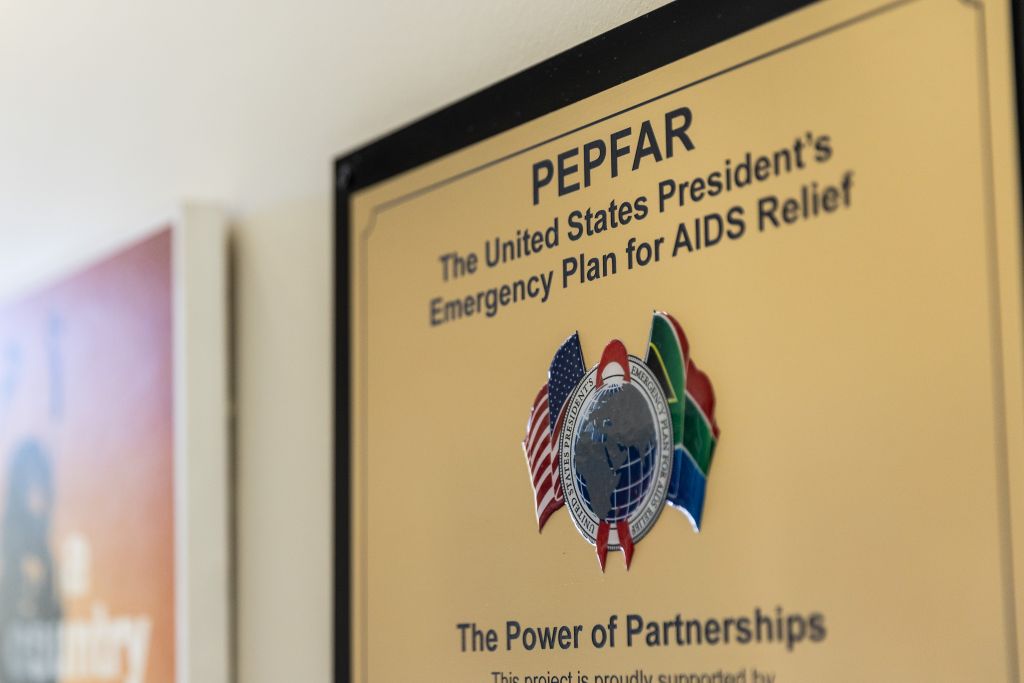
These are the preliminary findings of a new modelling study commissioned by the National Health Department to look into the impact of PEPFAR funding cuts in South Africa. It was authored by researchers at the University of Cape Town (UCT) and University of the Witwatersrand (WITS). PEPFAR is a multi-billion dollar US initiative that supports HIV-related services globally, but which has been significantly slashed by the Trump administration since February.
The research on South Africa comes at the same time that a separate modelling study was published in The Lancet which found that the discontinuation of PEPFAR could cause an additional 1-million HIV infections among children in sub-Saharan Africa by 2030. This would lead to the deaths of about 500 000 children according to the study, while over 2-million others would be left orphaned.
On 20 January, newly-elected US president Donald Trump issued an executive order which suspended virtually all US foreign development assistance for 90 days pending a review. As a result, US-backed aid programmes were brought to a standstill across the world, including in South Africa. While a waiver was published which supposedly allowed some PEPFAR-related activities to continue, this had a limited effect in practice.
Since then, some US grants have resumed, while others have been cancelled. The value of all terminated grants comes to tens of billions of dollars globally. In South Africa, numerous awards have been cancelled from PEPFAR, which had provided roughly R7.5-billion to non-profit organisations in the country in 2024. These organisations primarily used the money to hire and deploy health workers in government clinics, or to operate independent health facilities. Many of these have now been forced to close.
While there are still some active PEPFAR grants in South Africa, it’s unclear how much longer these will be retained, as many are only approved until September. The new study focusing on South Africa models what would happen if all PEPFAR funding was eliminated.
Up to 65 000 additional deaths expected by 2028
In 2024 roughly 78% of all people who had HIV in South Africa were on antiretroviral (ARV) treatment. This figure has been steadily rising over time. By 2026, it was expected to climb to 81%, according to Dr Lise Jamieson, lead author of the local modelling study.
But this trend will be reversed if the entire PEPFAR programme is cancelled and the government fails to step in. ARV coverage among people with HIV would drop to 70% by 2026, according to the study. Under the model’s more pessimistic scenario, the figure would drop even lower – to 59% by 2026.
This is partly because some people living with HIV in South Africa get their ARVs directly from PEPFAR-funded drop-in centres. If these centres close down, some patients may stop taking their ARVs. Indeed, this is precisely what happened after one centre in Pretoria stopped providing services.
The loss of PEPFAR funds could also hinder the health system’s capacity to get newly-infected people on HIV treatment. For instance, PEPFAR-funded organisations had employed nearly 2000 lay counsellors across South Africa who tested people for HIV. Without these staff, fewer people will be diagnosed and get started on treatment.
Not only will ARV coverage drop due to the cuts, but HIV prevention services will also be affected, according to the study. For instance, PEPFAR-funded drop-in sites had been providing people with pills that prevent HIV, called pre-exposure prophylaxis (PrEP). These services were targeted at groups most likely to contract and transmit HIV, like sex workers. According to the new modelling study, the full termination of PEPFAR would lead to as much as a 55% reduction in PrEP coverage for female sex workers by 2026.
Because of factors like these, the researchers estimate that the PEPFAR cuts would cause between 56 000 and 65 000 additional HIV-related deaths in South Africa by 2028. By 2045, this would increase to between 500 000 and 700 000 deaths.
Nearly 90% of USAID contracts terminated in South Africa
All of these results only hold if the South African government fails to step in, according to Jamieson. The modelling study finds that to cover all PEPFAR services from 2025 to 2028, the government would need to spend an extra R13 to 30-billion in total.
It’s unlikely that the government will cough up this amount, but according to Jamieson the National Health Department is taking steps to identify and support certain key services that were defunded by PEPFAR. She is hopeful that the results may not be as drastic as what the study suggests.
Another caveat is that the modelling study estimated what would happen if South Africa lost all of its PEPFAR funding. But at least for now, there are still some grants reaching beneficiaries in the country.
PEPFAR funds are primarily distributed by two US agencies – the US Agency for International Development (USAID) and the US Centres for Disease Control and Prevention (CDC). While both agencies paused funding after the initial suspension order in late-January, the CDC resumed its funding roughly two weeks later. This was after a US federal court ruled that the Trump administration could not freeze congressionally appropriated funds.
CDC grants only appear to be active until September (at least for South African beneficiaries), though uncertainty remains about this.
USAID has taken a much harder line – funding was suspended from late January. By late-February, the agency moved from pausing funds to issuing termination notices to most of its beneficiaries.
In South Africa, roughly 89% of all USAID funding has been cancelled. The value of all cancelled funds comes to about US$261-million (R5.2-billion). Only five other countries have faced larger cuts in absolute terms (see all country-level estimates here). Spotlight and GroundUp have confirmed that at least some of the remaining 11% of USAID funding has once again begun flowing to beneficiaries in the country.
Thus, a small amount of USAID funding is trickling into South Africa, while CDC funds have largely been retained in full. Though it’s unclear for how much longer.
The number of people living with HIV in South Africa has for the first time reached the eight million mark. Of these, around 6.2 million are on treatment, according to new estimates.
The number of people living with HIV in South Africa continues to rise, surpassing eight million in 2024. This is according to just-released estimates from Thembisa, the leading mathematical model of HIV and TB in South Africa. The eight million amounts to 12.8% of the population.
The continued rise is due to the fact that there are more people becoming newly infected with HIV than there are people with HIV who are dying. The increasing numbers are thus a reflection of the fact that antiretroviral medicines are keeping people alive who would otherwise have died.
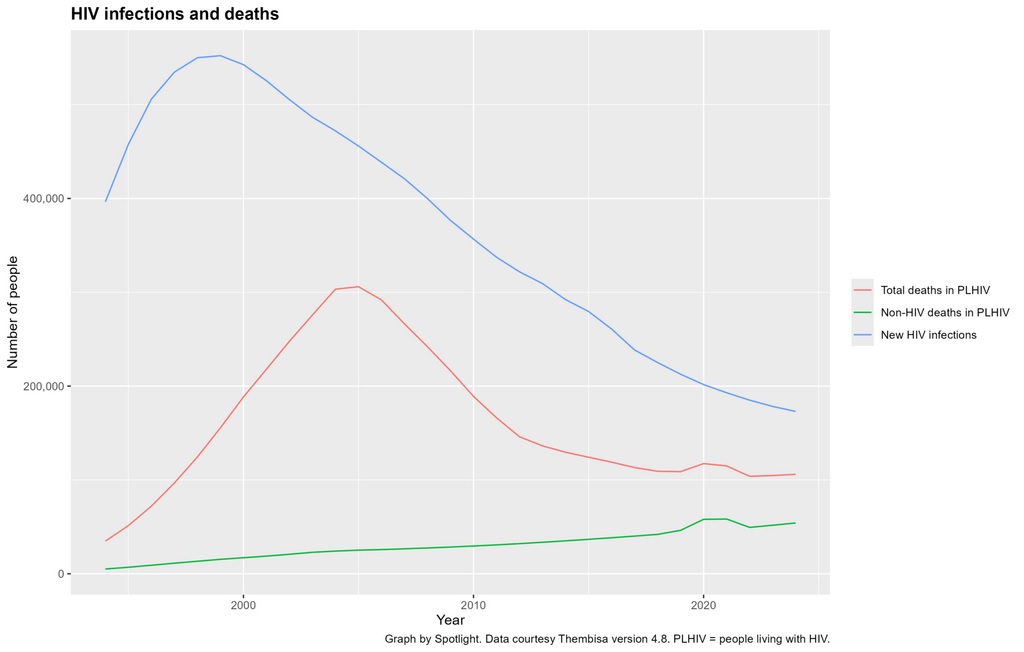
There was an estimated 178 000 new HIV infections in 2023/2024 (mid-2023 to mid-2024). Over the same period, around 105 000 people with HIV passed away – 53 000 due to HIV-related causes and 52 000 for reasons not related to HIV.
The estimates of new HIV infections are slightly higher than in last year’s Thembisa publications. According to Dr Leigh Johnson, of the University of Cape Town and the key developer of the Thembisa model, this is mainly due to the model factoring in new evidence that condom usage is declining.
78% treatment coverage
Of the eight million people living with HIV, around 6.2 million, or 78%, were taking antiretroviral treatment in 2024. Around one in five people living with the virus were thus not on treatment. Treatment is recommended for everyone living with HIV.
On the UNAIDS 95-95-95 targets, also endorsed in South Africa’s National Strategic Plan for HIV, TB and STIs 2023 – 2028, the middle target, helping people start and stay on treatment, continues to be the main area of underperformance. Around 95% of people living with HIV in South Africa knew their status in 2024, around 81.5% of these were on antiretroviral treatment, and of those on treatment, around 92% had viral suppression. (Note that the 78% treatment coverage figure is the product of multiplying the performance on the first two 95 targets.)
There continues to be stark gender disparities in South Africa’s HIV epidemic. On the one hand, there are many more women living with HIV than men – 5.2 million compared to 2.6 million as of mid-2024. On the other hand, slightly more men died of HIV-related causes than women in 2023/2024 – 27 100 men compared to 24 200 women.
Worrying trends
One ongoing area of concern is that many people only start treatment once their immune systems have been severely compromised. In 2023/2024, around 54 000 adults started treatment for the first time with CD4 counts below 200 cells/mm3. A CD4 count above 500 cells/mm3 is generally considered to be healthy. CD4 cells are a type of white blood cell that is vital to the functioning of the immune system. People who start treatment with low CD4 counts tend to have worse long-term outcomes.
The latest Thembisa outputs also contain worrying findings on the extent to which people drop in and out of care. In 2023/2024, an estimated 714 000 people restarted antiretroviral treatment after previously having stopped for at least a month – of these, around 326 000 had CD4 counts below 200 cells/mm3.
Finally, on a more positive note, the latest Thembisa outputs continue to show a rise in life expectancy in South Africa. As shown in the above graph, life expectancy declined severely round the turn of the century, largely due to people dying of AIDS, but then increased over time as antiretroviral therapy started keeping people living with HIV alive. The blip in 2020 and 2021 is due to the COVID-19 pandemic.
Note: This article is based on outputs from Thembisa version 4.8 – published in late March 2025. We have quoted 2023/2024 figures since they are based on more data, and thus more reliable than the estimates for 2024/2025. We have rounded some numbers to make the text more accessible. Graphs were made using the R package ggplot2. Spotlight will soon publish an #InTheSpotlight special briefing in which we will unpack the Thembisa 4.8 outputs in more detail.
After the US slashed global aid, the South African government stated that only 17% of its HIV spending relied on US funding. But some experts argue that US health initiatives had more bang for buck than the government’s programmes. Jesse Copelyn looks past the 17% figure, and considers how the health system is being affected by the loss of US money.
In the wake of US funding cuts for global aid, numerous donor-funded health facilities in South Africa have shut down and government clinics have lost thousands of staff members paid for by US-funded organisations. This includes nurses, social workers, clinical associates and HIV counsellors.
Spotlight and GroundUp have obtained documents from a presentation by the National Health Department during a private meeting with PEPFAR in September. The documents show that in 2024, the US funded nearly half of all HIV counsellors working in South Africa’s public primary healthcare system. The data excludes the Northern Cape.
Counsellors test people for HIV and provide information and support to those who test positive. They also follow up with patients who have stopped taking their antiretrovirals (ARVs), so that they can get them back on treatment.
Overall, the US funded 1,931 counselors across the country, the documents show. Now that many of them have been laid off, researchers say the country will test fewer people, meaning that we’ll miss new HIV infections. It also means we’ll see more treatment interruptions, and thus more deaths.
PEPFAR also funded nearly half of all data capturers, according to the documents. This amounted to 2,669 people. Data capturers play an essential role managing and recording patient files. With many of these staff retrenched, researchers say our ability to monitor the national HIV response has been compromised.
These staff members had all been funded by the US President’s Emergency Plan for AIDS Relief (PEPFAR). The funds were distributed to large South African non-government organisations (NGOs), who then hired and deployed the staff in government clinics where there is a high HIV burden. Some NGOs received PEPFAR funds to operate independent health facilities that served high-risk populations, like sex workers and LGBTQ people.
But in late January, the US paused almost all international aid funding pending a review. PEPFAR funds administered by the US Centres for Disease Control (CDC) have since resumed, but those managed by the US Agency for International Development (USAID) have largely been terminated. As a result, many of these staff have lost their jobs.
The national health department has tried to reassure the public that the country’s HIV response is mostly funded by the government, with 17% funded by PEPFAR – currently about R7.5 billion a year. But this statistic glosses over several details and obscures the full impact of the USAID cuts.
Issue 1: Some districts were heavily dependent on US funds
The first issue is that US support isn’t evenly distributed across the country. Instead, PEPFAR funding is targeted at 27 ‘high-burden districts’ – in these areas, the programme almost certainly accounted for much more than 17% of HIV spending. Some of these districts get their PEPFAR funds from the CDC, and have been less affected, but others got them exclusively from USAID. In these areas, the HIV response was heavily dependent on USAID-funded staff, all of whom disappeared overnight.
Johannesburg is one such district. A doctor at a large public hospital in this city told Spotlight and GroundUp that USAID covered a substantial proportion of the doctors, counsellors, clerks, and other administrative personnel in the hospital’s HIV clinic. “All have either had their contracts terminated or are in the process of doing so.”
The hospital’s HIV clinic lost eight counselors, eight data capturers, a clinical manager, and a medical officer (a non-specialised doctor). He said that this represented half of the clinic’s doctors and counselors, and about 80% of the data capturers.
This had been particularly devastating because it was so abrupt, he said. An instruction by the US government in late-January required all grantees to stop their work immediately.
“There was no warning about this, had we had time, we could have made contingency plans and things wouldn’t be so bad,” he explained. “But if it happens literally overnight, it’s extremely unfair on the patients and remaining staff. The loss of capacity is significant.”
He said that nurses have started to take on some of the tasks that were previously performed by counselors, such as HIV testing. But these services haven’t recovered fully and things were still “chaotic”.
He added, “It’s not as if the department has any excess capacity, so [when] nurses are diverted to do the testing and counselling, then other parts of care suffer.”
Issue 2: PEPFAR programmes got bang for buck
Secondly, while PEPFAR may only have contributed 17% of the country’s total HIV spend, some researchers believe that it achieved more per dollar than many of the health department’s programmes.
Professor Francois Venter, who runs the Ezintsha research centre at WITS university, argued that PEPFAR programmes were comparatively efficient because they were run by NGOs that needed to compete for US funding.
“PEPFAR is a monster to work for,” said Venter, who has previously worked for PEPFAR-funded groups. “They put targets in front of these organisations and say: ‘if you don’t meet them in the next month, we’ll just give the money to your competitors’ and you’ll be out on the streets … So there’s no messing around.”
US funding agencies, he said, would closely monitor progress to see if organisations were meeting these targets.
“You don’t see that with the rest of the health system, which just bumbles along with no real metrics,” said Venter.
“The health system in South Africa, like most health systems, is not terribly well monitored or well directed. When you look at what you get with every single health dollar spent on the PEPFAR program, it’s incredibly good value for money,” he said.
Not only were the programmes arguably well managed, but PEPFAR funds were also strategically targeted. Public health specialist Lynne Wilkinson provided the example of the differentiated service delivery programme. This is run by the health department, but supported by PEPFAR in one key way.
Wilkinson explained that once patients are clinically stable and virally suppressed they don’t need to pick up their ARVs from a health facility each month as it’s too time-consuming both for them and the facility. As a result, the health department created a system of “differentiated service delivery”, in which patients instead pick up their medication from external sites (like pharmacies) without going through a clinical evaluation each time. But Wilkinson noted that before someone can be enrolled in that service delivery model, clinicians need to check that patients are eligible.
“Because [the enrollment process] was going very slowly … this was supplemented by PEPFAR-funded clinicians who would go into a clinic and review a lot of clients, and get them into that system”. By doing this, PEPFAR-funded staff successfully resolved a major bottleneck in the system, she said, reducing the number of people in clinics, and thus cutting down on waiting times.
Not everyone is as confident about the overall PEPFAR model. The former deputy director of the national health department, Dr Yogan Pillay, told Spotlight and GroundUp that we don’t have data on how efficient PEPFAR programmes are at the national level. This needs to be investigated before the health department spends its limited resources on trying to revive or replicate the programmes, argued Pillay who is now the director for HIV and TB delivery at the Gates Foundation.
While he said that many PEPFAR-funded initiatives were providing crucial services, Pillay also argued that “the management structure of the [recipient] NGOs is too top-heavy and too expensive” for the government to fund. Ultimately, we need to consider and evaluate a variety of HIV delivery models instead of rushing to replicate the PEPFAR ones, he said.
Issue 3: PEPFAR supported groups that the government doesn’t reach
An additional issue obscured by the 17% figure is that PEPFAR specifically targeted groups of people that are most likely to contract and transmit HIV, like people who inject drugs, sex workers, and the LGBTQ community. These groups, called key populations, require specialised services that the government struggles to provide.
Historically, PEPFAR has given NGOs money so that they could help key populations from drop-in centres and mobile clinics, or via outreach services. All of this operated outside of government clinics, because key populations often face stigma in these settings and are thus unwilling to go there.
For instance, while about 90% of surveyed sex workers say that staff at key populations centres are always friendly and professional, only a quarter feel the same way about staff at government clinics. This is according to a 2024 report, which also found that many key populations are mistreated and discriminated against at public health facilities. (Ironically, health system monitoring organisation Ritshidze, which conducted the survey, has been gutted by US funding cuts.)
While the key populations centres funded by the CDC are still operational, those funded by USAID have closed. The health department has urged patients that were relying on these services to go to government health facilities, but researchers argue that many simply won’t do this.
Venter explained: “For years, I ran the sex worker program [at WITS RHI, which was funded by PEPFAR] … Because sex workers don’t come to [health facilities], you had to provide outreach services at the brothels. This meant … we had to deal with violence issues, we had to deal with the brothel owners, and work out which days of the week, and hours of the day we could provide the care. Logistically, it’s much more complex than sitting on your bum and waiting for them to come and visit you at the clinic.
“So you can put up your hand and say: ‘Oh they can just come to the clinics’ – like the minister said. Well, then you won’t be treating any sex workers.” Venter said this would result in a public health disaster.
He argued that one of the most crucial services that key populations may lose access to is pre-exposure prophylaxis (PrEP), a daily pill that prevents HIV.
While the vast majority of government clinics have PrEP on hand, they often fail to inform people about it. For instance, a survey of people who are at high-risk of contracting HIV in KwaZulu-Natal found that only 15% were even aware that their clinic stocked PrEP.
Another large survey found that at government facilities, only 19% of sex workers had been offered PrEP. By contrast, at the drop-in centres for key populations, the figure was more than double this, at 40%. Without these centres, the health system may lose its ability to create demand for the drug among the most high-risk groups.
One health department official told Spotlight and GroundUp that the bulk of the PrEP rollout would continue despite the US funding cuts. “The majority of the PrEP is offered through the [government] clinics,” she said, 96% of which have the drug.
However, she conceded that specific high-risk groups like sex workers have primarily gotten PrEP from the key populations centres, rather than the clinics. “This is the biggest area where we are going to see a major decline in uptake for [PrEP] services,” she said.
600 000 dead without PEPFAR?
Overall, the USAID funding cuts have severely hindered the HIV testing programmes, data capturing services, PrEP roll-out, and follow-up services for people who interrupt ARV treatment. And the patients who are most affected by this are those that are most likely to further transmit the virus.
So what will the impacts be? According to one modelling study, recently published in the Annals of Medicine, the complete loss of all PEPFAR funds could lead to over 600 000 deaths in South Africa over the next decade.
While South Africa still retains some PEPFAR funding that comes from the CDC, beneficiaries are bracing for this to end. According to Wilkinson, the PEPFAR grants of most CDC-funded organisations end in September and future grants are uncertain. For some organisations, the money stops at the end of this month.
Meanwhile, if the government has any clear plan for how to manage the crisis, it’s certainly not making this public.
In response to our questions about whether the health department would be supporting key populations centres, the department’s spokesperson, Foster Mohale, said: “For now we urge all people living with HIV/AIDS and TB to continue with treatment at public health facilities.”
When pressed for details about the department’s plans for dealing with the US cuts, Mohale simply said that they could not reveal specifics at this stage and that “this is a work in progress”.
In his budget speech in Parliament on Wednesday, Finance Minister Enoch Godongwana did not announce any funding to cover the gap left by the abrupt end of US support for the country’s HIV response. Prior to the speech, Godongwana told reporters in a briefing that the Department of Health would assist with some of the shortfall, but no further information could be provided.
Photo by Miguel Á. Padriñán: https://www.pexels.com/photo/syringe-and-pills-on-blue-background-3936368/
By Ufrieda Ho
Amid major disruptions caused by aid cuts from the United States government, the health department aims to enrol a record number – an additional 1.1 million – of people living with HIV on life-saving antiretroviral medicine this year. Experts tell Spotlight it can’t be business as usual if this ambitious programme is to have a chance of succeeding.
Government’s new “Close the Gap” campaign launched at the end of February has set a bold target of putting an additional 1.1 million people living with HIV on antiretroviral treatment by the end of 2025.
Around 7.8 million people are living with HIV in the country and of these, 5.9 million are on treatment, according to the National Department of Health. The target is therefore to have a total of seven million people on treatment by the end of the year. Specific targets have also been set for each of the nine provinces.
The initiative is aimed at meeting the UNAIDS 95–95–95 HIV testing, treatment and viral suppression targets that have been endorsed in South Africa’s National Strategic Plan for HIV, TB, and STIs 2023 – 2028. The targets are that by 2030, 95% of people living with HIV should know their HIV status, 95% of people who know their status should be on treatment, and 95% of people on treatment should be virally suppressed (meaning there is so little HIV in their bodily fluids that they are non-infectious).
Currently, South Africa stands at 96–79–94 against these targets, according to the South African National Aids Council (SANAC). This indicates that the biggest gap in the country’s HIV response lies with those who have tested positive but are not on treatment – the second 95 target.
But adding 1.1 million people to South Africa’s HIV treatment programme in just ten months would be unprecedented. The highest number of people who started antiretroviral treatment in a year was the roughly 730 000 in 2011. In each of the last five years, the number has been under 300 000, according to figures from Thembisa, the leading mathematical model of HIV in South Africa. According to our calculations, if South Africa successfully adds 1.1 million people to the HIV treatment programme by the end of 2025, the score on the second target would rise to just above 90%.
The record for the most people starting antiretroviral treatment in a single year was approximately 730 000 in 2011. (Graph by Spotlight, based on Tembisa data.)
The ambitious new campaign launches at a moment of crisis in South Africa’s HIV response. Abrupt funding cuts from the United States government – the PEPFAR funding – has meant that the work of several service-delivery NGOs have ground to a halt in recent weeks.
These NGOs played an important role in getting people tested and in helping find people and supporting them to start and restart treatment. The focus of many of these NGOs was on people in marginalised but high-risk groups, including sex workers, people who use drugs and those in the LGBTQI community. As yet, government has not presented a clear plan for how these specialised services might continue.
“We will need bridging finance for many of these NGOs to contain and preserve the essential work that they were doing till we can confer these roles and responsibilities to others,” says Professor Francois Venter, of the Ezintsha Research Centre at the University of the Witwatersrand.
He says good investment in targeted funding for NGOs is a necessary buffer to minimise “risks to the entire South African HIV programme” and the looming consequences of rising numbers of new HIV cases, more hospitalisations, and inevitably deaths.
Disengaging from care
South Africa’s underperformance on the second 95 target is partly due to people stopping their treatment. The reasons for such disengagement from HIV care can be complex. Research has shown it is linked to factors like frequent relocations, which means people have to restart treatment at different clinics over and over. They also have to navigate an inflexible healthcare system. A systematic review identified factors including mental health challenges, lack of family or social support, long waiting times at clinics, work commitments, and transportation costs.
Venter adds that while people are disengaged from care, they are likely transmitting the virus. The addition of new infections for an already pressured HIV response contributes to South Africa’s sluggish creep forward in meeting the UNAIDS targets.
The health department has not been strong on locating people who have been “lost” to care, says Venter. This role was largely carried out by PEPFAR-supported NGOs that are now unable to continue their work due to the withdrawal of crucial US foreign aid.
Inexpensive interventions
Other experts working in the HIV sector, say the success of the Close the Gap campaign will come down to scrapping programmes and approaches that have not yielded success, using resources more efficiently, strategic investment, and introducing creative interventions to meet the service delivery demands of HIV patients.
Key among these interventions, is to improve levels of professionalism in clinics so patients can trust the clinics enough to restart treatment.
Professor Graeme Meintjes of the Department of Medicine at the University of Cape Town says issues like improving staff attitudes and updating public messaging and communications are inexpensive interventions that can boost “welcome back” programmes.
“The Close the Gap campaign must utilise media platforms and social media platforms to send out a clear message, so people know the risks of disengagement and the importance of returning to care. The longer someone interrupts their treatment and the more times this happens, the more they are at risk of opportunistic infections, severe complications, getting very sick and needing costly hospitalisations,” he says.
Clinics need to provide friendly, professional services that encourage people to return to and stay on treatment, Meintjes says, and services need to be flexible. These could include more external medicine pick-up points, scripts filled for longer periods, later clinic operating hours, and mobile clinic services.
“We need to make services as flexible as possible. People can’t be scolded for missing an appointment – life happens. Putting these interventions in place are not particularly costly, in fact it is good clinical practice and make sense in terms of health economics by avoiding hospitalisations that result from prolonged treatment interruptions,” he says.
The Close the Gap campaign, Meintjes adds, should reassure people that HIV treatment has advanced substantially over the decades. The drugs work well and now have far fewer side effects, with less risk of developing resistance. More patients are stable on the treatment for longer and most adults manage their single tablet once-a-day regime easily.
Insights from our experiences
Professor Linda-Gail Bekker, Chief Executive Officer at the Desmond Tutu Health Foundation, says to get closer to the target of 1.1 million people on treatment by year-end will mean using resources better.
“Additional funding is always welcome, so are new campaigns that catalyse and energise. But we also need to stop doing the things we know don’t have good returns. For instance, testing populations of people who have been tested multiple times and aren’t showing evidence of new infections occurring in those populations,” she says.
There is also a need for better data collection and more strategic use of data, Bekker says. Additionally, she suggests a status-neutral approach, meaning that if someone tests positive, they are referred for treatment, while those who test negative are directed to effective prevention programmes, including access to pre-exposure prophylaxis (PrEP) for people at high risk of exposure through sex or injection drug use.
But Bekker adds: “We need to be absolutely clear; these people aren’t going to come to us in our health facilities, or we would have found them already. We have to do the work that many of the PEPFAR-funded NGOs were doing and that is going to the last mile to find the last patient and to bring them to care.”
She says the impact of the PEPFAR funding cuts can therefore not be downplayed. “The job is going to get harder with fewer resources that were specifically directed at solving this problem.”
Venter names another approach that has not worked. This, he says, is the persistence of treating HIV within an integrated health system. Overburdened clinics have simply not coped, he adds, with being able to fulfil the ideal of a “one-stop-shop” model of healthcare.
Citing an example, he says: “Someone might come into a clinic with a stomach ache and be vomiting, they might be treated for that but there’s no investigation or follow-up to find out if it might be HIV-related, for instance. And once that person is out of the door, they’re gone.”
Campaign specifics still lacking
The Department of Health did not answer Spotlight’s questions about funding for the Close the Gap campaign; what specific projects in the campaign will look like; or how clinics and clinic staff will be equipped or supported in order to find the 1.1 million people. There is also scant details of the specifics of the campaign online.
Speaking to the public broadcaster after the 25 February campaign launch, Health Minister Dr Aaron Motsoaledi said South Africa is still seeing 150 000 new infections every year. He said they will reach their 1.1 million target through a province-by-province approach. He used the Eastern Cape as an example.
“When you look at the 1.1 million, it can be scary – it’s quite big. But if you go to the provinces – the Eastern Cape needs to look for 140 000 people. Then you come to their seven districts, that number becomes much less. So, one clinic could be looking for just three people,” he said.
Nelson Dlamini, SANAC’s communications manager, says the focus will be to bring into care 650 000 men, as men are known to have poor health-seeking habits. Added to this will be a focus on adolescents and children who are living with HIV.
He says funding for the Close the Gap campaign will not be shouldered by the health department alone.
“This is a multisectoral campaign. Other departments have a role to play, these include social development, basic education, higher education and training, etc, and civil society themselves,” Dlamini says.
The province-by-province approach to reach the target of finding 1.1 million additional people is guided by new data sources.
“Last year, SANAC launched the SANAC Situation Room, a data hub which pulls data from multiple sources in order for us to have the most accurate picture on the status of the epidemic,” says Dlamini.
These include the Thembisa and Naomi model outputs and data from the District Health Information System and Human Sciences Research Council, he says adding that SANAC is working to secure data sharing agreements with other sectors too.
Dlamini however says the health department, rather than SANAC, will provide progress reports on the 10-month project.
South Africa faces its worst health crisis in 20 years. Worse than COVID, and one that will overshadow diabetes as a major killer, while pouring petrol on a dwindling TB fire. But it is preventable if our government steps up urgently.
Nearly eight-million people have HIV in South Africa; they need life-long antiretroviral medicines to stay healthy.
The near-total removal of US government funding last week, a programme called PEPFAR, will see every important measure of the HIV programme worsen, including hospitalisations, new infections in adults and children, and death. Unless government meaningfully steps in to continue funding the network of highly efficient organisations that currently fill key gaps in national care, an epidemic that was tantalisingly close to coming under control will again be out of our reach. Millions of people in South Africa will become infected with HIV and hundreds of thousands more will die in the next ten years. 2025 will end much more like 2004, when we started our HIV treatment programme.
Many fail to recognize the danger. Commentators, public health officials, and government spokespeople have downplayed the US financial contributions to the HIV response, suggesting services can be absorbed within current services. The funding cuts amount to approximately 17% of the entire budget for HIV and largely go to salaries for health staff. On the face of it, this indeed seems replaceable. So why are the consequences so deadly?
To understand the impact, one must recognize how US funding has supported HIV care. The money is largely allocated to a network of non-government organisations through a competitive, focused, and rigorously monitored program in four key areas:
Active case finding: The best way to prevent new cases of HIV is find everyone with the disease early on, and get them on treatment. These organisations deploy people in high-risk areas, to test for HIV and screen for TB, and shepherd people who test positive to treatment programmes. People are almost always healthy when they start treatment, and remain healthy, with greatly reduced time to transmit the virus, and much less chance of ever “burdening” the health sector with an opportunistic infection. They are hugely cost-effective.
Tracing people who disappear from care: Patients on antiretrovirals fall out of care for many reasons, ranging from changing their address, to life chaos such as losing their job or mental illness. Or they are simply mixed up in the filing dysfunction within clinics. The US supported programmes helped finding people ‘lost from care’, maintaining systems able to track who has not come back, and how to contact them, often spending considerable time cleaning redundant records as people move between facilities.
Vulnerable population programmes: Services include those for sex workers, LGBTQ+ people, adolescents, people who use drugs, and victims of gender violence. These programs are for people who need tailored services beyond the straightforward HIV care offered in state clinics. They are often discriminated against in routine services and also at significant risk of contracting HIV.
Supporting parts of the health system: This includes technical positions supporting medicine supply lines, laboratories and large information systems, as well as organisations doing advocacy or monitoring the quality of services. All of this keeps the health system ticking over.
In central Johannesburg, where I work, HIV testing services have collapsed. The people who fell out of programmes are not coming back. HIV prevention and TB screening have largely stopped.
Reassurances that state clinics will pick up testing are empty – the staff do not exist, and testing has not resumed. State clinics do not trace people who fall out of care for any illness, let alone for HIV. The data systems maintained by PEPFAR-supported organisations are now gone.
What happens now? The first hard sign that things are failing will be a large drop in the number of people starting treatment, versus what happened in the same month one year ago. The next metric to watch will be hospitalisations for tuberculosis and other infections associated with untreated HIV infection. This will happen towards the end of the year, as immune systems fail. Not long after, death rates will rise. We will see that in death certificates among younger people – the parents and younger adults.
Unfortunately, much of this information will not be available to the health department for at least a year or two, because among the staff laid off in this crisis are the data collectors for the programmes that tracked vital metrics.
The above should come as no surprise, especially to the public health commentators and health department, which is why it is so surprising to hear how certain they are that the PEPFAR programme can easily be absorbed into the state services. The timing of this crisis could not be worse, with huge budget holes in provincial health departments.
Why should this be a priority? After starting the HIV programme in 2004, we spent the next few years muddling through how to deliver antiretrovirals to millions of people in primary care, before we realised we also needed to diagnose them earlier. In 2004, the average CD4 count (a measure of immune strength) at initiation of treatment was about 80 cells/ul, devastatingly low – normal is > 500 cells/ul. A quarter were ill with TB.
This CD4 count average took years to go up, but only by pushing testing into clinic queues, communities, and special services for key populations, not waiting till they were sick. Recently, the average initiation CD4 count was about 400 cells/ul, stopping years of transmission, with most people healthy, and only a small number with TB.
There are many reasons to criticise the relationship between PEPFAR and the health department. It suited both parties to have a symbiotic relationship that meant each got on with their job and ticked their respective output boxes, but neither had to tussle with the messiness of trying to move the PEPFAR deliverables into the health department. As we move forward, learning from these fragilities to plan for the future of the HIV care programme, and for other diseases, will be critical.
Since the suspension of funding, many people have said, “We don’t hear much about HIV anymore”. That is because when the system works well, you don’t hear about it. Some things are far better compared to 2004:
We have a government not in denial about HIV being a problem nor encouraging pseudoscience or crackpots.
Our frontline health workers, in over 3000 clinics, have vast experience initiating and maintaining antiretrovirals.
Antiretrovirals are cheaper, more potent, more durable, and safer.
Treatment protocols are simpler.
New infection rates are way down.
Government delivery systems have improved.
Data systems suggest that the majority of ‘lost’ patients are in care, often simply in another clinic.
A sensible emergency plan would do this:
Fund existing programmes for a limited time, understanding that the level of reach and expertise is impossible for the health department to replicate at short notice.
Couple this with a plan to make posts more sustainable over the next year or two.
Learn from the PEPFAR programme that rigorously held organisations accountable, so that provinces can similarly be answerable for their HIV metrics.
Ask hard questions why single patient identifiers, and government information systems, that could easily be linked to laboratory, pharmacy and radiology databases, are still not integrated within the public systems, as they are throughout the private health system.
Accept that certain key functions and clinics may best be sited outside of the health department.
This will not save the large and valuable research programmes, which need other help. Much of the rest of Africa needs a Marshall Plan to rescue their entire HIV service, as they are almost totally dependent on US government funding.
But ideas like the above will preserve the current South African HIV response and allow us to imagine interventions that could end the disease as a threat for future generations.
No one disputes we need a move away from donor-assisted health programmes. But the scale and immense urgency of this oncoming emergency needs to be understood. We need a plan and a budget, and fast. Or we will have an overwhelmed hospital system and busy funeral services again.
Professor Francois Venter works for Ezintsha, a policy and research unit at Wits. He has been involved in the HIV programme since 2001, and ran several large PEPFAR programmes till 2012. Venter and his unit do not receive funding from PEPFAR, USAID or CDC. Thank you to several experts for supplying analysis and ideas for the initial draft of the article.
Numerous South African health projects funded by the US President’s Emergency Plan for AIDS Relief (PEPFAR) remain closed. This is despite a federal court judgment which ordered President Donald Trump’s administration to lift the blanket freeze on global aid.
A waiver on life-saving humanitarian services appears to have had little effect. Funding remains frozen for many projects that provided services explicitly covered by the waiver, such as antiretroviral (ARV) medicines for people with HIV.
A spokesperson for one of these projects said that the United States Agency for International Development Aid (USAID) had not provided any communication regarding the waiver, despite requests for information.
A second organisation said USAID instructed it to provide an adapted budget that only covers services included in the waiver. The organisation submitted it, but it has not yet been approved. The organisation supports orphaned children living with HIV.
CDC funding
PEPFAR is a US initiative that provides billions of dollars a year toward combating HIV in different parts of the world. These funds are primarily distributed through two agencies: USAID and the Centers for Disease Control and Prevention (CDC).
In late January USAID issued stop-work orders to the organisations which it funds. A few days later, the CDC did the same. This was after an executive order by Trump which paused foreign development funding for 90 days pending a review. As a result, US-funded health organisations across South Africa were forced to close their doors. In some cases, HIV patients were left without ARVs.
Last week the CDC issued notifications to its recipient organisations rescinding the stop-work orders. The CDC stated that this was because of a temporary restraining order issued by a federal judge in Rhode Island that halted the Trump administration’s ability to freeze congressional funds. Since then, many South African organisations that get money from the CDC have reopened.
But USAID did not send out similar notifications. PEPFAR funds from this agency largely remain frozen.
In a separate judgment on 13 February, a federal judge in Washington DC blocked the implementation of Trump’s executive order to freeze foreign aid. The administration’s lawyers have argued that the US government can continue to freeze aid via other channels unrelated to the executive order.
Dangerous disruption
GroundUp and Spotlight visited three health centres in South Africa funded by USAID, and found all three remained closed. Representatives from a fourth USAID-funded organisation confirmed that its funding has not been restored, and that its partner organisation was in the same boat.
The first centre that we visited is a clinic in Rosebank, Johannesburg, run by OUT LGBT Wellbeing. It provided free HIV testing, ARVs, and the daily HIV-prevention pill (this is referred to as Pre-exposure Prophylaxis or PrEP). It’s one of several US-funded clinics that OUT operates around the country.
Its services are geared toward men who have sex with men. The reason is that rates of HIV are high among this group, and stigma may prevent some from seeking help in general healthcare settings.
When we visited the centre in Rosebank, a note was tied to the gate, stating: “Regrettably our clinic is temporarily closed and consequently no health services are available”. It encouraged patients to go to their nearest health facility.
According to OUT spokesperson Luiz De Barros, the clinics were forced to halt immediately after stop-work orders were issued. This prevented them from making alternative plans, leaving many people without ARVs or PrEP.
He said the centres had a total of 84 staff, who are now “at home without pay”, and about 5000 clients. Without their ARVs, De Barros worries that many clients are at risk of falling ill or developing drug-resistant HIV. Stopping HIV prevention services like PrEP will also “heighten the spread of HIV within communities,” he noted.
De Barros said they had not yet received any communication from USAID about the limited waiver, despite asking for information.
A clause in the waiver says it does not apply to “gender or DEI [diversity, equality and inclusion] ideology programs”. The Trump administration has not spelled out exactly what these terms mean, but it appears that DEI includes any health project which targets particular groups, like LGBTQ people.
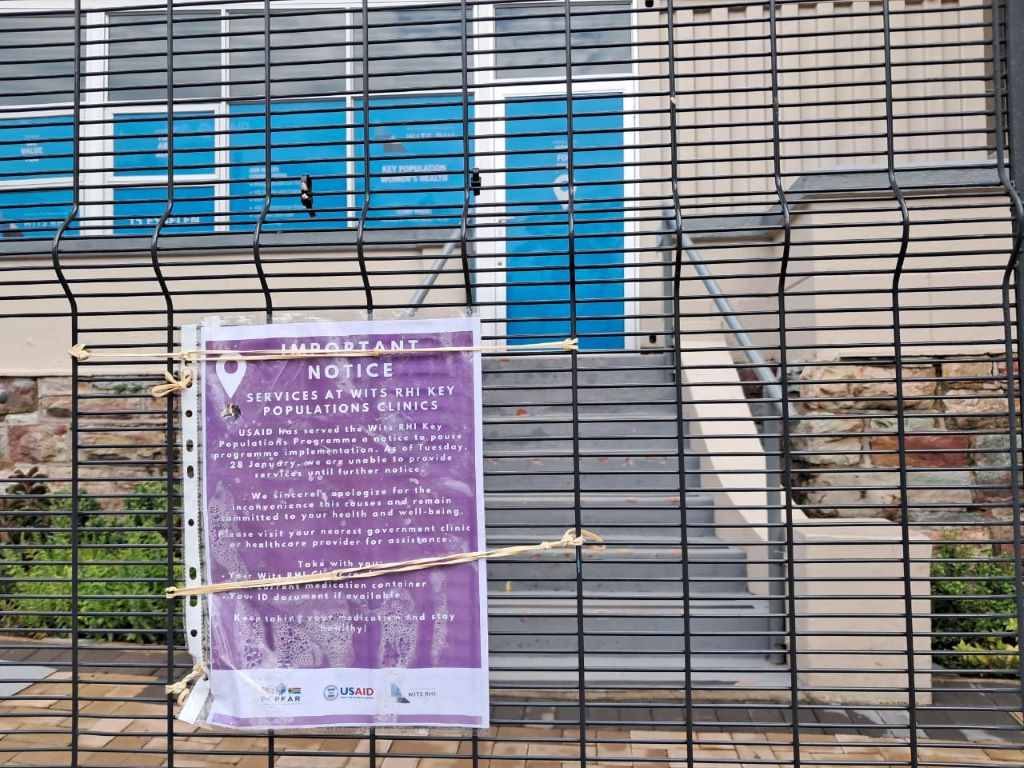
GroundUp and Spotlight visited a second health centre in Hillbrow run by the WITS Reproductive Health Institute (RHI). A sign on the gate stated: “USAID has served the WITS RHI Key Populations Programme a notice to pause programme implementation. As of Tuesday, 28 January, we are unable to provide services until further notice.”
WITS RHI’s annual reports suggest that USAID has previously sponsored its projects to treat and prevent HIV, including among high-risk groups like sex workers and transgender people.
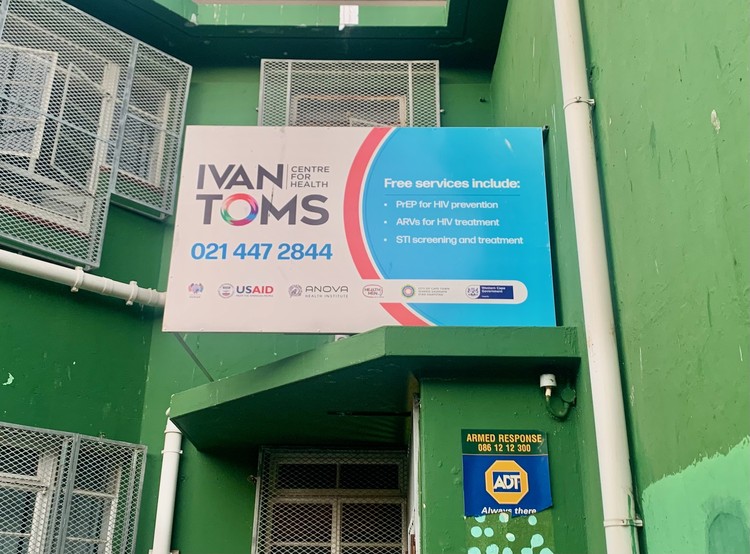
The third health facility that we visited is the Ivan Toms Centre for Health, based in Green Point, Cape Town. A temporary closure notification hung from the door. The centre provided HIV and TB testing, ARVs, PrEP, and counselling services – all focused on men who have sex with men.
Representatives from a fourth organisation, NACOSA, told GroundUp and Spotlight that it had been forced to halt all of its USAID-funded services. Subsequently, USAID instructed the organisation to provide a revised budget which only includes activities listed under the waiver. As part of this limited budget, NACOSA proposed retaining a project which helps orphaned and vulnerable children living with HIV in the Western Cape.
Dr Ntlotleng Mabena, a technical specialist at NACOSA, said the project provides these children with psychological support and connects them to health providers. Clinical workers linked to the ANOVA health institute (which is also US-funded) provide the children with ARV treatment, she said.
NACOSA submitted the revised budget with the hope of restarting this service, but they are still awaiting approval. Mabena stated that ANOVA was also waiting for permission to continue. In the meantime, the service remains closed.
The US embassy in South Africa maintains that Trump’s funding cuts do not affect PEPFAR initiatives that provide life-saving services as defined in the limited waiver.
Yet all of the life-saving PEPFAR services that we investigated on Thursday are closed. The only services which have reopened are those funded by the CDC, which is unrelated to the waiver.
Sign outside a Wits RHI clinic in Johannesburg. Photo: Ihsaan Haffejee