Only 16% of South Africans can afford private healthcare, and many low-income earners cannot afford healthcare and must rely on community clinics. These facilities are under intense pressure as they often cannot cope with the demand. For many workers, getting medical attention at these facilities means waiting for hours and being unable to work for a day and therefore losing wages. However, things could change if the pioneering efforts of a dedicated nurse with the financial backing of Standard Bank reach their full national potential.
“We assist this sector by working longer hours than do local government clinics that only open five days a week. Our services are available seven days a week at R300 per visit. Those able to pay for primary healthcare often must travel long distances to get to pharmacy-based primary healthcare clinics, mostly in the suburbs. The Rapha Clinic has been strategically placed between the city and the townships so that it can be easily reached by people commuting from their homes to the city,” says Ntombi Skosane, founder of Rapha Healthcare Services.
For Skosane, the clinic, which is located in the Montana area of Pretoria, realised her dream of being able to fill a vital gap in providing primary and basic healthcare to her community.
“As a nurse with 30 years in both the public and the private sector, I believed that I could open a clinic where I could establish a community service offering quality healthcare at affordable rates. The growing success of our operation shows that I was correct,” she adds.
Using her experience of clinics as a guide, Skosane has opted to have Rapha offer nine core services ranging from antenatal care and family planning to assisting with immunisations and wound care, as well as helping those with chronic illnesses and HIV testing and counselling.
“The Rapha Clinic met the stringent guidelines for being considered for a grant. These included an assessment of the viability of the business by the Standard Bank Enterprise Development Funding Committee, the commitment and required personal investment of the owner, and the sector in which the business operates. Although the business was operating successfully, it needed financial assistance to reach its full potential. In this case, the company needed additional stock and equipment to deliver a full service. After considering the application, Standard Bank purchased the required equipment for Rapha,” says Naledzani Mosomane, Head of Enterprise and Supplier Development at Standard Bank.
Skosane says that acquiring additional medical and surgical stock, emergency trollies, a vaccine fridge, wheelchairs, and air-conditioning through Standard Bank meant that the clinic would be able to attend to more patients more efficiently.
Rapha may be just a single clinic, but new outlets are being planned for Gauteng and the North West Province. Ten new clinics are being considered, as are health assessment centres in partnership with gyms and medical aids.
“We believe that Rapha Healthcare Services has a bright future. We look forward to playing a central role in growing the nation’s small business sector and developing relationships with a new generation of entrepreneurs,” says Mosomane.
Since 2007, Vodacom Foundation has proudly partnered with the Smile Foundation to support Smile Week, an initiative that provides life-changing reconstructive surgery to children with treatable facial anomalies. Smile Week not only addresses the physical challenges faced by these young people but also alleviates the emotional distress associated with feeling different, enabling them to embrace their lives to the fullest.
“As we mark Vodacom’s 30th anniversary this year, it’s a good time to reflect on the dramatic change in the countries in which we operate, in terms of bringing connectivity to people. What we are also particularly proud of is how we have brought purpose to society and how we have made a meaningful difference in people’s lives,” says Shameel Joosub, Vodacom Group CEO.
Orofacial cleft lip/palate (CLP) remains in the top five of South Africa’s most common congenital disorders. Smile Week sees surgeons, their surgical teams, and other medical professionals around the country dedicate their time and expertise to perform reconstructive surgery on children whose families would not otherwise have been able to afford it.
“Families invariably find their way to state hospital facilities, where there are very capable and competent surgeons and medical professionals, but budget constraints have often meant elective surgery has to wait before more critical cases are addressed,” says Marc Lubner, founder and executive chairman of the Smile Foundation.
To date, the partnership between Vodacom and the Smile Foundation has benefited 600 children, with the shared goal of enhancing their overall quality of life and well-being.
“I want to thank all the medical professionals for being partners with us since 2007, and for giving their time and commitment to make this a reality. Vodacom’s support of Smile Week reaffirms our commitment as a company to use our capabilities collaboratively for a brighter, more inclusive future,” says Joosub.
In this video, parents and Smile Week recipients share their experiences and the importance of this initiative in transforming lives.
Colleagues pay tribute to highly respected Dr Singh
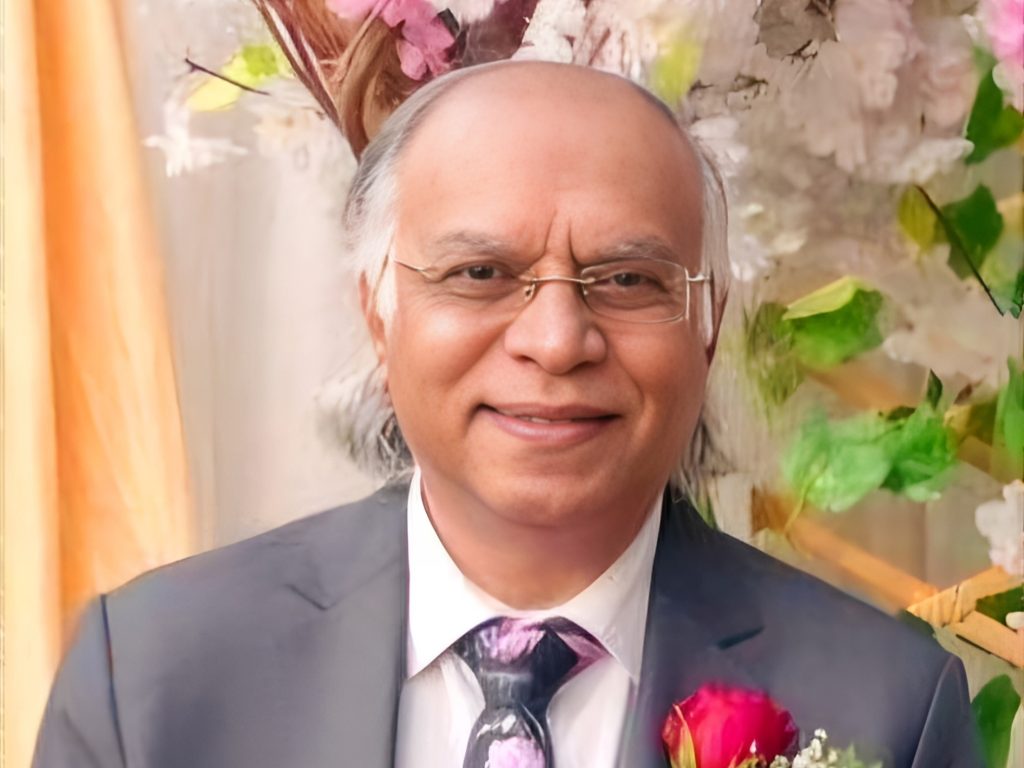
Dr Surendra Singh. Photo: supplied
Monday, 27 May 2024. The passing of esteemed cardiologist Dr Surendra Singh (11 April 1955 – 16 May 2024) at the age of 69 after a short illness is a tremendous loss to healthcare in KwaZulu-Natal, the communities he served and everyone who knew him.
“We wish to express our sincere condolences to Dr Singh’s wife, Professor Shanta, and his children Rajiv, Ameet and Rhea,” said Netcare uMhlanga Hospital general manager Wendy Beato.
“We mourn the passing of an exceptional healthcare professional and a man of stature. Dr Singh was highly respected and much loved by his colleagues, patients and the staff and management of Netcare uMhlanga Hospital, where he has practised for several years.
“Dr Singh will be deeply missed by all who had the privilege to know him,” she says.
After qualifying as a cardiologist in 1990, Dr Singh embarked on a journey during which he harnessed the power of his knowledge to heal others. Known for this brilliance both as a man and a doctor, he possessed a rare combination of exceptional expertise, humility and deep caring.
“Dr Singh’s dedication to his patients was evident throughout his career, and he continued to provide much valued service at Netcare uMhlanga Hospital until he became ill. His passing leaves a deep void for all who knew him and the countless patients whose lives he touched throughout his career.
“Dr Singh’s legacy as a caring healthcare provider and respected cardiologist will endure. Through his considerable dedication and expertise, he improved and saved lives while inspiring a new generation of healthcare professionals. His passion for healing and deep commitment to his patients will be forever remembered. Although his time with us was cut short, the impact of his life’s work will continue to be felt for many years to come,” Beato concluded.
Professor Ntobeko Ntusi in front of a painting depicting student protests inside his office at Groote Schuur Hospital – the same office that once housed his mentor, the late Professor Bongani Mayosi. (Photo: Biénne Huisman/Spotlight)
Professor Ntobeko Ntusi may be softspoken, but he is not afraid to stand by his strongly held views. As he is set to take up the hot-seat at the country’s primary health research funder, he tells Spotlight’s Biénne Huisman about his background and his priorities for the new job.
Professor Ntobeko Ntusi’s bearing brings to mind the aphorism “speak softly and carry a big stick” cited by the 26th president of the United States Theodore Roosevelt.
Inside his office at Groote Schuur’s Old Main Building, department head of medicine at the hospital; Ntusi is soft spoken, his words a few decibels above a whisper. However his observations are thoughtful and sharp, crafted with precision. Known to call out issues around race and racism at South African universities – “inbuilt biases” even amongst young students – his level, unblinking gaze commands attention.
Born in Umthatha to academic parents, Ntusi at age 13 was named South African Junior Ballroom Dance Champion at an event in Sasolburg. Some three decades later, the cardiologist with qualifications from around the world, does not sidestep public healthcare debate in favour of keeping the peace.
Catastrophic budget cuts
Earlier this year, Ntusi publicly criticised healthcare budget cuts. R200 million was shaved off Groote Schuur’s coffers just last year, as the Western Cape Department of Health and Wellness announced an R807.8 million shortfall for the coming year. Speaking to Spotlight, Ntusi described communication on the matter by provincial government officials (with healthcare professionals) as “appalling”.
In February, Ntusi was one of a group of executives at the hospital – affiliated to the University of Cape Town (UCT) – who spearheaded a petition to national and provincial treasury, decrying “crippling austerity” and “catastrophic budget cuts”; saying how clinicians with multiplying work hours are watching patients deteriorate, as waiting lists for lifesaving elective surgery grow longer.
At a boardroom table inside his office, he says: “How we ration limited resources, this is causing real moral injury to our front-facing clinicians. I mean, we’re having to deal with complaints from patients who no longer have access to services they have grown accustomed to. This is causing a lot of distress, especially among young doctors, and medical registrars – the engine of our operation – who are increasingly anxious and taking time out for mental health reasons.”
In his present position, Ntusi’s voice has clout. He oversees thirteen divisions – from cardiology to pulmonology, and infectious diseases and HIV medicine – and corresponding research units such as the Desmond Tutu HIV Centre, directed by Professor Linda-Gail Bekker.
‘Hope cannot be a strategy’
Reflecting on how Groote Schuur’s management are responding to these challenges, Ntusi says the hospital’s CEO (since February) Shaheem de Vries, while new, in time ought to bring concrete priorities to the table. “It’s important to have hope, but hope cannot be a strategy,” he says.
This insight may well inform how he approaches his own new job as CEO and President of the South African Medical Research Council (SAMRC), taking over from Professor Glenda Gray. From July, Ntusi will give up his Groote Schuur office, putting away his clinician’s stethoscope, to take up the hot-seat at the country’s primary health research funder at its headquarters behind a facebrick facade in Parow. The SAMRC employs 718 employees and will see Ntusi answer to the National Department of Health, the SAMRC board, and the Parliamentary Portfolio Committee on Health (you can see the latest report to the committee here).
Across medical bureaucracies, budget remains an issue. The South African government allocated R1.35 billion to the SAMRC for 2023/24. In the council’s latest annual report, diminishing funding from government is listed as a threat; while the ability to attract external funding is listed as a strength.
“A key role of the President of the SAMRC is to engage with organisations like the Wellcome Trust [in the United Kingdom] and the NIH [the National Institutes of Health in the United States] and high worth individuals to attract funding,” says Ntusi.
He points out that the SAMRC has had clean audits for several years running – a remarkable achievement for a South African parastatal. Indeed, the council’s annual performance plan for 2024/2025 states: “Despite interruptions of COVID-19, SAMRC’s exemplary performance and good governance led to the organisation achieving four consecutive clean audits… It is the organisation’s intention to continue on the same path.”
On the SAMRC’s functions, Ntusi explains: “For government, the SAMRC plays a critical role in bridging the gap between strategy and policy, and implementation. In science, it plays a critical role in providing priorities for the funding of research, and capacity building…”
In the SAMRC’s last financial year, R61.6 million was allocated to funding 171 “research capacity development” grants, including 120 to women. The annual report describes this as funding “the next generation of health researchers… with most of these awards aimed at individuals from historically disadvantaged backgrounds.”
For Ntusi, points of focus to be expanded on at the SAMRC include health issues relating to climate or planetary change, epidemic preparedness, “restoring trust in science in an age of misinformation”, digital health and artificial intelligence; and projects linking South African scholars with research entities across Africa. “In many of these countries, they don’t have the research infrastructure and budgets we have in South Africa – it is important to assist them with projects.”
To the US and back home
When he was 14, Ntusi’s family – he is one of three boys – moved to the United States where his mother pursued a PhD in social work. In Philadelphia, Pennsylvania, he continued competitive ballroom dancing while attending Lower Merion High School, where a video on child birth showed in a biology class stirred his passions.
At liberal arts college Haverford, in Pennsylvania, he completed a BSc Honours in cellular and molecular biology, before returning “home” to South Africa in 1999, to enrol in medical school at UCT. Here his initial interest in obstetrics was disappointed – “it was loud and messy, an anti-climax” – seeing him drawn to internal medicine and cardiology instead. In following years, he would study cardiovascular medicine under mentorship of the late Professor Bongani Mayosi.
Like Mayosi, Ntusi was awarded the Oxford Nuffield Medical Scholarship, which funded his D.Phil at the University of Oxford in the United Kingdom. His doctoral research looked at cardiovascular magnetic resonance (CMR – noninvasive tests that produce images of a beating heart) to study inflammatory heart disease.
In 2016, Ntusi took over from Mayosi as head of Groote Schuur’s department of medicine, as Mayosi became dean of the university’s faculty of health sciences. At the time Ntusi continued treating cardiology patients, with ongoing research projects including on HIV-related heart disease.
Seven years later, against pale yellow walls (the same walls decorated by Mayosi back when it was his office) several art works and certificates attest to Ntusi’s time here. He points out one painting of student protestors made by a friend – based on the #FeesMustFall protests at the university in 2016 – “a difficult time”, he says.
In 2018, Mayosi’s suicide was partially attributed by some to pressures relating to the violent protests; while also putting a spotlight on pressure on prominent black academics at UCT, and other tertiary institutions in South Africa. An enquiry found that the “sometimes disrespectful manner” in which protest was conducted, and “instigation of students’ action by some of his colleagues”, caused Mayosi “a lot of distress”.
Displayed on a shelf, beside a stuffed doll of the Archbishop Desmond Tutu and a 2021 SAMRC gold trophy for “scientific achievement”, a burgundy-bound book recounts Mayosi’s legacy. Ntusi penned the introduction, where he writes: “Bongani Mayosi – as a leader, he was awesome. He is one of the most inspiring people I will ever know. He always reminded me: ‘a journey of a thousand miles begins with a few steps’.”
Asked about following in the footsteps of a star such as Mayosi, Ntusi replies: “I am his protégée. There were always room for me to build my own scientific investigations.”
Precarious times
As Ntusi is poised to depart from Groote Schuur, present dean of UCT health sciences Associate Professor Lionel Green-Thompson points out how the cardiologist cared for critically ill patients in COVID-19 high-care wards, particularly during the fear and uncertainty of hard lockdown.
“Sometimes we would work up to 16 hour shifts in the high-care wards; upon finally leaving I’d go outside to find anti-vaccine protestors in front of the hospital. I mean, they were just annoying,” Ntusi recalls.
“Communication around the AstraZeneca vaccine went very badly – increasing confusion and vaccine hesitancy. It is really, really important to advocate for vaccines. And this brings me back to the point of restoring people’s faith in science; redressing the public image of science, a priority I have for the SAMRC going forward.” (After procuring the AstraZeneca SARS-CoV-2 vaccine, the South African government decided early in 2021 not to use it after it showed limited efficacy against mild to moderate COVID-19 in a study.)
Foremost, Ntusi describes himself as a “humanist”. Apart from science, medicine and health equity, his interests include art, wine and dogs. Ntusi lives in Milnerton. A keen runner, he is a member of the Gugulethu Athletics Club.
Some of the final work of a late University of Virginia School of Medicine scientist has opened the door for life-saving new treatments for solid cancer tumours, including breast cancer, lung cancer and melanoma.
Prior to his sudden death in 2016, John Herr, PhD, had been collaborating with Craig L. Slingluff Jr, MD, to investigate the possibility that a protein recently discovered at Herr’s lab could be a viable cancer treatment target.
Eight years of research has borne that idea out: Herr’s research into the SAS1B protein could lead to “broad and profound” new treatments for multiple cancers, many of which are very difficult to treat, Slingluff reports in a new scientific paper in the Journal for ImmunoTherapy of Cancer. Herr is listed as a senior author on the paper.
“John was very excited about this protein SAS1B to be a valuable new target on human cancers, and I am delighted that our findings together further support his hope to make such a difference,” said Slingluff, a surgical oncologist and translational immunologist at UVA Health and the UVA School of Medicine. “The work we published included work done by Dr Herr and his team over a period of years, as well as our subsequent work together; so, I am glad that the journal agreed with our request to include John as a senior author.”
Promising New Cancer Target
Herr’s lab was not originally focused on cancer – he was the head of UVA’s Center for Research in Contraceptive and Reproductive Health. In that role, he developed the first home fertility test for men, SpermCheck, which is available in pharmacies across the country. But his discoveries about the SAS1B protein found in developing eggs in women could pave the way for new cancer immunotherapies.
While SAS1B is found inside female reproductive cells called oocytes, it is also found on the surface of many different solid cancer cells, Slingluff’s new research verifies. Importantly, it did not appear on the surface of any of the other normal cells Slingluff’s laboratory tested. That suggests that doctors may be able to develop use antibody-based immunotherapy – such as antibody-drug conjugates or CAR T-cell therapy, a strength of UVA Health – to attack the cancer cells while sparing healthy tissue.
“Selectively targeting SAS1B has the potential to have broad and profound impact on the treatment, and therefore reduction in mortality, of multiple malignancies,” Slingluff and his colleagues write in their new paper.
While much more work needs to be done, the new findings are promising. If the approach is successful, it could be a big step forward in cancer care. Many solid-organ cancers are extremely difficult to treat, and patients often have few good treatment options, Slingluff notes.
“Immune therapy is revolutionising treatment of human cancers,” Slingluff said. “But some cancers have been particularly resistant to immune therapy because of the lack of good targets on those cancers. We hope that this work that John Herr started will bring new hope to patients with those cancers.”
Professor Shabir Madhi of Wits University. Photo: supplied.
The Sabin Vaccine Institute presented the Albert B. Sabin Gold Medal to physician-researchers Keith Klugman and Shabir Madhi.
Nicole Basta, an associate professor at Canada’s McGill University and Canada Research Chair in Infectious Disease Prevention, received Sabin’s 2024 Rising Star Award.
The awards were made on 18 April 2024 at a ceremony in the National Academy of Sciences building in Washington D.C.
Formidable Wits alumni are world leaders in vaccinology
Klugman and Madhi received the Sabin Gold Medal, one of the highest recognitions for vaccinologists globally, for their seminal combined contributions to the development of vaccines against pneumonia and diarrhoeal disease – major causes of death in children in low- and middle-income countries (LMICs).
Klugman is a Wits University alumnus who received an honorary doctorate from his alma mater in 2023.
Madhi, also a Wits alumnus, is currently Professor of Vaccinology and Dean of the Faculty of Health Sciences at Wits University.
The Gold Medal is Sabin’s highest scientific honour. It has been given annually for more than three decades to a distinguished member of the global health community who has made exceptional contributions to vaccinology or a complementary field.
Klugman first met his then-graduate student Madhi at Wits University, where Klugman established, and Madhi expanded, a now globally renowned infectious diseases research institute. Apart from pneumonia, their work focused on maternal and children’s vaccines including influenza, respiratory syncytial virus (RSV), typhoid, and Group B streptococcus (GBS).
The evidence produced by these two awardees has and continues to inform the World Health Organization’s recommendations for vaccines. Klugman and Madhi’s research has helped pave the way for the introduction of lifesaving vaccines in public immunization programs – including the pneumococcal conjugate vaccine where their findings were pivotal in influencing vaccination policy in many low- and middle-income countries (LMICs).
Klugman’s efforts help prevent babies from dying of pneumonia
Fuelled by an early interest in science as a child in South Africa – in part due to a physician father – Klugman holds both a medical as well as a science doctorate degree from Wits University and was the first student in the school’s history to obtain them simultaneously.
He began his research career nearly five decades ago investigating the typhoid vaccine and has since distinguished himself as a formidable infectious diseases’ scientist.
Klugman is widely known for his work on pneumonia, which still kills a child under five every 43 seconds, many in the world’s poorest countries.
As the director of the pneumonia programme at the Seattle-based Bill & Melinda Gates Foundation, Klugman orchestrates strategic initiatives aimed at reducing deaths from pneumonia, RSV, neonatal sepsis, and meningitis.
He has authored hundreds of publications that have been cited over 50 000 times to date and has been elected to the National Academy of Medicine in the United States. He is also a professor emeritus of global health at Atlanta’s Emory University.
His scientific achievements aside, Klugman has long championed the need for the world’s poorest children to have equitable access to vaccines. While in South Africa he joined in Wits University’s struggle to allow access to the institution for all students.
“It is absolutely wonderful to be receiving this award, especially together with Shabir,” he says. “When I look down the list of previous awardees, I recognize the great majority of them, and it is extraordinary to now be numbered among them.”
Past award recipients include leaders of vaccinology and vaccine advocacy such as Drs. Barney Graham, Carol Baker, Bill Foege, Anne Gershon, Stanley Plotkin, and Kathrin Jansen.
Madhi’s research informed WHO recommendations on universal rotavirus vaccination
With a career spanning more than 25 years, Madhi, also from South Africa, is a trained paediatrician whose research continues to be instrumental in prioritising the rollout of vital vaccines and guiding global public health policies. At Wits University, he led clinical trials focused on respiratory and meningeal pathogens, including vaccines targeted at pregnant women and their unborn babies.
Madhi led the first study showing that a rotavirus vaccine could significantly prevent severe diarrhoea during the first year of life in African infants. That research served as a key piece of evidence for the WHO’s recommendation of universal rotavirus vaccination. In addition, he also led the first two COVID-19 vaccine trials in Africa, and a number of COVID-19 epidemiology studies which led to the first evidence suggesting that infection-induced immunity and vaccinations played a role in reducing severity of disease.
In addition to serving as Professor of Vaccinology and Dean of Health Sciences at Wits University, Madhi heads South Africa’s widely respected South African Medical Research Council (SAMRC) Vaccines and Infectious Diseases Analytics Research Unit (Wits VIDA). He is also the co-founder and co-Director of the African Leadership Initiative for Vaccinology Expertise (ALIVE).
He has co-authored hundreds of publications which have been cited over 59 000 times. Madhi is a recipient of numerous lifetime achievement awards in South Africa, as well being bestowed an Honorary Commander of the Order of the British Empire (CBE) from the British Government for his services to science and public health in a global pandemic.
“It is really humbling for me to be acknowledged for my contributions in the field of vaccinology along with those who have received the Gold Medal award,” says Madhi. “It makes me realise that the work my team and I have done is acknowledged by my peers as being of substance. Most significantly, we contributed to protecting lives in those settings where a majority of death and suffering occurs, and that is in LMICs.”
Amy Finan, Sabin’s chief executive officer, says, “I am honoured to award the Sabin Gold Medal to Dr Klugman and D. Madhi for their extraordinary work on vaccines that have saved lives in communities most in need of these interventions. Their pneumonia research has been particularly transformative in shaping our understanding of the disease and strengthening global health strategies to protect children from this vaccine-preventable disease.”
Research into the link between disordered sleep and disease show an outsized burden on the most vulnerable. It’s sounding alarms for sleep equity to have a place on the public health agenda, reports Ufrieda Ho.
Scientists are increasingly connecting the dots on how a lack of sleep places a disproportionate health burden on at-risk population groups, including people living with HIV, women, informal workers, the elderly and the poor.
This year’s World Sleep Day on 15 March focuses on sleep equity. Researchers say that tackling sleep inequity and raising awareness for the importance of sleep as a pillar of good health could help stave off several looming public health pressures.
The lack of healthy sleep is linked to cardiovascular disease, obesity, hypertension, diabetes, mental health conditions and dementia. In South Africa, understanding the connection between sleep and HIV is also key to managing the health of the large ageing population of people living with the disease.
Karine Scheuermaier is associate professor at the Wits University Brain Function Research Group. The country’s oldest sleep laboratory founded in 1982 is based at the university’s medical school in Parktown, Johannesburg.
“Society understands the role of exercise and diet in good health but somehow sleep has not had the same kind of awareness or priority, even if sleep is linked to how well your body functions and your chances of developing disease,” she says. “We do everything else at the expense of sleep. Sleep is somehow a symbol of laziness in a work-driven society and we need to change this thinking.”
Sleep inequity in SA
Sleep inequity is linked to socio-economic realities, she says. Sleep inequity might affect the person who lives in an environment where safety and security is neglected or where there is a high threat of gender-based violence. It could also be having to navigate apartheid city planning that forced black people to live far from job hubs. This legacy means today many workers still wake up early to face long work commutes daily. There could also be inequity in division of labour in households, when one person wakes up to take care of children or elderly family members in the home.
Living in overcrowded informal settlements also presents disturbances for good sleep, including high levels of noise and bright floodlights as street lighting. Those who work in unregulated or informal sectors, including shift work or digital platform workers, like e-hailing drivers, are prone to lose out on quality sleep.
clinic that does clinical work, research, and training. Chandiwana says homing in on the intersection of HIV and sleep is critical in a South African context.
“The average person living with HIV who has started antiretroviral treatment on time should live as long as a person who doesn’t have HIV. But what we know is that the person with HIV is on average, living 16 years less of good health. They are more likely to develop type II diabetes, mental health issues, obesity, and heart disease – and we know poor sleep is linked to this,” she says.
Chandiwana says sleep science is still a relatively new field of medicine and the nascent research is still looking to better understand how sleep deprivation triggers immune pathways and chronic inflammation in people living with HIV, even those who are healthy and respond positively on treatment.
A current study at the clinic is looking into the intersection of obesity, sleep apnoea, and women living with HIV. Chandiwana says because so much is unknown, the issue of sleep equity extends to support and funding for more locally appropriate sleep research. Medical school curricula needs to change and more avenues to train people in sleep research needs to be established, she says.
“We have very little African data on sleep disorders and disordered sleep,” she says. She argues we need better data on things like how many people are affected by poor sleep, a better understanding of what is causing it and what it means, and then we need to present these findings to public health authorities to look at it as a public health issue.
“We do have specific challenges in our country. If you are trying to explain to someone, who isn’t South African, how the impact of load-shedding affects sleep or how living in a shack affects sleep, it’s not always easy to do,” she says.
Chandiwana says countries in the global North are already counting insufficient quality sleep as an economic cost measured in loss of productivity, efficiency, safety and society’s well-being. They are also changing public health policies accordingly. South Africa and the rest of the continent stand to be left behind, she says.
How to get better sleep in SA
Chandiwana says: “There is no lab in South Africa that does sleep studies for people in the public sector and no place in the public sector for people to even be diagnosed for a sleep disorder – so services are extremely limited. With something like sleep apnoea, we can’t offer patients in the public sector the gold standard intervention of CPAP [continuous positive airway pressure, which is a device of a face mask, a nose piece, and a hose that delivers a steady flow of air pressure to keep airways open while someone sleeps] because this is financially out of reach. Instead, we have to work with patients to help them lose weight and do positional therapy like training them to sleep on their backs.”
Other ways to get better sleep without costly intervention or sleeping tablets, the two scientists say, include getting exercise, not having food, stimulants or alcohol two to three hours before bedtime, limiting screen time of all kinds in the hour around bedtime, getting exposure to the early morning sunlight each day, keeping sleeping areas dark, quiet and at a comfortable temperature, and developing fixed sleep routines and sleep time rituals – like brushing your teeth, putting on pyjamas, reading for a short period and then going to sleep.
Ultimately, Chandiwana suggests it all comes back to building awareness that healthy sleep is part of health rights.
“We have to fight for sleep equity and we need people to know that sleep is not elitist – it’s not just reserved for some,” she says, “and we should not be accepting poor sleep as the norm”.
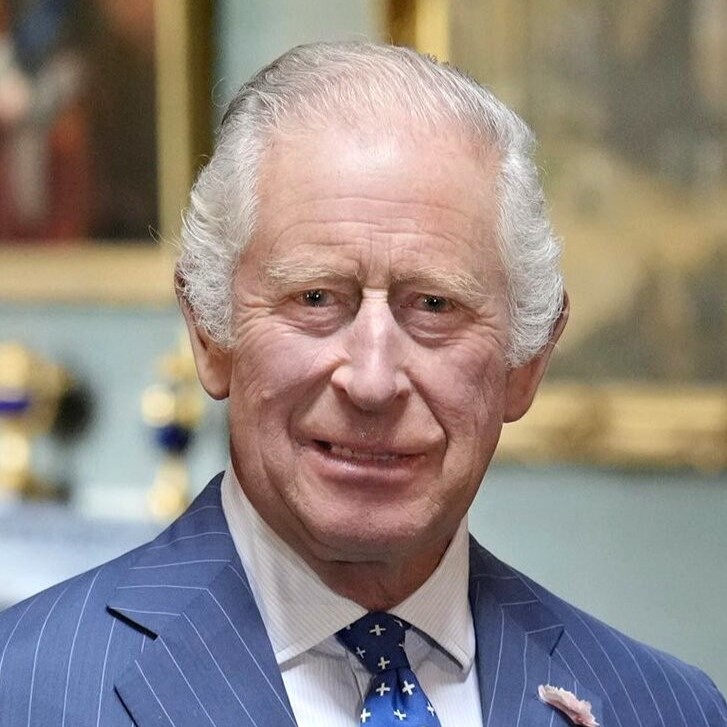
The UK’s King Charles has been diagnosed with cancer, though reportedly at an early stage. This follows a brief hospital stay where he underwent a procedure for a benign enlarged prostate. For the time being, he will not being public duties, but will continue his private duties.
Speaking to the BBC, UK Prime Minister Rishi Sunak said that the cancer was “caught early”. The nature of the cancer was not disclosed by Buckingham Palace, which is in line with its usual practice of sharing only basic information concerning the health of the royal family. It however noted that it was not connected to his prostate treatment, ruling out prostate cancer.
Well-wishes for the king have come in from around the globe. Mia Mottley, Barbados’ first female PM, wished wishes King Charles a “full and speedy recovery”. Barbados became a republic in 2021, ending the the role of UK monarchs as its Head of State.
Since the UK is a constitutional democracy, his private duties consist of governmental approvals. For example, the king has constitutional duties, such as approving the passing of laws and appoints new judges, ambassadors and prime ministers. Public activities such as charity events and giving honours for public or voluntary service.
It is expected that certain activities such as his weekly meetings with Prime Minister Sunak will continue unless his doctors advise otherwise. Other members of the royal family will be able to stand in for him for ceremonial duties if he is unable to perform them. Recently, 41-year-old Catherine, Princess of Wales,
It is not an unexpected medical condition to occur for the 75-year old monarch – age is a major factor for almost all cancers – just over a quarter of all cancers are diagnosed from age 75 onward. The American Cancer Society now recommends general cancer screenings start at 45.
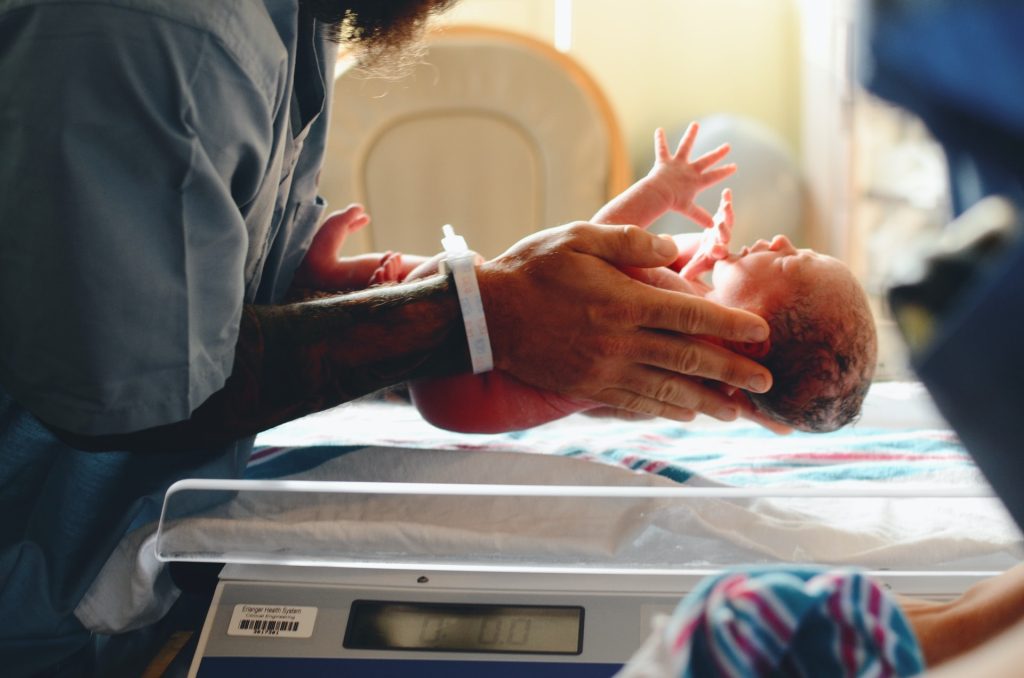
New Year’s Day saw the Gauteng Department of Health welcoming 112 babies into the world, the lion’s share of more than 400 births in total for the country. According to data released by Gauteng Health on X/Twitter, in the province’s public healthcare facilities, there were a total of 59 boys and 53 girls. Thelle Mogoerane Regional Hospital topped the table with 10 babies, followed by Chris Hani Baragwanath Academic Hospital (CHBAH) with 9 babies. But all of this was relatively quiet compared to Christmas Day, which saw more than three times the New Years’ Day number.
MEC Nkomo Nomantu together with MMC for Health Rina Marx joined the postpartum mothers at Dr George Mukhari Academic Hospital on the morning of New Year’s Day in welcoming their new arrivals. Gauteng’s academic hospitals recorded 19 births, while there were 10 births at the tertiary hospitals. Regional and district hospitals had 69 births and community healthcare centres had 14.
Christmas Day saw 387 babies born, 201 of them girls and 186 boys. CHBAH welcomed the most, with 46 births, followed by Tembisa Hospital with 38.
Universal Health Coverage Day calls on us to reflect on the progress that we have achieved in providing healthcare for all. As the health and pharmaceutical industries, it is time to question if our strides in achieving healthcare for all are successful and identify areas for improvement. The theme “A Time for Action”, speaks to the urgency of healthcare access regardless of socioeconomic status, age, race or demographic. It is not an ambitious dream and can be attained in our lifetime, writes Bada Pharasi, CEO of the Innovative Pharmaceutical Association of South Africa (IPASA).
Universal Health Coverage (UHC) means access to primary healthcare for everyone. In South Africa, this is referred to as National Health Insurance (NHI). Regardless of its name, the objective remains the same – to ensure that all citizens, regardless of where they live or their socioeconomic status, have access to healthcare.
A 2021 report released at the Africa Health Agenda International Conference (AHAIC) revealed that 615 million, or 52%, of the people in Africa, did not have access to the healthcare that they needed¹. It was also estimated that 97 million Africans face catastrophic healthcare costs, which push 15 million people into poverty every year¹.
The effective implementation of UHC would mean that no person would have to go without appropriate healthcare. It would also mean that no person would have to undergo financial strain to receive treatment for ill health.
UHC covers a spectrum of health needs from health promotion to prevention, treatment, rehabilitation, and palliative care across the life course². In 2015, 193 United Nations (UN) member states agreed on the 2030 Sustainable Development Goals (SDG). These goals are aimed at seeing an end to poverty and a sustainable future by 2030², and ensuring health coverage for all is an integral part of reaching these goals.
The World Health Organization (WHO) believes that UHC can be achieved by using the primary healthcare approach as it remains the most accessible, inclusive and cost-effective method to reach the majority of the population².
Globally, as many as 72 countries have included UHC in their national healthcare systems. The countries where UHC has been the most successful include Canada, Australia, and several European countries, such as Switzerland and Sweden. It is from these countries that we can glean valuable lessons on the importance of strong healthcare systems, well-trained healthcare professionals and a cohesive relationship between governments and the private sector³.
Ensuring a healthier nation may seem like an exorbitant mission. However, when we consider that a healthier population will be beneficial to the economy, it makes for a worthwhile investment. The World Bank adds that UHC allows countries to make the most of their strongest asset: human capital. A nation in good health is one where children can go to school and adults can go to work⁴.
There is a common perspective that for a country’s overall health to improve, its economy must improve first. This idea fuels the understanding of why low- to middle-income countries have such poor healthcare infrastructure. The World Bank offers an alternative perspective, suggesting that when a country’s overall health improves, so will its economy. This as more citizens will be able to contribute to its economic growth and the workplace⁵.
Some of the reasons why the adoption of UHC in African countries has seemed to stall include inadequate financial and technology support, limited pharma manufacturing companies, and unclear policies and regulatory frameworks⁶.
In South Africa, the greatest hindrance to people receiving the healthcare they require boils down to numbers. With a population of more than 60 million people, there is a greater need for healthcare than there is capacity to meet the demand⁷.
At IPASA, we believe that healthcare is a basic right and that citizens in any given country should be given the necessary access to healthcare. We understand that working with key stakeholders, such as the government, is critical to the success of universal healthcare. Our ongoing work with patient advocacy groups ensures we understand what patients need from a treatment perspective.
We recently attended the Access Dialogue conference with patient advocacy groups including Rare Diseases South Africa and Campaigning for Cancer to gain an understanding of some of the concerns faced by patients and share insights on the proposed NHI Bill.
IPASA believes that an adequate supply of medicines is a critical pillar of any healthcare scheme, and the NHI is no different. For the NHI to succeed, it must be backed by a sustainable healthcare sector to ensure the security of healthcare provision and medicine supply.
To this end, the NHI must allow for a flexible, responsive pricing model that includes alternative/innovative reimbursement models to cover the cost of medicines and health products. This allows responsiveness to the needs of geographical areas, quality and levels of care, and negotiations directly with healthcare providers.
Healthcare for all can only be achieved by the joint commitment of the health and pharmaceutical industries, government stakeholders and patient advocacy groups for the benefit of patients. No person should be faced with the obstacle of finance at a time when they need healthcare: providing healthcare for all results in a healthier society and healthier world for us all.