

By Lee Callakoppen, Principal Officer of Bonitas Medical Fund
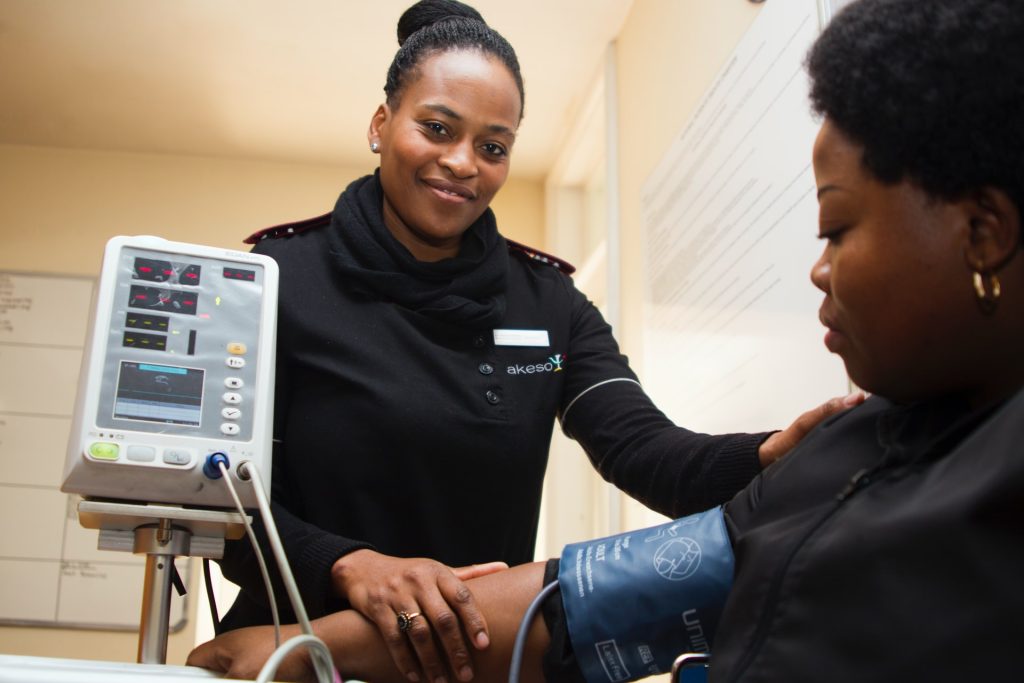
When we think about chronic disease, most of us picture someone in their sixties or seventies. Someone who has spent decades working, raising a family and perhaps not paying as much attention to their health as they should have. We tend to associate conditions such as hypertension, diabetes and heart disease with getting older.
But what happens when the person being admitted to hospital for hypertension is just 11 years old? That is the age of the youngest member recorded in Bonitas’ hypertension-related hospital admissions data. It is an extraordinary statistic, and one that has stayed with me.
Of course, a single case does not tell us everything about the state of our nation’s health. But it does challenge something many of us have come to accept: that chronic disease is largely a problem for later in life. The reality is that the warning signs are appearing much earlier, and I believe we need to pay closer attention to what they are telling us.
The warning signs are closer than we think
South Africa is already carrying a significant burden of chronic disease. According to the International Diabetes Federation, approximately one in nine adults is living with diabetes, with many cases remaining undiagnosed. The South African Medical Research Council (SAMRC)
estimates that hypertension affects almost half of adult women and around 34% of adult men.
These figures are concerning enough on their own. What worries me more, however, is what happens when these risks begin to overlap, particularly among people who may otherwise consider themselves young and healthy.
At Bonitas, our wellness screening data offers an interesting perspective on this. Nearly three-quarters of screened participants had at least one elevated health risk marker. More than half were classified as obese, almost a quarter had elevated blood pressure, and 43% of those identified as being at risk presented with two or more cardiometabolic risk factors.
What caught my attention was that 71% of the elevated risk markers identified were among members younger than 50.
Now, that doesn’t necessarily mean younger people are at greater risk than older people. But it does tell us that these health concerns are very much present during the years when people are building careers, raising children, paying bonds and generally getting on with life.
And perhaps that is part of the problem.
When you’re in your thirties or forties, managing work deadlines, school runs and household responsibilities, your health can easily become something you promise yourself you’ll pay attention to later. You feel relatively fine, so you assume everything is fine.
Yet hypertension, for example, can develop without obvious symptoms. By the time someone realises there is a problem, the condition may already require ongoing medical management.
Our hospital admissions data brings this into sharper focus. Of more than 2,700 hypertension-related admissions recorded, approximately one-third involved members younger than 50, while one in eight involved members under 40.
These are not necessarily the ages at which most people expect to find themselves dealing with the consequences of high blood pressure.
Knowing your risk is only half the battle
For me, the bigger issue is not simply that we’re identifying health risks earlier. It’s what we’re doing once we’ve identified them.
We spend a great deal of time in healthcare encouraging people to go for screenings, check their blood pressure, monitor their glucose levels and understand their health risks. And rightly so. Early detection remains one of the most valuable tools we have.
But I sometimes wonder whether we’ve become so focused on getting people screened that we haven’t paid enough attention to what happens afterwards. Some of our wellness data suggests that individuals who recorded elevated health indicators continued to present with elevated readings a year later.
Think about what that means. Someone has been told that their blood pressure is too high or that their glucose levels need attention. They have the information. They know there is a potential problem. Yet a year later, the risk is still there.
It raises an uncomfortable question: Are we doing enough to help people act on what they know?
I don’t believe the answer lies in simply telling people to eat better, exercise more or lose weight. Most South Africans have heard that advice countless times. Knowing what to do and being able to do it consistently are two very different things.
Healthy choices don’t happen in isolation. They are influenced by people’s circumstances, the demands on their time, their access to healthcare and the support available to them.
A person working long hours, commuting for several hours a day and trying to support a family may understand the importance of regular exercise and healthy eating. But understanding the importance of something doesn’t automatically make it easy to achieve.
This is where I believe our approach to preventative healthcare needs to evolve. Screening should be the beginning of a conversation, not the end of one. When someone is identified as being at risk, there should be a clear path towards appropriate medical advice, ongoing monitoring and practical support that helps them make sustainable changes. However, that responsibility cannot sit with individuals alone.
Workplace wellness needs to go beyond wellness days
Medical schemes, healthcare providers and employers all have a role to play in making prevention more accessible and meaningful.
I am particularly interested in the role of employers because so many of these health risks are being identified during people’s working years.
We often speak about workplace wellness in terms of employee benefits, wellness days and annual health screenings. These initiatives certainly have their place, but I think we need to ask whether they are making a lasting difference.
If an employee discovers during a workplace screening that they have elevated blood pressure, what happens next? Is there support to help them manage it? Are they encouraged to seek medical advice? Is there any follow-up?
Or does everyone simply return to their desks and carry on until the next wellness day?
It’s worth thinking about, particularly when we consider the impact that unmanaged chronic conditions can have on absenteeism, productivity and people’s overall quality of life.
There is also a much bigger economic consideration.
When someone develops a chronic condition at 35 rather than 65, they may face decades of treatment, monitoring and potential complications. Multiply that across a population already experiencing high rates of hypertension, obesity and diabetes, and the implications for healthcare costs become difficult to ignore.
In a country where only 15.5% of the population belongs to a medical scheme and the majority depend on the public healthcare system, we simply cannot afford to keep responding to preventable health risks only once they have become serious medical problems.
We cannot afford to wait until people become ill
I don’t pretend that prevention is easy, nor do I believe every chronic condition can be avoided. Genetics, environmental factors and broader socioeconomic circumstances all influence our health.
But I do believe we have an opportunity to do things differently.
We have access to more health information than ever before. We can identify many risk factors earlier, and we understand far more about the interventions that can help people manage them.
What we need now is to become better at turning that knowledge into action.
For me, that is where the future of healthcare lies. Not only in developing better ways to treat illness, but in creating the support systems that help people stay healthier for longer.
And perhaps we also need to change the way we think about our own health. You shouldn’t have to reach a certain age, experience a health scare or receive a diagnosis before taking your health seriously.
If there is one thing our data has reinforced for me, it is that chronic disease doesn’t necessarily wait until we’re older. Neither should prevention.
