
Category: Gender

Men at Greater Risk of Major Health Effects of Diabetes than Women

Cases of cardiovascular, leg/foot, kidney complications, and eye disease all higher in men
Sex differences in complication rates persist regardless of disease duration
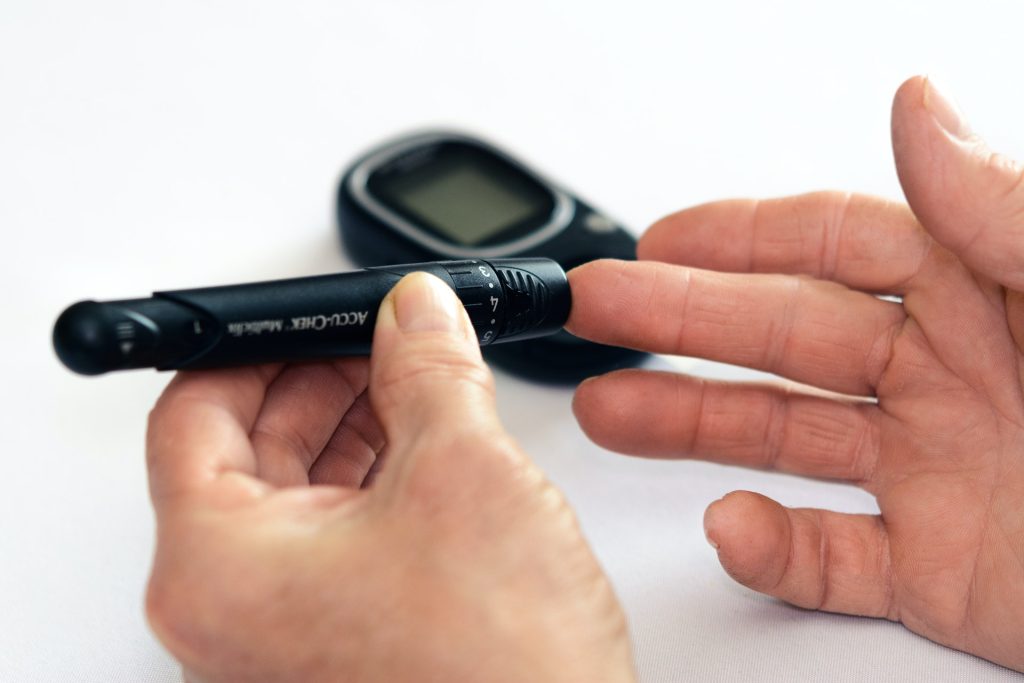
Photo by Photomix Company on Pexels

Men are at greater risk than women of the major health effects of diabetes (types 1 and 2), suggests a long term study published online in the Journal of Epidemiology & Community Health.

Rates of cardiovascular disease, leg, foot, and kidney complications, and the sight-threatening eye disease diabetic retinopathy are all higher in men, regardless of whether they had diabetes for more or less than 10 years, the findings show.

The global prevalence of diabetes is similar in men and women, and is projected to rise to 783 million by 2045, note the researchers.

But while cardiovascular disease is more common in men, overall, it’s not clear if this sex difference is apparent in the incidence of the complications associated with diabetes, say the researchers. Nor is it clear whether the length of time lived with diabetes might be influential, they add.

To explore this further, the researchers drew on survey responses from the 45 and Up Study, Australia, a large prospective study of 267 357 people over the age of 45 living in New South Wales (NSW).

These responses were linked to medical records for a total of 25 713 people, all of whom had either type 1 or type 2 diabetes, to monitor the development of any of the major health issues associated with diabetes

These include cardiovascular disease – ischaemic heart disease, mini stroke or TIA, stroke, heart failure, diabetic cardiomyopathy; eye problems – cataract, diabetic retinopathy; leg/foot problems – peripheral neuropathy (nerve damage), ulcers, cellulitis, osteomyelitis (bone inflammation), peripheral vascular disease (poor circulation), and minor or major amputation; and kidney problems – acute kidney failure, chronic kidney disease, chronic kidney failure, dialysis, and kidney transplant.

Almost half of the group were aged 60 to 74, and over half (57%; 14,697) were men, a higher proportion of whom were overweight (39% vs 29% of women) and had a history of heart disease.

Although a similar proportion of men and women were current smokers, a higher proportion of men were ex-smokers: 51% vs  29% of the women.

Of the 19 277 (75%) people with diabetes whose age was recorded at their diagnosis, 58% had been living with the disease for less than a decade and 42% had lived with it for 10 or more years.

Men had higher rates, and were at greater risk, of the complications associated with diabetes.

Over an average monitoring period of 10 years, and after factoring in age, 44% of the men experienced a cardiovascular disease complication while 57% had eye complications. Similarly, 25% of the men had leg/foot complications, and 35% kidney complications. The equivalent figures for women were, respectively, 31%, 61%, 18% and 25%.

Overall, men were 51% more likely to develop cardiovascular disease than women, 47% more likely to have leg and foot complications, and 55% more likely to have kidney complications.

Although there was little difference in the overall risk of eye complications between the sexes, men were at slightly higher risk (14%) of diabetic retinopathy.

While complication rates rose in tandem with the number of years lived with diabetes for both men and women, the sex difference in complication rates persisted.

By way of an explanation, the researchers point out that the men in the study were more likely to have well known risk factors. Men may also be less likely to make lifestyle changes, take preventive meds, or get health checks to lower their risks, they suggest.

This is an observational study, and as such, no firm conclusions can be drawn about causal factors, added to which people with a history of complications were excluded from the study. And information on potentially influential factors, such as diabetes medications, and glucose, blood fat, and blood pressure control wasn’t available.

But based on their findings, the researchers suggest: “For every 1000 people with diabetes, our findings suggest that an average of 37, 52, 21, and 32 people will develop cardiovascular disease, eye, lower limb, and kidney complications every year.”

While the risks of complications are lower in women with diabetes, they are still high, emphasise the researchers.

And they conclude: “Although men with diabetes are at greater risk of developing complications, in particular [cardiovascular disease], kidney and lower-limb complications, the rates of complications are high in both sexes.

“The similar sex difference for those with shorter compared with longer diabetes duration highlights the need for targeted complication screening and prevention strategies from the time of diabetes diagnosis.

“Further investigation into the underlying mechanisms for the observed sex differences in diabetes complications are needed to inform targeted interventions.”

Source: BMJ Group

Gender Equality Universally Linked to Physical Capacity

Photo by Andrea Piacquadio on Pexels

Fitness amongst young adults varies widely from one country to another, and is strongly associated with both socioeconomic development and gender equality, a new study from Karolinska Institutet published in the Journal of Sport and Health Science reports. The results indicate that levels of development and gender equality in a society can affect differences in physical capacity and therefore public health in general.

Cardiorespiratory fitness (CRF) is an important factor of health and life-expectancy. For this present study, researchers systematically reviewed data from 95 studies in 24 countries involving a total of over 119 000 adult participants.  

CRF is measured by what is known as the VO2peak, which is the highest oxygen uptake a body achieves during physical exertion.  

The group, which included researchers from KI and Shanghai University of Sport, studied correlations between CRF, the Human Development Index (HDI) and the Gender Inequality Index (GII).  

HDI is a measure of societal parameters like education, income and life-expectancy, while GII reflects differences between women and men in terms of health, education and labour. 

Clear correlation in women 

The results show that people in countries with a higher HDI were, on average, fitter, a correlation that was particularly salient amongst women, where young women in countries with a medium HDI had a higher VO2peak than women in countries with a low HDI (31.2 versus 28.5mL/kg/min). However, a further HDI increase from medium to high gave only small improvements. 

“Our results suggest that societal structures impact greatly on people’s access to exercise and thus their fitness levels,” says the study’s lead author Nicolas Pillon, researcher at the Department of Physiology and Pharmacology, KI. 

The study also shows that higher gender equality (a lower GII) correlates with a higher level of fitness in both women and men. Again, the difference was the most notable amongst young women, who in countries with high gender equality had on average a 6.5mL/kg/min higher VO2peak than their peers in countries with low gender equality. 

“Our results underpin the importance of societal interventions and guidelines that reduce social and gender-related hindrances to physical exercise but point out that more research is needed from countries with a lower HDI, and on the obstacles facing different ethnic and socioeconomic communities,” says Barbara Ainsworth, researcher at Shanghai University of Sport and head of the study. 

Source: Karolinska Institutet

Care for Women and Harm Reduction Services Under the Spotlight

Facing off a dual burden of high disease risk and low service access

Photo by Sydney Sims on Unsplash

CAPE TOWN, 08 OCTOBER 2025: South African and international leaders in public health will gather on Friday, 10 October 2025 at the University of Cape Town to convene an in-person scientific seminar: Agents of change and women who use drugs. Women who use drugs (WWUD) in South Africa face compounded health and social vulnerabilities that leave them disproportionately excluded from essential health services. Compared to men, women experience heightened stigma, intimate partner violence, reproductive health challenges, and structural barriers such as childcare responsibilities and lack of women-centred care.1,2 Scientific discussions among academics will focus on how women can be supported through access to harm reduction programming and drug policy reform.  

 Seminar: Agents of change and women who use drugs

·        Date    : 10 October 2025

·        Time    : 13:30 – 15:30 (SAST)

·        Venue  : Neurosciences Institute Auditorium, UCT/Groote Schuur Hospital, Cape Town

·        Registration

Recent evidence highlights both the scale of drug use and the urgent need for tailored harm reduction. National estimates suggest there are approximately 82 500 people who inject drugs (PWID) in South Africa, with women comprising between 16% and 27% of this population.3 Led by TB HIV Care, a 2023 bio-behavioural survey across four South African sites documented extremely high HIV prevalence among PWID: 72.1% in Tshwane, 49.3% in eThekwini, 45.4% in Mashishing, and 30.3% in Mbombela. Hepatitis C (HCV) prevalence was similarly alarming, reaching 89% in Tshwane and over 75% in multiple sites.3

“The evidence consistently shows that harm reduction works,” says Dr Andrew Scheibe, medical doctor and technical advisor with TB HIV Care in Cape Town, INHSU board member, and fellow co-convener of the upcoming INHSU 2025 conference. “Harm reduction reduces infections, prevents overdose, and connects people to healthcare, yet access across Africa remains the exception rather than the rule.”

Sex-based disparities are stark. While HIV prevalence among PWID overall has ranged from 14% to over 70%, women consistently show higher prevalence rates than men. One multi-city study found 18% HIV prevalence among female PWID, compared to 13% among males.4 More recent research in Durban confirmed that women face greater barriers to accessing sexual and reproductive health, harm reduction, and HIV services, often due to fear of arrest, intimate partner control, and lack of programming designed for women.5

“Everyone in our communities deserve health, dignity, and care,” says Mfezi Mcingana, Programme Director: Key Populations at TB HIV Care. “People who use drugs are part of our communities and supporting their access to healthcare, not punishment, builds a safer, healthier society for all”, Mcingana concludes.

Despite the magnitude of risk, women remain underrepresented in harm reduction programmes. In opioid agonist therapy (OAT), fewer than 10% of participants are women.6 Needle and syringe programmes (NSPs) and OAT are limited in coverage, mostly urban-based, and not designed with women’s needs in mind. The absence of services aimed at women perpetuates cycles of preventable morbidity, mortality, and infectious disease transmission.

“While the scale of the challenge is undeniable, pioneering efforts by a few African governments show what harm reduction leadership can look like,” says Angela McBride, Executive Director of the South African Network of People Who Use Drugs (SANPUD), INHSU board member, and co-convener of INHSU 2025. “Harm reduction means putting health and human rights before punishment, shifting away from criminalisation and towards evidence-based, rights-affirming policies.”

To address this gap, investment in women-centred harm reduction is essential. Priorities include scaling up OAT and NSPs with women-specific entry points, integrating sexual and reproductive health services into harm reduction sites, providing childcare support, and ensuring protection from intimate partner violence. Without these interventions, WWUD in South Africa will continue to be excluded from public health progress and national HIV/HCV response goals.

References:

  1. Shirley-Beavan, S., Roig, A., Burke-Shyne, N., Daniels, C. and Csak, R. (2020). Women and barriers to harm reduction services: a literature review. Harm Reduction Journal, 17(74). Available here.
  2. Harm Reduction International & South African Network of People Who Use Drugs (SANPUD) (2020). Barriers to harm reduction for women who use drugs in South Africa. London: Harm Reduction International. Available here.
  3. SANPUD (2023). South African bio-behavioural survey and population size estimation among people who inject drugs. Johannesburg: South African Network of People Who Use Drugs. Available here.
  4. Scheibe, A., Young, K., Moses, L., Basson, R., Versfeld, A., Spearman, C.W. and Sonderup, M.W. (2016). HIV prevalence and risk among people who inject drugs in South Africa. International Journal of Drug Policy, 30, pp.107–113. Available here.
  5. Milford, C., Cavanagh, T., Bosman, S., Chetty, T. and Rambally, G. (2024). Access to and acceptability of sexual and reproductive health, harm reduction and other essential health services among people who inject drugs in Durban, South Africa. Harm Reduction Journal, 21(123). Available here.
  6. INHSU (2021). Gender and opioid substitution therapy access in Tshwane, South Africa. International Network on Health and Hepatitis in Substance Users. Available here.

Muscle Metabolism in Men and Women Differs, with Implications for Diabetes

Photo by Ketut Subiyanto on Unsplash

The skeletal muscles of men and women process glucose and fats in different ways. A recently published study now provides the first comprehensive molecular analysis of these differences. The results possibly give an explanation why metabolic diseases such as diabetes manifest differently in women and men – and why they respond differently to physical activity.

Skeletal muscles are far more than just “movement driving motors.” They play a central role in glucose metabolism and therefore also in the development of type 2 diabetes. This is due to the fact that around 85% of insulin-dependent glucose uptake takes place in the muscles. This means that if muscle cells react less sensitively to insulin, for example in the case of insulin resistance, glucose is less easily absorbed from the blood. This process is specifically counteracted by physical activity. 

Women’s and Men’s Muscles Work Differently

The degree to which muscles work differently in women and men has long been underestimated. It is precisely this issue which has now been investigated by researchers at the Institute for Diabetes Research and Metabolic Diseases at Helmholtz Munich, the University Hospital of Tübingen and the German Center for Diabetes Research (DZD) e.V. The researchers, led by Dr Simon Dreher and Prof Cora Weigert, examined muscle biopsies from 25 healthy but overweight adults (16 women, 9 men) aged around 30 years. The test subjects had not taken part in regular sporting activities beforehand. Over a period of eight weeks, they completed one hour of endurance training three times a week, consisting of 30 minutes of cycling and 30 minutes of walking on the treadmill. 

Muscle samples were taken before they started, after they had the first training session and at the end of the program. Using state-of-the-art molecular biological methods, including epigenome, transcriptome and proteome analyses, the team investigated sex-specific differences at various levels. 

Men React with more Stress to Exercise 

The result: The first training session triggered a stronger stress response at the molecular level in men, which became manifest in the increased activation of stress genes and the increase in the muscle protein myoglobin in the blood. In addition, male muscles showed a distinct pattern of what are called fast-twitch fibers, which are designed for short-term, intensive exercise and preferably use glucose as an energy source. 

Women had significantly higher amounts of proteins that are responsible for the absorption and storage of fatty acids: an indication of more efficient fat utilisation. After eight weeks of regular endurance training, the muscles of both sexes matched and the muscle fibre-specific differences decreased. At the same time, women and men produced more proteins that promote the utilisation of glucose and fat in the mitochondria. 

“These adjustments indicate an overall improvement in metabolic performance, which can help to reduce the risk of type 2 diabetes,” says Weigert. “In future, our new findings might help to better predict individual diabetes risks and tailor recommendations for exercise therapies more specifically to women and men.” 

The scientists next want to investigate the role sex hormones play in these differences – and how hormonal changes in old age influence the risk of metabolic diseases. 

Original publication

Dreher et al., 2025: Sex differences in resting skeletal muscle and the acute and long-term response to endurance exercise in individuals with overweight and obesity. Molecular Metabolism. DOI: 10.1016/j.molmet.2025.102185

About the scientists

Prof. Cora Weigert is head of the research group “Molecular Diabetology and Exercise” at the Institute for Diabetes Research and Metabolic Diseases at Helmholtz Munich and Professor at the University of Tübingen.

Dr. Simon Dreher is scientist at the Institute for Diabetes Research and Metabolic Diseases at Helmholtz Munich and at the University of Tübingen.

Source: Deutsches Zentrum fuer Diabetesforschung DZD

Males Are More Likely to Get Sick and Less Likely to Seek Care for Three Common Diseases

A global analysis finds sex-based health disparities for hypertension, diabetes and HIV and AIDS

Photo by Towfiqu barbhuiya on Unsplash

In many countries, males are more likely than females to get sick and die from three common conditions, and less likely to get medical care, according to a new study by Angela Chang of the University of Southern Denmark, and colleagues, published May 1st in the open-access journal PLOS Medicine.

Many health policies are the same for males and females, even though there is strong evidence that sex and gender can substantially influence a person’s health outcomes. In the new study, researchers gathered global health data for people of different sexes and ages for three conditions, hypertension, diabetes, and HIV and AIDS. By comparing rates of diseases between males and females and differences in diagnosis and treatment, the researchers sought to illuminate and reduce health inequities between the sexes.

The analysis identified significant differences between the sexes at each step in the “health pathway,” which includes exposure to a risk factor, development of the condition, diagnosis, treatment and death. Males and females received different care for hypertension, diabetes and HIV and AIDS in 200, 39, and 76 countries, respectively. Males had higher rates of disease and higher rates of death compared to females, and in some countries, were less likely to seek out health care and adhere to treatment. In most countries, males were also more likely to smoke, while females were more like to be obese and engage in unsafe sex.

Overall, the study suggests that public health professionals need to develop strategies to encourage males to participate in preventive and health care services. The researchers also highlight the importance of examining health data by sex to understand health inequities and guide appropriate interventions at multiple points along the health pathway. They conclude that we need more comprehensive datasets for these and other conditions so that we can monitor for sex differences and implement equitable health care policies.

Professors Kent Buse and Sarah Hawkes, co-founders and co-CEOs of Global 50/50 say, “We have long advocated the benefits of publishing sex disaggregated data.  As our Gendered Health Pathways demonstrates, such data can reveal where the health journeys of men and women diverge be it in relation to the risk factors they are exposed to, their health care seeking behaviors or their experiences in health care systems. That is an important first step towards health equity. Most of these differences are not explained by sex (biology) alone, but by socially-constructed gender – highlighting the importance of taking a gender justice approach to reducing health inequities.  A gender analysis can help to shape systems of health for all.”

Angela Chang, senior author, adds, “The evidence is clear: sex differences persist at nearly every point along the health pathway, from higher smoking rates in men to higher obesity prevalence in women, yet interventions rarely reflect this. Without sex-disaggregated cascade data, we’re flying blind – unable to detect who is falling through the cracks in prevention, diagnosis, and care.”

Provided by PLOS

Researchers Discover New Strength-boosting Mechanism in Androgens

Photo by Jonathan Borba on Unsplash

Researchers at Leipzig University’s Faculty of Medicine and Shandong University in China have discovered a new mechanism that is used by a key androgen essential for muscle and bone function. The findings could lead to the development of new drugs with fewer side effects, for use in applications such as strengthening the muscles of immobile patients. The researchers have published their findings in the prestigious journal Cell.

The most powerful of the androgens is called 5α-dihydrotestosterone (5α-DHT). Among other things, it is essential for bone and muscle function and for the development of secondary male sexual characteristics during puberty. As a driver of bone and muscle formation, 5α-DHT increases bone mineral density and promotes skeletal muscle growth to increase muscle strength. 

In this international study, the scientists were able to show that one of the adhesion G protein- coupled receptors – GPR133 – is activated by the androgenic steroid hormone 5α-DHT.

“This activation can, among other things, increase the contractile force of skeletal muscles, and our study also uses a newly developed, potent activator of this receptor to specifically trigger this effect,” says Professor Ines Liebscher, Professor of Signal Transduction at Leipzig University and co-leader of the study.

Increasing muscle strength with the chance of significantly fewer negative effects of androgens

Activation of GPR133 by the novel agonist AP503 increases muscle strength without triggering a specific negative effect that is otherwise observed when androgens are administered. For example, increased and prolonged exposure to testosterone can promote the development of prostate cancer, as evidenced by tissue changes in the prostate in mice after only two weeks of androgen administration. This side effect has not yet been observed with AP503.

In addition, the current study uses structural biology methods to elucidate the molecular basis of the interaction between the steroid hormone, the substance AP503 and GPR133. This will allow the activator to be specifically optimised and further developed into a new therapeutic agent. This could lead to the development of new muscle-strengthening drugs with a lower side-effect profile.

This publication is the result of a long-standing and successful collaboration between the Rudolf Schönheimer Institute of Biochemistry and the research group of Professor Jin-Peng Sun at Shandong University in China. The researchers are currently working on several follow-up studies to further investigate the use of AP503 in disease processes and the role of GPR133 in the organism. Here the data were analysed in animal models. Further studies are needed to investigate the applicability of the findings to humans.

Source: Universität Leipzig

Sex Differences in Brain Structure Present at Birth

Photo by Chayene Rafaela on Unsplash

Sex differences in brain structure are present from birth, research from the Autism Research Centre at the University of Cambridge has shown.

While male brains tended to be greater in volume than female brains, when adjusted for total brain volume, female infants on average had significantly more grey matter, while male infants on average had significantly more white matter in their brains.

Grey matter is made up of neuron cell bodies and dendrites and is responsible for processing and interpreting information, such as sensation, perception, learning, speech, and cognition.  White matter is made up of axons, which are long nerve fibres that connect neurons together from different parts of the brain. 

Yumnah Khan, a PhD student at the Autism Research Centre, who led the study, said: “Our study settles an age-old question of whether male and female brains differ at birth. We know there are differences in the brains of older children and adults, but our findings show that they are already present in the earliest days of life.

“Because these sex differences are evident so soon after birth, they might in part reflect biological sex differences during prenatal brain development, which then interact with environmental experiences over time to shape further sex differences in the brain.”

One problem that has plagued past research in this area is sample size. The Cambridge team tackled this by analysing data from the Developing Human Connectome Project, where infants receive an MRI brain scan soon after birth. Having over 500 newborn babies in the study means that, statistically, the sample is ideal for detecting sex differences if they are present.

A second problem is whether any observed sex differences could be due to other factors, such as differences in body size.  The Cambridge team found that, on average, male infants had significantly larger brain volumes than did females, and this was true even after sex differences in birth weight were taken into account.

After taking this difference in total brain volume into account, at a regional level, females on average showed larger volumes in grey matter areas related to memory and emotional regulation, while males on average had larger volumes in grey matter areas involved in sensory processing and motor control.

The findings of the study, the largest to date to investigate this question, are published in the journal Biology of Sex Differences.

Dr Alex Tsompanidis who supervised the study, said: “This is the largest such study to date, and we took additional factors into account, such as birth weight, to ensure that these differences are specific to the brain and not due to general size differences between the sexes.

“To understand why males and females show differences in their relative grey and white matter volume, we are now studying the conditions of the prenatal environment, using population birth records, as well as in vitro cellular models of the developing brain. This will help us compare the progression of male and female pregnancies and determine if specific biological factors, such as hormones or the placenta, contribute to the differences we see in the brain.”

The researchers stress that the differences between males and females are average differences.

Dr Carrie Allison, Deputy Director of the Autism Research Centre, said: “The differences we see do not apply to all males or all females, but are only seen when you compare groups of males and females together. There is a lot a variation within, and a lot of overlap between, each group.”  

Professor Simon Baron-Cohen, Director of the Autism Research Centre, added: “These differences do not imply the brains of males and females are better or worse. It’s just one example of neurodiversity. This research may be helpful in understanding other kinds of neurodiversity, such as the brain in children who are later diagnosed as autistic, since this is diagnosed more often in males.”

The research was funded by Cambridge University Development and Research, Trinity College, Cambridge, the Cambridge Trust, and the Simons Foundation Autism Research Initiative.

Reference
Khan, Y.T., Tsompanidis, A., Radecki, M.A. et al. Sex differences in human brain structure at birth. Biol Sex Differ; 17 Oct 2024; DOI: 10.1186/s13293-024-00657-5

Republished under a Creative Commons Attribution-NonCommercial-ShareAlike 4.0 International License.

Source: University of Cambridge

Men and Women Use Different Biological Systems to Reduce Pain

Photo by Sasun Bughdaryan on Unsplash

In a new study evaluating meditation for chronic lower back pain, researchers at University of California San Diego School of Medicine have discovered that men and women utilise different biological systems to relieve pain. While men relieve pain by releasing endogenous opioids, the body’s natural painkillers, women rely instead on other, non-opioid based pathways. The study was published in PNAS Nexus.

Synthetic opioid drugs, such as morphine and fentanyl, are the most powerful class of painkilling drugs available. Women are known to respond poorly to opioid therapies, which use synthetic opioid molecules to bind to the same receptors as naturally-occurring endogenous opioids. This aspect of opioid drugs helps explain why they are so powerful as painkillers, but also why they carry a significant risk of dependence and addiction.

“Dependence develops because people start taking more opioids when their original dosage stops working,” said Fadel Zeidan, PhD, professor of anaesthesiology and Endowed Professor in Empathy and Compassion Research at UC San Diego Sanford Institute for Empathy and Compassion. “Although speculative, our findings suggest that maybe one reason that females are more likely to become addicted to opioids is that they’re biologically less responsive to them and need to take more to experience any pain relief.”

The study combined data from two clinical trials involving a total of 98 participants, including both healthy individuals and those diagnosed with chronic lower back pain. Participants underwent a meditation training program, then practiced meditation while receiving either placebo or a high-dose of naloxone, a drug that stops both synthetic and endogenous opioids from working. At the same time, they experienced a very painful but harmless heat stimulus to the back of the leg. The researchers measured and compared how much pain relief was experienced from meditation when the opioid system was blocked versus when it was intact.

The study found:

  • Blocking the opioid system with naloxone inhibited meditation-based pain relief in men, suggesting that men rely on endogenous opioids to reduce pain.
  • Naloxone increased meditation-based pain relief in women, suggesting that women rely on non-opioid mechanisms to reduce pain.
  • In both men and women, people with chronic pain experienced more pain relief from meditation than healthy participants.

“These results underscore the need for more sex-specific pain therapies, because many of the treatments we use don’t work nearly as well for women as they do for men,” said Zeidan.

The researchers conclude that by tailoring pain treatment to an individual’s sex, it may be possible to improve patient outcomes and reduce the reliance on and misuse of opioids.

“There are clear disparities in how pain is managed between men and women, but we haven’t seen a clear biological difference in the use of their endogenous systems before now,” said Zeidan. “This study provides the first clear evidence that sex-based differences in pain processing are real and need to be taken more seriously when developing and prescribing treatment for pain.”

Source: University of California – San Diego

Boy or Girl? This Genetic Mutation Increases Odds of Having a Daughter

Source: Pixabay CC0

Each year, roughly the same numbers of boys and girls are born. But in individual families, some couples have four or more daughters and no sons, and some have all male children and no female children, points out University of Michigan evolutionary geneticist Jianzhi Zhang. This has led some scientists to question whether this skewed sex ratio is a result of the genes of the parents.

Now, Zhang and U-M doctoral student Siliang Song have detected a human genetic variant that influences the sex ratio of children. Additionally, they found that many hidden genetic variants of sex ratio may exist in human populations. Their results are published in the Proceedings of the Royal Society B: Biological Sciences.

“Scientists have been pondering and researching a genetic basis for sex ratio for decades, yet no unambiguous evidence for a genetic variation that alters the human sex ratio from an approximately 50:50 ratio has been found,” said Zhang, professor of ecology and evolutionary biology.

Zhang says this has led some scientists to think that the human sex ratio is not subject to mutation.

“But this scenario seems unlikely, because almost all human characteristics are subject to mutation and genetic variation,” he said. “Instead, we think genetic variation of sex ratio is too difficult to detect because sex ratio is not measured precisely.”

That is, each person typically has a very small number of children, which can lead to large errors in the estimation of the true sex ratio of a person’s children. For example, if a person only has one child, the estimated sex ratio would be either zero (if it’s a girl) or 1 (if it’s a boy) even if the true sex ratio is 0.5.

To detect genetic influence on sex ratio, the researchers realised they needed a much larger sample than in all previous studies. They turned to the UK Biobank, a biomedical database that contains the genetic and phenotypic information of about 500 000 British participants.

Analysing this data, the researchers identified a single nucleotide change named rs144724107 that is associated with a 10% increase in the probability of giving birth to a girl as opposed to a boy. But this nucleotide change is rare among the UK Biobank participants: About 0.5% of the participants carry this change. The nucleotide change is located near a gene named ADAMTS14, which is a member of the ADAMTS gene family known to be involved in spermatogenesis and fertilisation. The researchers also note that their discovery has not yet been confirmed in other samples.

The researchers also identified two genes, called RLF and KIF20B, that may also influence the sex ratio.

The study’s findings align with a theory in evolutionary biology called Fisher’s principle, which states that natural selection favours the genetic variant that increases the births of the rare sex. That is, if fewer males than females are born in a population, natural selection favours genetic variants that increase the number of males born, and vice versa. As a result, this selection yields a more or less even sex ratio in the population

“For Fisher’s principle to work, there must be mutations that influence the sex ratio,” Zhang said. “The fact that no genetic variation on human sex ratio had been identified has led some scientists to question the applicability of Fisher’s principle in humans.

“Our study shows that in fact, human data are consistent with Fisher’s principle and the reason no genetic variants of sex ratio had been discovered was the imprecision of the measure of a person’s offspring sex ratio.”

Next, the researchers hope to verify their findings in other samples – not an easy task, Zhang says, because of the large sample size requirement and the rareness of the identified genetic variant.

Source: University of Michigan

Yes, Men can Get Breast Cancer

Dr Salomine Theron, a radiologist at the SCP Radiology and Dr Lizanne Langenhoven, who specialises in the treatment of breast cancer, talk about breast cancer in men, how prevalent it is as well as the radiology behind the diagnosis, treatment and surveillance for recurrence.

‘It may come as a surprise that men can develop breast cancer,’ says Dr Langenhoven. ‘In fact, about 1% of all breast cancer cases are diagnosed in men. Unfortunately, men often present with more advanced disease, because they are not aware that they can develop breast cancer in the first place.’

Dr Theron says radiology plays a pivotal role in the diagnosis and treatment of breast cancer in both men and women. However, there is a difference in terms of radiology’s initial role in screening for breast cancer. ‘In women over 40, we recommend an annual mammography,’ she says. ‘In other words, looking for cancers which are asymptomatic. So even if there are no changes to your breast visibly or a lump, we still screen for anything that may develop into breast cancer or has already.

‘In men, that is not standard practice’ Here radiology is diagnostic and the referral is as a result of a lump in the breast, under the arm, there’s puckering or nipple pain. The mammogram differs too. It is a single mammogram image of each breast so that a comparison can be made.  In men, it will also include breast ultrasound and evaluation of the lymph nodes under the armpit.

Dr Theron says, ‘the imaging of a lump may also be incidental. For example, when we do any form of CT imaging on the chest in a male, even when creating images of the lungs, we always look at the soft tissue in the breast area. If we see an asymmetric nodule with an irregular shape (almost like a star) we alert the patient’s healthcare provider, even though that wasn’t the reason for the CT scan’.

Is a breast lump always in men always cancer?

‘No,’ says Dr Langenhoven, ‘About 50% of males develop small lumps in each of their breasts during puberty, usually behind the nipples which can be tender. This is called gynaecomastia – colloquially a ‘stony’ and it’s perfectly normal. It usually goes away as they finish puberty.

‘Breast cancer, on the other hand, usually presents as a firm nodule in one breast that is not tender. There are some men who present with inflammatory breast cancer, where the breast is red, swollen and tender. This is however, a rare but aggressive type of invasive breast cancer in which cancer cells block lymph vessels in the skin.’

She says, ‘the first message is one of awareness.  Men can develop breast cancer.  And that they should see their GP if they become aware of a lump in their breasts which feels firm and asymmetrical or if the breast becomes red, swollen and tender.’

The second message is one of precaution

Women and men can inherit the harmful BRCA1 or BRCA2 gene mutation that belong to a class of genes, known as tumour suppressors and have an increased risk of breast cancer.

Dr Langenhoven says, ‘I have a patient in my practice who presented with a hard lump on his left breast. Because he was aware of his family’s history of breast cancer, he went to his GP for an examination. A mammogram and biopsy confirmed the diagnosis of breast cancer.

She says men with these genes should always be assessed by a genetic counsellor. In addition, should you have a family member diagnosed with male breast cancer, prostate cancer below the age of fifty or ovarian cancer (women), you should seek the opinion of a genetic counsellor to discuss the possible genetic risk and the option of genetic testing. Prevention is better than cure.’

The role of radiology in diagnosis

‘A suspicious lump or mass can only be definitively diagnosed by a biopsy,’ says Dr Theron. She explains that there are three biopsy options:

  • Ultrasound guided core biopsies, where a sample of tissue or blood is taken for testing by a pathologist and a marker is left in the lesion or lump where the sample was taken
  • A fine needle aspiration (FNA) is a procedure to obtain a sample of cells from your body for testing by a cytologist for cancer cells usually of a lymph node or occasionally of a breast mass
  • A vacuum-assisted biopsy can produce slightly larger samples of tissues which is sent to the pathology lab
  • If there is no lump visible on ultrasound, only suspicious calcification on the mammogram, stereotactic guided vacuum biopsy will be done. Put simply, a mammogram will help us find the abnormality to biopsy
  • If the lump is very small or has a cystic component, an ultrasound guided vacuum assisted biopsy will be performed

Radiology at every stage of cancer care

‘Radiology is integral to breast cancer management beyond diagnosis, providing critical information that guides clinical decisions at every stage of care,’ says Dr Theron. ‘This includes staging of the disease, it allows for precise treatment planning, guiding surgical procedures, effective monitoring of treatment responses, early detection of recurrence, all of which are essential for improving patient outcomes.’

Male breast cancer treatment

Men with breast cancer are treated exactly as their female counterparts. Based on the type of breast cancer and the extent (stage), treatment options include chemotherapy, hormone withdrawal therapy, targeted therapies, immunotherapy, surgery and radiotherapy.

‘Even though only one in a hundred diagnosed cases of breast cancer is men,’ says Dr Theron, ‘we still urge men and of course women to check themselves regularly and to see a doctor if they feel or see any changes in their breasts.’

Early detection can save your life.