Category: Gender

Older Women more Vulnerable to Heat than Men, Researchers Find

Photo by Loren Joseph on Unsplash

As global climate change causes extreme heat waves to become more common around the world, epidemiological studies have shown that heat kills more women than men. Now, a new study by researchers at Penn State has found that older women are physiologically more vulnerable to high heat and humidity than older men, and that women between the ages of 40 and 64 are as vulnerable as men 65 years of age or older. This is the first study to determine this disparity exists due to physiological differences rather than from a preponderance of women at old age due to greater longevity.

Led by Olivia Leach, doctoral candidate in kinesiology at Penn State, and her adviser, W. Larry Kenney, professor of physiology and kinesiology at Penn State, the researchers demonstrated that middle-aged and older women were affected by heat at lower temperature/humidity combinations than middle-aged and older men. The results, published in the American Journal of Physiology-Regulatory, Integrative and Comparative Physiology, were somewhat unexpected, according to Leach, because there are no differences in heat vulnerability based on biological sex in adults younger than 30.

While the researchers did not directly compare middle-aged men to middle-aged women, the physiological responses of middle-aged women were similar to the responses of older men in the study, which demonstrated that middle-aged women are more vulnerable to heat than men of the same age.

“In addition to demonstrating that middle-aged and older women are at greater risk from extreme heat, we also identified what levels of heat and humidity are safe for women as they age,” Leach said. “This information is presented as a temperature/humidity curve based on a person’s age, and it can be useful for setting policies designed to keep people safe during a heat wave.”

The researchers tested the heat thresholds of 72 participants between 40 and 92 years of age in a specialized environmental chamber in Kenney’s laboratory. Before the experiment, participants swallowed a tiny device encased in a capsule that measured their core temperature throughout the experiment.

During the study, participants entered the specialised environmental chamber where they performed light physical activity to simulate the effort of minimal day-to-day tasks – the types of things people would need to do even during a heat wave. The researchers then gradually increased the temperature and/or humidity in the chamber until the participant’s body could no longer adequately cool itself, and their core temperature began to rise.

The study is part of the PSU HEAT, or Human Environmental Age Thresholds, project, led by Kenney. For five years, researchers in the PSU HEAT project have examined the levels of combined heat and humidity that humans can tolerate before their core temperatures begin to rise. When core temperatures rise, people become vulnerable to heat-related illnesses including heat exhaustion, heat stroke and even death.

“We’re not saying that people who experience a certain temperature will necessarily become sick or die,” Kenney said. “We are identifying the limits of livability – the thresholds where people can no longer continue their daily life unimpeded. Once people reach these temperatures, they need to take actions like seeking air conditioning to cool their bodies.”

Previous research by Kenney and others demonstrated that people become increasingly vulnerable to heat as they age, because their ability to efficiently sweat and pump blood to the skin – two primary cooling mechanisms – decreases. Sweat evaporation carries heat away from the body, while extra blood pumped to the skin dissipates heat to the environment and supports sweating.

To date, the PSU HEAT project has conducted more than 600 experiments on nearly 200 participants between ages 18 and 92, but the results of this experiment still yielded surprises, according to Leach.

“Among young adults, there is no difference in heat vulnerability between men and women,” Leach said. “Young people tend to be healthier, so any measurable health metric – from blood pressure to cholesterol – is more homogeneous among young people than it is among older people.”

As with other health measures, older adults have a wide range in their vulnerability to heat, Leach explained.

“We have examined many factors that might explain who faces the most risk in a heat wave,” Leach said. “We found that age and biological sex are the two most important factors that can predict whether a healthy adult would be at risk from high heat and humidity.”

While cardiovascular health and certain medications can affect a person’s sensitivity to heat, biological sex and age appear to be the two primary drivers of heat vulnerability among healthy people, the researchers said.

“Other factors – for example someone’s cardiovascular fitness or their body mass – have little impact on how vulnerable a person is to heat at rest or during light activity,” Leach continued. “Older women really are at greater risk from heat than other people. As governments and other social leaders prepare for extreme heat to become more common, the vulnerability of older women needs to factor into their planning.”

Source: Penn State

New Research Explains Differences in Men’s and Women’s Immune Systems

Photo by Daniil Onischenko on Unsplash

By analysing the immune system of female-to-male transgender individuals, Swedish researchers demonstrate the role of sex hormones in regulating the immune system. This newfound knowledge, published in Nature, explains differences between men and women, particularly in terms of immune signalling, and can be used to develop new immunological medications according to researchers.

Sex differences in the immune system are regulated both by genetics and by sex hormones. However, immunological comparisons between men and women can never fully distinguish the significance of genetic versus hormonal variations.

Now, three Swedish research groups led by Karolinska Institutet and Uppsala University has conducted a unique study analysing the regulation and adaptation of the immune system over time in 23 trans men who have undergone gender-affirming testosterone treatment, starting at the age of 18–37 years.

“We have followed individuals who were assigned female sex at birth and later received testosterone treatment in adulthood. Their genetic profile remains unchanged, while their hormone profile shifts entirely from typically female to male hormone levels,” says Petter Brodin, paediatrician and professor of paediatric immunology at the Department of Women’s and Children’s Health, Karolinska Institutet, who led the study together with Nils Landegren, assistant professor at Uppsala University, and Olle Kämpe, Professor at the Department of Medicine, Solna, Karolinska Institutet. “This unique change allows us, for the first time, to identify which parts of a person’s immune system are directly regulated by sex hormones rather than genetic sex differences.” 

The researchers can now demonstrate that increased testosterone levels and the accompanying reduction in oestrogen particularly affect the balance between two crucial immune signalling systems: antiviral interferon type 1 (IFN-1) and proinflammatory signals such as tumour necrosis factor alpha (TNFα).  

Specifically, they found that testosterone modulates a cross-regulated axis between type-I interferon and tumour necrosis factor. This is mediated by functional attenuation of type-I interferon responses in both plasmacytoid dendritic cells and monocytes. Conversely, testosterone potentiates monocyte responses leading to increased tumour necrosis factor, interleukin-6 and interleukin-15 production and downstream activation of nuclear factor kappa B-regulated genes and potentiation of interferon-γ responses, primarily in natural killer cells. 

The immune system changes throughout life

They also have a hypothesis about why the immune system needs to be dynamically regulated by hormones throughout life. 

“All individuals must be able to adjust their immune systems over the course of their lives to be optimally regulated for the conditions and challenges we face. During puberty and sexual maturation, new demands arise, and the immune system must be regulated differently to enable pregnancy in women and muscle growth in men,” says Petter Brodin. 

By regulating these key functions via sex hormones, this can be achieved, and in women, it is dynamically controlled even during a menstrual cycle,” he adds. 

The results of the study open an entirely new field of research, according to Nils Landegren. 

“The newfound knowledge will help us better influence people’s immune systems even without using sex hormones. For example, new drugs can be developed to impact these regulatory mechanisms and thus rebalance the immune response, especially for women with the autoimmune rheumatic disease SLE,” he explains. 

However, the results also have a more direct implications for transgender individuals. 

“This research is also of crucial for transgender individuals undergoing gender-affirming hormone therapy, and I believe that this group deserves significantly more scientific attention and follow-up to ensure their long-term health,” says Petter Brodin. 

Source: Karolinska Institutet

Higher Rates of Cirrhosis in Transgender Individuals

Source: CC0

Cirrhosis is chronic, progressive end-stage liver disease that occurs when scar tissue prevents the liver from functioning normally. Studies have shown that two of the leading causes of cirrhosis – alcohol use disorder and viral hepatitis – occur more frequently in transgender individuals, but there has been little research examining if these risk factors translate into greater incidences of cirrhosis among transgender patients.  

A new study from Keck Medicine of USC published in The American Journal of Gastroenterology finds that transgender adults have double the prevalence of cirrhosis compared to cisgender adults (people whose gender identity matches the sex they were assigned at birth), suggesting a need for more supportive, preventive care. 

“Our study reveals that cirrhosis disproportionately affects transgender individuals and highlights a pressing health issue that needs addressing,” said Brian P. Lee, MD, MAS, a hepatologist and liver transplant specialist with Keck Medicine and principal investigator of the study. 

Lee and his colleagues launched the study to provide scientifically backed liver health guidance for physicians so they could offer transgender patients a higher level of care. 

Besides discovering that transgender cirrhosis rates are double that of the cisgender population, the study authors also learned that the majority of transgender adults with cirrhosis (60%) have a diagnosis of anxiety and/or depression, compared to 40% of the cisgender patients with cirrhosis.  

They also found that alcohol was the leading cause of cirrhosis in the transgender group, accounting for some 60% of cases while the percentage of cisgender adults with alcohol-associated cirrhosis was approximately 50%. 

In other findings, transgender patients with cirrhosis also tended to be younger (a larger portion were 44 or younger), had higher rates of viral hepatitis and were five times more likely to have HIV/AIDS than their cisgender counterparts.  

Possible reasons behind the disparity  

Lee hypothesises that the increased rates of depression and anxiety may be driving higher rates of alcohol use among transgender patients, which in turn, may result in greater cases of cirrhosis.  

The increased rate of HIV/AIDS among transgender patients may also be a factor in that both conditions are known to be associated with liver disease progression, according to Lee.  

Lack of access to quality health care could also play a role, hypothesises Jeffrey Kahn, MD, a hepatologist and liver transplant physician with Keck Medicine and co-author of the study.  

Similar outcomes

Researchers also studied the five-year outcomes among all transgender and cisgender patients with cirrhosis. Interestingly, despite the differences in the two groups, the number of possible negative outcomes of cirrhosis – liver failure, liver transplant and liver cancer, as well as death, by any cause – was the same.  

“This finding suggests that the transgender community is underserved in the initial stages of liver disease, but individuals are able to secure the care they need once cirrhosis is diagnosed,” said Kahn. “Early prevention is key because if liver disease is caught in time, there is less of a chance it will progress to cirrhosis.”  

To reach their conclusions, study authors culled data from a large national database, Optum, that contained medical claims for more than 60 million patients between 2007–2022. They first identified all transgender and cisgender adults (transgender patients accounted for 0.07%), and then compared the incidences of cirrhosis among each group as well as causes of the disease. Additionally, researchers tracked depression and anxiety in patients. 

Lee and Kahn hope the study will spur more research and motivate health care practitioners to provide transgender patients with extra support, including liver screenings and access to mental health resources. “This population requires specific attention from clinicians and researchers alike,” said Lee. 

Source: University of Southern California – Health Sciences

Women’s Mental Agility is Better During Their Periods

Photo by Ashley Williams

New research involving female football players has shown that they react more quickly and accurately during their periods, despite them feeling that they perform worse. The study, published in Neuropsychologia, is the first to assess sport-related cognition during the menstrual cycle and is part of a larger research project supported by the FIFA Research Scholarship.

The findings, from University College London, act as a proof-of-principle that specific types of cognition fluctuate throughout the menstrual cycle, which could have implications for injury and other aspects of women’s health.

Previous sports medicine research has shown that women seem to be at greater risk of sport-related injury during the luteal phase, which is the time between ovulation and menstruation. This is possibly related to the significant hormonal changes that occur throughout the menstrual cycle. But precisely how these changes are linked to an increased likelihood of injury are unknown at present.

In this study, researchers at UCL and ISEH collected reaction time and error data from 241 participants who completed a battery of cognitive tests 14 days apart. Participants also completed a mood scale and a symptom questionnaire twice. Period-tracking apps were used to estimate which phase of their cycle the participants were in when they took the tests.

The tests were designed to mimic mental processes that are typical in team sports. In one test, participants were shown smiling or winking faces and asked to press the space bar only when they saw a smiley face, to test inhibition, attention, reaction time and accuracy. In another, they were asked to identify mirror images in a 3D rotation task, which assesses spatial cognition. A task that asked them to click when two moving balls collide on screen measured spatial timing.

Though participants reported feeling worse during menstruation and perceived that this negatively impacted their performance, their reaction times were faster and they made fewer errors. For example, their timing was on average 10 milliseconds (12%) more accurate in the moving balls task, and they pressed the space bar at the wrong time 25% less in the inhibition task.

Participants’ reaction times were slower during the luteal phase, which begins after ovulation and lasts between 12–14 days up to the beginning of menstruation. They were on average 10–20 milliseconds slower compared to being in any other phase, but their error rate was unchanged.

Dr Flaminia Ronca, first author of the study from UCL Division of Surgery and Interventional Science and ISEH, said: “Research suggests that female athletes are more likely to sustain certain types of sports injuries during the luteal phase and the assumption has been that this is due to biomechanical changes as a result of hormonal variation. But I wasn’t convinced that physical changes alone could explain this association.

“Given that progesterone has an inhibitory effect on the cerebral cortex and oestrogen stimulates it, making us react slower or faster, we wondered if injuries could be a result of a change in athletes’ timing of movements throughout the cycle.

“What is surprising is that the participant’s performance was better when they were on their period, which challenges what women, and perhaps society more generally, assume about their abilities at this particular time of the month.

“I hope that this will provide the basis for positive conversations between coaches and athletes about perceptions and performance: how we feel doesn’t always reflect how we perform.”

To put the findings in context, the authors say the fluctuation in timing could be the difference between an injury or not. Previous research has shown that a variation of just 10 milliseconds can mean the difference between a concussion and a lesser injury, for example. In the colliding balls task, participants’ timing was on average 12 milliseconds slower during the luteal phase compared to every other phase, a difference of 16%.

Dr Megan Lowery, an author of the study from UCL Surgery & Interventional Science and ISEH, said: “There’s lots of anecdotal evidence from women that they might feel clumsy just before ovulation, for example, which is supported by our findings here. My hope is that if women understand how their brains and bodies change during the month, it will help them to adapt.

“Though there’s a lot more research needed in this area, these findings are an important first step towards understanding how women’s cognition affects their athletic performance at different points during their cycle, which will hopefully facilitate positive conversations between coaches and athletes around performance and wellbeing.”

Professor Paul Burgess, senior author of the study from UCL’s Institute of Cognitive Neuroscience, said: “This study emerged from listening carefully to female soccer players and their coaches. We created bespoke cognitive tests to try to mimic the demands made upon the brain at the points in the game where they were telling us that injuries and problems of timing occur at certain times of the menstrual cycle.

“As suggested by what the soccer players had told us, the data suggested that women who menstruate – whether they are athletes or not – do tend to vary in their performance at certain stages of the cycle. As a neuroscientist, I am amazed that we don’t already know more about this, and hope that our study will help motivate increasing interest in this vital aspect of sports medicine.”

Source: University College London

Sex Differences Don’t Disappear as a Country’s Equality Develops – Sometimes They Become Stronger

Master1305/Shutterstock

Agneta Herlitz, Karolinska Institutet

The more gender equal a society is, the more similar men and women will be, adopting more similar interests, personality traits and behavioural patterns. Or so many people seem to believe.

Statements like this might sound like truisms, but science shows reality may be more complicated.

Several studies have found that some psychological sex differences, such as those in personality, are larger in more gender-equal countries. The same goes for countries that are more educated, prosperous and otherwise have better living conditions. This has become known as the gender-equality paradox.

Until recently, it was unclear how widespread this pattern might be. My team, which included research assistant Kare Hedebrant, tried to address that in a recently published study, where we investigated which psychological sex differences are associated with living conditions and, if so, how.

The study covered a range of themes, from personality and cognitive functions to sexting and circadian rhythm. Our study focused on mostly western countries but used some data from other countries such as India and Kenya.

We reviewed 54 articles that analyse the relationship between magnitudes of psychological sex differences and country-level indicators of living conditions. We also used data from 27 meta-analyses (reviews of previous research) of psychological sex differences and conducted new analyses to determine associations between sex differences and national economy, education, health, gender equality and more.

Sex differences

Each study used data from at least five countries, usually spanning several decades.

We grouped the many psychological dimensions covered by these studies into six categories: personal characteristics, cognition, interpersonal relations, emotion, academic preferences (such as a pull towards science, technology, engineering and maths) and morals and values.

Our findings paint a complex picture, showing that variation in psychological sex difference did not follow a uniform pattern. In countries with better living conditions, males and females are more alike in some regards and more different in others.

For example, differences in personality characteristics were frequently found to be larger in countries with better living conditions. This includes traits such as extroversion, agreeableness and altruism, which research seems to show are more strongly associated with women. The same was true for sex differences in some dimensions of emotion, specifically negative emotions in which females tend to score higher, such as shame.

Woman's hands holding a white paper sheet with male and female symbol over a crowded city street background
The gender paradox has confused researchers. StunningArt/Shutterstock

There were also exceptions to the gender-equality paradox. Sex differences in sexual behaviour, like engaging in casual sex, were consistently found to be smaller in countries with better living conditions. This is probably because women in these countries, where there are more permissive norms, have better access to contraceptives.

A complicated phenomenon

For cognitive functions, sex differences were sometimes larger, sometimes smaller in countries with better living conditions. Interestingly, the sex differences were larger in cognitive domains where women have strengths.

For instance, episodic memory (memory for experienced events) and verbal ability, where females typically do better than males, saw larger sex differences as living conditions improved. Females got better at episodic memory when they had better living conditions. By contrast, sex differences in semantic memory (memory for facts) and mathematical ability, where males tend to do better, decreased when living conditions improved.

This suggests that, when it comes to cognitive abilities, females benefit more than males from improvements in living conditions. The performance gap increases in domains where females have an advantage and closes in domains where males are ahead.

Not all psychological sex differences were associated with living conditions in the same way. So, can we say that there is a gender-equality paradox? Yes, to some extent, since more sex differences grew, rather than decreased, in countries with better living conditions.

In most cases, however, psychological sex difference magnitudes were not significantly associated with living conditions. This suggests that, in general, psychological sex differences are not greatly affected by living conditions but seem instead quite stable. For instance, research often finds females get higher grades at school across different subjects. It’s also common for researcher to find males have greater interest in maths. But neither seems to be affected by living conditions.

Even in cases where the magnitude of sex differences did vary in relation to living conditions, the pattern of male and female advantages usually remained the same. So, for example, though the female advantage over males in episodic memory ability is greater in some countries than others, females outperform males in almost all countries.

In summary, we found little support for the idea that psychological sex differences will vanish as societies develop. Policymakers probably cannot rely on that if they hope to achieve equal distributions of men and women in different professions. Instead, it appears that the dominant feature of psychological sex differences is their robustness in the face of social change.

Agneta Herlitz, Professor of Psychology, Karolinska Institutet

This article is republished from The Conversation under a Creative Commons license. Read the original article.

X-chromosome Inactivation may Reduce Females’ Autism Risk

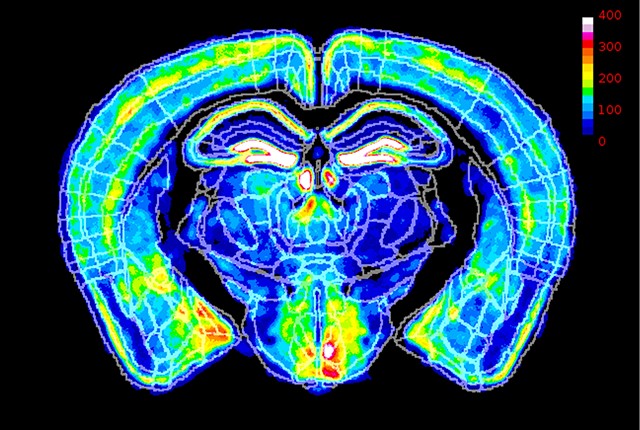
X-chromosome inactivation varies across different areas of brains. Here, fluorescent imaging data from a mouse reveal where the father’s X chromosome is most active (white) and least active (blue). Credit: Eric Szelenyi

A study using mice published in the journal Cell Reports suggests how chromosome inactivation may protect women from autism disorder inherited from their father’s X chromosome.

Because cells do not need two copies of the X chromosome, the cells inactivate one copy early in embryonic development, a well-studied process known as X chromosome inactivation. As a result of this inactivation, every female is made up of a mix of cells, some have an active X chromosome from her father and others from her mother, a phenomenon known as mosaicism. 

For many years, it has been thought that this was random and would result, on average, in a roughly 50/50 mix of cells, with 50% having an active paternal X chromosome and 50% an active maternal X chromosome.

Now a new study finds that, in the mouse brain at least, this is not the case. Instead, there appears to be a bias in the process that results in the paternal X chromosome being inactivated in 60% of the cells rather than the expected 50%.

When the X-linked mutation that is the most common cause of autism spectrum disorder is inherited from the father, the pattern of X-chromosome inactivation in the brain circuitry of females can prevent the effects of that mutation, the study found.

“This bias may be a way to reduce the risk of harmful mutations, which occur more frequently in male chromosomes,” said corresponding author Eric Szelenyi, acting assistant professor of biological structure at the University of Washington School of Medicine in Seattle.

The X-chromosome is of particular interest because it carries more genes involved in brain development than any other chromosome. Mutations in the chromosome are linked to more than 130 neurodevelopmental disorders, including fragile X syndrome and autism.

In the study, the researchers first determined the ratio of X chromosome inactivation in healthy mice by analyzing roughly 40 million brain cells per mouse. The scientists did this by using high-throughput volumetric imaging and automated counting. This analysis revealed a systematic 60:40 ratio across all possible anatomical regions.

They then examined what would happen if they genetically added a mouse model for fragile X syndrome. This syndrome is the most common form of inherited intellectual and developmental disability in humans.

They first tested the mice for behaviors thought to be analogous to those impaired in people with fragile X syndrome. These tests evaluate such things as their sensorimotor function, spatial memory and tendencies towards anxiety and sociability.

They found that the mice who inherited the mutation on their mother’s X chromosome, which are less likely to be inactivated in the 60:40 ratio, were more likely to exhibit behaviour analogous to fragile X syndrome. They exhibited more signs of anxiety, less sociability, poor performance in spatial learning, and deficits in sensorimotor function. 

But mice that inherited the mutation from one their father’s X chromosomes, which were more likely to be inactivated, did not appear impaired. 

“What was most interesting is that using each animal’s behavioural performance was most accurately predicted by X chromosome inactivation in brain circuits, rather than just looking at the brain as a whole, or single brain regions,” said Szelenyi. “This suggests that having more mutant X-active cells due to maternal inheritance increases overall disease risk, but specific mosaic pattern within brain circuitry ultimately decides which behaviors are impacted the most.”

“This suggests that the 20% difference in mutant X-active cells created by the bias can be protective against X mutations from the father, which occur more commonly,” he said.

The findings may also explain why symptoms of X-linked syndromes, like X-linked autism spectrum disorder, vary more in females than males.

Source: University of Washington

Study Reveals Sex Differences in Sleep, Circadian Rhythms and Metabolism

Photo by Ketut Subiyanto on Pexels

A new review of research evidence has explored the key differences in how women and men sleep, variations in their body clocks, and how this affects their metabolism. Published in Sleep Medicine Reviews, the paper highlights the crucial role sex plays in understanding these factors and suggests a person’s biological sex should be considered when treating sleep, circadian rhythm and metabolic disorders.

Differences in sleep

The review found women rate their sleep quality lower than men’s and report more fluctuations in their quality of sleep, corresponding to changes throughout the menstrual cycle.

“Lower sleep quality is associated with anxiety and depressive disorders, which are twice as common in women as in men,” says senior author Dr Sarah L. Chellappa from the University of Southampton. “Women are also more likely than men to be diagnosed with insomnia, although the reasons are not entirely clear. Recognising and comprehending sex differences in sleep and circadian rhythms is essential for tailoring approaches and treatment strategies for sleep disorders and associated mental health conditions.”

The paper’s authors also found women have a 25 to 50% higher likelihood of developing restless legs syndrome and are up to four times as likely to develop sleep-related eating disorder, where people eat repeatedly during the night.

Meanwhile, men are three times more likely to be diagnosed with obstructive sleep apnoea (OSA). OSA manifests differently in women and men, which might explain this disparity. OSA is associated with a heightened risk of heart failure in women, but not men.

Sleep lab studies found women sleep more than men, spending around 8 minutes longer in non-REM (Rapid Eye Movement) sleep, where brain activity slows down. While the time we spend in NREM declines with age, this decline is more substantial in older men. Women also entered REM sleep, characterised by high levels of brain activity and vivid dreaming, earlier than men.

Variations in body clocks

The all-woman research ream from the University of Southampton in the UK, and Stanford University and Harvard University in the United States, found differences between the sexes are also present in our circadian rhythms.

They found melatonin, a hormone that helps with the timing of circadian rhythms and sleep, is secreted earlier in women than men. Core body temperature, which is at its highest before sleep and its lowest a few hours before waking, follows a similar pattern, reaching its peak earlier in women than in men.

Corresponding to these findings, other studies suggest women’s intrinsic circadian periods are shorter than men’s by around six minutes.

Dr Renske Lok from Stanford University, who led the review, says: “While this difference may be small, it is significant. The misalignment between the central body clock and the sleep/wake cycle is approximately five times larger in women than in men. Imagine if someone’s watch was consistently running six minutes faster or slower. Over the course of days, weeks, and months, this difference can lead to a noticeable misalignment between the internal clock and external cues, such as light and darkness.

“Disruptions in circadian rhythms have been linked to various health problems, including sleep disorders, mood disorders and impaired cognitive function. Even minor differences in circadian periods can have significant implications for overall health and well-being.”

Men tend to be later chronotypes, preferring to go to bed and wake up later than women. This may lead to social jet lag, where their circadian rhythm doesn’t align with social demands, like work. They also have less consistent rest-activity schedules than women on a day-to-day basis.

Impact on metabolism

The research team also investigated if the global increase in obesity might be partially related to people not getting enough sleep – with 30% of 30- to 64-year-olds sleeping less than six hours a night in the United States, with similar numbers in Europe.

There were big differences between how women’s and men’s brains responded to pictures of food after sleep deprivation. Brain networks associated with cognitive (decision making) and affective (emotional) processes were twice as active in women than in men. Another study found women had a 1.5 times higher activation in the limbic region (involved in emotion processing, memory formation, and behavioural regulation) in response to images of sweet food compared to men.

Despite this difference in brain activity, men tend to overeat more than women in response to sleep loss. Another study found more fragmented sleep, taking longer to get to sleep, and spending more time in bed trying to get to sleep were only associated with more hunger in men.

Both women and men nightshift workers are more likely to develop type 2 diabetes, but this risk is higher in men. Sixty-six per cent of women nightshift workers experienced emotional eating and another study suggests they are around 1.5 times more likely to be overweight or obese compared to women working day shifts.

The researchers also found emerging evidence on how women and men respond differently to treatments for sleep and circadian disorders. For example, weight loss was more successful in treating women with OSA than men, while women prescribed zolpidem may require a lower dosage than men to avoid lingering sleepiness the next morning.

Dr Chellappa added: “Most of sleep and circadian interventions are a newly emerging field with limited research on sex differences. As we understand more about how women and men sleep, differences in their circadian rhythms and how these affect their metabolism, we can move towards more precise and personalised healthcare which enhances the likelihood of positive outcomes.”

Source: University of Southampton

Low Resting Heart Rate in Women is Associated with Criminal Offending, Injuries

Photo by Rodnae Productions on Pexels

In women, a low resting heart rate is associated with a slightly raised incidence of criminal offending as well as of unintentional injuries, in a large all-female study published March 27 in the open-access journal PLOS ONE by Sofi Oskarsson of School of Behavioural, Social and Legal Sciences, Örebro University, Sweden, and colleagues. This is the first time such an association has been shown in women, although it is well established in studies of men.

Intervention efforts for crime tend to focus on structural and social factors as well as personality traits and behaviors. Less is known about biological factors, although there is an established association between the autonomic nervous system – a network of nerves that regulates unconscious body processes like breathing and heartbeat – and criminal offending in men. Sofi Oskarsson and colleagues from Örebro University, Sweden, wanted to see if the same is observed in women.

Using population registers, the team identified 12 500 Swedish women who volunteered for military service at around 18 years old, where physical assessments recorded resting heart rate and blood pressure. They also tracked records for violent and nonviolent criminal offences and unintentional injuries for up to 40 years.

Female conscripts with the lowest resting heart rates (under 69bpm) had 35% higher risk for any criminal conviction compared to those with rates above 83bpm. However, no significant associations were found for violent crime. Lower resting heart rate was associated with an increased risk of unintentional injuries, which in past research has been interpreted as potentially reflecting fearlessness and stimulation seeking tendencies. The team found a significant association between blood pressure and violent crime, but no significant association was found for non-violent crime. 

The authors state that low autonomic nervous system arousal might drive stimulation-seeking tendencies, but that their findings should be interpreted with caution. They saw lower rates of criminal offending compared to women who had not done military service, and a higher rate of unintentional injuries, so further work is needed to establish whether the same is seen in wider cohorts. If replicated by further research, this finding could have the potential to serve as a predictor of criminal offending, in women as well as men.

The authors add: “Our research reveals a compelling link between lower resting heart rate and an elevated risk of criminality and unintentional injuries among female conscripts. This association, previously underscored primarily in men, paves way for innovative strategies predicting crime risk among women.”

Fear may Make Women and Men Take Different Risk-based Decisions

Women experiencing fear tended to prioritise smaller short-term gain compared to men

Photo by Monstera on Pexels

Fear may affect women’s decisions in choosing immediate rewards versus larger delayed ones, while men’s decisions appear unaffected by emotion, according to a study published March 20, 2024 in the open-access journal PLOS ONE by Eleonora Fiorenzato, Patrizia Bisiacchi, and Giorgia Cona from the University of Padua, Italy.

Decision making is complex and still not fully understood, especially when weighing short- versus long-term benefits or costs. The known phenomenon “delay discounting” describes the common tendency to prefer an immediate reward rather than a later one, even if the later reward is significantly greater. In this study, Fiorenzato and colleagues examined how emotions like fear and joy, along with gender, affect decision making, especially when weighing immediate versus later rewards.

The authors recruited 308 participants (63% women, 37% men) via a social media survey. Survey participants were shown a brief standardised and validated movie clip intended to induce an emotional state – for the fear group, this was a scary movie, like The Sixth Sense or Silence of the Lambs; for the joy group, this was a positive documentary clip with subjects like forests or waterfalls; the neutral affect group watched a documentary clip on urban environments. Then, the subjects were asked hypothetical reward questions such as: “Would you rather have €20 000 today or €40 000 after 3 years?”

Women in the fear group were significantly more likely to use “delay discounting” when choosing financial rewards (selecting the immediate, smaller amount) compared to men in the fear group or women in the joy or neutral movie groups. There were no significant gender differences for decisions made across the joy or neutral movie groups, and men’s decision-making on monetary rewards appeared to be unaffected by their emotional state. The findings suggest that fear specifically might provoke different types of time-bound decision making for women versus men – the authors speculate these may be due to either differences in evolutionary strategies around safety versus risk, or different emotion-regulation approaches in stressful situations.

The authors note that the sample size and range of emotions studied here is relatively small compared to the real world. However, the suggestion that emotions (particularly negative ones such as fear) and gender do interact with regard to intertemporal choices warrants further investigation.

The authors add: “Women are more prone to choose immediate rewards when in a fearful emotional state than when in joyful one. Our research underscores the importance of gender as an influential factor in the interaction between emotions and decision-making processes.”

International Women’s Day ‘24: “Creating a Future for All and Applying a Human-centred, Women-informed Lens to AI in Healthcare.”

Photo by The Creative Exchange on Unsplash

Investing in women’s health is not only a moral imperative; it makes economic sense. International Women’s Day (8 March 2024) should serve as a rallying cry that it is time to turn talk into action – and a lasting commitment to regenerating women’s health.

“Shaping the private and public health agenda through increased advocacy and awareness, with governments and medical professionals putting women’s health on – and higher up – the agenda and targeting sources of stigma and bias – this is what we need to do right now,” says Jo Pohl, Associate Director at global management consultancy Kearney.

Pohl was speaking (this week) on the eve of International Women’s Day, and following an event organised by Kearney to commemorate the day. Guests listened to the story of ‘Tina B’, the longest-surviving heart and bilateral lung transplant recipient in Africa (during a gathering at Kearney’s Johannesburg offices on Wednesday 6 March 2024).

The event explored Tina’s resilience, the challenges she faced, the odds she beat, and just how different her journey could have been with the advent of Artificial Intelligence (AI) in donor healthcare decision-making. 

She shared her opinion on the use of AI in selecting organ donors. Tina told guests at the event that she believes if AI had to decide whether she should receive her surgery or not, it would have decided against her based on inherent biases or rather what the AI was asked to solve for.

According to her, AI would have assessed the state of her lungs and heart and potentially rejected her as a candidate for organ donation. Since she needed three organs, AI would have viewed her as one, high risk candidate versus the potential to save three “better” candidates.

The human element – from intuition to hope and optimism – is key. She told guests that her doctors echoed the same in terms of leveraging experience, expertise, and an understanding of a patient’s mindset.

“I am not an expert in AI, but I am an expert in being a patient,” she said. “AI could help inform options but needs to be questioned, and experienced doctors need to be able to apply their human intuition in any results.”

Typically, there are over 4000 people on the organ transplant waiting list at any given time, with only 0.2% of the population opting-in for organ donation. These kinds of numbers lead to questions such as “how is one candidate chosen over another and why”, questions that become even more important as we increasingly incorporate AI in healthcare decisions.  

“Just think of the implications for healthcare professionals, researchers, and policymakers to develop and implement AI in healthcare ethically, equitably, and inclusively, if we consider transplant patients,” says Pohl.

“AI in healthcare should be used to benefit all members of society, regardless of gender, race, or socio-economic status. How can we co-create a world where everyone is seen, heard and the human considered in healthcare decision-making,” says Theo Sibiya, Kearney’s Africa MD.

“There needs to be a deliberate focus on keeping women front of mind and lending our expertise to continue breaking down barriers such as the gender health gap by redesigning healthcare that can put women first,” he adds.

Tina B has now become an advocate for organ donation and aims to help others going through the waiting process. She told guests of her experience of having to wait three years on the organ donor waiting list.

“You start to lose hope. You get excited to get on the list, but time drags on, and your body starts to fail you…it is a very dark place. I was tired of fighting to breathe, to stay awake; I remember saying to my God if you don’t give me a transplant, then take me home.”

AI has the potential to revolutionise the healthcare industry. With the ability to analyse large amounts of data quickly, AI can help healthcare professionals make more informed decisions, improving patient outcomes. It is an “and” versus “or” proposition.

“We need to be mindful, however, of inherent gender biases, overcome programming that favours males, and address flaws in the interpretation of data that exclude human perspectives. Doing so can make AI in healthcare more representative and inclusive,” says Sibiya.  

Pohl explains that a women-informed lens is essential to ensuring equity and inclusivity in AI development and application.

“Regenerate is Kearney’s answer to “what’s next” in a post-resilience world and a timely approach to how businesses can and should be ready for the future. Tina B is a living example of regeneration, her story amplifies our Kearney commitment to a global campaign to “be the difference” for women’s health which we launched in Davos earlier this year,” says Sibiya.

“This amplifies our vision, rooted in a regenerative mindset that recognises the interconnectedness of our actions and their impact on the world around us, including how we make and execute healthcare and people decisions.”

As part of this vision, an open letter was released by Kearney and FemTechnology during the World Economic Forum Annual Meeting on behalf of the Redesigning Healthcare with Women in Mind signatories.

The letter is addressed to all those within the healthcare ecosystem whose innovations have impact and decisions have power: from pharma, biotech, and medtech firms to investors, tech companies, and consumer health players serving women and girls.

The signatories call for a commitment to challenge institutional gender inequalities and shape the future of public and private healthcare for those it has failed for far too long.

Read the open letter here: www.kearney.com/industry/health/redesigning-healthcare-with-women-in-mind/open-letter

#KearneyWomen #AIinHealthcare #InternationalWomensDay2024 #IWD2024