Category: Gastrointestinal

Common Gut Bacteria Could Inhibit SARS-CoV-2

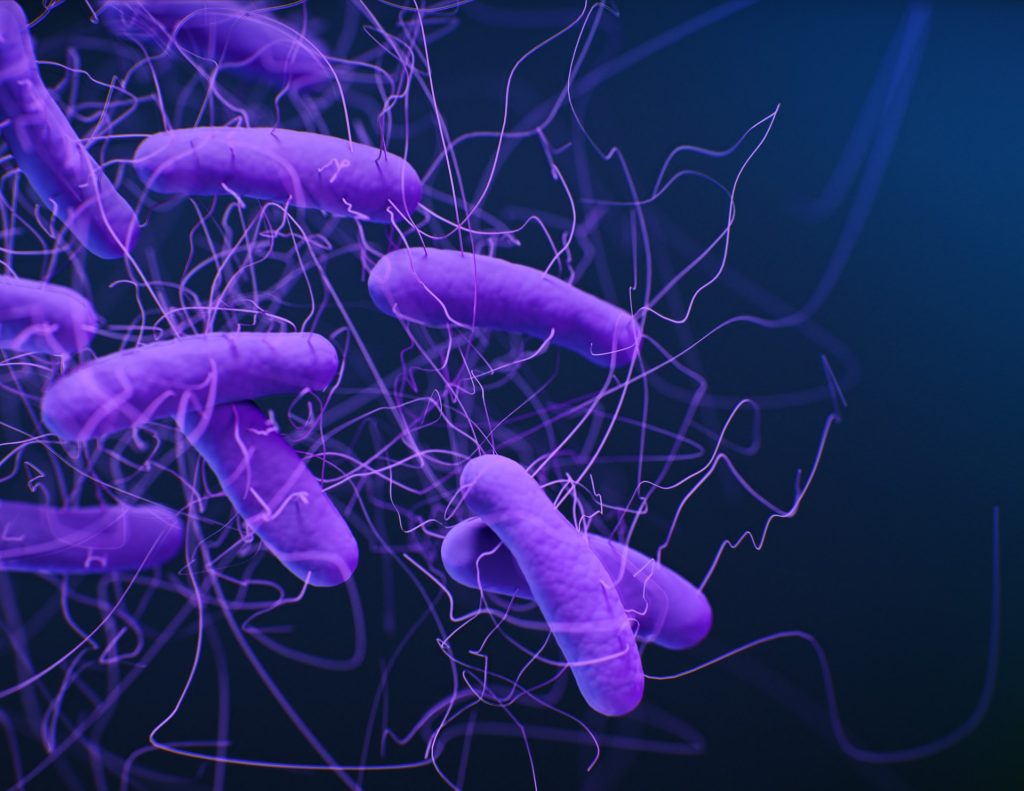
Bifidobacterium eriksonii, stained with fluorescent antibodies. Source: Public Health Image Library

South Korean researchers have found that certain common gut bacteria produce compounds that inhibit SARS-CoV-2. 

The research was presented on June 20 at World Microbe Forum, an online meeting of the American Society for Microbiology (ASM), the Federation of European Microbiological Societies (FEMS), and several other societies that taking place online June 20-24.

Previous clinical findings had shown that some patients with moderate to severe COVID experience gastrointestinal symptoms, while others show signs of infection in the lungs only.

“We wondered whether gut resident bacteria could protect the intestine from invasion of the virus,” said Mohammed Ali, a PhD student in Medicine at Yonsei University in South Korea.

To investigate this hypothesis, the researchers screened dominant bacteria inhabiting the gut for activity against SARS-CoV-2. Their efforts revealed that Bifidobacteria, already shown to suppress other bacteria such as H. pylori and have proven active against irritable bowel syndrome, had such activity, said Ali. Bifidobacteria are common in the guts of breast fed infants, which is partly driven by the bifidogenic activities of specific mother milk-derived oligosaccharides

The researchers also searched for potential illness-fighting compounds in databases containing microbially produced molecules, and discovered some that might also be useful against SARS-CoV-2. “To train our model we leveraged previous coronavirus datasets in which several compounds were tested against targets from coronaviruses,” explained Ali. “This approach seems to be significant as those targets share features in common with SARS-CoV-2.”

Ali emphasised the ecological nature of his approach to this work, pointing out that numerous existing antibiotics and cancer therapies are themselves compounds that bacteria use to compete with each other within the gastrointestinal tract, and that these were initially purified from microbial secretions.

“Finding microbes that secrete anti-coronavirus molecules will be a promising method to develop natural or engineered probiotics to expand our therapeutics prevention techniques, to provide a more sustainable way to combat the viral infection,” said Ali.

Source: American Society for Microbiology

High Risk for Upper GI Bleeding Developed During Hospital Stay

Photo by Anna Shvets from Pexels

Patients who developed upper gastrointestinal (GI) bleeding during a hospital stay experienced worse adverse outcomes than those admitted for upper GI bleeding alone, according to a new study from France.

Currently hospitalised patients (inpatients) with upper GI bleeding showed a significantly higher mortality rate at 6 weeks than patients hospitalised for GI bleeding alone (outpatients), at 21.7% versus 8.8%, respectively, as well as increased frequency of rebleeding .

Upper GI bleeding is a common problem that occurs in 80 to 150 out of 100 000 people annually, with mortality rates between 2 and 15%. The condition is described as blood loss from a gastrointestinal source above the ligament of Treitz. 

Though upper GI bleeding in patients has fallen over the past decades, rates of rebleeding and mortality remained stable or risen slightly. The authors said that modifiable risk factors need to be identified to help reduce this.

Researchers investigated the outcomes among inpatients and outpatients with upper GI bleeding, collecting data on 2498 patients with upper GI bleeding from 46 hospitals. Inpatients were defined as patients who developed variceal or non-variceal bleeding at least 24 hours after hospitalisation, and outpatients (75% of participants) were defined as presenting with bleeding upon admission.

Primary outcomes included mortality and rebleeding rates, assessed at 6 weeks from onset. Hospital stay duration, and the requirement for radiological or surgical intervention were secondary outcomes.

Outpatients were younger (average age 67), more likely to be smokers and consumed more alcohol than inpatients. Inpatients had a significantly higher rate of comorbidities (39% vs 27%, respectively), and more inpatients had a Charlson score above 3 than outpatients (38.9% vs 26.6%). There was no difference in sex or body weight.

Outpatients had a shorter hospital stay of 9 days compared to 16 for inpatients. The  authors noted that the groups did not differ in needing radiological or surgical intervention.

More inpatients were taking aspirin, steroids, and heparin, while more outpatients were taking oral anticoagulants and NSAIDs. At bleeding onset, more inpatients were on proton pump inhibitors (PPIs) than outpatients (41.6% vs 27.5%). However, more outpatients received intravenous PPIs than inpatients (87% vs 79%).

“Despite the more prevalent use of PPI among inpatients, their [upper gastrointestinal bleeding] was mainly related to peptic ulcer disease (PUD) and [esophagitis],” the authors explained. “This may be explained by the higher intake of aspirin and steroids, known to increase PUD-related haemorrhage risks especially in the elderly and hospitalized patients.”

For all patients, risk factors associated with 6-week mortality were rebleeding, Charlson score > 3, haemodynamic instability, pre-Rockall score > 5 and being an inpatient.

Independent  mortality risk factors for inpatients were prothrombin < 50% and rebleeding, though bleeding-related mortality was lower among inpatients compared to outpatients (10.8% vs 20.6%).

“We found that mortality in outpatients was more likely to be directly related to [upper gastrointestinal bleeding] as opposed to inpatients where death resulted more commonly from other causes,” the authors stated.

When looking at patient groups separately, cirrhosis and antiplatelets were independent outcome predictors among outpatients, in addition to rebleeding, comorbidities, haemodynamic instability and severity of bleeding.

Difficulty in comparability of results to previous studies is a limitation to this study due to the 6-week mortality timeline versus the 28-day one for previous studies. The reason for inpatient hospitalisation also was not recorded, which could impact the results.

Source: MedPage Today

Journal information: El Hajj W, et al “Prognosis of variceal and non-variceal upper gastrointestinal bleeding in already hospitalised patients: Results from a French prospective cohort” United European Gastroenterol J 2021; DOI: 10.1002/ueg2.12096.

Woman Suffered ‘Excruciating’ Pain From Rare Gastrointestinal Condition

An undiagnosed, rare gastrointestinal condition left a 32-year old UK woman in “excruciating” pain for 16 months before a life-saving emergency operation.

In January 2020,  Rebecca Bostock started to experience stomach swelling and had difficult keeping her food down. After she was rushed into hospital on Good Friday this year, her mysterious illness was found to be Superior Mesenteric Artery Syndrome (SMAS).

“I don’t want anyone to go through what I went through,” she said.

Ms Bostock, 32, underwent an emergency operation at Gloucestershire Royal Hospital. Nurses there told her they had only treated three cases of SMAS in 27 years. She was also told that she likely survived because she had been rushed into hospital on that day.

“My stomach was swollen so much that I couldn’t breathe, I was being sick and couldn’t keep any medication down,” Ms Bestock said. “I was on a downward spiral. They took me into imaging and diagnosed SMAS and I was taken away for the operation. They said I needed the operation straight away or I wouldn’t survive even a couple more hours.”

Ms Bostock said she had been experiencing pain for 16 months, with stomach swelling, fever, sickness, diarrhoea and dizziness, and visited the GP and emergency departments several times. She was told there that the pain was likely to be caused by endometriosis or irritable bowel syndrome. 

“I was referred to a gynaecologist around the time of the first lockdown but everything shut down and I didn’t see one for months,” she said. “I was advised to change my diet, which seemed to help at first, but then the symptoms deteriorated again to the point where I struggled to walk and couldn’t breathe.”

SMAS is a rare disease, affecting some 0.1 to 0.3% of the population, and is defined as compression of the third portion of the duodenum between the abdominal aorta and the superior mesenteric artery. It is now mostly treated by laparoscopic duodenojejunostomy. The operation released the blockage, “re-plumbing” her stomach as the surgeon told her.

She is still unable to eat solid foods but hopes to introduce them to her diet soon and wants to raise awareness of the rare condition so that others can learn to spot the signs earlier.

“I want to tell my story to raise awareness I feel blessed and relieved,” she said. “I’m so thankful to the doctors and nurses who saved my life. I get so emotional thinking about it and I can’t thank them enough. It is so rare and even doctors don’t know about it, so helping people to spot the signs and be able to rule it out is so important.”

Source: BBC News

A Fungus in Certain Foods Slows Intestinal Healing

A study has found that a fungus found in certain foods such as cheese and processed meats can cause intestinal injuries in humans and mice with Crohn’s disease to fester and impeding healing.

These findings, from researchers at Washington University School of Medicine in St. Louis and the Cleveland Clinic, suggest that there is potentially a diet-based way to treat Crohn’s disease.

“We’re not suggesting that people stop eating cheese and processed meat; that would be going far beyond what we know right now,” said first author Umang Jain, PhD, an instructor in pathology & immunology at the School of Medicine. “What we know is that this foodborne fungus gets into inflamed, injured tissue and causes harm. We’re planning to perform a larger study in people to figure out if there’s a correlation between diet and the abundance of this fungus in the intestine. If so, it is possible dietary modulation could lower levels of the fungus and thereby reduce symptoms of Crohn’s disease.”

Crohn’s disease is driven by chronic inflammation in the gastrointestinal tract and immunosuppressive medication is the usual treatment. Crohn’s patients endure flare-ups where digestive tracts are dotted with inflamed, open sores that can persist for up to months.

To understand why intestinal ulcers heal so slowly in some people, the researchers studied mice with injured intestines. By sequencing microbial DNA at the site of injury, they discovered that the fungus Debaryomyces hansenii was abundant in wounds but not in uninjured parts of the intestine. D. hansenii can be found in all kinds of cheeses, as well as sausages, beer, wine and other fermented foods.

Introducing D. hansenii into mice with injured intestines slowed down the healing process, and eliminating the fungus with amphotericin B sped it up. In humans, the researchers discovered  D. hansenii in seven out of seven of people with Crohn’s disease, and another analysis of Crohn’s patients found D. hansenii present but only in sites of injury and inflammation. 

“If you look at stool samples from healthy people, this fungus is highly abundant,” Jain said. “It goes into your body and comes out again. But people with Crohn’s disease have a defect in the intestinal barrier that enables the fungus to get into the tissue and survive there. And then it makes itself at home in ulcers and sites of inflammation and prevents those areas from healing.”

Their results suggest that elimination of the fungus could allow wounds to heal normally again, and minimise flare-ups. In mouse studies, amphotericin B eliminated the fungus but it is of limited use in people since it can only be administered intravenously, therefore an oral antifungal is being researched.

“Crohn’s disease is fundamentally an inflammatory disease, so even if we figured out how to improve wound healing, we wouldn’t be curing the disease,” Jain said. “But in people with Crohn’s, impaired wound healing causes a lot of suffering. If we can show that depleting this fungus in people’s bodies—either by dietary changes or with antifungal medications—could improve wound healing, then it may affect the quality of life in ways that we’ve not been able to do with more traditional approaches.”

Source: Medical Xpress

Journal information: U. Jain et al., “Debaryomyces is enriched in Crohn’s disease intestinal tissue and impairs healing in mice,” Science (2021). science.sciencemag.org/cgi/doi … 1126/science.abd0919

Gut Microbiome Changes are Linked to Ageing and Longevity

Ageing in humans is marked by compositional changes in the gut microbiome that become more unique later in life.

Researchers from the Institute for Systems Biology (ISB) analysed gut microbiome, phenotypic and clinical data from over 9000 people across three independent cohorts. Health and survival outcomes were tracked from longitudinal data from a cohort of over 900 community-dwelling older individuals (78-98 years old).

The researchers found that, starting in mid-to-late adulthood, gut microbiomes became increasingly unique as individuals aged, corresponding with a steady decline in the abundance of core bacterial genera common across humans.

Strikingly, while microbiomes became increasingly unique to each individual in healthy aging, the metabolic functions the microbiomes were carrying out shared common traits. Gut microbiome uniqueness was highly correlated with several microbially-derived metabolites in blood plasma. One of them, tryptophan-derived indole, has been shown to extend lifespan in mice. Another metabolite, phenylacetylglutamine, showed the strongest association with uniqueness, and is known to be highly elevated in the blood of people over 100.

“This uniqueness signature can predict patient survival in the latest decades of life,” said study leader Dr Tomasz Wilmanski, who led the study. Healthy individuals aged around 80 showed continued microbial drift toward a uniqueness, but this drift was not seen in less healthy individuals of the same age.

“Interestingly, this uniqueness pattern appears to start in mid-life—40-50 years old—and is associated with a clear blood metabolomic signature, suggesting that these microbiome changes may not simply be diagnostic of healthy aging, but that they may also contribute directly to health as we age,” Wilmanski said. Indoles are known to reduce inflammation in the gut, for example, and chronic inflammation is believed to drive age-related morbidities.

“Prior results in microbiome-aging research appear inconsistent, with some reports showing a decline in core gut genera in centenarian populations, while others show relative stability of the microbiome up until the onset of aging-related declines in health,” said co-corresponding author, microbiome specialist Dr Sean Gibbons. “Our work, which is the first to incorporate a detailed analysis of health and survival, may resolve these inconsistencies. Specifically, we show two distinct aging trajectories: (1) a decline in core microbes and an accompanying rise in uniqueness in healthier individuals, consistent with prior results in community-dwelling centenarians, and (2) the maintenance of core microbes in less healthy individuals.”

This analysis highlights the fact that the adult gut microbiome continues to develop with advanced age in healthy individuals, but not in unhealthy ones, and that microbiome compositions associated with health in early-to-mid adulthood may not be compatible with health in late adulthood.

Source: Medical Xpress

Journal information: Gut microbiome pattern reflects healthy ageing and predicts survival in humans, Nature Metabolism (2021). DOI: 10.1038/s42255-021-00348-0

Jump-starting Macrophages to Help with IBD Tissue Repair

A novel method which prompts immune cells to aid the repair of damaged intestinal tissues has been developed by researchers at KU Leuven and Seoul National University.

This new approach promises new treatments for inflammatory bowel disease (IBD), including ulcerative colitis and Crohn’s disease. Normally, the immune system defends against pathogens that enter the body. In conditions like IBD, the immune system instead attacks tissues that line the gut, creating ulcers. Some 3.9 million women and 3.0 million women suffer from IBD worldwide.

The origin of IBD is not known, so treatments typically dampen immune response, but at the same time this also obstructs the normal repair of damaged intestinal tissue by other parts of the immune system. Macrophages, for example, consume foreign bodies, clean out debris and direct other steps in inflammatory or repair response through released substances. 

Lead author Professor Gianluca Matteoli, an immunologist at the Translational Research Center for Gastrointestinal Disorders (TARGID) KU Leuven, explained the motivation behind the research. “Our idea is that the migration of macrophages to the damaged tissue in IBD is essential to stimulate its recovery.”

Examining macrophages in the intestines of a handful of people with IBD, the researchers found that a sub-group of cells responding to prostaglandin E2 (PGE2). Prostaglandins are messenger molecules involved in homeostatic functions and mediate pathogenic mechanisms, such as the inflammatory response, and are also involved in tissue repair.

“If the patients had acute disease, they had a lower amount of these beneficial cells, and if they went into remission, then amounts of macrophages went up. This suggests that they are part of the reparative process,” said Professor Gianluca Matteoli, immunologist, Translational Research Center for Gastrointestinal Disorders (TARGID), KU Leuven

In mice with ulcerative colitis (one the main forms of IBD), there were fewer macrophages responsive to prostaglandin than in healthy mice. However, when PGE2 levels were increased, those macrophages still responsive released a substance that stimulated tissue repair. When the researchers knocked out the PGE2 receptors on the macrophages, the level of tissue repair dropped.

Getting the macrophages to absorb a liposome containing a substance to trigger the repair stimulation agent restored the macrophages’ repairing effect. Liposomes are bubbles made of two layers of lipids enclosing an aqueous cavity, often used to hold substances for drug delivery.

“We already knew that prostaglandins were important for inducing proliferation of tissue cells, but this study shows that they are also important for controlling the inflammatory effect, so moving the body from the acute stage where inflammation dominates to the reparative stage,” Professor Matteoli said.

New treatments could involve liposomes being used to prompt macrophages into boosting tissue repair, a well-established experimental tool but which would require considerable work for this new application.

“This is one of the first times it has been used to produce a beneficial, therapeutic effect,” said Professor Seok. 

The next step is to closely examine human macrophages at different stages of IBD. “We want to identify other factors that trip the switch that turns macrophages from inflammatory cells to non-inflammatory cells,” said Professor Matteoli. “Then, using the liposome technology that Professor Seok has developed, these could be used to target the macrophages and so produce very precise drugs.”

Source: News-Medical.Net

Eating Saturated Fats can Cut Symptoms of Pancreatitis


A study has found that symptoms of pancreatitis are less severe when foods with saturated fats are eaten.

The study, by researchers from Mayo Clinic, the Saint Louis University School of Medicine and the Washington University School of Medicine, examines the obesity paradox in which obese patients had better results when being treated for certain conditions, compared to non-obese patients.

Pancreatitis is the leading cause of hospitalisation from gastrointestinal disorders in the United States. It can have a variety of causes, such as gallstones, having abdominal surgery or overconsumption of alcohol.
Saturated fats are found in meat and dairy, while unsaturated fats are found in plants and fish, and in general consumption of unsaturated fats over saturated fats is encouraged as it is associated with reduced risk of heart disease and other conditions. However, exceptions such as the obesity paradox exist.

To delve into this question, the researchers examined 20 clinical reports from 11 countries, where fat intake in obese patients was monitored. They found that among obese patients who developed pancreatitis, those who ate a diet heavy in saturated fats had less severe symptoms than those who did not. 

To determine the cause of this protective effect, the researchers fed mice a diet rich in either saturated or unsaturated fats, and then induced pancreatitis in them. Those fed saturated fats developed less severe symptoms. On closer examination, they found that saturated fat did not interact well with pancreatic triglyceride lipase, reducing production of long-chain non-esterified fatty acids, which reduced the symptoms of pancreatitis.  

Source: Medical Xpress

Journal information: Biswajit Khatua et al. Adipose saturation reduces lipotoxic systemic inflammation and explains the obesity paradox, Science Advances (2021). DOI: 10.1126/sciadv.abd6449

Underweight and Gastrointestinal Distress – A Bidirectional Relationship?

An Asian cross-sectional study found that underweight was linked to functional dyspepsia (FD), regardless of the presence of anxiety, although anxiety was additionally associated with FD.

The study by Kee Huat Chuah, MD, of the University of Malaysia in Kuala Lumpur, and colleagues, also found no link between high body mass index (BMI) and other functional gastrointestinal disorders (FGIDs). People with FGIDs often have irritable bowel syndrome, functional dyspepsia, or functional constipation. These conditions affect up to 40% of people at any one point in time, two-thirds will have chronic, fluctuating symptoms. The questionnaire-based study recruited 1002 adult individuals with a median age of 32, with 20.7% having FGID according to the Rome III criteria.

Across different FGIDs, including irritable bowel syndrome (IBS) and functional diarrhea and constipation, FD affected more underweight adults (defined as BMI less than 18.5) compared with a non-FGID control group (13.3% vs 3.5%, P=0.002). Multivariate analysis showed that underweight maintained an independent association with FD, at an odds ratio (OR) of 3.648 (95% CI 1.494-8.905, P=0.004).

The results of a large population study from France were consistent with these findings, which also found that being underweight was independently associated with FD in females.  Diarrhoea may also have been associated with central obesity, but there were too few individuals with diarrhoea to draw conclusions, although a large US population study from 2019 showed that obesity was associated with chronic diarrhoea.

A bidirectional association has been observed in eating disorders (often linked with anxiety disorders) with both a low BMI and FD.  Anxiety and/or eating disorders may have caused FD subjects to have a low BMI.

William D Chey, MD, of Michigan Medicine, who was not involved with the research, said the results were interesting and that they could be applicable to the US population since obesity rates are comparable to those in Malaysia.

“But I do agree it’s important to consider whether these observations are cause or effect,” Chey commented. “In other words, FD might cause people to lose weight or thin people might be more prone to developing FD. I do think there’s face validity to these observations. Remember that patients with functional dyspepsia that have meal-related symptoms of fullness and early satiety are unable to eat very much without feeling ill.”

Patients with postprandial distress syndrome often lose weight as a result, Chey continued. “On the other hand, patients with anorexia often have measurable abnormalities in gastric emptying, but that’s not to say all FD patients have eating disorders. My point is that certain non-GI conditions associated with weight loss can also be associated with abnormal GI function.”

The team called for further studies of longitudinal design to explore whether anxiety causes a low BMI in FD or vice versa. Limitations included not being population based, with the cohort being mostly hospital and university staff members. In addition, the data on psychological disorders came from a subgroup of original participants in the study’s second phase; the number of participants with functional diarrhoea was low; the cross-sectional design did not allow for causality; and the questionnaire only asked about dietary habits.

Source: MedPage Today

Journal information: Beh KH, et al “The association of body mass index with functional dyspepsia is independent of psychological morbidity: a cross-sectional study” PloS One 2021; doi: 10.1371/journal.pone.0245511.

Taurine Boosts Microbiotic Defences in the Gut

A new study has discovered that taurine has a role in triggering the gut’s microbiota to identify and destroy invading bacteria, such as Klebsiella pneumoniae, a bacteria commonly found in the gut and responsible for a variety of infections.

It is already known that gut microbiota can protect against infection, but it is not well understood how they accomplish this. A better of understanding of how they confer protection will aid the development of replacements for current antibiotic drugs, which currently harm gut microbiota and whose effectiveness is waning.

Taurine is a complementary (non-essential amino acid, involved in helping break down fats and is present in bile acid. Most taurine is produced by the body but some is also required in the diet. Certain seafoods, seaweed, poultry and beef are good sources of taurine.

The scientists believed that the taurine helped prevent against bacterial colonisation by producing hydrogen sulphide, but during their research they also discovered that a single infection was sufficient to prepare the gut microbiota to resist a second infection. The liver and gallbladder which produce and store bile acids, can develop long-term protection against infection.

While investigating further, the researchers discovered a particular type of bacteria, Deltaproteobacteria, which protected the gut against colonisation by infectious bacteria and which was activated by taurine. Taurine fed to mice in drinking water helped to shield against infection by boosting the function of the protective bacteria, but those fed bismuth subsalicylate (a common over-the-counter diarrhoea treatment), the infection protection diminished, because bismuth suppresses hydrogen sulphide production in the gut.

Source: News-Medical.Net

Stomach Bugs Induce Irritable Bowel Syndrome

Researchers have pinpointed a localised biological mechanism behind irritable bowel syndrome (IBS), a chronic gastrointestinal condition where eating certain foods causes subsequent abdominal pain or discomfort.

Around 20% of people experience IBS, and diets such as gluten-free ones provide some relief. However, the exact cause was unknown, as the patients did not have allergic responses nor did they have coeliac disease, causing many physicians to dismiss it as psychological.A healthy immune system tolerates foods, and the first link is understanding how the tolerance is removed. Previous work showed that there was a link between mast cells and food, and that blocking histamine in people with IBS relieved the symptoms.

People with IBS often report their symptoms begin following a gastrointestinal infection, so the researchers reasoned that an infection associated with a particular type of food in the guy might sensitise the immune system to that food.The team fed mice with ovalbumin (an egg protein) and then infected them with a stomach bug. The mice were then fed ovalbumin again, and the researchers recorded elevated mast cell activation, histamine levels and digestive intolerance. In control mice who were fed with ovalbumin but who were not infected with the stomach bug, there was no response.

Breaking down the chain of events leading to the sensitisation, the researchers discovered that there was a localised immune response in the part of the guy infected by the bacteria, but did not produce the more generalised symptoms of a food allergy.  

Lead author Prof Guy Boeckxstaens, a gastroenterologist at KU Leuven thinks this may point to a spectrum of food-related immune disorders. He said, “At one end of the spectrum, the immune response to a food antigen is very local, as in IBS. At the other end of the spectrum is food allergy, comprising a generalised condition of severe mast cell activation, with an impact on breathing, blood pressure, and so on.”

When researchers injected IBS-associated food antigens into the intestinal walls of IBS patients, they observed localised reactions similar to what they saw in the mice, and there were no reactions in healthy patients. Larger clinical trials will be needed to confirm these observations.

“This is further proof that the mechanism we have unraveled has clinical relevance,”  Prof Guy Boeckxstaens said. “But knowing the mechanism that leads to mast cell activation is crucial, and will lead to novel therapies for these patients,” he goes on. “Mast cells release many more compounds and mediators than just histamine, so if you can block the activation of these cells, I believe you will have a much more efficient therapy.”

Source: Medical Xpress

Journal information: Local immune response to food antigens drives meal-induced abdominal pain, Nature (2021). DOI: 10.1038/s41586-020-03118-2 , www.nature.com/articles/s41586-020-03118-2