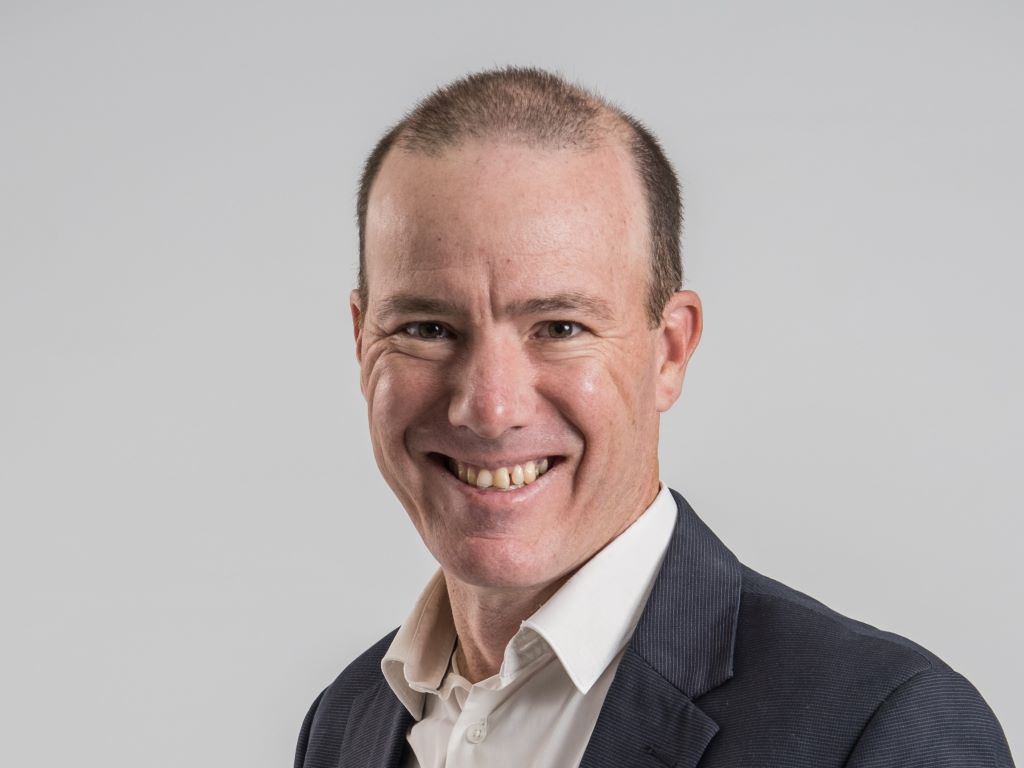
By Henry Adams, Country Manager, InterSystems South Africa
When people think about artificial intelligence (AI) in healthcare, they often picture complex machines in high-tech hospitals. But some of the most exciting uses of AI are happening in primary care, right at the first point of contact between doctor and patient.
Globally, AI is helping general practitioners, nurses, and clinicians make faster, more accurate decisions by giving them access to clean, connected data. It helps detect early signs of disease, spot patterns across patient populations, and ensure the right people get the right care sooner.
South Africa is not there yet, but that is exactly why we should be paying attention.
Learning from what is working elsewhere
In countries where healthcare data is already digitised and connected, AI-assisted tools are starting to prove their worth. In parts of Europe, AI systems are helping GPs analyse symptoms, lab results and patient histories to identify possible conditions much earlier. In the US, data platforms are used to surface insights from millions of patient records, helping clinicians identify patterns that might otherwise go unnoticed.
At InterSystems, we have seen firsthand how this combination of reliable data and intelligent technology is changing the way care is delivered. In the UK, our data platform helps care providers securely connect across places of care to patient information across multiple systems, making it easier for AI tools to interpret symptoms in context. In France, AI-assisted prescriptions through partners like Posos are helping doctors reduce errors and improve treatment safety.
These examples show what is possible when data, people and technology come together in the right way.
Why data comes first
AI is only as powerful as the data it works with. If a clinician’s system lacks complete or up-to-date patient information, the AI cannot provide reliable support. That is why data quality and interoperability are so important; they form the foundation for everything else.
Many countries that are seeing success with AI in primary care started by getting their data in order, building connected health records, standardising information, and ensuring privacy and compliance at every step. Once those pieces were in place, they could start introducing AI tools that help doctors and nurses make better decisions without adding extra admin or complexity.
Again, in South Africa, we are not quite there yet, but we are heading in the right direction. There are ongoing efforts to digitise health records and bring together fragmented systems. As that process continues, it will open the door for more advanced AI-driven support tools, from diagnosis assistance to population health management.
What this could mean for South Africa
Imagine a community clinic in Limpopo or the Eastern Cape, where a doctor sees dozens of patients a day. With AI support, they could instantly access each patient’s medical history, flag high-risk symptoms, or receive early alerts about potential complications like diabetes or hypertension.
AI will not replace the doctor’s or their judgment. It simply gives them more context and better information. It is like having a quiet assistant in the background, helping spot what is easy to miss when you are under pressure.
This kind of technology could also help identify broader health trends, guiding public health decisions and making sure resources are sent where they are needed most. It is not about high-end tech for big hospitals, it is about making everyday healthcare smarter, safer and more efficient for everyone.
Building the foundations
Before we can get there, we need to focus on the basics: connected systems, reliable data, and trust. AI tools cannot function properly in silos. They need access to consistent, secure information, the kind that interoperable platforms like InterSystems IRIS for Health are designed to manage.
Once we have that in place, the rest becomes achievable. Doctors can use AI to compare patient data against proven medical knowledge bases. Clinics can share insights securely across regions. And the healthcare system becomes more proactive instead of reactive.
It is easy to look at what is happening overseas and feel that South Africa is far behind. But I see it differently. Every success story abroad gives us a roadmap, lessons we can adapt to our own realities. We do not have to reinvent the wheel; we just have to make sure it is fit for our local terrain.
By Thom Renwick, General Manager, Roche Pharma South Africa
Early screening and treatment. Much higher survival rates. And savings in the billions of dollars. From AI-powered medicine development to teleconsultations, technology can boost Africans’ health and livelihoods while growing economic and social impact across the continent.
Access to quality healthcare is fundamental to leading a fruitful, economically active life. Yet, breast cancer is still the number one cancer killer of women in Africa – in most cases, while they’re still in their prime. Tragically, most are diagnosed too late for curative treatment.
Across the continent, non-communicable diseases – such as treatable breast cancer – cause hundreds of thousands of preventable deaths every year[1], devastating families and hampering economic growth.
Global projections indicate a worrying 38% rise in incidence of breast cancer and a 68% increase in deaths by 2050 without urgent intervention, with the least developed countries being the most affected, according to a new white paper[2] by independent German economic think tank the WifOR Institute.
The Value of Investing in Innovative Medicines report outlines the economic burden from not treating the aggressive HER2-positive type of breast cancer over five years in seven African countries – South Africa, Kenya, Nigeria, Algeria, Tunisia, Côte d’Ivoire and Morocco. The findings are staggering, indicating a $10.3-billion loss in productivity from 2017 to 2023.[3]
The data also shows that, in Africa, 89% of the economic burden of HER2-positive breast cancer – representing 15% to 20% of all breast cancer cases around the world – falls on women of working age.[4]
It goes beyond economics. Mothers hold households together and when they die that has huge ramifications for entire families and communities.
In sub-Saharan Africa, every 100 deaths among women under 50 leave around 210 children without their mothers[5], resulting in unstable, vulnerable households and long-term developmental challenges.
These figures are a wake-up call, but in challenge lies scope for innovation. I believe we can – and must – turn the burden into opportunity.
Closing the gap through health-tech partnerships
Every woman diagnosed and treated early is not only more likely to survive but also able to remain active in her family and community[6], contributing to shared prosperity.
Through healthcare and technology partnerships, we can leapfrog traditional healthcare models and turn the tide towards survival.
Excitingly, this process has already started. Governments are increasingly setting strategies and allocating funding for digital health. Start-ups and companies are driving the uptake of digital health tools that could revolutionise care delivery.
Artificial intelligence stands out as the breakthrough technology. Pharmaceutical and biotech companies such as Roche are already using AI throughout their value chains, both in the early stage of drug development and also to correctly interpret the enormous amounts of data generated to deliver effective health solutions.
In most sub-Saharan countries, more than 20% of the population lives more than two hours from essential health services.[7] Tech’s role in Africa’s future is about much more than connectivity or commerce. It’s about lives and well-being – AI, apps, telemedicine and other digital solutions can close the gap to bring care closer to people.
But without individuals and organisations working together, innovation can’t come to life.
And since the journey for a patient experiencing a health crisis such as breast cancer involves many stakeholders, we must urgently identify opportunities for partners to come together and spur real action.
This week, Roche sponsored the 28th annual Africa Tech Festival’s first-ever health track. Policymakers, innovators, professionals and experts met to thrash out actionable solutions to the continent’s biggest health challenges.
This was part of an ambitious broader strategy to transform healthcare in Africa – investment in early intervention strategies can generate returns that far outstrip their cost.
Research by McKinsey & Company shows that the African digital health space is already seeing unprecedented growth, with $123-million in investment secured by 55 start-ups in 2021.[8]
The consultancy’s analysis showed that digital health tools – such as virtual platforms for consultations; electronic health records; mobile apps to help patients self-manage their diseases; and patient e-booking platforms – could help South Africa, Kenya and Nigeria capture efficiencies of up to 15% in total healthcare expenditure by 2030.[9]
Widespread adoption could free up an astounding $1.9-billion to $11-billion in South Africa alone.[10]
Speaking with one voice for a better future
Innovation has been the backbone of progress across any major public health disease – whether it’s HIV, cancer or ophthalmology. It takes a combination of passionate people and expert innovation to make a difference.
One existing solution and real-life example of African innovation and partnership is EMPOWER, a groundbreaking digital health platform developed to improve coordinated breast and cervical cancer care in Kenya.[11]
The initiative has grown from a single clinic in 2019 to a 76-site national platform and is integrated into Kenya’s National Cancer Registry.[12]
Empower ensures that the entire patient journey, from screening to treatment and follow-up, is digitally powered.
The current average five-year survival rate for breast cancer across Africa is roughly five out of 10 patients that are diagnosed (48%).[13] My vision is that this will increase to 80% within the next 5 years.
Realising this audacious goal will take commitment from stakeholders to drive action for the tens of thousands of African women who desperately need it.
There is no reason why someone in a Western society should have a better health outcome than here in Africa. The health of our people is the wealth of our nations. We must speak with one voice and act now.
––––––––––
Thom Renwick is general manager of Roche South Africa and the sub-region. He began his journey with the company in 2012 on its United Kingdom graduate programme, following his studies at King’s College London, Cranfield School of Management and the University of Oxford.
During his career at Roche, he has worked in global product strategy in Basel, Switzerland, as head of ophthalmology in the UK and as chief of staff for Pharma International. He won the PharmaTimes New Marketer of the Year Award in 2015 and was featured in the publication’s Smart People series in 2021.
[2] WifOR Institute, ‘The Value of Investing in Innovative Medicines: Socioeconomic Burden of HER2+ Breast Cancer and Annual Social Impact of Roche’s Treatments for the Disease in Africa’. Accessed: Nov. 7, 2025 [Online]. Available: https://africa.roche.com/stories/what-s-it-worth-the-value-of-innovation
[3] WifOR Institute, ‘The Value of Investing in Innovative Medicines: Socioeconomic Burden of HER2+ Breast Cancer and Annual Social Impact of Roche’s Treatments for the Disease in Africa’. Accessed: Nov. 7, 2025 [Online]. Available: https://africa.roche.com/stories/what-s-it-worth-the-value-of-innovation
[4] WifOR Institute, ‘The Value of Investing in Innovative Medicines: Socioeconomic Burden of HER2+ Breast Cancer and Annual Social Impact of Roche’s Treatments for the Disease in Africa’. Accessed: Nov. 7, 2025 [Online]. Available: https://africa.roche.com/stories/what-s-it-worth-the-value-of-innovation
[5] WifOR Institute, ‘The Value of Investing in Innovative Medicines: Socioeconomic Burden of HER2+ Breast Cancer and Annual Social Impact of Roche’s Treatments for the Disease in Africa’. Accessed: Nov. 7, 2025 [Online]. Available: https://africa.roche.com/stories/what-s-it-worth-the-value-of-innovation
[6] WifOR Institute, ‘The Value of Investing in Innovative Medicines: Socioeconomic Burden of HER2+ Breast Cancer and Annual Social Impact of Roche’s Treatments for the Disease in Africa’. Accessed: Nov. 7, 2025 [Online]. Available: https://africa.roche.com/stories/what-s-it-worth-the-value-of-innovation
[7] Mckinsey, ‘How digital tools could boost efficiency in African health systems.’ Accessed: Nov. 7, 2025 [Online]. Available: https://www.mckinsey.com/industries/healthcare/our-insights/how-digital-tools-could-boost-efficiency-in-african-health-systems
[8] Mckinsey, ‘How digital tools could boost efficiency in African health systems.’ Accessed: Nov. 7, 2025 [Online]. Available: https://www.mckinsey.com/industries/healthcare/our-insights/how-digital-tools-could-boost-efficiency-in-african-health-systems
[9] Mckinsey, ‘How digital tools could boost efficiency in African health systems’. Accessed: Nov. 7, 2025 [Online]. Available: https://www.mckinsey.com/industries/healthcare/our-insights/how-digital-tools-could-boost-efficiency-in-african-health-systems
[10] Mckinsey, ‘How digital tools could boost efficiency in African health systems’. Accessed: Nov. 7, 2025 [Online]. Available: https://www.mckinsey.com/industries/healthcare/our-insights/how-digital-tools-could-boost-efficiency-in-african-health-systems
[11] Roche Africa, ‘From vision to national platform: EMPOWER scales through Kenya’s National Cancer Institute’. Accessed: Nov. 7, 2025 [Online]. Available: https://africa.roche.com/stories/empower-scales-through-kenya-national-cancer-institute
[12] Roche Africa, ‘From vision to national platform: EMPOWER scales through Kenya’s National Cancer Institute’. Accessed: Nov. 7, 2025 [Online]. Available: https://africa.roche.com/stories/empower-scales-through-kenya-national-cancer-institute
[13] A. Padu-Pebrah, et al., ‘Five-Year Survival Outcomes for Breast Cancer Patients Across Continental Africa: A Contemporary Review of Literature with Meta Analysis’, eLife. Accessed: Nov. 7, 2025 [Online]. Available: https://elifesciences.org/reviewed-preprints/105488#mainMenu
The South African Medical Technology Industry Association (SAMED) is raising the alarm over the Gauteng Department of Health’s ongoing failure to meet its financial obligations to medical technology suppliers – a crisis that now threatens business survival, jobs, and the stability of healthcare delivery across the province.
The Gauteng Health Department currently owes SAMED member companies more than R700 million. Despite fulfilling their contractual commitments and continuing to supply essential medical products and services, many companies have been forced to carry this debt burden for months without payment. To remain operational, suppliers are relying on costly loans and overdrafts simply to sustain cash flow and pay their employees.
SAMED Chairperson, Scott de Oliveira, notes that a recent member survey revealed several companies are on the brink of closure, with job losses imminent – even as South Africa prepares to host the G20 Summit, a global event intended to showcase Johannesburg and the country’s economic potential.
“As the upcoming G20 Summit demonstrates, our government is capable of decisive action and resource mobilisation when it chooses to,” says de Oliveira. “What is deeply concerning in the medtech payment crisis is the Gauteng Department’s lack of urgency to engage with us.”
Despite repeated formal requests from SAMED to meet with senior Gauteng Department of Health officials – including the Chief Financial Officer, Head of Department, and hospital Chief Executive Officers – no meaningful engagement has taken place. Meetings are frequently missed, and correspondence has gone unanswered.
“This reflects a worrying lack of accountability, urgency, and leadership from decision-makers,” de Oliveira emphasises.
The consequences of this inaction are far-reaching. The mounting financial strain on suppliers threatens not only the sustainability of small- and medium-sized enterprises but also the continuity of international subsidiaries that have invested in South Africa and are vital to the delivery of healthcare services.
“Disruptions in the medical supply chain place patients and healthcare professionals at risk,” warns de Oliveira. “Delays or interruptions in the supply of essential equipment, consumables, and support services could have devastating effects on hospitals across Gauteng.”
Several SAMED members have indicated that, unless the issue is urgently resolved, they will be forced to suspend supply to the Department, a decision that would further endanger patient care.
SAMED calls on provincial and national leadership to take immediate, decisive action to clear the payment backlog and to implement a transparent, sustainable payment framework that ensures future compliance and stability.
“It is irrational for government to champion economic growth and job creation through initiatives such as the MEDTECH Master Plan and the G20 Summit, while simultaneously eroding existing businesses and employment through maladministration,” concludes de Oliveira. “This crisis must be addressed urgently – to protect patients, preserve healthcare delivery, and rebuild trust between the public sector and its suppliers.”
SAMED urges the media, public, and stakeholders to bring attention to this issue and hold the Gauteng Department of Health accountable. Public awareness and pressure are essential to compel action and safeguard the integrity of South Africa’s healthcare system.
#InsideTheBox is a column by Dr Andy Gray, a pharmaceutical sciences expert at the University of KwaZulu-Natal and Co-Director of the WHO Collaborating Centre on Pharmaceutical Policy and Evidence Based Practice. (Photo: Supplied)
By Andy Gray
In several countries, the public is given an opportunity to share their views with regulators before new medicines are registered or to engage with those choosing essential medicines. In South Africa, however, opportunities for such public participation remains limited. In his latest #InsideTheBox column, Dr Andy Gray takes a look at how public participation is handled elsewhere and how it could be improved here.
One of the rallying cries of patient and community-based organisations has long been “nothing about us, without us”. The “patient voice” is, however, not always heard in medicines selection or medicines regulation.
How it works in the US and Europe
Recent highly contested medicines regulatory decisions in the United States, such as the warnings about paracetamol use in pregnancy, have highlighted the role of advisory committees to the Food and Drug Administration (FDA). The FDA relies on a number of such committees to provide advice on regulatory questions, such as whether to approve a new medicine or how to manage emergent safety signals. The FDA usually follows the advice provided by these independent structures, but is not bound to do so.
The fact that advisory committees meet in open session, and that their recommendations are transparent to the public, means that the final decision by the FDA can be contrasted with the scientific advice. The curricula vitae of advisory committee members are posted on the FDA website and updated annually. Critically, when an advisory committee meeting is scheduled, the date and time is announced at least 15 days in advance of the meeting, and this serves as an invitation to interested parties to register to make oral submissions during the Open Public Hearing portion of the meeting.
In addition to providing opportunities for public engagement in this manner, the FDA has also operated a Patient Representative Program since 2024. FDA Patient Representatives are appointed, provided with training, and may then engage with the scientific and other expert members of the advisory committees. Among the criteria applied in their selection are personal experience with a particular disease as a patient or primary caregiver, knowledge about the treatment options and research in that area, and the willingness and ability to communicate in public, as well as being objective while representing the concerns of others affected by the disease.
Similar mechanisms have been put in place in Europe. The European Medicines Agency (EMA) has enabled the appointment of patients as members of its management board and scientific committees. In addition, the EMA Patients’ and Consumers’ Working Party provides a venue for ongoing engagement. The EMA engagement framework explicitly aims to ensure “access to patients’ real-life experiences of living with a condition, its management and the current use of medicines, complementing the scientific evidence provided during the evaluation process” and “the generation, collection and use of evidence-based patient experience data for benefit-risk decision-making”.
How it works in South Africa
Section 3(9) of the Medicines and Related Substances Act, 1965, instructs the chief executive officer of the South African Health Products Regulatory Authority (SAHPRA) to appoint advisory committees. The wording is peremptory, but also broadly enabling: “The Chief Executive Officer shall, in consultation with the Board, appoint committees, as he or she may deem necessary, to investigate and report to the Authority on any matter within its purview in terms of this Act.” Provided there is consultation with the Board of the Authority, the number of committees and their membership is left to the CEO to decide.
To date, however, there has been no deliberate effort to include patient or consumer representatives on any of the advisory committees.
More importantly, meetings of the committees are not open to the public, nor are their recommendations to the regulatory authority placed in the public domain. The “patient voice” is therefore potentially missed, and stakeholders are unable to determine when or how final decisions taken by the Authority may differ from the recommendations made by the technical advisory committees. In that sense, SAHPRA is no more transparent than its predecessor the Medicines Control Council, which also laboured under the same antiquated secrecy provision in the Act. Section 34 of the Act is actually labelled “Preservation of secrecy”.
Similar concerns with medicines selection
Medicines regulators determine whether medicines should be allowed onto the market and how those should be controlled. Similar dynamics are at play in determining which medicines are “essential” and should be procured or reimbursed by health systems.
At a global level, the World Health Organization (WHO) updates its Model List of Essential Medicines every two years. The Model List is a starting point for many countries’ efforts to develop national essential medicines lists, guiding procurement in their public sectors. Although the expert committee responsible for this work does not explicitly include patient representatives, all proposals submitted are placed in the public domain, as are the reviews conducted, and an account of the final decisions. On the first day of the meeting, an open session is held at which stakeholders are invited to apply to present.
One of the most trusted medicine selection bodies is the UK National Institute for Health and Care Excellence (NICE), which also has a deliberate process for stakeholder engagement at multiple steps in its guideline development. For example, right at the outset, this invitation is issued: “NICE invites all stakeholder organisations to attend a scoping workshop. You will be sent a first draft of the scope, which will be discussed at the meeting. We encourage you to send someone who knows about and can represent patients and carers’ interests.”
Medicines selection in the South African public sector is evolving, embracing the challenge of health technology assessment. While there are as yet no patient representatives on either the Expert Review Committee or the National Essential Medicines List Committee, there are opportunities for stakeholder engagement with draft guidelines and increasing transparency, with medicines evaluation reports posted on the Department of Health website.
Full medicine reviews follow an evidence-to-decision framework that was first piloted during the height of the COVID-19 pandemic. One of the questions posed reads: “Is there important uncertainty or variability about how much people value the options?” This question is aligned with what the WHO Handbook for Guideline Development refers to as “values and preferences”. For example, the WHO guidance calls for evidence of the “values and preferences of the people receiving the intervention or experiencing the outcomes the intervention can affect”. While that evidence may sometimes be reported in the scientific literature, all too often it is lacking.
Ultimately, “nothing about us, without us” should not only be a demand made by patients, but also by those who care about the quality, reliability and acceptability of medicines selection and regulatory decisions. Improving the transparency of decision-making processes is critical, but so is creating, promoting and protecting the spaces for an effective “patient voice”. Doing so is a critical investment in building trust, which is so easily eroded.
*Dr Gray is a Senior Lecturer at the University of KwaZulu-Natal and Co-Director of the WHO Collaborating Centre on Pharmaceutical Policy and Evidence Based Practice. This is part of a series of #InsideTheBox columns he is writing for Spotlight.
Disclosure: Gray is a member of South Africa’s National Essential Medicines List Committee and co-chairs its Expert Review Committee.
Note: Spotlight aims to deepen public understanding of important health issues by publishing a variety of views on its opinion pages. The views expressed in this article are not necessarily shared by the Spotlight editors.
A new movement in weight management is taking hold in South Africa as the country confronts weight-related illnesses. A powerful class of medication known as GLP-1 therapies is proving highly effective in cutting obesity rates, lowering cancer risk, and improving overall metabolic health. Their growing popularity marks a new frontline in the fight against sugar-driven disease.
A landmark study published in JAMA Oncology has revealed that patients using GLP-1 medications – a class of therapies originally developed for type 2 diabetes – experienced a 17% lower overall risk of cancer.
The data, drawn from over 86 000 patients, showed striking reductions in specific cancers: ovarian cancer risk nearly halved, meningioma cases fell by 31%, and endometrial cancer dropped by 25%.
Dr Tommie Smook, medical practitioner at Dr Smook & Partners (managed by RXME Group), says these findings reinforce the urgent need to fight back against sugar-related disease:
“We are witnessing the medical consequences of unchecked sugar consumption every day in practice. Obesity has become one of the greatest epidemics of our time. If we are serious about safeguarding public health, we must declare a national war on sugar – and GLP-1s are among the most powerful tools we now have to help people reclaim their health.”
What GLP-1s actually do
The body naturally produces GLP-1 – a hormone that regulates blood sugar, appetite, and digestion. GLP-1 medications mimic this process:
• They slow stomach emptying,
• Reduce hunger and cravings,
• Help patients feel satisfied with smaller portions, and
• Stabilise blood sugar levels.
The result is sustained weight loss. Clinical trials consistently show patients losing 10-15% of body weight, particularly when therapy is combined with nutrition, exercise, and professional support. In South Africa, several GLP-1s are now formally registered for obesity and chronic weight management.
But the benefits don’t end at weight loss. International studies have demonstrated improvements in cardiovascular health – lowering blood pressure, reducing inflammation, and decreasing the risk of heart attacks and strokes. Emerging evidence also suggests neuroprotective effects, with potential to reduce risks of dementia and Alzheimer’s disease.
From diabetes treatment to disease prevention
“GLP-1s are no longer just diabetes drugs,” says Dr Smook. “They are transforming the way we think about weight, chronic disease, and prevention. When used responsibly under medical guidance, these therapies can change not only waistlines, but lifespans.”
At Dr Smook & Partners, patients gain access to GLP-1 therapy under the supervision of qualified medical doctors. Medications are prepared only through SAHPRA-approved compounding pharmacies, ensuring quality and safety. This is supported by a multidisciplinary team – dietitians, biokineticists, nurses, and sports physicians, providing holistic care.
Here are the five essentials you should consider before starting GLP-1 therapy:
See a doctor first – these medications require proper screening and monitoring.
Think beyond injections – lifestyle, diet, and exercise remain vital.
Expect an adjustment phase – side effects like nausea are usually temporary.
Protect lean muscle – resistance training and adequate protein intake are essential.
Avoid shortcuts – unregulated, black-market products are unsafe and unpredictable.
A turning point for public health
Obesity is a modern epidemic, and sugar is at the heart of it. GLP-1 medications are not a “quick fix,” but they represent one of the most promising advances in decades – a way to tackle both the causes and consequences of excess weight.
Dr Smook concludes: “The stigma around GLP-1s must end. These therapies are not about vanity – they are about survival. Every patient who regains control of their health is one step closer to breaking sugar’s grip on our society.”
By Christina Mooki, Head of Acquisition Operations at Merchant Capital
Pharmacies, especially ones in rural areas, are often the cornerstone of their communities. Beyond filling prescriptions, they provide medication, medical equipment, and counselling, sometimes serving as multi-service clinics in small towns and outlying areas. When people cannot wait weeks for a doctor’s appointment or need trusted advice, the local pharmacy is their first stop.
In many outlying areas, it is not just the most practical option, but often the only one. With the country’s high and rising burden of chronic disease, this role will only grow in importance.
The sector is indeed expanding. In just two years, 2020 and 2021, about 648 new community pharmacies opened across South Africa. By 2021, the total number stood at roughly 3580 outlets, and nearly 70% of these were independent rather than corporate-owned. That is over 2000 small businesses carrying community healthcare.
Christina Mooki, Head of Acquisition Operations at Merchant Capital
But every pharmacy is also a business. Behind the scenes, owners are juggling supplier deliveries, unpredictable supply chain issues, negotiating credit terms, paying staff, and trying to keep overheads under control. Balancing that with the responsibility of keeping communities healthy makes pharmacy ownership uniquely challenging and uniquely important.
Why more pharmacies are needed
A growing number of South Africans are living with chronic illness such as diabetes, hypertension, and HIV. These patients cannot miss their repeat medications and local pharmacy access becomes essential. Independent outlets do more than only dispense medicine, they also cut travel time, keep treatment within reach, and help build local economies.
Around the world, the role of a pharmacy is expanding. They are no longer limited to handing out prescriptions. According to Deloitte, many pharmacies are transforming into community health hubs by adding point-of-care testing, preventative health screening, and digital services to meet the changing expectations of modern consumers. Locally, they are also incorporating retail services to diversify their offerings further.
Running a pharmacy like a retailer
Passion for helping people will take you far as a pharmacist, but on its own, it will not keep the doors open. Independent pharmacies need to be run with the same discipline as any other retailer. Cash flow must be watched so staff are paid and suppliers are not left waiting. Shelves must carry the medicines that matter most without tying up money in products that sit for months. Costs like rent and electricity creep up quickly, and if unchecked, margins vanish.
Strong supplier relationships also make a difference. Paying on time, negotiating fairly, and keeping that trust intact can protect a business when times are tough. And like any other retailer, pharmacy owners have to be careful about how much debt they take on. Too much, too soon, can put even a busy store under pressure.
When these basics are in place, a pharmacy is not just a trusted point of care. It is also a resilient business that can think about growing, instead of simply surviving.
Where funding helps
Growth always asks for money before it offers returns. Anyone who has opened a second branch, hired staff, or added delivery knows this reality. The bills arrive first, and only later does the revenue follow. For a small independent owner working on thin margins, that can feel like a brick wall.
This is also the point where funding can be an enabler rather than a burden. At Merchant Capital, we treat pharmacies like retail businesses because that is what they are. They need capital that moves quickly, without red tape, and repayment models that flex with real turnover rather than with a rigid schedule. That flexibility gives owners breathing space, the confidence to back their instinct, invest in a new outlet, upgrade systems, or respond to their community.
Looking ahead
Independent pharmacies have already shown how vital they are to South Africa’s healthcare system. The next step is ensuring more of them open in the areas where they are most needed. With sound business management and access to the right kind of funding, these enterprises can grow their footprint, create jobs, and continue to provide reliable access to healthcare.
By Dr Dumisani Bomela, Chief Executive Officer of the Hospital Association of South Africa
There’s an old African idiom: “When elephants fight, the grass suffers.” The “elephants”, however, are two interdependent players in healthcare: the government, which is pushing for the National Health Insurance (NHI), and private healthcare providers and funders, who have long raised serious concerns about the initiative.
At the heart of the dispute is whether a single-fund NHI is constitutional, viable, and sustainable. The legal conflict is shaping up to be unlike anything we have seen in this country.
Dr Dumisani Bomela, CEO of HASA
Some legislators argue that the private healthcare sector opposes reform because it is driven by profit and harbours anti-poor sentiments. But no one in the private healthcare sector is opposed to the objectives of the National Health Insurance. We are in favour of healthcare reform that works. There is a crucial difference.
It is a difference dismissed by those determined that only their view matters. The result is that not only has the country spent nearly two decades in a fruitless debate about the NHI, but it appears that those in charge of the healthcare system have prioritised stagnation over progress. When alternatives could have been explored, expert advice considered, research examined, and insights heard, none were.
Instead, constructive dialogue leading to a positive compromise benefiting patients is perceived as a weakness to be denied and overcome. Perspectives have become so entrenched that mutual understanding seems out of reach. Consequently, energy, effort, and resources will be spent in courts rather than on designing solutions.
Meanwhile, the country’s healthcare users are not getting the attention they deserve. South Africans continue to suffer in under-resourced facilities or struggle to afford medical coverage.
Current legislation and regulation already allow for immediate reforms that could lower healthcare costs and ease pressure on the system and public hospitals. We could complete the reform pathway that would support the affordability of medical aid for millions more South Africans, a move that experts and the Health Market Inquiry have recommended.
Through public–private collaboration and innovation, we can upgrade healthcare infrastructure and develop a stronger base of critical healthcare skills, particularly in nursing, ultimately creating jobs and strengthening the national fiscus. These are realistic and achievable solutions that would deliver real progress in the short term and better position us to move more confidently towards universal healthcare coverage.
Our greatest achievement as a nation has been our ability to unite in times of crisis. We can do it again, but only if all role players are meaningfully involved in healthcare reform – including the private sector – and are willing to listen, consider, and compromise with each other to meet the needs of all healthcare users. To begin with, the government must view private healthcare as a strategic partner, a national asset that can offer significant ideas to resolve the national health delivery crisis. Private healthcare, on the other hand, faces challenges, some of which were identified in the Health Market Inquiry, and others that will undoubtedly be raised in the roundtable debates accompanying the collaborative initiatives crucial to strengthening the system.
If we don’t change course, patients waiting in overcrowded facilities will continue to suffer, and families will continue to struggle to afford care. Dedicated doctors and nurses already working under increasingly difficult conditions will face a darkening future, and the entire system will creak more ominously.
The path to reform does not have to be adversarial. We can redesign healthcare together, combining the strengths of both public and private sectors in the spirit of recognising our shared humanity and interdependence. We can still choose collaboration over confrontation, practical solutions over political battles, and progress over passivity.
But we must act now. Time is running out, and every day spent fighting in courtrooms rather than sitting eye to eye and exchanging ideas is another day that South Africans suffer without the healthcare they deserve. The choice is ours: Will we fight each other, or will we fight together for a healthcare system that serves everyone?
AI-based medicine will revolutionise care including for Alzheimer’s and diabetes, predicts a technology expert, but it must be accessible to all patients
AI image created with Gencraft
Healing with Artificial Intelligence, written by technology expert Daniele Caligiore, uses the latest science research to highlight key innovations assisted by AI such as diagnostic imaging and surgical robots.
From exoskeletons that help spinal injury patients walk to algorithms that can predict the onset of dementia years in advance, Caligiore explores what he describes as a ‘revolution’ that will change healthcare forever.
Economically, the market for AI in healthcare is experiencing rapid growth, with forecasts predicting an increase in value from around USD 11 billion in 2021 to nearly USD 188 billion by 2030, reflecting an annual growth rate of 37%. AI is already being used in some countries, for example to search through genetic data for disease markers, or to assist with scheduling and other administrative tasks – and this trend is set to continue.
However, the author caveats his predictions of progress by warning these technologies may widen existing inequality. Caligiore suggests that AI-based medicine must be available to all people, regardless of where they live or how much they earn, and that people from low-income nations must not be excluded from cutting-edge care which wealthier nations can access.
Other challenges posed by the advancement of AI in healthcare includes who takes responsibility for treatment decisions, especially when a procedure goes wrong. This is a particular challenge given widespread concerns around explainable AI, as many advanced AI systems operate as black boxes, making decisions through complex processes that even their creators cannot fully understand or explain.
Caligiore says AI should support doctors and patients, not replace doctors who, says the author, have a ‘unique ability to offer empathy, understanding, and emotional support’.
“AI should be viewed as a tool, not a colleague, and it should always be seen as a support, never a replacement,” writes Caligiore.
“It is important to find the right balance in using AI tools, both for doctors and patients. Patients can use AI to learn more about their health, such as what diseases may be associated with their symptoms or what lifestyle changes may help prevent illness. However, this does not mean AI should replace doctors.”
Despite his warnings, Caligiore is largely optimistic about the impact of AI in healthcare: “Like a microscope detecting damaged cells or a map highlighting brain activity during specific tasks, AI can uncover valuable insights that might go unnoticed, aiding in more accurate and personalized diagnoses and treatments,” he says.
In any case, Caligiore predicts the healthcare landscape will look ‘dramatically different’ in a few years, with technology acting as a ‘magnifying glass for medicine’ to enable doctors to observe the human body with greater precision and detail.
Examples of where AI will make profound impacts in healthcare include, regenerative medicine, where gene and stem cell therapies repair damaged cells and organs. Spinal cord injury patients are among those who could benefit.
AI may also provide personalised therapies, suggesting treatments tailored to specific individuals often based on their unique genetic profile. Studies are being conducted into targeting different tremor types in Parkinson’s and breast cancer subtypes
The convergence of regenerative medicine, genetically modified organisms (GMOs), and AI is the next frontier in medicine, Caligiore suggests. Genetically modified organisms (GMOs), living organisms whose genetic material has been altered through genetic engineering techniques, have already paved the way for personalised gene therapies.
Blending real and virtual worlds may also prove useful to healthcare, for example the ‘metaverse’ – group therapy where patients participate with an avatar, or ‘digital twins’ – AI simulations of a patient’s body and brain on a computer so doctors can identify underlying causes of disease and simulate the effects of various therapies for specific patients to help doctors make more informed decisions.
These advances and others will reshape the doctor-patient relationship, according to Healing with Artificial Intelligence, but the author suggests the key is for patients and clinicians to keep a critical mindset about AI.
Caligiore warns that role of physicians will evolve as AI becomes more integrated into healthcare but the need for human interactions will remain ‘central to patient care’.
“While healthcare professionals must develop technical skills to use AI tools, they should also nurture and enhance qualities that AI cannot replicate – such as soft skills and emotional intelligence. These human traits are essential for introducing an emotional component into work environments,” he explains.
A comprehensive five-year analysis of gap cover claims reveals a healthcare funding crisis that’s rapidly escalating across the South African private healthcare sector. Data from Sirago Underwriting Managers shows that its mega gap claims – those exceeding R50,000 – have exploded by 512% in volume and 437% in value between 2020 and 2024.
The numbers tell a stark story: where 89 mega gap claims totalling R6.2 million were paid in 2020, this figure rocketed to 549 claims worth R34 million in 2024. Perhaps most concerning is that claims exceeding R60 000 are now daily occurrences, with the average large loss gap claim sitting at R63 000 – a far cry from the R6000 to R12 000 averages seen pre-2020.
The Perfect Storm: Medical Scheme Erosion Meets Provider Cost Inflation
This upward trajectory reflects a fundamental shift in South Africa’s healthcare landscape. Medical schemes – constrained by affordability, access, aging membership populations, and where private healthcare already consumes up to 20% of household income – are systematically reducing benefits and transferring more risk onto the member, rather than increasing premiums to match out-of-control healthcare provider cost inflation.
Healthcare provider costs have consistently outpaced inflation by more than double for years, yet unlike pharmaceuticals, there’s no pricing regulation on healthcare provider tariffs. In a country facing a dire shortage of healthcare professionals, specialists are free to charge rates often 500%+ higher than medical scheme reimbursements.
The regulatory framework compounds this issue. The Registrar of Medical Schemes mandates that for Prescribed Minimum Benefit (PMB) conditions, where no Designated Service Provider agreement exists, healthcare providers must be paid in full regardless of the charge – essentially providing a blank check.
Breaking Down Sirago’s Large Loss (Mega) Gap Claims Data (2020-2024)
Five-Year Trend Analysis
2021: 118% increase in claims value paid compared to 2020, driven by COVID-19 impacts and deferred elective surgeries.
2022-2024: Average annual increase of 35% year-on-year in large loss claims volumes.
Highest claims: R200,000+ for ischaemic heart disease conditions in the 50+ age group.
Age Demographics Challenge Assumptions
Contrary to expectations, healthcare crises aren’t limited to older populations:
50-65 years: 31% of claims (average: R65,065)
66-75 years: 27% of claims (average: R64,213)
76+ years: 18% of claims (average: R62,773)
30-49 years: 18% of claims (average: R58,116)
0-29 years: 5% of claims (average: R63,360)
The under-49 age group constitutes 23% of all large loss claims, dispelling notions that major health expenses only affect older demographics, and which highlights the risk transfer challenges faced and imposed by medical schemes.
Claims Distribution
62%: R40,000-R60,000
30%: R61,000-R100,000
6%: R101,000-R150,000
2%: R151,000-R210,000
Leading Conditions Driving Claims
Musculoskeletal Dominance
Over 51% of claims across all age groups involve musculoskeletal conditions, with spinal stenosis leading the charge. Medical schemes often impose strict limits on elective musculoskeletal surgeries due to high costs, particularly for internal prosthetics where co-payments can reach 30% of the hospital account if members don’t subscribe to the scheme-imposed protocols.
Cancer and Circulatory Conditions
Each representing 10% of large loss claims, these conditions reflect both the effect from the delayed diagnosis impact of COVID-19 and the high-cost nature of specialised treatments. Malignant neoplasms of the breast, prostate, and colon lead cancer claims, while acute ischaemic heart disease dominates circulatory conditions.
The Exploitation Factor
Gap insurance is increasingly becoming a target for exploitation. Healthcare providers now routinely ask patients upfront about gap coverage before determining charges, creating a troubling paradox where a R700 monthly gap policy might pay R130,000 for an orthopaedic surgery shortfall, while the medical scheme with an R8,000 monthly premium pays just R30,000. This exploitation threatens the sustainability of gap insurance itself. If current trends continue, gap insurance premiums will inevitably rise, making this crucial protection unaffordable for many South Africans.
The Critical Importance of Gap Cover
Despite these challenges, gap cover remains essential, irrespective of medical scheme option. Most medical schemes have deductibles, co-payments, and reimbursement limits that can leave members significantly out of pocket. The gap between scheme payments and specialist charges can be substantial – often 200% to 500% above scheme tariffs and this isn’t limited to basic hospital cover options. Even comprehensive, top-tier medical scheme benefits leave members facing substantial tariff shortfalls for in-hospital procedures.
The Economics of Healthcare Financial Protection
When you consider the potential financial quantum of a shortfall on your medical scheme benefits, and that a gap cover premium is around R700 per month for a family (2025 Sirago Ultimate Gap), and each family member is covered for up to a maximum of R213 000 per annum, it is clear that Gap Cover is a non-negotiable part of your healthcare financing strategy. A single gap claim of R63k, Sirago’s average large loss claim, would be the equivalent of almost 9 years of premium payments at current premium rates.
Sirago’s mega claims data reveals a private healthcare funding system under severe strain. As medical schemes transfer more financial risk to members through tariff shortfalls, co-payments, and exclusions, gap insurance becomes not just “a-nice-to-have” insurance policy, but essential for financial protection.
However, the sustainability of this model depends on addressing the root causes: unregulated provider pricing, systematic benefit erosion, and the exploitation of gap insurance by unscrupulous providers. Without intervention, South Africa’s healthcare funding crisis will continue to deepen, leaving patients to bear an ever-increasing financial burden.
For consumers, the message is clear: always negotiate pricing for planned surgeries and request formal quotes from all medical role players. In a system where healthcare providers are price makers and medical schemes and gap providers are price-takers, informed patient advocacy becomes crucial for financial survival and your continued access to quality private healthcare.
(Claims statistics drawn from Sirago’s Large Loss Claims Analysis, 2020-2025)
Sirago Underwriting Managers (Pty) Ltd is an Authorised Financial Services Provider (FSP: 4710) underwritten by GENRIC Insurance Company Limited (FSP: 43638). GENRIC is an authorised Financial Services Provider and licensed non-life Insurer and a member of the Old Mutual Group.
Note: The content of this article does not constitute financial advice. Sirago Gap cover is subject to terms and conditions and premiums are reviewed annually. For more information go to www.sirago.co.za (Ts & Cs apply).
South Africa is facing a major health transition. While the average life expectancy has nearly doubled over the past century, the quality of those additional years, commonly referred to as one’s ‘healthspan,’ remains under threat from non-communicable diseases (NCDs). This threat calls for a renewed national focus on prevention and early intervention to address the rapidly growing challenge.
The Healthspan Imperative
According to health data presented at the 2025 Momentum Healthcare Insights Summit, NCDs such as heart disease, cancer, diabetes and neurodegenerative disorders now account for 51% of all deaths in South Africa. In contrast, communicable diseases make up around 40% and non-natural causes (like accidents and violence) account for a mere 9%. This shift reflects a global trend, although some challenges remain; infectious diseases become more manageable, while chronic conditions associated with lifestyle and ageing take centre stage.
Damian McHugh, Chief Marketing Officer at Momentum Health
“Medical advances have added years to our lives, but not necessarily life to our years. More and more, there is growing evidence to support the fact that prevention offers the greatest potential to reduce the burden as well as cost of chronic disease and improve quality of life,” says Damian McHugh, Chief Marketing Officer at Momentum Health.
Prevention Outperforms Treatment
The summit highlighted compelling evidence that prevention is more effective than treatment for advanced disease. For example, research from the American Cancer Society shows that tobacco control measures, such as smoking bans and taxes, have prevented 3.8 million lung cancer deaths in the United States since 1970. The most effective way to save lives from late-stage lung cancer has not been through treatment, but through reducing or eliminating smoking altogether.
The same principle applies to other chronic diseases. Managing risk factors such as high blood pressure, obesity, high blood glucose, and abnormal cholesterol can actively prevent or delay the onset of disease. These factors are strongly influenced by behaviours such as a lack of physical activity, poor nutrition, unmanaged stress levels, and even excessive alcohol use or smoking.
Investing in regular health check-ups and preventative care can mitigate the risk of serious health problems, ultimately reducing the incidence of costly, advanced illnesses. Simple lifestyle changes, such as prioritising rest and recovery, making time to connect with loved ones, maintaining balanced nutrition, practicing mindfulness, and engaging in regular exercise not only promotes physical and mental health, but can also translate into significant long-term savings in healthcare costs.
“Making quality healthcare more accessible, while enabling and rewarding healthy, preventative habits can lead to complete physical and mental health and wellbeing. Investing in access and wellbeing is a powerful pathway to realising more wealth and more health for more South Africans,” says McHugh.
Measuring and Managing Healthspan within the South African Context
Momentum Health’s data reveals that many South Africans are living longer, but the average age of medical scheme beneficiaries has increased by nearly three years over the past decade, and the proportion of pensioners in medical schemes is rising. Without proactive measures, our nation’s ailing healthcare system will face increasing claims and costs as the population ages and chronic diseases become more prevalent.
Momentum Health believes that the solution lies in taking measures to improve access to both quality medical care and reliable health information and empowering individuals to take responsibility for their own health.
South Africa’s rising NCD burden is not inevitable. With early detection, healthy lifestyle choices, and consistent engagement with preventative healthcare, individuals can not only extend their lifespan but also improve the years lived in good health.
“Prevention isn’t just a personal choice; it’s a public health imperative. By investing in wellness now, we can reduce the future burden on our healthcare system and help more South Africans enjoy longer, healthier lives,” concludes McHugh.