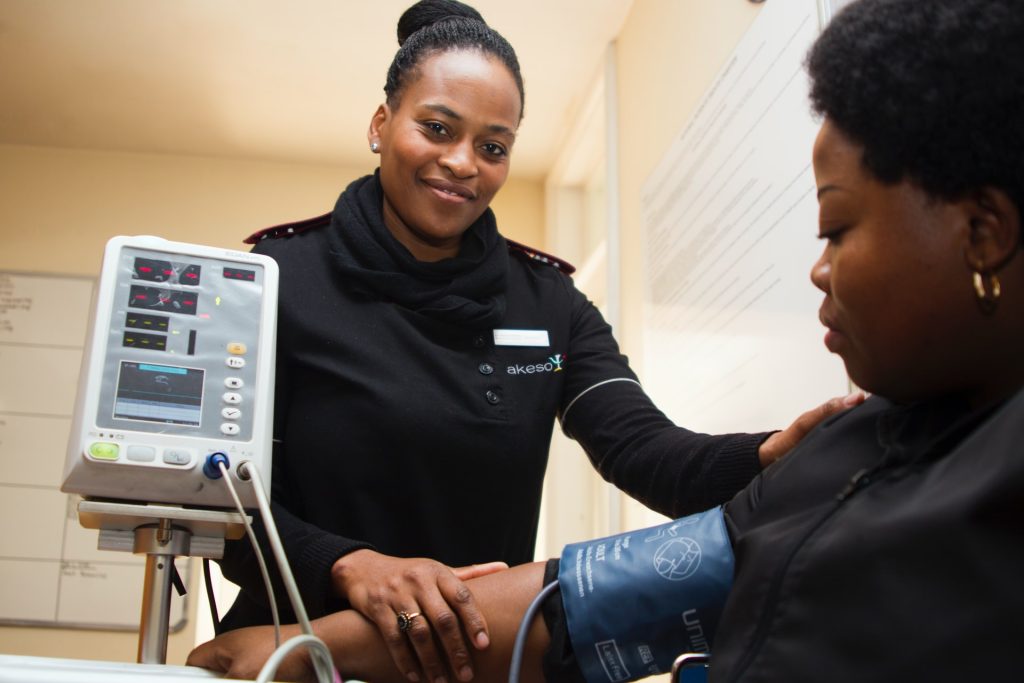
He speaks in measured tones – calm, reflective, deliberate. But when Dr Dumisani Bomela describes the future he envisions, the words carry power. For the CEO of the Hospital Association of South Africa (HASA), healthcare is not just a profession. It is a promise rooted in dignity, equity and access to every South African.
Q: Dr Bomela, what drew you to medicine and what keeps you committed to healthcare in South Africa? A: I have always seen healthcare as an act of service. As a doctor, you learn to see beyond symptoms, to understand the person behind the diagnosis. As a leader at HASA, I take that same approach. Our work is about people. About making sure that every South African can get quality care when they need it.
Q: HASA represents South Africa’s private hospital sector. Why is this sector important to the country’s overall health system? A: Private hospitals are a cornerstone of healthcare in South Africa. We treat millions of patients each year. More than that, HASA members invest heavily in medical training, advanced technology and infrastructure. We are strategic partners in the national system, that makes our sector a vital national asset.
Q: How does HASA contribute to economic development beyond just healthcare? A: Healthcare is a growth engine. HASA members are major employers, from doctors and nurses to technicians and support staff. We support local communities and stimulate investment. When healthcare systems are strong, economies thrive – and so do people.
Q: What is HASA’s stance on universal health coverage? A: We believe every person has the right to choose their provider and to receive high-quality care. That is why we support reforms that strengthen the system and build equity. HASA members are ready to work side by side with the government to make that vision a reality. Our hospital groups bring deep experience, including in some cases from geographies where universal healthcare systems operate, and strong infrastructure to the table.
Q: What kind of leadership do you believe is needed in South African healthcare today? A: We need leaders who listen. Who understand not just policy, but people. Leadership in healthcare must be grounded in compassion and collaboration. At HASA, we strive to lead by example, building trust, fostering partnerships, and always remembering that every system ultimately affects human lives.
Q: How do HASA hospitals stay at the forefront of medical technology and innovation? A: By investing intentionally. Our members understand that modern medicine is not static, it is constantly evolving. We equip our hospitals with advanced diagnostic and treatment tools. But technology alone is not enough. We also invest in people – training nurses, specialists and support teams to lead with excellence.
Q: In a country facing complex health challenges, how do you stay hopeful? A: Hope grows where there is action. Across our hospitals, I see incredible work being done every day – surgeons saving lives, nurses comforting families, teams innovating to improve care. We are proving, together, that with collaboration and commitment, South Africa’s health system can be strong, inclusive and world-class.
Q: What gives you the greatest sense of pride in your work with HASA? A: Honestly, it is seeing the impact private hospitals have. When families walk out of our hospitals healed. When professionals grow into health leaders. When communities feel their well-being is supported. These outcomes remind us why the work matters. My pride does not come from titles; it comes from knowing we are making a real, human difference every single day.
As healthcare reform gains momentum in South Africa, value-based care is becoming a hot topic – but meaningful progress has yet to take hold. The biggest hurdle? How care is purchased. Despite clear signs of stagnation, most funders remain committed to the same failed approach and have yet to drive the change that is needed.
“It’s encouraging to see a move away from fee-for-service thinking and a growing focus on value-based care. But to turn that interest into action will require real system reform – starting with strategic approaches to purchasing care that support system reengineering,” says Lungile Kasapato, CEO of PPO Serve, a healthcare management company that has been implementing value-based care in South Africa for more than a decade.
At its core, value-based care flips the script on how private healthcare is purchased in South Africa. Instead of rewarding volume, it prioritises prevention, puts patients at the centre, and ties payment to measurable outcomes. This stands in stark contrast to the dominant fee-for-service model, where doctors and hospitals are incentivised to provide more services rather than focus on delivering effective care.
A leading example of value-based care in practice is The Value Care Team, operationally supported by PPO Serve. This GP-led multidisciplinary programme broadens access while keeping costs in check. Teams are paid a risk-adjusted global fee to provide holistic patient care, along with substantial incentives tied to improved outcomes. The result is a model that aligns payment with patient outcomes – not the volume of services delivered.
To put it simply, Kasapato explains; “With value-based care, you don’t pay for every kilometre run, you pay to cross the finish line. And that finish line means improved health outcomes, prevention, and system efficiency.” For patients, primary healthcare under The Value Care Team looks and feels completely different. With no scheme benefit limits to navigate, patients are supported by a dedicated care coordinator who guides them through decisions made by their nominated GP and allied professionals. Each clinical team member has a complete picture of the patient’s health, working collaboratively rather than competitively to share accountability for delivering better outcomes.
This new approach to delivering primary care in the private sector isn’t just an isolated test run – it’s being developed and refined in real time. “We’re not just talking about value-based care, we’re implementing it,” says Kasapato. “At PPO Serve, we partner with practices to navigate day-to-day challenges, while working with medical schemes to design payment models that enable strategic purchasing. The Value Care Team is proof that value-based contracting isn’t just possible – it’s already happening in South Africa’s healthcare system.”
For this approach to take root and scale, medical schemes and state funders must take the lead by creating the market incentives that encourage providers and hospitals to adopt new ways of working. The Competition Commission’s 2019 Health Market Inquiry warned that without bold reform, South Africa’s private healthcare sector could face collapse – a warning that remains just as relevant today. But there is still an opportunity to change course. By embracing a strategic purchasing role, funders can help drive the system-wide transformation that’s urgently needed.
The Value Care Team is already leading by example, with a presence across Gauteng and KwaZulu-Natal, as well as in Bloemfontein and Gqeberha. Recognised by the World Health Organisation and featured in international peer-reviewed research as a breakthrough case study in emerging markets, the programme is actively driving real change – improving care coordination, cutting waste, and reducing unnecessary hospital admissions. Even so, Kasapato points out, the journey is far from over; “There is still a lot to learn from and with others as we move from talking about value to actually implementing it.”
By Matimba Ngobeni, Country Head: Value & Access, Novartis South Africa
28 July 2025, Johannesburg South Africa – South Africa’s healthcare system stands at a crossroads. Despite the promise of progress outlined in the Budget Speech and the Presidential Health Compact, the reality on the ground reveals persistent and growing barriers to accessing innovative medicines.
Economic pressures, funding constraints, and infrastructure gaps continue to undermine equitable healthcare delivery, particularly for vulnerable communities. What’s more, recent international developments—such as U.S. President Donald Trump’s cuts to funding that supported healthcare initiatives in South Africa—threaten to exacerbate these challenges, potentially limiting access to life-saving advanced therapies.[1]
Economic pressures
The cost of advanced therapies remains out of reach, and the structural inequalities in our healthcare system persist. While top-tier medical plans still provide access to advanced medicines, we are seeing a shift. Patients are moving to lower-tier plans or into the public system, simply because they cannot afford more. And with that shift, their access to advanced therapies disappears. [2]This is not a uniquely South African problem.
Globally, we see the same story repeat: private healthcare becomes a fortress that only those who can pay the toll may enter. Everyone else is left to rely on an overburdened public system, strained by funding shortfalls, infrastructure gaps, and critical workforce shortages. The public healthcare system, already overburdened, struggles to absorb this increased demand. Rising healthcare costs combined with limited household budgets create a perfect storm where affordability becomes the biggest barrier to accessing cutting-edge treatments.
Funding constraints and infrastructure challenges
Both private and public sectors face severe funding constraints. Innovative medicines, especially advanced therapies, come with high price tags that strain budgets and limit availability. At the same time, infrastructure and skills gaps hinder the effective delivery of these treatments. Investments in healthcare infrastructure, workforce training, and data management are urgently needed to support the growing demand for advanced therapies.
While it may seem like all hope is lost, the Presidential Health Compact offers a promising framework aimed at transforming South Africa’s healthcare landscape through infrastructure development and improved data surveillance[3]. However, it stops short of directly addressing access to innovative medicines. This gap underscores the need for stronger collaboration between public and private stakeholders to ensure that patients do not bear the financial burden alone.
Towards equitable access: Collaboration is imperative
Another way forward is through a robust, transparent Health Technology Assessment (HTA) process, where medicines are evaluated not only on their cost but on their ability to save lives, improve quality of life, and reduce the long-term burden on the health system.
Inclusive HTAs, where payers and pharmaceutical companies work together, are essential for reimagining access to advanced therapies. If we only look at the upfront cost of innovation, we miss the bigger picture of societal value.
Globally, risk-sharing models and outcome-based pricing agreements are helping bridge the affordability gap[4]. South Africa could benefit from more flexible legislation to enable these models, ensuring that innovation doesn’t remain locked behind prohibitive price tags.
South Africa’s healthcare future depends on what we choose to prioritise: short-term financial gains or long-term societal wellbeing. Too often, systems have been designed around protecting profits rather than protecting lives. Healthcare should never be a luxury. Yet in South Africa, and across much of the world, the reality is stark: exclusion is the norm, not the exception.
If we want a future where access to life-saving medicines is a reality for all, we need to break down the barriers of affordability, infrastructure, and policy inertia. And we need to do it together — governments, healthcare companies, funders, and civil society — because lives are at stake.
All hope is not lost. But we cannot wait for crisis to be our catalyst. The time for bold, collaborative action is now.
**About Novartis:**
Novartis is an innovative medicines company. Every day, we work to reimagine medicine to improve and extend people’s lives so that patients, healthcare professionals and societies are empowered in the face of serious disease. Our medicines reach more than 250 million people worldwide.
Novartis South Africa (Pty) Ltd, Magwa Crescent West, Waterfall City, Jukskei View, 2090. Co. Reg. No. 1946/020671/07. Tel. No. +27 (0) 11 347 6600.
Disclaimer: The presentation may include data on formulations, products, indications, and dosages not yet approved by the South African Health Products Regulatory Authority. This information is not intended to be promoting nor recommending any formulation, indication, dosage, or other claim not covered in the approved Professional Information. Novartis South Africa (Pty) Ltd recommends the use of their products in accordance with the locally approved Professional Information. Views and opinions of speakers do not necessarily reflect those of Novartis.
COVID-19 has largely dropped out of the headlines, but the virus that causes it is still circulating. We ask what we should know about a new variant of SARS-CoV-2, the state of the COVID-19 pandemic in 2025, and the lack of access to updated vaccines in South Africa.
In the leafy Johannesburg suburb of Sandringham, the National Institute for Communicable Diseases (NICD) bears a deceptive facade. Do not be fooled by its sleepy campus, clustered face brick buildings and shade-cloth parking, this government facility is home to state-of-the-art biosafety laboratories and some of South Africa’s top virologists, microbiologists and epidemiologists. Here, 71 scientists are tasked daily with laboratory-based disease surveillance to protect the country from pathogen outbreak events.
On 5 March 2020, then health minister Dr Zweli Mkhize announced South Africa’s first COVID‑19 infection at an NICD press briefing. At the time, the NICD was an obscure acronym for many – but that quickly changed as the institution became central to the country’s pandemic response.
While the COVID-19 pandemic may have waned, the NICD hasn’t stopped monitoring.
That is because there remains a global public health risk associated with COVID-19. The World Health Organization (WHO) states: “There has been evidence of decreasing impact on human health throughout 2023 and 2024 compared to 2020-2023, driven mainly by: 1) high levels of population immunity, achieved through infection, vaccination, or both; 2) similar virulence of currently circulating JN.1 sublineages of the SARS-CoV-2 virus as compared with previously circulating Omicron sublineages; and 3) the availability of diagnostic tests and improved clinical case management. SARS-CoV-2 circulation nevertheless continues at considerable levels in many areas, as indicated in regional trends, without any established seasonality and with unpredictable evolutionary patterns.”
Thus, while SARS-CoV-2 is still circulating, it is clearly not making remotely as many people ill or claiming nearly as many lives as it did four years ago. Asked about this, Foster Mohale, spokesperson for the National Department of Health, says “there are no reports of people getting severely sick and dying due to COVID-19 in South Africa at the current moment”.
‘Variant under monitoring’
As SARS-CoV-2 circulates, it continues to mutate. The WHO recently designated variant NB.1.8.1 as a new variant under monitoring. There is however no reason for alarm. Professor Anne von Gottberg, laboratory head at the NICD’s Centre for Respiratory Diseases and Meningitis, tells Spotlight that NB.1.8.1 is not a cause for panic, particularly not in South Africa.
Von Gottberg says no cases of the new variant has been detected in South Africa. She refers to her unit’s latest surveillance of respiratory pathogens report for the week of 2 to 8 June 2025. It states that out of 189 samples tested, 41 (21.7%) cases were influenza, another 41 (21.7%) cases were respiratory syncytial virus (RSV), and three (1.6%) cases were earlier strains of SARS-CoV-2.
These figures suggest much greater circulation of influenza and RSV in South Africa than SARS-CoV-2. Over the past six months, 3 258 samples were tested, revealing 349 (10.7%) cases of influenza, 530 (16.3%) cases of RSV, and 106 (3.3%) cases of SARS-CoV-2. Since most people who become sick because of these viruses are not tested, these figures do not paint the whole picture of what is happening in the country.
As of 23 May 2025, the WHO considered the public health risk of NB.1.8.1 to be “low at the global level”, with 518 iterations of the variant submitted from 22 countries, mainly around Asia and the Pacific islands.
The WHO report states: “NB.1.8.1 exhibits only marginal additional immune evasion over LP.8.1 [first detected in July 2024]. While there are reported increases in cases and hospitalisations in some of the WPR [Western Pacific Region] countries, which has the highest proportion of NB.1.8.1, there are no reports to suggest that the associated disease severity is higher as compared to other circulating variants. The available evidence on NB.1.8.1 does not suggest additional public health risks relative to the other currently circulating Omicron descendent lineages.”
Combating misinformation
Von Gottberg says that the NICD plays a critical public health communication role in combating misinformation and warns against alarmist and inaccurate online depictions of NB.1.8.1, the Omicron-descendent lineage dubbed “Nimbus” by some commentators.
“There’s fake news about NB.1.8.1 going around on social media,” she says. “For example, supposed symptoms. I have been trying to look for articles and have not seen anything from [reliable sources],” she says. “In fact, there is no information about whether there are any differences in symptoms, because there are so few cases and it is not causing more severe disease.”
Von Gottberg implores members of the public to check information sources. “We try hard – and the Department of Health does the same – to put media releases out so that accurate information is shared. What we ask is that all our clients, the public, verify information before they start retweeting or resending.”
COVID-19 vaccines in South Africa
The WHO recommends that countries ensure continued equitable access to and uptake of COVID-19 vaccines. They also note that the currently approved COVID-19 vaccines are expected to remain effective against the new variant. But contrary to WHO advice, newer COVID-19 vaccines are not available in South Africa and continued access to older vaccination seems to have ceased. When Spotlight called two branches of two different major pharmacy retailers in Cape Town asking for available COVID-19 vaccines, the answer at both was that they have none.
Several recently approved COVID-19 vaccines are being used in other countries but are not available in South Africa. These include Moderna’s updated mRNA boosters, approved in the United States and parts of Europe, Novavax’s Nuvaxovid vaccine, approved in the United States, and Arcturus Therapeutics’s self-amplifying mRNA vaccine Zapomeran, approved in Europe. Self-amplifying mRNA vaccines has the additional capacity to induce longer lasting immune responses by replicating the spike-proteins of SARS-CoV-2.
None of these vaccines are under review for registration in South Africa, according to the South African Health Products Regulatory Authority (SAHPRA). Vaccines may not be made available in the country without the green light from SAHPRA. “It may be advisable to contact the owners of the vaccines to obtain clarity on whether they intend to submit for registration,” says SAHPRA spokesperson Yuven Gounden.
Spotlight on Friday sent questions to Moderna, Novavax, and Arcturus, asking whether they plan to submit their vaccines for registration with SAHPRA, and if not, why not. None of the companies responded by the time of publication.
Von Gottberg explains that vaccines can only become available in South Africa if their manufacturers submit them to SAHPRA for approval. “So, if a vaccine provider, a vaccine manufacturer, does not want to sell in our country because they do not see it as a lucrative market, they may not even put it forward for regulation so that it can be made available.”
Professor of Vaccinology at the University of the Witwatersrand, Shabir Madhi, says the major concern with the lack of licensed SARS-CoV-2 vaccines in South Africa is that “high-risk individuals remain susceptible to severe COVID-19, as there is waning of immunity”.
“High-risk individuals should receive a booster dose every 6-12 months, preferably with the vaccine that is updated against current or most recent variants,” he says.
Von Gottberg has similar concerns. “My hope as a public health professional is that these vaccine manufacturers take us seriously as a market in South Africa and in Africa, very importantly, and put these vaccines and products through our regulatory authorities so that they can be made available both in the public and in the private sector for all individuals who are at risk and should be receiving these vaccines,” she says.
Gounden notes that should a public health need arise, “SAHPRA is ready to respond in terms of emergency use approval.”
Concerns over vaccine expert dismissals in the United States
Earlier this month in the United States, Health and Human Services (HHS) Secretary Robert F. Kennedy Jr. fired all 17 members of the Advisory Committee on Immunisation Practices (ACIP) – an expert body responsible for recommending vaccines for 60 years. He then appointed eight new members, some known for vaccine skepticism.
Commenting on this, Von Gottberg says: “I am hoping there will be those who will think about what he [Kennedy] is doing and question it. It is an unusual situation in the United States, you cannot call it business as usual.”
In an article published in the Journal of the American Medical Association, former ACIP members voice grave concerns over the dismissals. “Vaccines are one of the greatest global public health achievements. Vaccine recommendations have been critical to the global eradication of smallpox and the elimination of polio, measles, rubella, and congenital rubella syndrome in the US. They have also dramatically decreased cases of hepatitis, meningitis, mumps, pertussis (whooping cough), pneumonia, tetanus, and varicella (chickenpox), and prevented cancers caused by hepatitis B virus and human papilloma viruses. Recent scientific advancements enabled the accelerated development, production, and evaluation of COVID-19 vaccines…,” they write.
The article also questioned the announcement by Kennedy Jr. on X that he had signed a directive to withdraw the recommendation for COVID-19 vaccination in healthy children and healthy pregnant people.
“[R]ecent changes to COVID-19 vaccine policy, made directly by the HHS secretary and released on social media, appear to have bypassed the standard, transparent and evidence-based review process. Such actions reflect a troubling dis-regard for the scientific integrity that has historically guided US immunisation strategy,” the authors warn.
Von Gottberg adds: “We hope that this anti-vax, the denialism of vaccines and the good they do, won’t come to South Africa.”
In addition, she cautions public healthcare professionals to take heed of this discourse. “We must take seriously that people have questions, and that they want to see us doing things correctly, transparently, always telling people of our conflicts of interest, being very upfront when things are controversial, when it’s difficult to make decisions,” she says. “So I think what this teaches us is not to be complacent in the way we talk and write about vaccines, discuss vaccines, and we must take our clients, the public out there seriously and hear their voices, listen to their questions.”
By James White, Director of Sales and Marketing at Turnberry Management Risk Solutions
Photo by Alex Green on Unsplash
Rising medical costs can be a major burden that negatively affects employees’ health, wellness and productivity. Even with medical aid in place, unexpected shortfalls for hospital stays, surgeries and specialist treatments can run into tens of thousands of Rands – creating financial stress that spills over into the workplace.
Group gap cover offers an affordable, accessible and highly effective way to bridge the growing divide between what medical schemes pay and what private healthcare actually costs. This makes a tangible difference for both employers and their employees.
A practical solution for reducing stress and improving productivity
Medical expense shortfalls can add up to significant amounts of money and can be enough to seriously impact an individual’s financial wellbeing. Employees who cannot afford the co-payments or gaps in cover may delay treatment, manage ongoing pain with temporary measures, or fall back on high-interest loans, all of which can negatively affect their focus and performance at work.
Group gap cover can help to prevent this type of scenario. Cover includes medical expense shortfalls, co-payments, and sub-limits, and some providers also offer value-added benefits like casualty cover, trauma counselling or additional cancer cover, depending on the plan.
This allows employees to access the care they need without having to worry about paying large sums of money out of their own pocket. It helps them get treatment sooner, making it more likely they will recover faster and return to work sooner, as well as offering improved peace of mind. All of this benefits the business as much as the individual.
Empowering brokers to support a broader wellness strategy
Brokers are ideally placed to support employers in designing employee benefits that do more than tick boxes by positioning group gap cover as an essential component of an organisation’s wellness strategy.
It is, however, essential to tailor group gap cover plans to align with the medical aid options that are already in place. The key is to create solutions that fit the needs of the organisation and its employees and add tangible value, taking into account elements like demographics, income bracket, life stage and so on. For brokers, this is an opportunity to drive innovation in employee benefits and demonstrate deeper advisory value.
Affordability that matters in a tough economy
As medical inflation continues to outpace the Consumer Price Index (CPI), comprehensive medical aid has become less attainable for many companies and their employees. Some organisations have been forced to downgrade their medical scheme contributions, leaving employees more exposed to shortfalls. Group gap cover offers a cost-effective way to mitigate that risk.
With preferential premiums, favourable underwriting terms, and often no waiting periods, group gap cover is cost-effective and affordable, especially when compared to the costs of upgrading a comprehensive medical aid plan that will typically also experience certain shortfalls. It is also tax efficient as a payroll deduction and can be implemented with minimal administrative burden.
Attracting and retaining talent in a competitive market
Today’s job seekers are looking for more than a payslip. They want to feel valued and supported. Offering group gap cover as part of a holistic benefits package can set a company apart, especially in sectors where high turnover is common.
Candidates take note when employers show they care about more than just performance metrics. A company that helps its people avoid financial distress during a medical emergency is a company that builds loyalty, trust and long-term engagement. Gap cover is an investment in human capital that pays dividends far beyond the balance sheet.
Genuine benefits build genuine loyalty
Medical costs are rising, and economic pressures are continually increasing. In such an environment, employers need benefits that do more than look good on paper – they need to add real value to the lives of their employees. Group gap cover is one of the most practical, cost-effective ways to support employees’ health and financial wellbeing while also protecting business performance.
By helping people access the treatment they need without incurring crippling debt, it reduces stress, shortens recovery time and fosters loyalty. For businesses looking to attract and retain talent, boost productivity and show genuine care for their people, group gap cover is a benefit that makes a real and lasting difference.
About Turnberry Management Risk Solutions
Founded in 2001, Turnberry is a registered financial services provider (FSP no. 36571) that specialises in Accident and Health Insurance, Travel Insurance, and Funeral Cover.
With extensive experience across healthcare and insurance industries in South Africa, Turnberry offers unsurpassed service to Brokers and clients. Turnberry’s gap cover products are available to clients on all medical aid schemes, as they are independently provided and are therefore transferable in the event of a change in the client’s medical aid scheme.
Turnberry is well represented nationally, with its Head Office based in Bedfordview, Johannesburg with Business Development Managers in Cape Town and Durban. The Turnberry Team’s focus on outstanding client service comes from having extensive knowledge and experience in the financial services sector and is underwritten by Lombard Insurance Company Limited. Lombard Insurance Company Limited is an Authorised Financial Services Provider (FSP 1596) and Insurer conducting non-life insurance business.
The health insurance sector is undergoing significant changes that insurers, healthcare professionals and brokers need to be aware of. For one, healthcare costs have risen above the national inflation rate, forcing individuals and corporate entities to reassess their healthcare management strategies.
The industry is moving towards a more personalised and customer -focused approach, companies are revolutionising traditional insurance processes with digital platforms that offer simplicity, transparency and efficiency. The role of technology and data are driving forces behind these trends. With technological advancements reshaping health insurance, other trends like shifting demographics, an ageing population, and rising chronic diseases add complexity. Navigating this landscape requires specialised knowledge. This is where health insurance brokers become essential partners for companies in need of top-quality healthcare solutions for their workforce.
Shifting patterns in the health insurance market
The health insurance industry is currently experiencing significant changes driven by various factors. Healthcare expenditures and utilisation have increased dramatically in recent years given the prevailing South African economic climate and rising healthcare costs. Organisations are scrutinising their healthcare programmes, including those that provide cover for employees. Many employers are now adopting a hybrid approach that includes both medical scheme membership and health insurance to offer maximum flexibility and choice to their workers.
The healthcare sector is also witnessing an increasing adoption of digital solutions; mobile applications with online portals for accessing benefits and services. Users can take advantage of virtual healthcare solutions, such as telemedicine consultations and online appointment scheduling, which not only reduce costs but also save time. Consequently, brokers are focusing on partnering with insurers who offer technologically advanced and user-friendly digital services.
Challenges faced in the market
The health insurance market is facing several challenges. A significant hurdle is the issue of member education. There is a widespread misconception that health insurance operates in the same manner as medical scheme cover, leading to confusion and disappointment among members. Brokers play a crucial role by clarifying the distinctions between each type of cover, and they conduct annual assessment sessions to keep clients informed about new developments or available improvements. Frequent engagements that elucidate various aspects of their benefits empower clients to make more informed decisions.
The healthcare distribution system introduces another layer of complexity as it plays a critical role in ensuring the safe and efficient delivery of healthcare products to patients and healthcare providers. South Africa’s market comprises both public and private sectors, making it difficult to identify and reach the ideal target audience. The insurance sector is heavily competitive, characterised by numerous insurers, each offering a wide range of products. These challenges are compounded by regulatory bodies, stringent rules and requirements that organisations must navigate while attempting to earn customer trust.
Financial pressures significantly impact clients’ decisions regarding attaining affordable healthcare. Financial limitations forces clients to make difficult choices often prioritising essential expenses and, leading many to opt for cheaper health insurance plans even if they have higher out-of-pocket costs or limited cover. Clients who are struggling financially need guidance and sound advice in exploring their options for affordable solutions. By reviewing their existing healthcare costs and assessing their current cover, brokers and insurers can help recommend a more effective healthcare solution that suits their needs. Clients can also consult with a financial advisor to help create a budget that incorporate healthcare costs that includes an emergency fund to cover unexpected additional medical expenses.
The value of consulting health insurance brokers
Given these complexities, one may question why companies should consult health insurance brokers. The answer lies in their expertise and advocacy. Brokers possess in-depth market knowledge and understand insurance products, enabling them to devise tailored solutions that precisely meet the requirements of both companies and employees. They represent their clients in negotiations, ensuring regulatory compliance and striving to secure the best rates and terms while providing ongoing support.
Strategic partnerships: selecting the right insurer
Choosing the right insurance partner is crucial, and brokers focus on several key attributes during this selection process. The insurance company must exhibit sound financial health, offer a comprehensive suite of products and services, and maintain effective claims procedures alongside superior customer care. Additionally, brokers seek partners that demonstrate a commitment to technology and innovation as a means of enhancing the customer experience.
Also, in today’s landscape, an insurance company’s reputation is of paramount importance, as policyholders can easily access customer feedback on social media.
Enhancing the South African healthcare system
The South African healthcare system requires careful navigation. With the assistance of informed and professional brokers, companies can tackle prevailing issues, optimise their healthcare expenditure, and deliver valuable benefits to their employees, ultimately resulting in a healthier and more productive workforce. Brokers serve not only as a source for insurance products but also as providers of expertise and trust, acting on behalf of the client in a complex and dynamic environment.
Twenty years ago, cosmetic surgery was still a subject of taboo, whispered about behind closed doors. Today, that silence has been replaced by honest conversations about beauty, confidence, ageing, empowerment, and personal choice, as South Africans openly embrace a wide range of aesthetic enhancements. And what South Africans are choosing might surprise you.
Leading plastic and reconstructive surgeon Professor Chrysis Sofianos shares insights from his own practice, revealing how cosmetic surgery trends are evolving across age and race – and what that means for the future of beauty.
“Cosmetic surgery is no longer about fitting a single mould, but about choosing how we, as individuals, want to age, restore, or refine. Today’s patients are more informed, intentional, and unapologetic about their tastes, and wanting to feel good in their own skin,” he says.
Aesthetic choices by age
Gone are the days where cosmetic procedures were the exclusive domain of patients of a certain age. According to Professor Sofianos, the modern approach views aesthetics as a journey, although age still plays a major role in shaping the types of treatments individuals may seek:
20s: Patients in their twenties are often navigating early self-image issues, driven by social media influences. The most requested procedures include breast augmentations, lip fillers, and occasional rhinoplasties to address long-held insecurities.
30s: Often post-pregnancy or in the midst of career and family life, this group leans toward tummy tucks, mommy makeovers, and the start of anti-ageing injections, cosmetic fillers, and preventative treatments. Restoration without exaggeration is usually the goal.
40s: This is the decade of refinement. Liposuction, eyelid lifts, and more assertive facial rejuvenation procedures become common, as patients seek to stay ahead of midlife volume loss and skin laxity.
50s and beyond: For those who want long-term, natural results, the deep plane facelift, neck lifts, and biostimulators become top of mind. “Our approach is structural, not superficial,” he notes. “It’s about restoring facial harmony without compromising identity.”
“What fascinates me is how differently my patients may define beauty. A 22-year-old influencer and a 55-year-old executive might sit in the same waiting room, but their goals couldn’t be more different. We’re not selling a standard look – we’re facilitating personal choices, and sometimes, those choices may even challenge conventional aesthetic norms.”
Understanding patient preferences: A cultural lens
Perhaps the most significant change is how different communities and racial groups are approaching enhancement in South Africa, reflecting new trends in beauty ideals. For example, African women are increasingly choosing breast reductions, prioritising comfort and opting for a different aesthetic from more traditional beauty standards which often favour a fuller figure or more pronounced curves.
Indian patients are leading the way in tummy tucks and body contouring, while Caucasian patients tend to focus on breast augmentations and high-definition liposuction, particularly around the waistline and abdomen, to refine their silhouette and definition.
“What’s beautiful about this shift is how it reflects our diversity. We’re not seeing patients trying to look like someone else – they’re choosing procedures that enhance their natural features and fit their lifestyles,” says Sofianos. “Critically, there is no one-size-fits-all in aesthetic medicine. The more we understand the nuances of each patient’s background and goals, the better we can serve them.”
Why winter is the most strategic time for surgery
No matter your personal objectives, an insider tip could make a huge difference in your surgical recovery: while people mistakenly tend to plan procedures for December – unaware that most surgeons do not operate after November due to holiday closures and the necessity of post-operative care – smart patients are booking for winter.
Cooler temperatures help to reduce swelling, promote easier healing, and generally mean less downtime. Patients also benefit from increased coverage beneath bulkier clothing, allowing them to recover more discreetly while still going about their daily lives. With fewer social commitments and sunnier distractions, winter becomes the ideal window for surgical recovery.
“If you want to look and feel your best by summer, now is the time to plan,” he advises. “Winter is a strategic opportunity for recovery.”
As aesthetic surgery continues to evolve in South Africa, Professor Sofianos believes that education, access, and authenticity are key pillars moving forward.
“My role is to guide patients through their options, help them make informed choices, and deliver results that are both technically excellent and emotionally empowering. The most rewarding part of my practice isn’t about creating one particular look, but about helping people become more confident versions of themselves. Whether that means a subtle enhancement or a more significant change, the choice is truly personal.”
By Damian McHugh, Chief Marketing Officer, Momentum Health
In his 2025 Budget Speech on 21 May, Finance Minister Enoch Godongwana reaffirmed government’s commitment to strengthening South Africa’s healthcare system, announcing a R20.8 billion boost to provincial health budgets. This includes hiring 800 post-community service doctors, addressing shortages of essential goods and services, and settling unpaid obligations.
While this is a welcome step toward easing pressure on healthcare workers, especially in underserved areas, it also presents a vital opportunity for public-private collaboration. The question now is whether this investment will be enough to tackle the deeper, systemic challenges facing our healthcare workforce and infrastructure.
In the ever-evolving landscape of healthcare in South Africa, the rising demand for healthcare services, coupled with a shortage of skilled workers, creates a complex challenge. There is an urgent need to not only support but also empower healthcare workers across the country.
According to the World Health Organisation (WHO), the shortage of skilled health professionals in South Africa is projected to be 97 000 by 20251. This challenge not only disrupts the delivery of quality care but also impacts the overall wellbeing of communities. As advocates for more accessible healthcare for more South Africans, we believe that innovative solutions are key to closing the gap, valuing and retaining current talent, and by doing so, edging us closer towards a healthier nation.
The growing need for healthcare workers is largely driven by factors such as our aging population, increased prevalence of chronic disease, and an uneven distribution of healthcare workers across provinces, with rural areas being particularly underserved2 . In these areas, patients often experience long wait times and reduced access to specialised care. Additionally, healthcare professionals across provinces often face burnout and job dissatisfaction due to excessive workloads and inadequate support. Together, these challenges add pressure to an already strained system.
Embracing Greater Collaboration and Innovation
To address local needs and support healthcare professionals in delivering quality services, a multi-faceted approach is necessary. The first step is greater collaboration between the public and private sectors. These partnerships can address systemic challenges and drive meaningful improvements, thus strengthening infrastructure and expanding affordable health insurance.
In recent years, technology has emerged with strong promise to bridge various divides. We’ve seen first-hand through our Hello Doctor offering and Momentum App how technologies such as telemedicine and emerging technology can enhance care delivery, efficiency and accessibility. These technologies can bridge geographical barriers, enabling healthcare professionals to provide remote consultations, monitor patient progress and access critical health information in real-time.
Building on the promise of technology, emerging technologies like AI can play a significant role in aiding healthcare professionals with decision-making, diagnostics, and patient management. AI-powered solutions can analyse vast amounts of data quickly, identify patterns, and provide recommendations to support evidence-based care. This can lead to more accurate diagnoses, personalised treatment plans, and improved patient outcomes.
Building a Sustainable Workforce
South Africa’s healthcare sector is one of the most stressful in the world, with the public sector particularly under severe strain. Staffing shortages exacerbate this stress, and so supporting healthcare professionals in their roles is just as important as implementing innovative technologies. Fostering a positive work environment and ensuring job satisfaction are key focus areas to improving care delivery. A supportive workplace culture not only enhances employee retention but also promotes better patient outcomes.
Prioritising Mental Health and Wellness
In addition to structural and technological improvements, we must also recognise the critical role of mental health and wellness in sustaining our healthcare workforce. Chronic stress, emotional fatigue, and trauma exposure are daily realities for many healthcare workers. Without adequate mental health support, these pressures lead to burnout, absenteeism, and crippling fatigue.
In recent years, it has become clear that wellness extends beyond physical health. As a result, a visible shift has occurred across the healthcare sector to provide wellness solutions that offer counselling services, resilience training, and mindfulness programmes tailored to the unique challenges faced by healthcare professionals. By embedding mental wellness into the core of workforce support strategies, we not only protect the individuals who care for our nation but also enhance the quality and consistency of the care they provide.
Retaining healthcare professionals is not only critical to the future of healthcare delivery in South Africa, but also to the future health of its people. Healthcare institutions must implement proactive strategies that prioritise the wellbeing of their staff.
Bridging the healthcare workforce gap in South Africa requires investing in innovation, training, and supportive work environments. Building a sustainable healthcare workforce capable of meeting the needs of our nation will take our collective effort to support and empower the sector. Together, we can create a healthier South Africa for generations to come.
Minister of Health Dr Aaron Motsoaledi. Source: GCIS
By Anna Grimsrud and Sibongile Tshabalala-Madhlala
Minister of Health Dr Aaron Motsoaledi’s recent claim that over half a million people have been newly started on HIV treatment in less than six months has raised eyebrows in health circles. In this open letter, Anna Grimsrud and Sibongile Tshabalala-Madhlala, associated with CHANGE – South Africa, ask the Minister to explain numbers that, on the face of it, seem contradictory.
Dear Minister Motsoaledi,
We write to you in response to your 15 May 2025 press statement and subsequent remarks in Parliament on the current status of the national HIV, AIDS, and TB campaign.
You stated that since the launch of the Close the Gap campaign, 520 700 people have been initiated on HIV treatment, reaching “more than 50% of the target”. You also stated that 5.9 million people are currently on antiretroviral therapy (ART). However, at the campaign’s launch on 25 February 2025, you reported the same number on HIV treatment — 5.9 million. This raises a critical question: if over half a million people have started or restarted treatment, why has the total number of people on treatment not increased?
If both figures are accurate, this would mean that approximately 520 000 people have been lost from care over the past few months — a deeply concerning and unprecedented level of attrition. We respectfully request that you provide the underlying data and clarify the current total number of people remaining on HIV treatment.
There are several reasons why we are concerned:
Static treatment numbers: As noted, the number on treatment was reported as 5.9 million in both February and May 2025. If 520 700 people have been initiated or re-initiated during this period, the same number must have exited care — a scenario that requires urgent explanation.
Slow growth in the number of people on treatment: According to official statements, the total number of people on HIV treatment increased by only 100 000 between March and December 2023 — from over 5.7 million to 5.8 million. The claim that the cohort has now grown by over 500 000 in a matter of months contradicts recent trends.
Declining lab numbers: National Health Laboratory Service data reported by the Daily Maverick and Reuters, show notable declines in viral load testing and early infant diagnosis in March and April 2025 compared to the same months in 2024. These indicators should increase alongside meaningful growth in treatment uptake — not decrease.
In light of these concerns, we believe it is essential that you provide a transparent accounting of the current number of people on treatment and the metrics being used to assess progress under the Close the Gap campaign. Specifically, we request data demonstrating that the programme is on track to meet its stated goal: increasing the number of people on treatment from 5.9 million to 7 million.
We share your commitment to a strong and effective HIV response, especially in this period of financial and operational strain. Like you, we believe it is vital that accurate and complete information is shared with the public and Parliament at this critical moment.
*Anna Grimsrud is an epidemiologist with a PhD in Public Health and writes in her personal capacity. Sibongile Tshabalala-Madhlala is openly living with HIV and currently serves as the National Chairperson of the Treatment Action Campaign (TAC).” CHANGE is a coalition of more than 1 500 people from civil society organizations in South Africa and around the work — people living with HIV, activists, community health workers, researchers, programme members, epidemiologists, clinicians, economists, and others. CHANGE stands for Community Health & HIV Advocate Navigating Global Emergencies.
Note: Spotlight aims to deepen public understanding of important health issues by publishing a variety of views on its opinion pages. The views expressed in this article are not necessarily shared by the Spotlight editors.
Republished from Spotlight under a Creative Commons licence. Views expressed in the original article are not necessarily shared by Quicknews.
Kris Jenner’s “new face” has everyone talking – and it’s widely speculated to be the result of a deep plane facelift, a procedure now dubbed the gold standard in facial rejuvenation. Let’s not even get into how Khanyi Mbau’s face broke the internet. The demand for natural-looking, sophisticated facial transformations has reached an all-time high, both globally and here in South Africa.
A global weight loss boom, fuelled by miracle diabetes drugs, has led to an unexpected side effect: the ‘O weight loss face’, marked by hollowed cheeks, sagging jowls, and prematurely aged skin. In turn, this phenomenon has sparked a significant rise in demand for advanced facial rejuvenation, and particularly the deep plane facelift – what experts term ‘the facelift that lifts where it matters most’.
“One of the most common complaints I hear from patients is, ‘I finally have the body I wanted, but my face looks 10 years older,’” says Professor Chrysis Sofianos, one of South Africa’s leading plastic surgeons and experts in deep plane facelifts.
The Gauteng-based specialist notes that he has seen a meteoric increase in consultations from patients seeking to reverse the facial deflation and laxity caused by rapid weight loss.
“This is just one instance where the deep plane facelift truly shines, as it restores natural facial harmony by lifting and repositioning deep tissues, not just tightening the skin. By addressing the deeper structural changes caused by significant weight loss, this approach delivers far more natural outcomes and a timeless look.
The Facelift No One Can See
What sets the deep plane facelift apart? Unlike traditional facelifts that only address the skin’s surface, the deep plane technique lifts beneath the superficial musculoaponeurotic system (SMAS) layer of tissue to reposition and support the foundational structures of the face. This approach not only rejuvenates the face more effectively than other techniques, but also avoids the tell-tale ‘pulled’ look, offering a more subtle, organic-looking transformation.
Professor Sofianos further enhances his results with the Vertical Restore method, lifting facial tissues vertically – in harmony with the way gravity naturally impacts the face over time. This technique provides holistic rejuvenation of the midface, jawline, neck, and brow, with results that restore youthful contours and expressions.
“Only a handful of surgeons currently offer this breakthrough procedure, and I can confidently state that the deep plane facelift is the gold standard for natural, long-lasting revitalisation.”
According to Professor Sofianos, deep plane facelifts offer several major advantages compared to conventional facelifts:
Superior, long-lasting results: By repositioning deeper facial structures rather than merely tightening the skin, the deep plane facelift offers longer-lasting, more authentic outcomes.
Natural look and movement: The technique avoids excessive skin tension, ensuring the face remains expressive and vibrant – even in motion.
Comprehensive rejuvenation: From sagging jowls and hollow cheeks to neck laxity, the deep plane facelift addresses multiple problem areas in one single, unified procedure.
The Ultimate One-Stop Shop for Aesthetic Excellence and Care
Professor Sofianos’s practice is not only a leader in surgical innovation but also a complete one-stop destination for all aesthetic needs. His clinic offers a full suite of surgical and non-surgical procedures – from advanced facial surgeries to injectables, laser treatments, skin rejuvenation, and body contouring. Each treatment is bespoke and delivered with meticulous care to ensure natural, balanced, and long-lasting results.
What truly sets Professor Sofianos apart, however, is his absolute commitment to patient care. Every facelift is supported by a holistic pre- and post-operative care programme, designed to optimise recovery and results.
A signature component of this is the integration of hyperbaric oxygen therapy (HBOT), which is included as standard in his facelift packages. HBOT begins around 7–10 days after surgery, dramatically improving oxygen delivery to tissues, speeding up wound healing, reducing bruising and swelling, and significantly shortening overall healing time.
As a result of these additional post-surgical interventions, the typical recovery period is two to three weeks, with most patients able to resume social activities within a month. With comprehensive aftercare – including HBOT and nutrient therapies – patients benefit from accelerated healing and refined results that continue to improve for several months post-surgery.
“The success of a procedure isn’t just about the surgery itself, but about guiding patients through a complete journey from start to finish,” he explains. “My patients receive comprehensive, full-spectrum care – including pre-operative preparation, expert surgical techniques, post-operative hyperbaric therapy, scar management, and continuous follow-ups. It’s this level of commitment that ensures optimal outcomes, supporting patients through every step of their transformation and helping them feel comfortable and secure throughout.”
A Lasting Solution for Facial Rejuvenation in the Weight Loss Era
As weight loss medications continue to help patients address issues with weight management and obesity, experts predict that the demand for facial rejuvenation will only rise.
“This trend has created both challenges and opportunities for plastic surgeons, and in many ways is reshaping our field in real time. The good news for patients is that we’re at the beginning of a new chapter in aesthetic medicine – where a combination of sophisticated surgical techniques and aftercare procedures are helping people achieve what was once thought impossible: natural-looking transformations that truly turn back the clock.”
For those seeking to restore their youthful appearance with confidence and discretion, the deep plane facelift offers an unmatched, cutting-edge solution – delivered with precision, artistry, and unparalleled care by Professor Chrysis Sofianos and his dedicated team.