Tag: 13/11/25

Muscle Wasting Reversed in Patients with Rheumatoid Arthritis

Photo by Towfiqu barbhuiya

Patients with rheumatoid arthritis increased their leg muscle volume when treated with an anti-rheumatic drug, offering new hope for improved muscle health.

Publishing in the prestigious journal, The Lancet Rheumatology, a team from Newcastle University and The Newcastle upon Tyne Hospitals NHS Foundation Trust describe how 15 patients were given Tofacitinib, a Janus kinase (JAK) inhibitor used to treat RA, as part of an experimental medicine study. After six months, their leg muscles increased in size, particularly in the thigh.  

Sarcopenia is a progressive, age-related musculoskeletal disease characterized by the loss of muscle mass, strength, and physical performance, increasing the risk of falls, fractures, physical disability, and mortality. Currently there are no medicines approved to reverse this muscle-wasting disease. It is commonly seen in patients with rheumatoid arthritis where chronic inflammation contributes to the loss of muscle mass and strength.

The Rheumatoid Arthritis and MUScle (RAMUS) study

In this study, the leg muscles of 15 patients were measured by MRI scans at one month and at six months. After 6 months, participants’ muscle volume had increased by 4% for the whole leg, equating to an average increase of 242 cm3, and by 5% for the thigh.

Alongside the increase in muscle volume, the RAMUS study also reported changes in the gene expression in muscle tissue with treatment, which were opposite to changes seen in ageing muscle.

Dr Joshua Bennett, NIHR Clinical Lecturer at Newcastle University and Paediatric Rheumatology Registrar within the Newcastle Upon Tyne Hospitals NHS Trust and lead author of the paper said: “This small study is the first to show that JAK inhibitor drugs may be able to reverse sarcopenia in rheumatoid arthritis. We know that sarcopenia is also seen in many other diseases and in old age, but no drugs have been approved to reverse it. Larger studies are now needed to test our findings, but it is exciting to think of the potential for these drugs to treat muscle wasting.”

13 patients experienced adverse events, the majority of which were mild. The team say a larger,  follow up study is needed which would include a control group.

Supports growing evidence

Professor John Isaacs, Professor of Clinical Rheumatology, Newcastle University, Director of Research at Newcastle Hospitals and Deputy Director of the National Institute for Health and Care Research (NIHR) Newcastle Biomedical Research Centre (BRC) who led the study added: “Our findings support growing evidence that inflammation, as evidenced by pro-inflammatory cytokines, may contribute to muscle loss.

“Tofacitinib treatment led to increased muscle volume in patients and triggered changes in muscle gene activity that run counter to the patterns typically seen in age-related muscle decline, suggesting a distinct biological effect.

“While this research did not demonstrate improved muscle strength, patients with arthritis often struggle to perform strength tests due to joint pain and so this does not diminish the potential benefits of reversing sarcopenia as we know it increases the risk of falls, fractures, physical disability, and mortality.”

The primary study funding was by Pfizer, with The BMA Foundation, the JGW Patterson Foundation and the Newcastle Hospitals Charity also contributing. RAMUS was also supported by the NIHR Newcastle Biomedical Research Centre (BRC) and Clinical Research Facility.

Source: Newcastle University

Hypertension in Children and Adolescents Nearly Doubled Between 2000 and 2020

Pexels Photo by Thirdman

The rate of children and adolescents experiencing high blood pressure worldwide nearly doubled between 2000 and 2020, according to a new meta-analysis published in The Lancet Child & Adolescent Health journal.

In 2000, approximately 3.2% of children had hypertension, but by 2020, the prevalence had increased to more than 6.2% of children and adolescents under age 19, affecting 114 million young people around the world. The study suggests that obesity is a substantial driver of the increase in childhood hypertension, with nearly 19% of children and adolescents living with obesity affected by hypertension, compared to less than 3% in children and adolescents considered a healthy weight.

“The nearly twofold increase in childhood high blood pressure over 20 years should raise alarm bells for healthcare providers and caregivers,” said study author Prof Igor Rudan, Director of the Centre for Global Health Research at The Usher Institute, University of Edinburgh (UK). “But the good news is that we can take steps now, such as improving screening and prevention efforts, to help control high blood pressure in children and reduce the risks of additional health complications in the future.”

Based on a meta-analysis of data from 96 large studies involving more than 443 000 children across 21 countries, the researchers found that how blood pressure is measured in children and adolescents can affect prevalence estimates. When hypertension is confirmed by a healthcare provider over at least three in-office visits, the prevalence was estimated to be approximately 4.3%. However, when the researchers also included out-of-office assessments such as ambulatory or home blood pressure monitoring, the prevalence of sustained hypertension climbed to about 6.7%. The research highlighted that conditions like masked hypertension – where hypertension is not detected during routine checkups – affect nearly 9.2% of children and adolescents globally, indicating potential underdiagnosis. Simultaneously, the prevalence of white-coat hypertension (a condition where a person’s blood pressure is elevated only when they are in a medical setting, such as a doctor’s office, but is normal at home or when measured with a home blood pressure monitor) was estimated at 5.2%, which suggests that a notable proportion of children might be misclassified.

“Childhood high blood pressure is more common than previously thought, and relying solely on traditional in-office blood pressure readings likely underestimates the true prevalence or leads to misdiagnosis of hypertension in children and adolescents. Early detection and improved access to prevention and treatment options are more critical than ever to identify children experiencing or at-risk for hypertension. Addressing childhood hypertension now is vital to prevent future health complications as children transition to adulthood,” said study author Dr Peige Song, of the Zhejiang University School of Medicine (China).

The analysis suggests that children and adolescents with obesity are at a nearly eight times higher risk of developing high blood pressure, with approximately 19% of children with obesity having hypertension, compared to 2.4% of children and adolescents considered to be within a healthy weight range. This happens because obesity can cause other health problems, such as insulin resistance and changes in blood vessels, which make it harder to keep blood pressure within a healthy range.

The study also suggests that an additional 8.2% of children and adolescents have prehypertension, meaning blood pressure levels are higher than normal but do not yet meet the criteria for hypertension. Prehypertension is especially prevalent during adolescence, with rates reaching around 11.8% among teenagers, compared to about 7% in younger children. Blood pressure levels also tend to increase sharply during early adolescence, peaking around age 14, especially among boys. This pattern emphasises the importance of regular blood pressure screening during these critical years. Children and adolescents with prehypertension are more likely to progress to full hypertension.

The authors acknowledge some limitations of the study, including data variability due to differences in measurement methods, study designs, and regional healthcare practices. Many of the articles included originated from low- and middle-income countries, which may influence the overall estimates’ applicability globally. Additionally, some specific hypertension phenotypes and out-of-office assessments had limited data. Lastly, practical barriers such as lack of access to advanced blood pressure monitoring tools in some areas could hamper widespread adoption of recommended diagnostic procedures.

Writing in a linked Comment, lead author Rahul Chanchlani of McMaster University (Canada), who was not involved in the study, said, “Harmonised diagnostic criteria, expanded out-of-office monitoring, and context-sensitive surveillance are essential next steps. Education of healthcare providers, families, and policymakers is also crucial. The integration and implementation of childhood hypertension into broader non-communicable disease prevention strategies is a priority, recognising that cardiovascular risk begins not in middle age, but in childhood. The task ahead is straightforward: to ensure that no child’s elevated blood pressure goes undetected, unrecognised, or untreated.”

Source: EurekAlert!

Study Finds High Rates of Antibiotic-resistant Bacteria in Raw Milk

In Pakistan, 50% of strains of a common milk bacterium, Staphylococcus epidermidis, were multi-drug resistant

Cultured Staphylococcus epidermidis isolates from raw milk samples on MSA. Image credit: Inamullah and colleagues, Abdul Wali Khan University Mardan, Pakistan, CC-BY 4.0

Raw cow and sheep milk is frequently contaminated with antibiotic-resistant bacteria that could pose a threat to human and animal health, reports a new study led by Tahir Usman of Abdul Wali Khan University Mardan, Pakistan, published November 12, 2025 in the open-access journal PLOS One.

In Pakistan, over 95% of milk is consumed in its raw form, which has not been pasteurized to kill off harmful bacteria. Milk can become contaminated by bacteria through improper handing or from infections in the teat, called subclinical mastitis. The overuse of antibiotics to treat subclinical sumastitis has led to the emergence of multidrug-resistant bacterial strains, which could then be transmitted to humans through raw milk.

In the new study, researchers investigated the risk posed by Staphylococcus epidermidis, a subclinical mastitis-causing bacteria that often does not lead to visible symptoms in the cow, but results in contaminated, lower-quality milk. They collected 310 milk samples, about half from cattle and half from ewes, and tested them for subclinical mastitis. They also isolated strains of Staphylococcus epidermidis from the milk samples and screened them for antibiotic resistance. About one quarter of the samples showed evidence of subclinical mastitis and almost 13% (1 in 8) were contaminated with Staphylococcus epidermidis. Strikingly, 95% of Staphylococcus epidermidis bacteria isolated from the milk were resistant to penicillin and erythromycin, and half were resistant to three or more antibiotics.

In humans, Staphylococcus epidermidis is a common, generally harmless inhabitant of the skin, but the researchers point out that multi-drug resistant Staphylococcus epidermis bacteria in raw milk could spread antimicrobial resistance to more harmful pathogens, like Staphylococcus aureus, the MRSA pathogen.

The study’s findings underscore the high rates of subclinical mastitis in cattle and ewes, and indicate that Staphylococcus epidermidis might be an important pathogen impacting both animal health and food safety. The high rates of antibiotic resistance observed in the samples also emphasize the urgent need for improved antibiotic stewardship in agriculture to prevent the rise of multi-drug resistant strains.

The authors add: “The presence of multidrug-resistant Staphylococcus epidermidis in raw milk highlights how on-farm antibiotic use directly shapes public health risks. These findings emphasize the urgent need for responsible antibiotic use and improved hygiene practices in the dairy sector to reduce the risk of antimicrobial resistance transmission through the food chain.”

Provided by PLOS

Gauteng Department of Health’s Non-payment Crisis Threatens Suppliers and Healthcare Stability

Photo by Towfiqu barbhuiya on Unsplash

The South African Medical Technology Industry Association (SAMED) is raising the alarm over the Gauteng Department of Health’s ongoing failure to meet its financial obligations to medical technology suppliers – a crisis that now threatens business survival, jobs, and the stability of healthcare delivery across the province. 

The Gauteng Health Department currently owes SAMED member companies more than R700 million. Despite fulfilling their contractual commitments and continuing to supply essential medical products and services, many companies have been forced to carry this debt burden for months without payment. To remain operational, suppliers are relying on costly loans and overdrafts simply to sustain cash flow and pay their employees. 

SAMED Chairperson, Scott de Oliveira, notes that a recent member survey revealed several companies are on the brink of closure, with job losses imminent – even as South Africa prepares to host the G20 Summit, a global event intended to showcase Johannesburg and the country’s economic potential. 

“As the upcoming G20 Summit demonstrates, our government is capable of decisive action and resource mobilisation when it chooses to,” says de Oliveira. “What is deeply concerning in the medtech payment crisis is the Gauteng Department’s lack of urgency to engage with us.”  

Despite repeated formal requests from SAMED to meet with senior Gauteng Department of Health officials – including the Chief Financial Officer, Head of Department, and hospital Chief Executive Officers – no meaningful engagement has taken place. Meetings are frequently missed, and correspondence has gone unanswered. 

“This reflects a worrying lack of accountability, urgency, and leadership from decision-makers,” de Oliveira emphasises. 

The consequences of this inaction are far-reaching. The mounting financial strain on suppliers threatens not only the sustainability of small- and medium-sized enterprises but also the continuity of international subsidiaries that have invested in South Africa and are vital to the delivery of healthcare services. 

“Disruptions in the medical supply chain place patients and healthcare professionals at risk,” warns de Oliveira. “Delays or interruptions in the supply of essential equipment, consumables, and support services could have devastating effects on hospitals across Gauteng.” 

Several SAMED members have indicated that, unless the issue is urgently resolved, they will be forced to suspend supply to the Department, a decision that would further endanger patient care. 

SAMED calls on provincial and national leadership to take immediate, decisive action to clear the payment backlog and to implement a transparent, sustainable payment framework that ensures future compliance and stability. 

“It is irrational for government to champion economic growth and job creation through initiatives such as the MEDTECH Master Plan and the G20 Summit, while simultaneously eroding existing businesses and employment through maladministration,” concludes de Oliveira. “This crisis must be addressed urgently – to protect patients, preserve healthcare delivery, and rebuild trust between the public sector and its suppliers.” 

SAMED urges the media, public, and stakeholders to bring attention to this issue and hold the Gauteng Department of Health accountable. Public awareness and pressure are essential to compel action and safeguard the integrity of South Africa’s healthcare system.

Trial Finds Similar Outcomes for TAVR and Surgery

Phase III clinical trial by Cedars-Sinai and other institutions shows no significant differences for mortality, stroke or rehospitalisation at seven years post-treatment

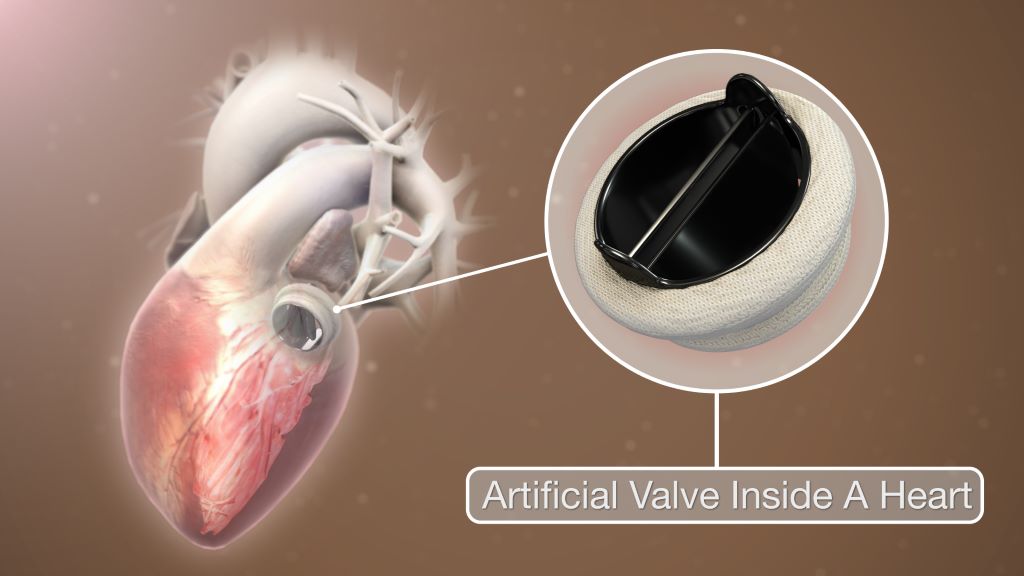
Artificial heart valve. Credit: Scientific Animations CC4.0

People who underwent TAVR, a minimally invasive procedure to have their heart’s aortic valve replaced had similar health outcomes years after treatment as people who had surgery, Cedars-Sinai investigators and colleagues report.

Raj Makkar, MD, an interventional cardiologist in the Department of Cardiology in the Smidt Heart Institute, is senior author of a study published in The New England Journal of Medicine that describes the Phase III clinical trial results.

“These results show that seven years after treatment, health outcomes for patients were similar whether they underwent a minimally invasive procedure or open-heart surgery,” said Makkar.

Aortic valve disease affects about 2% of the US population, and risk rises with age, so the disorder is expected to become increasingly common.

The international PARTNER 3 trial involved 1000 patients at 71 healthcare locations. Study participants had a severe form of aortic valve stenosis, a condition in which the heart’s aortic valve becomes so narrow and stiff that it cannot open fully to allow blood to pass through. The condition can cause heart failure or stroke.

Clinical trial participants were randomly chosen to undergo either open-heart surgery or a procedure called a transcatheter aortic valve replacement, also known as TAVR. All participants received a commercially available bioprosthetic valve called the SAPIEN 3 valve.

During TAVR, an interventional cardiologist threads a catheter through an artery to reach the heart and replace the diseased valve. Previous randomised controlled trials, including an earlier version of PARTNER 3, reported similar outcomes with TAVR and surgery five years after treatment in people with low to high risk for surgical complications.

For this study, investigators limited participation to patients considered to be at low surgical risk. Seven years after treatment, composite rates of death, stroke or rehospitalisation related to treatment were 34.6% for TAVR (496 people) and 37.2% for surgery (454 people), a difference that was not statistically significant. The rates of failure for the bioprosthetic valve were similar: 6.9% for TAVR and 7.3% for surgery. In addition, patients in both groups reported comparable quality of life outcomes.

“These rich data exemplify the vital information clinicians need to guide patient treatment,” said Eduardo Marbán, MD, PhD, executive director of the Smidt Heart Institute and the Mark Siegel Family Foundation Distinguished Chair. “We are proud to offer leading-edge clinical care while also advancing the field of cardiology with groundbreaking research.”

The Smidt Heart Institute is a global leader in treating heart valve disease surgically and with transcatheter procedures. Makkar, vice president of Cardiovascular Innovation and Intervention, leads a team of interventional cardiologists who perform almost 800 TAVRs each year.

The investigators next plan to report patient outcomes and valve durability at 10 years posttreatment.

Source: Cedars-Sinai