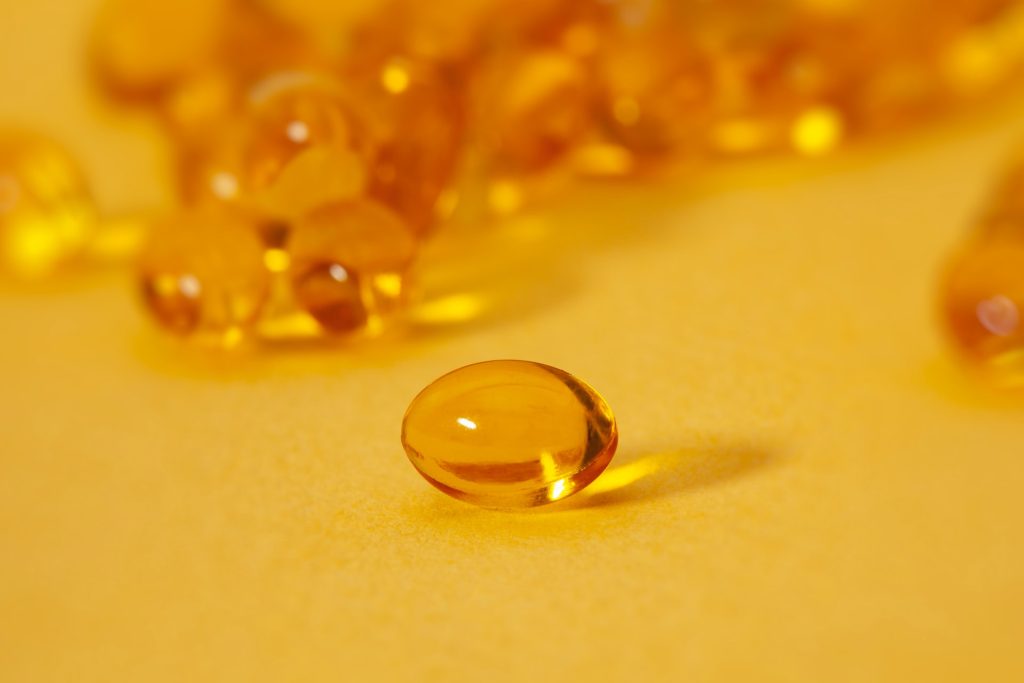
A new study from Trinity College Dublin sheds light on the complexities of achieving optimal vitamin D status across diverse populations. The study, which was recently published in the journal Clinical Nutrition, showed that individual factors like age, sex and body mass index significantly affected vitamin D levels generated from sunlight exposure.
Despite substantial research on the determinants of vitamin D, levels of vitamin D deficiency remain high. Dr Margaret M. Brennan, Research Assistant, Department of Public Health and Primary Care, School of Medicine, Trinity College and first author, said:
“We hope this work can highlight the significant differences in vitamin D levels among different ethnic groups at northern latitudes and contribute to efforts to address the long-standing population health issue of vitamin D deficiency.”
The authors analysed data from half a million participants from the United Kingdom (UK,) and for each person, they calculated the individualised estimate of ambient ultraviolet-B (UVB) level, which is the wavelength of sunlight that induces vitamin D synthesis in the skin.
A comprehensive analysis of key determinants of vitamin D and their interactions revealed novel insights. The first key insight is that ambient UVB emerges as a critical predictor of vitamin D status, even in a place like the UK, which receives relatively little sunlight. The second is that age, sex, body mass index (BMI), cholesterol level, and vitamin D supplementation significantly influence how individuals respond to UVB. For example, as BMI and age increase, the amount of vitamin D produced in response to UVB decreases.
Professor Lina Zgaga, Associate Professor of Epidemiology, Department of Public Health and Primary Care, School of Medicine, Trinity College and the principal investigator, said:
“We believe our findings have significant implications for the development of tailored recommendations for vitamin D supplementation. Our study underscores the need to move away from a one-size-fits-all approach towards personalised strategies for optimising vitamin D status.”
A study in more than 3000 US counties, with 315 million residents, has suggested that air pollution is linked with stress and depression, putting under-65-year-olds at increased risk of dying from cardiovascular disease. The research was presented at ESC Preventive Cardiology 2024, a scientific congress of the European Society of Cardiology (ESC).1
“Our study indicates that the air we breathe affects our mental well-being, which in turn impacts heart health,” said study lead author Dr Shady Abohashemof Harvard Medical School, Boston, US.
According to the World Health Organization, air pollution is estimated to have caused 4.2 million premature deaths worldwide in 2019.2 Mental illness has also been linked with premature death.3 This study examined whether air pollution and poor mental health are interrelated and have a joint impact on death from cardiovascular disease.
The study focused on particles less than 2.5 micrometres in diameter, also referred to as fine particles or PM2.5. They come from vehicle exhaust fumes, power plant combustion, and burning wood, and present the highest health risk. To conduct the study, county-level data on annual PM2.5 levels were obtained from the Centers for Disease Control and Prevention (CDC).4 PM2.5 exposure was categorised as high or low according to World Health Organization (WHO) standards. The researchers gathered data on the average number of days (age-standardised) that county residents experienced mental health issues – including stress, depression, and emotional problems – from the CDC.5 Each county was then categorised into three groups based on these numbers. Counties in the top third reported the most days of poor mental health (PMH).4 Age-adjusted premature cardiovascular mortality rates (under 65 years of age) per county, were obtained from the CDC.6 County characteristics were sourced from the County Health Rankings project.
The study included 3047 US counties, representing 315 720 938 residents (with over 207 million aged 20 to 64 years and 50% females) in 2013. Between 2013 and 2019, some 1 079 656 (0.34%) participants died from cardiovascular disease before the age of 65 years. The researchers analysed the associations between pollution, mental health, and premature cardiovascular mortality after adjusting for factors that could influence the relationships.7
Counties with dirty air (high PM2.5 concentrations) were 10% more likely to report high levels of PMH days compared to counties with clean air (low PM2.5 concentrations). That risk was markedly greater in counties with a high prevalence of minority groups or poverty. The link between PMH and premature cardiovascular mortality was strongest in counties with higher levels (above WHO recommended levels: ≥10 µm2) of air pollution. In these counties, higher levels of PMH were associated with a three-fold increase in premature cardiovascular mortality compared to lower PMH levels. Further, one-third of the pollution-related risk of premature cardiovascular deaths was explained by increased burden of PMH.
Dr Abohashem said: “Our results reveal a dual threat from air pollution: it not only worsens mental health but also significantly amplifies the risk of heart-related deaths associated with poor mental health. Public health strategies are urgently needed to address both air quality and mental wellbeing in order to preserve cardiovascular health.”
1The abstract ‘Air pollution associates with poor mental health and amplifies the premature cardiovascular death in the United States: longitudinal nationwide analysis’ will be presented during the session ‘Young Investigators Award – Population Science and Public Health’ which takes place on 26 April 2024.
2World Health Organization: Ambient (outdoor) air pollution.
3Byrne P. Meeting the challenges of rising premature mortality in people with severe mental illness. Future Healthc J. 2023;10(2):98-102.
4CDC PLACES databases.
5CDC Behavioral Risk Factor Surveillance System.
6CDC WONDER databases.
7The analyses were adjusted for calendar year and county characteristics such as demographics, median household income, unemployment rates, violent crime rates, education level, food environment index, rates of health insurance, level of mental health provision, level of primary care provision.
Photo by Fandy Much: https://www.pexels.com/photo/toshiba-outdoor-air-conditioner-unit-on-yellow-wall-14086132/
Short-term exposure to higher heat may increase inflammation and interfere with normal immune system functions in the body, which may, in turn, increase susceptibility to infections and accelerate the progression of cardiovascular disease, according to preliminary research be presented at the American Heart Association’s Epidemiology and Prevention – Lifestyle and Cardiometabolic Scientific Sessions 2024, March 18-21.
An inflammatory response that is longstanding (lasting weeks to months) or that occurs in healthy tissues is damaging and plays a key role in the build-up of plaque in the arteries. This may lead to atherosclerosis. Heat waves are known to promote inflammation, however, studies examining air temperature and biomarkers of inflammation have had mixed results.
“Most research only considers temperature as the exposure of interest, which may not be adequate to capture a person’s response to heat,” said lead study author Daniel W. Riggs, PhD, an assistant professor of medicine at the University of Louisville. “In our study, we used alternative measurements of heat in relation to multiple markers of inflammation and immune response in the body to investigate the short-term effects of heat exposure and produce a more complete picture of its health impact.”
Participants visited study sites in Louisville, during the summer months for a blood test, and researchers analysed the blood for multiple markers of immune system function. The researchers then examined associations between the markers of immune system function and heat levels, including temperature, net effective temperature (which factors in relative humidity, air temperature and windspeed) and the Universal Thermal Climate Index (UTCI) on that day. UTCI is a thermo-physiological model developed by the International Society of Biometeorology Commission that factors in temperature, humidity, wind speed and ultraviolet radiation levels, which was used to evaluate participant’s physical comfort.
The analysis found:
For every 5°F (2.8°C) increase in UTCI (in this study, the equivalent of going from a day with no thermal stress to a day with moderate thermal stress, Riggs said), there was an increase in blood levels of key inflammatory markers: monocytes (4.2%), eosinophils (9.5%), natural killer T-cells (9.9%) and tumour necrosis factor-alpha (7.0%). These immune molecules indicate activation of the body’s innate immune system, which spurs a fast and non-specific inflammatory response throughout the body to protect against pathogens and injury.
A decrease in B-cells (-6.8%), indicating the body’s adaptive immune system that remembers specific viruses and germs and creates antibodies to fight them, was lowered.
A lesser impact on the immune system was found when heat was measured by average 24-hour temperature or by net effective temperature, which incorporates humidity and wind but not sunshine.
“Our study participants only had minor exposure to high temperatures on the day of their blood test, however, even minor exposure may contribute to changes in immune markers,” Riggs said. “With rising global temperatures, the association between heat exposure and a temporarily weakened response from the immune system is a concern because temperature and humidity are known to be important environmental drivers of infectious, airborne disease transmission. Thus, during the hottest days of summer people may be at higher risk of heat exposure, they may also be more vulnerable to disease or inflammation.”
Adults over 60 years and adults with existing cardiovascular disease are particularly at risk for heat-related cardiovascular events and deaths, Riggs explained.
“It’s important for physicians to communicate with patients about the risk of adverse health effects from heat exposure. For example, cardiologists could conduct customised consultations and assessments to increase patient awareness about their susceptibility to the effects of high temperatures. Also, changes to treatment regimens may be important to consider to address other risks. For example, some medications could make people more susceptible to heat-related illness or some may not be as effective when the body is exposed to high temperatures,” Riggs said.
In a recent paper published in the journalEnvironmental Health Perspectives, University of New Mexico researchers found that microplastics – released by the breakdown of plastics in the environment – are having a significant impact on human digestive pathways, making their way from the gut and into the tissues of the kidney, liver and brain.
Eliseo Castillo, PhD, an associate professor in the Division of Gastroenterology & Hepatology in the UNM School of Medicine’s Department of Internal Medicine and an expert in mucosal immunology, is leading the charge at UNM on microplastic research.
“Over the past few decades, microplastics have been found in the ocean, in animals and plants, in tap water and bottled water,” Castillo, says. “They appear to be everywhere.”
Scientists estimate that people ingest 5 grams of microplastic particles each week on average – equivalent to the weight of a credit card.
While other researchers are helping to identify and quantify ingested microplastics, Castillo and his team focus on what the microplastics are doing inside the body, specifically to the gastrointestinal (GI) tract and to the gut immune system.
Over a four-week period, Castillo, postdoctoral fellow Marcus Garcia, PharmD, and other UNM researchers exposed mice to microplastics in their drinking water. The amount was equivalent to the quantity of microplastics humans are believed to ingest each week.
Microplastics had migrated out of the gut into the tissues of the liver, kidney and even the brain, the team found. The study also showed the microplastics changed metabolic pathways in the affected tissues.
“We could detect microplastics in certain tissues after the exposure,” Castillo says. “That tells us it can cross the intestinal barrier and infiltrate into other tissues.”
Castillo says he’s also concerned about the accumulation of the plastic particles in the human body. “These mice were exposed for four weeks,” he says. “Now, think about how that equates to humans, if we’re exposed from birth to old age.”
The healthy laboratory animals used in this study showed changes after brief microplastic exposure, Castillo says. “Now imagine if someone has an underlying condition, and these changes occur, could microplastic exposure exacerbate an underlying condition?”
He has previously found that microplastics are also impacting macrophages. In a 2021 paper published in Cell Biology & Toxicology, Castillo and other UNM researchers found that when macrophages encountered and ingested microplastics, their function was altered and they released inflammatory molecules.
“It is changing the metabolism of the cells, which can alter inflammatory responses,” Castillo says. “During intestinal inflammation – states of chronic illness such as ulcerative colitis and Crohn’s disease, which are both forms of inflammatory bowel disease – these macrophages become more inflammatory and they’re more abundant in the gut.”
The next phase of Castillo’s research, which is being led by postdoctoral fellow Sumira Phatak, PhD, will explore how diet is involved in microplastic uptake.
“Everyone’s diet is different,” he says. “So, what we’re going to do is give these laboratory animals a high-cholesterol/high-fat diet, or high-fibre diet, and they will be either exposed or not exposed to microplastics. The goal is to try to understand if diet affects the uptake of microplastics into our body.”
Castillo says one of his PhD students, Aaron Romero, is also working to understand why there is a change in the gut microbiota. “Multiple groups have shown microplastics change the microbiota, but how it changes the microbiota hasn’t been addressed.”
Castillo hopes that his research will help uncover the potential impacts microplastics are having to human health and that it will help spur changes to how society produces and filtrates plastics.
Although lung cancer is traditionally thought of as a “smoker’s disease,” a surprising 15–20% of newly diagnosed lung cancers occur in people who have never smoked, many of whom are in their 40s or 50s.
This concerning rise in non-smoking lung cancer cases is likely linked to long-term, high exposures of radon gas. This colourless, odourless gas is emitted from the breakdown of radioactive material naturally occurring underground that then seeps through building foundations. The gas can linger and accumulate in people’s homes and lungs silently unless they know to test for it.
Although the U.S. Environmental Protection Agency (EPA) recommends regular radon testing and corrective measures to lower exposure levels in homes, a new consumer survey conducted on behalf of The Ohio State University Comprehensive Cancer Center (OSUCCC) showed that a stunning 75% of Americans have not had their homes tested for radon, and over half (55%) are not concerned about radon exposure in their homes, community or schools.
“Anyone with lungs can develop lung cancer, and as a community we should be aware and concerned about radon exposure because it’s thought to be one of the leading causes of lung cancer in never-smokers – and there is something we can do reduce our risk,” said David Carbone, MD, PhD, a thoracic medical oncologist. “There are relatively simple tests to measure radon in the home and actions to reduce radon exposure.”
This includes installing outside the home a radon remediation system that sucks air from the basement, where radon gas typically lingers. Increasing air flow by opening windows and using fans/venting in your home, and sealing cracks in the floors, walls and foundation is also important.
Lung cancer rising in young non-smokers
The No. 1 risk factor for lung cancer is long-term cigarette smoking; however, rates of lung cancer among non-smokers continue to rise. The symptoms of the disease are the same regardless of whether the person has smoked: generally not feeling well or feeling tired all the time, frequent cough, chest pain, wheezing, shortness of breath or coughing up blood. These symptoms happen with other illnesses too, but Carbone notes anyone – regardless of age – who has a lingering symptom that doesn’t resolve despite initial treatment should insist on having it checked out.
Lung cancer screening is currently available only to people at the highest risk for the disease – older adults with a history of heavy smoking.
If detected in its earliest stages, the cure rate for lung cancer can be 90–95%. The bulk of cases, however, are not detected until the disease has spread throughout the lung or to other parts of the body, when treatments aren’t as effective. It is important that anyone deemed at risk for lung cancer get timely screening, and that people who might be at increased risk due to secondhand smoke, radon or occupational exposures (like firefighting) talk to their doctors about testing.
“Your health and the health of your family are the most important things you have. Really push to get your concerns addressed if your symptoms aren’t resolving, even if you don’t fit the typical ‘picture’ of lung cancer. It could truly save your life,” said Carbone.
Requiring radon testing in homes, schools and workplaces
Carbone noted that having high levels of radon exposure at school or work is just as much a health hazard as having high-level exposure in your basement.
He says he strongly supports potential legislation to require radon testing at schools, at places of business and during home sales to help reduce community risk. The effects of radon on your lungs is cumulative and can be delayed by decades.
“So your children playing in your basement or going to school today, exposed to unknown levels of radon, could be at risk for developing lung cancer 10, 20, 30 years from now,” Carbone said. “And because the gas is totally colourless and odourless, you would have no idea you were being exposed unless you knew the importance of proactively testing.”
Researchers from the Nuffield Department of Clinical Neurosciences at the University of Oxford have used data from UK Biobank participants to reveal that diabetes, traffic-related air pollution and alcohol intake are the most harmful out of 15 modifiable risk factors for dementia.
The researchers had previously identified a ‘weak spot’ in the brain, which is a specific network of higher-order regions that not only develop later during adolescence, but also show earlier degeneration in old age.
They showed that this brain network is also particularly vulnerable to schizophrenia and Alzheimer’s disease.
In this new study, published in Nature Communications, they investigated the genetic and modifiable influences on these fragile brain regions by looking at the brain scans of 40 000 UK Biobank participants aged over 45.
The researchers examined 161 risk factors for dementia, and ranked their impact on this vulnerable brain network, over and above the natural effects of age.
They classified these modifiable risk factors into 15 broad categories: blood pressure, cholesterol, diabetes, weight, alcohol consumption, smoking, depressive mood, inflammation, pollution, hearing, sleep, socialisation, diet, physical activity, and education.
Prof Gwenaëlle Douaud, who led this study, said: “We know that a constellation of brain regions degenerates earlier in aging, and in this new study we have shown that these specific parts of the brain are most vulnerable to diabetes, traffic-related air pollution – increasingly a major player in dementia – and alcohol, of all the common risk factors for dementia.”
“We have found that several variations in the genome influence this brain network, and they are implicated in cardiovascular deaths, schizophrenia, Alzheimer’s and Parkinson’s diseases, as well as with the two antigens of a little-known blood group, the elusive XG antigen system, which was an entirely new and unexpected finding.”
Prof Lloyd Elliott, a co-author from Simon Fraser University in Canada, concurs: ‘In fact, two of our seven genetic findings are located in this particular region containing the genes of the XG blood group, and that region is highly atypical because it is shared by both X and Y sex chromosomes.
This is really quite intriguing as we do not know much about these parts of the genome; our work shows there is benefit in exploring further this genetic terra incognita.’
Importantly, as Prof Anderson Winkler, a co-author from the National Institutes of Health and The University of Texas Rio Grande Valley in the US, points out: “What makes this study special is that we examined the unique contribution of each modifiable risk factor by looking at all of them together to assess the resulting degeneration of this particular brain ‘weak spot’. It is with this kind of comprehensive, holistic approach – and once we had taken into account the effects of age and sex – that three emerged as the most harmful: diabetes, air pollution, and alcohol.”
This research sheds light on some of the most critical risk factors for dementia, and provides novel information that can contribute to prevention and future strategies for targeted intervention.
World Water Day 2024 resonates deeply in South Africa, where access to clean water remains a significant struggle for many. Recent protests sparked by water scarcity highlight the urgency of this issue, reminding us that water is not just a resource, but a fundamental human right.
This year’s theme, “Leveraging Water for Peace,” calls for unity and recognition of water’s universal significance. As we face the reality of inequality, it is important for us to renew our commitment to equitable water access for all, by fostering dialogue and taking action that is deeply rooted in empathy and ubuntu. Every drop should bring not only sustenance, but also the promise of peace and prosperity.
Connecting local struggles to global issues
South Africa’s water challenges mirror broader global concerns. Ranked a worrying fifth in global water risk, we share these strained resources with our neighbours. This interconnectedness cannot be ignored, and neglecting this truth is likely to fuel regional tensions. Instead, by highlighting our shared challenge, we can strengthen our position and emphasise the need for collaborative solutions. The depth of South Africa’s water scarcity isn’t just a domestic issue – it’s a regional one. Our ranking among the world’s worst puts us alongside stressed neighbours, suggesting the potential for cross-border conflict over shared resources.
Internally, competition between formal and informal users already creates friction, amplified by seasonal rainfall and inadequate infrastructure. To make matters worse, poor sanitation further contaminates water sources, escalating the crisis. The Institute for Security Studies’ Public Violence and Protest Monitor shows that in South Africa, community frustrations with water and sanitation delivery failures resulted in 585 cases of public protest between January 2013 and April 2021, of which incidents, 65% escalated into violent protests.
Aligning with the water rights framework
Although South Africa boasts a progressive water rights framework, our efforts must align with this framework, ensuring that the fight for water equity remains central to our pursuit of peace. Empowering communities with access to clean drinking water and sanitation and upholding water rights are essential steps toward conflict prevention.
Raising awareness is essential, but tangible action holds the key to progress. Businesses can play an important role in acknowledging South Africa’s water scarcity and investing in corporate social responsibility (CSR) projects that focus on addressing sanitation and water quality in the communities in which they operate. From an individual perspective, it is important that each citizen does their part to conserve water, while supporting organisations that work on improving water access, and raising awareness of related issues within their communities. At a government level, it is critical to prioritise infrastructure maintenance, address sewage contamination, and collaborate with regional partners and industries on sustainable water management strategies, to prevent civil unrest by addressing water equity issues.
Tapping into Ubuntu and empathy
Ubuntu, the South African philosophy of shared humanity, encourages us to understand and share the experiences of others. Cultivating empathy across communities, businesses, and government fosters inclusive dialogue and collaborative solutions. With the principles of ubuntu in mind, it is critical to address sewage contamination to preserve our scarce water resources. It is essential for municipalities and provincial governments to invest in infrastructure upgrades to reduce water loss and improve delivery. Businesses operating within the sanitation and water treatment sectors have the potential to empower communities by providing filtration and treatment solutions for local water sources. Moreover, the broader private sector can contribute to corporate social responsibility (CSR) initiatives aimed at enhancing sanitation and water quality in vulnerable communities.
Amplifying voices through collaborative communication
Empowering community voices is vitally important. This can be achieved through increased awareness on water scarcity and its impact, as well as by supporting local initiatives that improve water access and quality. Based on the principles of ubuntu, we must advocate for the facilitation of open communication between communities, businesses, and government. Water advocacy groups such as South African Water Caucus (SAWC), and water project NGOs such as the Mvula Trust must continue to advocate for increased funding for water and sanitation projects, by holding the government accountable for meeting water rights and supporting regional cooperation on water management.
Uniting for peace and prosperity
In this way, individuals, organisations, and governments can turn the promise of World Water Day into tangible progress by working together. In prioritising equitable water access, addressing underlying challenges, and fostering collaboration, we can build a future where every drop flows towards peace, not conflict. Remember, water scarcity and strife does not have to be our inevitable future. Through collective action and commitment, we can ensure that this precious resource serves as a bridge to peace and prosperity for all.
A flurry of recent studies has found that microplastics are present in virtually everything we consume, from bottled water to meat and plant-based food. Now, University of New Mexico Health Sciences researchers have used a new analytical tool to measure the microplastics present in human placentas.
In a study published in the journal Toxicological Sciences, a team led by Matthew Campen, PhD, Regents’ Professor in the UNM Department of Pharmaceutical Sciences, reported finding microplastics in all 62 of the placenta samples tested, with concentrations ranging from 6.5 to 790 micrograms per gram of tissue.
Although those numbers may seem small, Campen is worried about the health effects of a steadily rising volume of microplastics in the environment.
For toxicologists, “dose makes the poison,” he said. “If the dose keeps going up, we start to worry. If we’re seeing effects on placentas, then all mammalian life on this plant could be impacted. That’s not good.”
In the study, Campen and his team, partnering with colleagues at the Baylor College of Medicine and Oklahoma State University, analyzed donated placenta tissue. In a process called saponification, they chemically treated the samples to “digest” the fat and proteins into a kind of soap.
Then, they spun each sample in an ultracentrifuge, which left a small nugget of plastic at the bottom of a tube. Next, using a technique called pyrolysis, they put the plastic pellet in a metal cup and heated it to 600 degrees Celsius, then captured gas emissions as different types of plastic combusted at specific temperatures.
“The gas emission goes into a mass spectrometer and gives you a specific fingerprint,” Campen said. “It’s really cool.”
The researchers found the most prevalent polymer in placental tissue was polyethylene, which is used to make plastic bags and bottles. It accounted for 54% of the total plastics. Polyvinyl chloride (better known as PVC) and nylon each represented about 10% of the total, with the remainder consisting of nine other polymers.
Marcus Garcia, PharmD, a postdoctoral fellow in Campen’s lab who performed many of the experiments, said that until now, it has been difficult to quantify how much microplastic was present in human tissue. Typically, researchers would simply count the number of particles visible under a microscope, even though some particles are too small to be seen.
With the new analytical method, he said, “We can take it to that next step to be able to adequately quantify it and say, ‘This is how many micrograms or milligrams,’ depending on the plastics that we have.”
Plastic use worldwide has grown exponentially since the early 1950s, producing a metric ton of plastic waste for every person on the planet. About a third of the plastic that has been produced is still in use, but most of the rest has been discarded or sent to landfills, where it starts to break down from exposure to ultraviolet radiation present in sunlight.
“That ends up in groundwater, and sometimes it aerosolizes and ends up in our environment,” Garcia said. “We’re not only getting it from ingestion but also through inhalation as well. It not only affects us as humans, but all off our animals — chickens, livestock — and all of our plants. We’re seeing it in everything.”
Campen points out that many plastics have a long half-life — the amount of time needed for half of a sample to degrade. “So, the half-life of some things is 300 years and the half-life of others is 50 years, but between now and 300 years some of that plastic gets degraded,” he said. “Those microplastics that we’re seeing in the environment are probably 40 or 50 years old.”
While microplastics are already present in our bodies, it is unclear what health effects they might have, if any. Traditionally, plastics have been assumed to be biologically inert, but some microplastics are nanometres in size and are capable of crossing cell membranes, he said.
Campen said the growing concentration of microplastics in human tissue might explain puzzling increases in some types of health problems, such as inflammatory bowel disease and colon cancer in people under 50, as well as declining sperm counts.
The concentration of microplastics in placentas is particularly troubling, he said, because the tissue has only been growing for eight months (it starts to form about a month into a pregnancy). “Other organs of your body are accumulating over much longer periods of time.”
Campen and his colleagues are planning further research to answer some of these questions, but in the meantime he is deeply concerned by the growing production of plastics worldwide.
“It’s only getting worse, and the trajectory is it will double every 10 to 15 years,” he said. “So, even if we were to stop it today, in 2050 there will be three times as much plastic in the background as there is now. And we’re not going to stop it today.”
As global temperatures continue to rise, a new study of 1.2 million births in Sydney over two decades has shown a strong association between the risk of pre-term birth and exposure to extreme hot temperatures in the third trimester of pregnancy. The data suggested that this association with extreme temperature might be reduced by greenery.
The findings suggest health services should consider preparing for an increase in preterm births as our climate warms.
The Monash University-led study, published in JAMA Pediatrics, looked at the relationship between preterm birth, exposure to high temperatures as well as the mitigating factor of exposure to trees and overall greenness. Excess heat was defined as trimester temperatures higher than the 95th percentile of trimester distributions over the 20-year period.
The study, led by A/Prof Shanshan (Shandy) Li from the Monash School of Public Health and Preventive Medicine, looked at 1.2 million births – including 63 144 preterm births – occurring in Sydney, between 2000 and 2020, using the New South Wales Midwives Data Collection.
The research team cross-referenced this data with historical temperature data, as well as tree cover and overall greenness levels derived from satellite images.
The research concluded that exposure to both daytime and night-time extreme heat in the third trimester was strongly associated with increased preterm birth risks, unlike the same exposure in either the first or second trimesters.
This association existed for all levels of area-level greenness, although the strength of the association was slightly diminished for women living in areas with more trees and other greenery, raising the intriguing possibility that greenness might ameliorate some of the excess risk from extreme heat exposure in the third trimester that deserves further study.
First author A/Prof Li is an expert in environmental impacts on children’s health.
She says, “The presence of greenery, especially trees, has the potential to mitigate heat levels and lower the risks of preterm birth associated with heat. Greenery also has positive physical and mental health impacts beyond just pregnancy and birth outcomes. We should be integrating heat mitigation strategies such as increasing green spaces into urban planning, to improve public health.”
According to Professor Yuming Guo, senior author on the study, and also from Monash University, there has been increasing but still limited epidemiological evidence linking prenatal environmental temperatures with birth outcomes.
“Emerging evidence suggests that night-time air temperature, particularly extreme night-time heat, significantly impacts health, including sleep and rest. Sleep quality and duration affects various aspects of health, and disturbances in these factors may have consequences for pregnancy outcomes,” he said.
“High night-time temperatures can disrupt circadian rhythms and potentially influence blood pressure, which may be an issue for pregnant individuals. Given the projected increase in extreme temperatures as our planet warms, understanding its impacts on birth outcomes and developing strategies to mitigate the risks becomes crucial.”
A report from the world’s leading scientific and medical experts on hormone-related health conditions raises new concerns about the profound threats to human health from endocrine disrupting chemicals (EDCs) that are ubiquitous in our surroundings and everyday lives.
The report, “Endocrine Disrupting Chemicals: Threats to Human Health” provides a comprehensive update on the state of the science around EDCs, with increasing evidence that this large group of toxic substances may be implicated in rising global health concerns.
The report from the Endocrine Society, co-produced with the International Pollutants Elimination Network (IPEN), includes detailed analyses on exposure to EDCs from four sources: plastics, pesticides, consumer products (including children’s products), and per-and polyfluoroalkyl substances (PFAS), a class of thousands of chemicals known or suspected to be EDCs.
The Endocrine Society-IPEN report is being released during the U.N. Environment Assembly (UNEA-6) meeting in Nairobi.
At UNEA key agenda items include welcoming the newly adopted Global Framework on Chemicals, advancing global action on highly hazardous pesticides, and threats to the circular economy from plastics and toxic chemicals.
The groups’ report anticipates an update from UNEP and the WHO expected later this year on their 2012 Report on State of the Science of Endocrine Disrupting Chemicals.
“A well-established body of scientific research indicates that endocrine-disrupting chemicals that are part of our daily lives are making us more susceptible to reproductive disorders, cancer, diabetes, obesity, heart disease, and other serious health conditions,” said the report’s lead author, Andrea C. Gore, PhD, of the University of Texas at Austin, and a member of the Endocrine Society’s Board of Directors.
“These chemicals pose particularly serious risks to pregnant women and children. Now is the time for the UN Environment Assembly and other global policymakers to take action to address this threat to public health.”
By interfering with hormones and their actions, EDC exposure can impact many health-related functions, with consequences for increased risks of many serious conditions.
Evidence suggests that EDCs in the environment contribute to disorders such as diabetes, neurological disorders, reproductive disorders, inflammation, and compromised immune functioning.
Two of the four analyses in the report look at EDCs used in plastics and as pesticides.
Global production of plastics and pesticides is increasing even as scientists warn that chemical and plastic pollution is an escalating crisis. Glyphosate is the world’s most widely used herbicide, and a recent study found that glyphosate has eight of ten key characteristics of an EDC. Other studies have found links between glyphosate and adverse reproductive health outcomes.
Plastics are made with thousands of known toxic substances, some of which are known or suspected EDCs. The report examines bisphenols and phthalates, two toxic chemical groups found in many plastics. Exposures to EDCs from plastics occur at all phases of plastics production, use, disposal, and even from recycled plastics.
The Endocrine Society-IPEN report notes that, while evidence of health threats from EDCs is mounting, current regulations have not kept pace.
“EDCs are different than other toxic chemicals, but most regulations fail to address these differences,” said IPEN Science Advisor Sara Brosché, PhD. “For example, we know that even very low doses of endocrine disrupting chemicals can cause health problems and there may be no safe dose for exposure to EDCs. However, regulations typically do not protect against low-dose effects. We need a global approach to controlling EDCs based on the latest science with a goal of protecting the human right to a healthy environment.”
At the UNEA-6 meeting, IPEN is also releasing a new report on “The Global Threat from Highly Hazardous Pesticides,” highlighting ongoing health and environmental risks from HHPs, especially in low- and middle-income countries.
DDT, glyphosate, and chorpyrifos, three HHPs reviewed in the Endocrine Society report, are also highlighted in the new IPEN report as they continue to pose health threats especially in the Global South.
In addition to plastics and pesticides, the report looks at EDC exposures from arsenic and lead, and from widely used per- and polyfluoroalkyl substances (PFAS), humanmade “forever chemicals” used as oil and water repellents and coatings. Lead remains in use in paint in many countries, as documented in recent IPEN reports. Endocrine-related conditions from lead exposure may include delayed onset of puberty and early menopause. Arsenic is a common metal that has long been linked to cancer and other health conditions, and more recent evidence shows that arsenic can disrupt multiple endocrine systems. PFAS are used in hundreds of products including clothing and food packaging, but recent studies show that some PFAS can disrupt hormones such as oestrogen and testosterone and impair thyroid hormone functions.