Detection of the viruses that infect the typhoid fever bacterium in sewage indicates disease burden
Researchers can accurately track where typhoid fever cases are highest by monitoring environmental samples for viruses called bacteriophages that specifically infect the bacterium that causes typhoid fever. Senjuti Saha of the Child Health Research Foundation in Bangladesh and colleagues report these findings in a new study published February 15 in the open access journal PLOS Neglected Tropical Diseases.
Typhoid fever is a common infection in many low- and middle-income countries and causes an estimated 135 000 deaths and 14 million infections globally each year. The World Health Organization has prequalified two typhoid vaccines, but for policymakers to plan effective vaccination strategies, they need accurate, high-resolution estimates of where the burden is highest.
Traditionally, people have cultured the bacterium that causes typhoid fever from blood samples to determine where the infection is most common, but in the new paper, researchers tried a more cost-effective surveillance approach. They tested environmental water samples from sewage and other locations to detect bacteriophages specific to the water-borne pathogen that causes typhoid fever, Salmonella Typhi.
The team tested 303 water samples from two locations in Bangladesh: the urban capital city, Dhaka, and a rural district, Mirzapur. They found that bacteriophages specific for Salmonella Typhi were present in 31% of environmental samples in Dhaka, compared to just 3% of samples from Mirzapur. This corresponds to results from more than 8,400 blood cultures, in which 5% of cultures from Dhaka and 0.05% from Mirzapur tested positive.
The new results suggest that detecting bacteriophages specific for Salmonella Typhi may be a rapid environmental surveillance method that could help decision makers understand the presence of typhoid fever in the community. The researchers propose that environment monitoring of bacteriophage could be a simple, cost-effective and scalable tool to assist policy decisions on typhoid control.
The authors add: “Looking for bacteriophages in wastewater is a low-cost method for identifying typhoid hotspots without doing expensive blood cultures on thousands of people.”
In a study that signals potential reproductive and health complications in humans, now and for future generations, researchers from McGill University, the University of Pretoria, Université Laval, Aarhus University, and the University of Copenhagen, have concluded that fathers exposed to environmental toxins, notably DDT, may produce sperm with health consequences for their children.
The decade-long research project examined the impact of DDT on the sperm epigenome of South African Vhavenda and Greenlandic Inuit men, some of whom live in Canada’s North.
The study, published in the journal Environmental Health Perspectives, demonstrates a link between long-term exposure to DDT and changes in the sperm epigenome. These changes, particularly in genes vital for fertility, embryo development, neurodevelopment, and hormone regulation, correspond to increased rates of birth defects and diseases, including neurodevelopmental and metabolic disorders.
“We identified regions of the sperm epigenome that are associated with the serum levels of DDE (chemicals that form when DDT breaks down) and this association follows a dose-response trend. I think that’s quite striking, in that the more DDE you’re exposed to, the higher the chromatin, or DNA methylation defects are in the sperm,” said Ariane Lismer, PhD, the study’s lead author, who completed the work while pursuing her PhD at McGill’s Department of Pharmacology and Therapeutics.
“We demonstrate the sperm epigenome’s response to toxin exposures may be linked with disease in the next generation,” said Sarah Kimmins, PhD, who led the research as Professor of Pharmacology and Therapeutics at McGill and is also now a professor in the Department of Pathology and Cell Biology at Université de Montréal. “This is a critical new step for the field because while there are many studies of animals demonstrating toxin effects on the sperm epigenome, studies in humans have not comprehensively demonstrated this.”
Malaria, climate change, and the ‘grasshopper effect’
Despite a global ban on DDT to protect humans and the environment from its effects, the South African government has special permission to use it as an insecticide to control malaria. In some areas, home interiors are coated with the toxin. The study’s findings underscore the urgency to find alternative ways to control malaria and other vector-borne diseases.
“The reality is that people, especially young children and pregnant women, are still dying from malaria. We cannot afford for people in malaria-endemic regions to refuse spraying of their houses, as it will increase their risk of getting malaria,” says Tiaan de Jager, PhD, Dean of the Faculty of Health Sciences and Professor in Environmental Health at the School of Health Systems and Public Health at the University of Pretoria.
What’s more, the number of people and animals exposed to DDT is reportedly increasing due to climate change. DDT can travel vast distances through what is known as the ‘grasshopper effect,’ evaporating with warm air and returning to Earth with rain and snow in colder regions, where it persists in the Arctic food chain.
Rethinking fathers’ role in child development
The findings also highlight the importance of considering fathers in discussions about child health and development. While it’s commonly understood that women should avoid exposure to environmental contaminants during pregnancy, less attention has been given to how toxins affect fathers.
“We tend to think all fathers have to do is fertilise. But in fact, we forget that half of that genome and epigenome comes from the fathers, and half of it comes from the mothers. What that epigenome does in embryo development is critical for normal development,” says study co-author, Janice Bailey, PhD, formerly Professor of Animal Sciences at Université Laval and now the Scientific Director at Fonds de Recherche du Québec en Nature et Technologies (FRQNT).
Although the study focuses on DDT exposures, the researchers say it is not a leap to suggest that exposures to more common household endocrine disruptors such as those found in cosmetics and personal care items may act similarly.
People with depression have higher body temperatures, suggesting there could be a mental health benefit to lowering the temperatures of those with the disorder, a new UC San Francisco-led study found. The study, published in Scientific Reports, only indicated an association, not a causative effect in either direction.
It’s also unknown whether the higher body temperature observed in people with depression reflects decreased ability to self-cool, increased generation of heat from metabolic processes or a combination of both.
Researchers analysed data from more than 20 000 international participants who wore a device that measures body temperature, and also self-reported their body temperatures and depression symptoms daily.
The seven-month study began in early 2020 and included data from 106 countries. The results showed that with each increasing level of depression symptom severity, participants had higher body temperatures.
The body temperature data also showed a trend toward higher depression scores in people whose temperatures had less fluctuation throughout a 24-hour period, but this finding didn’t reach significance.
The findings shed light on how a novel depression treatment method might work, said Ashley Mason, PhD, the study’s lead author and associate professor of psychiatry at UCSF Weill Institute for Neurosciences.
A small body of existing, causal studies has found that using hot tubs or saunas can reduce depression, possibly by triggering the body to self-cool, for example, through sweating.
“Ironically, heating people up actually can lead to rebound body temperature lowering that lasts longer than simply cooling people down directly, as through an ice bath,” said Mason, who is also a clinical psychologist at the UCSF Osher Center for Integrative Health.
“What if we can track the body temperature of people with depression to time heat-based treatments well?”
“To our knowledge, this is the largest study to date to examine the association between body temperature – assessed using both self-report methods and wearable sensors – and depressive symptoms in a geographically broad sample,” added Mason. “Given the climbing rates of depression in the United States, we’re excited by the possibilities of a new avenue for treatment.”
A new study has found that exposure to radon, the second leading cause of lung cancer, is also linked to an increased risk of stroke. The study, which examined exposures in middle age to older female participants, found an increased risk of stroke among those exposed to high and even moderate concentrations of the gas compared to those exposed to the lowest concentrations. The study is published in Neurology®, the medical journal of the American Academy of Neurology.
Radon is a naturally occurring radioactive gas produced in certain rocks and soils which contain uranium or radium. In South Africa, some areas such as in the Western Cape have higher concentrations of radon due to underlying granite geology. It is also a concern near gold mine dumps, which have higher levels of uranium.
The gas can make its way into homes through cracks in basement walls and floors, construction joints and gaps around pipes.
“Radon is an indoor air pollutant that can only be detected through testing that measures concentrations of the gas in homes,” said study author Eric A. Whitsel, MD, MPH, of the University of North Carolina in Chapel Hill.
“Our research found an increased risk of stroke among participants exposed to radon above – and as many as two picocuries per litre (pCi/L) below – concentrations that usually trigger Environmental Protection Agency recommendations to install a home radon mitigation system.”
The study involved 158 910 female participants with an average age of 63 who did not have stroke at the start of the study.
They were followed for an average of 13 years. During the study, there were 6979 strokes among participants.
To determine radon exposures, researchers linked participants’ home addresses to radon concentration data from the U.S. Geological Survey and the U.S. Environmental Protection Agency (EPA).
The EPA recommends that average indoor radon concentrations do not exceed four picocuries per liter (pCi/L). For concentrations this high, the EPA recommends installing a radon mitigation system to lower radon levels in the home.
Participants were divided into three groups. The highest group had homes in areas where average radon concentrations were more than four pCi/L. The middle group lived in areas with average concentrations between two and four pCi/L. The lowest group lived in areas with average concentrations of less than two pCi/L.
In the group with the highest radon exposures, there were 349 strokes per 100 000 person-years compared to 343 strokes in the middle group and 333 strokes in group with the lowest exposure.
Person-years represent both the number of people in the study and the amount of time each person spends in the study.
After adjusting for factors such as smoking, diabetes and high blood pressure, researchers found participants in the highest group had a 14% increased risk of stroke compared to those in the lowest group.
Those in the middle group had a 6% increased risk.
“It’s important to note that we found an increased stroke risk among those exposed to radon concentrations as much as two pCi/L below the current lung cancer-based threshold for recommending radon mitigation,” said Whitsel.
“More studies are needed to confirm our findings. Confirmation would present an opportunity to improve public health by addressing an emerging risk factor for stroke.”
A limitation of the study was that it included only female participants who were middle age or older and primarily white, so the results may not be the same for other populations.
The cost of climate change may be six months off the average human lifespan, according to a study published January 18, 2024, in the open-access journal PLOS Climate by Amit Roy from Shahjalal University of Science and Technology and The New School for Social Research, US.
Temperature and rainfall – two telltale signals of climate change – cause myriad public health concerns, from the acute and direct (eg, natural disasters like flooding and heat waves) to the indirect yet equally devastating (eg, respiratory and mental illnesses). While impacts like these are observable and well documented, existing research has not established a direct link between climate change and life expectancy.
To clarify this relationship, the author evaluated average temperature, rainfall, and life expectancy data from 191 countries from 1940-2020, using GDP per capita to control for drastic differences between countries.
In addition to measuring the isolated impacts of temperature and rainfall, the author designed a first-of-its-kind composite climate change index, which combines the two variables to gauge the overarching severity of climate change.
Results indicate that in isolation, a global temperature increase of 1°C is associated with an average human life expectancy decrease of approximately 0.44 years, or about five months and one week. A 10-point increase in the composite climate change index – which accounts for both temperature and rainfall – is expected to decrease the average life expectancy by six months. Women and individuals in developing nations are disproportionately affected.
Beyond the results of this study, Dr Roy is hopeful that the composite climate change index will standardise the global conversation about climate change; become a usable metric for the nonscientific public; and encourage collaboration and even friendly competition among countries to combat the impacts of climate change.
Mitigating greenhouse gas emissions and adapting to a changing environment are of particular importance, the author says.
To complement this large-scale approach, the author suggests localised future studies that consider specific severe weather events (eg, wildfires, tsunamis, and floods), the impacts of which cannot be fully captured through analysing temperature and rainfall alone.
Dr Roy adds: “The global threat posed by climate change to the well-being of billions underscores the urgent need to address it as a public health crisis, as revealed by this study, emphasising that mitigation efforts to reduce greenhouse gas emissions and proactive initiatives are essential to safeguard life expectancy and protect the health of populations worldwide.”
IMPORTANT UPDATE: Following publication of the paper referenced below, concerns have been raised about the reliability of global mean annual temperature data that are discussed in the article and used in the study’s analyses. The source of these data is reported as [1] in the article’s Materials and methods section, and as [2] in the Fig 4 legend.
2. Akhtar R, Palagiano C. Climate change and air pollution: an introduction. Climate Change and Air Pollution: The Impact on Human Health in Developed and Developing Countries. 2018:3–8.
PLOS Climate is looking into the concerns that have been raised. Meanwhile, readers are advised to interpret this article’s results with caution. You may direct any specific questions to onepress@plos.org. We apologise sincerely for the inconvenience and thank you for your understanding.
While various environmental and lifestyle factors have been proposed to explain the decline in semen quality observed over the last fifty years, the role of mobile phones has yet to be demonstrated. In a major cross-sectional study, researchers in Switzerland showed that frequent use of mobile phones is associated with a lower sperm concentration and total sperm count, although causation cannot be established. No association was seen between mobile phone use and low sperm motility and morphology. Read the results in Fertility & Sterility.
Semen quality is determined by the assessment of parameters such as sperm concentration, total sperm count, sperm motility and sperm morphology. According to the values established by the World Health Organization (WHO), a man will most probably take more than one year to conceive a child if his sperm concentration is below 15 million/mL, with the odds of pregnancy will decrease if the sperm concentration is below 40 million/mL.
Many studies have shown that semen quality has decreased over the last fifty years. Sperm count is reported to have dropped from an average of 99 million sperm/mL to 47 million/mL. This phenomenon is thought to be the result of a combination of environmental factors (endocrine disruptors, pesticides, radiation) and lifestyle habits (diet, alcohol, stress, smoking).
Assessing the impact of mobile phones
Is the mobile phone also to blame? After conducting the first national study (2019) on the semen quality of young men in Switzerland, a team from the University of Geneva (UNIGE) has published the largest cross-sectional study on this topic. It is based on data from 2886 Swiss men aged 18 to 22, recruited between 2005 and 2018 at six military conscription centres.
In collaboration with the Swiss Tropical and Public Health Institute (Swiss TPH), scientists studied the association between semen parameters of 2886 men and their use of mobile phones. ‘‘Men completed a detailed questionnaire related to their lifestyle habits, their general health status and more specifically the frequency at which they used their phones, as well as where they placed it when not in use,’’ explains Serge Nef, full professor in the Department of Genetic Medicine and Development at the UNIGE Faculty of Medicine and at the SCAHT – Swiss Centre for Applied Human Toxicology, who co-directed the study.
These data revealed an association between frequent use and lower sperm concentration. The median sperm concentration was significantly higher in the group of men who did not use their phone more than once a week (56.5 million/mL) compared with men who used their phone more than 20 times a day (44.5 million/mL). This difference corresponds to a 21% decrease in sperm concentration for frequent users (> 20 times/day) compared to rare users (< once/day).
Is 4G less harmful than 2G?
This inverse association was found to be more pronounced in the first study period (2005-2007) and gradually decreased with time (2008-2011 and 2012-2018). ‘‘This trend corresponds to the transition from 2G to 3G, and then from 3G to 4G, that has led to a reduction in the transmitting power of phones,’’ explains Martin RÖÖsli, associate professor at Swiss TPH.
‘‘Previous studies evaluating the relationship between the use of mobile phones and semen quality were performed on a relatively small number of individuals, rarely considering lifestyle information, and have been subject to selection bias, as they were recruited in fertility clinics. This has led to inconclusive results,’’ explains Rita Rahban, senior researcher and teaching assistant in the Department of Genetic Medicine and Development in the Faculty of Medicine at the UNIGE and at the SCAHT, first author and co-leader of the study.
It doesn’t matter where you put your phone
Data analysis also seems to show that the position of the phone – for example, in a trouser pocket – was not associated with lower semen parameters. ‘‘However, the number of people in this cohort indicating that they did not carry their phone close to their body was too small to draw a really robust conclusion on this specific point,’’ adds Rita Rahban.
This study, like most epidemiologic studies investigating the effects of mobile phone use on semen quality, relied on self-reported data, which is a limitation. By doing so, the frequency of use reported by the individual was assumed to be an accurate estimate of exposure to electromagnetic radiation. To address this limitation, a study funded by the Federal Office for the Environment (FOEN) was launched in 2023. Its aim is to directly and accurately measure exposure to electromagnetic waves, as well as the types of use – calls, web navigation, sending messages – and to assess their impact on male reproductive health and fertility potential. The data will be collected using an application that each future participant will download to their mobile phone. The research team is actively recruiting participants for this study.
The aim is also to better describe the mechanism of action behind these observations. ‘‘Do the microwaves emitted by mobile phones have a direct or indirect effect? Do they cause a significant increase in temperature in the testes? Do they affect the hormonal regulation of sperm production? This all remains to be discovered,’’ concludes Rita Rahban.
Researchers found that small declines in blood lead levels were associated with long-term cardiovascular health improvements in American Indian adults. Participants who had the greatest reductions in blood lead levels saw their systolic blood pressure fall by about 7mmHg, comparable to the effects of antihypertensives.
The findings as reported from researchers at Columbia University Mailman School of Public Health and NIEHS and NHLBI are published in the Journal of the American Heart Association.
“This is a huge win for public health,” said senior author Anne E. Nigra, PhD, assistant professor of environmental health sciences at Columbia Mailman School of Public Health.
“We saw that even small decreases in a person’s blood lead levels can have meaningful health outcomes.”
Nigra and her co- authors, including Wil Lieberman-Cribbin, MPH, also at Columbia Mailman School, credit these improvements in large part to public health and policy changes that have occurred over the last few decades.
In addition to seeing improvements in systolic blood pressure, the investigators found that reductions in blood lead levels were associated with reductions in a marker associated with hypertrophic cardiomyopathy and heart failure.
To conduct this research, investigators partnered with 285 American Indian adults through an extension of the Strong Heart Study, the largest study following cardiovascular health outcomes and risk factors among American Indian adults.
The researchers looked at blood lead levels and blood pressure readings over time in participants living in one of four tribal communities. Lead was first measured in blood collected during the 1997–1999 study visit and again in blood collected during a follow-up visit between 2006–2009.
During this time, participants’ blood pressure was taken and they participated in medical exams, including echocardiographs to assess their heart’s structure and function. Multiple factors were controlled for, including social variables, cardiovascular disease risks, and medical history.
At the start of the study, the average blood lead level was 2.04µg/dL. Throughout the study, the average blood lead level fell by 0.67µg/dL, or 33%.
The most significant changes, categorized by participants with average starting blood lead levels of 3.21 µg/dL and who experienced reductions of about 1.78 µg/dL, or 55%, were linked to a 7mmHg reduction in systolic blood pressure.
“This is a sign that whatever is happening in these communities to reduce blood lead levels is working,” said Mona Puggal, MPH, an epidemiologist in the Division of Cardiovascular Sciences at the National Heart, Lung, and Blood Institute (NHLBI). “The reductions in blood pressure are also comparable to improvements you would see with lifestyle changes, such as getting 30 minutes of daily exercise, reducing salt intake, or losing weight.”
The reductions in blood lead levels observed in the study are similar to those seen in the general US population following policies and efforts implemented within the past 50 years to reduce lead exposure through paint, gasoline, water, plumbing, and canned items.
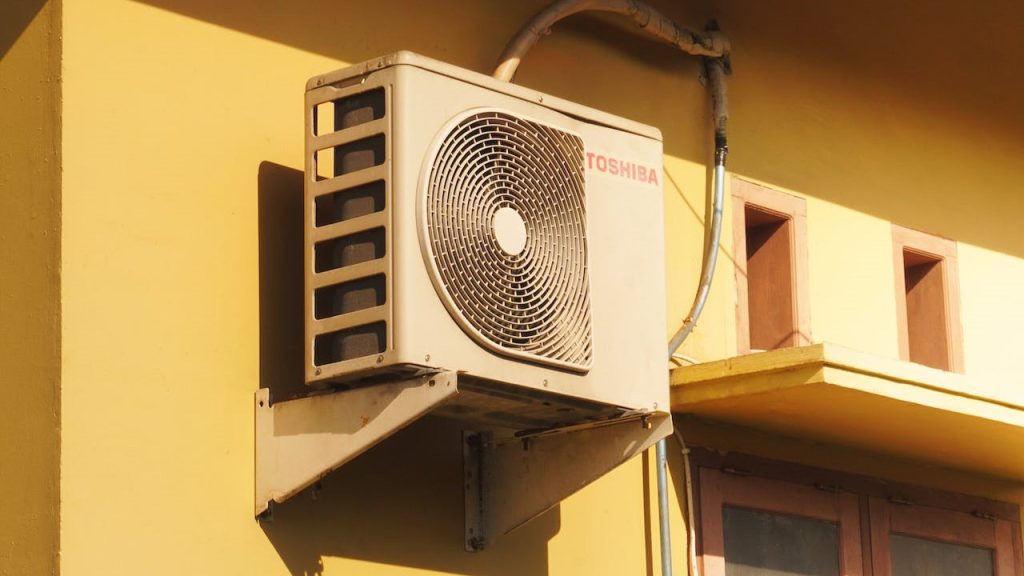
Air conditioning and heating systems have contributed considerably to reducing mortality linked to extreme temperatures in Spain, according to a new observational study. The findings, published in Environment International, provide valuable insights for designing policies to adapt to climate change.
Rising temperatures but lower mortality
Spain, like many parts of the world, has experienced rising temperatures in recent decades, with the average annual mean temperature increasing at an average rate of 0.36°C per decade.
The warming trend is even more pronounced in the summer months (0.40°C per decade). Surprisingly, this increase in temperature has coincided with a progressive reduction in mortality associated with heat.
In addition, cold-related mortality has also decreased.
“Understanding the factors that reduce susceptibility to extreme temperatures is crucial to inform health adaptation policies and to combat the negative effects of climate change,” says first author of the study, Hicham Achebak, researcher at ISGlobal and Inserm (France) and holder of a Marie Sklodowska-Curie Postdoctoral Fellowship from the European Commission.
Effective societal adaptations
In this study led by the Barcelona Institute for Global Health (ISGlobal), Achebak and colleagues analysed the demographic and socioeconomic factors behind the observed reduction in heat and cold-related mortality, despite rising temperatures.
They found that the increase in air conditioning (AC) prevalence in Spain was associated with a reduction in heat-related mortality, while the rise in heating prevalence was associated with a decrease in cold-related mortality.
Specifically, AC was found to be responsible for about 28.6% of the decline in deaths due to heat and 31.5% of the decrease in deaths due to extreme heat between the late 1980s and the early 2010s.
Heating systems contributed significantly, accounting for about 38.3% of the reduction in cold-related deaths and a substantial 50.8% decrease in extreme cold-related fatalities during the same period.
The decrease in mortality due to cold would have been larger had there not been a demographic shift towards a higher proportion of people aged over 65, who are more susceptible to cold temperatures.
The authors conclude that the reduction in heat-related mortality is largely the result of the country’s socioeconomic development over the study period, rather than specific interventions such as heat-wave warning systems.
Four decades of data
For the statistical analysis, the research team collected data on daily mortality (all causes) and weather (temperature and relative humidity) for 48 provinces in mainland Spain and the Balearic Islands, between January 1980 and December 2018.
These data were then linked to 14 indicators of context (demographic and socioeconomic variables such as housing, income and education) for these populations over the same period.
Implications for climate adaptation
The results of the study extend previous findings on heat-related mortality in Spain and underscore the importance of air conditioning and heating as effective adaptation measures to mitigate the effects of heat and cold.
“However, we observed large disparities in the presence of AC across provinces. AC is still unaffordable for many Spanish households,” says Achebak.
The authors also point out that the widespread use of AC could further contribute to global warming depending on the source of electricity generation, which is why other cooling strategies, such as expanding green and blue spaces in cities, are also needed.
“Our findings have important implications for the development of adaptation strategies to climate change. They also inform future projections of the impact of climate change on human health,” concludes Joan Ballester, ISGlobal researcher and study coordinator.
A small study published in September found that some ceramic plates and bowls bought from South African chain stores are coated in glaze that contains lead, a toxic heavy metal which can damage multiple organs when consumed. The paper comes in the wake of research that finds that due to its harmful effects on the cardiovascular system, lead exposure is linked to the deaths of somewhere between 2.3 and 8.2 million people a year worldwide (these findings are dissected in part one of this Spotlight special series on lead poisoning).
It is estimated that about 7.8 million children in South Africa (aged 0-14) have lead poisoning, which is about 53% of all young people in that age-range. This means that they have more than five micrograms of lead per 100mL of blood, the clinical threshold for lead poisoning set by the National Institute for Communicable Diseases. Lead increases the risk of health problems at any level, however if a healthcare worker finds that a patient exceeds this threshold then this indicates that the problem is severe enough that they should notify the health department.
But why are children in the country exposed to so much lead?
Scientists from the South African Medical Research Council (SAMRC) have found several sources over the last two decades. These include lead-based paints (which can chip and generate lead dust which people breathe in), certain traditional ayurvedic medicines that contain lead, fishing sinkers (which are sometimes melted down, producing toxic fumes), lead ammunition (which can generate lead dust when fired, and may contaminate hunted game meat), as well as gold mining waste facilities, which can contaminate the surrounding soil.
The recent paper on ceramics adds to a growing body of evidence that cookware and crockery also likely play a role.
Toxic pottery
Research for the new paper was conducted in 2018, when SAMRC scientists purchased 44 randomly selected plates and bowls from six large retail chain stores in Johannesburg. After testing the glaze, they found that almost 60% of the items contained more than the maximum amount of lead recommended by the United Nations – which is 0.009% of total content. Indeed, the average item contained about 47 times this amount.
Glaze is a liquid coating that is applied to ceramic to make it shinier and more durable. Once it’s coated, the ceramic is fired, leaving it with a glossy sheen. Lead is often used in these glazes to add extra colour and increase water-resistance, but if the ceramic isn’t heated at a high enough temperature then the glaze won’t completely solidify. In the case of ceramic crockery, this means that lead may run off into food or water prepared in these dishes, particularly if they are used for cooking or simply holding acidic foods.
Indeed, this is precisely what has happened throughout parts of Mexico. Research in that country finds that children have higher amounts of lead in their blood if they live in households where food is prepared in lead-glazed pottery (a result which researchers have found repeatedly). Recently, health inspectors in the US linked cases of lead poisoning to the use of ceramic cookware bought in Mexico. After the affected individuals stopped using the ceramics, their blood-lead levels went down.
In order to test whether lead is leaching off the South African ceramics, the SAMRC researchers left an acidic solution in the plates and bowls. When they returned 24 hours later, lead was found to have run off one of the 44 items.
Angela Mathee, the head of the SAMRC’s Environment and Health Research Unit and the paper’s lead author, says that while this is comforting, the results may be deceiving: “our speculative concern is that particularly for people who are poor and keep their ceramic ware for a very long time, that with knocks and cracks and wear and tear over the years, it’s possible that the product could start leaching – even if it wasn’t at the time of purchase. Though that is untested”.
A second caveat is that of the 44 bowls and plates, only one was originally made in South Africa, and it’s this item that released lead.
Additionally, even if lead-based ceramics don’t leach, the production of these items may still cause harm. For instance, a study in Brazil found that children who simply lived near artisanal pottery workshops were more likely to have high amounts of lead in their blood. Caregivers of these children did not report having any lead-glazed ceramics or being involved in pottery making. Thus, researchers suspect that children were simply breathing in lead dust generated by the nearby potters.
Lead leaching from cooking pots
Although this is the first time lead has been found in ceramic glazes in South Africa, other kinds of kitchenware products have previously been shown to contain lead. In 2020, researchers published a study in which they purchased 20 cooking pots from informal traders and artisanal manufacturers across South Africa. Each pot was made from recycled aluminium.
They found lead in every pot, and some also contained dangerous amounts of arsenic (a known carcinogenic). The researchers cut the pots up, and boiled a piece from each one in an acidic solution. They found 11 out of the 20 pieces leached more lead than the maximum permissible limit set by the EU. (The experiment was repeated twice more on the same metal pieces, with similar results).
Thus, the authors conclude that artisanal aluminium pots are a likely source of lead exposure in the country. And the issue may extend past individual households, as the SAMRC has documented the use of artisanal aluminium pots in school feeding programmes.
Not only can lead-based artisanal pots cause lead poisoning by leaching into food, but researchers note that simply manufacturing them likely generates lead dust. As demonstrated in a small follow-up study on informal metal workshops in Kwazulu-Natal and Limpopo which found that workers had a lot more lead dust on their hands by the end of the work day than at the start.
It’s also possible that production facilities like this end up contaminating nearby residential areas. A 2018 study in the Johannesburg suburb of Bertrams found that nearly a third of all garden soil samples contained dangerous amounts of lead (i.e. lead levels that exceeded South Africa’s guidelines for safe soil). The scientists hypothesised that one reason may be that various cottage industries, including scrap metal recyclers, are interspersed among suburban homes.
Are regulations on lead being ignored?
South Africa has already taken legislative steps to deal with lead coatings. In the 2000s, a number of alarming studies found lead-based paints covering homes and playground equipment in public parks across several cities. In response, a law came into effect in 2009 that made it illegal to sell household paint or glaze that is more than 0.06% lead. Draft regulations published in 2021 will further slash this limit to 0.009% in line with recommendations by the UN. These will only become enforceable once the finalised regulations are gazetted.
Though evidence is scant, these laws may have had a positive effect. A study last year found that paints produced by large companies being sold in Botswana, but manufactured in South Africa, were all below the lead-threshold set by the 2009 law (and broadly in line with the new draft regulations as well).
However, the research on ceramics suggests the regulations have not always been adhered to, at least when it comes to glazes. The only South African-made piece of crockery which was tested in the study described earlier had a coating that contained over 100 times the amount of lead legally permissible under the 2009 law (despite the tests being conducted nine years after it was passed).
If additional research finds that the problem is widespread, then Mexico’s experience may offer one path forward. There, a ban on lead glaze has long gone unenforced. NGOs in parts of the country have responded by assisting artisanal potters to switch to lead-free glazes and to develop higher-temperature kilns (which would prevent metals from leaching). This has been coupled with public awareness campaigns about the harms of lead-based pottery and a certification program for potters using lead-free coatings.
But stakeholders say the government needs to play its part as well. The South African Paint Manufacturing Association (SAPMA) has previously urged the government to do more to enforce its regulations. In 2021 they stated that “random samples taken from hardware shelves by the government regularly showed that hazardous levels of paint were still being sold. But no report of any offender being charged by the police appeared in the press”.
The National Department of Health didn’t respond to a request for comment about this at the time of publication.
Speaking to Spotlight for this article however, the executive director of SAPMA, Tara Benn, says “I believe manufacturers are adhering to the current regulation and most if not all have already adopted the new regulation of less than 90 parts per million [i.e. 0.009%], but this regulation has not been published as yet”.
Data and investment needed
Except for a few (mostly wealthy) nations like the United States, very few countries run nationally representative blood-lead surveys. In countries like South Africa, researchers have only been able to make very rough calculations about how many people have lead poisoning by pooling together different studies that have been done in particular communities.
As a result, policy makers lack good data about the extent of the problem. National blood-lead monitoring schemes would also allow health officials to work out which communities are most affected, which in turn, could help them identify the sources of lead exposure.
Bjorn Larsen, an environmental economist who consults for the World Bank, explains: “The first thing that needs to be done is we have to get in place routine blood-lead measurements that are nationally representative…This can be done by adding a [blood-lead] module to existing routine household surveys, for example UNICEF’s Multiple Indicator Cluster Survey…countries also have their own routine household surveys, [blood-lead tests] could be added to those”.
In the United States, all children who are enrolled in Medicaid (the government-run insurance scheme) receive blood-lead tests at ages one and two (these can be done via a simple finger-prick test) . This is in addition to nationally representative surveys which are done by the Centres for Disease Control and Prevention (CDC). Overall, the CDC receives about four million lead test results from across the country each year.
In addition, experts are increasingly calling for greater international health financing for the prevention of lead poisoning in low- and middle-income countries. Last month, a group of experts, including researchers from Stanford and officials from UNICEF, released a joint statement on lead poisoning in developing nations. It argues that “despite the extraordinary health, learning, and economic toll attributable to lead, we find the global lead poisoning crisis remains almost entirely absent from the global health, education, and development agendas”.
The statement argues that $350 million in international aid over the next seven years would be enough to make a significant dent in the problem. They provide a breakdown of these funds, which include international assistance with enforcing anti-lead laws, purchasing lead-testing equipment and assisting companies (such as paint manufacturers) with moving away from lead-based sources.
Note: This is the second in a two-part Spotlight special series on lead poisoning. You can read part one here.
The burden of heat-related mortality during the summer of 2022 in Europe may have exceeded 70 000 deaths according to a study led by the Barcelona Institute for Global Health (ISGlobal). The authors of the study, published in The Lancet Regional Health – Europe, revised upwards initial estimates of the mortality associated with record temperatures in 2022 on the European continent.
In an earlier study, the same team used epidemiological models applied to weekly temperature and mortality data in 823 regions in 35 European countries and estimated the number of heat-related premature deaths in 2022 to be 62 862. In that study, the authors acknowledged that the use of weekly data would be expected to underestimate heat-related mortality, and pointed out that daily time-series data are required to accurately estimate the impact of high temperatures on mortality.
The objective of the new study was to develop a theoretical framework that could quantify the errors inherent to aggregated data, such as weekly and monthly temperature and mortality time-series. Models based on temporally aggregated data are useful because the data are available in real-time, allowing analysis of the health hazard within a few days. The researchers aggregated daily temperatures and mortality records from 147 regions in 16 European countries. They then analysed and compared the estimates of heat- and cold-related mortality by different levels of aggregation: daily, weekly, 2-weekly and monthly.
Analysis revealed differences in epidemiological estimates according to the time scale of aggregation. In particular, it was found that weekly, 2-weekly and monthly models underestimated the effects of heat and cold as compared to the daily model, and that the degree of underestimation increased with the length of the aggregation period. Specifically, for the period 1998–2004, the daily model estimated an annual cold and heat-related mortality of 290 104 and 39 434 premature deaths, respectively, while the weekly model underestimated these numbers by 8.56% and 21.56%, respectively.
“It is important to note that the differences were very small during periods of extreme cold and heat, such as the summer of 2003, when the underestimation by the weekly data model was only 4.62%,” explains Joan Ballester Claramunt, the ISGlobal researcher who leads the European Research Council’s EARLY-ADAPT project.
The team used this theoretical framework to revise the mortality burden attributed to the record temperatures experienced in 2022 in their earlier study. According to the calculations made using the new methodological approach, that study underestimated the heat-related mortality by 10.28%, which would mean that the actual heat-related mortality burden in 2022, estimated using the daily data model, was 70,066 deaths, and not 62,862 deaths as originally estimated.
Weekly data to analyse short-term effects of temperatures
“In general, we do not find models based on monthly aggregated data useful for estimating the short-term effects of ambient temperatures,” explains Ballester. “However, models based on weekly data do offer sufficient precision in mortality estimates to be useful in real-time practice in epidemiological surveillance and to inform public policies such as, for example, the activation of emergency plans for reducing the impact of heat waves and cold spells.”
It is an advantage in this area of research to be able to use weekly data since investigators often encounter bureaucratic obstacles that make it difficult or impossible to design large-scale epidemiological studies based on daily data. According to Ballester, when daily data is not available, the use of weekly data, which are easily accessible for Europe in real time, is a solution that can offer “a good approximation of the estimates obtained using the daily data model.”