Category: Environmental Effects

Climate Anomalies may Play a Major Role in Driving Cholera Pandemics

Global climate change could create more opportunities for rise and spread of new cholera strains

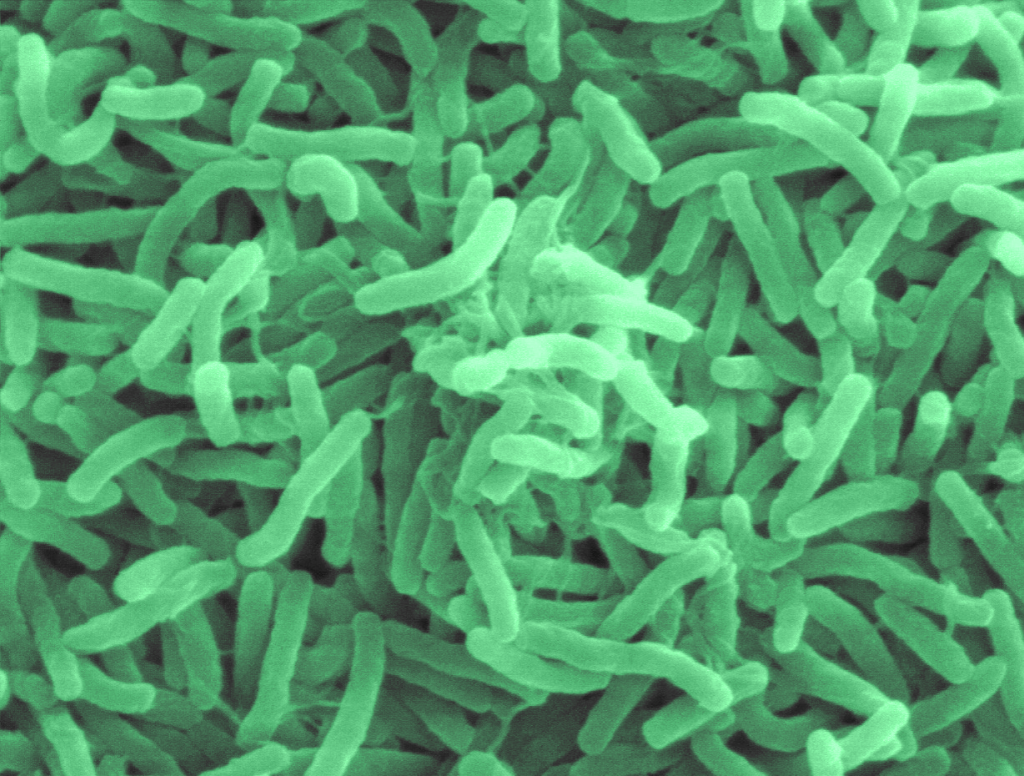
Scanning electron micrograph image of cholera bacteria.

New research suggests that an El Niño event may have aided the establishment and spread of a novel cholera strain during an early 20th-century pandemic, supporting the idea that climate anomalies could create opportunities for the emergence of new cholera strains. Xavier Rodo of Instituto de Salud Global de Barcelona, Spain, and colleagues present these findings in the open-access journal PLOS Neglected Tropical Diseases.

Since 1961, more than 1 million people worldwide have died in an ongoing cholera pandemic, the seventh cholera pandemic to have occurred since 1817. The drivers of past cholera pandemics have been unclear, but one hypothesis holds that anomalous climate conditions may act synergistically with genetic changes of Vibrio cholerae—the bacterium that causes the disease—to facilitate the spread and dominance of new strains.

To help clarify potential links between climate and cholera, Rodo and colleagues applied a variety of statistical and computational tools to historical records of climate conditions and cholera deaths in various regions of former British India during the sixth cholera pandemic, which lasted from 1899 to 1923. They also compared past conditions with climate and cholera data for the ongoing pandemic.

This analysis revealed that anomalous patterns of cholera deaths from 1904 to 1907 occurred alongside out-of-the-ordinary seasonal temperatures and rainfall levels associated with an El Niño event; the timing of these occurrences correlates with the establishment of a new invasive strain during the sixth pandemic. In addition, these historical climate conditions show similarities to strong El Niño events that have been associated with cholera strain changes during the ongoing pandemic.

These findings support the possibility that anomalous climate events could help facilitate the establishment and spread of new cholera strains.

The researchers then explored future possibilities for climate-facilitated emergence of new cholera strains using standard climate prediction models. They found that climate change-driven increases in climate variability and extremes could boost the chances of emergence of novel strains through the end of the current century.

Meanwhile, to deepen understanding of this deadly disease, the scientists call for further research focused on the interplay of cholera evolution and climate anomalies.

Dr Rodó and co-author Dr Mercedes Pascual summarise: “Variation in climate conditions or the evolutionary change of a pathogen can be important drivers of major epidemics and pandemics. But these two drivers are typically considered separately in studies seeking to explain the emergence of unusually large outbreaks…here, we present indirect evidence that the two can act together to synergistically underlie the establishment and widespread transmission of a new strain.”

Provided by PLOS

Does Air Pollution Affect Lupus Risk?

Photo by Kouji Tsuru on Pexels

New research published in Arthritis & Rheumatology indicates that chronic exposure to air pollutants may increase the risk of developing lupus, an autoimmune disease that affects multiple organs.

For the study, investigators analysed data on 459 815 participants from the UK Biobank. A total of 399 lupus cases were identified during a median follow-up of 11.77 years. Air pollutant exposure was linked with a greater likelihood of developing lupus. Individuals with a high genetic risk and high air pollution exposure had the highest risk of developing lupus compared with those with low genetic risk and low air pollution exposure.

“Our study provides crucial insights into the air pollution contributing to autoimmune diseases. The findings can inform the development of stricter air quality regulations to mitigate exposure to harmful pollutants, thereby reducing the risk of lupus,” said co–corresponding author Yaohua Tian, PhD, of the Huazhong University of Science and Technology, in China.

Source: Wiley

Sanitech Celebrates 50 Years with a Commitment to Community and Future Growth

Robert Erasmus, Managing Director of Sanitech

Sanitech, a leader in integrated hygiene and sanitation solutions, recently celebrated its 50th anniversary. Reflecting on the company’s journey from a small plumbing business to a comprehensive sanitation provider, Sanitech’s Managing Director, Robert Erasmus, shares insights into the company’s history, recent initiatives, and future aspirations.

The Sanitech name was registered in 1974 by Grant Murray in KwaZulu-Natal. Initially, it was a small plumbing business, but Murray quickly identified a market for portable sanitation services. Over the years, Sanitech expanded, albeit on a limited scale, by partnering with various agents. The significant transformation began in the 1990s and early 2000s when private equity ownership enabled national growth. In 2007, the business continued to expand following the acquisition of Sanitech, which marked the beginning of global support for WACO International.

Erasmus joined Sanitech in 2008, marking a pivotal moment. “My role was to transform Sanitech into a corporate entity aligned with WACO International’s standards in health, safety, policies, and procedures,” Erasmus explains. Under his leadership, Sanitech expanded from eight locations to 24 and diversified its services beyond portable toilets to include integrated hygiene services, water and waste treatment, and pest control. Today, Sanitech employs over 3,000 people, a substantial increase from 350 in 2008.

Instead of a traditional celebration event for its 50th anniversary, Sanitech chose to invest in Corporate Social Investment (CSI) projects. Sanitech sponsored 50 Khusela sanitation units across various regions in South Africa. These units were installed in disadvantaged  schools in areas such as Witbank, Johannesburg, Durban, Port Elizabeth, and Cape Town, providing proper sanitation facilities and meals for the day. “It was a school-focused initiative, ensuring that learners have access to clean and safe sanitation, which is crucial for their health and education.”

Looking ahead, Erasmus envisions Sanitech continuing its trajectory of growth and innovation. “We aim to expand our product and service offerings in the hygiene and sanitation sector, especially as we face new challenges like the potential water crisis. Sub-Saharan Africa presents significant opportunities, and we’ve already established a presence in Mozambique,” he notes. Sanitech plans to enhance its contributions to clients’ Environmental, Social, and Governance (ESG) requirements by expanding its hygiene, cleaning, and pest control services.

Reflecting on the impact of their CSI projects, Erasmus shares a poignant experience: “Visiting the school in Palm Ridge where we installed new sanitation units was eye-opening. The conditions these young learners face are challenging, yet their discipline and resilience are incredible. It was a humbling reminder of the importance of our work.”

Toxic Chemicals from Microplastics can be Absorbed through Skin

Photo by FLY:D on Unsplash

Toxic chemicals used to flame-proof plastic materials can be absorbed into the body through skin, via contact with microplastics, new research shows. The study offers the first experimental evidence that chemicals present as additives in microplastics can leach into human sweat, and then be absorbed through the skin, into the bloodstream.

Many chemicals used as flame retardants and plasticisers have already been banned, due to evidence of adverse health effects including damage to the liver or nervous system, cancer, and risks to reproductive health. However, these chemicals are still present in the environment in older electronics, furniture, carpets, and building materials.

While the harm caused by microplastics is not fully understood, there is increasing concern over their role as conduits of human exposure to toxic chemicals.

The research team demonstrated in a study published last year, that chemicals were leached from microplastics into human sweat. The current study now shows that those chemicals can also be absorbed from sweat across the skin barrier into the body.

In their experiments, the team used innovative 3D human skin models as alternatives to laboratory animals and excised human tissues. The models were exposed over a 24-hour period to two common forms of microplastics containing polybrominated diphenyl ethers (PBDEs), a chemical group commonly used to flame retard plastics.

The results, published in Environment International, showed that as much as 8% of the chemical exposed could be taken up by the skin, with more hydrated – or ‘sweatier’ – skin absorbing higher levels of chemical. The study provides the first experimental evidence into how this process contributes to levels of toxic chemicals found in the body.

Dr Ovokeroye Abafe, now at Brunel University, carried out the research while at the University of Birmingham. He said: “Microplastics are everywhere in the environment and yet we still know relatively little about the health problems that they can cause. Our research shows that they play a role as ‘carriers’ of harmful chemicals, which can get into our bloodstream through the skin. These chemicals are persistent, so with continuous or regular exposure to them, there will be a gradual accumulation to the point where they start to cause harm.”

Dr Mohamed Abdallah, Associate Professor of Environmental Sciences at the University of Birmingham, and principal investigator for the project, said: “These findings provide important evidence for regulators and policymakers to improve legislation around microplastics and safeguard public health against harmful exposure.”

Professor Stuart Harrad, co-author of the paper, added “the study provides an important step forward in understanding the risks of exposure to microplastics on our health. Building on our results, more research is required to fully understand the different pathways of human exposure to microplastics and how to mitigate the risk from such exposure.”

In future research, the team plan to investigate other routes through which microplastics could be responsible for toxic chemicals entering the body, including inhalation and ingestion.

Source: University of Birmingham

Study Tallies Heatwave Deaths over Recent Decades

Photo by Fandy Much

Between 1990 and 2019, more than 150 000 deaths around the globe were associated with heatwaves each year, according to a new study published May 14 in PLOS Medicine by Yuming Guo of Monash University, Australia, and colleagues.

Heatwaves, periods of extremely high ambient temperature that last for a few days, can impose overwhelming thermal stress on the human body.

Studies have previously quantified the effect of individual heatwaves on excess deaths in local areas, but have not compared these statistics around the globe over such a prolonged period.

In the new study, researchers used data from the Multi-Country Multi-City (MCC) Collaborative Research Network that included daily deaths and temperatures from 750 locations across 43 countries.

With the MCC data, the researchers estimated excess heatwave deaths around the world spanning 1990 to 2019 and mapped the variance in these deaths across continents.

During the warm seasons from 1990 to 2019, heatwave-related excess deaths accounted for 153 078 deaths per year, a total of 236 deaths per 10 million residents or 1% of global deaths.

While Asia had the highest number of estimated deaths, Europe had the highest population-adjusted rate, at 655 deaths per 10 million residents.

A substantial burden of estimated deaths was seen in southern and eastern Europe as well as the area between Northern Africa, the Arabian Peninsula and Southern Asia.

At the national level, Greece, Malta, and Italy had the highest excess death ratios.

Overall, the largest estimated rates of heatwaves deaths were seen in areas with dry climates and lower-middle incomes.

Understanding the regional disparity of heatwave-related mortality is key to planning local adaptation and risk management towards climate change.

“Heatwaves are associated with substantial mortality burden that varies spatiotemporally over the globe in the past 30 years,” the authors say.

“These findings indicate the potential benefit of government actions to enhance health sector adaptation and resilience, accounting for inequalities across communities.”

The authors add, “In the context of climate change, it is crucial to address the unequal impacts of heatwaves on human health. This necessitates a comprehensive approach that not only tackles immediate health risks during heatwaves but also implements long-term strategies to minimize vulnerability and inequality. The strategies include: climate change mitigation policy, heat action plans (e.g., heat early warning system), urban planning and green structure, social support program, healthcare and public health services, education awareness, and community engagement and participation.”

Provided by PLOS

Extreme Heat Linked to Children’s Asthma Hospital Visits

Credit: Pixabay CC0

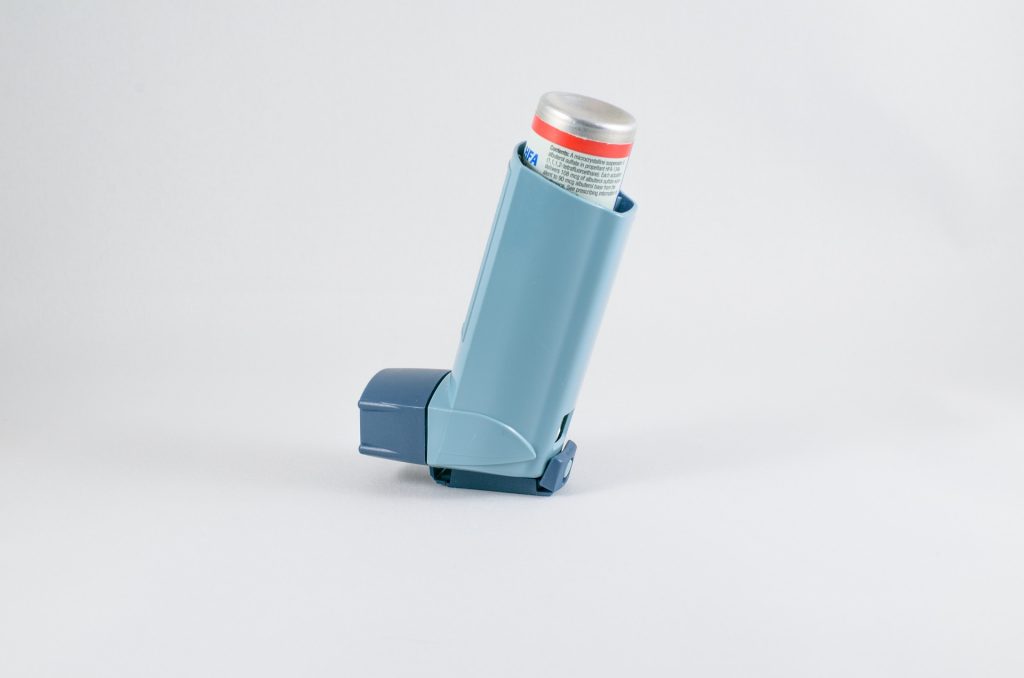
For children seeking care at a California urban paediatric health centre, extreme heat events were associated with increased asthma hospital visits, according to research published at the ATS 2024 International Conference.

“We found that both daily high heat events and extreme temperatures that lasted several days increased the risk of asthma hospital visits,” said corresponding author Morgan Ye, MPH, research data analyst, Division of Pulmonary and Critical Care Medicine, University of California, San Francisco School of Medicine. “Understanding the impacts of climate-sensitive events such as extreme heat on a vulnerable population is the key to reducing the burden of disease due to climate change.”

Ms Ye and colleagues looked at 2017-2020 electronic health records from the UCSF Benioff Children’s Hospital Oakland, which included data on asthma hospital visits by patients of the hospital, some of whom are from Benioff Oakland’s Federally Qualified Health Center, and demographics including patients’ zip codes. They used data from the PRISM Climate Group of Oregon State University to determine the timing of daily maximum (daytime heat waves) and minimum (nighttime heat waves) for each zip code. The researchers restricted their analyses to the region’s warm season (June to September). To evaluate the potential range of effects of different heat wave measurements, they used 18 different heat wave definitions, including the 99th, 97.5th and 95th percentile of the total distribution of the study period for one, two or three days.

They designed the study in a way that allowed them to determine the association between each heat wave definition and a hospital visit. They repeated the analysis for Bay Area and Central California zip codes.

The team discovered that daytime heat waves were significantly associated with 19% higher odds of children’s asthma hospital visits, and longer duration of heat waves doubled the odds of hospital visits. They did not observe any associations for night-time heat waves.

According to Ye, “We continue to see global temperatures rise due to human-generated climate change, and we can expect a rise in health-related issues as we observe longer, more frequent and severe heat waves. Our research suggests that higher temperatures and increased duration of these high heat days are associated with increased risk of hospital visits due to asthma. Children and families with lower adaptation capacity will experience most of the burden. Therefore, it is important to obtain a better understanding of these heat-associated health risks and susceptible populations for future surveillance and targeted interventions.”

The authors note that past research has suggested positive associations between extreme heat and asthma, but findings regarding hospitalisations and emergency room visits have been conflicting. Additionally, many other studies have focused on respiratory hospitalizations and not hospitalizations for asthma, specifically, and have not included or had a focus on children. This study is also unique because it investigated the effect of daily high temperatures but also the effects of persistent extreme temperatures.

The San Francisco Bay Area and California overall are unique areas of interest because the state is considered a coastal region with less prevalence of cooling units, such as air conditioners. While temperatures may not reach the extremes experienced in other parts of the country, this study demonstrates that even milder extreme heat temperatures may significantly impact health. These effects are more pronounced in climate-susceptible populations, including children and those who are medically vulnerable, such as those served by the urban paediatric health centre in this study. The authors hope these study results will lead to more equitable health outcomes and reduce racial/ethnic disparities observed in climate-sensitive events.

“These results can be used to inform targeted actions and resources for vulnerable children and alleviate health-related stress during heat waves,” they conclude.

Source: American Thoracic Society

How do the Myriad Smells of Nature Benefit Health?

Photo by Elly Johnson on Unsplash

Contact with nature can lift our well-being by affecting emotions, influencing thoughts, reducing stress and improving physical health, as shown by studies. Even brief exposure to nature can help. One well-known study found that hospital patients recovered faster if their room included a window view of a natural setting.

Knowing more about nature’s effects on our bodies could not only help our well-being, but could also improve how we care for land, preserve ecosystems and design cities, homes and parks. Yet studies on the benefits of contact with nature have typically focused primarily on how seeing nature affects us. There has been less focus on what the nose knows. That is something a group of researchers set out to change, publishing their approach in Science Advances.

“We are immersed in a world of odorants, and we have a sophisticated olfactory system that processes them, with resulting impacts on our emotions and behaviour,” said Gregory Bratman, a University of Washington assistant professor of environmental and forest sciences. “But compared to research on the benefits of seeing nature, we don’t know nearly as much about how the impacts of nature’s scents and olfactory cues affect us.”

Bratman and colleagues from around the world outline ways to expand research into how odours and scents from natural settings impact our health and well-being. The interdisciplinary group of experts in olfaction, psychology, ecology, public health, atmospheric science and other fields are based at institutions in the US., the UK, Taiwan, Germany, Poland and Cyprus.

At its core, the human sense of smell, or olfaction, is a complex chemical detection system in constant operation. The nose is packed with hundreds of olfactory receptors, which are sophisticated chemical sensors. Together, they can detect more than one trillion scents, and that information gets delivered directly to the nervous system for our minds to interpret – consciously or otherwise.

The natural world releases a steady stream of chemical compounds to keep our olfactory system busy. Plants in particular exude volatile organic compounds, or VOCs, that can persist in the air for hours or days. VOCs perform many functions for plants, such as repelling herbivores or attracting pollinators. Some researchers have studied the impact of exposures to plant VOCs on people.

“We know bits and pieces of the overall picture,” said Bratman. “But there is so much more to learn. We are proposing a framework, informed by important research from many others, on how to investigate the intimate links between olfaction, nature and human well-being.”

Nature’s smell-mediated impacts likely come through different routes, according to the authors. Some chemical compounds, including a subset of those from the invisible realm of plant VOCs, may be acting on us without our conscious knowledge. In these cases, olfactory receptors in the nose could be initiating a “subthreshold” response to molecules that people are largely unaware of. Bratman and his co-authors are calling for vastly expanded research on when, where and how these undetected biochemical processes related to natural VOCs may affect us.

Other olfactory cues are picked up consciously, but scientists still don’t fully understand all their impacts on our health and well-being. Some scents, for example, may have “universal” interpretations to humans — something that nearly always smells pleasant, like a sweet-smelling flower. Other scents are closely tied to specific memories, or have associations and interpretations that vary by culture and personal experience, as research by co-author Asifa Majid of the University of Oxford has shown.

“Understanding how olfaction mediates our relationships with the natural world and the benefits we receive from it are multi-disciplinary undertakings,” said Bratman. “It involves insights from olfactory function research, Indigenous knowledge, Western psychology, anthropology, atmospheric chemistry, forest ecology, Shinrin-yoku – or ‘forest bathing’ – neuroscience, and more.”

Investigation into the potential links between our sense of smell and positive experiences with nature includes research by co-author Cecilia Bembibre at University College London, which shows that the cultural significance of smells, including those from nature, can be passed down in communities to each new generation. Co-author Jieling Xiao at Birmingham City University has delved into the associations people have with scents in built environments and urban gardens.

Other co-authors have shown that nature leaves its signature in the very air we breathe. Forests, for example, release a complex chemical milieux into the air. Research by co-author Jonathan Williams at the Max Planck Institute for Chemistry and the Cyprus Institute shows how natural VOCs can react and mix in the atmosphere, with repercussions for olfactory environments.

The authors are also calling for more studies to investigate how human activity alters nature’s olfactory footprint — both by pollution, which can modify or destroy odorants in the air, and by reducing habitats that release beneficial scents.

“Human activity is modifying the environment so quickly in some cases that we’re learning about these benefits while we’re simultaneously making them more difficult for people to access,” said Bratman. “As research illuminates more of these links, our hope is that we can make more informed decisions about our impacts on the natural world and the volatile organic compounds that come from it. As we say in the paper, we live within the chemical contexts that nature creates. Understanding this more can contribute to human well-being and advance efforts to protect the natural world.”

Not Just Sunlight – Individual Factors Influence Vitamin D Production

Photo by Michele Blackwell on Unsplash

A new study from Trinity College Dublin sheds light on the complexities of achieving optimal vitamin D status across diverse populations. The study, which was recently published in the journal Clinical Nutrition, showed that individual factors like age, sex and body mass index significantly affected vitamin D levels generated from sunlight exposure.

Despite substantial research on the determinants of vitamin D, levels of vitamin D deficiency remain high. Dr Margaret M. Brennan, Research Assistant, Department of Public Health and Primary Care, School of Medicine, Trinity College and first author, said:

“We hope this work can highlight the significant differences in vitamin D levels among different ethnic groups at northern latitudes and contribute to efforts to address the long-standing population health issue of vitamin D deficiency.”

The authors analysed data from half a million participants from the United Kingdom (UK,) and for each person, they calculated the individualised estimate of ambient ultraviolet-B (UVB) level, which is the wavelength of sunlight that induces vitamin D synthesis in the skin.

A comprehensive analysis of key determinants of vitamin D and their interactions revealed novel insights. The first key insight is that ambient UVB emerges as a critical predictor of vitamin D status, even in a place like the UK, which receives relatively little sunlight. The second is that age, sex, body mass index (BMI), cholesterol level, and vitamin D supplementation significantly influence how individuals respond to UVB. For example, as BMI and age increase, the amount of vitamin D produced in response to UVB decreases.

Professor Lina Zgaga, Associate Professor of Epidemiology, Department of Public Health and Primary Care, School of Medicine, Trinity College and the principal investigator, said:

“We believe our findings have significant implications for the development of tailored recommendations for vitamin D supplementation. Our study underscores the need to move away from a one-size-fits-all approach towards personalised strategies for optimising vitamin D status.”

Source: Trinity College Dublin

Air Pollution and Depression Linked with Cardiovascular Deaths in Middle Age

Photo by Kouji Tsuru on Pexels

A study in more than 3000 US counties, with 315 million residents, has suggested that air pollution is linked with stress and depression, putting under-65-year-olds at increased risk of dying from cardiovascular disease. The research was presented at ESC Preventive Cardiology 2024, a scientific congress of the European Society of Cardiology (ESC).1

“Our study indicates that the air we breathe affects our mental well-being, which in turn impacts heart health,” said study lead author Dr Shady Abohashemof Harvard Medical School, Boston, US.

According to the World Health Organization, air pollution is estimated to have caused 4.2 million premature deaths worldwide in 2019.2 Mental illness has also been linked with premature death.3 This study examined whether air pollution and poor mental health are interrelated and have a joint impact on death from cardiovascular disease.

The study focused on particles less than 2.5 micrometres in diameter, also referred to as fine particles or PM2.5. They come from vehicle exhaust fumes, power plant combustion, and burning wood, and present the highest health risk. To conduct the study, county-level data on annual PM2.5 levels were obtained from the Centers for Disease Control and Prevention (CDC).4 PM2.5 exposure was categorised as high or low according to World Health Organization (WHO) standards. The researchers gathered data on the average number of days (age-standardised) that county residents experienced mental health issues – including stress, depression, and emotional problems – from the CDC.5 Each county was then categorised into three groups based on these numbers. Counties in the top third reported the most days of poor mental health (PMH).4 Age-adjusted premature cardiovascular mortality rates (under 65 years of age) per county, were obtained from the CDC.6 County characteristics were sourced from the County Health Rankings project.

The study included 3047 US counties, representing 315 720 938 residents (with over 207 million aged 20 to 64 years and 50% females) in 2013. Between 2013 and 2019, some 1 079 656 (0.34%) participants died from cardiovascular disease before the age of 65 years. The researchers analysed the associations between pollution, mental health, and premature cardiovascular mortality after adjusting for factors that could influence the relationships.7

Counties with dirty air (high PM2.5 concentrations) were 10% more likely to report high levels of PMH days compared to counties with clean air (low PM2.5 concentrations). That risk was markedly greater in counties with a high prevalence of minority groups or poverty. The link between PMH and premature cardiovascular mortality was strongest in counties with higher levels (above WHO recommended levels: ≥10 µm2) of air pollution. In these counties, higher levels of PMH were associated with a three-fold increase in premature cardiovascular mortality compared to lower PMH levels. Further, one-third of the pollution-related risk of premature cardiovascular deaths was explained by increased burden of PMH.

Dr Abohashem said: “Our results reveal a dual threat from air pollution: it not only worsens mental health but also significantly amplifies the risk of heart-related deaths associated with poor mental health. Public health strategies are urgently needed to address both air quality and mental wellbeing in order to preserve cardiovascular health.”

The levels of pollution across ESC countries can be viewed in the ESC Atlas of Cardiology.

Source: European Society of Cardiology

References and notes

1The abstract ‘Air pollution associates with poor mental health and amplifies the premature cardiovascular death in the United States: longitudinal nationwide analysis’ will be presented during the session ‘Young Investigators Award – Population Science and Public Health’ which takes place on 26 April 2024.

2World Health Organization: Ambient (outdoor) air pollution.

3Byrne P. Meeting the challenges of rising premature mortality in people with severe mental illness. Future Healthc J. 2023;10(2):98-102.

4CDC PLACES databases.

5CDC Behavioral Risk Factor Surveillance System.

6CDC WONDER databases.

7The analyses were adjusted for calendar year and county characteristics such as demographics, median household income, unemployment rates, violent crime rates, education level, food environment index, rates of health insurance, level of mental health provision, level of primary care provision.

Hot Days may Drive Inflammation and Accelerate Cardiovascular Disease

Photo by Fandy Much: https://www.pexels.com/photo/toshiba-outdoor-air-conditioner-unit-on-yellow-wall-14086132/

Short-term exposure to higher heat may increase inflammation and interfere with normal immune system functions in the body, which may, in turn, increase susceptibility to infections and accelerate the progression of cardiovascular disease, according to preliminary research be presented at the American Heart Association’s Epidemiology and Prevention – Lifestyle and Cardiometabolic Scientific Sessions 2024, March 18-21.

An inflammatory response that is longstanding (lasting weeks to months) or that occurs in healthy tissues is damaging and plays a key role in the build-up of plaque in the arteries. This may lead to atherosclerosis. Heat waves are known to promote inflammation, however, studies examining air temperature and biomarkers of inflammation have had mixed results.

“Most research only considers temperature as the exposure of interest, which may not be adequate to capture a person’s response to heat,” said lead study author Daniel W. Riggs, PhD, an assistant professor of medicine at the University of Louisville. “In our study, we used alternative measurements of heat in relation to multiple markers of inflammation and immune response in the body to investigate the short-term effects of heat exposure and produce a more complete picture of its health impact.”

Participants visited study sites in Louisville, during the summer months for a blood test, and researchers analysed the blood for multiple markers of immune system function. The researchers then examined associations between the markers of immune system function and heat levels, including temperature, net effective temperature (which factors in relative humidity, air temperature and windspeed) and the Universal Thermal Climate Index (UTCI) on that day. UTCI is a thermo-physiological model developed by the International Society of Biometeorology Commission that factors in temperature, humidity, wind speed and ultraviolet radiation levels, which was used to evaluate participant’s physical comfort.

The analysis found:

  • For every 5°F (2.8°C) increase in UTCI (in this study, the equivalent of going from a day with no thermal stress to a day with moderate thermal stress, Riggs said), there was an increase in blood levels of key inflammatory markers: monocytes (4.2%), eosinophils (9.5%), natural killer T-cells (9.9%) and tumour necrosis factor-alpha (7.0%). These immune molecules indicate activation of the body’s innate immune system, which spurs a fast and non-specific inflammatory response throughout the body to protect against pathogens and injury.
  • A decrease in B-cells (-6.8%), indicating the body’s adaptive immune system that remembers specific viruses and germs and creates antibodies to fight them, was lowered.
  • A lesser impact on the immune system was found when heat was measured by average 24-hour temperature or by net effective temperature, which incorporates humidity and wind but not sunshine.

“Our study participants only had minor exposure to high temperatures on the day of their blood test, however, even minor exposure may contribute to changes in immune markers,” Riggs said. “With rising global temperatures, the association between heat exposure and a temporarily weakened response from the immune system is a concern because temperature and humidity are known to be important environmental drivers of infectious, airborne disease transmission. Thus, during the hottest days of summer people may be at higher risk of heat exposure, they may also be more vulnerable to disease or inflammation.”

Adults over 60 years and adults with existing cardiovascular disease are particularly at risk for heat-related cardiovascular events and deaths, Riggs explained.

“It’s important for physicians to communicate with patients about the risk of adverse health effects from heat exposure. For example, cardiologists could conduct customised consultations and assessments to increase patient awareness about their susceptibility to the effects of high temperatures. Also, changes to treatment regimens may be important to consider to address other risks. For example, some medications could make people more susceptible to heat-related illness or some may not be as effective when the body is exposed to high temperatures,” Riggs said.

Source: American Heart Association