An exhalation delivery system that uses a patient’s own breath to carry the anti-inflammatory compound fluticasone (EDS-FLU) directly to the sinuses reduced chronic sinusitis symptoms as well as aggravations and infections associated with chronic sinus inflammation by more than 50%, researchers from the Perelman School of Medicine at the University of Pennsylvania reported.
The two randomised, international clinical trials (NCT03781804 and NCT03960580), published in The Journal of Allergy and Clinical Immunology: In Practice, compared EDS-FLU to a placebo in more than 500 adults with chronic rhinosinusitis with or without nasal polyps. Patients used either EDS-FLU or a placebo twice daily for 24 weeks.
EDS-FLU works through a patient exhaling into the device to send the medication deep into the far reaches of their sinus cavities, where the topical medication is most effective. Sinus symptom scores and CT scan results were significantly improved vs placebo.
Symptoms of nasal congestion, nasal discharge, facial pain/pressure, and loss of smell improved dramatically with EDS-FLU compared to placebo, as measured by the sinonasal outcome test-22, a standardized scoring measure for sinonasal symptoms.
“Chronic sinusitis affects as much of 10 percent of the United States population, and can make breathing uncomfortable and negatively impact a person’s daily life,” said lead author James N. Palmer, MD, professor of otorhinolaryngology and director of Rhinology at Penn Medicine.
“These findings provide strong evidence for an effective, non-invasive treatment option for people who continue to experience symptoms after over-the-counter medications have failed.”
Millions of Americans experience the symptoms of chronic sinus infections and inflammation, a largely inflammatory condition that causes nasal congestion, sinus pressure, and pain, when the sinus membranes are inflamed for long periods of time.
Although over-the-counter nasal sprays offer marginal relief, no FDA-approved medication exists for the most common form of the condition, chronic rhinosinusitis without nasal polyps, known as “chronic sinusitis.”
While some nasal sprays may offer some symptom relief, patients who were using a standard-delivery nasal spray before study enrollment still reported similar improvements in symptoms compared to others in the study.
These are the first placebo-controlled clinical trials to show that a medication reduces subjective symptoms and objective measures of sinus disease for patients with chronic sinusitis, both with and without polyps.
Currently, patients whose symptoms are not resolved by over-the-counter nasal sprays or other medications, have limited options for relief, including antibiotics, surgery, or in the case of nasal polyps, lifelong biologic therapies.
EDS-FLU was determined to be as safe as standard over the counter nasal sprays.
This is a pseudo-colored image of high-resolution gradient-echo MRI scan of a fixed cerebral hemisphere from a person with multiple sclerosis.
Credit: Govind Bhagavatheeshwaran, Daniel Reich, National Institute of Neurological Disorders and Stroke, National Institutes of Health
Women with autoimmune disease are more likely to suffer from depression during pregnancy and after childbirth; conversely, women with a history of perinatal depression are at higher risk of developing autoimmune disease, according to a new study from Karolinska Institutet which is published in the journal Molecular Psychiatry.
Some of the most common autoimmune diseases are gluten intolerance (coeliac disease), autoimmune thyroiditis, rheumatoid arthritis, type 1 diabetes, and multiple sclerosis (MS).
In the present study, researchers used data from the Swedish Medical Birth Register and identified all women who had given birth in Sweden between 2001 and 2013. Out of the resulting group of approximately 815 000 women and 1.3 million pregnancies, just over 55 000 women had been diagnosed with depression during their pregnancy or within a year after delivery.
The researchers then compared the incidence of 41 autoimmune diseases in women with and without perinatal depression, controlling for familial factors such as genes and childhood environment by also including the affected women’s sisters.
Strongest association for MS
The results reveal a bidirectional association between perinatal depression and autoimmune thyroiditis, psoriasis, MS, ulcerative colitis, and coeliac disease. Overall, women with autoimmune disease were 30 per cent more likely to suffer perinatal depression. Conversely, women with perinatal depression were 30 per cent more likely to develop a subsequent autoimmune disease.
The association was strongest for the neurological disease MS, for which the risk was double in both directions. It was also strongest in women who had not had a previous psychiatric diagnosis.
“Our study suggests that there’s an immunological mechanism behind perinatal depression and that autoimmune diseases should be seen as a risk factor for this kind of depression,” says the study’s first author Emma Bränn, researcher at the Institute of Environmental Medicine at Karolinska Institutet.
Can have serious consequences
The researchers will now continue to examine the long-term effects of depression during pregnancy and in the first year following childbirth.
“Depression during this sensitive period can have serious consequences for both the mother and the baby,” says Dr Bränn. “We hope that our results will help decision-makers to steer funding towards maternal healthcare so that more women can get help and support in time.”
Since this was an observational study, no conclusions on causality can be drawn.
The study was financed by Karolinska Institutet, Forte (the Swedish Research Council for Health, Working Life and Welfare), the Swedish Research Councill and the Icelandic Research Fund. The researchers report no conflicts of interest.
Respiratory syncytial virus (RSV), a common infection in children and older adults, can also infect nerve cells and trigger inflammation leading to nerve damage, according to a new Tulane University study.
RSV can cause mild symptoms such as coughing, sneezing and fever or lead to more severe conditions such as pneumonia or bronchiolitis. But since the disease was first discovered in 1956, it has been thought to only infect the respiratory tract.
This study, published in The Journal of Infectious Diseases, is the first to prove that RSV can penetrate nerve cells and may provide the clearest link between RSV and reported neurological symptoms in children.
RSV has been previously detected in the spinal fluid of children with seizures. Additionally, 40% of RSV-positive children under the age of 2 have shown acute encephalopathy, brain damage that can result in confusion, memory loss or cognitive difficulties.
The findings underscore the potential long-term impacts of the disease, as well as the importance of preventative measures such as the two RSV vaccines approved by the FDA in 2023.
“This is the most common respiratory virus in the first years of life as well as an impactful virus among the elderly,” said Dr Giovanni Piedimonte, Tulane University vice president for research and professor of pediatrics, biochemistry and molecular biology.
“This adds a new dimension to the importance of RSV vaccines for both the elderly and mothers to protect their babies.”
Researchers studied the virus using 3D peripheral nerve cultures grown from stem cells and rat embryos.
After finding they can be infected by RSV, researchers found RSV induced the release of chemokines – proteins that fight infections by controlling immune cells – and caused significant inflammation.
With low levels of RSV infection, the nerves became hyperreactive to stimulation. At higher levels, they observed a progressive degeneration of the nerve and increased neurotoxicity due to excess inflammation.
“Until this study, the theory was that the inflammatory response was indirectly activating the nerves,” Piedimonte said.
“This study shows that not only does that happen, but the virus can penetrate directly into the nerves.”
The nerve hyperreactivity could explain why children who get RSV are later more likely to have asthmatic symptoms, Piedimonte said.
The study also found that RSV could enter the spinal cord via peripheral nerves despite not having the ability to enter the spinal neurons directly.
More research is needed to explore that mechanism, but Piedimonte theorises that by using the peripheral nerves to enter the spinal cord, RSV can bypass the blood-brain barrier, enter the central nervous system and infect the brain.
If confirmed, it could signal a connection between RSV and other neurological or developmental disorders, Piedimonte said.
“If indeed it’s confirmed in future studies that viruses like this are able to access the central nervous system, that opens a huge Pandora’s box,” Piedimonte said.
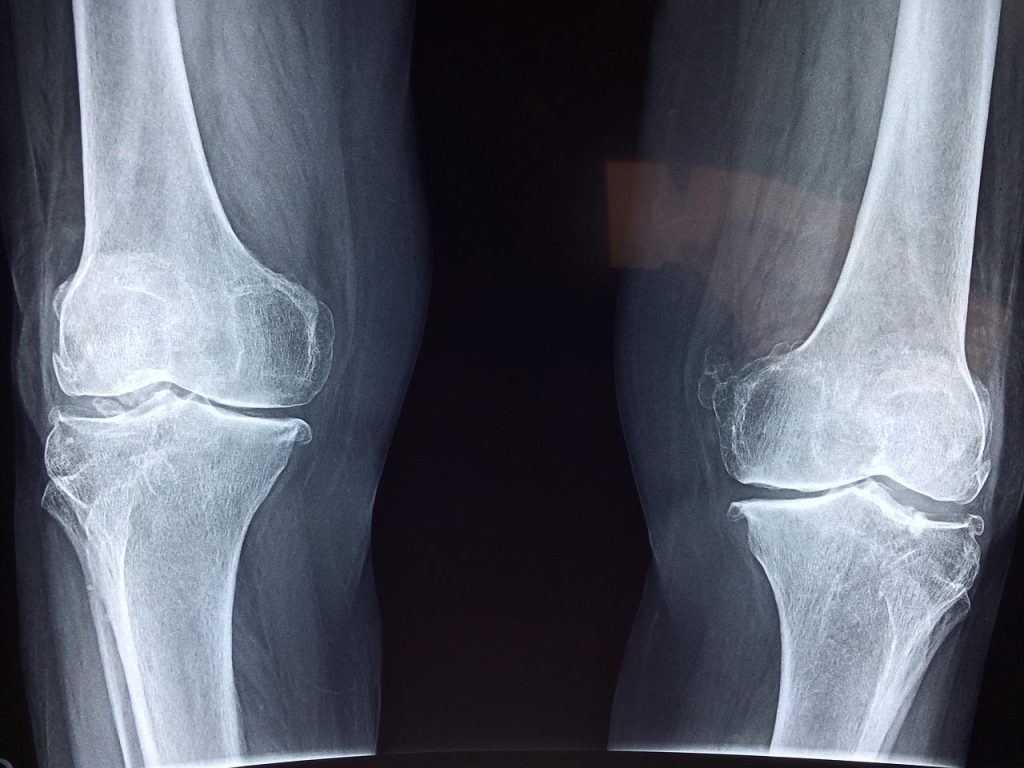
Yale researchers report in the journal Nature that they have identified a drug target that may alleviate joint degeneration associated with osteoarthritis.
The most common therapies for the degenerative disease have been pain relievers and lifestyle changes, to reduce pain and stiffness, but there is a pressing need for therapies that can prevent joint breakdown that occurs in osteoarthritis, which occurs as a result of the breakdown of cartilage in the joints.
Sodium channels found in cell membranes produce electrical impulses in “excitable” cells within muscles, the nervous system, and the heart. And in previous research, Yale’s Stephen G. Waxman identified the key role of one particular sodium channel, called Nav1.7, in the transmission of pain signals.
Now, the labs of Chuan-Ju Liu, professor of orthopaedics, and Waxman, professor neurology, neuroscience and pharmacology, have found that the same Nav1.7 channels are also present in non-excitable cells that produce collagen and help maintain the joints in the body. These channels can be targeted by existing drugs to block them.
In the new study, the researchers deleted Nav1.7 genes from these collagen-producing cells and significantly reduced joint damage in two osteoarthritis models in mice.
They also demonstrated that drugs used to block Nav1.7 – including carbamazepine, a sodium channel blocker currently used to treat epilepsy and trigeminal neuralgia – also provided substantial protection from joint damage in the mice.
“The function of sodium channels in non-excitable cells has been a mystery,” Waxman said.
“This new study provides a window on how small numbers of sodium channels can powerfully regulate the behaviour of non-excitable cells.”
“The findings open new avenues for disease-modifying treatments,” added Wenyu Fu, a research scientist in the Liu laboratory and first author of the study.
The United Nations International Day of Persons with Disabilities (IDPD) is celebrated annually on 3 December, aiming to promote an understanding of disability issues and to mobilise support for the dignity, rights and well-being of persons with disabilities. An estimated 1.3 billion people experience significant disability.1a This represents 16% of the world’s population, or 1 in 6 of us.1a In South Africa, that figure is 15%, or 8,9 million.2a
Persons with disabilities face many health inequities, including stigma, discrimination, poverty, and exclusion from education and employment. They also face barriers in all aspects of the health system, such as negative attitudes and discriminatory practices and lack of information or data collection and analysis on disability.1b+c
“Disability inclusion is critical to achieving the Sustainable Development Goals (SDGs) and global health priorities to achieve health for all, as envisioned in the 2030 Agenda for Sustainable Development,” says Prudence Selani, Head of Corporate Affairs at Sanofi South Africa. On this International Day of Persons with Disabilities, Sanofi is celebrating its commitment to the 2023 theme, ‘United in Action to Rescue and Achieve the Sustainable Development Goals (SDGs) For, With, and By Persons with Disabilities,’ through several initiatives.
In collaboration with its implementation partners, Sanofi has launched a unique external training programme for persons with disabilities, especially those from disadvantaged communities. This programme is designed to break barriers to education post-matriculation, offering management training and entrepreneurship skills in areas like financial literacy and marketing. This initiative also supports people with post-matric qualifications striving for employment, enhancing their employability and professional growth.
“As part of our commitment to Broad-Based Black Economic Empowerment (B-BBEE), 10% of learners on our Youth Employment Service “Y.E.S.” programme are persons with disabilities, underlining our commitment to diversity and inclusion,” says Selani.
Sanofi’s Diversity, Equity and Inclusion is bolstered through Employee Resource Groups (ERGs). The Ability+ ERG promotes a safe environment for employees to declare their disabilities, offering support and resources. Sanofi is also offering employees the chance to enrol in South African Sign Language courses, to transform its workplace into a disability-friendly space.
“Our partnerships with local and global organisations that are focused on disabilities will enable us to conduct workshops with leaders and employees, fostering a culture of understanding and empathy.”
“Sanofi also emphasises employee wellness and mental health, offering extensive support and wellness programmes,” says Selani. “These initiatives underscore our dedication to the well-being of all our employees.”
“As we mark IDPD 2023, Sanofi encourages organisations across all sectors to join us in these efforts. Together, we can make significant strides towards a more inclusive society and achieving the SDGs for, with, and by persons with disabilities,” concludes Selani.
Together, we are making a difference. Join us in our journey towards an inclusive future.
For decades, the standard way to prevent people who were exposed to tuberculosis (TB) from falling ill with the disease was to offer them a medicine called isoniazid, taken daily for six or more months. That changed in the last decade with the development of new preventive therapy regimens that are taken for four, three, or even just one month.
One complexity, however, is that both isoniazid and the new regimens are much better at preventing normal drug-sensitive TB than they are at preventing drug-resistant forms of TB. This is not surprising. As explained by Paediatric Infectious Disease doctor and Professor of Global Child Health at Imperial College London, Dr James Seddon, the two drugs that have mainly been used to prevent drug-susceptible TB are isoniazid and rifampicin (rifampicin’s sister drug rifapentine is also used). Now, by definition, he explains multidrug-resistant (MDR) TB is resistant to both these drugs so it’s unlikely to have any impact.
The situation is particularly tricky when it comes to children. In a 2020 statement the World Health Organization (WHO) says that it estimated that worldwide between 25 000 and 32 000 children develop MDR-TB each year, and mainly acquire it through transmission from close contact with an adult or adolescent who has MDR-TB. According to Seddon, while there is some emerging observational evidence on the use of drugs other than isoniazid and rifampicin to prevent MDR-TB, there has been no clinically tested regimen to give to children following MDR-TB exposure.
Now, much anticipated results from a phase three trial has shown that a single antibiotic pill, given daily for six months, is safe and effective to use in children who have been exposed to MDR-TB.
Results from TB CHAMP
The trial, called TB-CHAMP, looked at the efficacy and safety of using the antibiotic levofloxacin to prevent TB in children exposed to MDR-TB. Top-line findings from the study was presented last week at the Union World Lung Conference held in Paris, France.
“The paediatric population is probably the most neglected of all the populations affected by MDR-TB,” Dr Anneke Hesseling, Director of the Paediatric TB Research Programme at Stellenbosch University, told the conference. “Fewer than 20% who develop MDR-TB disease are actually diagnosed and treated, and so to find more cases and prevent more cases is really, really critical…So prevention is really key, and the TB-CHAMP trial is really a phase three efficacy trial looking at levofloxacin to prevent new cases of TB in children and also looking at the safety of levofloxacin.”
Hesseling, who is the Principal Investigator of the study, says that TB-CHAMP is the first trial to provide clinical data on what drug might be used to prevent TB in children who have been exposed to MDR-TB. It was conducted at five sites across South Africa, all with high MDR-TB burdens. The study was led by Stellenbosch University and the Desmund Tutu TB Centre. The findings have not yet been published in a peer-reviewed journal.
922 children were randomised to receive either levofloxacin or a placebo for six months. 453 children got levofloxacin and 469 got the placebo. The primary efficacy data featured data from 916 of those children, with 451 in the levofloxacin arm and 465 in the placebo arm.
Hesseling says that only children who were exposed to an adult in their household with confirmed MDR-TB were included in the study. At first children below the age of five were recruited, regardless of their TB infection status. Later children between the ages of five and 17 were included, but they had to either have a TB infection or be living with HIV. The majority of the children, 90%, were younger than five years. TB infection was confirmed with a blood test.
By 48 weeks, Hesseling says five children in the levofloxacin arm versus 12 in the placebo arm developed TB, which amounts to an incidence rate of 1.1% in the levofloxacin arm, and 2.6% in the placebo arm.
Implication of results
“While TB preventive therapy (TPT) has long been recommended and available for young child contacts of people with drug-susceptible TB, there has not been sufficient evidence to make strong recommendations for treatment that could prevent DR-TB. Therefore, the TB-CHAMP findings are critically important for a number of reasons,” says Professor Guy Marks, President and Interim Executive Director, International Union Against Tuberculosis and Lung Disease (The Union).
“The study provides the first high-quality evidence that DR-TB can be prevented in children by using six months of daily levofloxacin, and that this is a safe medication. Furthermore, this will encourage more community-based contact screening, which will also lead to early detection of children and contacts of all ages who already have disease, and initiate treatment,” he adds.
“The impact [of the TB-CHAMP results] is potentially tremendous as it would prevent DR TB among child contacts. DR TB is more complex to treat and cure and often children are marginalised, so this study puts the spotlight on an effective way to protect children. This is not just about the life and health of the child but the social, economic and mental health implications for the caregiver and the entire family,” says Dr Priashni Subrayen, Technical Director for TB at The Aurum Institute.
Seddon, who is also one of the Co-PIs for the study, tells Spotlight that it was important to establish the safety of levofloxacin since it belongs to a class of drugs called the fluoroquinolones, which were thought to have terrible side effects when used in children.
Results from TB-CHAMP show that this is not the case.
The side effects were mild, and the regimen was well tolerated, according to Hesseling, with only eight children having a grade one or higher adverse event in the levofloxacin arm compared to four in the placebo arm. Two deaths were reported, one in each study arm, but were unrelated to the study. Overall, six children in the levofloxacin arm discontinued treatment or left the study early.
Researchers from TB-CHAMP collaborated with researchers from the V-QUIN trial – a phase three study that looked at levofloxacin as TB prevention in adults in Vietnam – in order to combine their data which allowed them to show data for levofloxacin across different age groups. Seddon explains: “They’ve applied a novel analytic approach, which uses a Bayesian, or probabilistic, framework, where we take the results of TB-CHAMP and we say well, if we actually use some of the information from V-QUIN to inform the TB-CHAMP results, we can make that a slightly more confident estimate,” he says.
The combined results, according to Hesseling were able to also show that levofloxacin reduced the risk of TB by about 60% across the age spectrum but with a tighter confidence interval, indicating a more precise estimate of the effect.
Seddon tells Spotlight that the combined data showed that there were no serious adverse events, but the adult population experienced more grade one and grade two side effects than the children, but these went away either over time or when the drug was stopped. The side effects included inflammation in the joints and tendons, which is a known side effect of this class of drug.
Not a silver bullet
While the findings could be a game-changer and potentially inform MDR-TB prevention guidelines, particularly in children, the regimen is by no means a silver bullet. Seddon says that while the regimen was safe, when participants were asked whether they liked the medicine, more people said they didn’t like it in the levofloxacin group versus the placebo. Another downside is that the pill was an adult formulation and thus needed to be cut and/or crushed for the kids to swallow.
Seddon explains that the WHO, who have been provided with the data from both studies and expected to meet in early December, would need to consider a variety of factors before deciding what to recommend about the use of levofloxacin for prevention. That includes the fact that you need to treat a lot of children for six months who might not have TB despite being exposed in order to prevent a few cases.
“You have to weigh up the benefits versus the risks and the risks are low, but it is still giving a drug for six months to children and most of them don’t need it. But the consequences of getting MDR-TB are so bad that we really want to prevent that,” he says.
There is also the question around what effect using a broad antibiotic as preventive treatment will have on the microbiome of children and how this might drive resistance to the fluoroquinolones. Seddon says stool samples were collected from the study participants to determine how the drug affected a child’s microbiome and the potential for driving resistance. These data will also be provided to the WHO.
“I think that the evidence base is now very strong on the basis of these two trials. I think you can really say the issue of whether levofloxacin prevents MDR-TB, we’ve put that to bed,” he says. “Are there going to be other studies? Yes. I think that this is not over, levofloxacin is not the perfect drug for preventive therapy.”
Marks adds to this saying: “An important next step for TPT in DR-TB contacts will be studies that evaluate regimens that are shorter than six months – a long time to take medication every day, which can often be challenging. Effective and safe shorter regimens are now being used for child contacts of drug-susceptible TB and we hope the same progress can be made for contacts of DR-TB.”
As Marks has already stated, currently there are no strong recommendations for MDR-TB prevention by the WHO. In the 2020 TB prevention guidelines, it recommends that the preventative treatment for MDR-TB should be either a fluroquinolone or other second-line agent. It does however caution that these recommendations are based on low-quality evidence. Because of this, it recommends that the preventative treatment for MDR-TB should be individualised, and it be based on the drug resistance profile of the presumed contact. The drugs levofloxacin and moxifloxacin- both fluoroquinolones – may be used unless resistance is suspected. For levofloxacin a dosing schedule for both adults and children are proposed in the document.
Subrayen says that in South Africa the 2019 guidelines for the management of Rifampicin Resistant-TB (RR-TB) does indicate the use of levofloxacin as prevention treatment. The guidelines state that for prevention treatment a fluoroquinolone-based, multidrug regimen is preferred (either levofloxacin and high-dose isoniazid or levofloxacin, high-dose isoniazid and ethambutol). And if exposed to fluoroquinolone-resistant RR-TB, then high-dose isoniazid could be given. Delamanid could be considered as a potential option in very select cases. A training manual published this year by the Department of Health suggests that levofloxacin can be given on its own – but also stresses that the evidence base is weak, something that TB-CHAMP has presumably now changed.
Future of TPT
Seddon says that in a perfect world the ideal TB preventive regimen would be a so-called Pan regimen that could be given for a short period of time, to someone who has been exposed to TB and it works regardless of whether they had been exposed to drug-susceptible or drug-resistant TB.
“There are studies planned to use other drugs for prevention. There’s a study planned to use bedaquiline for a month or two and potentially using injectables that you just have to give once every couple of weeks. So, I think although this [levofloxacin] is a good option now, and it’s probably the best option we have now, this is not perfect,” Seddon says.
The study Seddon is referring to is the BREACH-TB study, a phase three trial that will look at whether a one-month treatment regimen of oral bedaquiline could prevent all forms of tuberculosis. It would be given to people exposed to both drug-resistant and drug-susceptible TB, and in people with HIV infection, including pregnant women and children.
Responding to questions from Spotlight earlier this year when this study was announced in the press, Sonya Krishnan, Assistant Professor of Medicine at Johns Hopkins University and Eric Nuermberger, Professor of Medicine at Johns Hopkins University, said that they anticipate recruiting between 1600 and 2 00 people to take part in the study – they expect around 400 to 500 of these will be people living with HIV. They also said that the control arm will receive the current standard of care in the country rather than placebo.
When asked whether any South African study sites will be included in the clinical trial, they said, “We very much plan to partner with study sites in South Africa. South Africa has a long-standing history of research excellence in TB.”
“A shorter regimen that fights both drug-resistant and drug-susceptible TB would be a game-changer for those living with TB and get us closer to our shared goal of ending the epidemic by 2030,” said Dr. Atul Gawande, USAID assistant administrator for Global Health, in a statement on the study. “This clinical trial will lay the foundation for a remarkable innovation in our fight against TB: a single-dose, long-acting injectable medicine.”
Indeed, if the science and development pans out as Gawande suggests it might, the future of TB preventive therapy might well be an entire course of therapy delivered through a single injection rather than a month or more of pills. As indicated in an article in the journal Clinical Infectious Diseases, work is already underway on the development of bedaquline, isoniazid, and rifapentine long-acting injections – though the research is for now still only in mice.
‘Communities need to be involved’
Hesseling raises the point that when treating or preventing TB, more than just the latest research advancement is needed to improve TB outcomes.
“For me treatment follows diagnosis, actually strengthening healthcare services, making communities more aware and creating demand for kids accessing diagnosis, preventive treatment and appropriate treatment, is actually where it starts,” she says. “So tools are amazing, but we actually need to have strong, effective healthcare services and knowledgeable, empowered communities.”
Seddon adds to this saying that results like those from TB-CHAMP are “a bit irrelevant if it is all kind of top down, paternalistic coming from the researchers, coming from the health system”.
“We really need to generate a community demand for this, where individuals living in communities where this is a problem are calling for this and getting angry about this and demanding it in a way that I think we’ve achieved very well with the HIV community,” he says. “It’s all well and good doing the science and then even better to get it [levofloxacin] into a guideline, but until there’s real demand for from the end user, I think it’s only going to have a certain amount of reach.”
Note: The terms DR-TB and MDR-TB are used somewhat interchangeably – Spotlight uses DR-TB to refer to drug-resistant forms of TB in general and MDR-TB to refer specifically to TB that is resistant to isoniazid and rifampicin.
One of the primary chlorine disinfectants currently used for hospital infection control does not kill off spores of the notorious cause of hospital-acquired infection Clostridioides difficile, according to a new study published in the journal Microbiology.
Research by the University of Plymouth has shown that C. Diff spores are completely unaffected despite being treated with high concentrations of bleach used in many hospitals.
In fact, the chlorine chemicals are no more effective at damaging the spores when used as a surface disinfectant – than using water with no additives.
The study’s authors say susceptible people working and being treated in clinical settings might be unknowingly placed at risk of contracting the superbug.
As a result, and with incidence of biocide overuse only serving to fuel rises in antimicrobial resistance (AMR) worldwide, they have called for urgent research to find alternative strategies to disinfect C. diff spores in order to break the chain of transmission in clinical environments.
Dr Tina Joshi, Associate Professor in Molecular Microbiology at the University of Plymouth, carried out the study with Humaira Ahmed, a fourth year Medicine student from the University’s Peninsula Medical School.
Dr Joshi, said: “With incidence of anti-microbial resistance on the rise, the threat posed by superbugs to human health is increasing. But far from demonstrating that our clinical environments are clean and safe for staff and patients, this study highlights the ability of C. diff spores to tolerate disinfection at in-use and recommended active chlorine concentrations. It shows we need disinfectants, and guidelines, that are fit for purpose and work in line with bacterial evolution, and the research should have significant impact on current disinfection protocols in the medical field globally.”
C. diff causes diarrhoea, colitis and other bowel complications, causing around 29 000 deaths per year in the USA, and almost 8500 in Europe, with the most recent data showing that, in the UK, incidence of C. diff infection was increasing prior to the start of the COVID pandemic.
Previously, Dr Joshi and colleagues had demonstrated the ability of C. diff spores to survive exposure to recommended concentrations of sodium dichloroisocyanurate in liquid form and within personal protective fabrics such as surgical gowns.
The new study examined spore response of three different strains of C. diff to three clinical in-use concentrations of sodium hypochlorite. The spores were then spiked onto surgical scrubs and patient gowns, examined using scanning electron microscopes to establish if there were any morphological changes to the outer spore coat.
Dr Joshi, who is on the Microbiology Society Council and Co-Chairs their Impact & Influence Committee, added: “Understanding how these spores and disinfectants interact is integral to practical management of C. diff infection and reducing the burden of infection in healthcare settings. However, there are still unanswered questions regarding the extent of biocide tolerance within C. diff and whether it is affected by antibiotic co-tolerance. With AMR increasing globally, the need to find those answers – both for C. diff and other superbugs – has never been more pressing.”
Red Blood Cell Infected with Malaria Parasites
Colourised scanning electron micrograph of red blood cell infected with malaria parasites (teal). The small bumps on the infected cell show how the parasite remodels its host cell by forming protrusions called ‘knobs’ on the surface, enabling it to avoid destruction and cause inflammation. Uninfected cells (red) have smoother surfaces. Credit: NIAID
New compounds are continuously required due to the risk of malaria parasites becoming resistant to the medicines currently used. A team of researchers at Friedrich-Alexander-Universität Erlangen-Nürnberg (FAU) combined the anti-malaria drug artemisinin with coumarin, and developed a compound from both bioactive plant-derived substances. This compound is also autofluorescent, making it particularly useful as it can be used for imaging in live cells.
The working group, led by Prof Dr Svetlana B. Tsogoeva, also discovered that the autofluorescent artemisinin-coumarin hybrids are able to destroy a certain drug-resistant malaria pathogen called Plasmodium palcifarum. They published their findings in the journalChemical Science.
Artemisinin is a highly-effective and common ingredient for the manufacture of malaria medication gained from a plant called sweet wormwood (Artemisia annua L.). Coumarin is a secondary plant compound found in various plants.
In the development of drugs against malaria, active substances such as artemisinin are labelled with fluorescent substances in order to identify how they act against malaria pathogens in precise chronological order using imaging techniques.
Combining substances to achieve autofluorescence
A significant disadvantage of labeling with fluorescent substances is the fact that they alter how the medication works.
For example, this means that in certain circumstances cells infected with malaria absorb a drug like artemisinin differently after fluorescent marking than previously.
The solubility of the drug can also change. This was avoided by the development of autofluorescent hybrids, which are compounds made of two or more basic compounds that are inherently fluorescent and whose mode of action can be precisely observed using imaging techniques.
Active agent with special skills
The team decided to combine artemisinin with bioactive coumarins because coumarin derivatives also possess anti-malaria properties. They can also be easily chemically altered so that they become extremely fluorescent.
The researchers discovered that it was not only possible to observe the mode of action of this first autofluorescent artemisinin-coumarin hybrid in living red blood cells infected with P. falciparum.
In conjunction with Prof. Barbara Kappes (Department of Chemical and Biological Engineering, FAU) and Dr. Diogo R. M. Moreira (Instituto Gonçalo Moniz, Fiocruz Bahia, Brazil), they also discovered that the active agent was highly effective against P. falciparum strains in vitro that are resistant to chloroquin and other malaria drugs.
Above all, however, the new compound also proved highly effective against the malaria pathogens in vivo in mouse models.
With the creation of the first autofluorescent artemisinin-coumarin hybrid, the FAU researchers hope that they have laid the foundation for the development of further autofluorescent agents for treating malaria and have made significant process in overcoming multi-drug resistance in the treatment of malaria.
People who drink more than three litres of fluid a day may be suffering from a rare condition known as vasopressin deficiency. For many, however, it is just a harmless habit. Failing to differentiate the two correctly can be fatal, so researchers have been investigating what kind of test delivers a reliable diagnosis.
In most cases, drinking excessive amounts of fluid, known as polyuria-polydipsia syndrome, either arises out of habit over time or is concomitant with a psychological illness. In rare cases, however, it can be caused by vasopressin deficiency. This hormone, released by the pituitary gland, regulates the body’s water and salt content. People with vasopressin deficiency cannot concentrate their urine, causing them to lose large quantities of fluid and to feel very thirsty.
It is extremely important to differentiate between a “harmless” form of excessive fluid ingestion and vasopressin deficiency: in the first case, those affected receive behavioural therapy to help them reduce their fluid intake gradually. People with vasopressin deficiency, however, are given the hormone vasopressin. If a patient is mistakenly treated with vasopressin, it can lead to water intoxication, which can be life-threatening.
Test with salt or arginine?
Over the past few years, the two research group leaders Professor Mirjam Christ-Crain and PD Dr Julie Refardt, together with a number of national and international centres, have been working intensively on testing methods to distinguish between these two disorders. They have found that a test that stimulates vasopressin release via a highly concentrated salt infusion is very reliable. “However, due to the resulting increase in salt concentration, constant monitoring is necessary, including half-hourly measurements of the salt levels in the patients’ blood,” explains Professor Christ-Crain.
A simplified and more easily tolerated test uses an infusion of arginine. Arginine, an essential amino acid, also stimulates the release of vasopressin and was shown to deliver a reliable diagnosis.
Clarity in diagnostics
With an international team, Christ-Crain and Refardt have now performed a direct comparison between the two tests and have published the results in the New England Journal of Medicine. The study, involving 158 participants, shows that the salt infusion resulted in a correct diagnosis for over 95% of patients. The test that uses arginine infusion, however, only led to a correct diagnosis in just under 75% of cases. Dr Refardt sums up: “In view of these results, we recommend the salt infusion test as the gold standard for reliable differentiation between polydipsia and vasopressin deficiency.”
In a post hoc analysis of the phase 2 NOBILITY trial, researchers found that treatment with obinutuzumab was superior to placebo for preserving kidney function and preventing flares in patients with lupus nephritis, a kidney condition associated with the autoimmune disease lupus.
Obinutuzumab is a recombinant, humanised type II anti-CD20 IgG1 monoclonal antibody glycoengineered to enhance antibody-dependent cell-mediated cytotoxicity and phagocytosis.
In the analysis, which is published in Arthritis & Rheumatology, compared with standard-of-care treatment alone, the addition of obinutuzumab to lupus nephritis treatment reduced the risk of developing a composite outcome of death, fall in kidney function, or treatment failure by 60%. Adding obinutuzumab also reduced the risk of lupus nephritis relapses by 57% and significantly decreased the rate of decline in kidney function over the trial’s two years duration.
Overall, 38% of obinutuzumab-treated patients compared with 16% of placebo-treated patients achieved a complete remission of lupus nephritis by week 76, with the need for fewer glucocorticoids.
“These data are really important because the ultimate goal of lupus nephritis therapy is to preserve kidney survival so patients never have to face the need for dialysis or transplantation because their kidneys failed,” said corresponding author Brad Rovin, MD, of Ohio State University Wexner Medical Center. “The addition of obinutuzumab to standard lupus nephritis therapy may increase the likelihood of achieving this goal.”