Category: COVID

Immune Cells Persist 6 Months after COVID Vaccination

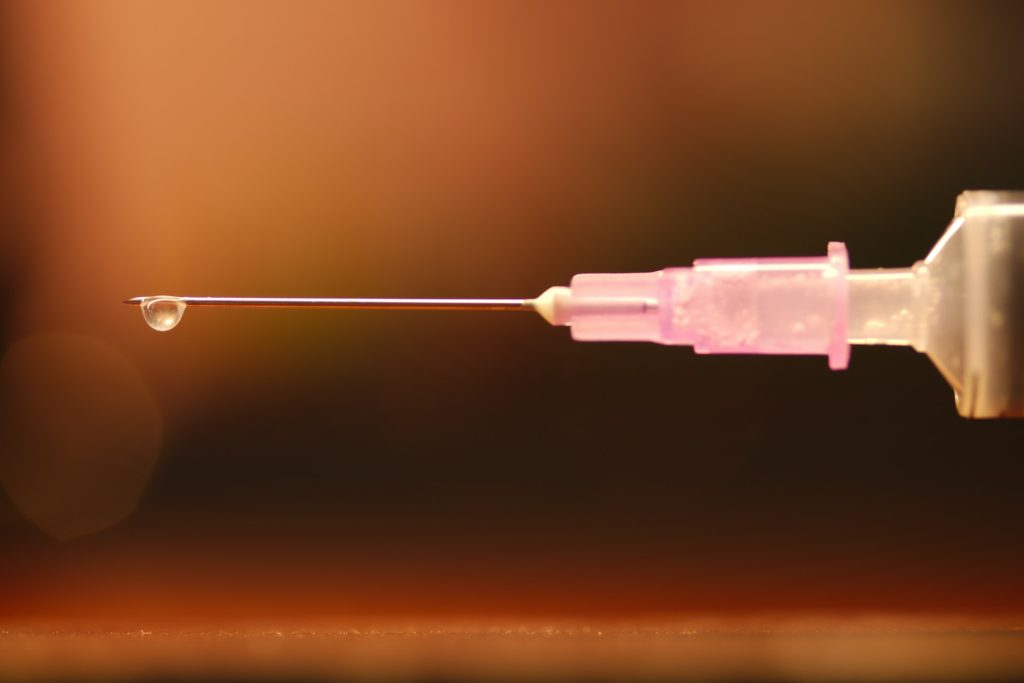
Image of a syring for vaccination
Photo by Mika Baumeister on Unsplash

A recent study shows that T helper cells produced by people who received either of the two available messenger RNA (mRNA) vaccines for COVID persist six months after vaccination, at only slightly reduced levels from two weeks after vaccination. They are also at significantly higher levels than in unvaccinated individuals.

In the study, published in Clinical Infectious Diseases, the researchers also found that the T cells they studied recognise and help protect against the highly infectious delta variant of SARS-CoV-2.

“Previous research has suggested that humoral immune response – where the immune system circulates virus-neutralising antibodies – can drop off at six months after vaccination, whereas our study indicates that cellular immunity – where the immune system directly attacks infected cells – remains strong,” said Professor Joel Blankson, MD, PhD, study senior author. “The persistence of these vaccine-elicited T cells, along with the fact that they’re active against the delta variant, has important implications for guiding COVID vaccine development and determining the need for COVID boosters in the future.”

The researchers sampled blood from 15 study participants at three times: prior to vaccination, between seven and 14 days after their second Pfizer/BioNTech or Moderna vaccine dose, and six months after vaccination. The median age of the participants was 41 and none had evidence of prior SARS-CoV-2 infection.

CD4+ T lymphocytes are nicknamed helper T cells because they assist another type of immune system cell, the B lymphocyte (B cell), to respond to antigens on viruses such as SARS-CoV-2. Activated by the CD4+ T cells, immature B cells become either plasma cells that produce antibodies to mark infected cells for disposal from the body or memory cells that ‘remember’ the antigen’s biochemical structure for a faster response to future infections. Therefore, a CD4+ T cell response can serve as a measure of how well the immune system responds to a vaccine and yields humoral immunity.

The researchers found that the number of helper T cells recognising SARS-CoV-2 spike proteins was very low pre-vaccination, with a median of 2.7 spot-forming units (SFUs, the level of which is a measure of T cell frequency) per million peripheral blood mononuclear cells (PBMCs, identified as any blood cell with a round nucleus, including lymphocytes). Between 7 and 14 days after vaccination, the T cell frequency rose to a median of 237 SFUs per million PBMCs. At six months after vaccination, the level dropped slightly to a median of 122 SFUs per million PBMCs – a T cell frequency still significantly higher than before vaccination.

Six months after vaccination, the number of T cells recognising the delta variant spike protein was not significantly different from that of T cells attuned to the original virus strain’s protein.

“The robust expansion of T cells in response to stimulation with spike proteins is certainly indicated, supporting the need for more study to show booster shots do successfully increase the frequency of SARS-CoV-2-specific T cells circulating in the blood,” said Prof Blankson. “The added bonus is finding that this response also is likely strong for the delta variant.”

Source: John Hopkins Medicine

Automated Messaging System Saved Lives in Early Pandemic

Photo by Asterfolio on Unsplash

During the early days of the COVID pandemic, an automated text messaging system saved two lives a week, and, overall, the patients who enrolled in that system had a 68% lower mortality rate than those not on it.

These insights about Penn Medicine’s COVID Watch – a system designed to monitor COVID outpatients using automated texts and then escalate those with concerning conditions to a small team of health care providers – were published in the Annals of Internal Medicine.

“At the beginning of the pandemic, we instinctually thought patients needed extra support at home, even if they weren’t sick enough or ill yet. And if they were to get very sick, we wanted to help them get to the emergency department earlier, so COVID Watch was our solution,” said a co-primary investigator of the study, Krisda Chaiyachati, MD, the medical director of Penn Medicine OnDemand and an assistant professor of Medicine. “Our evaluation found that a small team of five or six nurses staffing the program during some of the most hectic days of the pandemic directly saved a life every three to four days.”

COVID Watch was rapidly developed and designed to help patients with the virus recover safely at home and keep hospital capacity available. The system uses algorithmically guided text message conversations with patients to assess their conditions. It sent out twice-daily routine questions to patients, such as “How are you feeling compared to 12 hours ago?” and “Is it harder than usual for you to breathe?” If a patient indicated a worsening condition, follow-up questions were asked and they were elevated to the human members of a centralised team – headed by co-author Nancy Mannion, DNP, COVID Watch’s nurse manager – who would call to check in and recommend hospitalisation, if needed.

Since the start of COVID Watch, nearly 20 000 patients have been enrolled in it.

“We did an early analysis of the system and determined that we could safely monitor more than 1,000 patients simultaneously, 24/7, with a small, well-trained team of registered nurses,” said Anna Morgan, MD, COVID Watch’s medical director and an assistant professor of Internal Medicine. “On top of that, those same nurses could often also take care of other COVID-related tasks such as helping patients arrange COVID testing and discussing their results, which is important during surges.”

To further assess COVID Watch’s effect on patients, researchers analysed data from every adult who received outpatient care from Penn Medicine, starting the day COVID Watch launched until Nov. 30, 2020. 
Only three out of 3448 patients in COVID Watch died within 30 days of their enrollment, compared to 12 of the 4337 otherwise equivalent patients outside of the program: a three times higher mortality rate. At 60 days after enrollment, five people within COVID Watch died compared to 16 not using the system.

This amounted to a 68 percent reduction mortality risk with COVID Watch. Additionally, COVID Watch was credited with saving 1.8 lives per 1000 patients at 30 days, and 2.5 per 1000 at 60 days.

The study’s lead author and co-primary investigator, M. Kit Delgado, MD, an assistant professor of Emergency Medicine and Epidemiology, believes that the benefits seen by COVID Watch patients could be explained by: Increased access to and use of telemedicine, and more frequent and earlier trips to the hospital – an average of two days earlier for COVID Watch patients – when symptoms worsened.

Importantly, the study found that COVID Watch was equally accessible and effective for everyone.

“We saw a higher proportion of higher-risk patients and also low-income and Black patients enrolled in COVID Watch, but the fact that we measured a significant benefit associated with enrollment in the program is a good indicator that there truly is a treatment benefit for everyone,” Prof Delgado said. “It’s crucial that we found all major racial and ethnic groups benefited because non-white and low-income communities have had disproportionately higher infection rates, lower access to care, and higher death rates. This implies that this model of care could have reduced disparities in COVID outcomes if it was scaled up more broadly to these communities.”

The COVID Watch team plans to see if the approach, which had originally been built off a system for keeping tabs on chronic obstructive pulmonary disease (COPD) patients, can be applied to helping people with other conditions manage their health at home. They see the system as a lasting technology that will play an important part in future care.

Source: Penn Medicine

Heparin’s Beneficial Impact on COVID Outcomes

Source: Fusion Medical Animation on Unsplash

Researchers at the Medical University of Vienna have now shown that the anticoagulant heparin not only has a beneficial effect on survival of COVID patients, but also influences the duration of active infection with the SARS-CoV-2 coronavirus. The results were published in the journal Cardiovascular Research.

COVID is now known to be a multifaceted infectious disease, which affects several functional systems in the human body following infection with the pathogen SARS-CoV-2. One of these functional systems is blood clotting. COVID patients are at greater risk of thromboses and embolisms, such as strokes, pulmonary or myocardial infarctions, and even deep vein thromboses. The use of drugs that inhibit blood clotting has been part of the treatment guidelines for COVID since July 2020. “These complications during hospitalisation have a direct impact on the well-being of patients and increased the risk of dying from COVID,” said first author David Pereyra from MedUni Vienna’s Department of General Surgery. The underlying coagulopathy is still not fully understood.

“The coagulopathy observed in COVID patients is novel and differs in many respects from previously known coagulation problems,” said senior author Alice Assinger, group leader at the Institute of Vascular Biology and Thrombosis Research at the Medical University of Vienna. “COVID-associated coagulopathy displays characteristics that, although partially comparable with other coagulation diseases, cannot be fully explained by them.” Alice Assinger’s group therefore started to look for an explanation for this sub-condition of COVID in the spring of 2020, in an early phase of the pandemic.

In a multi-centre analysis of COVID patients, the group saw that COVID-associated coagulopathy occurs almost exclusively in patients requiring intensive care or in patients who die as a result of COVID. While anticoagulant drugs improve the survival of COVID patients, they show no effect on immunological processes related to blood coagulation (immunothrombosis).

However, an analysis of the results showed that the length of active SARS-CoV-2 infection is shortened in patients treated with low-molecular-weight heparin, the most commonly used anticoagulant. “In patients who receive this drug, infection time is an average of four days shorter than in patients who are not treated with low-molecular-weight heparin. We were surprised to see that low-molecular-weight heparin may have a direct effect on coronavirus and its infectivity,” said David Pereyra. Experimental data show that heparin can inhibit the ability of SARS-CoV-2 to bind to cells, thereby preventing them from being infected.

These observations were made in the context of a close collaboration between the three hospitals involved – the Favoriten Hospital in Vienna, the Innsbruck Regional Hospital Innsbruck and the Johannes Kepler University Hospital in Linz – as well as through the active exchange between basic researchers and clinicians,” says Alice Assinger, underscoring the relevance of good cooperation during the COVID pandemic for a better understanding of the disease and its treatment.

Source: Medical University of Vienna

WHO Predicts Shortfall in Syringe Production

Source: Raghavendra V Konkathi on Unsplash

The World Health Organization has said that with the goal of two COVID vaccine doses for seven billion people between now and 2023, a shortage of at least one billion syringes “could occur”, if manufacturing does not increase. This could endanger other immunisation programmes.

Lisa Hedman, WHO Senior Advisor, from the Access to Medicines and Health Products division, warned that there could be a generation of children who miss scheduled immunisation jabs unless manufacturers come up with a way to make more single-use disposable syringes.

“When you think about the magnitude of the number of injections being given to respond to the pandemic, this is not a place where we can afford shortcuts, shortages or anything short of full safety for patients and healthcare staff,” said the WHO expert.

She told media that more than 6.8 billion doses of COVID vaccines are being administered globally per year – nearly twice the yearly number for routine inoculations.

“A shortage of syringes is unfortunately a real possibility and here’s some more numbers. That [given] the global manufacturing capacity of around six billion a year for immunisation syringes it’s pretty clear that a deficit in 2022 of over a billion could happen if we continue with business as usual.”

Reuse of syringes was inadvisable, also noting that syringes were particularly prone to transport delays because they took up 10 times the space of a vaccine.

Meanwhile, the heads of the International Monetary Fund (IMF), World Bank Group, WHO and the World Trade Organization (WTO) held a follow up session of High-Level Consultations with the CEOs of leading COVID vaccine manufacturing companies on Tuesday.

All participants at the meeting agreed on the urgency of increased vaccine dose delivery to low-income countries, where less than 2.5% of the population has been fully vaccinated.

The meeting’s aim was to identify how to ensure more equitable distribution of vaccines and all participants pledged to continue working together to clarify donations, vaccine swaps and delivery schedules, so that distribution of the life-saving vaccines can be more effectively targeted towards needy countries.

The meeting of the Multilateral Leaders Task Force on COVID-19 built on technical work undertaken by multidisciplinary teams during the months of September and October.

During the consultations, the leaders of the four organisations and the CEOs also examined how best to tackle trade-related bottlenecks; how to improve the donation process; what additional steps are needed to reach the vaccination target of 40% of people in all countries by the end of the year; and how to improve transparency and data sharing with the IMF-WHO Vaccine Supply Forecast Dashboard and the Multilateral Leaders Task Force.

The effort will require close collaboration between manufacturers, governments and the international COVAX initiative, on enhanced delivery schedules, especially for doses that are being donated.

Source: UN News

Previously Infected Older People Have More COVID Antibodies

Photo by Adam Birkett on Unsplash

In a recent study published in Scientific Reports, researchers found that older people previously infected with COVID, when vaccinated, had higher antibody levels than previously infected individuals. These antibodies were also effective against the Delta variant, which wasn’t present in Canada when the samples were taken  in 2020.

Joelle Pelletier and Jean-François Masson, both professors in Université de Montréal’s Department of Chemistry, wanted to find out whether natural infection or vaccination led to more protective antibodies being generated. The focussed on an understudied group: people who have been infected but not hospitalised by SARS-CoV-2.

Consequently, 32 non-hospitalised COVID positive adults were recruited 14 to 21 days after being diagnosed through PCR testing. This was in 2020, before the Beta, Delta and Gamma variants emerged.

“Everyone who had been infected produced antibodies, but older people produced more than adults under 50 years of age,” said Prof Masson. “In addition, antibodies were still present in their bloodstream 16 weeks after their diagnosis.”

Antibodies produced after an infection by the original, “native” strain of the virus also reacted to SARS-CoV-2 variants that emerged in subsequent waves, namely Beta (South Africa), Delta (India) and Gamma (Brazil), but to a lesser extent: a reduction of 30 to 50%.

“But the result that surprised us the most was that antibodies produced by naturally infected individuals 50 and older provided a greater degree of protection than adults below 50, ” said Prof Pelletier.

“This was determined by measuring the antibodies’ capacity to inhibit the interaction of the Delta variant’s spike protein with the ACE-2 receptor in human cells, which is how we become infected,” he added. “We didn’t observe the same phenomenon with the other variants.”

When someone who has had a mild case of COVID is vaccinated, the antibody level in their blood doubles compared to an unvaccinated person who has been infected by the virus. Their antibodies are also better able to prevent spike-ACE-2 interaction.

“But what’s even more interesting,” said Prof Masson, “is that we have samples from an individual younger than 49 whose infection didn’t produce antibodies inhibiting spike-ACE-2 interaction, unlike vaccination. This suggests that vaccination increases protection against the Delta variant among people previously infected by the native strain.”

Both scientists believe more research should be conducted to determine the best combination for maintaining the most effective level of antibodies reactive to all variants of the virus.

Source: University of Montreal

Scientist Identify the Gene Responsible for Doubling Severe COVID Risk

Image source: Pixabay

Scientists at Oxford University have identified the gene responsible for doubling the risk of respiratory failure from COVID. Some 60% of people of South Asian descent carry the high-risk genetic signal, partly explaining the impact of COVID in the Indian subcontinent and the excess deaths seen in some UK communities.

Prior research already identified a stretch of DNA on chromosome 3 which doubled the COVID mortality risk of adults under 65. However, scientists did not know how this genetic signal worked to increase the risk, nor the exact genetic change that was responsible.

In a study published in Nature Genetics, an Oxford University team used cutting edge technology to work out which gene was causing the effect, and how it was doing so.

Study co-lead Jim Hughes, Professor of Gene Regulation, said: “The reason this has proved so difficult to work out, is that the previously identified genetic signal affects the ‘dark matter’ of the genome. We found that the increased risk is not because of a difference in gene coding for a protein, but because of a difference in the DNA that makes a switch to turn a gene on. It’s much harder to detect the gene which is affected by this kind of indirect switch effect.”

The team trained an artificial intelligence algorithm to analyse huge quantities of genetic data from hundreds of types of cells from all parts of the body, to show that the genetic signal is likely to affect cells in the lung. Then the researchers used a newly developed precision technique to zero in on the DNA at the genetic signal. This examines the way that the billions of DNA letters fold up to fit inside a cell to locate the specific gene that was being controlled by the sequence that increases severe COVID risk.

Dr Damien Downes, who led laboratory work, said: “Surprisingly, as several other genes were suspected, the data showed that a relatively unstudied gene called LZTFL1 causes the effect.”

The researchers found that the higher risk version of the gene probably prevents the cells lining airways and the lungs from responding to the virus properly. But importantly it doesn’t affect the immune system, so the researchers expect people carrying this version of the gene to respond normally to vaccines.

The researchers are also hopeful that drugs and other therapies could target the pathway preventing the lung lining from transforming to less specialised cells, raising the possibility of new treatments customised for those most likely to develop severe symptoms.

Study co-lead Professor James Davies, Associate Professor of Genomics at Oxford University, said: “The genetic factor we have found explains why some people get very seriously ill after coronavirus infection. It shows that the way in which the lung responds to the infection is critical. This is important because most treatments have focussed on changing the way in which the immune system reacts to the virus.”

About 60% of people with South Asian ancestry carried this higher-risk version of the gene compared to 15% of those with European ancestry – explaining in part the higher death rates and hospitalisations in the former group. The study also found that 2% of people with Afro-Caribbean ancestry carried the higher risk genotype, meaning that this genetic factor does not completely explain the higher death rates reported for black and minority ethnic communities.

Prof Davies explained: “The higher risk DNA code is found more commonly in some black and minority ethnic communities but not in others. Socioeconomic factors are also likely to be important in explaining why some communities have been particularly badly affected by the COVID pandemic.

“Although we cannot change our genetics, our results show that the people with the higher risk gene are likely to particularly benefit from vaccination. Since the genetic signal affects the lung rather than the immune system, it means that the increased risk should be cancelled out by the vaccine.”

Source: Oxford University

Cats and Dogs Develop Myocarditis from COVID

Photo by Snapwire on Pexels

A new study reveals that pets can be infected with the Alpha variant of SARS-CoV-2. Due to its increased transmissibility and infectivity, this variant rapidly outcompeted pre-existing variants in England, before being replaced by the Delta variant.

The study, which was published in Veterinary Record, describes the first identification of the SARS-CoV-2 Alpha variant in domestic pets; two cats and one dog were positive on PCR test, while two additional cats and one dog displayed antibodies two to six weeks after they developed signs of cardiac disease. Many owners of these pets had themselves developed respiratory symptoms several weeks before their pets became ill and had also tested positive for COVID.  

These pets all had experienced an acute onset of cardiac disease, including severe myocarditis. Humans also have a slight risk for myocarditis from COVID, particularly in children, for whom the risk is 37 times higher than without having contracted COVID, according to the US Centers for Disease Control.

“Our study reports the first cases of cats and dogs affected by the COVID alpha variant and highlights, more than ever, the risk that companion animals can become infected with SARS-CoV-2,” said lead author Luca Ferasin, DVM, PhD, of The Ralph Veterinary Referral Centre, in the UK. “We also reported the atypical clinical manifestations characterised by severe heart abnormalities, which is a well-recognised complication in people affected by COVID but has never described in pets before. However, COVID infection in pets remains a relatively rare condition and, based on our observations, it seems that the transmission occurs from humans to pets, rather than vice versa.”

Source: Wiley

Pfizer’s Paxlovid Could Deliver Knockout Blow to COVID

Source: Pixabay CC0

Pharmaceutical giant Pfizer announced today that Paxlovid, its investigational novel COVID oral antiviral candidate, significantly reduced hospitalisation and death, based on an interim analysis of its phase II/III clinical trials showing an 89% reduction of risk of hospitalisation or death due to COVID. 

The phase II/III EPIC-HR (Evaluation of Protease Inhibition for COVID-19 in High-Risk Patients) randomised, double-blind study of non-hospitalised adult patients with COVID, who are at high risk of progressing to severe illness. The scheduled interim analysis showed an 89% reduction in risk of COVID-related hospitalisation or all-cause mortality compared to placebo in patients treated within three days of symptom onset (primary endpoint). Only 0.8% of patients who received Paxlovid were hospitalised through Day 28 with zero deaths, compared to 7.0% of patients who received placebo and were hospitalised or died. Similar reductions in COVID-related hospitalisation or mortality were seen in patients treated within five days of symptom onset; 1.0% of patients in the intervention arm were hospitalised through Day 28 with zero deaths, compared to 6.7% of placebo arm patients. In the overall study population through Day 28, no deaths were reported in intervention arm patients as compared to 10 (1.6%) deaths in placebo arm patients.

The results show such an overwhelming effectiveness that Pfizer, in consultation with the US Food and Drug Administration (FDA), will cease further enrollment into the study and will apply for Emergency Use Authorization (EUA) as soon as possible.

If it gets the green light, Pfizer’s Paxlovid, would be the first oral antiviral of its kind, a specifically designed SARS-CoV-2-3CL protease inhibitor. PF-07321332 inhibits viral replication at the proteolysis stage, before viral RNA replication. Co-administration with a low dose of ritonavir helps slow the metabolism of PF-07321332 in order for it to remain active in the body for longer at higher concentrations. It has shown effectiveness against multiple variants, and could have broad general effectiveness against coronaviruses.

“All of us at Pfizer are incredibly proud of our scientists, who designed and developed this molecule, working with the utmost urgency to help lessen the impact of this devastating disease on patients and their communities,” said Mikael Dolsten, MD, PhD, Chief Scientific Officer and President, Worldwide Research, Development and Medical of Pfizer. “We’re thankful to all of the patients, investigators, and sites around the world who participated in this clinical trial, all with the common goal of bringing forth a breakthrough oral therapy to help combat COVID.”

The review of safety data included a larger cohort of 1881 patients in EPIC-HR, whose data were available at the time of the analysis. Adverse events were comparable between paxlovid (19%) and placebo (21%), which were mostly mild.

Pfizer kicked off the EPIC-HR study in July 2021 after positive results from Phase I clinical trials, followed in August by the Phase II/III EPIC-SR (Evaluation of Protease Inhibition for COVID-19 in Standard-Risk Patients), to evaluate efficacy and safety in patients with a confirmed diagnosis of SARS-CoV-2 infection who are at standard (low) risk. This trial includes a cohort of vaccinated at-risk patients who have an acute breakthrough COVID infection. A further trial is investigating prophylaxis among household members of patients with a COVID infection. 

Source: Pfizer

Enzymes Speed up Production of Molnupiravir for COVID

Photo by Louis Reed on Unsplash

Molnupiravir is being developed for the treatment of COVID, which has been submitted for review by the US Food and Drug Administration, but large-scale production to treat COVID is still a challenge. Now, researchers have engineered enzymes to help manufacture the pill, resulting in a much shorter synthesis with a higher yield than current methods. The details of their work are reported in ACS Central Science.

The oral antiviral molnupiravir was originally developed to treat influenza, and works by causing viruses to make errors when copying their own RNA, introducing mutations that inhibit replication. Recently, interim phase 3 clinical trial findings indicated that molnupiravir reduced the risk of hospitalisation and death from COVID for newly diagnosed, at-risk patients, and that it had equal effectiveness against different SARS-CoV-2 variants. Researchers set out to develop a shorter, higher-yielding and sustainable way to synthesise the molecule.

The team came up with a three-step synthesis of molnupiravir from ribose, a sugar molecule. They identified enzymes or chemical treatments to sequentially add the appropriate chemical groups to ribose to generate the molecule. For the second step of the synthesis, the team identified bacterial enzymes that weakly catalysed the desired reactions. Using in vitro evolution, they greatly enhanced these enzymes’ activities. The new synthetic route, which also included a phosphate recycling strategy, was 70% shorter and had a seven-fold higher overall yield than the original route.

Source: American Chemical Society

Over 28 Million More Years of Life Lost in 2020

Source: Pixabay CC0

Over 28 million more years of life were lost than expected in 2020 in 31 upper-middle and high-income countries, according to a University of Oxford-led study published in the BMJ.

Save for a handful of exceptions, 37 countries examined including the US had more premature deaths than expected in 2020, with a higher rate in men than women.

Understanding the full impact of the COVID pandemic requires counting excess deaths, and analysing how premature those deaths are. Years of life lost (YLL) is a more detailed assessment of COVID’s impact on populations as it measures both the number of deaths and the age at which death occurs.

Researchers used this measure to estimate the changes in life expectancy and excess years of life lost from all causes in 2020. They compared the observed life expectancy and years of life lost in 2020 with historical trends in 2005-19 in 37 upper-middle and high-income countries.

Between 2005 and 2019, life expectancy at birth rose for both men and women in all the countries studied. In 2020, a drop in life expectancy was seen in both men and women in all countries save New Zealand, Taiwan, and Norway, where there was a life expectancy gain and Denmark, Iceland, and South Korea saw no change.

The biggest life expectancy drop was in Russia (−2.33 years in men and −2.14 in women), the US (−2.27 and 1.61), Bulgaria (−1.96 and −1.37), Lithuania (−1.83 and −1.21), Chile (−1.64 in men), and Spain (−1.11 in women). Years of life lost declined in most countries in both men and women between 2005 and 2019, except Canada, Greece, Scotland, Taiwan, and the US.  

In 2020, years of life lost were higher than expected in all countries except Taiwan and New Zealand, where there was a reduction in years of life lost, and Iceland, South Korea, Denmark, and Norway, where there was no evidence of a change in years of life lost. In the remaining 31 countries, more than 222 million years of life were lost in 2020, which is 28.1 million more than expected (17.3 million in men and 10.8 million in women).  

The highest excess years of life lost (per 100 000) were in Russia (7020 in men and 4760 in women), Bulgaria (7260 and 3730), Lithuania (5,430 in men and 2,640 in women), and the US (4,350 in men and 2,430 in women).

Overall, excess years of life lost in 2020 were over five times greater (2510 per 100 000) than those associated with the seasonal influenza epidemic in 2015 (458 per 100 000).

The excess years of life lost were relatively low in people under 65 years, except in Russia, Bulgaria, Lithuania, and the US where the excess years of life lost was more than 2 000 per 100 000.

Most countries in Asia, Africa, and Latin America were excluded due to insufficient data, and researchers could not account for other factors, such as socioeconomic status, regional disparities, and race or ethnicity. However, the findings are largely in line with previous studies, and the use of authoritative national mortality data, together with a validated analytical approach, suggests that the results are robust.

“Our findings of a comparable or lower than expected YLL in Taiwan, New Zealand, Denmark, Iceland, Norway, and South Korea underscore the importance of successful viral suppression and elimination policies, including targeted and population based public health policy interventions,” the researchers wrote. “As many of the effects of the pandemic might take a longer time frame to have a measurable effect on human lives, continuous and timely monitoring of excess YLL would help identify the sources of excess mortality and excess YLL in population subgroups.”

Source: University of Oxford