Category: COVID

Hopes Dashed for Ciclesonide as COVID Treatment

Source: PIxabay/CC0

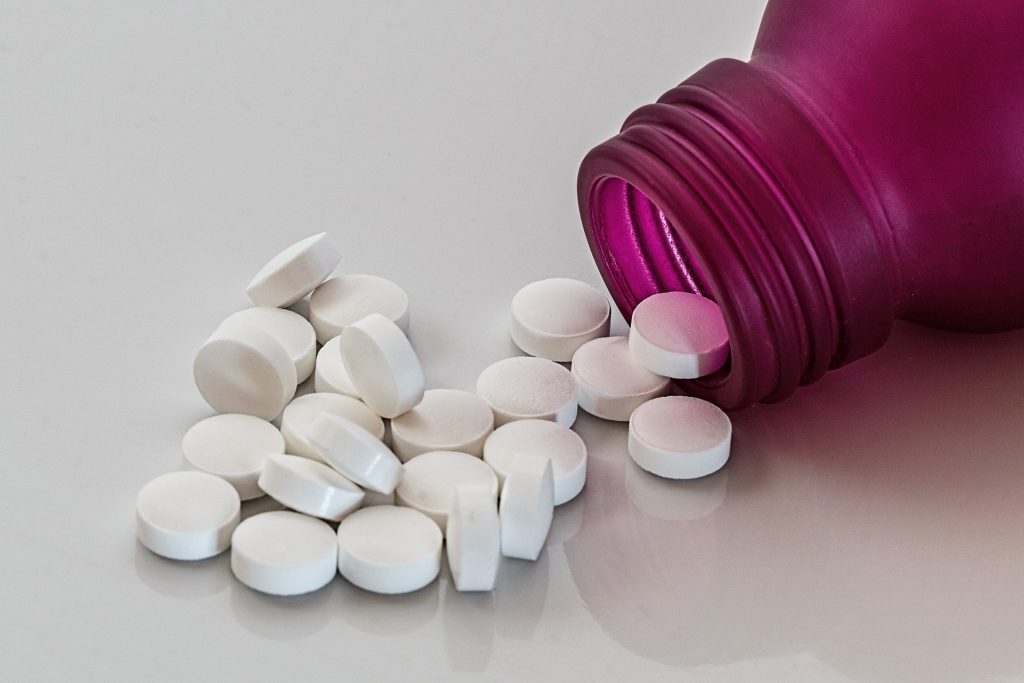
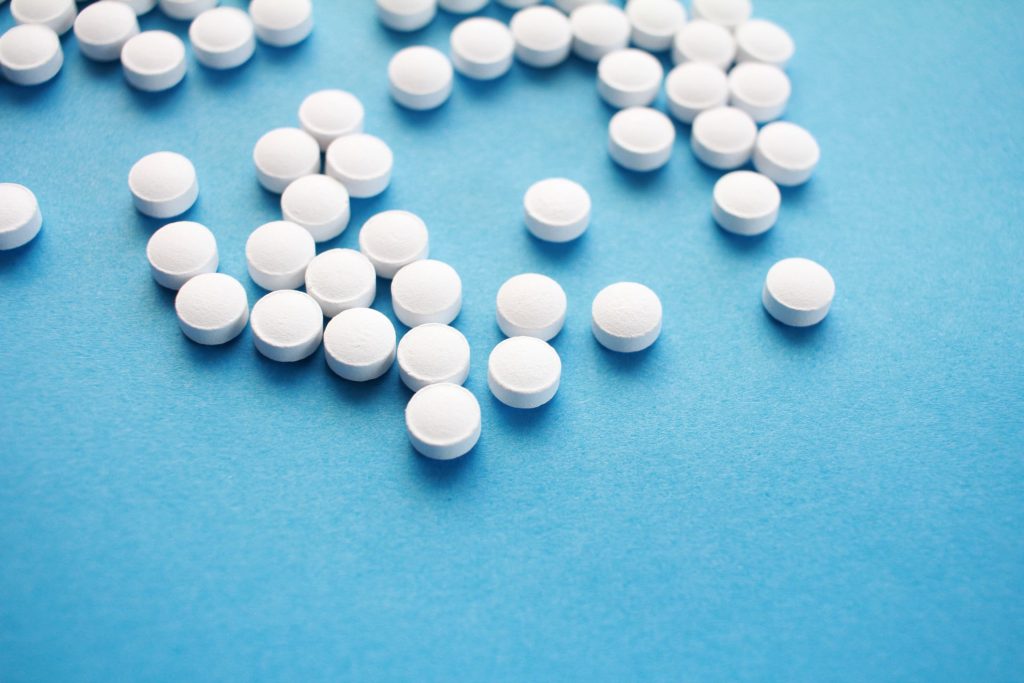
Despite high hopes, the first placebo controlled trial of inhaled steroids for COVID suggests that ciclesonide, an inhaled and nasal steroid drug commonly used for asthma and rhinitis, does not help young healthy people with COVID and respiratory symptoms improve earlier.

The study, published in the BMJ, was motivated by research showing that ciclesonide, which is safe, inexpensive and widely available, could decrease viral replication of SARS-Cov2 in mouse models of COVID. A randomised, double-blind, placebo-controlled trial of inhaled ciclesonide was designed to evaluate the resolution of symptoms in adults with COVID presenting with respiratory symptoms.

“Based on my experience treating asthma, I thought it made sense to see if it would decrease the lung inflammation in patients with COVID early in the disease, as lung disease has an important impact for patients and is a major effect of the virus,” explained Dr Nicole Ezer, the first and lead author of the study, who is a lung specialist and a researcher in the Translational Research in Respiratory Diseases Program at the RI-MUHC. “In addition, we felt it was important to study a drug for COVID that has a very good safety profile and could be used in high, middle and low-income countries safely to reduce respiratory symptoms. Access to affordable medications is very important to decrease disparities in health outcomes across the world.”

The importance of placebo control
From Sept. 15, 2020 to June 8, 2021, the study recruited 215 symptomatic adults and randomly assigned them to either inhaled and intranasal ciclesonide or inhaled and intranasal placebo for 14 days. Participants were asked to complete a survey online on the day of enrollment and on six other occasions until day 14, with a follow-up survey at day 29.

Based on the assumption that treatment would be most effective if given early in the disease process, participants were recruited within five days of a positive PCR test result for SARS-CoV-2 and symptom onset and received the treatment at home by commercial courier. No vaccinated participants were included in the trial.

No significant difference was seen between the intervention and control group. After seven days of treatment, 40% taking ciclesonide had no more fever and respiratory symptoms, vs 35% taking placebo. At day 14, these figures amounted to 66% in the ciclesonide group compared with 58% in the placebo group.

Those results are disappointing, especially since two recent open label studies had raised hopes in the scientific community that inhaled steroids could alleviate respiratory symptoms associated with COVID, and one study demonstrated efficacy of dexamethasone in admitted patients with COVID.

“The previously published studies had a major limitation: they were open label with no placebo. Other studies have shown that inhalers have a strong placebo effect,” explained the study’s senior author, Dr Emily McDonald, associate professor of medicine at McGill University. “Here’s a strong reminder that any study of a medication, in particular of inhalers, needs to be controlled with a placebo before we rush to recommend them.”

In spite of the study’s outcome, researchers still believe there is potential for the treatment of COVID with inhaled steroids.

“It’s still possible that inhaled steroids might be beneficial for older at-risk populations,” said Dr Ezer, who is also an assistant professor of medicine at McGill University. “We need more research focused on older adults and people who are high-risk, but those studies must have a placebo arm to make sure they aren’t coming to a false conclusion of benefit.”

Source: McGill University

Feeling of Invulnerability against COVID Leads to Vaccine Refusal

Photo by Priscilla Du Preez on Unsplash

An international survey has found that people who do not believe that being infected with COVID could seriously threaten their health are both less likely to believe in the importance of preventing spread of the disease and less willing to get vaccinated. 

To contain COVID, it may be critical for individuals to feel concern about taking action to prevent transmission within their community. However  such concerns and actions could be impacted by a number of both individual and cultural factors. Leonhardt and colleagues hypothesised that one factor influencing pandemic concerns could be people’s perceived invincibility to COVID. The findings were presented in PLOS ONE.

To test this idea, the researchers analysed responses from over 200 000 people across 51 countries from an ongoing online survey. The survey included a question about how serious it would be to get infected with COVID, as well as questions about willingness to get vaccinated and taking action to reduce spread in one’s community. The researchers also accounted for participants’ overall health, age, sex, and level of education.

Respondents who reported feeling more  invincibile to COVID were less willing to get vaccinated, the researchers found, and also less likely to believe in the importance of individual actions to reduce transmission.

The strength of this link varied between countries. Individuals with high perceived invincibility living in countries with a greater emphasis on individual freedoms and autonomy, such as the US, were less willing to get vaccinated and less willing to take action than individuals with high perceived invincibility living in cultures with greater emphasis on collective action.

The authors say their findings highlight the importance of considering both individual and cultural factors when addressing pandemics. They suggest that suppression efforts employ messaging underscoring the importance of collective action, especially in individualistic cultures. Meanwhile, future research could further explore the impact of cultural factors on health beliefs and behaviours.

The authors added: “While feeling invincible may be beneficial in overcoming economic hardships or during periods of war, the results of our study suggest that it threatens the likelihood that people get vaccinated against COVID, and this is especially the case in individualistic countries, such as the USA, where people tend to focus on their own health rather than the collective health of their community.”

Source: EurekaAlert!

Mask-wearing Protects Wearers Too

Source: Visuals on Unsplash

People who adhered to masking outside of the home, but were more exposed to infection due to their circumstances, still had “significantly” lower COVID infection rates, according to research published in BMJ Open.

Although it has been widely asserted that face coverings serve to protect others, rather than the wearer, this large-scale study established a clear link between wearing a face covering outside the home and infection.

The Oxford-led study links individuals’ and households’ ability to follow non-pharmaceutical interventions (NPIs) often known as COVID behavioural interventions, using the largest and most representative dataset to date in the UK, including people from different ethnic and age groups.

Using the COVID Infection Study (CIS), study participants were asked to complete a short questionnaire, as well as taking regular COVID tests. Respondents were asked to share how often they worked outside the home, how easy it was to keep social distance in their workplace, whether they took public transport and whether they had direct contact with others on a day-to-day basis.

According to the study, “Wearing a face covering outside was a significant predictor of a lower chance of infection before mid-December 2020 in the UK, when a stricter second lockdown was implemented.”

There was a higher rate of infections among those who lacked autonomy to follow COVID behavioural measures and did not comply with masking.

Author Professor Melinda Mills said, “Lack  of  compliance  to  COVID behavioural measures  has  often been  positioned  as  an  attitude  or  choice. Yet there are large groups of people who, due to their household or employment circumstances, cannot follow measures to work from home, engage in physical distancing at the workplace or avoid public transportation. This, in turn, means that they have a higher exposure to becoming infected.

“The inability for some groups of people to follow behavioural interventions exacerbates existing health inequalities and we showed that face coverings are one measure that can mitigate this unequal exposure.”

The team found, “The  level  of  autonomy  to  adhere  to  behavioural interventions does not  predict  COVID infection  alone,  but  rather the risk of infection is diminished when individuals wear face  covering/masks.”

The study concluded that masking reduces the effects of unequal COVID exposure.
Professor Mills added, “Using a very large individual and household sample and COVID swab tests, we showed that the inability for certain groups such as women in large households or those working in occupations where it is hard to maintain physical distancing were protected from infection during key periods in 2020 in the UK”.

Source: Oxford University

US Health Body Admits Funding Coronavirus Enhancement Study

SARS-CoV-2 virus. Source: Fusion Medical Animation on Unsplash

In an unexpected turn of events, the US National Institutes of Health (NIH) has acknowledged that it funded research into enhancing coronavirus infectivity, Vanity Fair reported.

The agency had last week sent a letter to the US House Committee on Energy and Commerce stating that its grant recipient, EcoHealth Alliance, enhanced a bat coronavirus to become potentially more infectious to humans. This was an “unexpected result” of the research, done in collaboration with Wuhan Institute of Virology.

The NIH letter also noted that EcoHealth Alliance violated terms of its grant conditions, which had stipulated that it was supposed to report to the agency if its work boosted viral growth by a factor of 10.

EcoHealth Alliance was supposed to submit a progress report at the end of the grant period in 2019 but it didn’t arrive at the NIH until August 2021, according to Vanity Fair. However, in a statement to Vanity Fair, EcoHealth Alliance said that it had reported the relevant information “as soon as we were made aware, in our four year report in April 2018.”

In that missing progress report (dated August 2021), lab mice infected with the enhanced virus became more ill than those infected with a wild one, reported Vanity Fair.

The Vanity Fair report also reveals a rather concerning detail contained in a leaked EcoHealth Alliance grant proposal submitted to the Defense Advanced Research Projects Agency in 2018. EcoHealth Alliance and the Wuhan Institute of virology proposed to engineer a furin cleavage site for the coronavirus to more easily enter humans cells. This matches a distinctive segment of SARS-CoV-2’s genetic code.

“If I applied for funding to paint Central Park purple and was denied, but then a year later we woke up to find Central Park painted purple, I’d be a prime suspect,” Jamie Metzl, a member of the WHO advisory committee on human genome editing, told Vanity Fair.

In its letter to US Congress, the NIH emphasised that the virus EcoHealth Alliance was studying could not have sparked the pandemic, as there was a vast genetic difference between it and SARS-CoV-2. NIH Director Francis Collins, MD, PhD, also issued a statement addressing the concerns raised by the letter, noting that such claims were “demonstrably false.”

“The scientific evidence to date indicates that the virus is likely the result of viral evolution in nature, potentially jumping directly to humans or through an unidentified intermediary animal host,” Dr Collins said in the statement.

Gilles Demaneuf, a data scientist in New Zealand, told Vanity Fair, “I cannot be sure that [COVID originated from] a research-related accident or infection from a sampling trip. But I am 100% sure there was a massive cover-up.”

In response to these criticisms of poor oversight and bad scientific judgment, the NIH has “circled its wagons”, Vanity Fair observed.

Source: Vanity Fair

Large Study Finds Statins Ineffective, Possibly Worsen COVID

Source: Unsplash

Though small studies have suggested that statins, which lower low-density lipoprotein (LDL), may also reduce COVID severity or mortality, findings from a large study suggest that it has no effect and may even worsen the disease.

In the effort to fight COVID, researchers have attempted to find existing medications that might have an effect on the outcome of the disease, and statins were one readily available candidate that appeared to have some effect. However, a new study published in the journal PLOS ONE suggests they may not be suitable.

“Despite the apparent beneficial effect of statins on the outcomes of various infectious diseases, our study revealed that their specific use to treat COVID is probably not merited,” said senior study author Petros Karakousis, MD, professor of medicine at the Johns Hopkins University School of Medicine. “Compared with earlier research, we looked at a larger and more widely varied inpatient population, and had better criteria for defining disease severity, thereby enabling our results to be more relevant for predicting the impact of statins on COVID outcomes in hospitalised patients.”

In the study, researchers reviewed the records of 4447 hospitalised patients, ages 18 years or older, who had been diagnosed with SARS-CoV-2 infection between March 1 and June 30, 2020. Of these, 594 (13%) were receiving statins at admission, with most statin users being men (57%) and older (ages 52–78 compared with ages 29–62) than the non-statin users. The highest percentage of statin users were black (47%), had hypertension (74%) or diabetes (53%), and were more likely to take medications for lowering blood pressure – along with statins to reduce their LDL cholesterol.

After accounting for confounding factors, statin use was found to have no significant effect on COVID mortality. However, they did find that patients hospitalised with COVID and taking statins had an 18% increased risk for having a more severe form of the disease.

“One plausible explanation for this finding is that statins increase cellular production of angiotensin-converting enzyme 2 [ACE2], the receptor on a cell’s surface through which SARS-CoV-2 gains entry,” said Prof Karakousis. “Therefore, statins may lower a cell’s resistance to infection and in turn, increase the odds that the patient will have a more severe case of COVID.”

Prof Karakousis said future studies should attempt to better define the relationship between statin use and COVID, noting that all previous ones were retrospective and had factors that could not be eliminated, such as many statin users being overweight.

The only way to definitively determine if statins have any benefit for patients with COVID is to conduct a randomised, placebo-controlled clinical trial.

Source: Johns Hopkins Medicine

COVID Test Sensitivity Changes with Circadian Rhythm

Source: Fusion Medical Animation on Unsplash

A new study suggests that the sensitivity of tests for SARS-CoV-2 vary throughout the day according to the body’s circadian rhythm, which could have implications for how the disease is managed.

Carl Johnson, Cornelius Vanderbilt Professor of Biological Sciences, wondered how the virus might act differently depending on the time of day and the body’s circadian rhythms, and collaborated with colleagues to determine if the percentage of people testing positive for COVID varies based on time of day. They found that people were up to two times as likely to have an accurate positive test result if they tested in the middle of the day compared to at night. Their findings were published in the Journal of Biological Rhythms.

The data support the hypothesis that COVID acts differently in the body based on our natural circadian rhythm, which has also been implied by studies of other viral and bacterial infections. COVID virus shedding, when infected cells release infectious virus particles into the blood and mucus, appears to be more active around midday due to modulation of the immune system by our biological clock.

“Taking a COVID test at the optimal time of day improves test sensitivity and will help us to be accurate in diagnosing people who may be infected but asymptomatic,” Prof Johnson said. Their results indicate that viral load is lower after 8 pm. If people choose to get tested at that time, there could be a higher chance of a false-negative result. False negatives can be harmful to the community and for the patient, who might not seek additional care due to their negative test result.

A difference in COVID viral shedding throughout the day would help inform treatment for the disease. As Johnson and his co-authors report, the peak shedding in the afternoon, when patients are more likely to interact with others or seek medical care, could play a role in increasing the spread of the virus in hospitals and the wider community.

Further research is needed to confirm the diurnal nature of SARS-CoV-2. Experimentally testing COVID patients to see if individuals shed the virus differently throughout the day would have important public health implications, Prof Johnson said.

Source: Vanderbilt University

Lateral Flow Tests now Approved for Travellers to England

Photo by Blale Guidry on Unsplash

Fully vaccinated passengers arriving in England and most under 18s arriving from non red-list countries (which now includes South Africa) can use a lateral flow test (LFT) on or before day 2 of their arrival in England, the UK government has announced.

LFTs must be taken as soon as possible on the day of arrival in England or at the latest before the end of a passenger’s second day and can now be purchased from the list of private providers on GOV.UK from as little as £22 – significantly cheaper than PCR tests.

LFTs for international travel must be purchased from a private provider as NHS Test and Trace lateral flow tests cannot be used for international travel. Passengers who have already bought a PCR to use for travel do not need to buy another test as PCRs can still be used.

Passengers have to take a photo of their lateral flow test and booking reference supplied by the private provider, then send it back to them to verify the result. Failure to do so could result in a fine of £1000 (R20 000). It is also possible for passengers to book a test at some airport testing centres. People using PCR tests for travel will have their test reported by the company they purchase the test from.

Anyone who tests positive will need to isolate and take a confirmatory PCR test, at no additional cost to the traveller, which can be genomically sequenced to help identify new variants. PCR tests can be accessed free of charge by ordering in the usual way through NHS Test and Trace – via nhs.uk/coronavirus or by calling 119.  Test providers will be expected to advise people to self-isolate and direct people towards the NHS Test and Trace booking page.

In addition, all travellers must complete a passenger locator form beforehand, including providing a test booking reference number supplied by a testing provider.

However, these new rules apply only to those arriving in England: anyone travelling on to Ireland, Northern Ireland, Scotland, Wales, the Channel Islands or the Isle of Man within 10 days after arrival in England have to follow the rules for testing and quarantine in those places.

Those passengers who are not fully vaccinated with an authorised vaccine returning from a non-red list destination must still take a pre-departure test (antigen/PCR), a PCR test on day 2 and day 8 test and complete 10 days’ self-isolation (with the option of doing Test to Release on day 5).

Source: UK Government

A Case of Three Teens with COVID and Psychiatric Symptoms

Photo by Alex Green on Pexels

A case study details three teenagers with mild or asymptomatic COVID presented with suicidal thoughts, “paranoia-like fears,” delusions and “foggy brain”, which could be explained by anti-neural antibodies – ‘turncoat’ antibodies that may attack brain tissue.

Mounting evidence points to neurological and psychiatric effects of COVID, with a UK study finding a 13% risk of a first-time diagnosis after COVID. The study, published in JAMA Neurology, is the first to look at anti-neural antibodies in paediatric patients previously infected with SARS-CoV-2.

Over five months in 2020, 18 children and teens were hospitalised with confirmed COVID at UCSF Benioff Children’s Hospital San Francisco, three of whom were the patients in the study who underwent neurological evaluations.

The researchers examined the patients’ cerebrospinal fluid (CSF) and found that two of the patients, both of whom had histories of unspecified depression and/or anxiety, had antibodies indicating that SARS-CoV-2 may have invaded the central nervous system. They also had anti-neural antibodies in their CSF, suggesting a rampant immune system accidentally targeting the brain.

The research follows a previous UCSF study that also found a high level of autoantibodies in the cerebrospinal fluid of adult patients with acute COVID, who experienced neurological symptoms, including intractable headaches, seizures and loss of smell.

“It is way too soon to know whether COVID is a common trigger for neuropsychiatric illnesses, but it does seem to be a potent trigger for the development of autoantibodies,” said co-corresponding author Samuel Pleasure, MD, PhD. “It is currently totally unknown whether patients predisposed to neuropsychiatric illnesses are more likely to develop worsened symptoms after COVID, or whether COVID infection can act as an independent trigger.”

Unlike most psychiatric presentations, the three patients in the UCSF study had symptoms with sudden onset and rapid progression, representing a marked change from their baselines, said co-first author Claire Johns, MD. “The patients had significant neuropsychiatric manifestations despite mild respiratory symptoms, suggesting potential short and long-term effects of COVID.”

After hospitalisations lasting weeks and ongoing psychiatric medications, the two UCSF patients, whose cerebrospinal fluid tested positive for SARS-CoV-2 antibodies and anti-neural antibodies, were treated with intravenous immunoglobulin, an immunomodulatory therapy that curbs inflammation in autoimmune disorders. After five days, the first patient had “more organised thoughts, decreased paranoia and improved insight.”

Autoantibodies targeting the protein TCF4 were also found, which has genetic links in some schizophrenia cases. However, “we don’t know that the antibodies are actually interfering with the protein’s function,” said co-corresponding author, Michael R. Wilson, MD, noting that the diagnosis of schizophrenia is based on a constellation of symptoms, not a biomarker.
The second patient partially responded to immunotherapy with improved cognition and working memory, but continued to have “impaired mood and cognitive symptoms” six months later. The third patient, with no psychiatric history and without SARS-CoV-2 antibodies or anti-neural antibodies in their cerebrospinal fluid, recovered with psychiatric medications. Their symptoms were attributed to recreational drug use.

In another case study, a 30-year-old patient with mildly symptomatic COVID who presented at a hospital emergency department with delusions, violent outbursts, hyper-anxiety and paranoia was unresponsive to antipsychotic medication but after being diagnosed with possible “autoimmune-mediated psychosis”, responded to intravenous immunoglobulin.

Nonetheless, the researchers agree it’s unlikely that there were pre-existing autoantibodies, and they point to other disorders with psychiatric symptoms, like anti-NMDAR encephalitis syndrome, that are caused by anti-neural antibodies and respond to treatment directed at these rogue antibodies.

The researchers agree that more study is warranted, although Dr Pleasure noted that the rarity of cerebrospinal fluid samples from paediatric patients is a challenge, as they rarely have severe enough COVID to warrant a lumbar puncture.

Source: University of California San Francisco

Up to 180 000 Health Workers may Have Died from COVID

Photo by Mulyadi on Unsplash

Between 80 000 and 180 000 health and care workers (HCWs) are estimated to have died from COVID between January 2020 and May 2021, the World Health Organization (WHO) said on Thursday.

That grim estimate features in a new WHO working paper based on the 3.45 million coronavirus-related deaths reported globally to the UN health agency up to May. The WHO warns it may well be an underestimate of 60%. To highlight the need for better protection, WHO was joined by global partners working to end the pandemic, to issue an urgent call for concrete action on behalf of workers in the sector.  

WHO Director-General, Dr Tedros Adhanom Ghebreyesus, said that “the backbone of every health system is its workforce.”

“COVID-19 is a powerful demonstration of just how much we rely on these men and women, and how vulnerable we all are when the people who protect our health are themselves unprotected”, he added.  

WHO and partners said that besides the deaths, more and more HCWs are suffering from burnout, stress, anxiety and fatigue. They are urging  equitable access to vaccines so that HCWs are prioritised.  

By the end of last month, on average, two in five HCWs were fully vaccinated, but with considerable differences across regions.

“In Africa, less than one in ten health workers have been fully vaccinated. Meanwhile, in most high-income countries, more than 80% of health workers are fully vaccinated”, Dr Ghebreyesus pointed out.  

For him, over 10 months since the approval of the first vaccines, “the fact that millions of health workers still haven’t been vaccinated is an indictment on the countries and companies that control the global supply of vaccines”.

Currently, 82 nations risk missing the target of vaccinating 40% of their population by year end, and 75% of those countries are faced with insufficient supply. The remainder have some limitations that WHO is helping solve.

Speaking to journalists via videolink, Gordon Brown, former UK Prime Minister and currently WHO’s Ambassador for Global Health Financing, said it would be a “moral catastrophe of historic proportions” if G20 countries cannot act quickly.

These nations have pledged to donate more than 1.2 billion vaccine doses to COVAX. According to WHO, so far, only 150 million have been delivered.  

With wealthy countries stockpiling millions of unused doses, close to expiration, Brown said they should start an “immediate, massive, concerted” airlift of vaccines to low income countries.  

If they do not, he argued, they will be guilty of an “economic dereliction of duty that will shame us all.”  

Brown also warned that “the longer vaccine inequity exists, the longer the virus will be present.”

Source: UN News

No Finding of Early Miscarriage Risk from COVID Vaccinations

Photo by Shvets Productions on Pexels

A new study has found no association between COVID vaccinations and risk of first-trimester miscarriages, providing further evidence of the safety of COVID vaccination during pregnancy. The findings were published in the New England Journal of Medicine.

Study co-author Dr Deshayne Fell said, “The study analysed several national health registries in Norway to compare the proportion of vaccinated women who experienced a miscarriage during the first trimester and women who were still pregnant at the end of the first trimester.”  Dr Fell, is Associate Professor in the School of Epidemiology and Public Health in the University of Ottawa’s Faculty of Medicine and a Scientist at the Children’s Hospital of Eastern Ontario (CHEO) Research Institute.

“Our study found no evidence of an increased risk for early pregnancy loss after COVID vaccination and adds to the findings from other reports supporting COVID vaccination during pregnancy,” the study authors wrote. 

“The findings are reassuring for women who were vaccinated early in pregnancy and support the growing evidence that COVID vaccination during pregnancy is safe.”

Dr Fell and colleagues found no relationship between the type of vaccine received and miscarriage. In Norway, the vaccines used included Pfizer, Moderna and AstraZeneca.

“It is important that pregnant women are vaccinated since they have a higher risk of hospitalisations and COVID-complications, and their infants are at higher risk of being born too early. Also, vaccination during pregnancy is likely to provide protection to the newborn infant against COVID infection in the first months after birth,” the study authors stressed.

Source: University of Ottawa