Category: Cancer

The Search for New Cancer Therapies Strikes Gold

Photo by Jingming Pan on Unsplash

The gold complex auranofin has traditionally been used for treating rheumatism but is also being evaluated as a one number of new cancer therapies. According to a study published in Redox Biology, molecules with the same inhibition effect have been discovered that have a more specific effect than auranofin and therefore may have greater potential as cancer therapies.

Auranofin (AF) is classed by the WHO (World Health Organization) as an anti-rheumatic agent and is an active component in the drug Ridaura. AF is also currently being assayed in a string of clinical trials as a possible cancer therapy. One reason for the researchers’ interest in AF is its ability to inhibit thioredoxin reductase (TrxR), a protein central to the thioredoxin system, which protects cells from oxidative stress in all mammals. 

However, TrxR also protects cancer cells, making cancer therapies less effective. Moreover, TrxR, which affects cellular growth and survival, is upregulated in certain forms of cancer.

“There’s a great deal of interest in the ability to inhibit the thioredoxin system in the treatment of cancer, but there’s a risk that healthy cells will also be damaged and killed,” says the study’s co-last author Elias Arnér, professor at the Department of Medical Biochemistry and Biophysics at Karolinska Institutet. “Our aim is for TrxR inhibitors to be as specific as possible.”

The researchers studied the effects of AF in mouse cancer cells (lung adenocarcinoma and melanoma) and compared them with other recently-developed TrxR-inhibiting molecules called TRi-1 and TRi-2 (thioredoxin reductase inhibitors 1 and 2). 

The study, which was based on new proteomic methods of analysing the entire set of proteins in cells, suggests that the TRi compounds are more specific in their effect than AF. The results show that AF causes very high levels of oxidative stress and has other effects that seem unrelated to the inhibition of TrxR. They also demonstrate that TRi-1 seems to be the most specific TrxR inhibitor so far.

“Our results can serve as an important blueprint for further studies of AF’s mechanism of action and side effects,” said the study’s other co-last author Roman Zubarev, professor at the Department of Medical Biochemistry and Biophysics, Karolinska Institutet. “Having now compared AF with the more specific molecules TRi-1 and TRi-2, we hope that our findings will contribute to the further development of TrxR inhibitors as anticancer drugs.”

Source: Karolinska Insitutet

The Latest on Gastric Cancer

Source: Pixabay

November is Gastric Cancer Awareness Month. In 2020, gastric cancer was the sixth most common cancer in 2020, with 1.09 million new cases, according to the World Health Organization.

It was also the fifth most common cause of cancer death in 2020. Gastric cancer is common in certain parts of the world, including South America and Asia. Gastric cancer can affect any part of the stomach, but in most of the world, gastric cancers form in the main part of the stomach.

Mohamad Sonbol, MD, a medical oncologist at Mayo Clinic, shares five things to know about the current state of diagnosis, screening and treatment for gastric cancer:

  • Endoscopy is usually the initial step in diagnosing gastric cancer, allowing physicians to diagnose, stage and treat some cancers at early stages. Using the endoscope, they can go in and remove localised and superficial abnormal growths. If physicians detect gastric cancer, they use a CT and positron emission tomography to scan for further staging.
  • Screening for gastric cancer is not recommended in the general population, unlike in East Asia where it is more common. However, screening protocols are in place for people at higher risk. Risk factors include obesity, smoking, alcohol consumption and family history.
  • Surgery is an option for patients whose cancer has not spread and is surgically removable. Surgery is the only curative approach for patients with localised or locally advanced gastric cancer. Other treatments, such as systemic therapy and radiation, maximise the chance of cure and lower the risk of the cancer returning.
  • New therapeutic options are available for gastric cancer. In the US, the FDA approved the combination of chemotherapy with nivolumab, an immunotherapeutic drug, in metastatic gastric adenocarcinoma. FAM-trastuzumab deruxtecan-NXKI, administered as an infusion, is now an option for patients with HER2-positive metastatic gastric cancer.

Some immunotherapeutics are standard care and some are in studies. Chemotherapy kills cells all over the body, while immunotherapy stimulates the immune system to fight the cancer. Generally, chemotherapy works for a while and then stops. When immunotherapy works, it is usually for a longer time. Which regimen to choose depends on the different targets on the cancer cells.

“I tell patients who have been recently diagnosed with gastric cancer that there is hope,” Dr Sonbol said. “We now have many more treatment options than before.”

Source: EurekAlert!

Vaccine Hesitancy Among Caregivers of Childhood Cancer Survivors

Photo by Priscilla du Preez on Unsplash

In a study published in Pediatric Blood & Cancer, researchers reported that caregivers of childhood cancer survivors expressed high rates of vaccine hesitancy, especially if they lacked confidence in governmental COVID response.

The researchers conducted a survey of 130 caregivers of childhood cancer survivors, 21% of caregivers expressed hesitancy to vaccinate themselves and 29% expressed hesitancy to vaccinate their children who had survived cancer.  

Caregivers who expressed confidence in the US government’s response to COVID were six times more likely to express willingness to self-vaccinate and were three times more likely to express willingness to vaccinate their children.  

Caregivers who reported that they were hesitant to vaccinate cited concerns about the speed of COVID vaccine development and a lack of safety and efficacy data in children, particularly children with cancer.

“Results suggest that COVID vaccination outreach to hesitant caregivers might be more effective when delivered by non-governmental organisations, including paediatric oncology care teams,” said senior author Kyle Walsh, PhD, of the Duke Cancer Institute. “Such providers are well-positioned to discuss potential risks and benefits of vaccination and to update families as longer-term outcomes data emerge from vaccine trials and registries.”

Source: Wiley

An Inspiration Led to Understanding Metformin’s Anti-tumour Effect

Scientists report that metformin, used to treat type 2 diabetes mellitus, induces activation and proliferation of tumor-targeting CD8+ T-lymphocytes (CD8TIL), via mechanisms that involve the generation of reactive oxygen species in mitochondria of CD8TIL and an increase in glycolysis. Credit: Heiichiro Udono from Okayama University

Researchers in Japan have elucidated how the antidiabetic drug metformin exerts an anti-tumour effect as well.

Certain drugs like metformin have recently been found to have anti-cancer properties. Metformin appears to bolster anti-tumour immunity but the underlying immunological mechanisms were a mystery. With all the permutations and combinations of cancer, a blanket, yet targeted therapy would be ideal. 

Japanese scientists led by Professor Heiichiro Udono from Okayama University thus decided to address this oncological research question. In their recent study, they looked at how a specific subset of immune cells, called CD8+ infiltrating T-lymphocytes (CD8TIL), which specifically attack tumor cells, behaved in response to metformin. Their findings have been published as a research article in Journal for ImmunoTherapy of Cancer.

Interestingly, Prof. Udono almost gave up on his anti-cancer pursuits, when he lost his own father to cancer. However, a bolt of inspiration came at a conference: “Nearly 10 years ago, a switch turned on in my head when I attended a Keystone Symposia discussing cancer, and hypoxia, held in Banff, Alberta. I realised that we had missed addressing Warburg effect, an effect which bolsters the growth of cancer, in our previous research. So, reverting Warburg effect to normal metabolic profile in cancers became a topic that got me thinking. Surprisingly, I got a hint from the same conference that metformin may aid cancer immunity. So, we got to work!”

Prof Udono and his team got to work, meticulously conducting a series of experiments on cancer cell lines, and ‘knockout gene’ mice, searching for possible biomolecules that result in metformin-dependent anti-tumour immunity. They probed the intracellular mechanisms in CD8TIL, when exposed to metformin, and assessed different biomarkers for growth. Given that CD8TIL produces proteins called interferons to attack cancer cells, they also assessed corresponding levels.

Accordingly, the scientists found that metformin causes the generation of reactive oxygen species in the mitochondria of CD8TIL (mtROS) and increases glycolysis. They also found that mtROS activated growth pathways in CD8TIL, allowing these cells to proliferate. Notably, this is achieved through a transcription factor involved in anti-oxidative stress response, called Nrf. Though metformin did not directly cause apoptosis, ‘cell suicide’ in tumours, it did cause CD8TIL to secrete interferon-ɣ to alter the tumour microenvironment in favour death of tumour cells.

Summing up the findings, Prof. Udono said: “More than anything else, our study provides the knowledge that we can ourselves protect our body from cancer. We hope that this understanding will result in not only the reduction of cancer incidence and improve treatment, but also will help prolong our life.”

The researchers also added that these findings strongly suggest the possibility of using metformin as a drug to strengthen anti-tumour immunity in patients with cancer. The findings appear in the Journal for ImmunoTherapy of Cancer.

Source: EurekAlert!

Dasatinib May Have Potential as an Antidiabetic Drug

Photo by Photomix Company from Pexels

Dasatinib, a drug that often is used to treat certain types of leukaemia, may have significant potential as an antidiabetic drug, according to new research published in Mayo Clinic Proceedings.

Dasatinib is a tyrosine kinase inhibitor used to treat tumours and malignant tissue, as well as chronic myelogenous leukaemia. Dasatinib is a senolytic drug, which target senescent cells that accumulate in many ageing tissues and at sites of pathology in chronic diseases. Senolytic drugs appear to delay, prevent or alleviate age-related changes, chronic diseases and geriatric syndromes in animal studies.

“Our findings suggest that dasatinib or related senolytic drugs may become diabetic therapies,” said senior author Robert Pignolo, MD, PhD. “More study is needed to determine whether these findings also are observed in patients with type 2 diabetes mellitus but without underlying malignant disease.”

Researchers used records for a total of 9.3 million individuals from 1994 to 2019 who were screened for use of either dasatinib or imatinib, another tyrosine kinase inhibitor that was approved for treatment of a type of leukemia in 2001 but with weak senolytic activity. Of those patients, 279 were treated with imatinib and 118 with dasatinib, and after further screening, a total of 48 patients were included in the study.
The findings show that dasatinib lowers serum glucose in patients with pre-existing type 2 diabetes to a greater extent than imatinib and comparable to first-line diabetic medications such as metformin and sulfonylureas.

More work is needed to determine whether the antidiabetic effect of dasatinib is due largely to its senolytic properties, explained Dr Pignolo. If it is, the effectiveness of combining dasatinib with another senolytic drug such as quercetin may be greater than with dasatinib alone.

“This study was really the first proof-of-concept that a senolytic drug may have substantial long-term beneficial effects in humans,” Dr Pignolo says. “According to research in animal models, it is not necessary to give senolytic drugs continuously, and so patients may need only take a drug such as dasatinib every few weeks, reducing possible side effects.”

Source: EurekAlert!

Unemployed People Missed Out on Cancer Screenings

Source: National Cancer Institute

In a recent study, unemployed individuals in the US were less likely to have health insurance and be up to date on getting recommended cancer screening tests. Analyses published in the journal CANCER revealed that their lack of health insurance coverage completely accounted for their lower screening rates.

During the COVID pandemic, unemployment rates in the United States have risen to levels not seen since the Great Depression. To examine associations between unemployment, health insurance, and cancer screening, Stacey Fedewa, PhD, of the American Cancer Society, and her colleagues analysed information from adults under age 65 years who responded to a nationally representative annual survey of the general population.

Unemployed adults were four times more likely to lack insurance than employed adults (41.4% vs 10.0%). A lower proportion of unemployed adults had received up-to-date cervical (78.5% vs 86.2%), breast (67.8% vs 77.5%), colorectal (41.9% vs 48.5%), and prostate (25.4% vs 36.4%) cancer screening. These differences were eliminated after accounting for health insurance coverage.

“People who were unemployed at the time of the survey were less likely to have a recent cancer screening test and they were also less likely to be up-to-date with their cancer screenings over the long term. This suggests that being unemployed at a single point in time may hinder both recent and potentially longer-term screening practices,” said Dr. Fedewa. This can increase a person’s risk of being diagnosed with late-stage cancer, which is more difficult to treat than cancer that is detected at an early stage.

“Our finding that insurance coverage fully accounted for unemployed adults’ lower cancer screening utilisation is potentially good news, because it’s modifiable,” Dr Fedewa added. “When people are unemployed and have health insurance, they have screening rates that are similar to employed adults.”

The findings highlight insurance coverage’s importance in access to recommended cancer screening tests and indicate that insurance needs to be extended to all people, regardless of their employment status.

Source: Wiley

Unmet Lung Cancer Patient Needs Have a Significant Impact

Source: Mart Production on Pexels

Research studies suggest that unmet physical and psychological needs of patients with lung cancer have a significant impact on patients’ quality of life and affect their ability to continue with everyday activities. 

Lung cancer is the leading cause of cancer death in the United States. No specific signs and symptoms exist for lung cancer, and most patients already have advanced disease at the time of presentation. In a study published in the European Journal of Cancer Care, researchers examined the impact of unmet needs on patients’ lives.

Analysing results from six studies involving 562 patients, researchers found that almost two thirds of the patients had been diagnosed with advanced cancer (stage III or IV), and most had been diagnosed for less than two years. There was a negative association between quality of life and unmet needs using two different measures. In two of the studies, the relationship was limited to physical and/or psychological needs.

In the physical domain, lack of energy and tiredness were common unmet needs, and uncertainty about the future, fears, and worry were among the most common in the psychological domain.

“This research underscores the high burden of unmet needs for individuals with lung cancer, often resulting from late diagnosis and associated lack of curative treatment,” said corresponding author Simon Dunne, PhD, of Dublin City University, in Ireland. “There is a need for early intervention and tailoring of pre-existing services to address unmet supportive care needs in this cancer group.”

Source: Wiley

Treating Cancer with the Toxoplasma Gondii Parasite

Source: National Cancer Institute on Unsplash

Scientists have discovered that Toxoplasma gondii, a parasite known to cause illness in pregnant women and immunocompromised patients, could potentially enhance the treatment of various types of tumours.

The parasite Toxoplasma gondii is a single-celled opportunistic protozoan capable of infecting a broad range of warm-blooded animals and has been reported in nearly one-third of the world’s human population. It has a number of health effects, including a strong link to schizophrenia and has even been associated with increased suicide attempts in mothers.

While many treatments have been able to treat tumours and prolong the lives of patients, there is a need to further enhance these. In the study, published in the Journal for ImmunoTherapy Cancer, scientists found that the commonly found parasite  is able to sensitise ‘cold’  tumours, that is, tumours unlikely to trigger a strong immune response, to immune checkpoint blockade therapy.

The researchers believe that this finding could have broader therapeutic implications for many types of cancers.

T. gondii has to live inside the cells of its host and secretes numerous proteins to counter the host’s immune defences and to facilitate their own invasion and colonisation of the host cells. The researchers first built a T. gondii mutant strain with limited growth and disease-causing ability, but which is also able to manipulate the host immune system.

By directly injecting this mutant parasite into solid tumours, it induces inflammatory responses in those tumours and even in tumours located in a distant location in the mouse body. The researchers further demonstrated that this treatment approach has made tumours more responsive to treatment with immune checkpoint inhibitors.

This dual treatment significantly extended the survival of mice and reduced tumour growth in mouse models of melanoma, Lewis lung carcinoma, and colon adenocarcinoma.

Dr Hany Elsheikha, Associate Professor in the School of Veterinary Medicine and Science at the University of Nottingham, and one of the lead authors of the study, said: “The use of a mutant version of Toxoplasma gondii in the treatment of certain tumours in mice models has been previously reported. What makes this study different is the confirmation that intratumoural injection with mutant Toxoplasma gondii strain boosts antitumour immunity and the effectiveness of checkpoint inhibition therapy.

“These are significant findings and are relevant to future tumour therapy. The marked reduction in tumour size and the significant improvement in the survival of mice that received this novel combinational therapy is promising but should be interpreted with caution as further research is needed.”

Source: University of Nottingham

Foiling Cancer With its Own Sweet Tooth

Photo by Louis Reed on Unsplash

Cold Spring Harbor Laboratory Professor Christopher Vakoc and his lab have found that acute myeloid leukaemia (AML), an aggressive cancer that originates in the bone marrow, depends on a transporter to bring in the nutrient inositol, and the researchers believe they can find a way to cut off the cells’ food supply and kill them.

Cancers may streamline certain cell processes and rely on just one method to survive; for example, some remove backup pathways for DNA repair, “putting all their eggs in one basket” and depending only on a single pathway for survival. Prof Vakoc’s lab could then develop treatments to knock out that remaining pathway, killing the cancer cells.

In a study published in Cancer Discovery, Prof Vakoc and his lab reported that AML depends on inositol, an abundant sugar that is made in many human body tissues. It is also found in a wide variety of foods like fruits, beans, grains, and nuts, so cells can obtain it from outside the body, via the bloodstream.

Prof Vakoc discovered that the AML cells had streamlined and boosted their growth by disabling their own inositol production, instead relying on external inositol, bringing it in with a transporter on the cell surface. If a simple treatment could turn off or block this transporter, the cancer cells would starve. As Prof Vakoc explained, “An antibody approach would be very attractive. You could make an antibody that just sticks to this transporter. It doesn’t need to get into the cell, and it could shut off the transport function. The other possibility, from a drug development point of view, is inositol. You could build a molecular medicine that sort of looks like inositol, but maybe it has a few chemical differences that can clog the transport function.”

Not only could this method kill the cancer cells, but it would also leave normal cells unharmed since they can make their own inositol. 

Source: Cold Spring Harbor Laboratory

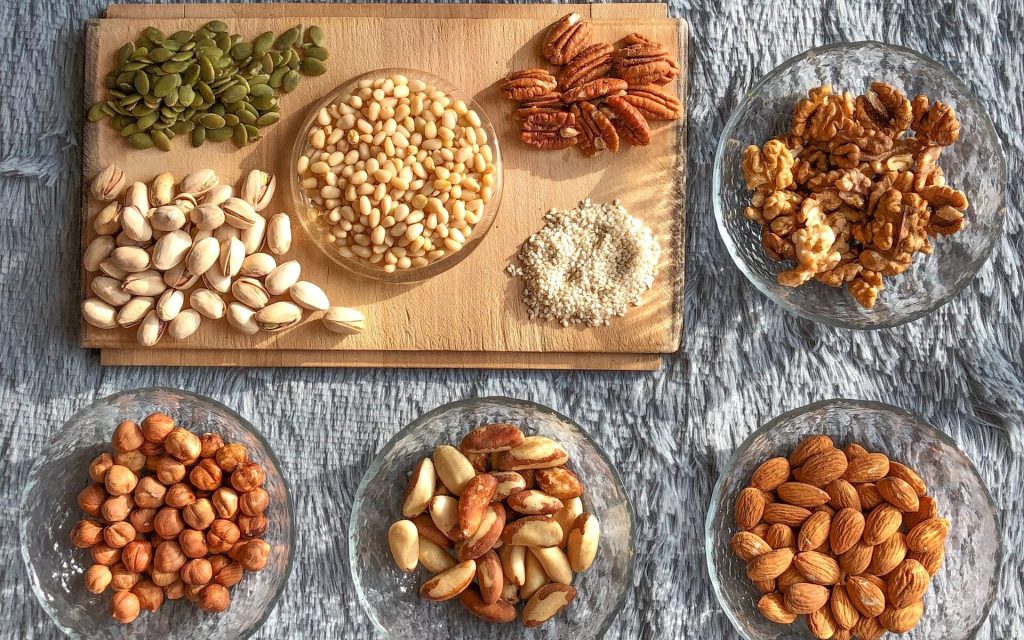
Nut Consumption Linked to Long-term Breast Cancer Survival

Photo by Pavel Kalenik on Unsplash

In a study of breast cancer survivors, the consumption of nuts was linked with reduced risks of breast cancer recurrence or death.

Researchers examined data for 3449 breast cancer survivors from the Shanghai Breast Cancer Survival Study who completed a dietary assessment five years after diagnosis. Of the participants, there were 374 deaths during a median follow-up of 8.27 years after the dietary assessment. Among 3274 survivors who did not have a previous recurrence at the time of their dietary assessment, 209 developed breast cancer-specific events, including recurrence, metastasis, or breast cancer mortality.

There was a dose-response pattern in the relationship between nut consumption and risk of breast cancer recurrence or death, with those consuming the highest amounts having the lowest risks. Also, the association was stronger for survivors who had earlier stages of breast cancer than for those who had later stages.

The findings were published in the International Journal of Cancer.

Source: Wiley