Category: Cancer

In Metastatic Colon Cancer, Youth is no Advantage

Colon cancer cells. Source: National Cancer Institute on Unsplash

Even though young patients with metastatic colorectal cancer tend to be more fit and receive more intensive treatment than older patients, both groups survive for roughly the same amount of time, according to a new study by Dana-Farber Cancer Institute investigators.

The findings, published in the Journal of the National Cancer Institute, come as colorectal cancer rates in young people are rising. The researchers said the results are somewhat surprising, as younger patients, who usually have fewer complicating health factors, might be expected to survive longer than older patients.

“As a group, younger patients are more physically active and have higher performance status and are better able to perform the activities of daily living than older patients. They also tend to be treated with higher doses of therapy and have less severe side effects,” said study senior author Kimmie Ng, MD, MPH, director of the Young-Onset Colorectal Cancer Center at Dana-Farber. “This is the first study to compare survival in younger versus older patients participating in a clinical trial of treatment for metastatic colorectal cancer.”

The study drew on clinical trial data which tested a combination of chemotherapy and biologic therapy in patients with metastatic colorectal cancer, comparing patients under 50 with those over 50.

“We found no significant difference in overall survival between the two groups,” said Dana-Farber’s Marla Lipsyc-Sharf, MD, the first author of the study. The median survival for patients with young-onset colorectal cancer was 27.07 months vs. 26.12 months for the older-onset group. Progression-free survival – how long patients lived before the cancer worsened – was also similar for the two groups: 10.87 months for the younger patients vs. 10.55 for the older ones.

Confounding expectations even further, patients under age 35 had the shortest median overall survival of any age group: 21.95 months vs 26.12 months in older-onset patients. Because the study included relatively few patients younger than 35, the difference is not considered statistically significant, researchers noted, but it aligns with previous research suggesting that very young patients have worse outcomes.

Cases are markedly on the rise: between 2000 and 2013, incidence of the disease in people under age 50 increased approximately 22%, even as overall incidence of colorectal cancer has declined. Yet despite a wellspring of new research, no definitive cause for the increase has been found.

“If current trends hold, colorectal cancer is projected to be the second leading cancer and leading cause of cancer death in patients ages 20–49 by the year 2040,” Lipsyc-Sharf stated. “It is important to understand survival in this population in order to develop tailored treatments.”

That younger patients fare no better than older ones despite more favourable factors could suggest that colorectal cancer is more aggressive at an earlier age. But there is no conclusive evidence that that is the case.

“Research has yet to identify consistent molecular differences in the colorectal cancer cells of younger patients and older patients,” Dr Lipsyc-Sharf noted. Current studies also are exploring whether differences in the intestinal microbiome of younger and older patients might explain the increased incidence of early-onset colorectal cancer.

Source: Dana Farber Cancer Institute

Telemedicine Popular Among People with Cancer Undergoing Radiotherapy

Source: Pixabay

Researchers reviewing patient surveys before and during the COVID pandemic found that nearly half preferred telemedicine and that general patient satisfaction scores were equally high for both video conferencing and office visits.

The study, published in the Journal of the National Comprehensive Cancer Network, assessed patient satisfaction and preferences for telemedicine. It found that 45% of people with cancer preferred telemedicine, while 34% preferred office visits, and 21% had no preference.

The researchers reviewed survey responses from 1077 radiation oncology patients across seven centres, with questionnaires based on office and telemedicine visits between December 2019 and June 2020. In terms of patient satisfaction, most reported either no difference or improvement with telemedicine overall (91%) compared to office visits, with similar results for their confidence in their physician (90%), understanding their treatment plans (88%), and confidence their cancer will be treated appropriately (87%).

Co-lead author Narek Shaverdian, MD, MSK Department of Radiation Oncology said: “These findings provide some evidence that there is a role for telemedicine beyond the COVID-19 pandemic and that it can be a particularly useful tool for certain patients – especially those who may have challenges coming on-site for an appointment. Giving patients flexibility and options by being able to see them both in-person and through telemedicine can improve access to care.”

Notably, two-thirds of respondents considered telemedicine to be a superior option when it came to treatment-related costs, such as travel and lost wages.

Co-lead author Erin F. Gillespie, MD, MSK Department of Radiation Oncology said, “An individual visit to the physician’s office can be costly—including transportation, parking, and time off from other activities. Telemedicine takes away most of this cost and inconvenience, and could therefore reduce the overall burden of engaging with the healthcare system. Also, the ability for family and friends to join the conversation from any location can be game-changing.”

The researchers found patient responses varied significantly between video conferencing versus audio. Patients who had telephone-only appointments were more likely to say they thought they would benefit more from an in-person visit.

“Telemedicine can be a resource to increase access to care, but only if patients have and can use these video capabilities,” said Dr. Shaverdian. “There is so much that you learn just by seeing a patient and using visual cues to guide a discussion. A voice-only encounter with a patient you’ve never met before is challenging.”

“Digital tools like telemedicine have the unfortunate potential consequence of paradoxically increasing disparities in access to care,” noted Dr. Gillespie. “But the counter to that is there will be some disadvantaged patients that would not have accessed the system at all, either due to technologic barriers or travel time, and now can connect at least by phone, which is an important and positive change.”

Source: National Comprehensive Cancer Network

Investigation of Cannabidiol Oil for Lung Cancer Suggested

Photo by Harrison Haines on Pexels

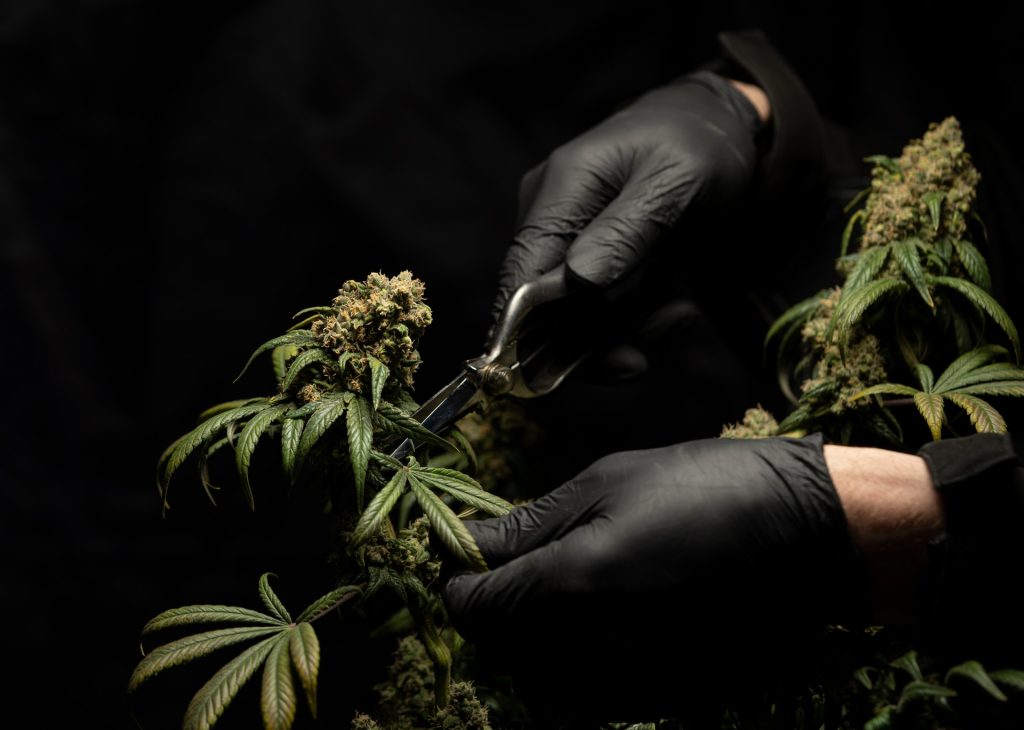
In BMJ Case Reports, doctors suggest investigating the use of cannabidiol (‘CBD’) oil as a potential lung cancer treatment, after dealing with a daily user whose lung tumour shrank in the absence of conventional treatment.

The body’s own endocannabinoids are involved in various processes, including nerve function, emotion, energy metabolism, pain and inflammation, sleep and immune function.

Cannabinoids are chemically similar to these, and can interact with signalling pathways in cells, including cancer cells. While they have been studied for use as a primary cancer treatment, there have been inconsistent results.

Despite treatment advances, survival rates for non-small cell lung cancer remain low at around 15% five years after diagnosis, with average survival without treatment is about seven months.

The authors describe the case of a woman in her 80s, a pack-a-week smoker diagnosed with non-small cell lung cancer. The woman also had mild chronic obstructive pulmonary disease (COPD), osteoarthritis, and hypertension, for which she was taking various drugs.

Her tumor was 41 mm in size at diagnosis, with no evidence of local or further spread, so was suitable for conventional treatment of surgery, chemotherapy, and radiotherapy. But the woman refused treatment, so was placed under ‘watch and wait’ monitoring, which included regular CT scans every 3-6 months.

These showed that the tumor was progressively shrinking, reducing in size from 41 mm in June 2018 to 10 mm by February 2021, equal to an overall 76% reduction in maximum diameter, averaging 2.4% a month, say the report authors.

When contacted in 2019 to discuss her progress, the woman revealed that she had been taking CBD oil as an alternative self-treatment for her lung cancer since August 2018, shortly after her original diagnosis.

She had done so on the advice of a relative, after witnessing her husband struggle with the side effects of radiotherapy. She reported consistently taking 0.5 ml of the oil, two to three times a day.

According to the supplier, the main active ingredients were Δ9-­tetrahydrocannabinol (THC) at 19.5%, cannabidiol at around 20%, and tetrahydrocannabinolic acid (THCA) at around 24%.

The supplier also said that she should avoid hot food or drinks when taking the oil as she might otherwise feel stoned. The woman reported reduced appetite since taking the oil but had no other obvious ‘side effects’. There were no other changes to her prescribed medications, diet, or lifestyle, and she continued smoking throughout.

The authors cautioned that this is just one case report, with only one other similar case reported, and it is unclear which of the CBD oil ingredients might have been helpful.

“We are unable to confirm the full ingredients of the CBD oil that the patient was taking or to provide information on which of the ingredient(s) may be contributing to the observed tumour regression,” they pointed out.

They further emphasised that, “although there appears to be a relationship between the intake of CBD oil and the observed tumuor regression, we are unable to conclusively confirm that the tumor regression is due to the patient taking CBD oil.”

The authors concluded that, “more research is needed to identify the actual mechanism of action, administration pathways, safe dosages, its effects on different types of cancer and any potential adverse side effects when using cannabinoids.”

Source: News-Medical.Net

Link Between High Cholesterol and Breast Cancer Explained

Source: National Cancer Institute

While chronically high cholesterol levels are linked to increased risks of breast cancer and worse outcomes in most cancers, the link had not been fully understood until now.

In a study published in Nature Communications, researchers identify the mechanisms at work, describing how breast cancer cells utilise cholesterol to develop stress tolerance, preventing them from dying as they migrate from the original tumour site.

“Most cancer cells die as they try to metastasise – it’s a very stressful process,” said senior author Donald P. McDonnell, Ph.D., professor in the departments of Pharmacology and Cancer Biology and Medicine at Duke University School of Medicine. “The few that don’t die have this ability to overcome the cell’s stress-induced death mechanism. We found that cholesterol was integral in fueling this ability.”

McDonnell and colleagues built on earlier research in their lab focusing on the link between high cholesterol and oestrogen-positive breast and gynaecological cancers. Those studies found that cancers fueled by the oestrogen hormone benefitted from derivatives of cholesterol that act like oestrogen, stoking cancer growth.

But a paradox emerged for estrogen-negative breast cancers. These cancers are not oestrogen dependent, but high cholesterol is still associated with worse disease, which indicates the possible effect of a different mechanism.

In the current study using cancer cell lines and mouse models, the Duke researchers found that migrating cancer cells gobble cholesterol in response to stress. Most die.

However, those that live emerge with a super-power that makes them able to withstand ferroptosis, a natural process in which cells succumb to stress. These stress-impervious cancer cells then proliferate and readily metastasise.

Other tumours beside ER-negative breast cancer cells use this process. including melanoma. And the mechanisms identified could be targeted by therapies.

“Unraveling this pathway has highlighted new approaches that may be useful for the treatment of advanced disease,” McDonnell said. “There are contemporary therapies under development that inhibit the pathway we’ve described. Importantly, these findings yet again highlight why lowering cholesterol — either using drugs or by dietary modification — is a good idea for better health.”

Source: Duke University

Many Breast Cancer Patients Don’t Discuss Cannabis Use with Docs

Photo by Crystalweed Cannabis on Unsplash

About half of US adults with breast cancer use cannabis as an adjunct to cancer treatment for symptom and side effect management. However, most don’t discuss their use of cannabis with their physicians, according to a new study.

Pain, fatigue, nausea, and other difficulties often arise from cancer and its treatment, and some patients turn to cannabis for relief of their symptoms. However, many physicians feel that they lack the necessary knowledge to discuss cannabis with their patients. Such knowledge is especially important now that cannabis use is becoming more widespread.

In a study published in CANCER, researchers reported the results of an anonymous online survey to examine cannabis use among adults who were diagnosed with breast cancer within five years and were members of the Breastcancer.org and Healthline.com online health communities.

The findings revealed that:

  • Of the 612 participants, 42% reported using cannabis for relief of symptoms, including pain, insomnia, anxiety, stress, and nausea/vomiting. Among those who used cannabis, 75% reported that it was extremely or very helpful at relieving their symptoms.
  • Nearly half (49%) of participants who used cannabis believed that medical cannabis can be used to treat cancer itself; however, its effectiveness against cancer is unclear.
  • Among those using cannabis, 79% had used it during treatment, which included systemic therapies, radiation, and surgery.
  • Participants reported using a wide range of different cannabis products known to vary in quality and purity.
  • Half of participants sought information on medical cannabis, and websites and other patients were ranked as the most helpful sources of information. Physicians ranked low on the list.
  • Among those who sought information on cannabis use for medical purposes, most were unsatisfied with the information they received.
  • Most participants believed cannabis products to be safe and were unaware that the safety of many products is untested.

“Our study highlights an important opportunity for providers to initiate informed conversations about medical cannabis with their patients, as the evidence shows that many are using medical cannabis without our knowledge or guidance,” said lead author Marisa Weiss, MD, of Breastcancer.org and Lankenau Medical Center near Philadelphia, Pennsylvania. “Not knowing whether or not our cancer patients are using cannabis is a major blind spot in our ability to provide optimal care, and as healthcare providers, we need to do a better job of initiating informed conversations about medical cannabis with our patients to make sure their symptoms and side effects are being adequately managed while minimising the risk of potential adverse effects, treatment interactions, or non-adherence to standard treatments due to misinformation about the use of medical cannabis to treat cancer.”

Dr Weiss added that patients should never use cannabis as an alternative to standard cancer treatment, and clinicians should inform patients about the safe and effective use of cannabis as an adjunct to their cancer treatment plan.

Source: Wiley

Dexamethasone in Cancer Surgery Boosts Survival Rates

Photo by Anna Shvets on Pexels

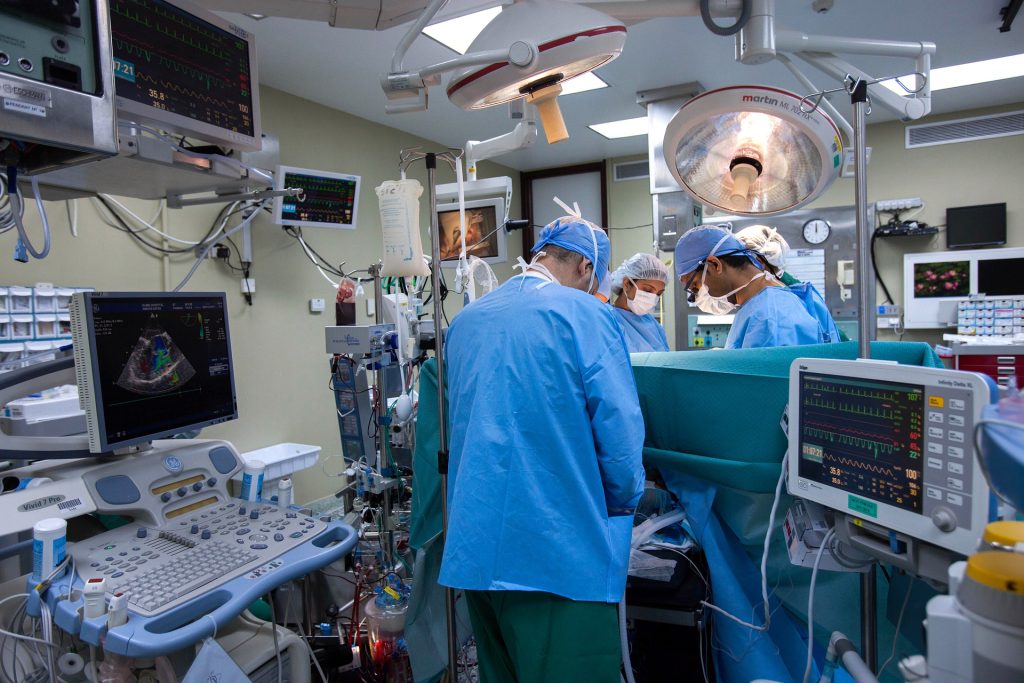
The survival of patients with breast, pancreatic and certain other cancers could be extended if given the anti-nausea drug dexamethasone during surgery. 

This finding comes from a large study being presented at the ANESTHESIOLOGY® 2021 annual meeting.

A drug with an already great range of uses including COVID treatment, dexamethasone is given to patients to prevent nausea and vomiting after surgery and during chemotherapy. Researchers found dexamethasone can improve mid- to long-term outcomes in patients with non-immunogenic cancers (those that don’t provoke a strong immune response) such as sarcoma and cancers of the breast, uterus, ovary, esophagus, pancreas, thyroid, bones and joints.

“Dexamethasone has positive and negative effects – it inhibits cancer growth, but also suppresses the immune system,” said senior author Maximilian Schaefer, MD, PhD. “Previous research has reported that in cancers in which the immune system controls cancer growth, the positive and negative effects of dexamethasone balance each other, so there is no benefit. Ours is the first large study to show that for a wide variety of cancers where the immune system does not play a major role, the positive effects seem to predominate.”

Researchers analysed the records of over 74 000 patients who had surgeries to remove non-immunogenic cancerous tumours, about a third of whom received dexamethasone during surgery. After 90 days, 209 (0.83%) of the patients who had received dexamethasone died vs 1543 (3.2%) of patients without the drug.

After accounting for confounding factors, including that dexamethasone is often administered to younger patients, there was still a 21% reduced risk of dying within one year after surgery for those who received the drug. It was also shown to be particularly beneficial for patients with cancers of the ovary, uterus or cervix.

“Based on our data, physician anesthesiologists should feel more confident in administering dexamethasone to patients undergoing surgery for non-immunogenic cancers,” said Dr Schaefer. “It not only helps with nausea, but it also may result in improved survival.”

Source: American Society of Anesthesiologists

Older Patients with Advanced Lung Cancer Suffer Reduced Mobility

Source: Miika Luotio on Unsplash

New research found that older patients with non-small cell lung cancer often have low life-space mobility prior to starting lung cancer treatment. Life-space mobility is the ability to move within one’s environment from the home to the wider community. The findings were published in the Journal of the American Geriatrics Society.

The study recruited 93 patients aged 65 to 94 with advanced NSCLC starting palliative chemotherapy, immunotherapy, and/or targeted therapy from a Comprehensive Cancer Center, Veterans Affairs, and safety-net clinic. Patients completed geriatric assessments including Life-Space Assessment (LSA) pretreatment and at 1, 2, 4, and 6 months after treatment initiation. 

The Life-Space Assessment scores had a range of 0 to 120, with a score under 60 being considered restricted. The researchers found that the average pretreatment score was 67. On average, the score fell by 10 points from pretreatment to one month after treatment started and remained low at six months.  

The decline at one month was greater among patients with high anxiety. On the other hand, a lower body mass index prior to starting treatment was associated with an improvement in the score during treatment.  

“Life-space mobility is a well-studied patient-centered outcome in general aging research but is only now being examined for older adults with cancer,” said lead author Melisa L. Wong, MD, MAS, of the University of California, San Francisco. “Our study’s novel design provided a unique lens into how quantitative changes in life-space mobility are experienced qualitatively by older adults with lung cancer.”

Source: Wiley

1 in 7 Cancer Patients Missed Surgery Due to Lockdowns

Source: Pixabay CC0

One in seven cancer patients around the world have missed out on potentially life-saving operations during COVID lockdowns, according to a new study led by the University of Birmingham.

Planned cancer surgery was impacted by lockdowns regardless of the local COVID rates at that time, especially in lower income countries.
Though lockdowns have protected the public from COVID, they have had collateral impact on care for other patients and health conditions. Researchers in this study showed that lockdowns resulted in significant delays for cancer surgery and potentially more cancer deaths.

Researchers are calling for major global reorganisation during the pandemic recovery to provide protected elective surgical pathways and critical care beds that will allow surgery to continue safely, as well as investment in ‘surge’ capacity for future public health emergencies.

‘Ring-fenced’ intensive care beds would support patients with other health conditions and those with advanced disease (who are most at risk from delays) to undergo timely surgery. Investment in staffing and infrastructure for emergency care would mitigate against disruption of elective services.

The COVIDSurg Collaborative involved 5000 surgeons and anaesthetists around the world working together as part of the to analyse data from the 15 most common solid cancer types in 20 000 patients in 61 countries. The findings were reported in The Lancet Oncology.

The researchers compared cancellations and delays before cancer surgery during lockdowns to those during times with light restrictions. During full lockdowns, one in seven patients (15%) did not receive their planned operation after a median of 5.3 months from diagnosis – all with a COVID related reason for non-operation. However, during light restriction periods, the non-operation rate was very low (0.6%).

Patients awaiting surgery for longer than six weeks during full lockdown were less likely to have their planned cancer surgery. Frail patients, those with advanced cancer, and those waiting surgery in lower-middle income countries were all less likely to have the cancer operation they urgently needed.

Researchers analysed data from adult patients suffering from cancer types including colorectal, oesophageal, gastric, head and neck, thoracic, liver, pancreatic, prostate, bladder, renal, gynaecological, breast, soft-tissue sarcoma, bony sarcoma, and intracranial malignancies.

Lockdowns directly impact hospital procedures and planning, as health systems change to reflect stringent government policies restricting movement. The researchers found that full and moderate lockdowns independently raised the likelihood of non-operation after adjustment for local COVID case notification rates. They hope that this information will help guide future lockdowns and restrictions by governments.

Source: University of Birmingham

COVID Vaccines less Effective in Patients Undergoing Chemotherapy

Photo by National Cancer Institute on Unsplash

New research has found that patients undergoing active chemotherapy had a lower immune response to two doses of the COVID vaccine, although a third dose increased response.

“We wanted to make sure we understand the level of protection the COVID vaccines are offering our cancer patients, especially as restrictions were being eased and more contagious variants were starting to spread,” said Rachna Shroff, MD, MS, University of Arizona Health Sciences.

To find out, Dr Shroff and colleagues looked at 53 Cancer Center patients on immunosuppressive active cancer therapy, such as chemotherapy. They compared the immune response following the first and second dose of the Pfizer-BioNTech COVID vaccine with that of 50 healthy adults. 

After two vaccine doses, most of the cancer patients showed some immune response to the vaccine in that they had produced antibodies for SARS-CoV-2.

“We were pleasantly surprised,” said Deepta Bhattacharya, PhD, professor of immunobiology in the College of Medicine – Tucson. “We looked at antibodies, B cells and T cells, which make up the body’s defense system, and found the vaccine is likely to be at least partially protective for most people on chemotherapy.”

However, this  immune response was much lower than in healthy adults, and a few of the patients had no response to the COVID  vaccine. This translates to less protection against SARS-CoV-2, especially the now-dominant Delta variant.

Twenty patients returned for a third shot, which boosted the immune response for most. The overall group immune response after the third shot reached levels similar to those of people who were not on chemotherapy after two doses.

The results were published in Nature Medicine.

Source: University of Arizona Health Sciences

Radiation after Breast-conserving Surgery Reduces Cancer Recurrence

Source: National Cancer Institute

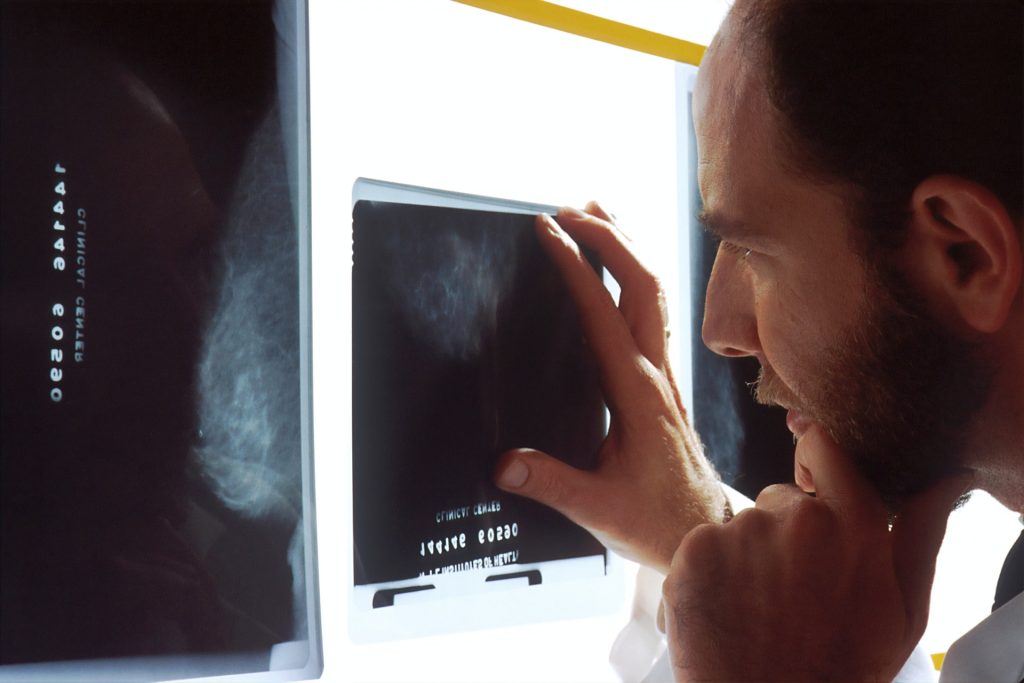
A long-term follow up analysis of a trial has shown that breast radiation following lumpectomy significantly reduces incidence of ipsilateral breast recurrence (IBR) for “low risk” DCIS.

NRG-RTOG 9804 is a clinical study conducted by the National Cancer Institute National Clinical Trials Network group NRG Oncology. These results were recently published in JCO.

IBR occurs at a rate of 5-10% after breast-conserving surgery. The NRG-RTOG 9804 study enrolled 636 women with a median age of 58 between December 1999 and July 2006. Patients were randomised to breast radiation (RT) or observation (OBS) treatment groups. All patients who participated in the trial underwent annual mammography and specified clinical exam intervals. For this analysis, the median follow up time was 13.9 years.

Analysis focused on the long-term cumulative incidence of IBR, the primary endpoint in the study. The study hypothesised that radiation would significantly reduce IBR from 6% to 3.5% at 5 years, assuming that the reduction in IBR from RT would be less than previous trials that included higher grades and larger sizes of DCIS. With long-term follow-up, cumulative incidence of IBR remained statistically significantly lower with RT, as compared to OBS. At 10 and 15 years, the cumulative incidence of IBR with OBS was 9.2% and 15.1%, respectively, and was 1.5% and 7.1%, respectively, with RT. The 10 and 15 year invasive IBR incidence, respectively, was 0.4% and 5.4%  with RT; 4.3%  and 9.5% with OBS. A total of 52 IBRs were observed; 14 in the RT arm and 38 in the OBS arm.

No statistically significant differences in mastectomy, distant metastasis, overall or disease-free survival were seen between the two treatment arms.

“Since IBR risk continues to increase through at least 15 years, with radiation conferring both a delay and decrease in this risk, the data presented support the decision to treat patients who wish to minimise their IBR and particularly the invasive cancer risk long term. Factors such as age, life expectancy, and willingness (if oestrogen receptor–positive) to take antioestrogen therapy should be taken into consideration in this patient-doctor shared decision,” stated lead author Beryl McCormick, MD, of the Memorial Sloan Kettering Cancer Center.

Source: NRG Oncology