Category: Cancer

Ultrasound Scans Proven Effective in Prostate Cancer Diagnosis

Photo by MART PRODUCTION from Pexels

Results from a clinical trial showed that ultrasound scans are effective in prostate cancer diagnosis, which would be a cheaper option than MRI for low- and middle income countries. The study is published in Lancet Oncology.

“MRI scans are one of the tests we use to diagnose prostate cancer,” said Professor Hashim Ahmed, lead author of the study and Chair of Urology at Imperial College London. “Although effective, these scans are expensive, take up to 40 minutes to perform and are not easily available to all. Also, there are some patients who are unable to have MRI scans such as those with hip replacements or claustrophobia fears.  As cancer waiting lists build as a result of the COVID pandemic, there is a real need to find more efficient and cheaper tests to diagnose prostate cancer.

“Our study is the first to show that a special type of ultrasound scan can be used as a potential test to detect clinically significant cases of prostate cancer.  They can detect most cases of prostate cancer with good accuracy, although MRI scans are slightly better.

“We believe that this test can be used in low and middle income settings where access to expensive MRI equipment is difficult and cases of prostate cancer are growing.”

Prostate cancer develops slowly and symptoms such as the blood in the urine do not appear until the disease has developed. It usually affects men over 50 and often men with a family history of the disease. Black men are disproportionately impacted by the disease and prostate cancer deaths now exceed those from breast cancer.

One of the principal means of prostate cancer diagnosis is a multi-parametric MRI (mpMRI) scan. However, the 40-minute scan costs £350–450 (R7000-9000).

This new study tested multiparametric ultrasound (mpUSS) to image the prostate. Elastography examines tissue hardness, doppler and contrast-enhancement with microbubbles measures blood flow. As cancers are denser and have greater blood supply, they show up more clearly.
While mpUSS is more widely available than mpMRI, no large-scale studies have been done thus far to validate its effectiveness as a test to detect prostate cancer cases.

For the trial the team recruited 370 men at risk of prostate cancer. They were identified following initial tests such as a prostate-specific antigen (PSA) test and/or an abnormal digital rectal examination.

The men underwent both mpUSS and mpMRI scans at separate visits. This was then followed by biopsies for 257 patients who had a positive mpUSS or mpMRI test result. Cancer was detected in 133 men, with 83 men diagnosed with clinically significant cancer.

Individually, mpUSS detected 66 cases of clinically significant cancer compared to mpMRI which detected 77 cases.

Although mpUSS detected 4.3% fewer clinically-important prostate cancers compared to mpMRI, this method would lead to 11.1% more patients being biopsied as a result of false positives from the mpUSS.

The researchers believe that mpUSS could be an alternative to mpMRI as a first test for patients at risk of prostate cancer, particularly where mpMRI cannot be carried out. As both imaging tests missed clinically-important cancers detected by the other, using both would increase the detection of clinically-important prostate cancers overall.

Source: Imperial College London
To Properly Use AI to Analyse Breast Cancers, Look to Past Mistakes

Source: National Cancer Institute

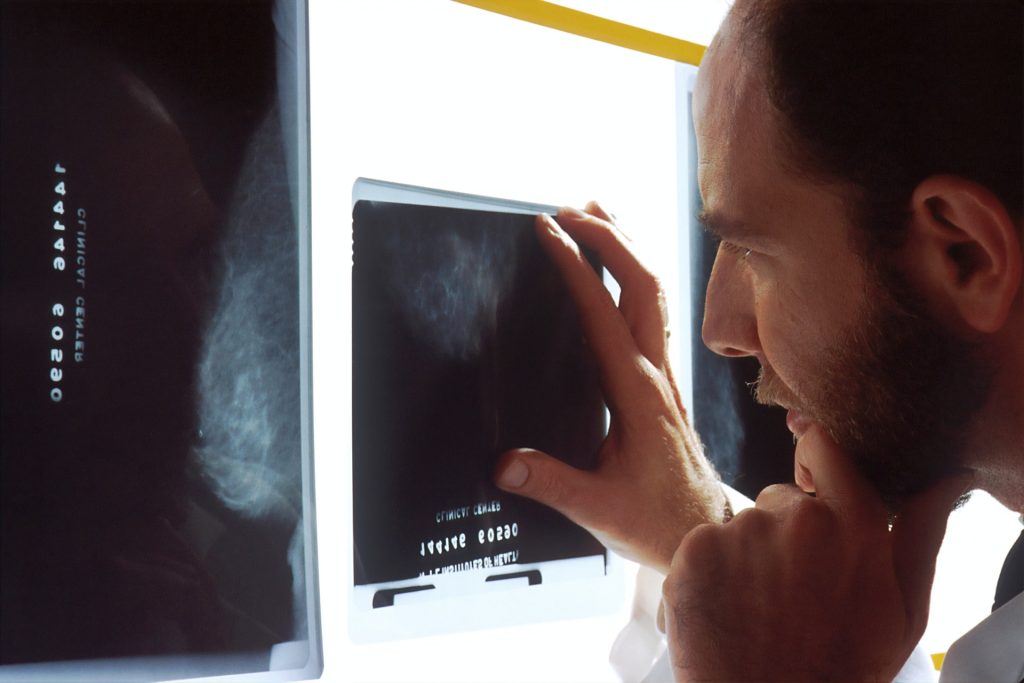
Doctors writing in an editorial in JAMA Health Forum caution that while using AI to analyse breast cancer tumours has the potential to improve healthcare efficiency and outcomes, similar technological leaps have previously led to higher rates of false-positive tests and over-treatment.

The editorial wasco-written by Joann G. Elmore, MD, MPH, professor of medicine at the David Geffen School of Medicine at UCLA, and Christoph I. Lee, MD, MS, MBA, a professor of radiology at the University of Washington School of Medicine.

“Without a more robust approach to the evaluation and implementation of AI, given the unabated adoption of emergent technology in clinical practice, we are failing to learn from our past mistakes in mammography,” the authors wrote.

One of those “past mistakes in mammography,” the authors said, was adjunct computer-aided detection (CAD) tools, which grew rapidly in popularity in the field of breast cancer screening starting more than two decades ago. CAD was approved by the FDA in 1998, and by 2016 more than 92% of U.S. imaging facilities were using the technology to interpret mammograms and hunt for tumours. However, CAD did not improve mammography accuracy., according to the evidence. “CAD tools are associated with increased false positive rates, leading to overdiagnosis of ductal carcinoma in situ and unnecessary diagnostic testing,” the authors wrote. The US Medicare system stopped paying for CAD in 2018, but by then the tools had run up more than $400 million a year in wasted health costs.

“The premature adoption of CAD is a premonitory symptom of the wholehearted embrace of emergent technologies prior to fully understanding their impact on patient outcomes,” Drs Elmore and Lee wrote. “As AI algorithms are increasingly receiving FDA clearance and becoming commercially available with ROC curves similar to what we observed prior to CAD clearance and adoption, how can we prevent history from repeating itself?”

The doctors suggest a number of safeguards to avoid “repeating past mistakes” such as tying reimbursement to proven efficacy.

Source: UCLA Health

New Recommendations for Earlier Breast Cancer MRI Screening

This screening MRI detected a very small cancer (circled) in the patient’s breast.
Credit: Dr. Kathyrn Lowry

Annual MRI screenings starting at ages 30 to 35 may slash breast-cancer mortality by more than 50% among women with genetic changes in three genes, according to a study published in JAMA Oncology.

The pathogenic variants are in the ATM, CHEK2 and PALB2 genes – which collectively are as prevalent as the much-reported BRCA1/2 gene mutations. The study authors state that their findings support earlier MRI screening in these women.

“Screening guidelines have been difficult to develop for these women because there haven’t been clinical trials to inform when to start and how to screen,” said lead author Dr Kathryn Lowry.

The work was a collaboration of the Cancer Intervention and Surveillance Modeling Network (CISNET), the Cancer Risk Estimates Related to Susceptibility (CARRIERS) consortium, and the Breast Cancer Surveillance Consortium.

To arrive at their model, the researchers input age-specific risk estimates from CARRIERS involving some 64 000 women and recent published data for screening performance.

“For women with pathogenic variants in these genes, our modeling analysis predicted a lifetime risk of developing breast cancer at 21% to 40%, depending on the variant,” Dr Lowry said. “We project that starting annual MRI screening at age 30 to 35, with annual mammography starting at age 40, will reduce cancer mortality for these populations of women by more than 50%.”

The simulations compared the combined performance of mammography and MRI against mammography alone, and projected that annual MRI conferred significant additional benefit to these populations.

“We also found that starting mammograms earlier than age 40 did not have a meaningful benefit but increased false-positive screens,” Dr Lowry added.

Results from CISNET models have informed past guidelines, including the 2009 and 2016 U.S. Preventive Services Task Force recommendations for breast cancer screening in average-risk women.

“Modelling is a powerful tool to synthesise and extend clinical trial and national cohort data to estimate the benefits and harms of different cancer control strategies at population levels,” said senior author Dr Jeanne Mandelblatt.

The study projected about four false-positive screening results and one to two benign biopsies per woman over a 40-year screening span, the authors noted.

To get any benefit from genetic susceptibility-based screening guidelines, a woman would have to know beforehand that she carries the gene, yet most often a genetic test panel is done after a positive cancer result – too late for any benefit.

“People understand very well the value of testing for variants in BRCA1 and BRCA2, the most common breast cancer predisposition genes. These results show that testing other genes, like ATM, CHEK2, and PALB2, can also lead to improved outcomes,” said senior author Dr Mark Robson.

The researchers hope their analysis will aid the National Comprehensive Cancer Network (NCCN), the American Cancer Society and other organizations that issue guidance for medical oncologists and radiologists.

“Overall what we’re proposing is slightly earlier screening than what the current guidelines suggest for some women with these variants,” said senior author Professor Allison Kurian. “For example, current NCCN guidelines recommend starting at age 30 for women with PALB2, and at 40 for ATM and CHEK2. Our results suggest that starting MRI at age 30 to 35 appears beneficial for women with any of the three variants.”

Source: University of Washington

Researchers Halt Aspirin Trial to Prevent Breast Cancer Recurrence

Source: National Cancer Institute

A large randomised trial was halted after preliminary analysis found that taking aspirin after treatment for breast cancer did not reduce the risk of disease recurrence.

Laboratory studies had previously shown that aspirin and nonsteroidal anti-inflammatory drugs (NSAIDs) reduced breast cancer growth and invasion. Non-steroidal anti-inflammatory drugs (NSAIDs) display anticancer activity through the inhibition of the COX-2 enzyme, triggering processes such as apoptosis, a reduction in proliferation and inhibition of carcinogenesis.  Several observational studies have shown a reduced risk of breast cancer mortality among regular aspirin users. 

There was a 25% higher risk of invasive recurrence in patients who took aspirin for a median of 18 months, but not statistically different from placebo (P = 0.1258). The aspirin group had an excess of all disease-related events, including death, local and distant recurrence/progression, and new primary tumours.

The results are in line with similar trials that ended while the Aspirin after Breast Cancer (ABC) trial was ongoing, Wendy Y. Chen, MD, of Dana-Farber Cancer Institute in Boston, said during a presentation at the American Society of Clinical Oncology (ASCO) Plenary Series.

“In this double-blind, placebo-controlled randomised trial, there was no benefit of aspirin 300 milligrams daily in terms of breast cancer invasive disease-free survival,” reported Dr Chen. “Although follow-up was short, the futility bound was clearly crossed. We had reached 50% of the events, and there was a numerically higher number of events in the aspirin arm. Therefore, it was unlikely that even with further follow-up there wouldn’t be any benefit associated with aspirin.”

“Although inflammation may still play a key role in cancer, it’s important to remember that aspirin may have different effects in other cancers, such as colon, or in different settings, such as primary versus secondary prevention,” she added.

Though the trial was well designed, enrolled the right population and with adequate dosing. the trial was stopped early for futility, commented Angela DeMichele, MD, of the Abramson Cancer Center at the University of Pennsylvania.

“The direction and magnitude [of the difference in events] highly preclude the possibility that there would have been a benefit with more follow-up,” said Dr DeMichele. “Although it was not statistically significant, we cannot rule out the possibility of a potential increase in breast cancer recurrence from the use of aspirin.”

“For patients and providers at this time, aspirin should not be used simply to prevent breast cancer recurrence,” she continued. “For those situations in which there are other options, decisions about aspirin use for other indications should definitely include an individualised risk/benefit discussion between physician and patient.”

The results underscore the need for prospective, randomised clinical trials to validate the effects of interventions from observational studies, she concluded.

The ABC trial involved patients under 70 with HER2-negative, high-risk breast cancer. The study randomised 3021 participants to 300 mg of aspirin daily or matching placebo for 5 years, with the primary endpoint being invasive disease-free survival. 

Dr Chen further noted that three clinical trials of aspirin or NSAID treatment ended while the ABC trial was ongoing. The Canadian-led MA.27 trial of an aromatase inhibitor plus celecoxib ended due to toxicity in the celecoxib arm. The randomised REACT trial of celecoxib in HER2-negative breast cancer showed no difference in disease-free survival after more than 6 years of follow-up.

The ASPREE trial tested low-dose aspirin on all-cause mortality in healthy older patients, and results showed a trend to increased all-cause mortality and significantly higher cancer mortality in the aspirin arm. 
During the post-presentation discussion, an audience member asked whether the results definitively ruled out a late benefit of aspirin, given that most patients had HR-positive disease wherein late relapse is not uncommon.

“It’s always frustrating when a study is closed early, and it was done in this case after we had reached 50% of the expected benefits,” said Chen. “There was an increase [in clinical events]. Not a statistically significant increase, but it was bordering on statistical significance. In order for aspirin to have a benefit, it would mean that in the second half, there would need to be a significantly decreased risk. It would basically need to flip and that would be biologically difficult to imagine.”

“I think it’s fair to say that this study doesn’t say definitively that there’s harm, but as for the likelihood of a benefit of aspirin, that would be extremely unlikely,” she said.

Source: MedPage Today

‘A-Maize-ing’ Nanoparticles Target Cancer Cells Directly

Computer=generated depiction of nanoparticles

Researchers have recently developed novel nanoparticles derived from maize that can target cancer cells directly, via an immune mechanism. The results of this study, published in Scientific Reports, are encouraging, and the technique has demonstrated efficacy in treating tumour-bearing laboratory mice with no adverse effects.

Nanoparticles, or particles whose size varies between 1 and 100nm, have shown tremendous potential in many areas of science and technology, including therapeutics. However, conventional, synthetic nanoparticles are complicated and expensive to produce and alternatives such as extracellular vesicles (EVs) have mass production challenges.
Another recently emerging option is that of plant-derived nanoparticles (NPs), which can be easily produced in high levels at relatively lower costs. Like EVs, these nanoparticle-based systems also contain bioactive molecules, including polyphenols (which are known antioxidants) and microRNA, and they can serve as vehicles for targeted drug delivery.

Recently, researchers from the Tokyo University of Science (TUS) developed anti-cancer bionanoparticles, using corn (maize) as the raw material.
Lead researcher Professor Makiya Nishikawa explained: “By controlling the physicochemical properties of nanoparticles, we can control their pharmacokinetics in the body; so, we wanted to explore the nanoparticulation of edible plants. Maize, or corn, is produced in large quantities worldwide in its native form as well as in its genetically modified forms. That is why we selected it for our study.” 

The team centrifuged a super-sweet corn juice and then filtered it through a syringe filter with a 0.45μm pore size, then ultracentrifuged to obtain NPs derived from corn. The corn-derived NPs (cNPs) were approximately 80nm in diameter with a tiny net negative charge of -17mV.

The research team then set up experiments to see whether these cNPs were being taken up by various types of cells. In a series of promising results, the cNPs were taken up by multiple types of cells, including the clinically relevant colon26 tumor cells (cancer cells derived from mice), RAW264.7 macrophage-like cells, and normal NIH3T3 cells. RAW264.7 cells are commonly used as in vitro screens for immunomodulators.

The results were astounding: of the three types of cells, cNPs only significantly inhibited the growth of colon26 cells, indicating their selectivity for carcinogenic cell lines. Moreover, cNPs were able to successfully induce the release of tumour necrosis factor-α (TNF-α) from RAW264.7 cells. TNFα is primarily secreted by macrophages, natural killer cells, and lymphocytes, which help mount an anticancer response. “The strong TNFα response was encouraging and indicated the role of cNPs in treating various types of cancer,” explains Dr. Daisuke Sasaki, first author of the study and an instructor and researcher at TUS.

A luciferase-based assay revealed that the potent combination of cNPs and RAW264.7 cells significantly suppressed the proliferation of colon26 cells. Finally, the research team studied the effect of cNPs on laboratory mice bearing subcutaneous tumours. Once again, the results were astonishing: daily injections of cNPs into colon26 tumours significantly suppressed tumour growth, without causing serious side effects, or weight loss.

“By optimising nanoparticle properties and by combining them with anticancer drugs, we hope to devise safe and efficacious drugs for various cancers,” observed an optimistic Prof Nishikawa.

Source: Tokyo University of Science

A Protein’s Role in Why Some Tumours Metastasise

Melanoma cells. Source: National Cancer Institute.

Researchers have identified a protein which explains why some tumours metastasise, contributing to a better understanding of the process in certain types of cancer. 

In a study published in Frontiers in Oncology, researchers focused on MFSD1 – the mammalian relative of a protein they had previously identified as affecting cell migration in fruit flies. created mouse cancer cells lacking the protein. Without the protein, cells travelled much faster, suggesting that MFSD1 prevents the cells from moving. The team tested their theory in living mice with breast, colon, and skin cancer. “In the absence of MFSD1, there was a strong increase in metastasis,” said lead researcher Professor Daria Siekhaus.

“We wanted to know why lower MFSD1 levels were beneficial to the tumour apart from allowing them to move more freely. As cancer cells travel through the blood for example, they experience a lot of mechanical stress,” explained first author Marko Roblek. 

So the researchers performed a stress test on cancer cells with and without the protein. Using a tiny rubber scraper, Roblek tried to scrape the cells off the surface of the Petri dish in which he had grown them. While the cancer cells with MFSD1 quickly died under the mechanical stress, those without the protein tended to remain intact. Without the protein, the team concluded, certain tumour cells could more easily enter the bloodstream and find their way to other parts of the body. In another experiment, the researcher tested the cancer cell’s resistance to nutrient starvation with a similar result. Again, the cells lacking MFSD1 survived for longer.

The protein MFSD1 appeared to cause the cells’ reaction to starvation and mechanical stress by affecting specific receptors located at the cell surface. These receptors, known as integrins, ensure the cells stick to each other and the extracellular matrix. The cell produces these receptors, transports them to the cell surface and back inside the cell. If a tumour cell lacks MFSD1, they fail to recycle a certain type of integrin. “The result is that the cells stick less to the surrounding tissue and each other, which makes it easier for them to migrate,” said Prof Siekhaus.

Anonymised patient data supported this, showing a correlation between the level of MFSD1 and the patient’s prognosis. “We’ve seen that patients suffering from specific forms of breast, gastric and lung cancer who had lower levels of MFSD1 had a worse outcome. A high level of MFSD1 seems to be protective – it works like a suppressor of tumor metastasis,” said cancer researcher Roblek.

To optimise therapy for their patients, doctors are already analysing the expression of certain genes. Now, they can also look for the gene encoding the protein MFSD1. “If this marker becomes more established, doctors can use it to help classify how aggressive the cancer is and to decide between different treatment options,” suggested Prof Siekhaus. 

In future studies, the team wants to focus in detail on how the protein functions on a molecular level and is curious to learn if artificially raising the amount of MFSD1 could help suppress the spread of certain tumours. The long term goal is to examine if it can be used as a therapeutic target.

Source: EurekAlert!

Genetic Underpinnings of Acne Uncovered by Study

Photo by cottonbro from Pexels

A study into the genetics of acne revealed 29 regions of the genome that underpin the condition, which could offer potential new treatment targets and may also help clinicians identify individuals at high risk of severe disease.

A common skin condition, acne is estimated to affect 80% of adolescents, with common features including spots and cysts, pigment changes and scarring. The face is the most common site, with the chest and back also frequently involved. The negative psychological consequences of acne are seen in all ages, but are of particular concern for many adolescents.

The research, published in Nature Communications, analysed nine genome wide association study datasets from patients around the world. These studies involved scanning the whole genomes of 20 165 people with acne and 595 231 without. The study identified 29 new genetic variants that are more common in people with acne. It also confirmed 14 of the 17 variants already known to be associated with the condition, which brings the total number of known variants to 46.

Professor Catherine Smith at St John’s Institute of Dermatology at Guy’s and St Thomas’ said: “Despite major treatment advances in other skin conditions, progress in acne has been limited. As well as suffering from the symptoms of acne, individuals describe consequent profound, negative impacts on their psychological and social wellbeing. It’s exciting that this work opens up potential avenues to find treatments for them.”

A number of genes associated with acne were identified, and are also linked to other skin and hair conditions. The team believe this will help to understand the causes of acne, which could be a mix of factors.

“We know that the causes of acne are complicated, with a mix of biological factors such as genetics and hormones, and environmental factors,” said Professor Michael Simpson at King’s College London. “Understanding the genetics of the condition will help us to disentangle some of these causes, and find the best way to treat the condition. This is a really promising area for further study, and opens up a lot of avenues for research.”

The study also uncovered a link between the genetic risk of acne and disease severity. Individuals with the highest genetic risk are more likely to have severe disease. While further research is required, this finding raises the potential to identify individuals at risk of severe disease for early intervention.

Source: NIHR Biomedical Research Centre at Guy’s and St Thomas’ and King’s College London

New Guidelines for Brain Cancer Care

Credit: National Cancer Institute

New guidelines for managing and treating brain metastases have been published in the Journal of Clinical Oncology and are set to improve care for cancer patients and extend and improve the quality of their lives.

The new guidelines come from an expert panel assembled by the American Society of Clinical Oncology (ASCO). The panel included a diverse range of top cancer doctors, as well as a patient representative.

The guidelines reflect the enormous advances in care for brain metastases  over the last few decades. In the 1970s, early attempts to develop guidelines largely emphasised steroids and whole-brain radiation therapy, without controlled, randomised studies to guide the use of surgery and chemotherapy.

Far more encompassing and far more evidence-based, the new guidelines will help doctors and patients make the best treatment decisions and achieve the best outcomes.

“When I started in this field 30 years ago, the average survival with brain metastases was 4 months, and most patients died from the brain disease. With improvements in therapies, fewer than one-quarter of patients die from the brain metastases, and some patients live years or are even cured,” said David Schiff, MD, a co-chair of the ASCO panel and the co-director of UVA Cancer Center’s Neuro-Oncology Center. “Equally importantly, the use of advanced localised radiation techniques and new targeted chemotherapies and immunotherapies have improved the quality of survival for most patients suffering from brain metastases.”

Up to 30% of cancer patients will have it spread to the brain, where it can be extremely difficult to treat. In the United States, approximately 200 000 new brain metastases are diagnosed each year.

The likelihood of a solid tumour spreading to the brain varies by cancer type, with approximately 20% of lung cancers spreading to the brain within a year after diagnosis. For patients with breast cancer, renal cell cancer or melanoma, that number is up to 7%. That is in addition to the patients found to have brain metastases at the time of their initial diagnosis.

Bringing together a diverse range of disciplines, the ASCO panel incorporated the results of more than 30 randomised trials published since 2008. The resulting guidelines cover everything from when surgery is appropriate and when and in what form radiation should be used to those circumstances in which medication alone may be employed.

The guidelines emphasise the importance of local therapies (surgery or stereotactic radiosurgery) for symptomatic brain metastases and lay out when these options are feasible. They highlight situations in which local therapy or whole brain radiotherapy can be deferred in place of chemotherapy, targeted therapy or immunotherapy depending on tumour type and molecular features. They also lay out how, in many cases, doctors can avoid the cognitive toxicity of whole brain radiotherapy by using either stereotactic radiosurgery or hippocampal-avoidant whole brain radiotherapy with the drug memantine.

“Patients with brain metastases may initially see a neurosurgeon, radiation or medical oncologist. The rigorous analysis underpinning these guidelines will provide each subspecialist a comprehensive picture of the treatment options appropriate for a given patient,” Dr Schiff said. “The result will allow patients the optimal personalised approach to maximise long-term control of brain metastases with good functional outcome.”

 Additional information is available at the ASCO website.

Source: EurekAlert!

Coffee Consumption Lowers Endometrial Cancer Risk

Photo by Mike Kenneally on Unsplash

Higher coffee consumption is linked with a lower risk of endometrial cancer, according to a new analysis which appears in the Journal of Obstetrics and Gynaecology Research. In addition, there was evidence that caffeinated coffee may provide better protection than decaffeinated coffee.

Risk factors for endometrial cancer include long-term exposure to excess oestrogen, obesity, nulliparity, diabetes mellitus, and hypertension, whereas protective factors include physical activity, aspirin intake, and certain dietary habits.

The analysis, which included 24 studies on coffee intake (12 case–control and 12 cohort studies), had 9833 new cases of endometrial cancer occurring in 699 234 individuals.

People in the highest category of coffee intake had a 29% lower relative risk of developing endometrial cancer than those in the lowest category. Additionally, women with a higher BMI or who smoked saw a greater benefit in risk reduction, though they still had a higher risk overall.

The authors of the analysis highlight several mechanisms that have been associated with the potential anti-cancer effects of coffee:

“Coffee contains many bioactive components, such as phenolic compounds. These polyphenols can increase the homocysteine concentrations in the plasma and inhibit DNA methylation in a dose-dependent manner, which prevents the downregulation of tumour suppressor proteins and DNA repair enzymes involved in carcinogenesis.”

They conclude that more studies with larger sample sizes are needed to better understand the effects of subgroups such as smoking status, as well as the benefits of coffee consumption in relation to endometrial cancer.

Source: Wiley

Many Young People with Cancer Experiencing Distress in the Pandemic

Photo by Sydney Sims on Unsplash

A new study has reported that many adolescents and young adults with cancer are suffering high psychological distress during the COVID pandemic. During the pandemic, adolescents and young adults with cancer had an 85% higher odds of experiencing psychological distress compared with a similar group surveyed in 2018.

For the study, which was published in Psycho-Oncology, 805 individuals in Canada who were diagnosed with cancer between 15 and 39 years of age completed an online survey.  

More than two‐thirds of the group (68.0%) experienced high psychological distress. Additionally, those whose employment had been disrupted during the pandemic and those with blood cancer were more likely to experience high psychological distress, while those who were older and those with a personal income in 2020 that was less than $40 000 tended to have lower distress.  

The survey revealed overarching themes of pandemic experiences that included inferior quality of life, impairment of cancer care, COVID–related concerns, and extreme social isolation.  

“The pandemic has adversely impacted the mental health of adolescents and young adults with cancer,” said senior author Sapna Oberoi, MBBS, MD, DM, of the University of Manitoba. “The findings of this study underscore the importance of providing enhanced and tailored interventions to combat psychological distress among these patients. Cancer organisations and policymakers must prioritise mental health supports for adolescents and young adults with cancer to optimise their health outcomes and quality of life.”

Source: Wiley