Category: Cancer

An Early Blood Test can Predict Survival in Patients with Metastatic Prostate Cancer

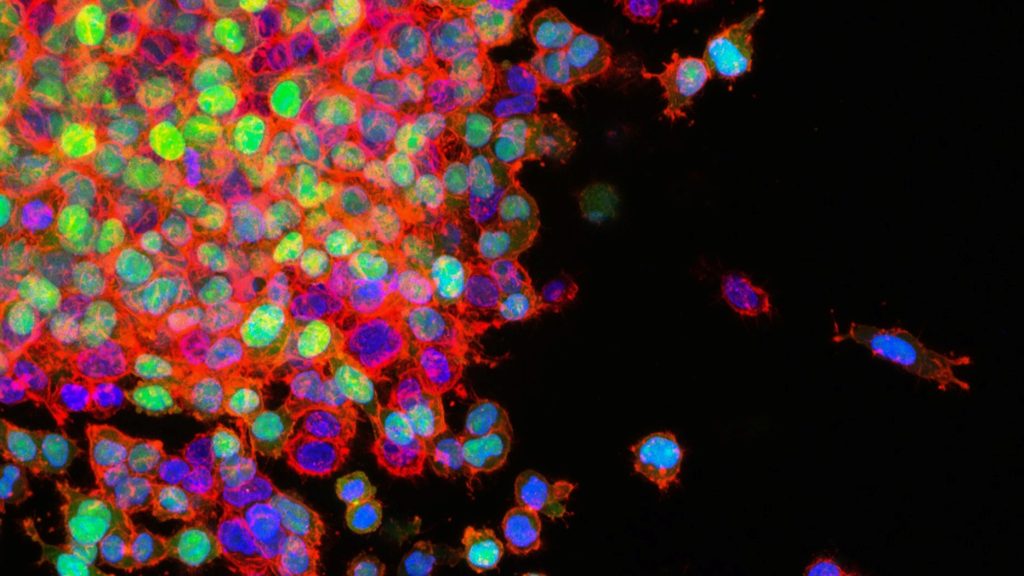
Credit: Darryl Leja National Human Genome Research Institute National Institutes Of Health

A blood test, performed when metastatic prostate cancer is first diagnosed, can predict which patients are likely to respond to treatment and survive the longest. It can help providers decide which patients should receive standard treatment versus who might stand to benefit from riskier, more aggressive new drug trials. The research, which forms part of a Phase III clinical trial, was just published in JAMA Network Open.

Once prostate cancer has metastasised and is no longer curable, systemic treatments are used to prolong survival as much as possible. Biomarkers that predict how patients will respond could allow for better personalisation of treatments, but they are few and far between.

A new study found that measuring circulating tumour cells (CTCs), rare cancer cells shed from tumours into the blood, is a reliable way to predict later treatment response and survival prospects. CTCs have been studied in prostate cancer before, but only in its later stages.

“No one, until now, has looked at whether CTC counts can be used right at the beginning, when a man first presents with metastatic prostate cancer, to tell us whether he’s going to live a long or short time, or whether or not he will progress with therapies,” said Amir Goldkorn, MD, lead author of the study and associate director of translational sciences at the USC Norris Comprehensive Cancer Center at the Keck School of Medicine of USC.

The research leveraged CellSearch (Menarini, Inc.), an FDA-cleared liquid biopsy technology at the Norris Comprehensive Cancer Center, to detect and measure CTCs in blood samples. Patients with more CTCs had shorter median survival lengths and a greater risk of death during the study period. Those with more CTCs also had less “progression-free survival,” which refers to the length of time when a patient’s disease is controlled by treatment without getting worse.

“You couldn’t tell these men apart when they walked through the door,” said Goldkorn, who is also a professor of medicine at the Keck School of Medicine. “All of their other variables and prognostic factors were seemingly the same, and yet they had very, very different outcomes over time.”

The researchers say that the CellSearch blood test, which is already widely available from commercial providers, can help quickly identify patients who are unlikely to respond to standard treatment options. Those men could benefit from a more intensive approach to therapy, including clinical trials of new drugs that may have more side effects but could improve survival in these high-risk patients.

Counting CTCs

The research was part of a phase 3 clinical trial of the NCI-funded SWOG Cancer Research Network, a group of more than 1300 institutions around the country that collaborate to study various cancers. Baseline blood samples from 503 patients with metastatic prostate cancer, who were participating in a new drug trial, were sent to the Keck School of Medicine team for analysis.

To analyze the blood samples, the researchers used the CellSearch platform at the Norris Comprehensive Cancer Center’s Liquid Biopsy Research Core, a facility that Goldkorn founded and directs. CellSearch uses immunomagnetic beads, antibodies attached to small magnetic particles, which bind to CTCs in the blood and pull them out to be detected and counted by specialised equipment.

Patients with five or more CTCs in their blood sample had the worst outcomes. Compared to patients with zero CTCs, they were 3.22 times as likely to die during the study period and 2.46 times as likely to have their cancer progress. They were only 0.26 times as likely to achieve a complete prostate-specific antigen (PSA) response, meaning they responded poorly to treatment.

Men with five or more CTCs had a median survival length of 27.9 months following the blood test, compared to 56.2 months for men with one to four CTCs and at least 78 months for men with zero CTCs. (Many patients in the latter group survived past the date of publication, so the median survival length could not yet be calculated.)

The bottom line: more CTCs meant that patients survived for less time, progressed much more quickly and were unlikely to respond to standard treatments.

Candidates for clinical trials

The new study shows that measuring CTC counts at the start of therapy can predict long-term survival rates, even in men who go on to receive many treatments for metastatic prostate cancer over a years-long period. That means the test can help identify men early on for trials of new and potentially more aggressive therapies.

“We want to enrich these clinical trials with men who need all that extra help – who really would benefit from three drugs versus just two, or from being on a new chemotherapy drug, even though it may have more side effects,” Goldkorn said.

Goldkorn and his team are now testing a new blood test that measures not just CTC counts, but also the molecular composition of CTCs and tumour DNA circulating in the blood, as well as other factors. Their goal is to create biomarkers with even more predictive power, which may ultimately help match patients with specific treatment options.

Source: Keck School of Medicine of USC

Common Treatments for Breast Cancer may Speed up Aging

Photo by National Cancer Institute on Unsplash

A new study has revealed that common breast cancer treatments, including chemotherapy, radiation, and surgery, may accelerate the biological aging process in breast cancer survivors. The findings, published in the Journal of the National Cancer Institute, show that markers of cellular aging, such as DNA damage response, cellular senescence, and inflammatory pathways, significantly increased in all breast cancer survivors, regardless of the type of treatment received. This suggests that the impact of breast cancer treatments on the body is more extensive than previously thought.

“For the first time, we’re showing that the signals we once thought were driven by chemotherapy are also present in women undergoing radiation and surgery,” said study lead author Judith Carroll, an associate professor of psychiatry and biobehavioural sciences at UCLA. “While we expected to see increased gene expression linked to biological aging in women who received chemotherapy, we were surprised to find similar changes in those who only underwent radiation or surgery.”

Advances in cancer therapies have greatly improved survival rates, with an estimated 4 million breast cancer survivors in the US today and over 6 million expected by 2040. However, breast cancer is linked to accelerated aging, impacting physical abilities, independence, and lifespan. Biological aging processes, which drive conditions like fatigue, cognitive decline, frailty, and cardiovascular disease, appear to be a major factor. Evidence suggests that cancer treatments, like chemotherapy, can increase the risk of earlier onset of these aging-related conditions, making it crucial to understand the specific pathways involved to better target and manage them.

To examine how gene expression related to aging changes over time in women diagnosed with breast cancer, the team conducted a two-year longitudinal study that tracked women undergoing breast cancer treatment prior to receiving treatment and again following treatment to see how their biological aging markers evolved. 

The team tracked the gene expression in their blood cells using RNA sequencing, focusing on markers that signal biological aging, including a process known as cellular senescence, which is when cells stop dividing but don’t die. These so-called “zombie cells” accumulate over time and can release harmful substances that damage nearby healthy cells, contributing to aging and inflammation.

 The data was then analysed using statistical models to help identify aging-related changes.

The team found that regardless of treatment type there was an increase in expression of genes that track cellular processes involved in biological aging. Specifically, genes that capture cellular senescence and the inflammatory signal from these cells, indicating that their immune cells were aging faster than normal.

They also saw increases in DNA damage response genes, which are genes that are expressed when there is DNA damage. Although chemotherapy did have a slightly different pattern, similar to what others have shown, they also noted changes in women who did not receive chemotherapy. 

“The results suggest women who receive treatment for breast cancer have a pattern of gene expression that indicates increased DNA damage and inflammation, which could be important targets for recovering from cancer and having a better quality of life in survivorship,” said senior author of the study Julienne Bower(Link opens in new window), professor of psychology in the UCLA College and psychiatry and biobehavioural sciences and member of the UCLA Health Jonsson Comprehensive Cancer Center. 

“We’ve only just begun to understand the long-term consequences of cancer therapy and these findings are a critical step toward understanding the biological pathways that drive many post-treatment symptoms in breast cancer survivors,” added Carroll. “Our goal is to find ways to improve survivorship, not just in terms of years lived, but also in quality of life and overall health.”

The team is now exploring a new biomarker that measures a woman’s biological age and the pace at which she is aging. This could help determine whether the aging signals detected during cancer treatment have a long-term effect on biological age. The team plans to investigate factors that may influence this, with a focus on protective behaviours such as exercise, stress management and healthy sleep patterns.

MS Associated with an Increased Risk of Certain Cancers

This is a pseudo-coloured image of high-resolution gradient-echo MRI scan of a fixed cerebral hemisphere from a person with multiple sclerosis.

Credit: Govind Bhagavatheeshwaran, Daniel Reich, National Institute of Neurological Disorders and Stroke, National Institutes of Health

A new study has found some cancers to be slightly more frequent in people with multiple sclerosis (MS) than in people without MS. The study is published online in Neurology®, the medical journal of the American Academy of Neurology. Types of cancers found to have a small increased risk include bladder, brain and cervical cancers.

“People with MS undergo an increased number of tests to monitor MS, making it more likely to detect other diseases,” said study author Emmanuelle Leray, PhD, of Rennes University in France. “We found an association between some types of cancer and MS which may have different explanations depending on a person’s age and the types of cancer. Overall, our study found the increased risk of cancer was quite small.”

For the study, researchers reviewed 10 years of data in the French national health care database. Researchers identified 140 649 people with MS and matched them for factors such as age, sex and residence to 562 596 people without MS. All participants were cancer free three years before the study. They were followed for an average of eight years.

During the study, 8,368 people with MS and 31,796 people without MS developed cancer.

Researchers determined there were 799 cancers per 100 000 person-years for people with MS and 736 cancers per 100 000 person-years for people without MS. Person-years represent both the number of people in the study and the amount of time each person spends in the study.

Researchers found people with MS had a 6% increased risk of developing any type of cancer regardless of age, sex and residence. They also found cancer risk was higher in those under 55 and lower in people 65 and older when compared to people without MS.

Researchers then looked at cancer types. People with MS had a 71% increased risk for bladder cancer, a 68% increased risk for brain cancer and a 24% increased risk for cervical cancer. However, they also had a 20% lower risk of prostate cancer, a 10% lower risk of colorectal cancer and a 9% lower risk of breast cancer.

“While our study found a higher risk for brain cancer, it may be due in part to earlier detection in those with MS since they regularly have brain scans which may detect cancers earlier, before a person has symptoms,” said Leray. “Frequent urinary tract infections in people with MS and the use of immunosuppressant drugs may contribute to their higher risk of bladder and cervical cancers.”

Leray added, “The lower risk for colorectal and breast cancers may be due in part to fewer people with MS getting screened for cancer in older age when they may be experiencing more MS symptoms. More research is needed, including studies that look at more closely at how cancer screenings may play a role.”

A limitation of the study was that researchers were unable to adjust for factors such as education, income, smoking and alcohol consumption since this information was not available in the national database.

Source: American Academy of Neurology

Drug Enhances Radiotherapy for Lung Cancer Metastases in the Brain

Lung cancer metastasis. Credit: National Cancer Institute

In new research, a team led by University of Cincinnati researchers has identified a potential new way to make radiation more effective and improve outcomes for patients with lung cancer that has spread to the brain. The study, led by first author Debanjan Bhattacharya, PhD, appears in the journal Cancers, and uses a benzodiazepine analogue.

According to the American Cancer Society, lung cancer is the leading cause of cancer death in the United States, accounting for about one in five cancer deaths. Non-small cell lung cancer (NSCLC) is the most prevalent type of lung cancer, making up approximately 80% to 85% of all lung cancer cases.

Up to 40% of lung cancer patients develop brain metastases during the course of the disease, and these patients on average survive between eight and 10 months following diagnosis.

Current standard of care treatments for lung cancer that spreads to the brain include surgical removal and stereotactic brain radiosurgery (using precisely focused radiation beams to treat tumours) as well as whole brain irradiation in patients with more than 10 metastatic brain lesions.

“Lung cancer brain metastasis is usually incurable, and whole brain radiation treatment is palliative, as radiation limits therapy due to toxicity,” said Bhattacharya, research instructor in the Department of Neurology and Rehabilitation Medicine in UC’s College of Medicine. “Managing potential side effects and overcoming resistance to radiation are major challenges when treating brain metastases from lung cancer. This highlights the importance of new treatments which are less toxic and can improve the efficacy of radiation therapy, are less expensive, and can improve the quality of life in patients.”

Research focus

Bhattacharya and his colleagues at UC focused on AM-101, a synthetic analogue, meaning it has a close resemblance to the original compound, in the class of benzodiazepine drugs. It was first developed by James Cook, a medicinal chemist at the University of Wisconsin-Milwaukee. Prior to this study, AM-101’s effect in non-small cell lung cancer was unknown. 

AM-101 is a particularly useful drug in the context of brain metastases in NSCLC, Bhattacharya said, as benzodiazepines are known to be able to pass through the blood-brain barrier that protects the brain from potential harmful invaders that can also block some drugs from reaching their target in the brain.

Research results

The team found that AM-101 activated GABA(A) receptors located in the NSCLC cells and lung cancer brain metastatic cells. This activation triggers the “self-eating” process of autophagy where the cell recycles and degrades unwanted cellular parts.

Specifically, the study showed that activating GABA(A) receptors increases the expression and clustering of GABARAP and Nix (an autophagy receptor), which boosts the autophagy process in lung cancer cells. This enhanced “self-eating” process of autophagy makes lung cancer cells more sensitive to radiation treatment.

Using animal models of lung cancer brain metastases, the team found AM-101 makes radiation treatment more effective and significantly improves survival. Additionally, the drug was found to slow down the growth of the primary NSCLC cells and brain metastases.

In addition to making radiation more effective, adding AM-101 to radiation treatments could allow for lower radiation doses, which could reduce side effects and toxicity for patients, Bhattacharya said. The team is now working toward opening Phase 1 clinical trials testing the combination of AM-101 and radiation both in lung cancer within the lungs and lung cancer that has spread to the brain.

Source: Aalto University

Most Accurate Ultrasound Test Could Detect 96% of Women with Ovarian Cancer

Photo by Mart Production on Pexels

An ultrasound test that detected 96% of ovarian cancers in postmenopausal women should replace current standard of care test in the UK according to a new study.

In a paper published in Lancet Oncology, research led by Professor Sudha Sundar from the University of Birmingham compared all currently available tests to diagnose ovarian cancer in postmenopausal women head-to-head in a high-quality diagnostic test accuracy study.

Of the six diagnostic tests investigated, the IOTA ADNEX model which looks at ultrasound features (how the lump looked like on ultrasound) had the best accuracy of all and could detect up to 96% of women with ovarian cancer.

The ultrasound test outperforms the current standard of care in the UK significantly and so the researchers recommend that the IOTA ultrasound ADNEX model should replace the current standard of care test called risk of malignancy (RMI1) test in the UK which identifies 83% of ovarian cancers.

Sudha Sundar, Professor of Gynaecological Cancer at the University of Birmingham and consultant in gynaecological cancer surgery at Sandwell and West Birmingham NHS Trust said:

“This is the first time that a head-to-head study of all available ovarian cancer tests have been done in the same population. Here we studied their use with symptomatic, postmenopausal women who are most at risk of this cancer. Our trial found that the IOTA ADNEX ultrasound protocol had highest sensitivity for detecting ovarian cancer compared to the standard of care and other test.

“The ultrasound test also performs well when delivered by a trained sonographer who have received specific training and certification and quality assurance, and as the vast majority of ultrasound scans are performed by sonographers it is important that a new standard is able to be delivered by as many clinical professionals as possible.

“We found that the higher sensitivity of the IOTA ADNEX model is likely to lead to some women who don’t have cancer also being flagged up as having a higher risk of cancer. We however did discuss this extensively with patients, cancer charity Target ovarian cancer and NHS experts who all agreed that in postmenopausal women who are at higher risk of ovarian cancer, picking up more women with cancer would benefit women overall.”

The research team note that the IOTA ADNEX model achieved 96% accuracy when delivered by NHS sonographers who were appropriately trained and received quality assurance. As most scans worldwide are carried out by sonographers rather than gynaecologists, introductory free online resources have been created by the researchers for NHS staff to undergo the specialist ultrasound training and get certification and quality assurance.

Source: University of Birmingham

Antigens in Foods Suppress Gut Tumours by Activating Immune Cells

Photo by Pixabay on Pexels

Researchers led by Hiroshi Ohno at the RIKEN Center for Integrative medical sciences (IMS) in Japan have discovered that food antigens like milk proteins help keep tumours from growing in our guts, specifically the small intestines. Experiments revealed how these proteins trigger the intestinal immune system, allowing it to effectively stop the birth of new tumours. The study was published in the scientific journal Frontiers in Immunology.

Food antigens get a lot of negative press because they are the source of allergic reactions to foods such as peanuts, shellfish, bread, eggs, and milk. Even if not allergenic, these antigens, along with the many others found in plants and beans, are still considered foreign objects that need to be checked out by the immune system. Ohno and his team have previously reported that food antigens activate immune cells in the small intestines, but not the large intestines. At the same time, some immune cells activated by gut bacteria are known to suppress tumours in the gut. In the new study, the RIKEN IMS researchers bring these two lines of thought together and tested whether food antigens suppress tumours in the small intestines.

The team began with a mouse model with a mutated tumour-suppression gene. Like people with familial adenomatous polyposis, when this gene malfunctions, the mice develop tumours throughout the small and large intestines. The first experiment was fairly simple. They fed these mice normal food or antigen-free food and found that the ones that got normal food had fewer tumours in the small intestines, but the same amount in the large intestines.

Next, they added a common representative antigen called albumin – which can be found in meat and was not in the normal food – to the antigen-free diet, making sure that the total amount of the protein equalled the amount of protein in the normal diet. When the mice were given this diet, tumours in the small intestine were suppressed just as they has been with normal food. This means that tumour suppression was directly related to the presence of antigen, not the nutritional value of the food or any specific antigen.

Mice that got the plain antigen-free diet had many fewer T cells than those that got the normal food or the antigen-free food with milk protein. Further experiments revealed the biological process that makes this possible.

These findings have clinical implications. Similar to antigen-free diets, clinical elemental diets include simple amino acids, but not proteins. This reduces digestive work and can help people with severe gastrointestinal conditions, such as Crohn’s disease or irritable bowel syndrome. According to Ohno, “small intestinal tumours are much rarer than those in the colon, but the risk is higher in cases of familial adenomatous polyposis, and therefore the clinical use of elemental diets to treat inflammatory bowel disease or other gastrointestinal conditions in these patients should be considered very carefully.”

Elemental diets are sometimes adopted by people without severe gastrointestinal conditions or allergies as a healthy way to lose weight or reduce bloating and inflammation. The new findings suggest that this could be risky and emphasises that these kinds of diets should not be used without a doctor’s recommendation.

Source: RIKEN

Oestrogens are Implicated in More than Just Breast Cancers

Photo by National Cancer Institute on Unsplash

Oestrogens are known to drive tumour growth in breast cancer cells that carry its receptors, but a new study by Duke Cancer Institute researchers unexpectedly finds that oestrogens play a role in fuelling the growth of breast cancers without the receptors, as well as numerous other cancers.

Writing in the journal Science Advances, the researchers describe how oestrogens not only decrease the ability of the immune system to attack tumours, but also reduce the effectiveness of immunotherapies that are used to treat many cancers, notably triple-negative breast cancers. Triple-negative breast cancers are an aggressive form of disease that are negative for oestrogen, progesterone, and the HER2 receptor proteins.

Informed by retrospective analysis of patient data and experiments in mice, the researchers found that anti-oestrogen drugs reversed the effects of oestrogens, restoring potency to immunotherapies.

“The treatment for triple-negative breast cancer has been greatly improved with the advent of immunotherapy,” said senior author Donald McDonnell, PhD, professor at Duke University School of Medicine.

“Developing ways to increase the anti-cancer activity of immunotherapies is a primary goal of our research,” McDonnell said. “Here we have found a simple way bolster the effectiveness of immunotherapy for this type of breast cancer and the benefit was even seen in other cancers, including melanoma and colon cancers.”

McDonnell and colleagues, including lead author Sandeep Artham, a postdoctoral associate in the McDonnell lab, focused on a type of white blood cell called eosinophils, which are typically activated during allergic reactions and inflammatory diseases.

Eosinophils have recently been identified as important in tumours, and a phenomenon called tumour associated tissue eosinophilia, or TATE, is associated with better outcomes among patients with multiple types of cancer, including colon, oesophageal, gastric, oral, melanoma and liver cancers.

In their studies, the Duke team described how oestrogens decrease the number of eosinophils and TATE in mice. The hormone contributes to increased tumour growth in oestrogen receptor-negative breast cancer tumours and in melanoma tumours, which do not rely on oestrogen receptors for tumour growth.

Conversely, anti-oestrogen therapies inhibited oestrogen receptor signalling and enhanced the efficacy of immunotherapies, slowing tumour growth.

“These findings highlight the importance of oestrogen-receptor signalling as a regulator of eosinophil biology and TATE and highlight the potential near-term clinical application of anti-oestrogen drugs to increase the benefits of immunotherapies in multiple tumour types,” McDonnell said.

He said clinical trials are being planned using an investigational anti-oestrogen drug called lasofoxifene among patients with triple-negative breast cancers.

Source: Duke University Medical Center

Breast Cancer Knows no Gender: the Rising Need for Awareness, Early Detection, and Financial Preparedness

Breast cancer cells. Image by National Cancer Institute

Breast cancer is a significant health issue in South Africa, being the most common cancer among women, with a lifetime risk of 1 in 27. However, while breast cancer predominantly affects women, it is crucial to acknowledge that men can also develop the disease, and awareness needs to span genders. Early detection is key in improving outcomes, but the financial implications of treatment can be significant, as many medical aid schemes do not fully cover the extensive costs associated with treatment, including surgeries, chemotherapy, and follow-up care. Having gap cover in place can significantly ease the burden of out-of-pocket expenses, providing peace of mind for patients and their families.

Incidence on the rise

The latest statistics from the National Cancer Registry (NCR) indicate that breast cancer remains the most prevalent cancer among women in South Africa. According to the 2022 NCR report, breast cancer accounted for 20.4% of all cancers diagnosed in females, with a significant increase in incidence rates over the years. Although not very common, men also get breast cancer; approximately 1% of all breast cancer cases occur in men, and this number is also increasing.

Steve Kelly, a male breast cancer survivor, has been cancer-free for five years. “In December 2018, my partner spotted a lump in my right breast. It was painless, and I did not feel ill. It was diagnosed as stage 3 grade 3 breast cancer. I had surgery the following week, followed by six months of chemotherapy and six weeks of radiation therapy,” he explains.

While Kelly is one of the lucky ones, the reality is that many men who receive a diagnosis of breast cancer are not, because it is typically diagnosed late, which increases the mortality rate and also means that treatment has to be more aggressive. The increasing prevalence of breast cancer, along with the challenges of late-stage diagnoses, underscores the importance of early detection and education. Initiatives aimed at promoting regular screenings and self-examinations are vital for improving outcomes for all individuals affected by breast cancer in South Africa, including men.

Awareness is crucial

“Men do not scan and are generally poor at self-examination. More significantly, research shows that up to 33% of men would not seek medical attention if they found a painless lump in their breast. Because of embarrassment or ignorance, men would often present later with a more advanced breast cancer and a worse prognosis,” Kelly says.

Awareness campaigns need to evolve to become more inclusive. However, they also need to evolve to effectively target women, given the growing prevalence of breast cancer as well as the fact that it is increasingly affecting women at younger ages. Regular self-examination is a critical element in the early detection of breast cancers in both women and men, and having appropriate testing in place is essential.

Joanne Stroebel is another breast cancer survivor, and she credits her early diagnosis and successful treatment to her healthy lifestyle and her regular self-screenings. “Have your screenings done regularly and make sure to self-examine at least once a month. Once you have been diagnosed, involve your medical aid broker (or get one that knows the systems) and let them help you with the claims. The healthcare system can be very daunting when you have a new diagnosis, and extra stress is the last thing you need,” she recommends.

Easing the financial strain

Having medical aid is important in covering the cost of breast cancer treatment, but the reality is that many medical aid schemes do not fully fund treatments. There are many areas where you could potentially incur out-of-pocket expenses. Surgery is typically involved, which often comes with shortfalls on doctors’ accounts, such as surgeons and anaesthetists.

Prophylactic bilateral mastectomy (the preventative removal of both breasts) is generally not covered, and neither is reconstruction. Making use of a doctor who is not in a Designated Service Provider (DSP) network means additional shortfalls and co-payments. Medical aids also cover cancer in one of two ways: they either have an annual limit for cancer treatment, and once this is depleted you will only have access to Prescribed Minimum Benefits (PMBs); or they will cover you up to a certain Rand value, and once this is depleted you will incur a 20% co-payment on anything related to oncology treatment as well as the treatment itself.

Gap cover can go a long way toward alleviating the financial burden of breast cancer treatment. If your medical aid pays a lump sum, once this is depleted, then gap cover can assist with funding ongoing treatment, including in-hospital as well as outpatient treatment, pathology, and biological drugs, if these were covered by your medical aid. Gap cover can also help to pay the 20% co-payment, which can add up to significant sums, especially around biological drugs.

“Nearly a quarter (23.3%) of all Turnberry cancer claims are for breast cancer, and the highest individual claim we have seen is in excess of R80 000 resulting in a total treatment cost of more than R170 000. This is not an outlying number either – individual claims are frequently in the tens of thousands of Rands, and total treatment cost is usually over R100 000,” says Brian Harris, GM: Operations at Turnberry Management Risk Solutions.

Stroebel concludes, “Being a medical aid specialist, I was fortunate that I had the best cover available for cancer treatment. I never thought that I would need to try and raise funds for treatment, as I was confident that my medical aid and gap cover would cover any shortfalls, which was absolutely the case. I also had a dread disease policy that paid out, and being financially secure meant I never had unnecessary stress. Talk to your broker to make sure you have the best cover to suit your needs.”

Better Response to Lung Cancer Immunotherapy with Combination Treatment

Lung cancer metastasis. Credit: National Cancer Institute

In research published in Nature Communications, scientists have tested a combination of treatments in mice with lung cancer and shown that these allow immunotherapies to target non-responsive tumours.

The study findings, from Francis Crick Institute, in collaboration with Revolution Medicines, show that targeting tumours in different ways simultaneously might increase response to treatments.

The scientists tested a combination of tool compounds in mice with lung cancer. These compounds were used to represent:

  • Targeted drugs which block a cancer-causing protein called KRAS G12C. These have been approved for use in lung cancer, but often fail to benefit patients in the long term because the tumours develop resistance to these medicines over time.
  • Immunotherapy drugs. These are designed to stimulate the immune system to fight the tumour, but only 20% of people with lung cancer respond, as tumours often block immune cells from entering.

The researchers combined a newly identified KRAS G12C inhibitor, with a compound that blocks a protein called SHP2, which inhibits cancer cells and can also activate tumor immunity.

These two inhibitors were combined with an immune checkpoint inhibitor, which blocks proteins that help the cancer cells hide from the immune system.

Source: Francis Crick Institute

An Expected Rebound in Cancer Diagnoses after the Pandemic did not Manifest

Although new cancer diagnoses largely returned to pre-pandemic levels by 2021, the recovery does not account for the potential missed diagnoses due to delays in screening and other medical care in early 2020. Credit: National Cancer Institute

Cancer incidence trends in 2021 largely returned to what they were before the COVID pandemic, according to a study by researchers at the National Institutes of Health (NIH). However, there was little evidence of a rebound in incidence that would account for the decline in diagnoses in 2020, when screening and other medical care was disrupted, according to findings published in the Journal of the National Cancer Institute. One exception was breast cancer, where the researchers did see an uptick in diagnoses of advanced-stage disease in 2021.

A previous study showed that new cancer diagnoses fell abruptly in early 2020, as did the volume of pathology reports, suggesting that many cancers were not being diagnosed in a timely manner. To determine whether these missed diagnoses were caught in 2021, possibly as more advanced cancers, researchers from NIH’s National Cancer Institute (NCI) compared observed cancer incidence rates for 2021 with those expected from pre-pandemic trends using data from NCI’s Surveillance, Epidemiology, and End Results Program.

A full recovery in cancer incidence should appear as an increase over pre-pandemic levels (also known as a rebound) to account for the missed diagnoses. The researchers looked at cancer overall, as well as five major cancer types that vary in how they are typically detected: through screening (female breast and prostate cancer), due to symptoms (lung and bronchus and pancreatic cancer), or incidentally during other medical procedures (thyroid cancer).  

Cancer incidence rates overall and for most specific cancers approached pre-pandemic levels, with no significant rebound to account for the 2020 decline. However, in addition to an uptick in new diagnoses of advanced breast cancer in 2021, the data also provided some evidence of an increase in diagnoses of advanced pancreatic cancer. Also, new diagnoses of thyroid cancers in 2021 were still below pre-pandemic levels. 

The researchers concluded that 2021 was a transition year that was still affected by new variants and new waves of COVID-19 cases, which continued to impact medical care. They said the findings highlight the need for ongoing monitoring to understand the long-term impacts of the pandemic on cancer diagnoses and outcomes.

Source: NIH/National Cancer Institute