Author: ModernMedia

Newborns Can Sense Pain Before They Can Understand It

Photo by Christian Bowen on Unsplash

Brain networks responsible for sensing, understanding, and responding emotionally to pain develop at different rates in infants, with the conscious understanding of pain not fully developed until after birth, finds a new study led by UCL (University College London) researchers.

The authors of the study, published in the journal Pain, investigated how different types of pain processing develop very early on, by scanning the brains of infants born prematurely.

Lead author Professor Lorenzo Fabrizi (UCL Neuroscience, Physiology & Pharmacology) said: “Pain is a complex experience with physical, emotional, and cognitive elements. In adults, pain processing relies on a functional network of brain regions called the ‘pain connectome’, with different regions working together to help us experience pain, each part responsible for different aspects of it.

“In newborn babies, this network is underdeveloped, which could mean that pain experience in newborns is totally different from the way we, as adults, understand it.”

The scientists, based at UCL, UCLH and King’s College London, were looking at three different components of pain processing: sensory-discriminative (identifying and localising the intensity and quality of pain), affective-motivational (resulting in the emotional response to pain), and cognitive-evaluative (the appraisal and interpretation of pain).

Using advanced brain imaging data from two of the largest available databases of brain magnetic resonance imaging (MRI) in the world – the Developing Human Connectome Project and the Human Connectome Project – the researchers mapped how these networks grow in a group of 372 infants, mostly born preterm, from less than 32 weeks up to 42 weeks after conception. The infants were all less than two weeks old when the scans took place, to ensure that the findings reflected the intrinsic brain maturation, without being affected by different experiences post-birth.

The researchers compared these findings to brain data from adults, as the mature pain-processing networks have previously been mapped out in other studies. The researchers analysed how much the brain networks known to be responsible for processing pain were functionally connected in infants at different ages.

The scientists found that the first subnetwork to reach adult levels in strength and connectivity is the sensory-discriminative network, at around 34-36 weeks after conception, so that babies can sense pain but are not yet fully capable of responding emotionally or interpreting the pain. Before this point, infants may have difficulty identifying what part of their body is experiencing pain. At around 36-38 weeks, the affective-motivational subnetwork reaches maturity, so that infants can identify pain as unpleasant and threatening.

The cognitive-evaluative subnetwork does not reach maturity until more than 42 weeks after conception, meaning that babies born at full term have still not fully developed the brain networks required to understand pain.

The research team had previously found in a 2023 study that preterm babies do not habituate to repeated pain experiences in medically necessary procedures (that is, their reaction to repeated pain does not reduce over time). The new finding that preterm babies have not fully developed the brain connections responsible for appraising pain may help to explain this.

Professor Fabrizi said: “Our results suggest that preterm babies may be particularly vulnerable to painful medical procedures during critical stages of brain development. The findings therefore emphasise the importance of informed paediatric care, including the role of tailored pain management and carefully planned timing of medical interventions for newborns, particularly those born preterm.”

Source: University College London
Clinical Trial Shows Improved Health Outcomes for Teens with Type 1 Diabetes

A new study in teenagers with type 1 diabetes shows promise in reducing chronic kidney disease and informing future precision care.

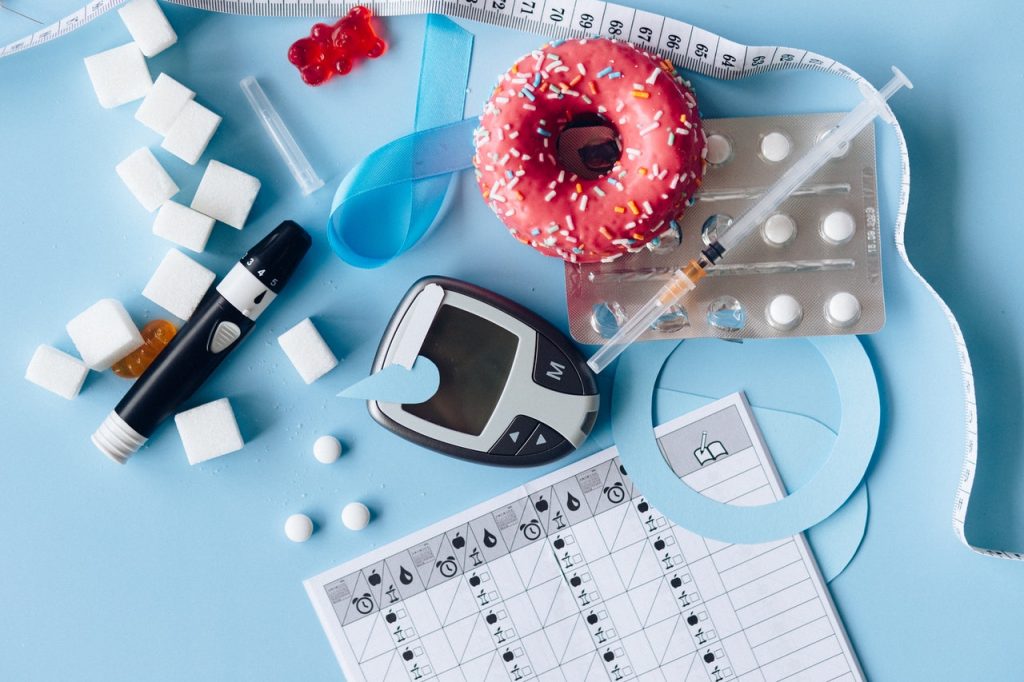
Photo by Nataliya Vaitkevich on Pexels

A clinical trial involving adolescents with type 1 diabetes (T1D) has found a combination therapy may reduce chronic kidney disease and improve health outcomes. The findings could help guide more precision care for young people with T1D. 

Led by Dr Farid Mahmud, Associate Scientist in the Translational Medicine program and Staff Physician in the Division of Endocrinology at The Hospital for Sick Children (SickKids), and published in Nature Medicine, the study evaluated a therapy that combines standard insulin treatment with the investigational drug dapagliflozin. Results of this combination therapy showed improved blood sugar control and kidney function, and reduced weight gain in adolescents with T1D. 

While most people with T1D are diagnosed as adults, the condition often starts in childhood and early adolescence. The lifelong insulin therapy needed can lead to side effects such as weight gain and chronic kidney disease. In the trial, participants who received dapagliflozin alongside insulin had fewer of these side effects and better overall health outcomes. 

“Our findings showed that adolescents who received this combination therapy were able to improve many symptoms typically associated with insulin-managed type one diabetes,” says Mahmud. “This could inform a new early intervention strategy for the growing population of teenagers with type one diabetes.” 

Patient partner key to trial success 

While previous research has shown similar results in adults, Mahmud’s team focused on designing a clinical trial specifically for teenagers, a group often underrepresented in clinical trials. Hormonal changes, psychological development, and the shared responsibility between teens and their parents for managing treatment protocols can make trial participation more complex for this age group. 

To address these challenges, the research team worked closely with patient partner Lynne McArthur. Together, they enrolled 98 participants between 12 and 18 years old in the study, known as the ATTEMPT study, across three sites. 

McArthur’s involvement in research began when one of her twin sons was diagnosed with T1D following a trip to the SickKids emergency department at just 18 months old. A few years later, his twin was also diagnosed. That experience led McArthur to become more involved in research efforts to improve diagnosis and treatment options for families like hers. 

“Deciding to participate in a clinical trial is an important decision, but my goal has always been disease prevention. I knew that our participation could help build a future where children don’t get T1D.”

Lynne McArthur

Now that her sons are older, McArthur continues to be involved as a patient advisor. She reviews recruitment materials and provides feedback on trial design, helping ensure the research stays connected to the lived experience of people managing T1D. 

“Participating in research, whether in a trial or as an advisor, is hugely rewarding. With my experience as trial participant, I can see how the plans on paper would impact the real lives of people living with diabetes,” explains McArthur.  

Source: SickKids News

MIT Engineers Turn Skin Cells Directly into Neurons for Cell Therapy

A new, highly efficient process for performing this conversion could make it easier to develop therapies for spinal cord injuries or diseases like ALS.

Anne Trafton | MIT News
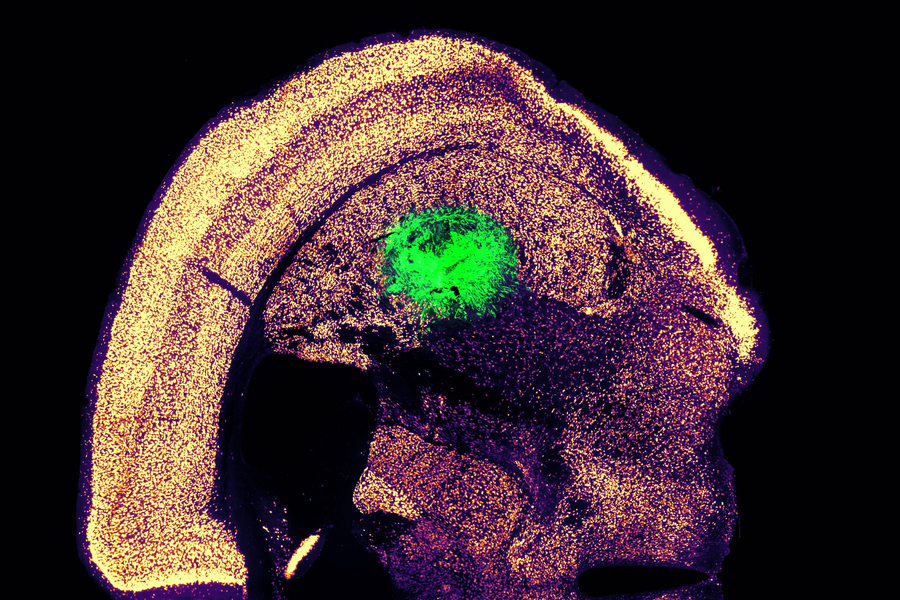
Researchers at MIT have devised a simplified process to convert a skin cell directly into a neuron. This image shows converted neurons (green) that have integrated with neurons in the brain’s striatum after implantation. Credits :Image: Courtesy of the researchers

Converting one type of cell to another – for example, a skin cell to a neuron – can be done through a process that requires the skin cell to be induced into a “pluripotent” stem cell, then differentiated into a neuron. Researchers at MIT have now devised a simplified process that bypasses the stem cell stage, converting a skin cell directly into a neuron.

Working with mouse cells, the researchers developed a conversion method that is highly efficient and can produce more than 10 neurons from a single skin cell. If replicated in human cells, this approach could enable the generation of large quantities of motor neurons, which could potentially be used to treat patients with spinal cord injuries or diseases that impair mobility.

“We were able to get to yields where we could ask questions about whether these cells can be viable candidates for the cell replacement therapies, which we hope they could be. That’s where these types of reprogramming technologies can take us,” says Katie Galloway, the W. M. Keck Career Development Professor in Biomedical Engineering and Chemical Engineering.

As a first step toward developing these cells as a therapy, the researchers showed that they could generate motor neurons and engraft them into the brains of mice, where they integrated with host tissue.

Galloway is the senior author of two papers describing the new method, which appear today in Cell Systems. MIT graduate student Nathan Wang is the lead author of both papers.

From skin to neurons

Nearly 20 years ago, scientists in Japan showed that by delivering four transcription factors to skin cells, they could coax them to become induced pluripotent stem cells (iPSCs). Similar to embryonic stem cells, iPSCs can be differentiated into many other cell types. This technique works well, but it takes several weeks, and many of the cells don’t end up fully transitioning to mature cell types.

“Oftentimes, one of the challenges in reprogramming is that cells can get stuck in intermediate states,” Galloway says. “So, we’re using direct conversion, where instead of going through an iPSC intermediate, we’re going directly from a somatic cell to a motor neuron.”

Galloway’s research group and others have demonstrated this type of direct conversion before, but with very low yields – fewer than 1 percent. In Galloway’s previous work, she used a combination of six transcription factors plus two other proteins that stimulate cell proliferation. Each of those eight genes was delivered using a separate viral vector, making it difficult to ensure that each was expressed at the correct level in each cell.

In the first of the new Cell Systems papers, Galloway and her students reported a way to streamline the process so that skin cells can be converted to motor neurons using just three transcription factors, plus the two genes that drive cells into a highly proliferative state.

Using mouse cells, the researchers started with the original six transcription factors and experimented with dropping them out, one at a time, until they reached a combination of three – NGN2, ISL1, and LHX3 — that could successfully complete the conversion to neurons.

Once the number of genes was down to three, the researchers could use a single modified virus to deliver all three of them, allowing them to ensure that each cell expresses each gene at the correct levels.

Using a separate virus, the researchers also delivered genes encoding p53DD and a mutated version of HRAS. These genes drive the skin cells to divide many times before they start converting to neurons, allowing for a much higher yield of neurons, about 1100 percent.

“If you were to express the transcription factors at really high levels in nonproliferative cells, the reprogramming rates would be really low, but hyperproliferative cells are more receptive. It’s like they’ve been potentiated for conversion, and then they become much more receptive to the levels of the transcription factors,” Galloway says.

The researchers also developed a slightly different combination of transcription factors that allowed them to perform the same direct conversion using human cells, but with a lower efficiency rate – between 10 and 30 percent, the researchers estimate. This process takes about five weeks, which is slightly faster than converting the cells to iPSCs first and then turning them into neurons.

Implanting cells

Once the researchers identified the optimal combination of genes to deliver, they began working on the best ways to deliver them, which was the focus of the second Cell Systems paper.

They tried out three different delivery viruses and found that a retrovirus achieved the most efficient rate of conversion. Reducing the density of cells grown in the dish also helped to improve the overall yield of motor neurons. This optimised process, which takes about two weeks in mouse cells, achieved a yield of more than 1000 percent.

Working with colleagues at Boston University, the researchers then tested whether these motor neurons could be successfully engrafted into mice. They delivered the cells to a part of the brain known as the striatum, which is involved in motor control and other functions.

After two weeks, the researchers found that many of the neurons had survived and seemed to be forming connections with other brain cells. When grown in a dish, these cells showed measurable electrical activity and calcium signaling, suggesting the ability to communicate with other neurons. The researchers now hope to explore the possibility of implanting these neurons into the spinal cord.

The MIT team also hopes to increase the efficiency of this process for human cell conversion, which could allow for the generation of large quantities of neurons that could be used to treat spinal cord injuries or diseases that affect motor control, such as ALS. Clinical trials using neurons derived from iPSCs to treat ALS are now underway, but expanding the number of cells available for such treatments could make it easier to test and develop them for more widespread use in humans, Galloway says.

The research was funded by the National Institute of General Medical Sciences and the National Science Foundation Graduate Research Fellowship Program.

Reprinted with permission of MIT News

‘Healthy’ Fatty Acid Not as Innocent as it Seems

Photo by Pexels on Pixabay

Eating a high-fat diet containing a large amount of oleic acid – a type of fatty acid commonly found in olive oil – could drive obesity more than other types of dietary fats, according to a study published in the journal Cell Reports.

The study found that oleic acid, a monounsaturated fat associated with obesity but also tentatively linked to cardiovascular benefits and often touted as a ‘healthy’ fatty acid, causes the body to make more lipid cells. By boosting a signalling protein called AKT2 and reducing the activity of a regulating protein called LXR, high levels of oleic acid resulted in faster growth of the precursor cells that form new lipid cells.

“We know that the types of fat that people eat have changed during the obesity epidemic. We wanted to know whether simply overeating a diet rich in fat causes obesity, or whether the composition of these fatty acids that make up the oils in the diet is important. Do specific fat molecules trigger responses in the cells?” said Michael Rudolph, PhD, assistant professor of biochemistry and physiology at the University of Oklahoma College of Medicine.

Rudolph and his team fed mice a variety of specialised diets enriched in specific individual fatty acids, including those found in coconut oil, peanut oil, milk, lard and soybean oil. Oleic acid was the only one that caused the precursor cells that give rise to fat cells to proliferate more than other fatty acids.

“You can think of the fat cells as an army,” Rudolph said. “When you give oleic acid, it initially increases the number of ‘fat cell soldiers’ in the army, which creates a larger capacity to store excess dietary nutrients. Over time, if the excess nutrients overtake the number of fat cells, obesity can occur, which can then lead to cardiovascular disease or diabetes if not controlled.”

Unfortunately, it’s not quite so easy to isolate different fatty acids in a human diet. People generally consume a complex mixture if they have cream in their coffee, a salad for lunch and meat and pasta for dinner. However, Rudolph said, there are increasing levels of oleic acid in the food supply, particularly when access to food variety is limited and fast food is an affordable option.

“I think the take-home message is moderation and to consume fats from a variety of different sources,” he said. “Relatively balanced levels of oleic acid seem to be beneficial, but higher and prolonged levels may be detrimental. If someone is at risk for heart disease, high levels of oleic acid may not be a good idea.”

Source: University of Oklahoma

Exercise Activates Cells that Protect Against Alzheimer’s

Photo by Barbara Olsen on Pexels

Using advanced single-nuclei RNA sequencing (snRNA-seq) and a widely used preclinical model for Alzheimer’s disease, researchers from Mass General Brigham and collaborators at SUNY Upstate Medical University have identified specific brain cell types that responded most to exercise. These findings, which were validated in samples from humans, shed light on the connection between exercise and brain health and point to future drug targets. Results are published in Nature Neuroscience.

“While we’ve long known that exercise helps protect the brain, we didn’t fully understand which cells were responsible or how it worked at a molecular level,” said senior author Christiane Wrann, DVM, PhD, a neuroscientist at Massachusetts General Hospital. “Now, we have a detailed map of how exercise impacts each major cell type in the memory centre of the brain in Alzheimer’s disease.”

Brain support cells—astrocytes enriched in the protein cadherin-4 (CDH4)
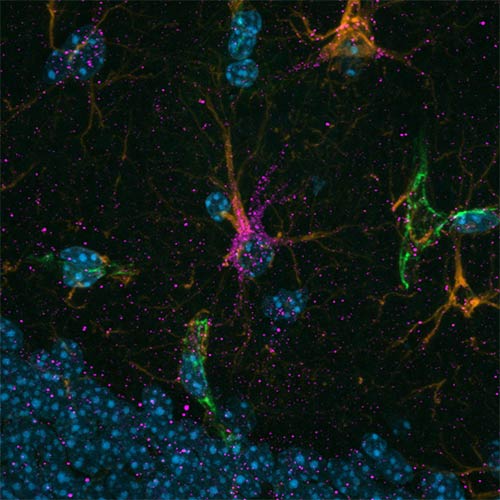
Scientists identified a distinct subtype of brain support cells—astrocytes enriched in the protein cadherin-4 (CDH4), shown in magenta, that seem to protect nerve cells against cell death. In Alzheimer’s disease, these cells become less abundant, but exercise seems to strengthen them. (Image credit: Luis Moreira)

The study focused on a part of the hippocampus – a critical region for memory and learning that is damaged early in Alzheimer’s disease. The research team leveraged single-nuclei RNA sequencing, a relatively new technologies that allow researchers to look at activity at the molecular level in single cells for an in-depth understanding of diseases like Alzheimer’s.

The researchers exercised a common mouse model for Alzheimer’s disease using running wheels, which improved their memory compared to the sedentary counterparts. They then analysed gene activity across thousands of individual brain cells, finding that exercise changed activity both in microglia, a disease-associated population of brain cells, and in a specific type of neurovascular-associated astrocyte (NVA), newly discovered by the team, which are cells associated with blood vessels in the brain. Furthermore, the scientist identified the metabolic gene Atpif1 as an important regulator to create new neurons in the brain. “That we were able to modulate newborn neurons using our new target genes set underscores the promise our study,” said lead author Joana Da Rocha, PhD, a postdoctoral fellow working in Dr Wrann’s lab.

To ensure the findings were relevant to humans, the team validated their discoveries in a large dataset of human Alzheimer’s brain tissue, finding striking similarities.

“This work not only sheds light on how exercise benefits the brain but also uncovers potential cell-specific targets for future Alzheimer’s therapies,” said Nathan Tucker, a biostatistician at SUNY Upstate Medical University and co-senior of the study. “Our study offers a valuable resource for the scientific community investigating Alzheimer’s prevention and treatment.”

Source: Mass General Brigham

Catch-up Sleep on the Weekend Can Improve Teens’ Anxiety

Photo by Eren Li

A new study presented at the SLEEP 2025 annual meeting found that teens who get moderate, but not excessive, catch-up sleep on weekends have fewer symptoms of anxiety symptoms.

Results show that teens who got up to two more hours of sleep on weekends than on weekdays exhibited fewer anxiety symptoms compared with those who did not sleep longer on weekends. However, longer durations of catch-up sleep on weekends were associated with slightly more internalising symptoms.

“The results show that both sleeping less on weekends than weekdays and sleeping substantially more on weekends were associated with higher anxiety symptoms,” said lead author Sojeong Kim, a doctoral candidate in the department of clinical psychology and psychology graduate advisor at the University of Oregon in Eugene. “In contrast, moderate catch-up sleep – defined as less than two hours – was associated with lower anxiety symptoms, suggesting that some weekend recovery sleep may be beneficial.”

The American Academy of Sleep Medicine recommends that teenagers 13 to 18 years of age should sleep 8 to 10 hours on a regular basis to promote optimal health. However, CDC data show that only 23% of high school students get sufficient sleep on an average school night.

“Many teens try to make up for lost sleep by sleeping in on weekends,” Kim said.

Consistently getting sufficient sleep is associated with better health outcomes including improved attention, behavior, learning, memory, emotional regulation, quality of life, and mental and physical health. In contrast, insufficient sleep in teenagers is associated with increased risks of problems such as depression and suicidal thoughts.

The study involved 1877 adolescents with a mean age of 13.5 years. Sleep duration was estimated using Fitbit devices, while internalising symptoms were assessed using the Child Behavior Checklist survey. Weekend catch-up sleep was calculated as the difference between weekend and weekday sleep duration.

Kim noted that it is important to identify the right amount of catch-up sleep that is beneficial to teens who restrict their sleep during the week.

“Too little or too much sleep variability from weekday to weekend may contribute to the symptoms someone is trying to combat, like physical or mental fatigue and feelings of anxiety,” she said.

Source: American Academy of Sleep Medicine

Psilocybin Dose Provides Two Years of Relief from Cancer Depression

Phase 2 trial reveals that a single dose of psilocybin offers long-term relief from symptoms of depression and anxiety.

Photo by Marek Piwnicki: https://www.pexels.com/photo/macro-photography-of-a-psilocybin-mushroom-13695325/

New results from a clinical trial reveal that a single dose of psilocybin can provide sustained reductions in depression and anxiety in individuals with cancer suffering from major depressive disorder. The findings are published by Wiley online in CANCER, a peer-reviewed journal of the American Cancer Society.

People with cancer often struggle with depression. In this phase 2 trial, 28 patients with cancer and major depressive disorder received psychological support from a therapist prior to, during, and following a single 25mg dose of psilocybin.

During clinical interviews conducted 2 years later, 15 (53.6%) patients demonstrated a significant reduction in depression, and 14 (50%) had sustained depression reduction as well as remission. Similarly, psilocybin reduced anxiety for 12 (42.9%) patients at 2 years.

An ongoing randomised, double-blind trial is currently evaluating up to two doses of 25mg of psilocybin versus placebo as treatment for depression and anxiety in patients with cancer. This study is building on the single-dose study in an effort to bring a larger majority of the patients into remission of depression and anxiety.

“One dose of psilocybin with psychological support to treat depression has a long-term positive impact on relieving depression for as much as 2 years for a substantial portion of patients with cancer, and we’re exploring whether repeating the treatment resolves depression for more than half of the patients,” said lead author Manish Agrawal, MD, of Sunstone Therapies. “If randomised testing shows similar results, this could lead to greater use of psilocybin to treat depression in patients with cancer.”

Source: Wiley

Healthcare is Expensive – but There are Affordable Alternatives

Photo by Towfiqu barbhuiya on Unsplash

Access to affordable, quality healthcare in South Africa is a challenge for millions of people. Medical aid is out of reach for low-income earners, and while initiatives like the Low-Cost Benefit Option (LCBO) and the National Health Insurance (NHI) have been proposed, complexity has caused many delays in their implementation. As a result, the Demarcation Exemption Framework was introduced to help bridge the gap, which allows certain insurance products that technically fall under the definition of a medical scheme to operate outside of the Medical Schemes Act.

While it was originally set to expire on 31 March 2025, the Exemption Renewal Framework was recently extended for another two years to 31 March 2027. South Africans can continue to access cost-effective primary healthcare solutions, but in this shifting landscape, brokers play a vital role in guiding their clients toward the best solutions for their needs and budget.

Addressing the healthcare coverage gap

The proposed LCBO framework aims to provide affordable, regulated primary healthcare coverage to lower-income South Africans. It was designed to address the gap between expensive medical aid plans and basic healthcare needs so that more people have access to essential medical services. Unfortunately, it has faced continuous delays, partly because of challenges with integrating it into the NHI. At the same time, the NHI is still a work in progress, and there is no clear timeline for its implementation.

“While South Africa’s regulatory frameworks evolve and have the worthy goal of providing healthcare access to all, the reality is that people need access to affordable primary healthcare solutions today. The extension of the Demarcation Regulations is an important step. It means people can continue to receive the healthcare services they need, like GP consultations, chronic medication, basic health screenings and more, while the challenges with LCBO and NHI are resolved. It also means health insurance providers and brokers can carry on improving affordability and access with innovative product offerings,” says Reo Botes, Managing Executive of Essential Employee Benefits.

Solutions for the now

Under the Demarcation Exemption Framework there are many innovative primary healthcare insurance products that act as a bridge while LCBO and NHI are still being developed. They are by no means a replacement for medical schemes, but they play a very important role in helping people mitigate primary health risks.

“By giving you access to affordable and flexible cover for day-to-day medical expenses, healthcare insurance can provide protection from unexpected medical costs, giving you peace of mind to focus on your health, rather than worrying about bills,” says Len Deacon, head of the health division at Lion of Africa Life Assurance “These products also often cover preventative care, like vaccinations, screenings, and check-ups, which can help detect and prevent illnesses early on. The upshot is that they can improve health outcomes by allowing people to seek treatment without worrying about the financial impact, potentially preventing more serious problems down the line.”

Navigating the uncertainty

When or if LCBO will come to fruition is not clear, and the timeline for the implementation of the NHI remains uncertain. The role of brokers is more important than ever in helping clients to understand their options, simplify processes and find the right cover for their needs during these times. Brokers assess individual needs, compare plans, provide expert advice, and assist with ongoing support, claims, policy adjustments and more.

While we wait for industry reforms to take effect, primary healthcare insurance options offer exceptional value and a variety of products to protect financial and physical wellbeing. The expertise of brokers is invaluable in helping clients to secure affordable and effective primary healthcare that works for now and in navigating this changing landscape in the future.

How Microplastics Are Spreading from Soil to Salad to Humans

Photo by FLY:D on Unsplash

A review from Murdoch University has stressed that agricultural soils now hold around 23 times more microplastics than oceans.

Amongst the revelations in the comprehensive evaluation is that plastics in soil may be exposed to up to 10 000 chemical additives, most of which are unregulated in agriculture.

“These microplastics are turning food-producing land into a plastic sink,” said PhD candidate Joseph Boctor, who led the study, which appears in Environmental Sciences Europe.

Both microplastics and nanoplastics have now been found in lettuce, wheat and carrot crops. This happens through various means, from plastic mulching, fertilisers and even through being dropped by clouds.

This is particularly concerning when combined with findings of these plastics in the human lungs, brain, heart, blood, and even placenta.

“And BPA-free does not equal risk free,” Mr Boctor said.

“Replacement chemicals like BPF and BPS show comparable or greater endocrine-disrupting activity.”

The challenge is that regulations are slower than science, and industry is faster than both.

In addition to this, assessing additive toxicity is often overlooked, Mr Boctor said, due to the lack of transparency in the plastic industry and large number of additives produced.

“This makes the plastic crisis unchecked, and human health exposed,” he said.

“This review tries to bring this creeping danger under the radar and shine a flashlight on regulators.”

Alongside endocrine disruptors, the review pinpointed other additives in soil such as Phthalates (linked to reproductive issues), and PBDEs (neurotoxic flame retardants).

These additives have been linked with neurodegenerative disease, increased risks of stroke and heart attack and early death.

“These are not distant possibilities – they are unfolding within biological systems – silently and systematically,” Mr Boctor said.

To address this crisis, Mr Boctor is working alongside his colleagues at the Bioplastics Innovation Hub to create a type of plastic that is not only safe, but also decomposes in soil, land and water, leaving behind no legacy.

One innovation currently under development is the Smart Sprays Project – which will demonstrate and test a non-toxic, bioplastic-based spray for soil which forms a water barrier to harvest rainfall and reduce evaporation that can be easily applied with existing farm equipment.

The hope is that through the Hub’s work, they will introduce a green plastic to the market that will minimise and eventually negate the need for non-sustainable plastic production worldwide.

“This review highlights the urgent need for coordinated scientific and regulatory efforts,” Joseph said.

“Regulators, scientists and industry must collaborate to close the loopholes before plastic pollution further entrenches itself in the global food chain.”

Source: Murdoch University

Intense Heat Changes Biology and Can Accelerate Ageing

Photo by Amanda María on Unsplash
By Rongbin Xu

Heat takes it out of you. After a long, hot day, we feel tired and grumpy.

But sustained periods of heat do more than that – they age us faster. Cumulative heat stress changes our epigenetics – how our cells turn on or off gene switches in response to environmental pressure.

Now, new research from the United States explores the pressing question of how extreme heat affects humans. The findings are concerning. The more days of intense heat a participant endured, the faster they aged. Longer periods of extreme heat accelerated ageing in older people by more than two years.

As the climate heats up, humans will be exposed to more and more heat – and our bodies will respond to these stresses by ageing faster. These findings are especially pertinent to Australia, where heatwaves are expected to become more frequent and intense in a warmer world.

How, exactly, does heat age us?

Ageing is natural. But the rate of ageing varies from human to human. As we go through life, our bodies are affected by stresses and shocks. For instance, if we don’t get enough sleep over a long period, we will age faster.

While heat can directly sicken or kill us, it also has a long tail. Sustained heat stresses our bodies and make them less efficient at doing the many jobs needed to stay alive. This is what we mean when we say it accelerates biological ageing. This deterioration is likely to precede the later development of diseases and disabilities.

What does that look like on a genetic level? You might think your genes don’t change over your life, and this is mostly true (apart from random mutations).

But what does change is how your genes are expressed. That is, while your DNA stays the same, your cells can switch some of its thousands of genes off or on in response to stresses. At any one time, only a fraction of the genes in any cell are turned on – meaning they’re busy making proteins.

This is known as epigenetics. The most common and best-understood pathway here is called DNA methylation (DNAm). Methylation here refers to a chemical our cells can use to block a DNA sequence from activating and producing proteins with various functions.

Cellular changes in DNAm can lead to proteins being produced more or less, which in turn can flow on to affect physiological functions and our health status. This can be both bad or good.

Heat stress can alter the pattern of which genes are turned off or on, which in turn can affect our rate of ageing.

Severe heat stress can be remembered in cells, leading them to change their DNAm patterns over time. In laboratory testing, the effect is pronounced in fish, chickens, guinea pigs, and mice.

To date, much research on how heat affects epigenetics has focused on animals and plants. Here, the evidence is clear – even a single episode of extreme heat has been shown to have a long-lasting effect on mice.

But only a couple of studies have been carried out involving humans, and they have been limited. This is the gap this new research is intended to help fill.

Sustained heat changes how our cells express genes – accelerating ageing. Photo: aleks333/Shutterstock

What did the study find?

The study by researchers at the University of Southern California involved almost 3700 people, with an average age of 68 years.

Heat affects older people more than younger people. Our ability to control our body temperature drops as we age, and we are less resilient to outside stresses and shocks. We also know periods of extreme heat trigger a wave of illness and death, especially among older people.

The study set out to better-understand what happens to human bodies at a biological level when they’re exposed to intense heat over the short, medium, and longer term.

To do this, the researchers took blood samples and measured epigenetic changes at thousands of sites across the genome, which were used to calculate three clocks measuring biological age, named PcPhenoAge, PCGrimAge, and DunedinPACE.

Ageing is natural, but the speed at which we age can change. Photo: Bricolage/Shutterstock

Then, they looked at the levels of heat each participant would have been exposed to in their geographic areas over the preceding six years, which was 2010-16. They used the US heat index to assess heat, from caution (days up to 32°C), extreme caution (32–39°C), and danger (39–51°C). They used regression modelling to see how much faster people were ageing over the normal rate of ageing.

The effect of heat was clear in the three biological clocks. Longer-term exposure to intense heat increased biological age by 2.48 years over the six-year period of the study, according to PCPhenoAge; 1.09 years, according to PCGrimAge; and 0.05 years, according to DunedinPACE.

Over the period of the study, the effect was up to 2.48 years faster than normal ageing, where one calendar year equals one biological year of ageing. That is, rather than their bodies ageing the equivalent of six years over a six-year period, heat could have aged their bodies up to 8.48 years.

Importantly, the biological clocks differ quite substantially, and we don’t yet know why. The authors suggest the PCPhenoAge clock may capture a broader spectrum of biological ageing, covering both short-term and longer-term heat stress, while the other two may be more sensitive to long-term heat exposure.

The way these researchers have conducted their study gives us confidence in their findings – the study sample was large and representative, and the use of the heat index rather than air temperature is an improvement over previous studies.

However, the findings don’t account for whether the participants had airconditioning in their homes or spent much time outside.

We need to know more

Perhaps surprisingly, there’s been little research done to date on what heat does to human epigenetics.

In 2020, we conducted a systemic review of the science of how environment affects human epigenetics. We found only seven studies, with most focused on the effect of cold rather than heat.

Now we have this new research that sheds light on the extent to which heat ages us.

As we face a warmer future, our epigenetics will change in response. There’s still a lot of work to do to see how we can adapt to these changes – or if we even can, in some parts of the world.
The Conversation
This article originally appeared on The Conversation, and was co-authored with Shuai Li, University of Melbourne.

This article was first published on Monash Lens. Read the original article