Author: ModernMedia

Combination Inhaler Cuts Asthma Attacks in Children by Nearly Half

Photo by cottonbro studio from Pexels

Findings from a trial comparing the real-world effectiveness of asthma inhalers could reshape how children with asthma are treated.

In the first randomised controlled trial to investigate the use of a 2-in-1 inhaler as the sole reliever therapy for children aged 5 to 15, an international team found the combined treatment to be more effective than salbutamol, the current standard for asthma symptom relief in children, with no additional safety concerns.

The results show that using a single 2-in-1 anti-inflammatory reliever inhaler – which combines the inhaled corticosteroid (ICS) budesonide and the fast-acting bronchodilator formoterol – reduced children’s asthma attacks by an average of 45%, compared to the widely-used salbutamol inhaler.

Asthma attacks in children may be life-threatening and reducing their frequency and severity is a public health priority.

The 2-in-1 budesonide-formoterol inhaler is widely recommended as the preferred reliever treatment for adults, but children are still usually prescribed salbutamol.

Researchers say the findings, published in The Lancet, provide the evidence needed to bring children’s global asthma guidelines into line with adults’, which could benefit millions of children around the world with mild-to-moderate asthma.

The CARE study (Children’s Anti-inflammatory REliever) was designed and led by the Medical Research Institute of New Zealand (MRINZ), in collaboration with Imperial College London, University of Otago Wellington, Starship Children’s Hospital, and the University of Auckland. It recruited 360 children across New Zealand who were then randomly assigned to receive either budesonide-formoterol or salbutamol for on-demand symptom relief.

The trial lasted a year and the budesonide-formoterol reliever resulted in a lower rate of asthma attacks than salbutamol reliever, with rates of 0.23 versus 0.41 per participant per year. This means that for every 100 children with mild asthma who are switched from salbutamol to a 2-in-1 budesonide-formoterol inhaler, there would be 18 fewer asthma attacks per year. Importantly, the study also confirmed the safety of the combined-inhaler approach, with no significant differences in children’s growth, lung function, or asthma control between the two groups.

Dr Lee Hatter, lead author of the study and Senior Clinical Research Fellow at the MRINZ, said: “This is a key step in addressing the evidence gap that exists between asthma management in adults and children. For the first time, we have demonstrated that the budesonide-formoterol 2-in-1 inhaler, used as needed for symptom relief, can significantly reduce asthma attacks in children with mild asthma. This evidence-based treatment could lead to improved asthma outcomes for children worldwide.”

Professor Richard Beasley, Director of MRINZ and senior author of the study, said: “Implementing these findings could be transformative for asthma management on a global scale. The evidence that budesonide-formoterol is more effective than salbutamol in preventing asthma attacks in children with mild asthma has the potential to redefine the global standard of asthma management.”

The burden of asthma in the estimated 113 million children and adolescents with asthma worldwide is substantial. The latest study builds on previous studies in adults led by MRINZ researchers which shaped international asthma treatment guidelines. These findings contributed to the recommended use of the 2-in-1 ICS–formoterol reliever inhaler as the preferred reliever treatment for adults with asthma around the world.

The incorporation of findings from the CARE study into global asthma treatment strategies could help reduce disparities in care and ensure that more children access effective, evidence-based treatments.

The researchers say that global health organisations have long advocated for child-targeted asthma interventions, and their findings provide crucial evidence to support those efforts.

However, the authors acknowledge some limitations of the clinical trial. It was undertaken during the COVID-19 pandemic, during which stringent public health measures and fewer circulating respiratory viruses contributed to the lower than predicted rate of severe asthma attacks. The authors also acknowledge the challenges with the identification of asthma attacks in children, and the potential bias with the lack of blinding of the randomised treatments. They say though that the study’s findings are generalisable to clinical practice due to its pragmatic, real-world design.

Professor Andrew Bush, from Imperial College London, senior respiratory paediatrician and co-author of the CARE study, said: “Having an asthma attack can be very scary for children and their parents. I’m so pleased that we’ve been able to prove that an inhaler that significantly reduces attacks – already a game-changer for adults – is safe for children with mild asthma too. We believe this will transform asthma care worldwide and are excited to be building on this work with the CARE UK study.”

Professor Helen Reddel, Chair of the Science Committee of the Global Initiative for Asthma (GINA), commented on the global significance of the study, saying that it fills a critically important gap for asthma management globally. Professor Reddel said: “Asthma attacks have a profound impact on children’s physical, social and emotional development and their prevention is a high priority for asthma care. It is in childhood, too, that lifelong habits are established, particularly reliance on traditional medications like salbutamol that only relieve symptoms and don’t prevent asthma attacks.”

Professor Bob Hancox, Medical Director of the New Zealand Asthma and Respiratory Foundation, said: “This is a very important study for children with mild asthma. We have known for some time that 2-in-1 budesonide/formoterol inhalers are better than the traditional reliever treatment in adults, but this had not been tested in children. This research shows that this 2-in-1 inhaler is effective and safe for children as young as 5. This information will help to reduce the burden of asthma for many children, and both they and their families will breathe easier because of it.”

Source: Imperial College London
Retracted: Widely-reported Trial on Apple Cider Vinegar and Weight Loss

Journalists and others should no longer reference or use the study findings in future reporting

Photo by Kenny Eliason on Unsplash

BMJ Group has retracted research suggesting that small daily quantities of apple cider vinegar might help people who are overweight or obese to lose weight.

The small clinical trial was published in the open access journal BMJ Nutrition, Prevention & Health in March 2024 and its findings press released. The study findings generated widespread international attention at the time, and continue to be frequently referred to in media coverage.

The retraction was prompted by concerns raised about the quality of the work, including the approach to statistical analysis of the data; implausible statistical values; the reliability of the raw data; inadequate reporting of methods; and lack of prospective trial registration, which breaches BMJ Group’s editorial policy.

Initially, concerns were raised in critiques of the study, some of which were published as letters in the journal. But after review by BMJ Group’s content integrity team, the study was referred to statistical experts to evaluate its reliability.  This included attempts to replicate the results and examine the authenticity of the underlying data supplied by the authors.

It wasn’t possible for the statisticians to replicate the results and multiple analytical errors were identified. There were also irregularities in the data set, and their report, which is appended to the retraction notice, concluded that the data collected from each participant would require further independent scrutiny.

The authors said that the identified errors were honest mistakes, but they agree with the decision to retract the study.

Dr Helen Macdonald, Publication Ethics and Content Integrity Editor at BMJ Group, said: “Tempting though it is to alert readers to an ostensibly simple and apparently helpful weight loss aid, at present the results of the study are unreliable, and journalists and others should no longer reference or use the results of this study in any future reporting.”

She added: “This retraction reflects our strategic and proactive approach to investigating concerns raised about the content we publish. We act where necessary in the interests of openness and the importance of correcting the scientific record.

“While we deal with allegations as swiftly as possible, it’s very important that due process is followed. Investigations are often complex. This one involved detailed scrutiny of data and correspondence with researchers, institutions, and other experts, for example. Reaching a sound and fair and final decision can therefore take several months.”

Commenting on the decision to publish the study despite the lack of trial registration, Professor Martin Kohlmeier, editor in chief of BMJ Nutrition Prevention & Health, explained: “In hindsight, this was the wrong decision to make. But the authors come from a scientific environment that is underrepresented in nutritional research and the journal aims to prioritise high quality evidence, which usually comes from clinical trials.

“These are relatively unusual in nutritional research as they can be challenging to undertake because of the numbers of participants and time needed to obtain meaningful results.”

Source: The BMJ Group

Gender Equality Universally Linked to Physical Capacity

Photo by Andrea Piacquadio on Pexels

Fitness amongst young adults varies widely from one country to another, and is strongly associated with both socioeconomic development and gender equality, a new study from Karolinska Institutet published in the Journal of Sport and Health Science reports. The results indicate that levels of development and gender equality in a society can affect differences in physical capacity and therefore public health in general.

Cardiorespiratory fitness (CRF) is an important factor of health and life-expectancy. For this present study, researchers systematically reviewed data from 95 studies in 24 countries involving a total of over 119 000 adult participants.  

CRF is measured by what is known as the VO2peak, which is the highest oxygen uptake a body achieves during physical exertion.  

The group, which included researchers from KI and Shanghai University of Sport, studied correlations between CRF, the Human Development Index (HDI) and the Gender Inequality Index (GII).  

HDI is a measure of societal parameters like education, income and life-expectancy, while GII reflects differences between women and men in terms of health, education and labour. 

Clear correlation in women 

The results show that people in countries with a higher HDI were, on average, fitter, a correlation that was particularly salient amongst women, where young women in countries with a medium HDI had a higher VO2peak than women in countries with a low HDI (31.2 versus 28.5mL/kg/min). However, a further HDI increase from medium to high gave only small improvements. 

“Our results suggest that societal structures impact greatly on people’s access to exercise and thus their fitness levels,” says the study’s lead author Nicolas Pillon, researcher at the Department of Physiology and Pharmacology, KI. 

The study also shows that higher gender equality (a lower GII) correlates with a higher level of fitness in both women and men. Again, the difference was the most notable amongst young women, who in countries with high gender equality had on average a 6.5mL/kg/min higher VO2peak than their peers in countries with low gender equality. 

“Our results underpin the importance of societal interventions and guidelines that reduce social and gender-related hindrances to physical exercise but point out that more research is needed from countries with a lower HDI, and on the obstacles facing different ethnic and socioeconomic communities,” says Barbara Ainsworth, researcher at Shanghai University of Sport and head of the study. 

Source: Karolinska Institutet

When Hair Breaks Records: What Extraordinary Growth Reveals about Hair

Science-backed insights and fascinating feats from the world of hair growth

Photo by Natasha Brazil on Unsplash

From a 2.26-metre Afro to hair strong enough to suspend a person mid-air, some of the world’s most jaw-dropping records remind us just how extraordinary human hair can be. While these feats may seem unbelievable, they highlight the biology behind hair’s strength, resilience, and growth potential.

“Exceptional hair growth is the result of discipline, not coincidence,” says Dr Kashmal Kalan, Medical Director at Alvi Armani South Africa. “A healthy scalp and uninterrupted growth cycles form the foundation for strong, resilient hair.”

The Biology Behind Every Strand

Hair grows in three phases: anagen (growth), catagen (transition), and telogen (rest). The anagen phase – lasting anywhere from two to seven years – largely determines how long hair can grow before naturally shedding. People who achieve exceptional lengths often have extended anagen phases, allowing their hair to keep growing far beyond the average.

While genetics set the baseline, lifestyle and environment play a powerful role in influencing growth potential. Nutrition, hormones, stress levels, and scalp health all impact the length and quality of the anagen phase. “We can’t rewrite DNA,” notes Dr Kalan, “but we can influence how genes express themselves.”

Lifestyle Matters

Healthy hair begins long before the styling stage.

  • Nutrition: Diets rich in protein, healthy fats, and vitamins support follicle strength.
  • Stress: Elevated stress hormones can shorten the growth phase and trigger shedding.
  • Sleep: Proper rest gives follicles the recovery time they need.
  • Scalp care: Gentle exfoliation, oiling, and protective styling can improve circulation and reduce breakage.

Science over hype

Despite bold marketing promises, there are no “miracle” serums that can regrow hair overnight. “Anything claiming dramatic growth in weeks is a red flag,” says Dr Kalan. Scientifically supported treatments – such as platelet-rich plasma (PRP), mesotherapy, and exosome therapy – can optimise follicle function, strengthen roots, and support sustained, natural growth.

“Healthy hair growth is a process grounded in biology, not marketing,” adds Dr Kalan.

Regenerative Approaches for Natural, Lasting Results

At Alvi Armani South Africa, regenerative science is at the core of every treatment. Using advanced techniques such as Follicular Unit Extraction (FUE) alongside PRP and exosome therapy, the clinic works with the body’s own biology to restore growth naturally.

“Our goal is always natural, lasting outcomes – hair that feels and looks strong, resilient, and vibrant,” concludes Dr Kalan.

From strength and endurance to sheer volume and creativity, these hair-related world records showcase just how remarkable human hair can be.

  • Most golf tees in hair: Anya Bannasch (USA) set a 2024 record with 711 golf tees in her hair – almost double her original goal.
  • Longest time suspended by hair: Leila Noone, a circus artist, hung from a single knot of her hair for over 25 minutes beneath California’s redwoods in 2025.
  • Largest afro: Jessica Martinez from New York City is attempting to break the record with an afro measuring about 36 cm high and 51 cm wide, inspiring confidence in natural hair.
  • Largest ball of human hair: “Hoss”, made entirely from donated hair, continues to grow through global contributions and features in Ripley’s Believe It or Not! exhibitions.

These feats highlight the versatility, strength, and creative expression found in something as simple – and as complex – as human hair.

For more information, visit www.alviarmani.co.za.

New Laser System Measures Scalp and Brain Blood Flow

This optical measurement could offer an affordable and scalable way to diagnose stroke, brain injury and other conditions

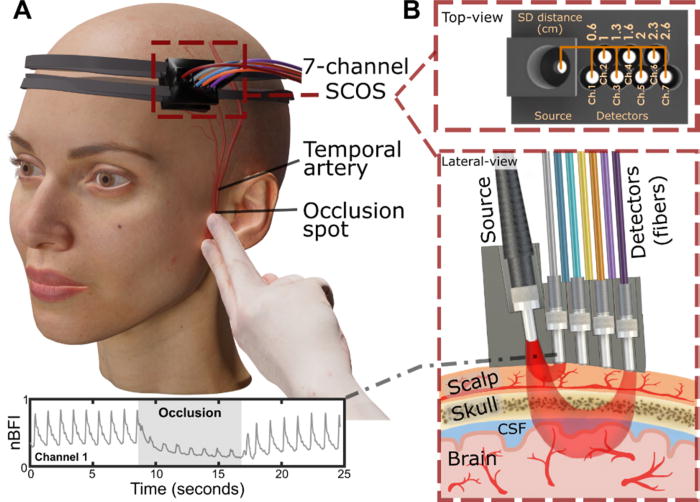
Experimental arrangement of the SCOS system for measuring cerebral blood dynamics during superficial temporal artery (STA) occlusion. (a) 3D visualization of the SCOS device positioned over the temple region and the occlusion site near the ear bone. (b) Top and lateral views of the device, illustrating different detecting channels for sensing the scalp, skull, and brain layers. Credit: Liu et al., APL Bioengineering, 2025

Measuring blood flow in the brain is critical for responding to a range of neurological problems, including stroke, traumatic brain injury (TBI) and vascular dementia. But existing techniques, including magnetic resonance imaging and computed tomography, are expensive and therefore not widely available.

Researchers from the USC Neurorestoration Center and the California Institute of Technology (Caltech) have built a simple, noninvasive alternative. The device takes a technique currently used in animal studies known as speckle contrast optical spectroscopy (SCOS) and adapts it for potential clinical use in humans. It works by capturing images of scattered laser light with an affordable, high-resolution camera.

“It’s really that simple. Tiny blood cells pass through a laser beam, and the way the light scatters allows us to measure blood flow and volume in the brain,” said Charles Liu, MD, PhD, professor of clinical neurological surgery, urology and surgery at the Keck School of Medicine of USC, director of the USC Neurorestoration Center and co-senior author of the new research.

The device has already been tested with humans in small proof of concept studies demonstrating the tool’s utility for assessing stroke risk and detecting brain injury. In the current study, published in APL Bioengineering, Liu and his team sought to confirm that SCOS is truly measuring blood flow in the brain, rather than in the scalp, which also contains many blood vessels. The question has long plagued researchers who use light-based technology to visualize the brain.

Liu’s team took an innovative approach: By temporarily blocking blood flow to the scalp, they confirmed that SCOS readings were indeed measuring signals from blood vessels in the brain. Readings from 20 participants showed that positioning the detector at least 2.3cm away from the laser source provided the clearest measurement of brain blood flow. The study, funded in part by the National Institutes of Health, the Alfred Mann Foundation and the USC Neurorestoration Center, was just published in the journal APL Bioengineering.

“For the first time in humans, this experimental evidence shows that a laser speckle optical device can probe beyond the scalp layers to access cerebral signals,” said Simon Mahler, PhD, who is now an assistant professor in the Department of Biomedical Engineering at the Stevens Institute of Technology and one of the paper’s coauthors. “This is an important step toward using SCOS to non-invasively measure blood flow in the brain.”

Tracking brain blood flow

For years, researchers measuring brain signals with light-based technology, such as lasers and fibre optics, have used statistical simulations to estimate which signals originate in the brain versus the scalp. The USC Neurorestoration Center team found a direct way to test the difference, thanks to a collaboration between surgeons, engineers and neurologists.

“I perform surgeries to increase blood flow in the brain, and many of these involve temporarily stopping blood flow in the scalp,” said Jonathan Russin, MD, now professor and chief of neurosurgery at the University of Vermont, who continues to collaborate with the USC Neurorestoration Center. “That gave us a simple way to test the technology – by creating a change that affected only the scalp’s circulation while leaving the brain’s blood flow untouched.”

In 20 participants, the researchers temporarily stopped blood flow to the scalp, then collected a series of SCOS readings. By gradually moving the detector further from the head, they captured signals reaching progressively deeper towards the brain. They found that positioning the detector 2.3cm from the head allowed them to measure brain blood flow while minimising interference from the scalp.

The findings confirm the utility of SCOS for non-invasively detecting brain blood flow and provide important guidance for other researchers working with light-based technology, Liu said.

Bringing SCOS to patients

Beyond advancing research, the study helps confirm the clinical potential of SCOS for detecting and responding to stroke, brain injury and dementia. Because all of the team’s research has been done with humans, the tool is poised for rapid translation from the lab to the clinic.

“We look directly at humans in essentially the same way the tool will be applied, so there’s nothing lost in translation,” Liu said. “We are never more than one step away from the problem we’re trying to solve.”

The technique is already being used by some of the team’s collaborators to help diagnose stroke and TBI. Next, the researchers will continue to refine the technology and software, working to improve the resolution of images and the quality of data extracted from readings.

“With the knowledge that we’re now measuring exactly what we intend to measure, we’re also going to expand our testing of this technique with patients in clinical settings,” Liu said.

Source: Keck School of Medicine of USC

Fibroblasts Have Hidden Powers That Could Heal Brain Injuries

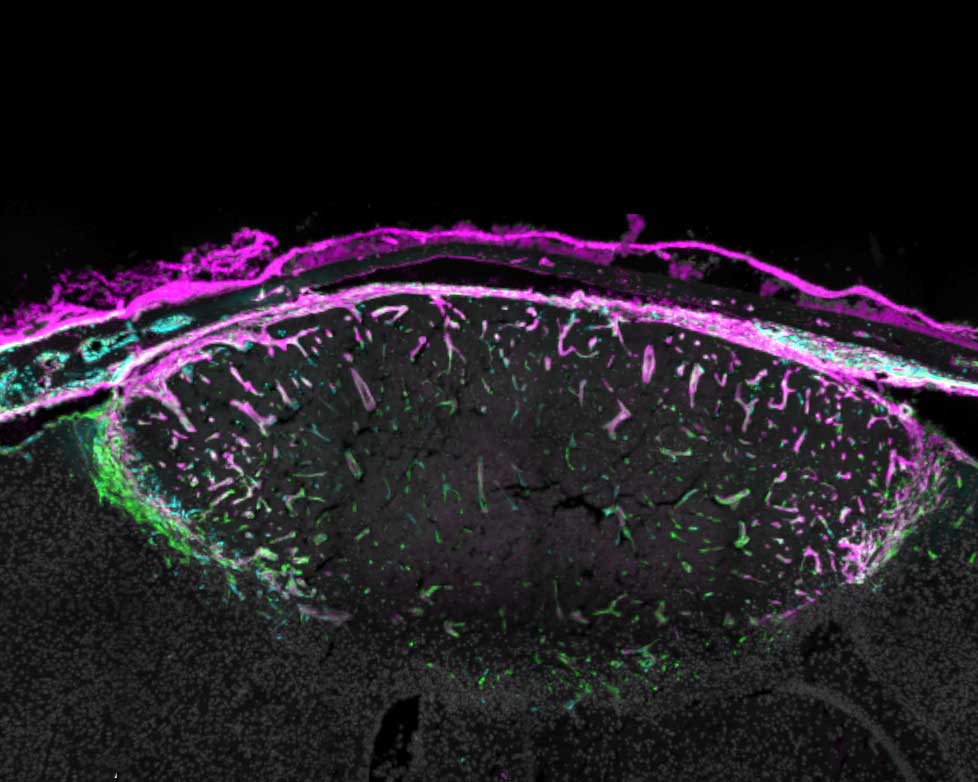
A mouse brain cortex seven days after a stroke that caused injury. Fibroblasts (green) have created collagen (pink) to form a protective scar layer around the injury. All images by Molofsky Lab, UCSF

Healing from any injury involves a delicate balance between scarring and inflammation – two processes that can wreak havoc as well as make repairs.

When the injury is to the brain, the balance is that much more important, yet scientists know almost nothing of how this process works.

Now, a study from UC San Francisco spotlights how a cell type called a fibroblast, that plays a healing role in other parts of the body also performs a similar function in the brain. The discovery is a step toward finding new ways to treat brain injuries, which are the nation’s leading cause of death and disability and for which there aren’t any drugs that can intervene.

Fibroblasts were only identified in the brain in the last decade. They reside mostly in the meninges, a set of protective membranes that surround the brain and spinal cord. Until now, scientists thought they mostly served to maintain the structure of the meninges and its network of blood vessels.

Ari Molofsky, MD, PhD, a professor of laboratory medicine, suspected the fibroblasts might be doing much more than that. He and Tom Arnold, MD, a professor of paediatrics, discovered that when the brain is injured – whether from a blow or a stroke – fibroblasts navigate from the meninges and surround the injured tissue where they create a protective barrier, or scar.

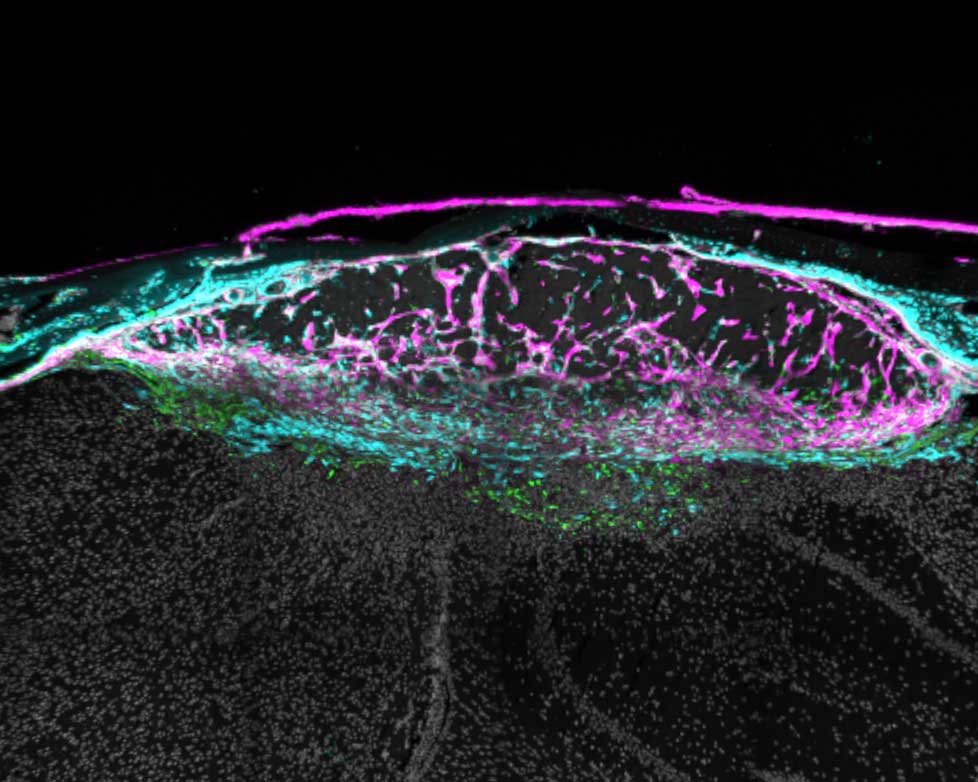
The same injury 14 days after the stroke. The scar now surrounds the whole injury, which is less swollen. Some fibroblasts have returned to their usual location in the meninges. Those that remain have switched roles and are now recruiting immune cells to moderate inflammation.

Then, about a week later, after the scar has formed, the fibroblasts adopt new roles. Some recruit immune cells that are required for healing; others ensure that the immune response doesn’t cause too much inflammation; and still others return to the meninges. Understanding these distinct stages could spur new interventions to help people with serious injuries.

Various views of a mouse brain cortex seven days after a stroke that caused injury. Green dots show fibroblast cells; pink areas show collagen produced by the fibroblasts to create a protective scar layer; and blue shows blood vessels with fibroblasts.

“Our study reveals opportunities to enhance the natural repair process,” said Molofsky, the senior author of the study, which appeared in Nature. “The goal is to give someone who’s experienced a traumatic brain injury or stroke the best outcome possible, based on the stage of healing they’re in.”

Therapies currently in clinical trials for lung and liver fibrosis target a molecule that prompts fibroblasts to create scarring. This suggests that other similar drugs could enhance healing in the early stages of a brain injury.

Molofsky’s study also offers an ideal venue for scientists to learn how fibroblasts are doing their work elsewhere in the body. Being largely devoid of immune cells, the brain offers a much clearer view than other organs like the lungs or liver, where immune cells may be too crowded around fibroblasts to see what they are doing.

“There’s a lot of potential here,” Molofsky said. “These overlooked cells seem adept at solving the common challenge of balancing healing and inflammation.”

Source: University of California – San Francisco

FundiHealth: Quality Healthcare Now Accessible for Students

Photo by Andrea Piacquadio on Pexels

Fundi, South Africa’s leading education finance and student solutions provider, has launched FundiHealth: a healthcare platform designed to meet the unique needs of students, young professionals and organisations committed to supporting the health and wellbeing of their people.

As part of its digital transformation and enablement strategy, Fundi has launched its own healthcare platform: FundiHealth.

Born out of Fundi’s deep understanding of the challenges students face and the recognition that health is a critical enabler of success, the platform offers affordable quality healthcare solutions for students and young professionals. “We’ve always believed that education unlocks potential, but we also see every day how poor health and the inability to afford care can derail even the most promising futures,” explains Benedict Johnson, Fundi Executive Head: EBS and New Initiatives. “Our platform was created with one clear purpose in mind: to remove healthcare as a barrier to education, productivity and meaningful participation in the economy.”

Fundi CEO Mala Suriah, moderator on the day ,Thembekile Mrototo and Fundi Executive Head Benedict Johnson at the FundiHealth launch.

The solution has been launched at a time when South Africa is grappling with a significant gap in healthcare coverage. According to the Council for Medical Schemes (2024), over 80% of South Africans do not belong to a medical aid scheme and rely entirely on the overstretched public health system. Young people are particularly vulnerable notes Charles Irumba, FundiHealth Executive: “Research from the Board of Healthcare Funders (2023) shows that fewer than 12% of students and young professionals under the age of 30 have adequate medical cover. This lack of access has serious implications not only for individual wellbeing but also for South Africa’s productivity and growth.” Data from Statistics South Africa (2024) further supports this; with absenteeism due to preventable illness costing the economy over R16 billion annually, with students and entry-level workers among the most affected.

“When students drop out of school because of untreated illnesses – including stress, depression or anxiety – or when young professionals miss work and lose income as a result, it has a detrimental effect on them as well as their families,” says Irumba. “FundiHealth ensures that young South Africans stay healthy in class and at work, contributing meaningfully to their futures and to our country’s growth and development.”

The new platform offers affordable, accessible medical cover that includes access to private doctors, medication, mental health support and preventative care services, all designed to fit the budgets of students, families and young professionals. “Critically, we’ve also created an option that allows organisations to offer their entry-level staff healthcare benefits at a fraction of the cost of traditional schemes. This is ideal for SMMEs and growing businesses, as it will assist them improve staff retention, morale and productivity,” adds Johnson. “Employers often underestimate the economic impact of poor health among their youngest and most vulnerable employees. By offering a healthcare solution like FundiHealth, they’re not just supporting their people, they’re strengthening their businesses too. Healthy employees are more engaged, more present and more productive. It’s a win-win.”

Beyond immediate productivity benefits, FundiHealth also has the potential to alleviate pressure on South Africa’s public health system by shifting some demand into the private sector and by promoting preventative care among young people. “If we want to grow as a nation, we have to keep our young people healthy in body, mind and spirit,” notes Irumba. “That’s what FundiHealth is all about. Good health is not a ‘nice-to-have’. It is a fundamental part of what it takes to succeed.”

FundiHealth is available to students, their families, young professionals and organisations at fundihealth.co.za. Customers can both explore different plan options and sign-up online.

“With FundiHealth, we’re tackling one of the most overlooked challenges to achieving one’s full potential: health. Good health underpins everything. By keeping our students and young professionals healthy, we’re keeping their dreams alive and South Africa moving forward,” Johnson concludes.

SAHPRA Registers Lenacapavir

Photo by Elen Sher on Unsplash

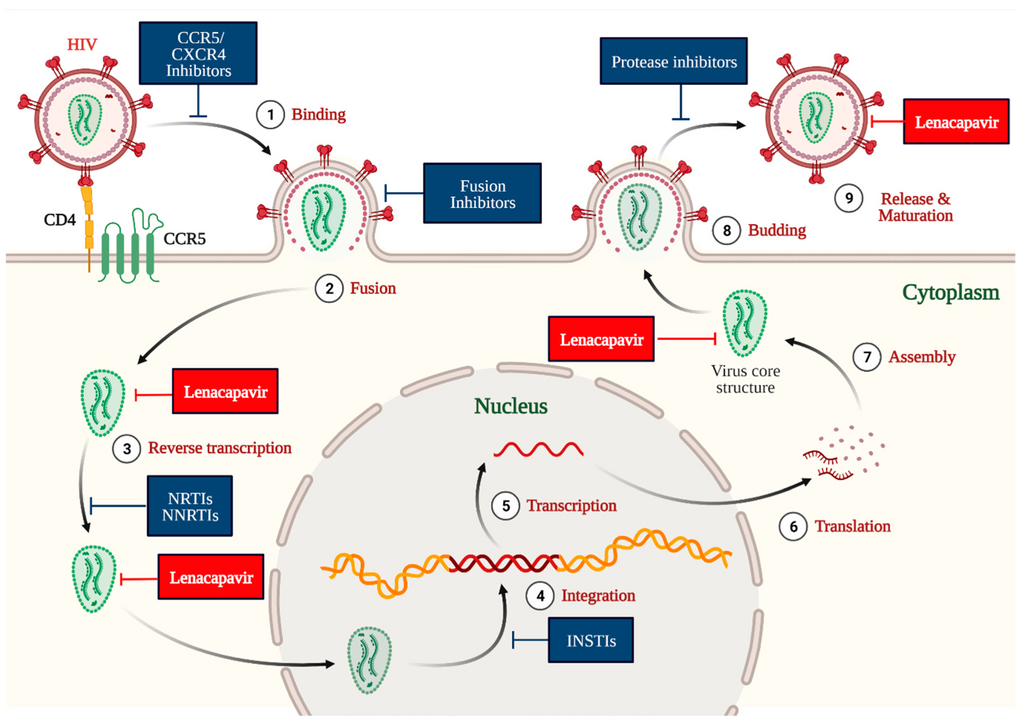
Pretoria, 27 October 2025 – The South African Health Products Regulatory Authority (SAHPRA) is pleased to announce the registration of Lenacapavir. Lenacapavir is an antiviral medicine that is recommended, in combination with safer sex practices, for pre-exposure prophylaxis (PrEP) to prevent HIV-1 infection in adults and adolescents weighing at least 35kg.

An application by Gilead was submitted to SAHPRA in March 2025. The SAHPRA review process was done in collaboration with the European Medicines for All Procedure (EU-M4all).  This procedure enables the European Medicines Agency (EMA), together with the participating regulatory authorities, to provide scientific opinions on high-priority medicines, such as Lenacapavir, intended for markets outside the European Union. The benefits of this pathway are to strengthen regulatory systems and accelerate access to essential medicines.

Lenacapavir mechanism. Credit: Dzinamarira, T et al., 2023. CC 4.0

Dosage

This product, developed to prevent new HIV infections, is a six-monthly injection. There is an initiation dose of a subcutaneous injection (administered just under the skin) with tablets (taken on days 1 and 2). It is used to reduce the risk of HIV in adults and adolescents who weigh at least 35kg, are HIV negative, and are at risk of getting HIV. Lenacapavir for PrEP should always be used in combination with safer sex practices, such as using condoms, to reduce the risk of getting other sexually transmitted infections.

“The registration of Lenacapavir is a game-changer, given the high prevalence rate of HIV in South Africa. This product is the most effective HIV prevention measure thus far,” indicated Dr Boitumelo Semete-Makokotlela, CEO: SAHPRA.

Source: SAHPRA

Faster MRI Scans Offer New Hope for Dementia Diagnosis

Photo by Mart Production on Pexels

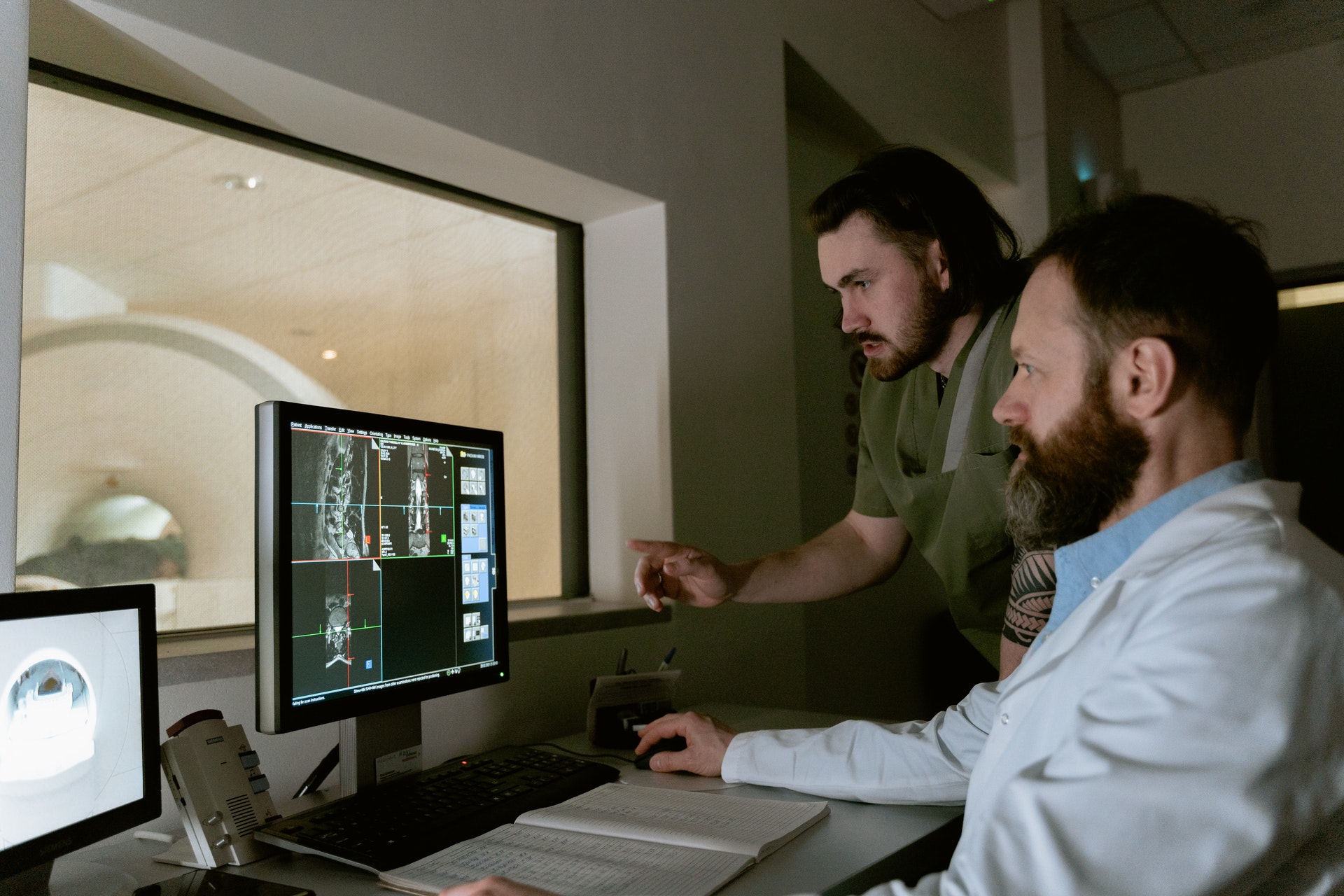
The time to carry out diagnostic MRI scans for dementia can be cut to one third of their standard length, according to a new study led by UCL researchers.

The findings, published in Alzheimer’s & Dementia, have been described as a step towards ending ‘the postcode lottery in dementia diagnosis’. Shorter scans would be easier and more comfortable for patients and also enable more people to be scanned at a lower cost. The team behind the study say this could at least double the number of dementia scans able to be done in one day.

Senior author Professor Nick Fox, Director of the UCL Dementia Research Centre at the UCL Queen Square Institute of Neurology, said: “As more treatments that can slow or change the course of dementia are being developed, it’s important to make sure MRI scans are available to everyone. This is because people living with dementia often need an MRI scan as part of their diagnosis before they can access these treatments.

“To help make this possible, our team carried out the first study looking at how new imaging techniques – called parallel imaging – could speed up MRI scans in clinics. Their goal is to move closer to a future where every person with dementia can get a diagnosis through a scan.”

MRI scans often play a key role in an accurate dementia diagnosis, including ruling out other causes of symptoms and assisting in diagnosing the type of dementia. Emerging disease-modifying treatments such as lecanemab and donanemab also require an MRI scan before starting treatment and for safety monitoring during the course of treatment. Reducing the cost of scanning would contribute to lowering the total cost of delivering for such treatments. 

The ADMIRA study (Accelerated Magnetic Resonance Imaging for Alzheimer’s disease), part funded by Alzheimer’s Society’s Heather Corrie Impact Fund, aimed to understand the reliability of fast MRI scans compared to standard-of-care clinical scans. The neurologists on the study were joined by co-authors from the UCL Hawkes Institute and the UCL Advanced Research Computing Centre in the faculty of Engineering.

The research team scanned 92 people in an outpatient setting where an MRI brain scan was planned as part of their routine clinical assessment. The accelerated scans were carried out and enhanced to increase the quality of the image using new scanning methods. Three neuroradiologists examined these scans, and weren’t aware if they were looking at fast or standard-of-care scans.

Co-author Professor Geoff Parker (UCL Hawkes Institute and UCL Medical Physics and Biomedical Engineering) said: “Our research has taken advantage of recent breakthroughs in scanner technology. Our task was to work out just how fast we could scan while maintaining image quality good enough for diagnosis.”

The team found that the quicker scans reduced time in the scanner by 63% and they were as reliable as the standard-of-care scans for diagnosis and visual ratings.

First author Dr Miguel Rosa-Grilo (UCL Queen Square Institute of Neurology) said: “We were confident that the new scan would prove non-inferior to the standard scan, given the high image quality – but it was remarkable how well it performed.”

Richard Oakley, Associate Director of Research and Innovation at Alzheimer’s Society, said: “Dementia is the UK’s biggest killer, but one in three people living with the condition haven’t had a diagnosis. An early and accurate diagnosis isn’t just a label, it’s the first step to getting vital care, support and treatment.

“While MRIs aren’t the only way to diagnosis dementia, very few people with concerns about their cognitive health are offered one as part of the diagnosis process, mainly because they are expensive and not widely available. These faster MRIs, which take less than half the time of standard scans, could help end this postcode lottery in dementia diagnosis, cut costs and potentially give more people access to them.

“MRI scans can be an uncomfortable and daunting experience for patients, so anything we can do to make it an easier process is really positive.

“So far, this shortened MRI scan has been tested at one specialist centre with one type of MRI scanner, so more research is needed to make sure this works across different types of scanners and a diverse range of people. We’re hugely encouraged by this progress and eager to see how it continues.”

The team will now build on their early results by making sure the approach works across different types of MRI machines, so it can benefit as many hospitals and clinics as possible.

Source: University College London

Altron HealthTech Set to Pilot South Africa’s First Oncology Companion App

ThriveLink to connect patients, doctors, caregivers, and medical schemes in a seamless digital platform

The last thing someone dealing with a life-threatening disease wants is the pain of endless administrative paperwork and confusion that arises when aspects of their care are not easily coordinated. Altron HealthTech is set to pilot a solution designed to minimise these burdens by integrating various aspects of care management into one solution.   

The company announced today that it will soon begin piloting ThriveLink, South Africa’s first platform to connect patients, doctors, caregivers, and medical schemes in one integrated digital space. The oncology companion app is designed to help cancer patients flourish during a trying time by providing seamless care coordination, access to key information and educational content and removal of administrative obstacles. 

“We’ve built this tool with the ultimate goal of making life easier for cancer patients to be empowered throughout managing their treatment journey,” says Altron HealthTech MD Leslie Moodley. “They’ll receive appointment tracking, medication reminders, and secure communication with their care team – all customised for their unique treatment plan in one digital space – so they can focus on what matters most: their health and wellbeing.” 

Addressing a growing crisis

The development team was inspired to create ThriveLink after frontline agents logged an alarming increase in cancer diagnoses. Cancer cases in South Africa are projected to nearly double from 62 000 in 2019 to 121 000 nationally by 2030 based on data compiled by the SA Journal of Oncology, driven by an aging population and increased lifestyle risks. 

“We have insight into anonymised and aggregated data, and were shocked at the increase in cancer volumes,” says Moodley. “We realised there was value in developing a tool that could span the entire healthcare value chain and all the various touchpoints, to solve for a very real issue. This insight sparked a critical question: how can we make it easier for oncologists, our key stakeholders, to focus on what matters most – patient care? 

ThriveLink brings together data from specialists, medical aids, pharmacies, and other relevant sources to coordinate care to connect healthcare providers. Beyond appointment tracking and medication reminders, the app offers educational content, emotional support tools, and secure communication channels. 

“The solution enables these data points to collaborate in a technical sense to coordinate care,” explains Moodley. “Our response was to build a technology-driven platform that not only streamlines authorisations and treatment protocols but also enables real-time interoperability. This empowers oncologists to coordinate care more efficiently, track treatment pathways, and adapt plans based on patient-specific outcomes. Patients won’t have to worry about burdensome details and will get reminded when it’s time to take their medication or schedule a follow-up.” 

Built on medical expertise and security

The app serves as the vital link in a complex ecosystem, ensuring secure information flow, informed decision-making, and trust at every stage.  

Altron HealthTech consulted widely with oncologists, patients, and other medical professionals before beginning development. A base application was rolled out to specialists about a year ago, and feedback from that pilot informed the expanded platform now ready for patient testing. 

The app has been built on secure, cloud-based software-as-a-service architecture in compliance with the Protection of Personal Information Act and all relevant regulatory requirements. Patients must provide informed consent before signing up. 

Beyond supporting patients directly, ThriveLink is designed to help control healthcare costs. Cancer is among the most expensive therapeutic burdens, with the Cancer Alliance having predicted that this disease will cost the public sector an additional R50 billion between 2020 and 2030. 

“By streamlining processes and integrating claims, authorisations, and clinical data, we remove duplication and costs from the system,” says Moodley. “This can indirectly help keep medical aid premiums down, benefiting all medical scheme patients.” 

Altron HealthTech is in early-stage discussions with medical aid schemes interested in integrating the app into their mobile solutions.