Author: ModernMedia

How Age Affects Vaccine Responses – and How to Make Them Better

Age-related shifts in T cells weaken vaccine response in older adults, but new findings pave the way for next generation of vaccines

Photo by SHVETS production

Allen Institute scientists are learning why vaccines can trigger a weaker response in older adults, around age 65, and what can be done to improve them. These insights open the door to designing more effective vaccines.  

In the largest study of its kind, published in Nature, scientists discovered that T cells undergo profound and specific changes as we age. These changes, far from being random or a byproduct of chronic disease and inflammation, are a fundamental feature of healthy aging and will happen to all of us as we get older.  

“We were surprised that inflammation is not driving healthy aging. We think inflammation is driven by something independent from just the age of a person,” said Claire Gustafson, PhD, assistant investigator at the Allen Institute and one of the lead authors of the study. “This is important because there’s been research showing similar findings that inflammation and aging don’t go hand in hand, and your immune system is just changing with age.”  

The changes also point to why vaccines, including the annual flu shot and COVID-19 boosters, tend to be less effective in older adults.

The changes scientists discovered

T cells are a critical part of our immune system that help “train” B cells, to produce antibodies in response to viruses and vaccines. But this study found that memory T cells in older adults undergo a dramatic shift toward what is known as a “Th2-like” state, which is a change in gene expression that fundamentally alters how these cells respond to threats. Researchers found this shift directly affects B cells’ ability to generate strong antibody responses. In other words, the flu shot might still deliver the right viral components, but if the memory T cells aren’t functioning properly, the body struggles to respond effectively.  

How this could lead to better vaccines 

With this insight, doctors may be able to use a person’s immune profile to predict how well they’ll respond to a vaccine. Now that scientists can pinpoint how T cells become less effective with age, they can also start designing new vaccine formulas or immune-boosting treatments to address these issues.  

Since T cells in older adults function differently, scientists could reformulate vaccines to compensate specifically for age-related cellular changes rather than using a one-size-fits-all approach. Gene-editing tools like CRISPR could also be used to reprogram a person’s T cells before vaccination, essentially re-programming older immune cells to make them respond to vaccines like younger cells do—like CAR-T cell therapy that reprograms immune cells to fight cancer.  

Researchers say this work goes beyond just vaccines and reveals how our immune systems change in all of us as we get older and how our bodies fight age-related disease and viruses. It also opens the door to interventions like new therapies to restore key immune cells.  

How researchers made the discovery

Scientists tracked more than 96 healthy adults ages 25–65 for over two years in collaboration with Benaroya Research Institute. The researchers then used cutting-edge techniques like single-cell RNA sequencing, proteomics, and spectral flow cytometry to profile the immune system of these individuals over time. The scientists then used this data on the immune system to create a detailed Human Immune Health Atlas, an online resource mapping 71 different immune cell types and how they change over time, and why those changes matter. Then, they applied this Atlas to study over 16 million individual immune cells from healthy adults 25–90+ years of age, offering an unprecedented tool for researchers worldwide to better understand, and support, the aging immune system. This online resource is the largest of its kind and freely available to researchers worldwide.  

“This research illustrates how working collaboratively can make a significant impact on our understanding of the immune system, both now and in the future,” said Jane Buckner, MD, president of the Benaroya Research Institute. “It was made possible through the combined efforts of several Seattle-based research institutions, dedicated scientists, clinicians and research coordinators, as well as the individuals who generously volunteered their time, samples, and health information.”  

The significance of this work extends beyond aging research and provides a roadmap for understanding how immune dysfunction develops over time, offering concrete targets for intervention and potentially transforming how we approach immune health across the entire human lifespan.  

“There’s so much more information to be gained by looking at this dataset we’ve produced,” said Gustafson. “My hope is that it will be used for a long time to enable other researchers to look more deeply and find more insights into human immunity.” 

Source: Allen Institute

Is There a Doctor on Board? New Research Reveals the Frequency of In-Flight Medical Emergencies

The study is the largest global analysis of in-flight medical events

Photo by Daniel Eledut on Unsplash

 With nearly five billion people flying each year, medical emergencies in the air may be more common than most realise and they can be deadly.

A new study led by Duke Health researchers analysed more than 77, 00 in-flight medical events reported to the world’s busiest airline medical support centre. The findings show that while most incidents are minor, thousands of passengers required hospital care after landing, and hundreds died or triggered aircraft diversions.

The study, published in JAMA Network Open, was conducted in partnership with MedAire, an aviation and maritime health and safety solutions company, which also provided the data for analysis. The paper offers a rare look into how airlines respond to medical crises and why some flights are forced to divert.

“This is the largest and most comprehensive study of in-flight medical emergencies ever conducted,” said Alexandre Rotta, MD, senior and corresponding author of the paper and chief of the Division of Pediatric Critical Care Medicine with the Department of Pediatrics at Duke University School of Medicine.

“It gives us a real-world snapshot of what happens when someone gets sick in the sky and how starkly the options differ from those in a hospital,” Rotta said.

Researchers reviewed medical calls from 84 airlines across six continents, covering over 3.1 billion passenger boardings between January 2022 and December 2023.

They found that one in every 212 flights involved a medical emergency. Of those flights, about 8% of passengers were taken to the hospital after landing, and 1.7% of the total medical events were so serious they caused the plane to divert.

The most common reasons for diversion were suspected strokes, seizures, chest pain, and altered mental status. Cardiac arrest occurred in 293 cases, with survival rates far lower than on land.

Medical volunteers (often physicians) assisted in nearly one-third of emergencies. Their involvement was linked to a higher likelihood of diversion, likely because they were called upon during more serious events.

“It’s humbling to practice medicine in the air,” said Rotta, who became interested in the topic after being called upon as medical volunteer during several flights. “You’re working with limited equipment, no lab tests and no backup. Even minor issues can become major challenges.”

Rotta emphasised that airlines are generally well-prepared, especially in the US, where regulations require defibrillators and basic medical kits. However, he noted that not all airlines partner with ground-based medical support centres, an approach he believes is essential.

“Airplanes aren’t hospitals, and we shouldn’t expect them to be,” he said. “But having expert guidance from the ground can make all the difference when someone’s life is at risk.”

The findings could help shape airline policies, improve crew training and inform passengers with chronic conditions about how to prepare for travel.

Source: Duke University

Doctors Who Use AI Viewed Negatively by Their Peers, Study Shows

Johns Hopkins researchers find that despite pressure on clinicians to be early adopters of AI, many face scepticism from peers for using it

Photo by Andres Siimon on Unsplash

Doctors who use artificial intelligence at work risk having their colleagues deem them less competent for it, according to a recent Johns Hopkins University study.

While generative AI holds significant promise for advancing health care, a new study finds its use in medical decision-making impacts how physicians are perceived by their colleagues. The research shows that doctors who primarily rely on generative AI for decision-making face considerable scepticism from fellow clinicians, who correlate their use of AI with a lack of clinical skill and overall competence, resulting in a diminished perceived quality of patient care.

The research included a diverse group of clinicians from a major hospital system, involving attending physicians, residents, fellows, and advanced practice providers. Results of the study were published in Nature Digital Medicine.

Stigma stunts better care

The findings may indicate a social barrier to AI adoption in health care settings, which could slow advances that might improve patient care.

“AI is already unmistakably part of medicine,” says Tinglong Dai, professor of business at the Johns Hopkins Carey Business School and co-corresponding author of the study. “What surprised us is that doctors who use it in making medical decisions can be perceived by their peers as less capable. That kind of stigma, not the technology itself, may be an obstacle to better care.”

The study, conducted by researchers at Johns Hopkins University, involved a randomised experiment where 276 practicing clinicians evaluated different scenarios: a physician using no AI, one using AI as a primary decision-making tool, and another using it for verification. The research found that as physicians were more dependent on AI, they faced an increasing “competence penalty,” meaning they were viewed more sceptically by their peers than those physicians who did not rely on AI.

“In the age of AI, human psychology remains the ultimate variable,” says Haiyang Yang, first author of the study and academic program director of the Masters of Science in Management program at the Carey Business School. “The way people perceive AI use can matter just as much as, or even more than, the performance of the technology itself.”

Skipping AI equalled more respect

According to the study, peer perception suffers for doctors who rely on AI. Framing generative AI as a “second opinion” or a verification tool partially improved negative perceptions from peers, but it did not fully eliminate them. Not using GenAI, however, resulted in the most favourable peer perceptions.

The findings align with theories that suggest perceived dependence on an external source like AI can be seen as a weakness by clinicians.

Ironically, while GenAI’s visible use can undermine a physician’s perceived clinical expertise among peers, the study also found that clinicians still recognise AI as a beneficial tool for enhancing precision in clinical assessment. The research showed that clinicians still generally acknowledge the value of GenAI for improving the accuracy of clinical assessments, and they view institutionally customized GenAI as even more useful.

The collaborative nature of the study led to thoughtful suggestions for GenAI implementation in health care settings, which are crucial to balance innovation with maintaining professional trust and physician reputation, the researchers note.

“Physicians place a high value on clinical expertise, and as AI becomes part of the future of medicine, it’s important to recognise its potential to complement – not replace – clinical judgment, ultimately strengthening decision making and improving patient care,” said Risa Wolf, co-corresponding author of the research and associate professor of pediatric endocrinology at Johns Hopkins School of Medicine with a joint appointment at the Carey Business School.

Source: Johns Hopkins University

Blood Type Linked to Risk of Premature Birth, New Study Suggests

Photo by National Cancer Institute on Unsplash

A new study, led by clinical researchers from Imperial’s Department of Metabolism, Digestion and Reproduction and Imperial College Healthcare NHS Trust, has uncovered a link between a pregnant woman’s blood group and her risk of spontaneous premature birth, which the team hopes could in future lead to more personalised approaches to preventing early labour.

“The treatments we currently offer to prevent preterm birth have barely changed in decades. This research opens the door to more targeted, biologically-informed interventions.”

Dr Lynne Sykes Clinical Associate Professor, Department of Metabolism, Digestion and Reproduction

The findings, published in npj Biofilms and Microbiomes, draw on more than 74 000 anonymised maternity records from Imperial College Healthcare NHS Trust and data from high-risk pregnancies. The team found that women with blood groups B and O were associated with a higher risk of spontaneous preterm birth, while those from blood group A were associated with a lower risk. 

The clinical researchers believe this is because women with blood group A are more likely to carry higher proportions of a protective bacterium and show less inflammation, both associated with healthy pregnancies.

The research also found that the blood group associations vary depending on underlying risk factors, including previous cervical surgery or a history of late miscarriage or premature birth. In women whose only risk factor was previous cervical surgery, blood group B was associated with a higher likelihood of preterm delivery. In contrast, in women with a history of late miscarriage or prior premature birth, blood group O was associated with the highest risk.

The team used advanced microbiome analysis on a subset of 596 high-risk women to investigate possible biological mechanisms at work. They found that women with blood group A were more likely to carry higher proportions of Lactobacillus crispatus, a ‘good’ bacterium associated with healthy pregnancies. In contrast, women of blood group B and O were more likely to harbour a more diverse bacterial signature. In women with blood group O, a direct link was observed between this bacterial signature, inflammation, and spontaneous preterm birth.

Speaking about the findings, Dr Lynne Sykes, lead researcher and Clinical Associate Professor at Imperial College London, and Consultant Obstetrician at Imperial College Healthcare NHS Trust, said: “Although we did not establish causation, we have identified a genetic link that can influence the risk of spontaneous premature birth in women. This could potentially impact women in the future by identifying risk earlier in pregnancy and by offering more tailored interventions. While we need further research, the prospect of moving towards personalised care in this area is hugely exciting.” 

Next steps

The team demonstrated that blood group sugars are secreted into the vaginal fluid and that binding of these sugars can occur to key good and bad bacteria found in the vagina. However, one important limitation of the study was that researchers did not have “secretor status” data for participants, a genetic factor that affects whether blood group sugars are secreted in vaginal fluid. 80% of the population are “secretors”, whereas 20% do not secrete blood group sugars, so future studies that incorporate this information may strengthen the findings.

The research suggests that the ABO blood group, routinely tested early in pregnancy, could be used to help stratify preterm birth risk, especially when considered alongside other clinical factors. Importantly, the team accounted for ethnicity, known to affect both blood group prevalence and preterm birth risk, ensuring these results were not driven by population differences.

Dr Sykes added: “What excites me most is the opportunity this presents for truly personalised medicine in pregnancy, something that has been sorely lacking in our field. The treatments we currently offer to prevent preterm birth have barely changed in decades. This research opens the door to more targeted, biologically-informed interventions.”

The study also lays the groundwork for new therapeutic approaches. A clinical trial beginning this autumn, funded by March of Dimes in the US, will explore whether probiotic treatment with Lactobacillus crispatus (Lactin-V) can help reduce premature birth in high-risk women – and whether response to the treatment may vary by blood group.

Source: Imperial College London

New Research Reveals Longevity Gains Slowing, Life Expectancy of 100 Unlikely

Photo by Tim Kilby on Unsplash

A new study co-authored by a University of Wisconsin-Madison professor finds that life expectancy gains made by high-income countries in the first half of the 20th century have slowed significantly, and that none of the generations born after 1939 will reach 100 years of age on average.

Published in the journal Proceedings of the National Academy of Sciences, the study by Héctor Pifarré i Arolas of the La Follette School of Public Affairs, José Andrade of the Max Planck Institute for Demographic Research, and Carlo Giovanni Camarda of the Institut national d’études démographiques analysed life expectancy for 23 high-income and low-mortality countries using data from the Human Mortality Database and six different mortality forecasting methods.

“The unprecedented increase in life expectancy we achieved in the first half of the 20th century appears to be a phenomenon we are unlikely to achieve again in the foreseeable future,” according to Pifarré i Arolas. “In the absence of any major breakthroughs that significantly extend human life, life expectancy would still not match the rapid increases seen in the early 20th century even if adult survival improved twice as fast as we predict.”

From 1900 to 1938, life expectancy rose by about five and a half months with each new generation. The life expectancy for an individual born in a high-income country in 1900 was an average of 62 years. For someone born just 38 years later in similar conditions, life expectancy had jumped to 80 years on average.

For those born between 1939 and 2000, the increase slowed to roughly two and a half to three and a half months per generation, depending on the forecasting method. Mortality forecasting methods are statistical techniques that make informed predictions about future lifespans based on past and current mortality information. These models enabled the research team to estimate how life expectancy will develop under a variety of plausible future scenarios.

“We forecast that those born in 1980 will not live to be 100 on average, and none of the cohorts in our study will reach this milestone. This decline is largely due to the fact that past surges in longevity were driven by remarkable improvements in survival at very young ages,” according to corresponding author Andrade.

At the beginning of the 20th century, infant mortality fell rapidly due to medical advances and other improvements in quality of life for high-income countries. This contributed significantly to the rapid increase in life expectancy. However, infant and child mortality are now so low that the forecasted improvements in mortality in older age groups will not be enough to sustain the previous pace of longevity gains.

While mortality forecasts can never be certain as the future may unfold in unexpected ways – by way of pandemics, new medical treatments or other unforeseen societal changes – this study provides critical insight for governments looking to anticipate the needs of their healthcare systems, pension planning and social policies.

Although a population-level analysis, this research also has implications for individuals, as life expectancy influences personal decisions about saving, retirement and long-term planning. If life expectancy increases more slowly as this study shows is likely, both governments and individuals may need to recalibrate their expectations for the future.

Source: La Follette School of Public Affairs

Study Reveals How a Stubborn Lung Infection Evolves Inside Patients over Years

Researchers wanted to know what allows the infection to hang on or come back, and whether it develops new tricks or resistances while living inside the lungs.

Photo by Anna Shvets

Researchers at Trinity Translational Medicine Institute (TTMI) and the Irish Mycobacterial Reference Laboratory at St James’s Hospital have uncovered how the bacterium Mycobacterium avium – a leading cause of difficult-to-treat chronic lung infections – changes and adapts inside patients over many years of illness. Their findings, published in Genome Medicine, could help doctors understand why M. avium infections come back and why antibiotics sometimes fail.

The team undertook this research to understand how M. avium manages to survive for years in people’s lungs, even during long courses of antibiotics. This bacterium causes a type of chronic lung infection that’s becoming more common around the world. By looking closely at its genetic code, the team hoped to see how it changes inside the body and why it can be so difficult to clear.

Treating M. avium lung disease is difficult – patients often need 12 months or more of several antibiotics, and treatment still fails in up to half of cases. Many patients get sick again even after therapy.

The team used whole-genome sequencing to analyse nearly 300 bacterial samples from patients in Ireland, the UK and Germany, including 20 Irish patients treated at St James’s Hospital. By reading the DNA of these bacteria over time, the scientists tracked how M. avium evolves, swaps strains and develops resistance while living in the human lung.

They found that infection is often not caused by one single long-term strain, but by repeated reinfection with new ones, sometimes closely related to strains seen in other European countries—hinting at shared environmental sources. The bacterium acquires roughly one new genetic change per year, and most importantly, the team found that thirteen specific genes showed signs of adaptation to antibiotics, immune attack and low-oxygen stress.

Lead author Dr Aaron Walsh, researcher in the Trinity Translational Medicine Institute said:

 “Our study shows that M. avium can evolve in real time inside the lung. Understanding which genes help it survive may point us towards new treatment targets for this increasingly common and stubborn infection.”

This is the first study to use whole-genome sequencing to follow M. avium infections inside patients over many years, revealing how the germ evolves within the lungs.

Key findings from study

  1. Reinfection is common: Many patients picked up new strains over time, suggesting they were reinfected from the environment rather than suffering relapse of the same infection.
  2. International connections: Some Irish strains were genetically almost the same as ones from UK and Germany.
  3. Thirteen key genes changed under pressure: These genes help the bacterium cope with antibiotics, low oxygen, or attack by the immune system.
  4. Resistance can appear during treatment: We saw changes in a gene linked to rifampicin resistance in two patients receiving that drug.

Uniquely, in this study researchers found that thirteen genes under “positive selection” was new for M. avium.

Dr Emma Roycroft, Specialist Medical Scientist in the Irish Mycobacterial Reference Laboratory“Some of those genes weren’t previously linked to survival of M. avium inside the body. For example, one involved in handling oxidative stress and another in forming biofilms. This has highlighted important pathways that could be targeted with new treatments. It was also striking that Irish, British and German samples were so closely related, even though the patients had never met.”

The team’s next steps are:

  • Test in the lab how those thirteen genes help the bacterium survive.
  • Use long-read sequencing to see genetic changes that short-read methods miss.
  • Study environmental samples to find where reinfections come from.
  • Expand their research to other patient groups to see if the same patterns occur.

Source: Trinity College Dublin

Ketamine no Benefit for Patients Hospitalised with Depression

Researchers from Trinity College, St Patrick’s Mental Health Services, Queen’s University Belfast, Ireland, investigate use of twice-weekly ketamine infusions as an add-on treatment for inpatients with serious depression

Photo by Sydney Sims on Unsplash

Findings from a randomised and blinded clinical trial investigating repeated ketamine infusions for treating depression have revealed no extra benefit for ketamine when added onto standard care for people admitted to hospital for depression. The paper is published in the journal JAMA Psychiatry.

The KARMA-Dep (2) Trial involved researchers from St Patrick’s Mental Health Services, Trinity College Dublin, and Queens University Belfast, Ireland. It was sponsored by Trinity College Dublin  and led by Declan McLoughlin, Research Professor of Psychiatry at Trinity College Dublin and Consultant Psychiatrist at St Patrick’s Mental Health Services.

Depression has been recognised by the World Health Organization as a leading cause of disability globally.  According to the Health Research Board’s most recent report, there were 15 631 adult admissions to psychiatric services in Ireland in 2023. Similar to previous years, depressive disorders accounted for the highest proportion (about 24%) of all admissions.

Studies show that about 30% of people with depression do not respond sufficiently well to conventional antidepressants, which mostly target monoamine neurotransmitters, for example serotonin, dopamine and noradrenaline.  There is thus a need for new treatments.  One such novel treatment is the dissociative anaesthetic ketamine when given intravenously in low sub-anaesthetic doses. Ketamine works differently to other antidepressants and is believed to mediate its effects in the brain through the chemical messenger glutamate.

Single infusions of ketamine have been reported to produce rapid antidepressant effects, but these disappear within days. Nonetheless, ketamine is increasingly being adopted as an off-label treatment for depression even though the evidence to support this practice is limited. One possibility is that repeated ketamine infusions may have more sustained benefit. However, this has so far been evaluated in only a small number of trials that have used an adequate control condition to mask the obvious dissociative effects of ketamine, e.g. altered consciousness and perceptions of oneself and one’s environment. 

KARMA-Dep 2 is an investigator-led trial, sponsored by Trinity College Dublin and  funded by the Health Research Board. The randomised trial was developed to assess antidepressant efficacy, safety, cost-effectiveness, and quality of life during and after serial ketamine infusions when compared to a psychoactive comparison drug midazolam. Trial participants were randomised to receive up to eight infusions of either ketamine or midazolam, given over four weeks, in addition to all other aspects of usual inpatient care. 

 The trial findings revealed that:

  • There was no significant difference between the ketamine and midazolam groups at the end of the treatment course on the trial’s primary outcome, which was an objective measurement of depression. This was assessed with the commonly used Montgomery-Åsberg Depression Rating Scale (MADRS).
  • There was no significant difference between the two groups at the end of the treatment course on a subjective, patient-rated, scale for depression.  This was assessed with the commonly used Quick Inventory of Depressive Symptoms, Self-Report scale (QIDS-SR-16). 
  • No significant differences were found between the ketamine and midazolam groups on secondary outcomes for cognitive, economic or quality-of-life outcomes. 
  • Despite best efforts to keep the trial patients and researchers blinded about the randomised treatment, the vast majority of patients and raters correctly guessed the treatment allocation. This could lead to enhanced placebo effects.

Speaking about the impact of the findings, Declan McLoughlin, Research Professor of Psychiatry at Trinity College Dublin and Consultant Psychiatrist at St Patrick’s Mental Health Services, said:

“Our initial hypothesis was that repeated ketamine infusions for people hospitalised with depression would improve mood outcomes. However, we found this not to be the case. Under rigorous clinical trial conditions, adjunctive ketamine provided no additional benefit to routine inpatient care during the initial treatment phase or the six-month follow-up period. Previous estimates of ketamine’s antidepressant efficacy may have been overstated, highlighting the need for recalibrated expectations in clinical practice.” 

Lead author of the study, Dr Ana Jelovac, Trinity College Dublin, said:

“Our trial highlights the importance of reporting the success, or lack thereof, of blinding in clinical trials. Especially in clinical trials of therapies where maintaining the blind is difficult, e.g. ketamine, psychedelics, brain stimulation therapies. Such problems can lead to enhanced placebo effects and skewed trial results that can over-inflate real treatment effects.”.

Source: Trinity College Dublin

Study Explores How Prenatal Cannabis Exposure May Affect Foetal Brain Development

Source: Pixabay CC0

Researchers at UTHealth Houston are examining the biological effects of prenatal cannabis exposure and its potential impact on foetal brain development. Supported by a $3.7 million grant from the National Institutes of Health and the National Institute on Drug Abuse, the study aims to improve screening tools, public health guidance, and prenatal care strategies for pregnant people who use cannabis.

Led by Laura Goetzl, MD, MPH, a professor in the Department of Obstetrics, Gynecology, and Reproductive Sciences at McGovern Medical School at UTHealth Houston, the five-year grant will fund the study, “Foetal neuronal extracellular vesicle biomarkers of in-utero effects of maternal cannabinoid use and human foetal brain development and neurobehavioral outcomes.

“In recent years, cannabis use among pregnant women has increased, either recreationally or to help relieve nausea and vomiting during pregnancy,” Goetzl said. “Despite this rise, the effects on a baby’s brain are not well understood. Our hope through this research is that we can better identify risk factors and help health care providers give expecting mothers the best possible guidance.

The study will explore early biological signs, or biomarkers, to show how cannabis exposure influences a baby’s developing brain.

“During pregnancy, small bubbles called neuronal extracellular vesicles travel from the foetus into the mother’s bloodstream,” Goetzl said. “Through studying these small particles, we hope to gain valuable insight into foetal brain development without invasive testing.”

In collaboration with the University of Colorado, the research study will focus on how prenatal cannabis exposure may influence brain growth and neurobehavioral outcomes in children, including their potential for developing attention-deficit/hyperactivity disorder (ADHD) or autism later in life.

The project is supported by the National Institute on Drug Abuse of the National Institutes of Health under award number R01DA060319.

Source: UTHealth Houston

When a Limp Isn’t Just a Sprain in Adolescents

A timely X-ray can save young hips

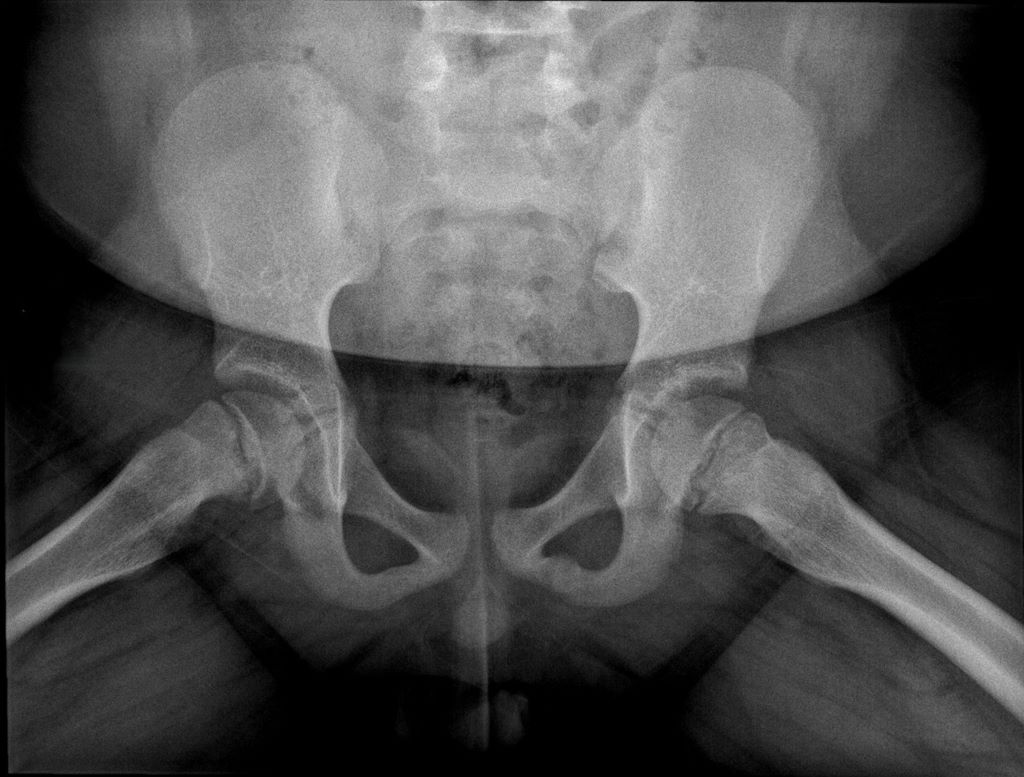
Frog leg lateral view of the hips. Widening of the growth plate (physis) with blurring and irregularity of the femoral neck (metaphysis). Inferior offset of the head in relation to the neck (early slip).

Slipped Capital Femoral Epiphysis (SCFE) is the most common adolescent hip disorder. It occurs when the ball at the top of the thigh bone (femoral head) slips off the neck of the bone through the growth plate (physis). A bit like an ice cream sliding off a cone… Dr Ryno du Plessis, a renowned orthopaedic and joint replacement surgeon in the Western Cape, talks about what it is and why it is often misdiagnosed.

SCFE usually happens during growth spurts in children aged 9 to 16 years and is more common in boys and in children with obesity, endocrine disorders, or other risk factors.

Why is this problem often missed?

AP view of the hips. ‘Melting ice cream sign’: Femoral head (epiphysis) slipping off the femoral neck (metaphysis) though the growth plate (physis) like an ice cream melting from the cone.

Despite its frequency, SCFE is routinely misdiagnosed or diagnosed late – unfortunately, sometimes months after symptoms start. Studies show that over 50% of SCFE cases are not diagnosed at the first medical visit.

Here’s why:

  • Pain felt in the knee or thigh: Physicians often focus on the wrong joint and the hip is never X-rayed
  • Labeled as a groin strain: Adolescents in sports may be diagnosed with muscle strains or ‘growing pains’
  • Symptoms develop gradually: Children may limp without severe pain, leading to delayed concern
  • Physiotherapy prescribed early: Instead of imaging – patients are referred to physio – delaying diagnosis
  • Lack of hip-specific X-rays: It requires a frog-leg lateral X-ray.

Why does delay matter?

The longer the slip is left untreated, the more serious the outcome. Every week or month of delay increases the severity of the deformity, often silently.

Late diagnosis risks:

  • More severe deformity
  • Loss of bloody supply to the femoral head. This is known as avascular necrosis and can lead to pain, limited movement and eventually, hip collapse and osteoarthritis
  • Early-onset hip arthritis
  • Complex surgery

Children diagnosed early often need just one screw to stabilise the hip. Those who are diagnosed late may face major reconstructive surgery, longer recovery, and reduced hip function for life.

Red flags for parents, teachers and coaches

If you notice any of the following signs in a child or teen – especially those who are overweight – take it seriously and ask for a hip X-ray:

  • Limping for more than a week
  • Complaints of pain in the knee, thigh, groin, or buttock
  • Walking with the foot turned outwards
  • Stiffness or loss of motion in the hip
  • Sudden inability to walk or stand after a minor stumble (may indicate an unstable SCFE)

Radiology – diagnostic challenges

Dr Jaco Greyling, a radiologist from SCP Radiology, says SCFE diagnoses can be delayed due to several factors, including

  • Hip X-rays not ordered by the initial healthcare provider (eg, GP or physiotherapist)
  • Only a single anterior-posterior pelvis projection is performed, whereas a frog-leg lateral view must also be specifically requested by the referring physician. Radiologists should ensure the child returns for this view if it was not initially ordered
  • Findings in the pre-slip phase are subtle and may be missed, even by experienced radiologists

He says, ’the recommended imaging is an anterior-posterior pelvic view which shows malalignment and widening of the growth plate and a frog-leg lateral view, the most sensitive for detecting early or subtle slips.’

‘Key radiological signs,’ says Dr Greyling are:

  • Widening of the growth plate
  • Loss of height of the femoral head
  • Loss of alignment of the anatomical lines that intersect with the femoral head
  • ‘Melting ice cream sign’ slipping off the femoral neck at the growth plate (epiphysis).

Follow-up recommendations:

Dr Greyling suggests repeat imaging within two weeks if symptoms persist, and an early referral to a paediatric orthopaedic surgeon and an MRI for patients with risk factors and ongoing pain.

Who’s at risk?

  • Children aged 9-16 years
  • Boys are at greater risk than girls
  • BMI in the overweight/obese range
  • Family history of hip disorders
  • Endocrine disorders: Hypothyroidism, growth hormone treatment, kidney disease

Treatment

Early SCFE is usually treated with in-situ fixation using one or two screws. The goal is to stabilise the rounded end of a long bone to prevent further slippage.

In cases where both hips are at risk (especially in young or overweight patients), pinning of the opposite hip as well is sometimes recommended to prevent it from occurring.

Severe or late cases have a high risk of AVN, which is the death of bone tissue caused by a disruption in its blood supply, leading to pain, stiffness, and potential bone collapse or joint destruction over time and permanent disability.

The take-home message

SCFE is treatable and preventable if recognised early.

If a child has an unexplained limp, especially with thigh or knee pain, don’t assume it’s just a strain. Ask the doctor directly: “Could this be SCFE? Should we get hip X-rays done?”

One simple question. One X-ray. It could save a child’s hip.


New Brain Imaging Technique Can Detect Early Frontotemporal Dementia

Photo by Anna Shvets

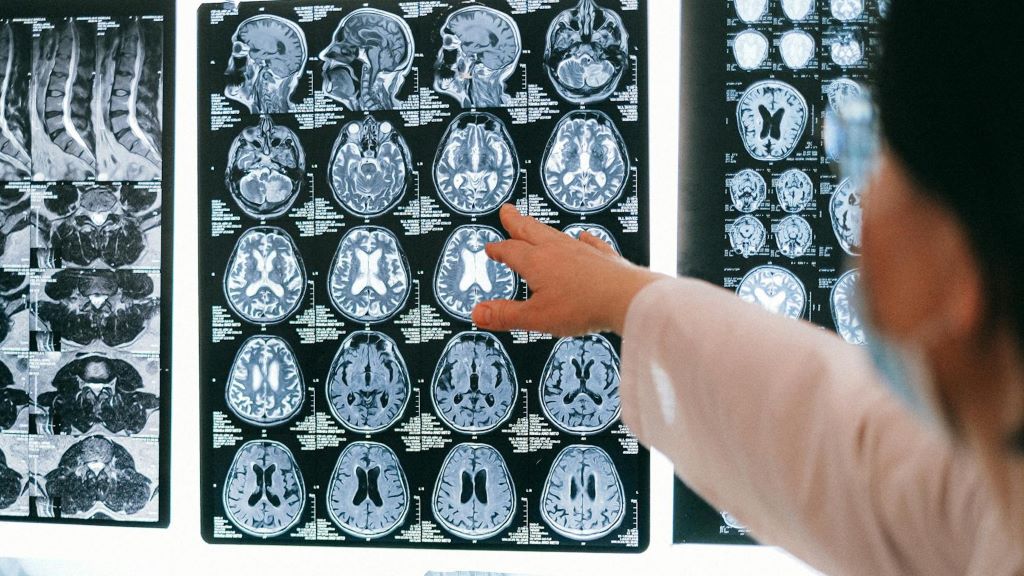
A new international study led by researchers at Karolinska Institutet demonstrates that it is possible to detect subtle changes in the brain and identify early signs of hereditary frontotemporal dementia using advanced brain imaging techniques. The study has recently been published in Molecular Psychiatry.

Frontotemporal dementia, or FTD, is a neurodegenerative disease that often affects people in middle age and is a common cause of dementia before the age of 65. The disease is particularly difficult to diagnose in its early stages, as the earliest symptoms are behavioural changes and may resemble primary psychiatric disease and symptoms later on can resemble conditions such as Alzheimer’s disease and Parkinson’s disease. In about a third of cases, frontotemporal dementia is hereditary, making families with known mutations an important resource for research.

New type of MRI technique

In the current study, researchers from Karolinska Institutet, together with an international research network, examined the brain’s microstructure in over 700 individuals – both carriers of FTD mutations and control subjects. The researchers used a new type of MRI technique that measures how water molecules spread within the grey matter of the brain, where greater diffusion indicates microstructural damage to brain tissue. In this way, the technique can reveal early damage in the cerebral cortex before the brain begins to shrink, known as brain atrophy, or cognitive problems arise.

The results revealed that the new method is more sensitive than the established imaging technique that measures the thickness of the cerebral cortex. Among individuals with a mutation in the C9orf72 gene, the researchers could detect changes in the brain even before any clinical symptoms appeared. For mutations in the MAPT gene, changes were observed at mild symptom stages, whereas for carriers of GRN mutations, alterations emerged only at more advanced stages.

Identifying individuals at risk

“Our findings show that changes in the brain’s microstructure can be detected before visible brain atrophy, and these changes are closely linked to how the disease develops,” explains corresponding author Elena Rodriguez-Vieitez, researcher at the Department of Neurobiology, Care Sciences and Society, Karolinska Institutet.

“This could be valuable for identifying individuals at risk and for evaluating new therapies in clinical trials.”

The researchers also followed the participants over time and showed that a greater spread of water molecules in brain tissue at the start of the study was linked to a faster decline in behaviour and cognitive ability. This was true for all three mutation types.

“Our results suggest that measurements of the brain’s microstructure could become an important tool for identifying individuals at risk of frontotemporal dementia and for monitoring disease progression in clinical trials,” says Caroline Graff, professor at the same department and last author of the study.

Source: Karolinska Institutet