Current treatments to prevent organ transplant rejection focus mainly on suppressing T cells, part of the adaptive immune system. However, the innate immune system – the body’s first line of defence that triggers early inflammation after transplantation – has largely remained untargeted by modern therapies.
In a new study, researchers from Mass General Brigham identified a natural “brake” within the innate immune system: the inhibitory receptor Siglec-E (SigE) and its human counterparts, Siglec-7 and Siglec-9. This receptor helps prevent overactivation of immune cells that drive rejection. When this brake is missing, inflammation worsens, leading to faster rejection in preclinical models. Importantly, transplant patients with higher levels of Siglec-7 and Siglec-9 showed better graft survival, highlighting this pathway as a promising target for new therapies. Results are published in Science Translational Medicine.
“For decades, we’ve focused almost exclusively on controlling T cells to prevent rejection,” said Leonardo Riella, MD, PhD, medical director of Kidney Transplantation at Massachusetts General Hospital (MGH). Riella is also the Chair in Transplantation at Harvard Medical School. “Our research shows that the innate immune system plays a pivotal role. By harnessing natural inhibitory pathways like Siglec-E, we can develop safer, more precise therapies that protect transplanted organs without compromising overall immune health.”
To conduct their studies, the researchers, led by first author Thiago J. Borges, PhD, of the Center for Transplantation Sciences at MGH, used mouse models of heart, kidney, and skin transplantation to study the roles of SigE, the murine equivalent of Siglec-7 and Siglec-9. Recipients deficient in SigE had accelerated acute rejection and increased inflammation. The researchers also looked at the levels of the receptors in samples from human transplant biopsies, finding that higher levels of the receptors were associated with improved allograft survival, suggesting that the findings in mice will be translatable to organ transplants in humans.
“This discovery paves the way for next-generation treatments that address both arms of the immune system, offering hope for longer-lasting transplant success and reducing the need for lifelong immunosuppression,” said Riella.
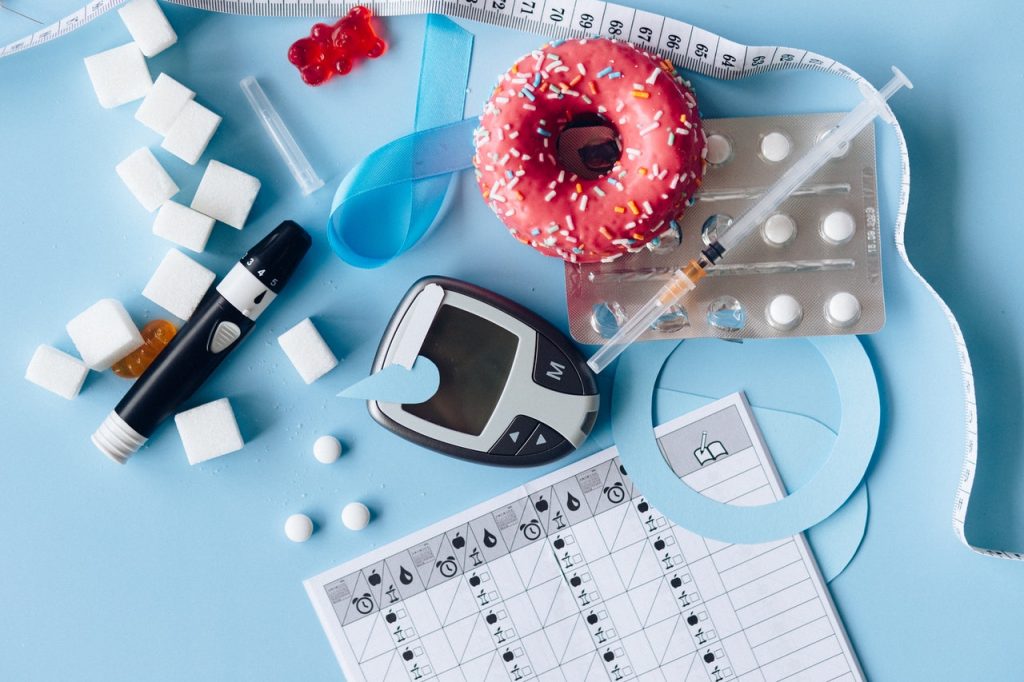
A study co-led by Indiana University School of Medicine researchers presents a potential new strategy to prevent or slow the progression of Type 1 diabetes by targeting an inflammation-related protein known to drive the disease. The findings, recently published in eBioMedicine, may help inform clinical trials of a drug that is already approved by the U.S. Food and Drug Administration for psoriasis as a treatment for Type 1 diabetes.
In laboratory studies using human cells and mouse models, the researchers found that applying a molecular method to block inflammation signalling through the tyrosine kinase 2 (TYK2) protein reduced harmful inflammation in the pancreas. This strategy not only protected the beta cells in the pancreas but also reduced the immune system’s attack on those cells. A medication that inhibits TYK2 is already approved for the treatment of psoriasis, an autoimmune condition that causes skin inflammation.
“Our study showed that targeting TYK2 could be a powerful way to protect insulin-producing beta cells while calming inflammation in the immune system at the same time,” said Carmella Evans-Molina, MD, PhD, co-author of the study and director of the Indiana Diabetes Research Center and the Eli Lilly and Company Professor of Pediatric Diabetes at the IU School of Medicine. “This finding is exciting because there is already a drug on the market that does this for psoriasis, which could help us move more quickly toward testing it for Type 1 diabetes.”
Past genetic studies have already shown that people with naturally lower TYK2 activity are less likely to develop Type 1 diabetes, further supporting the group’s approach for future treatments using this TYK2 inhibitor approach.
“Our preclinical models suggest that the treatment might work in people as well,” said Farooq Syed, PhD, lead author of the study and assistant professor in the Department of Diabetes-Immunology at the Arthur-Riggs Diabetes and Metabolic Research Institute of the City of Hope. “The next step is to initiate translational studies to evaluate the impact of TYK2 inhibition alone or in combination with other already approved drugs in individuals at-risk or with recent onset Type 1 diabetes.”
Some acute post-ayahuasca “adverse effects” like visual distortions and hallucinations were associated with better reported mental health at a later date, while other adverse effects like feeling isolated or energetically attacked were associated with worse mental health later on
Mounting evidence supports ayahuasca’s potential to improve mental health, but its long-term effects are shaped by both individual mental health history and the context in which the psychedelic is used, according to a study published on April 30, 2025 in the open-access journal PLOS Mental Health by Óscar Andión from Research Sherpas, Spain; José Carlos Bouso from the International Centre for Ethnobotanical Education, Research, and Services (ICEERS) and the University of Rovira i Virgili, Spain; Daniel Perkins from the University of Melbourne and Swinburne University; and colleagues.
Ayahuasca, a psychedelic medicine traditionally used by Indigenous communities in South America, has received increasing interest from Western researchers and clinicians for its potential mental health benefits, but its potential risks and adverse effects remain understudied. In a previous review of adverse effects reported in a global survey of ayahuasca ceremony participants, José Carlos Bouso, Andión, and colleagues found that over half reported adverse mental states after ayahuasca use, with greater adverse experiences associated with a history of mental illness and using the drug in non-traditional settings. Importantly, potential adverse effects reported ranged from visual distortions or hallucinations to “feeling down, depressed, or hopeless”, “feeling disconnected or alone”, and “feeling energetically attacked”.
In their new analysis, the authors applied machine learning and classical statistical approaches to the same dataset to better understand the mediating factors shaping the relationship between adverse events and mental health outcomes in ayahuasca users. The survey included 10 836 participants, of whom 5400 with complete data were included in the final analysis. Among these, 14.2% had a prior anxiety disorder and 19.7% a prior depressive disorder.. Although the Global Ayahuasca Survey reflects a large, diverse population of users, it was voluntary and administered potentially years after an individual’s ayahuasca experience, introducing self-selection and recall biases.
The researchers found that participants with a history of anxiety or depression, as well as those using ayahuasca in non-traditional settings, were more likely to report adverse mental states after use. Some “adverse effects” like visual distortions, however, were associated with significantly better mental health outcomes reported in the present. Adverse effects like “feeling down”, “feeling disconnected”, and “feeling energetically attacked” however, were associated with poorer mental health in participants in the longer term. The authors suggest that the context in which ayahuasca is used, as well as factors like age and mental health history, influence whether an individual experiences psychological benefits following an ayahuasca experience, and note that “adverse” effects of ayahuasca may be subjective.
Their findings appear to indicate that it would be more beneficial to use ayahuasca under the supervision of experienced users who can provide additional support to those with a history of depression, who may otherwise face a higher risk of negative outcomes. They propose that, while psychedelics are becoming increasingly medicalised, ayahuasca is most often consumed in group or community settings. Therefore, future studies should examine the effects of ayahuasca use in these real-life communal contexts.
Dr José Carlos Bouso notes: “What stood out most to us was the significant difference in mental health outcomes between users who had supportive environments [during their use] and those who didn’t. This emphasises the importance of a responsible and well-prepared setting for those seeking healing through ayahuasca.”
On the role of spirituality, Dr Buoso says: “Our research also highlights that the spiritual significance of ayahuasca ceremonies plays a protective role, reducing adverse emotional states like anxiety, depression, and disconnection, thus contributing to overall mental health improvement.
The authors add: “Our study reveals that the post-ayahuasca mental states, traditionally seen as adverse, can contribute to improved mental health, especially in individuals with previous anxiety and depressive disorders. This suggests the need for a more nuanced understanding of these states as potentially beneficial experiences.”
In many countries, males are more likely than females to get sick and die from three common conditions, and less likely to get medical care, according to a new study by Angela Chang of the University of Southern Denmark, and colleagues, published May 1st in the open-access journal PLOS Medicine.
Many health policies are the same for males and females, even though there is strong evidence that sex and gender can substantially influence a person’s health outcomes. In the new study, researchers gathered global health data for people of different sexes and ages for three conditions, hypertension, diabetes, and HIV and AIDS. By comparing rates of diseases between males and females and differences in diagnosis and treatment, the researchers sought to illuminate and reduce health inequities between the sexes.
The analysis identified significant differences between the sexes at each step in the “health pathway,” which includes exposure to a risk factor, development of the condition, diagnosis, treatment and death. Males and females received different care for hypertension, diabetes and HIV and AIDS in 200, 39, and 76 countries, respectively. Males had higher rates of disease and higher rates of death compared to females, and in some countries, were less likely to seek out health care and adhere to treatment. In most countries, males were also more likely to smoke, while females were more like to be obese and engage in unsafe sex.
Overall, the study suggests that public health professionals need to develop strategies to encourage males to participate in preventive and health care services. The researchers also highlight the importance of examining health data by sex to understand health inequities and guide appropriate interventions at multiple points along the health pathway. They conclude that we need more comprehensive datasets for these and other conditions so that we can monitor for sex differences and implement equitable health care policies.
Professors Kent Buse and Sarah Hawkes, co-founders and co-CEOs of Global 50/50 say, “We have long advocated the benefits of publishing sex disaggregated data. As our Gendered Health Pathways demonstrates, such data can reveal where the health journeys of men and women diverge be it in relation to the risk factors they are exposed to, their health care seeking behaviors or their experiences in health care systems. That is an important first step towards health equity. Most of these differences are not explained by sex (biology) alone, but by socially-constructed gender – highlighting the importance of taking a gender justice approach to reducing health inequities. A gender analysis can help to shape systems of health for all.”
Angela Chang, senior author, adds, “The evidence is clear: sex differences persist at nearly every point along the health pathway, from higher smoking rates in men to higher obesity prevalence in women, yet interventions rarely reflect this. Without sex-disaggregated cascade data, we’re flying blind – unable to detect who is falling through the cracks in prevention, diagnosis, and care.”
Research team finds moderate risk for preterm birth, low birth weight
Photo by Thought Catalog on Unsplash
An updated systematic review finds that consuming cannabis while pregnant appears to increase the odds of preterm birth, low birth weight and infant death. This study by researchers at Oregon Health & Science University appears in JAMA Pediatrics.
Study lead author Jamie Lo, MD, MCR, is a physician-scientist who provides prenatal care for high-risk pregnancies at OHSU.
“Patients are coming to me in their prenatal visits saying, ‘I quit smoking and drinking, but is it safe to still use cannabis?’” said Lo, associate professor of obstetrics and gynaecology (maternal-foetal medicine) in the OHSU School of Medicine. “Until direct harms have been proven, they perceive it to be safe to use.”
In fact, cannabis remains one of the most common substances used in pregnancy that’s still illegal under federal law, and, unlike declines in prenatal use of alcohol or nicotine, cannabis use is continuing to increase. Lo said many of her patients are reluctant to give up cannabis during pregnancy because it helps to reduce common prenatal symptoms such as nausea, insomnia and pain.
Researchers updated the systematic review and meta-analysis, drawing on a total of 51 observational studies involving 21.1 million people to examine the potential adverse effects of cannabis use in pregnancy. The researchers found eight new studies since their previous update, raising the certainty of evidence from “very-low-to-low” to “moderate” for increased odds of low birth weight, preterm birth and babies being small for their gestational age.
The updated review also indicated increased odds of newborn mortality, though still with low certainty.
Researchers noted that the new systematic review includes a larger proportion of human observational studies examining people who only use cannabis, but don’t also use nicotine. And even though the evidence is low to moderate for adverse outcomes, Lo noted that the findings are consistent with definitive evidence in nonhuman primate models exposed to THC, the main psychoactive compound in cannabis.
The related research in animal models included standard prenatal ultrasound and MRI imaging that revealed a detrimental effect on the placenta, in terms of blood flow and availability of oxygen in addition to decreased volume of amniotic fluid.
“These findings tell me as an obstetrician that the placenta is not functioning as it normally would in pregnancy,” Lo said. “When the placenta isn’t functioning well, it can affect the baby’s development and growth.”
Even though cannabis remains a Schedule 1 substance under the federal Controlled Substances Act, Oregon is one of several states that have legalised it under state law for medicinal and recreational use. Lo said she recommends a harm-reduction approach to patients. For those who cannot abstain, she advises them to reduce the amount and frequency of use to help reduce the risk of prenatal and infant complications.
“Even using less can mitigate the risk,” she said. “Abstinence is ideal, but it’s not realistic for many patients.”
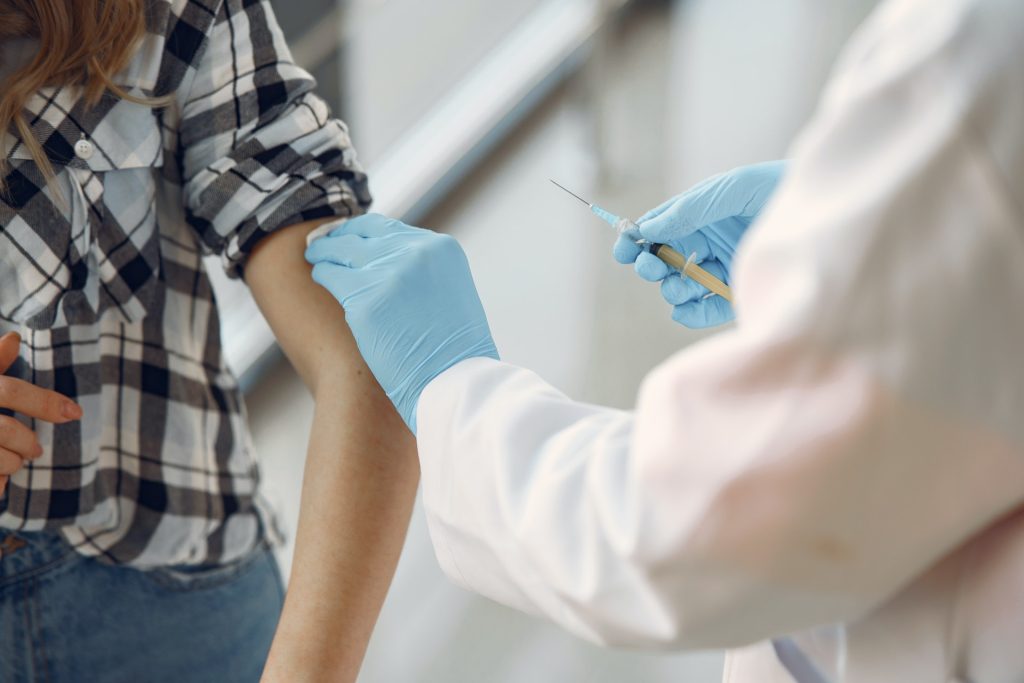
People who are given a vaccine for shingles have a 23% lower risk of cardiovascular events, including stroke, heart failure, and coronary heart disease, according to a study of more than a million people published in the European Heart Journal.
The protective effect of the vaccine lasts for up to eight years and is particularly pronounced for men, people under the age of 60 and those with unhealthy lifestyles, such as smoking, drinking alcohol and being inactive.
The study was led by Professor Dong Keon Yon from the Kyung Hee University College of Medicine, Seoul, South Korea. He said: “Shingles causes a painful rash and can lead to serious complications, especially in older adults and those with weak immune systems. Previous research shows that, without vaccination, about 30% of people may develop shingles in their lifetime.
“In addition to the rash, shingles has been linked to a higher risk of heart problems, so we wanted to find out if getting vaccinated could lower this risk.”
The study included nearly 1.3 million people aged 50 or older living in South Korea. Researchers gathered data, from 2012 onwards, on whether people received a shingle vaccine and combined this with data on their cardiovascular health and data on other factors that can influence health, such as age, sex, wealth and lifestyle.
The vaccine was a live zoster vaccine, meaning it contained a weakened form of the varicella zoster virus that causes shingles. In many countries, this type of vaccine is now being replaced with a non-live, recombinant vaccine, meaning it contains a protein from the varicella zoster virus.
The study showed that among people who received the vaccine, there was a 23% lower risk of cardiovascular events overall, with a 26% lower risk of major cardiovascular events (a stroke, heart attack or death from heart disease), a 26% lower risk of heart failure and a 22% lower risk of coronary heart disease.
The protective effect was strongest in the two to three years after the shingles vaccine was given, but researchers found that the protection lasted for up to eight years.
Professor Yon said: “Our study suggests that the shingles vaccine may help lower the risk of heart disease, even in people without known risk factors. This means that vaccination could offer health benefits beyond preventing shingles.
“There are several reasons why the shingles vaccine may help reduce heart disease. A shingles infection can cause blood vessel damage, inflammation and clot formation that can lead to heart disease. By preventing shingles, vaccination may lower these risks. Our study found stronger benefits in younger people, probably due to a better immune response, and in men, possibly due to differences in vaccine effectiveness.
“This is one of the largest and most comprehensive studies following a healthy general population over a period of up to 12 years. For the first time, this has allowed us to examine the association between shingles vaccination and 18 different types of cardiovascular disease. We were able to account for various other health conditions, lifestyle factors and socioeconomic status, making our findings more robust.
“However, as this study is based on an Asian cohort, the results may not apply to all populations. Since the live zoster vaccine is not suitable for everyone, more research on the recombinant vaccine is needed. While we conducted rigorous analysis, this study does not establish a direct causal relationship, so potential bias from other underlying factors should be considered.”
Professor Yon and his colleagues also plan to study the impact of the recombinant vaccine to see if it has similar benefits for reducing heart disease.
New research published in the Journal of Magnetic Resonance Imaging has uncovered changes in brain connectivity during chemotherapy in patients with breast cancer.
In the study of 55 patients with breast cancer and 38 controls without cancer, investigators conducted functional magnetic resonance imaging scans of participants’ brains over several months.
Scans from patients revealed changes in brain connectivity, particularly in the frontal-limbic system (involved in executive functions) and the cerebellar cortex (linked to memory) throughout the course of treatment. These changes got worse and spread more as chemotherapy continued.
“The findings suggest that chemotherapy can quickly disrupt brain function in breast cancer patients, potentially contributing to cognitive issues,” the authors wrote.
Professor Adrie Bekker explains the findings of a study on two novel formulations for the administration of dolutegravir in babies born to mothers living with HIV. (Photo: Biénne Huisman/Spotlight)
By Biénne Huisman
Research led by Professor Adrie Bekker is paving the way for an important HIV medicine to be made available to neonates in a way that is both safe and much more convenient than previous options. Spotlight met with the passionate clinician-scientist at her office in Cape Town.
Two new ways of giving the important HIV medicine dolutegravir to newborn babies have been found to be safe and effective, according to new research done in Cape Town. The new findings support for the first time the broader use of dolutegravir in infants who are less than 28 days old.
Dolutegravir is recommended by the World Health Organization (WHO) for infants, children and adults and is the preferred HIV medicine in South Africa. It exists in a scored 10 milligram child-friendly dispersible tablet. But until now, there hasn’t been any guidance on how to safely use it for newborns in their first four weeks of life. A study called PETITE-DTG aimed to bridge this critical gap in neonatal HIV care.
Forty-one full-term babies, each weighing at least 2 kilograms and born to mothers receiving dolutegravir-based HIV treatment, were enrolled in the study at Tygerberg Hospital to test two paediatric formulations of dolutegravir.
The first method involved using a 5 milligram dispersible tablet dissolved in 5 millilitres of water and given every second day for the first 14 days of life, then once daily until the baby was four weeks old. This was administered with a syringe.
The second method involved using a novel 5 milligram mint-flavoured film the size of a fingernail that dissolves on the tongue in seconds. It followed the same dosing schedule as the first method.
Findings showed that both formulations were safe and effective, achieving drug concentrations comparable to adults receiving 50 milligram of dolutegravir twice daily.
The study’s findings were presented at the Conference on Retroviruses and Opportunistic Infections in March. Researchers are currently writing up the final results of the study for publication in a peer-reviewed medical journal.
Professor Adrie Bekker, a neonatologist from the University of Stellenbosch is co-principal investigator of the PETITE-DTG study alongside Dr Tim Cressey, a clinical pharmacologist from the University of Chiang Mai in Thailand.
“The study results confirmed that the regimen [both 5 milligram dolutegravir formulations] was safe, effective, and highly acceptable to mothers, with the dolutegravir film being particularly easy to administer,”
says Bekker, speaking to Spotlight in her office at Stellenbosch University’s medical campus next to Tygerberg Hospital.
In examining dosing safety and efficacy, she says that the study found that both formulations “achieved target concentrations” in the neonates, without the newborn babies experiencing any adverse effects related to the medicine. All neonates were HIV negative at the end of the study.
Babies born to a mother living with HIV may need antiretroviral medicines for the prevention or treatment of HIV. Bekker explains that neonates are currently given an older type of liquid HIV medication that doesn’t taste good, costs more than dolutegravir, is harder to give properly, and can’t be stored for long.
The novel film method was popular with mums in the study, who cited its simplicity of administering and dose accuracy as highly advantageous, with no risk of the medicine being spit out or other spillage.“I wash and dry my hands and I cut the paper, it’s quick. As soon as I put it on his tongue, it just dissolves in a few seconds, he enjoys it,” said one mother, as quoted on a poster highlighting the results of the study.
Commenting on the film strip, Bekker notes it is one of the least disruptive ways to give medication.
“So what has been amazing to me is that the babies seem to be completely oblivious of what is happening when the mother puts the film in their mouth,” she says pointing out a video clip on her desktop of a film strip being placed in a tiny baby’s mouth.
“If they were crying, they would just keep on crying. If they were sleeping, they would just keep on sleeping. If they were happy, they would just keep on being happy. It really is the most unintrusive way of administering medication.”
Bekker says the colourless dolutegravir film is made by the Indian multinational pharmaceutical company Laurus Labs. Previously, it had only been tested in adults and is not yet commercially available. “It’s actually never even been used in children…And so our study for the first time tested the dolutegravir film in newborns to see what drug levels are found in a baby when you use it,” she says.
She says the research findings have been presented to the World Health Organization (WHO) and expects they will be included in the organisation’s upcoming updated dosing guidelines for infants and children.
Commenting on dolutegravir for neonates, Bekker says: “I think the first step is to actually get this recommendation into the WHO guidelines. As soon as the WHO releases their updated HIV guidelines, then countries can decide whether they want to adopt it or not.”
Commenting on the availability and possible roll-out of dolutegravir for neonates, she adds: “The generic 10 milligram dolutegravir scored dispersible tablet is already available and being used in children. What we’ve shown now is that 5 milligram of dolutegravir with this dosing strategy is safe for neonates…The film is a bit more complicated because it is not yet commercially available. And we don’t know the price of the drug; all of that will need to be discussed and negotiated with the company and relevant parties before it can become available.”
The PETITE-DTG research has been welcomed by fellow scientists.
“Adrie Bekker and her colleagues at Tygerberg Hospital and in Thailand have done great work and are really moving the field forward for neonatal antiretroviral treatment,” says Associate Professor James Nuttall, a paediatric infectious diseases sub-specialist at the Red Cross War Memorial Children’s Hospital and the University of Cape Town.
He says the research “provides really nice information about how we could use our existing drugs to treat neonates, potentially”.
Nuttall described the new film as extraordinary, and suggested that it might eventually replace the current drug formulations.
For Nuttall though, making provision for using a pill like the scored 10 milligram dispersible tablet that’s already available and routinely used to treat children in South African hospitals is more immediately relevant. “Using this 5 milligram dispersible tablet in neonates and working out the dosing schedule for that, that’s the real advance of this study to me, the big win.”
He anticipates these findings to be implemented in South Africa in the next few years. “From what I understand, she [Bekker] has presented this to WHO already. And once it gets accepted and included into WHO guidelines, then countries tend to really take note and follow, that’s when it makes its way into national guidelines…”
While the study focused on healthy full-term babies weighing at least two kilograms, Nuttall noted that many babies born to mothers living with HIV are either premature or have low birth weight. “So this dosing and safety information doesn’t yet apply to those children,” he said.
Bekker already has her eye set on assessing dosing safety for pre-term newborns. “So obviously our dream is to extend this to pre-term babies,” she says. “And there is a possibility that a 2.5 milligram dolutegravir film may be a good dose for pre-term neonates. Obviously, that will have to be studied very rigorously first.”
Other research goals include the hope of being involved in studies assessing long-acting antiretroviral drugs in neonates. Bekker notes that the WHO-led Paediatric Drug Optimisation group identified long-acting cabotegravir injectables as a high research priority for HIV prevention in neonates. She adds that developing patches with tiny microneedles that deliver HIV medication could hold great promise for treating newborns in the future.
Commenting on the PETITE-DTG study, Dr Moherndran Archary, who has been at the forefront of South Africa’s HIV response for children, said: “Professor Bekker’s research has directly impacted access to life-saving HIV medication for newborn infants – the most vulnerable of populations who have not traditionally benefited from the significant advances in HIV treatment.”
The PETITE-DTG study is one of many under the Unitaid-funded BENEFIT Kids project aiming to improve treatment for children with HIV or multidrug-resistant tuberculosis. UNITAID is a global health initiative that, amongst others, funds research and helps facilitate the more rapid introduction of new health technologies.
CAPE TOWN, 7 May 2025 | As South Africa pushes forward with new tobacco control legislation, leading global health experts are urging the nation not to overlook a crucial, evidence-based approach that is transforming public health outcomes in countries like Sweden and New Zealand.
At an event hosted today by Quit Like Sweden (QLS) in Cape Town, public health leaders, policymakers, and harm reduction advocates gathered to present a compelling alternative to traditional tobacco control: one that supports adult smokers in transitioning to safer alternatives.
Quit Like Sweden Founder and Director, Suely Castro, said: “For decades, we’ve relied on the same toolbox: bans, taxes, and restrictions. Yet in many countries, smoking rates have stalled. Sweden took a different path—one that empowered smokers with options. The result? A smoking rate of just 5.3% and the lowest tobacco-related death rate in Europe. South Africa deserves the same success story.”
Sweden’s tobacco harm reduction model prioritises the accessibility, acceptability, and affordability of safer alternatives, such as nicotine pouches, snus, and e-cigarettes, while maintaining traditional cessation and prevention efforts. This pragmatic balance has led Sweden to become the first country globally to almost achieve official smoke-free status.
Similarly, New Zealand has halved its smoking prevalence in just five years by supporting vaping and alternative nicotine products as a pathway out of smoking, particularly among vulnerable groups.
Leading international expert Clive Bates, said: “There are two main lessons to take from international experience. First, it is possible to radically reduce smoking and disease by driving out cigarettes with low-risk, smoke-free alternatives like snus, pouches, vapes or heated tobacco. Second, policies that try to stop these developments are prone to harmful unintended consequences such as more smoking, illicit trade or risky workarounds.”
QLS is calling on members of Parliament to ensure the Bill supports adult access to safer alternatives and includes a clear distinction between combustible tobacco and non-combustible nicotine products.
Suely Castro added: “We are not asking South Africa to blindly copy Sweden. But we are urging policymakers to seriously consider what’s working. Lives are on the line. And the evidence could not be clearer.”
About Quit Like Sweden
Quit Like Sweden is a non-profit platform dedicated to helping countries replicate Sweden’s success in reducing smoking-related harm through comprehensive, evidence-based strategies. Events have already taken place in Brazil, Malaysia, Poland, Japan, and Spain—now South Africa joins the growing movement.
Results from the ESSENCE phase 3 clinical trial published in the New England Journal of Medicine shows that treating patients with semaglutide can halt and even reverse the disease.
The placebo-controlled outcome trial of participants with a life-threatening form of liver disease known as Metabolic dysfunction associated steatohepatitis (MASH) was conducted at 253 clinical sites across 37 countries around the world. This is the first regulatory-level trial showing the benefit of semaglutide for people with MASH.
The trial is led by two Chief Investigators, Professor Philip Newsome at King’s College London and Arun Sanyal at the VCU School of Medicine, United States, and funded by Novo Nordisk.
Metabolic dysfunction-associated steatotic liver disease (MASLD), formerly known as non-alcoholic fatty liver disease (NAFLD), is a long-lasting liver condition caused by having too much fat in the liver. MASH is a more severe form of MASLD. It is closely linked with obesity as well as conditions such as type 2 diabetes and heart and circulatory disease. Over time, the build-up of fat in the liver can lead to inflammation, liver fibrosis, cirrhosis and liver cancer. MASLD affects 1 in 5 people in the UK but there are no medicines licensed to specifically treat the disease.
Researchers chose to investigate semaglutide as a potential treatment because this class of drug helps reduce fat and liver scarring for people with MASH. Previous smaller but positive studies by Professor Newsome, published in the Lancet and NEJM, had shown using semaglutide as a treatment for MASH would have benefit for these patients.
Between May 27, 2021 and April 18, 2023, 800 participants were randomly assigned to receive once-weekly injection of 2.4milligrams of semaglutide or placebo, alongside lifestyle counselling. More than half of participants had type 2 diabetes and approximately three-quarters were living with obesity.
Results from the ESSENCE trials after 72 weeks of treatment found 62.9% of participants experienced a reduction in steatohepatitis (inflammation of the liver with fat accumulation in the liver) versus 34.3% for participants who took the placebo. The results also show 36.8% of the semaglutide group had improvements of their liver fibrosis versus 22.4% in the placebo group. Researchers also found other benefits. Those receiving semaglutide also saw improvements in liver enzymes and other blood measures of liver fibrosis, as well as 10.5% weight loss. Gastrointestinal adverse events were more common in the semaglutide group, such as nausea, diarrhoea, constipation, and vomiting.
I’ve been working with GLP-1 treatments for sixteen years and these results are hugely exciting. MASLD is a growing problem worldwide and this trial will provide real hope for patients with MASH. While these results must be treated with caution, the analysis shows semaglutide can be an effective tool to treat this advanced liver disease.
Professor Philip Newsome, Director of the Roger Williams Institute of Liver Studies
The research team will follow close to 1200 participants from 37 countries for up to five years to gather data on semaglutide’s impact on long-term liver complications.