Adolescent metabolism may remain flexible enough for early weight loss interventions to prevent lasting health damage
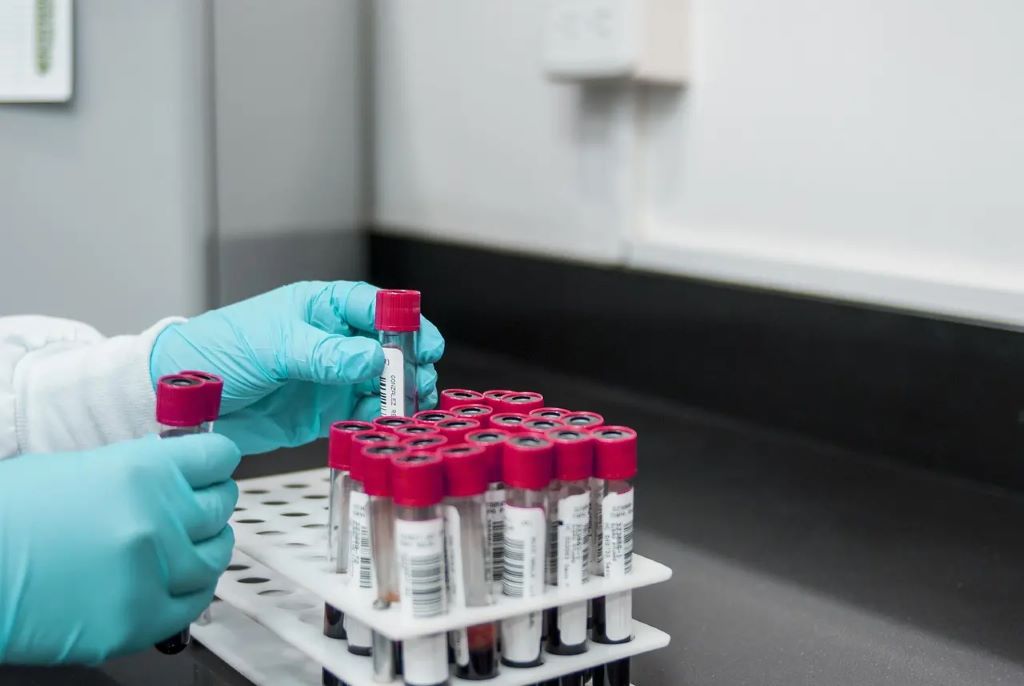
Photo by Andres Ayrton on Pexels
Obesity doesn’t look the same at age 15 as it does at age 45 and Duke University School of Medicine researchers are learning why.
A study published in the Journal of Clinical Investigation showed teenagers retain a degree of metabolic flexibility that’s largely lost in adulthood. The study suggests that the way teenage bodies respond to excess weight is fundamentally different and potentially more reversible.
By showing that obesity’s biology changes with age, the discovery points to a potential window when the metabolic damage linked to obesity can be halted, or even reversed, before it becomes a lasting health burden.
“For a long time, medicine has tended to treat adolescents as little adults,” said John Rawls, PhD, a professor of molecular genetics and microbiology and member of the Duke Microbiome Center. “But teenagers are still growing, building muscle and bone, and using energy in ways that are very different from adults. We wanted to understand how those differences shape obesity.”
Nearly 1 in 5 U.S. children has obesity, a condition associated with higher risk for heart disease, diabetes, asthma, and some cancers later in life.
Without intervention, most children with obesity will continue to have obesity into adulthood, said study co-author Sarah Armstrong, MD, a pediatrician and medical weight management specialist at Duke Health.
The change from adolescence to adults happens in late teens to early 20s for women and early-to-mid 20s for men.
But researchers are increasingly asking when those risks become biologically embedded and whether adolescence offers a chance to change course.
The microbiome tells a different story in teens
The Duke team focused on two systems often linked to obesity: the gut microbiome which is the community of microbes living in the digestive tract, and the metabolome, the collection of chemicals produced as the body and microbiome process food and energy.
First, using gut microbes collected from 287 teenagers in the Pediatric Obesity Microbiome and Metabolism Study, they confirmed that teens with obesity have microbiomes that differ compositionally from those of teens at a healthy weight.
Next, Jessica McCann, PhD, a senior research associate in molecular genetics and microbiology, transplanted microbiome samples from adolescents with and without obesity into germ-free mice.
Unlike what researchers often see in adult obesity studies, the mice did not gain extra weight after receiving microbiota from adolescents with obesity.
The findings indicate that while obesity-related differences in the microbiome are beginning to emerge during adolescence, those microbes may not be driving disease the waythey do in adults.
“This suggests there’s a developmental window in which the microbiome becomes involved in obesity,” McCann said. “The relationship between the host and the microbiome may still be developing during adolescence, which means there may be an opportunity to change its trajectory.”
Warning signs appear, but so does resilience
Working in collaboration with the Duke Molecular Physiology Institute, the research team also found differences in how adolescents process nutrients. Adults with obesity often have elevated levels of branched-chain amino acids, as well as related compounds called branched-chain keto acids (BCKA), which are linked with insulin resistance and Type 2 diabetes.
The adolescents showed a different pattern. While branched-chain amino acids were elevated, BCKA levels remained relatively low.
The warning signs are there, McCann said, but teens’ bodies still appear capable of adapting to the metabolic strain of excess weight. “The metabolome is showing early signs of disease progression, but it’s also showing evidence of adaptive plasticity.”
At this stage they may be more responsive to weight management through diet, medication or microbiome-based therapies.
“The evidence increasingly supports intervening as early as possible,” said Armstrong, a professor of pediatrics at Duke.
Researchers hope the work would eventually lead to more personalised obesity treatments, using a child’s microbiome or metabolic profile, to help determine which weight loss therapies are most likely to succeed.
The study was supported by the American Heart Association and the National Institute of Diabetes and Digestive and Kidney Diseases.
Older adults who typically had longer intervals between meals accumulated chronic diseases more rapidly over time than those with shorter intervals, according to a study from Karolinska Institutet published in the Journal of Internal Medicine. The association was most pronounced among people aged 78 years and older.
Interest in fasting has increased in recent years, but relatively little is known about how meal timing affects health in older adults. In this new study, researchers investigated whether the duration of the longest daily interval between meals was associated with the accumulation of chronic diseases over time.
The researchers used data from the Swedish National Study on Aging and Care in Kungsholmen (SNAC-K), which includes 2,981 people in Stockholm who were aged 60 years or older at the start of the study. Participants were followed for up to 15 years. The duration of intervals between meals was estimated from participants’ self-reported information about when they typically ate during a 24-hour period.
Association seen across disease types
Longer intervals between meals were associated with faster accumulation of chronic diseases over time. In particular, people whose longest interval between meals during a typical day was 14 to 24 hours accumulated chronic diseases more rapidly than those whose longest interval was 6 to 11.5 hours. The association was observed for the total number of chronic diseases, as well as for cardiovascular and neuropsychiatric diseases, but not for musculoskeletal diseases.
“Much of the research on fasting has been conducted in younger or middle-aged populations. Our findings suggest that the associations may be different in older adults, particularly among the oldest age groups”, says Adrián Carballo Casla, last author of the study and postdoctoral researcher at the Aging Research Center, Department of Neurobiology, Care Sciences and Society, Karolinska Institutet.
The researchers emphasise that the study cannot determine cause and effect. Although longer intervals between meals were linked to faster disease accumulation, the study cannot establish whether the fasting pattern independently contributed to this outcome.
For information on funding and any potential conflicts of interest, please see the study.
A controlled trial across 13 countries found that a self-guided digital program and a version paired with telephone support both outperformed usual care for anxiety and depression
Photo by RDNE Stock project: https://www.pexels.com/photo/an-elderly-man-standing-on-one-leg-on-a-yoga-mat-8173497/
A digital program combining guided movement, breathing and meditation exercises, and coping-skills training reduced anxiety and depression symptoms in adults with chronic medical conditions, according to a new study published August 20th in the open access journal PLOS Medicine by Puneeta Tandon of the University of Alberta, Canada, and colleagues.
More than half of adults living with chronic physical conditions experience anxiety, depression, or fatigue, which can significantly reduce quality of life. Access to effective symptom management support is limited by mobility barriers, geography, cost, and shortages of trained clinicians. Digital programs may offer a scalable way to address this burden, but clinical trial evidence backing these interventions has been limited, and the role of human support in their efficacy is unclear.
Researchers conducted a fully remote, three-arm randomised controlled trial across 13 countries, involving 825 adults with self-reported chronic medical conditions including Primary Biliary Cholangitis, chronic digestive diseases, cirrhosis, and heart failure. Participants were assigned to a waitlist control group, a self-directed digital program (eMPower), or the same program supplemented with weekly telephone check-ins from trained non-clinicians. The program included movement, breathwork/meditation, coping skills, and disease education. Anxiety and depression symptoms were measured using a standard symptom scale ranging from 0 to 42.
At 12 weeks, participants receiving the digital program with telephone support showed significantly greater improvement in anxiety and depression scores than the control group (2.9-point greater improvement; 95% CI, 2.0–3.8). They also reported improved quality of life and less fatigue. In exploratory analyses, the self-directed program alone also significantly improved symptoms compared with control (2.6-point greater improvement; 95% CI, 1.8–3.5), and no significant difference was found between the two program formats, although the trial was not designed or powered to directly compare them.
The study primarily included women with higher education and only measured outcomes for 12 weeks, so longer-term impact and generalisability to other populations remain unclear. However, the authors say the data suggest a path forward for digital mental health interventions.
“Taken together, the eMPower clinical trial provides robust evidence that a fully digital, multicomponent intervention reduced anxiety and depression symptoms and was associated with improvements in fatigue, and quality of life across a range of chronic disease populations,” the authors say. “Rather than developing separate digital programs for each condition, a single cross-condition approach with tailoring for disease-specific education is effective in addressing shared symptoms.”
Corresponding author Dr. Puneeta Tandon states, “As clinicians, we are good at treating organ-specific problems, but the whole-person burden of chronic illness – the anxiety, low mood and exhaustion – that is often where patients have fewer practical options. People often leave the clinic without much they can try, but it doesn’t need to be that way. While these skills don’t replace medication or mental health care when those are needed, they do give people a practical place to start at home.
“What was surprising was that, in an exploratory analysis, we did not find a significant difference between the fully self-directed program and the program with brief weekly check-ins from a trained team member. This does not prove that the two approaches are equal, but it suggests that a program like this may be able to reach far more people without requiring one-to-one support for everyone. Support could then be focused on those who need it most.
“Because the study was entirely online, people could take part from home. The average age was 56, almost one in four participants was over 65, and 84% completed the 12-week follow-up – a strong result for a fully online study. We’re very grateful to the patient partners and organisations representing heart, kidney, liver, transplant and digestive communities who helped shape the program from the beginning. Their involvement was an important part of the study’s success.”
“The 12-Week eMPower program has demonstrated meaningful improvements in quality of life for people living with primary biliary cholangitis (PBC), the largest group enrolled in the eMPower study,” said Gail Wright, a PBC patient and President of the Canadian PBC Society. “Participants living with a significant symptom burden reported clinically meaningful improvements in fatigue and overall quality of life. The success of this program represents an important milestone for the PBC community, providing clinicians with evidence to support more personalised care that combines pharmaceutical treatment with an evidence-based self-management program for people living with PBC.”
First author Emily Johnson, MD/PhD Candidate, notes, “Running the trial entirely online meant we could reach people who are often left out of research – including people managing severe fatigue or mobility limitations, people living far from a specialist centre, and people who can’t add another appointment to their week. What struck me most was that they stayed. Patient partners shaped this program from the first draft, and I think that’s why it held people’s attention for 12 weeks. I look forward to continuing with this work and helping even more people.”
If you’re 70 or older, or 50 or older with underlying health conditions, and have tested positive for COVID, you might have been offered free or subsidised antivirals.
Earlier in the pandemic, these medicines were an important way to reduce the chance of people becoming severely ill with COVID, needing to be hospitalised or dying.
But our new research suggests that with high levels of vaccination and immunity from previous infections, COVID antivirals are no longer working as well.
From no treatment to an effective one
When SARS-CoV-2, the virus that causes COVID, first emerged in late 2019, no treatment was available. Existing influenza antivirals, which had been stockpiled by governments, were ineffective and couldn’t be used.
Scientists rapidly tried to figure out which existing or new drugs could be used. In 2021, two industry-sponsored clinical trials reported promising results.
One was for nirmatrelvir-ritonavir (Paxlovid), which reported an 89% reduction in severe illness. The other was a trial of molnupiravir (Lagevrio), which reported a 30% reduction.
Paxlovid and Lagevrio work by stopping SARS-CoV-2 from replicating. So they need to be taken early in the course of illness – within five days – to be effective.
Both drugs became available in Australia and were listed on the Pharmaceutical Benefits Scheme (PBS) in early and mid-2022. This ensured people most at risk of severe illness had access to drugs at low or no cost.
Paxlovid and Lagevrio are expensive. A course of treatment cost the government around A$1,100 from 2022 to 2025, much more than treatment for influenza, oseltamivir (Tamiflu), which costs only around $40.
Between mid-2022andmid-2025, the Australian government spent more than $2 billion on Paxlovid and Lagevrio.
The virus itself has also changed, with the original variants replaced by new ones that appear to be less severe than early in the pandemic.
These changes prompted us to evaluate the more recent evidence.
What did we study and find?
First, we examined randomised controlled trials—the gold standard of evidence. We found eight trials of Paxlovid and Lagevrio, but most were done before people were vaccinated.
The Lagevrio trial reported no statistical difference in hospitalisation or death in people who did and didn’t receive treatment.
The other was a trial of people in hospital who were treated with Paxlovid. It found no difference between people who were treated and those who were not.
There were some nuances to these findings. Randomised controlled trials are expensive and resource-intensive. As COVID went from being the leading cause of death worldwide in 2021 to the 20th in 2023, it became more difficult to justify the costs and recruit enough participants, so some trials were stopped early.
However, two randomised controlled trials of Paxlovid have been published since our work, and neither reported a reduction in hospitalisation or death.
In phase two of our research, we looked at the 35 observational studies, in which researchers can include many more people but can’t control who gets the treatment. We pooled the results from the studies to estimate the effectiveness of each drug against hospitalisation and death.
This meta-analysis found Paxlovid, but not Lagevrio, reduced hospitalisation and death.
Paxlovid was associated with a 40% reduction in hospitalisation and a 67% reduction in death.
Lagevrio wasn’t associated with a significant reduction in hospitalisation, and the results for death were mixed.
Because treatment wasn’t randomised, there may be differences between people who received treatment and those who didn’t. People accessing treatment, for example, may have greater health literacy or access to other health services.
While some studies use methods to adjust for differences in people who do and don’t receive treatment, it’s usually not possible to adjust for every difference.
COVID is still a concern for at-risk groups
SARS-CoV-2, like influenza and respiratory syncytial virus (RSV), remains a common cause of acute respiratory illness in Australia. In 2025, there were:
186,000 cases of COVID reported
178,000 cases of RSV
503,000 cases of influenza.
But the number of COVID, RSV and influenza cases reported is well below the true number, as most people don’t get tested.
The rates of COVID-related hospitalisations so far this year have been lower than last year, with 839 admissions at “sentinel hospitals” (those chosen to monitor disease trends) in the first half of this year. This compares with 1,740 in the same period last year.
What does this mean?
COVID can still cause severe illness, hospitalisation and death, particularly in older people.
If you test positive for COVID, talk to your primary care doctor about whether antivirals may be appropriate for you.
Our work shows there may be some benefit from Paxlovid. But as the number of cases and the risk of severe illness continue to fall, this benefit is becoming very small.
Given how little evidence there is for Lagevrio, its role in treating COVID should be carefully considered.
Harms of antivirals can include side effects – such as taste changes, nausea and vomiting – and allergic reactions.
Paxlovid can also interact with other drugs, causing serious reactions. It should be avoided, or the dose adjusted, in people with severe liver or kidney disease because it can make these conditions worse.
Australia’s independent Pharmaceutical Benefits Advisory Committee (PBAC) is set to review COVID antivirals later in 2026. It will assess the costs and benefits of Paxlovid and Lagevrio, and it may change its recommendations about who can access the drugs on the PBS.
Sickle cell disease. Credit: National Institutes of Health
A daily 20 milligram dose of zinc reduced infections by nearly 40% among Ugandan children younger than 5 with sickle cell anaemia, according to new research led by scientists at the Indiana University School of Medicine and their study partners in Uganda. The findings, recently published in the Journal of the American Medical Association (JAMA), point to an affordable, well-tolerated strategy to decrease hospitalisations and save more lives of children living with the genetic blood disorder.
Sickle cell anaemia causes misshapen red blood cells that block oxygen from smoothly travelling through the body, which can lead to serious health complications. Zinc deficiency is common in affected children, and because zinc supports the body’s immune response, this deficiency leaves children with the disease especially vulnerable to infections that can cause illness, hospitalisation and even death.
“At large volume prices, it can cost less than $3 a year to give a child daily zinc supplementation,” said Chandy John, MD, the Ryan White Professor of Pediatrics at the IU School of Medicine and co-lead investigator on the study. “If further studies confirm our latest research, this could be an important new intervention for children with sickle cell anaemia that is so low-cost and safe that it’s rapidly implementable in almost all health settings.”
In a randomised, double-blind, placebo-controlled pilot study, the team evaluated 100 children between 1 and 5 years old with sickle cell anaemia who received care at Jinja Regional Referral Hospital in Uganda. This clinical trial followed an earlier report that tested a 10 mg daily dose of zinc and found no reduction in infections, indicating the lower dose was insufficient.
Over six months of follow-up, children treated with 20 mg of daily zinc experienced a 38% reduction in all-cause infections – like upper respiratory tract infections, diarrhoea and bacterial infections – compared to the placebo group.
“Zinc given at 20 mg daily provides a readily available and safe medication with the potential to reduce the suffering and deaths of thousands of children in Africa,” said Ruth Namazzi, MMEd, lecturer in the Department of Pediatrics and Child Health at Makerere University in Uganda, research director at Global Health Uganda and co-lead investigator on the study. “However, while our study shows a 38% reduction in all-cause infections, we are not yet recommending this as standard of care for children with sickle cell anaemia as our results need to be validated in larger multi-site studies.”
Moving forward, the researchers expect to confirm their findings in a larger population across multiple sites. Future trials will also include older children with sickle cell anaemia and test the most effective zinc dosage with the fewest side effects.
If validated, researchers believe incorporating low-cost zinc into standard clinical care could be rapidly implemented in health settings globally.
IU researchers who contributed to the study include John, Kagan Mellencamp, Andrea Conroy, Michael Goings and Jie Ren. They collaborated with Namazzi, Irene Bagala, Charles Kato, Isaac Birungi, Priscilla Kasembo and Gloria Kyarisiima of Global Health Uganda; Emmanuel Tenywa of Jinja Regional Referral Hospital and Sarah Cusick of the University of Minnesota Medical School.
This research was supported by funding from the Riley Children’s Foundation, IU Dance Marathon, the Herman B Wells Center for Pediatric Research and Cures Within Reach.
Research published in Diabetologia by Amsterdam UMC and the University of Ghana reveals that type 2 diabetes manifests in two fundamentally different ways depending on a patient’s body mass index (BMI). While type 2 diabetes in patients with a higher BMI is primarily driven by insulin resistance, the study demonstrates that in individuals within a lower BMI range, the condition is caused by the pancreas failing to produce sufficient insulin. Despite these opposing biological mechanisms, medical professionals currently treat both groups with the exact same medications.
Type 2 diabetes is generally seen as a disease associated with being overweight. In wealthy countries that picture holds true: nine out of ten people with type 2 diabetes are overweight. In Africa the situation is different. Almost four in ten African adults with type 2 diabetes are lean, with a normal or even low body weight. In some rural areas, such as in Ghana, it is as many as six in ten. First Author Sabrina Esmail: “This means that there are an estimated ten million lean patients on the African continent who do not fit the standard picture. For them, the problem is therefore a shortage of insulin, not a reduced response to insulin.” Projectleader Charles Agyemang at Amsterdam UMC believes “this study shows that we need to look for better treatments for this large group of lean Africans.”
A different disease process, so a different treatment too
Yet in Africa both groups are almost always given the same treatment, based on international guidelines: oral tablets such as metformin or sulfonylureas. These medicines, however, are mainly effective against insulin resistance, not against a shortage of insulin. They are therefore probably receiving the wrong treatment, and until now the consequences of this had not been investigated.
The researchers analysed data from more than 3300 African adults with type 2 diabetes from Ghana, Nigeria, Kenya and Europe. “From this we concluded that lean patients more often develop eye damage, known as retinopathy, and strokes. People who are overweight, by contrast, more often have high blood pressure and an increased risk of cardiovascular disease. Chronic kidney disease occurred equally often in both groups,” says senior author Felix Chilunga. The amount of body fat explained the greater part of these differences, which points to genuinely different disease processes. The risk factors differ as well: whereas being overweight is often linked to an unhealthy lifestyle, lean patients have more often experienced malnutrition or a low birth weight, which can disrupt the development of the pancreas.
Type 2 diabetes in lean Africans is therefore, biologically and clinically, a different type of disease from the one seen in people who are overweight. But it is still being treated as though it were the same. As a result, millions of people may not be receiving the right care. Chilunga: “We are calling for targeted clinical trials to determine which treatment works best for this large and often overlooked group of patients.”
Africans in Europe
For Africans in Europe, too, it is very likely that a different treatment is needed. Another study with analysis from data from the UK Biobank showed that people of African descent with a BMI of 26 already have the same diabetes risk as Europeans with a BMI of 30. Studies of migrants in Europe consistently show that Africans are more likely to have type 2 diabetes, develop it around ten years earlier, and have poorer blood sugar control than the native population. Agyemang: “So a considerable proportion of African patients in Europe have a lower BMI but are treated according to guidelines written for the form of the disease found in people who are overweight, and their control is demonstrably worse. There is no reason to assume that the treatment mismatch we describe stops at the border.”
This study was carried out by Amsterdam UMC, University of Ghana, the national Institutes of Health (Center for Research on Genomics and Global Health) via de cohorts AADM and RODAM. The findings were published today in Diabetologia.
After several years of living with HIV, some people are able to produce a special type of antibody known as broadly neutralising antibodies. (Photo: Pixabay)
By Catherine Tomlinson for Spotlight
HIV is known for its ability to outsmart our immune system’s normal defences. A small number of people living with the virus are however able to generate unusually effective immune responses. In this special briefing, Spotlight zooms in on broadly neutralising antibodies, the secret sauce in these immune responses, and their potential role in the future of HIV treatment and prevention.
Our immune systems are highly effective at identifying and fighting off foreign invaders, such as viruses. One way our immune systems does this is by producing antibodies. In short, antibodies recognise viruses and then latch on to them. This blocks the viruses from entering our cells and flags them for destruction by other parts of the immune system.
One of the most remarkable things about our immune system is that it is able to create an enormous variety of such antibodies tailored to each different virus and other disease-causing pathogen that we encounter over our lifetime.
The human immunodeficiency virus (HIV), however, outsmarts our bodies’ normal immune responses by constantly changing the parts of its surface that antibodies recognise. This makes HIV difficult for antibodies to attach to and neutralise.
After several years of living with HIV, some people are able to produce a special type of antibody, known as broadly neutralising antibodies, or bNAbs. These antibodies are more effective at neutralising HIV than regular antibodies because they recognise parts of the virus that change very little, known as ‘conserved regions’. By targeting parts of the virus that are less prone to change, bNAbs are more effective than regular antibodies in identifying and neutralising the constantly changing virus.
“About 20 percent of people living with HIV naturally develop bNAbs, after many years,” explains AVAC, a US-based NGO seeking to advance the development of HIV prevention tools. “By the time bNAbs have developed in these individuals, the constantly mutating HIV has outpaced these defenders, changing too fast and too significantly for bNAbs to be effective in that individual. But that same bNAb, or a combination of them, may work in someone else,” they say.
A vibrant area of research
Researchers first identified bNAbs in a person living with HIV in the 1990s. Since then, they have discovered many more bNAbs and papers and presentations on the topic have become a staple at HIV conferences. At the 2026 International AIDS Conference held in Rio de Janeiro, Brazil, in July, there were 21 abstracts related to the topic.
Since the 1990s, researchers have learned how to replicate and produce bNAbs in the lab. They have conducted early-stage trials showing that bNAbs can be safely administered to people and they have learned how to engineer bNAbs to increase their potency and make them last longer in our bodies.
Currently, researchers are studying whether bNAbs, given by infusion or injection, can prevent HIV infection in people who are HIV negative and control the virus in people who are already living with it. There is also an interesting cross-over with vaccine research, whereby researchers are trying to develop HIV vaccines that prompt the body into making bNAbs.
Before we dig into the details, it is worth stressing that all of this research is still at an early stage. Whereas bNAbs show promise, they have neither set the world alight, nor completely failed. For now, antiretroviral medicines remain the only effective form of HIV treatment, as well as being an extremely effective form of HIV prevention. It is not clear whether bNAbs will ever reach the high bar set by antiretrovirals.
bNAbs for HIV prevention
One of the big HIV stories of the last decade or so has been the use of antiretrovirals to prevent HIV infection. Antiretroviral tablets to prevent HIV infection are already widely available in the public sector, and since June this year, government has been rolling out the six-monthly lenacapavir HIV prevention injection to around 10% of clinics. Such pre-exposure prophylaxis, taking something to prevent infection, is commonly referred to as PrEP.
One of the big hopes for bNAbs is that an infusion of the cells could similarly work as a form of HIV PrEP. The thinking is that these ‘smarter’ immune responses will be more effective than our regular immune responses in recognising and neutralising the shape-shifting virus, and thus clearing it before it can get a foothold in the body.
Substantial research has already been done in this area with two landmark studies, the AMP trials, having garnered the most attention. In the two trials, researchers evaluated an infusion of a bNAb called VRC01 to prevent HIV acquisition in men and transgender people who have sex with men, as well as in cis-gender women. The trials were conducted by the HIV Vaccine Trials Network (HVTN) and the HIV Prevention Trials Network (HPTN).
The AMP trials found that VRC01 did not prevent HIV infection. While this was disappointing, the studies did make a breakthrough by showing that bNAbs could neutralise strains of the HIV virus under certain conditions. While HIV could shape-shift enough to get around VRC01 and cause HIV infection, VRC01 was able to neutralise the HIV strains that were vulnerable to this specific bNAb.
This pattern of bNAbs blocking some, but not all strains of HIV, has been seen in several other studies. It provides both reason for hope, since there is clearly some efficacy, but also frustration, since the efficacy is not nearly as good as what is achieved with antiretrovirals.
Learning from the AMP trials, scientists are now studying whether combining different bNAbs that target a broader range of HIV strains, as well as different regions of the virus’ surface, into a single infusion or injection can be used to prevent HIV.
HVTN and HPTN’s planned Combo-AMP trial will evaluate whether providing people with a combination of different bNAbs can prevent HIV, explained Fred Hutchinson Cancer Center’s Holly Janes at the recent AIDS Conference.
Beyond the AMP trials, the Durban-based research group CAPRISA has also led important studies on the use of bNAbs for HIV prevention. They recently announced the results of a trial called CAPRISA 012C that evaluated the use of a combination of two bNAbs to prevent HIV acquisition in young women in Southern Africa.
Disappointingly, the combination bNAb provided in this trial did not prevent HIV infection. However, CAPRISA reported that “a positive finding was that there was a trend towards protection when the viruses were sensitive to both or one of the two bNAbs compared to when the viruses were resistant to both bNAbs.” In other words, HIV infections occurred more frequently with strains of the virus that were resistant to the bNAbs studied than with strains that were sensitive to them.
“The CAPRISA 012C trial is a culmination of 22 years of research – while it has not led to a new HIV prevention product, it provides valuable information to guide further bNAb research,” said CAPRISA, adding that sensitivity to bNAbs in contemporary circulating viruses will need to be factored into planning future trials of bNAbs.
bNAbs for HIV treatment
bNAbs are also being evaluated as potential treatment for HIV. Researchers are trying to understand whether, under what circumstances, and for how long bNAbs can control the virus in people living with HIV, with the goal of developing products that can achieve long-lasting HIV control without antiretroviral treatment.
This is important because the emotional and psychological burden of having to adhere to a life-long daily pill regimen to treat HIV is a known cause of poor treatment adherence. For infants and young children there are also practical challenges to swallowing and keeping down daily treatment.
One of the main ways that researchers are evaluating the potential of bNAbs to treat HIV is through analytical treatment interruption (ATI) studies. In ATI studies, people living with HIV are given bNAb infusions or injections – sometimes in combinationwith long-acting injectable antiretroviral drugs – and then temporarily taken off their regular antiretroviral treatment under close medical observation.
Researchers then monitor how long HIV remains suppressed in order to learn whether and how well bNAbs can control HIV infection.
The results from ATI studies, including the RIO and FRESH trials, have been tantalizing. bNAb infusions have allowed some study participants to remain off antiretroviral treatment for more than a year without the virus rebounding in their bodies.
Yet, the studies have also raised questions about how and why bNAbs have such mixed efficacy. Researchers are still trying to understand why some people are able to maintain periods of viral control after receiving bNAbs, while others experience rapid viral rebound. The reasons for this appear to extend beyond a person’s sensitivity to the specific bNAbs being used to also include other factors related to the characteristics of one’s HIV infection and immune response.
At the 2026 AIDS Conference, Michel Nussenzweig, senior physician at the Rockefeller University, told delegates that research so far indicates that bNAb therapy is more likely to deliver periods of post-treatment control in individuals with a less diverse HIV reservoir, pre-existing autologous antibodies, and pre-existing stem cell like CD8+ T cells.
Scientists are now considering whether the factors associated with bNAb treatment success can be boosted through other interventions, said Nussenzweig.
Another important area of research is whether bNAbs can be used as a form of treatment for infants and young children living with HIV. An infusion or injectable treatment could be a gamechanger for this group, given the challenges faced by caregivers in getting infants and young children to swallow and keep down daily antiretroviral treatment.
The Tatelo and Tatelo Plus studies conducted in Botswana were set up to evaluate whether young children given bNAbs can maintain viral suppression after stopping antiretrovirals. Results from the Tatelo study reported in 2022 showed that some children (44%) who received a combination of two bNAbs were able to maintain a period of viral control (24 weeks) after stopping HIV treatment. The Tatelo Plus study, now underway, is evaluating whether and for how long a combination of three bNAbs can maintain HIV suppression in young children after antiretrovirals are stopped.
bNAbs for HIV vaccination
While bNAbs have not yet been shown to be a practical and effective form of HIV prevention or treatment, research has demonstrated that, under the right conditions, they can protect against and suppress HIV strains that are susceptible to them.
These findings have generated excitement about using bNAbs as a target for HIV vaccines. Unlike research into bNAbs for PrEP or HIV treatment, in which laboratory made bNAbs are infused or injected directly into our bodies, some HIV vaccine researchers are trying to figure out how to trigger our bodies to produce their own bNAbs.
In other words, vaccine researchers are trying to make our bodies, rather than laboratories, the factories that make bNAbs against HIV.
At this stage, scientists do not expect that a single vaccination will be able to trigger our bodies to produce mature bNAbs capable of combating HIV. Instead, they anticipate that a vaccine protocol that involves a series of vaccines will be needed to coax our immune systems to produce mature bNAbs.
While this branch of research remains at its early stages, many HIV researchers are hopeful that it may one day produce an effective vaccine protocol against HIV.
One study to watch is a Phase 1 safety and dosing trial launched by the International AIDS Vaccine Initiative (IAVI) and partners in South Africa at the end of 2025. “The hypothesis being tested is that highly specialized vaccine immunogens, delivered in a specific sequence, can target certain B cells within the immune system and coach them toward the production of broadly neutralizing antibodies against HIV,” says IAVI, adding “scientists widely believe that a vaccine inducing broadly neutralizing antibodies (bNAbs) could provide broad protection against many strains of HIV.”
Where to from here?
Since the first bNAbs against HIV were discovered in the 1990s, scientists have made important, but incremental, progress towards translating these immune responses into tools that can prevent and treat HIV.
As we’ve seen in this Spotlight special briefing, research into bNAbs for HIV treatment is arguably the furthest along, with bNAbs already demonstrating the ability to control HIV during extended periods of antiretroviral treatment interruption in some people. But why some people respond to this treatment and not others remains uncertain. This is an important area for future research.
In the HIV prevention space, bNAbs have delivered protection against HIV strains susceptible to the specific bNAbs studied, but this protection has not been broad enough to protect against HIV infection by the highly diverse, mutating virus. Hope however remains that combining different bNAbs that target different conserved regions of the HIV virus, as well as currently circulating viruses, could broaden protection enough to prevent HIV infection. Here too, as with attempts to develop vaccines that spark the production of bNAbs, it is imperative that the research continues.
Of course, even if scientists can crack the code and find a way to produce highly effective bNAbs, the road ahead might not be a smooth one. For these products to have an impact in the developing world, where they are most needed, they will have to be cost-effective compared to cheap antiretroviral therapy. They will also have to be easy to administer in often stretched and under-resourced healthcare systems.
While much remains to be done, the scientific leads are certainly there, waiting to be explored.
Over the past five years, medications called GLP-1s have revolutionised the treatment of metabolic disorders like obesity, diabetes and fatty liver diseases. These drugs are highly effective at helping people lose weight and manage their blood sugar levels.
However, they do come with some risks. Some people taking GLP-1s experience nausea and other gastrointestinal side effects that can be difficult to manage. And, by suppressing appetite and reducing food intake, they have the potential to cause nutritional deficiencies and muscle loss, which can lead to frailty and other problems long term.
At UC Berkeley, researchers have found a new potential treatment for obesity and diabetes that works by increasing energy expenditure – boosting the body’s metabolic rate – rather than limiting energy intake.
In a study published online in the journal Science Advances, the researchers show that a molecular compound called 5-tetradecyloxy-2-furoic acid (TOFA) is able to block the production of lipids like cholesterol and triglycerides while simultaneously turning up genes that help cells burn fat and generate energy.
In experiments in mice, the researchers found that TOFA is effective at improving insulin sensitivity and glucose control, lowering triglycerides and improving features of fatty liver disease. When obese mice took the compound, they lost weight from fat but experienced no significant loss of lean muscle mass.
“Body weight responds to two levers: taking in fewer calories, or spending more energy,” said Anders Näär, a professor of metabolic biology and nutrition at UC Berkeley and senior author of the study. “GLP-1s work almost entirely on the first, so we went after the second.”
TOFA was first discovered in the 1970s and is known for being part of a class of compounds called ACC inhibitors, which help block the production of lipids in the body. Though several ACC inhibitors reached mid-stage clinical testing, none has been approved for metabolic disease. This is largely because many of these compounds can also raise triglycerides, posing a significant risk to heart health.
In the new study, the researchers found that TOFA doesn’t just act as an ACC inhibitor, but also activates PPARα and PPARδ, cellular receptors which turn on genes that let cells take up fat and burn it for energy. In mice, this caused the cells to burn up to 18% more energy with no change in physical activity or increase in body temperature. Perhaps because of this dual mechanism, TOFA also did not raise triglycerides like other ACC inhibitors.
“TOFA appears to engage a coordinated metabolic response,” said study first author Justin Y. Lee, a postdoctoral student at UCSF who conducted the research as a Ph.D. student at Berkeley. “It is not simply blocking lipid synthesis. It is also activating energy expenditure pathways that may help the body handle excess lipid and glucose more effectively.”
When the researchers tried giving mice two separate compounds – one to block lipid production and a second to boost energy expenditure – they found that the combination was not as effective at improving overall metabolic health as TOFA alone.
The researchers also explored whether TOFA could be used together with GLP-1 medications like semaglutide, which is sold under the brand names Ozempic or Wegovy, and tirzepatide, which is sold as Mounjaro and Zepbound. In mice, they found that combining TOFA with these GLP-1 drugs led to greater improvements in body weight, glucose control, insulin levels and triglycerides than either treatment alone.
“In our combination experiments, TOFA worked additively or synergistically with the GLP-1 appetite suppressing drugs, so we view it as complementary rather than as a replacement,” Näär said.
The researchers caution that TOFA has only been studied in animals, and its safety and efficacy in humans has yet to be tested. With support from Berkeley’s life sciences entrepreneurship ecosystem, including Nucleate and Berkeley SkyDeck, they have founded a new company ReRx Therapeutics to help carry this work to patients.
Review offers insights on evidence-based strategies.
Low- and middle-income countries (LMICs) bear a disproportionate burden of gynaecologic malignancies – cancers of the cervix, endometrium, ovary, vagina, and vulva. A review published by Wiley online in CANCER, a peer-reviewed journal of the American Cancer Society, reveals that survival disparities for these cancers are driven by late-stage diagnosis, limited screening coverage, inadequate radiotherapy infrastructure, workforce shortages, and restricted access to essential and novel therapies.
By analysing studies published between 2015 and 2024, investigators observed that LMICs account for approximately 94% of global cervical cancer deaths, with the highest mortality observed in East Africa. Despite persistent survival disparities in LMICs, research has generated evidence that cost-effective and scalable interventions – including single-dose HPV vaccination, screen-and-treat strategies, HPV self-sampling, radiotherapy expansion, and workforce development with international training partnerships – can substantially improve outcomes when embedded within national cancer control policies and supported by sustainable financing mechanisms.
The authors stressed that policy-driven, system-level reforms should prioritise prevention, strengthen service delivery, and expand equitable access to care.
“The survival gap in gynaecologic cancers between low- and middle-income countries and wealthier nations is not inevitable – it is largely the result of delayed diagnosis and under-resourced health systems,” said corresponding author Dr Alfi Sophian, SSi, MSi, of the Indonesian Food and Drug Authority. “Our review shows that proven, cost-effective interventions already exist. What is needed now is stronger political commitment and sustainable financing to embed them into national cancer control policies.”
CANCER’s Editor-in-Chief, Suresh S. Ramalingam, MD, FASCO, who is the Executive Director of the Winship Cancer Institute of Emory University and the Roberto C. Goizueta Chair in Cancer Research at the Emory University School of Medicine, agreed that the review highlights key opportunities to reduce the burden of gynaecological malignancies in low- and middle-income countries. “Gynaecological malignancies claim the lives of far too many women globally; implementation of evidence-based tools consistently and uniformly across the world will save numerous lives,” he said.
Women have driven the expansion of the global health workforce over the past three decades, yet substantial workforce shortages remain, according to a new study published in The Lancet Public Health. Researchers estimate that an additional 34.4 million doctors, nurses, midwives, dentists, and pharmacists are needed worldwide to achieve moderate levels of universal health coverage, where people can access essential health services without financial hardship.
The study found that the global health workforce nearly tripled between 1990 and 2023, growing from 40.9 million to 122.1 million workers. Women accounted for 71.4% of this growth and represented 68.9% of all health workers in 2023. Despite this progress, substantial shortages persist across many regions, particularly South Asia and sub-Saharan Africa, where health systems continue to face some of the world’s lowest workforce densities.
Based on Global Burden of Disease (GBD) 2023 estimates, this study provides the first global, sex-disaggregated estimates of 20 health worker cadres, or groups of specially trained health personnel such as doctors, nurses, midwives, pharmacists, dentists, and community health workers, across 204 countries and territories from 1990 to 2023, including the first global estimates of community health workers. It also offers the most comprehensive assessment of the global health workforce to date.
Women have driven global health workforce growth but remain underrepresented in many higher-paid professions.
Between 1990 and 2023, the global health workforce expanded by more than 81 million workers, including 18.9 million nurses and 8.7 million doctors. Most regions saw substantial growth over this period, although the pace of expansion varied across countries and health professions.
In 2023, the global health workforce included 122.1 million health workers, including 33.2 million nurses, 15.1 million doctors, 7.6 million community health workers, 6.8 million pharmacists and pharmaceutical assistants, and 6.1 million dentists and dental assistants. Women represented nearly seven in ten health workers worldwide, comprising 80.7% of nurses, 96.0% of midwives, and 89.5% of community health workers, while less than half of doctors were women. Similar patterns were observed across dentistry and pharmacy, where women were more likely to work as assistants than as dentists or pharmacists.
“Women have transformed the global health workforce over the past three decades, but they continue to be concentrated in professions that generally offer lower pay and fewer opportunities for leadership,” said Megan Knight, lead author of the study and researcher at the Institute for Health Metrics and Evaluation (IHME). “Building stronger health systems will require not only expanding the workforce, but also creating equitable opportunities for career advancement, leadership, and safe, supportive working environments.”
Millions of health workers will be needed to achieve universal health coverage.
Despite substantial workforce growth, researchers estimate the world would need an additional 34.4 million health workers to achieve a score of 80 out of 100 on the GBD universal health coverage effective coverage index, a benchmark representing moderate levels of universal health coverage. This includes shortages of 23.9 million nurses and midwives, 7.1 million doctors, 1.8 million dentists, and 1.6 million pharmacists.
Workforce shortages were greatest in South Asia, which would require an additional 2.6 million doctors and 10 million nurses and midwives to reach moderate universal health coverage. Sub-Saharan Africa also faced severe shortages across major health professions, with nursing density of 14.5 per 10 000 population compared with 121.8 per 10 000 in high-income countries. At the country level, nurse density was as low as 3.2 per 10,000 in Chad and 3.3 in Madagascar, compared with 171.7 per 10 000 in Belgium and 161.4 in the United States.
“Health workers are the foundation of every health system,” said Dr Annie Haakenstad, senior author of the study and Assistant Professor of Health Metrics Sciences at IHME. “Although the global workforce has expanded dramatically, millions more doctors, nurses, midwives, dentists, and pharmacists will be needed to ensure people everywhere can access essential health services. These findings provide countries with minimum thresholds for planning the workforce needed to strengthen health systems and move toward universal health coverage.”
Meeting global health goals will require sustained investments in the health workforce.
The study estimates that achieving moderate universal health coverage is associated with minimum workforce densities of 23.8 doctors and 64.5 nurses and midwives per 10 000 people, along with 5.2 dentists and 5.6 pharmacists per 10 000. These minimum benchmarks can help countries identify workforce gaps and plan the investments needed to meet future health needs.
The estimates also provide a measure of progress toward Sustainable Development Goal (SDG) target 3.c.1, which calls for substantially increasing the recruitment, development, training, and retention of the health workforce, as well as SDG target 3.8 on achieving universal health coverage.
Closing global workforce gaps will require sustained investments in health worker education, recruitment, retention, and working conditions. Gender-responsive policies, including leadership development, workplace protections, paid parental leave, and flexible work arrangements, can also help support the predominantly female health workforce. Building a well-supported health workforce will be essential to expanding access to care and ensuring health systems are equipped to meet future health challenges.