A study led by biomedical scientists at the University of California, Riverside School of Medicine shows how a genetic mutation associated with Crohn’s disease can worsen iron deficiency and anaemia — one of the most common complications experienced by patients with inflammatory bowel disease, or IBD. The research is published in the International Journal of Molecular Sciences.
While IBD — a group of chronic inflammatory disorders that includes Crohn’s disease and ulcerative colitis — primarily affects the intestines, it can have effects beyond the gut. Iron deficient anaemia is the most prevalent of these effects, contributing to chronic fatigue and reduced quality of life, particularly during disease flare-ups.
The study, performed on serum samples from IBD patients, reports that patients carrying a loss-of-function mutation in the gene PTPN2 (protein tyrosine phosphatase non-receptor type 2) exhibit significant disruption in blood proteins that regulate iron levels. This mutation is found in 14-16% of the general population and 19-20% of the IBD population. A loss-of-function mutation is a genetic change that reduces or eliminates the normal function of a gene or its product, a protein.
“This discovery sheds light on a critical mechanism that links a patient’s genetics to their ability to absorb and regulate iron, which is essential for maintaining healthy blood and energy levels,” said Declan McCole, a professor of biomedical sciences at UCR who led the study. “Our findings offer an explanation for why some IBD patients remain iron-deficient despite oral supplementation.”
When the researchers deleted the PTPN2 gene in mice, the animals developed anaemia and were unable to absorb iron effectively. The team found this was due to reduced levels of a key iron-absorbing protein located in the intestinal epithelial cells — the cells responsible for taking up dietary nutrients.
“The only way the body can obtain iron is through intestinal absorption from food, making this discovery particularly significant,” said first author Hillmin Lei, a doctoral student in McCole’s lab. “Disruption of this pathway by genetic variants like those in PTPN2 could help explain why some IBD patients fail to respond to oral iron therapy, a commonly prescribed treatment for anaemia.”
McCole stressed that the study is a vital step toward understanding how genetic risk factors for IBD can compound patient symptoms by interfering with nutrient absorption.
“It opens new avenues for targeted therapies that go beyond inflammation control to address systemic complications like anaemia,” he said. “This includes prioritising patients who carry loss-of-function PTPN2 variants to be treated for anaemia with systemic intravenous iron supplementation rather than oral iron, which may be poorly absorbed.”
The study, , was performed in collaboration with researchers at the City of Hope, University Hospital Zurich, and the Swiss IBD Cohort.
ALS — also often called Lou Gehrig’s disease — is a progressive, neurodegenerative disease with no cure. Despite its devastating impact, the pace of new therapy development has remained sluggish—largely due to the high cost, duration, and risks associated with traditional clinical trials. This bottleneck has often discouraged conventional investors, leaving promising research to languish.
To tackle this challenge, the authors propose an investment fund that finances half the cost of an adaptive platform trial in exchange for future royalties from successful drugs that emerge from the trial. Adaptive platform trials allow multiple drug candidates to be tested simultaneously under a single master protocol, and results are interpreted on a real-time basis to determine efficacy or futility. Drawing on data from the HEALEY ALS Platform Trial administered by the Healey & AMG Center for ALS at MGH, and realistic assumptions, their simulated fund generated an expected return of 28%, with a 22% probability of total loss, which may be attractive to more risk-tolerant and impact-driven investors such as hedge funds, sovereign wealth funds, family offices, and philanthropists. Their findings suggest that generating returns more palatable for mainstream investors could be achieved by funding multiple platform trials simultaneously and by employing financial tools such as securitization — a method that bundles future income from assets like loans or royalties into investment products.
“ALS clinical trials face significant hurdles — from high costs and long timelines to limited funding pools,” said Merit E. Cudkowicz, MD, MSC, Executive Director at Mass General Brigham Neuroscience Institute and Director of the Healey & AMG Center for ALS. “Our platform trial model has already shown that we can test more therapies more efficiently. What’s still missing is sustainable financing. This novel approach could be a game-changer, enabling us to launch trials faster, include more promising therapies, and bring us closer to our shared goal: delivering effective treatments to people with ALS as quickly as possible.”
While their study focused on ALS, the authors believe such a funding model could be applied to other disease areas as well, especially those with well-defined endpoints, where treatment success can be measured clearly and reliably.
Waking up from a nightmare can leave your heart pounding, but the effects may reach far beyond a restless night. Adults who suffer bad dreams every week were almost three times more likely to die before age 75 than people who rarely have them.
This alarming conclusion – which is yet to be peer reviewed – comes from researchers who combined data from four large long-term studies in the US, following more than 4,000 people between the ages of 26 and 74. At the beginning, participants reported how often nightmares disrupted their sleep. Over the next 18 years, the researchers kept track of how many participants died prematurely – 227 in total.
Even after considering common risk factors like age, sex, mental health, smoking and weight, people who had nightmares every week were still found to be nearly three times more likely to die prematurely – about the same risk as heavy smoking.
The team also examined “epigenetic clocks” – chemical marks on DNA that act as biological mileage counters. People haunted by frequent nightmares were biologically older than their birth certificates suggested, across all three clocks used (DunedinPACE, GrimAge and PhenoAge).
The science behind the silent scream
Faster ageing accounted for about 39% of the link between nightmares and early death, implying that whatever is driving the bad dreams is simultaneously driving the body’s cells towards the finish line.
How might a scream you never utter leave a mark on your genome? Nightmares happen during so-called rapid-eye-movement sleep when the brain is highly active but muscles are paralysed. The sudden surge of adrenaline, cortisol and other fight-or-flight chemicals can be as strong as anything experienced while awake. If that alarm bell rings night after night, the stress response may stay partially switched on throughout the day.
Continuous stress takes its toll on the body. It triggers inflammation, raises blood pressure and speeds up the ageing process by wearing down the protective tips of our chromosomes.
On top of that, being jolted awake by nightmares disrupts deep sleep, the crucial time when the body repairs itself and clears out waste at the cellular level. Together, these two effects – constant stress and poor sleep – may be the main reasons the body seems to age faster.
The idea that disturbing dreams foreshadow poor health is not entirely new. Earlier studies have shown that adults tormented by weekly nightmares are more likely to develop dementia and Parkinson’s disease, years before any daytime symptoms appear.
Growing evidence suggests that the brain areas involved in dreaming are also those affected by brain diseases, so frequent nightmares might be an early warning sign of neurological problems.
Nightmares are also surprisingly common. Roughly 5% of adults report at least one each week and another 12.5% experience them monthly.
Because they are both frequent and treatable, the new findings elevate bad dreams from a spooky nuisance to a potential public health target. Cognitive behavioural therapy for insomnia, imagery-rehearsal therapy – where sufferers rewrite the ending of a recurrent nightmare while awake – and simple steps such as keeping bedrooms cool, dark and screen free have all been shown to curb nightmare frequency.
Before jumping to conclusions, there are a few important things to keep in mind. The study used people’s own reports of their dreams, which can make it hard to tell the difference between a typical bad dream and a true nightmare. Also, most of the people in the study were white Americans, so the findings might not apply to everyone.
And biological age was measured only once, so we cannot yet say whether treating nightmares slows the clock. Crucially, the work was presented as a conference abstract and has not yet navigated the gauntlet of peer review.
Despite these limitations, the study has important strengths that make it worth taking seriously. The researchers used multiple groups of participants, followed them for many years and relied on official death records rather than self-reported data. This means we can’t simply dismiss the findings as a statistical fluke.
If other research teams can replicate these results, doctors might start asking patients about their nightmares during routine check-ups – alongside taking blood pressure and checking cholesterol levels.
Therapies that tame frightening dreams are inexpensive, non-invasive and already available. Scaling them could offer a rare chance to add years to life while improving the quality of the hours we spend asleep.
The cost of each recommended diet, defined as the cost of the least expensive food items to meet FBDG at a constant energy total of 2,330 kcal d−1 in 2021 PPP dollars per person per day. Diet cost estimates were derived for 172 countries where available to calculate the cost of meeting FBDG of Argentina (ARG), Benin (BEN), Malta (MLT), Pakistan (PAK), the United States (USA) and Viet Nam (VNM); from 171 countries of the HDB, Bangladesh (BGD), China (CHN), Ghana (GHA), India (IND), Indonesia (IDN), Jamaica (JAM), the Netherlands (NLD) and Zambia (ZMB); from 169 countries of Ethiopia (ETH), Oman (OMN); and 162 countries of the EAT-Lancet reference diet (EAT). Source: Herforth et al., Nature Food 2025.
A decade-long project measuring access to healthy foods worldwide is wrapping up in August, after shedding new light on the scope and specifics of nutrition insecurity, kickstarting solutions, and shifting the conversation around the affordability of healthy diets.
“I’m just stunned by the speed of adoption,” said Will Masters, director of the project and professor of food policy and economics at the Friedman School. “For the first time, governments are measuring whether people have access to the biological requisites of an active and healthy life.”
Based on national dietary guidelines from many countries around the world, the team’s Healthy Diet Basket dietary standard was validated as a way to measure diet costs in the most recent of the team’s 27 scientific journal articles. The new study appeared this month in Nature Food.
“The indicator captures an implicit consensus on what countries around the world agree that people need for healthy diets,” said Anna Herforth, N05, co-director of Food Prices for Nutrition and lead author of the paper. “The importance of meeting dietary needs has been recognized for a long time, but measuring whether people can actually do that has been elusive until now.”
Measuring Affordability
The team has found that the minimum cost of a healthy diet, using the cheapest locally available food options in each country, was generally between $3 and $4 per person in 2021, with a global average of $3.68 per person. That same year, the international extreme poverty line was $2.15.
In other words, “many people in the world who are counted as ‘non-poor’ still can’t afford to meet the basic requirements for a healthy diet,” Herforth said.
A healthy diet is more than just having enough calories. Our bodies need a balance of different foods from different food groups—vegetables, fruits, starchy staples, legumes, animal-source foods such as meat, eggs, or dairy—to acquire all the nutrients for an active, healthy life.
Buying a healthy diet of the cheapest, most basic foods is “completely out of reach” for more than 80 percent of people in African countries, and a total of 2.8 billion people worldwide, Masters said. “For many people, even if they put all their resources into buying food, they wouldn’t have enough to meet dietary standards for lifelong health,” he said.
The project’s purpose is to provide a diagnostic metric that distinguishes between prices, incomes, and other factors as potential causes behind malnutrition, and helps identify what the best solutions might be. Their research shows how some people still face unavailability or high prices for even the least expensive option in each food group needed for a healthy diet. In that situation, governments can make a healthy diet more accessible and affordable by investing in innovation to lower the cost of production and distribution of those products.
What the new cost and affordability data has revealed, says Masters, is the extent to which malnutrition is caused by low incomes available for food, after accounting for nonfood expenses. People whose available income is below the total cost of even the least expensive locally available options for a healthy diet need wage increases or social safety nets to help them afford a healthy life. And if low-cost options for a healthy diet could be purchased but people are choosing less nutritious foods, it is likely the result of other factors such as time use and the cost of meal preparation, or aspirations shaped by culture and marketing. These factors need to be identified and addressed directly to improve diet quality.
The project’s core finding, according to Masters, is that “farmers and food traders can deliver the products needed for a healthy diet at roughly similar cost in most of the world. Malnutrition happens because the poorest third of the world can’t afford to buy enough of the vegetables, fruits, dairy, and fish or other animal source foods needed for health, and the rest of us all too often consume other foods instead.”
What’s Next
Impacts of the new data are already being felt in Nigeria, which became the world’s first country to publish official monthly bulletins on healthy diet costs in January 2024. Labour unions used their findings to negotiate a raise in the national minimum wage that July, and others are using the data to push for changes in farm and trade policy. National bulletins have also been published in Ethiopia, Malawi, Pakistan, and in other countries where the new data can help guide change.
In a larger sense, Yan Bai, AG09, F16, N20, co-corresponding author on Food Prices for Nutrition’s most recent paper, said the work is “contributing to a global shift from focusing on calories alone to embracing a much more rigorous understanding of food and nutrition security—one that prioritises economic access, human health, and sustainability.”
Bai, who started working with the Food Prices for Nutrition project while earning his doctorate at Tufts, is now helping to implement the work at a global scale as an economist with the Development Data Group of the World Bank.
“By providing internationally consistent metrics, we aim to inform evidence-based policymaking and hope to help catalyse broader multisectoral actions to make healthy diets more affordable and accessible to all,” Bai said.
Next, the researchers will collaborate with food providers in Africa to provide data and create new metrics to help build the supply chains for healthy, low-cost foods. They are also planning to continue supporting national governments and international organizations in calculating and using the cost and affordability metrics for healthy diets.
“People have talked about affordability for decades. Now we have a practical way to measure it,” Masters said. “The next step is using those data to guide actions, and bring healthy diets within reach for everyone.”
When a person starts to lose their balance on a slippery surface, the natural reaction is to raise the arms to restore balance. Adults age 65 and older may move their arms more slowly when slipping, which could increase their risk of falling, according to a University of Arizona Health Sciences-led study.
The paper, published in Scientific Reports, marked the first analysis of balance-correcting arm movements that may assist in reducing the incidence of hip fractures, said senior author Jonathan Lee-Confer, PhD, an assistant professor of physical therapy at the U of A Mel and Enid Zuckerman College of Public Health. He and his collaborators studied older adults walking in everyday conditions.
“We know older adults lose mass in the shoulder muscles used for these types of arm movements,” Lee-Confer said. “This research fills a gap by looking at how older adults move and revealing those detriments to functional performance during a slip.”
The research team gathered data from two groups of people, the first with an average age of 26 and the second with an average age of 72. They found that all participants achieved comparable peak arm abduction during slips of similar severity; however, the older group were on average 58% slower than the younger group.
Additionally, they found that faster, more explosive arm corrections helped limit whole-body movement during a slip, quantifying the difference just 1/25 of a second made in how much participants’ bodies shifted sideways.
“It’s actually quite a bit – about an inch [2.5cm] to the side. So if someone is delayed with their arm movement, they are going to fall more toward the side than if they were able to react quickly,” said Lee-Confer, adding that until about seven years ago, the physical therapy community’s prevailing belief was that slips caused people to fall backward.
Lee-Confer’s prior research found that many people instead fall to the side. The distinction is important in preventing injury, as slip-induced falls are strongly associated with hip fractures.
“When an older adult fractures their hip, it can only be from a sideways fall, not purely backward,” he said.
Lee-Confer’s new study establishes a foundation for further research into interventions that could strengthen arms to improve balance reactions to slips. He plans to investigate whether strengthening targeted muscles by employing quick dumbbell raises to the side makes subjects’ arms move more rapidly when a slip occurs.
The balance-correcting arm movements happen almost as quickly as an automatic reflex and having existing strength to draw on may speed the process, he said.
If future findings support the approach, adding arm exercises to existing fall prevention programs that condition legs could make physical therapy protocols more effective, thus saving lives and prolonging healthspans.
“This is about using physical therapy to extend someone’s quality of life,” he said. “I like the idea of being able to give somebody more years of protection from these debilitating injuries.”
According to the Centers for Disease Control and Prevention, falls are the leading cause of nonfatal and fatal injury for Americans age 65 and older.
This is a pseudo-colored image of high-resolution gradient-echo MRI scan of a fixed cerebral hemisphere from a person with multiple sclerosis.
Credit: Govind Bhagavatheeshwaran, Daniel Reich, National Institute of Neurological Disorders and Stroke, National Institutes of Health
Multiple sclerosis (MS) affects some 2.3 million people worldwide, with 80% experiencing inflammation in the cerebellum, a brain region crucial for movement and balance. This inflammation can lead to tremors, poor coordination, and motor control issues, which often worsen over time due to the loss of healthy brain tissue.
Researchers at the University of California, Riverside, have made a significant discovery about the underlying mechanisms of cerebellar degeneration in MS. Their study, published in PNAS, suggests that mitochondrial dysfunction may play a key role in the progressive loss of Purkinje cells and worsening motor impairments.
Purkinje cells are essential for coordinating smooth movements and balance. In MS, these cells can be damaged, leading to problems with coordination and movement, known as ataxia. The study found that Purkinje cells in MS patients had fewer branches, lost myelin, and experienced mitochondrial problems, resulting in a failing energy supply.
“Our study, conducted by my graduate student Kelley Atkinson, proposes that inflammation and demyelination in the cerebellum disrupt mitochondrial function, contributing to nerve damage and Purkinje cell loss,” said Seema Tiwari-Woodruff, a professor of biomedical sciences in the UC Riverside School of Medicine, who led the research team. “We observed a significant loss of the mitochondrial protein COXIV in demyelinated Purkinje cells, suggesting that mitochondrial impairment contributes directly to cell death and cerebellar damage.”
The research team used a mouse model of MS to investigate mitochondrial alterations during disease progression. They found that the mice lost Purkinje cells over time, similar to people with MS. The loss of energy seemed to be a key part of MS, with cells only dying later.
“Our research looked at brain tissue from MS patients and found major issues in these neurons: they had fewer branches, were losing myelin, and had mitochondrial problems – meaning their energy supply was failing,” Tiwari-Woodruff said. “Because Purkinje cells play such a central role in movement, their loss can cause serious mobility issues. Understanding why they’re damaged in MS could help us find better treatments to protect movement and balance in people with the disease.”
The study suggests that targeting mitochondrial health may be a promising strategy to slow or prevent neurological decline and improve quality of life for people living with MS.
The researchers plan to further investigate whether mitochondrial impairment affects other brain cells, such as oligodendrocytes and astrocytes. This research has the potential to open the door to finding ways to protect the brain early on, such as boosting energy in brain cells or aiding repair of the myelin sheaths.
Otago researchers have found the hormone prolactin plays an important role in regulating body temperature during pregnancy. Credit: University of Otago
Prolactin supports milk production and stimulates caregiving behaviour in mothers, now a University of Otago – Ōtākou Whakaihu Waka study has found that this key pregnancy hormone also regulates body temperature during pregnancy.
Senior author Dr Rosie Brown, of the Department of Physiology, says adjusting body temperature is a critical function of the central nervous system and is vital to keep both mum and baby healthy.
The study, published in Cell Reports, has shown that prolactin acts within the brain’s hypothalamus to help regulate core body temperature throughout gestation.
“The body needs to function differently to cope during pregnancy – early on core body temperature rapidly elevates, likely because of rising progesterone levels, then increased metabolic heat occurs thanks to foetal growth, maternal tissue growth, and greater food intake,” Dr Brown says.
A mother must lose this extra metabolic heat both for herself and for her developing offspring.
“Despite all these thermal pressures, core body temperature actually reduces in late pregnancy, and we now know it is prolactin which helps keep a mum cool.
“This seems to be an important change to promote heat loss and to, ultimately, provide a safe environment for the foetus, as hyperthermia can impact brain development.”
Dr Brown says the finding provides better understanding of how the changing hormones of pregnancy and lactation act in the maternal brain to alter how the body functions and promote survival and wellbeing of a mother and her offspring.
“Obviously, that helps us understand what is happening at a cellular level during pregnancy, but understanding adaptable changes in body temperature in mammals may also be critical for animal reproduction in a world facing climate change.
“The prolactin pathway in the brain may be a mechanism that helps mammals adapt to future thermal challenges.”
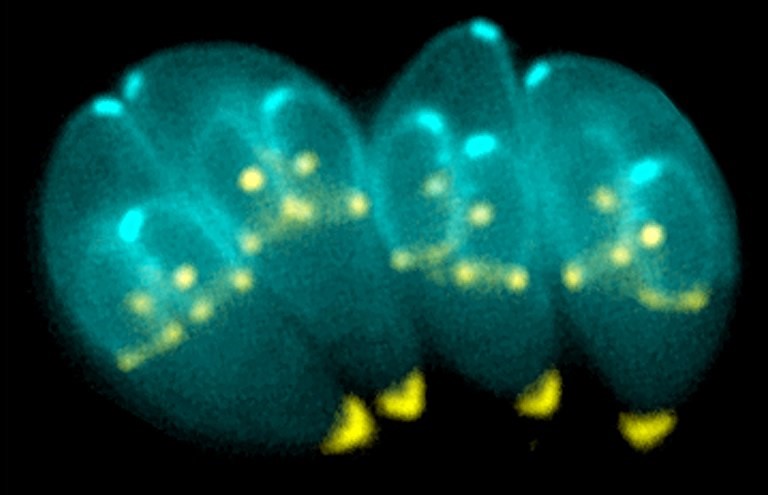
A team of scientists at the University of California, Riverside, explains in a paper published in PLoS Pathogens how the microscopic parasite Toxoplasma gondii can significantly disrupt brain function, even when it infects only a small number of neurons. The team found the parasite interferes with essential communication between brain cells — research that can offer new ways to detect and treat chronic brain infections.
Toxoplasma gondii can infect nearly any warm-blooded animal and prefers to live inside brain cells, forming cysts in neurons that can persist for life. The researchers report that they found infected neurons release fewer extracellular vesicles (EVs) — tiny, membrane-bound packets used by cells to exchange information.
“We found this disruption in EV signalling can interfere with how neurons and glial cells, especially astrocytes, maintain a healthy brain environment,” said Emma H. Wilson, a professor of biomedical sciences in the UC Riverside School of Medicine who led the research team. “Even a handful of infected neurons can shift the brain’s neurochemical balance. This suggests that communication between neurons and supporting glial cells is not only critical, but also vulnerable to hijacking by parasites.”
Approximately 10–30% of people in the United States are infected with Toxoplasma gondii, often without knowing it. The parasite is typically contracted through undercooked meat or exposure to cat feces. Although the immune system typically keeps the infection in check, the parasite can lie dormant in the brain for decades. In individuals with weakened immunity, it can reactivate and cause serious illness.
Current diagnostic tools can only detect whether someone has been exposed to Toxoplasma gondii by identifying antibodies. The tools cannot confirm whether the parasite is still present in the brain or how it may be affecting brain function.
“Our research opens the door to using EVs as biomarkers, which can be isolated from blood,” Wilson said.
The study was conducted using mouse models and human cells in a laboratory setting.
Wilson explained that in healthy mouse brains astrocytes regulate neurotransmitters like glutamate, ensuring that neurons do not become overexcited. But when neurons infected with Toxoplasma gondii stop sending the right EV signals, this regulation breaks down. The result is elevated glutamate levels, which can lead to seizures, neural damage, or altered brain connectivity.
“The parasite may play a larger role in neurological and behavioural conditions than we previously thought,” she said.
Wilson’s research team is now working to analyse samples from human blood banks to look for EVs linked to Toxoplasma gondii brain infection. The team also hopes to better understand how glial cells detect and respond to parasite proteins — insights that could one day lead to new therapies or even vaccines.
“Our brains have built-in defences that may recognise and respond to neurons infected by Toxoplasma gondii,” Wilson said. “If we can learn how to support or enhance that process, we may be able to better protect people, especially the most vulnerable.”
Despite its potential impact, Toxoplasma gondii is often misunderstood, Wilson added.
“There’s no need to avoid someone who is infected; most people live their entire lives without symptoms,” she said. “Pregnant individuals should be cautious as the parasite can cause serious birth defects if contracted for the first time during pregnancy. The most effective prevention is proper food handling and hygiene. Cook meat thoroughly, wash vegetables, and always wash your hands after handling cat litter, especially from young cats, which are more likely to shed the parasite.”
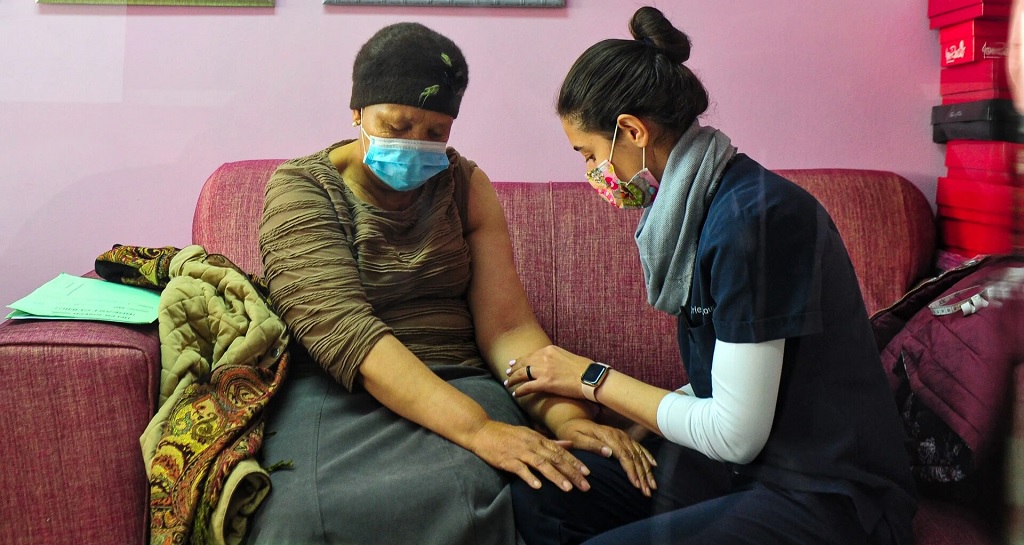
A cancer patient receiving care at a public health facility in Gauteng. (Photo: Rosetta Msimango/Spotlight)
By Chris Bateman
Experts say cancer patients in the public sector in South Africa are dying for avoidable reasons like dysfunctional referral systems and a lack of medical imaging and treatment. We look at efforts to get the country’s battle with cancer back on track.
Many people with cancer in Gauteng have not been able to access the treatment and care they require in recent years. Though activists and the provincial government are at odds about what should, or should have been, done about it, nobody is denying that there is a problem.
At the same time, there have also been issues at a national level, with South Africa’s key cancer strategy having lapsed. The National Cancer Strategic Framework for South Africa 2017 – 2022 was previously extended to also cover 2023. Medical Brief recently reported that a new strategy is on the verge of being signed by the Director-General of Health.
The committee meant to advise the minister on cancer has also lapsed. Dr Busisiwe Ndlovu, the top government official in charge of non-communicable diseases (NCDs), said that the term of the Ministerial Advisory Committee on Cancer expired in early 2024, and new members were pending the approval of Health Minister Dr Aaron Motsoaledi. She was speaking at the KwaZulu-Natal leg of a cancer research and innovation strategy workshop in May. These consultative meetings are taking place across the country’s provinces. It aims to shape a national research and innovation strategy based on the World Health Organization’s cancer control pillars: prevention, early detection and diagnosis, treatment, and palliative care and survivorship.
The scale of the problem
While researchers anticipate that rates of infectious diseases like HIV and tuberculosis in South Africa will decline in the coming decade or two, rates of NCDs, including diabetes and cancers, are expected to increase. According to the WHO, an estimated one in five people will develop some form of cancer in their lifetimes. Increases in developing countries are expected to be particularly steep.
According to a StatsSA report published in 2023, and based on National Cancer registry (NCR) numbers and StatsSA’s mortality data, cancer-related deaths in the country increased by 29% from 2008 to 2018. They reported that 85 000 people were diagnosed with cancer in 2019 and that 44 000 died of cancers in 2018. Experts previously told Spotlight that the estimate of cancer cases may be an undercount of as much as 40%.
The most common cancers in men were prostate, colorectal, and lung – around one in four cancer diagnoses in men were for prostate cancer. Bronchus and lung cancer accounted for just under 19% of cancer-related deaths in men, while prostate cancer accounted for around 17%.
Among women, the most diagnosed cancers were breast cancer at around 23% of diagnoses and cervical cancer at around 16% of diagnoses. Cervical cancer accounted for just under 18% of all cancer deaths in women and breast cancer for 17%.
The NCR recorded 87 853 new laboratory-confirmed cancer cases in 2023, although this figure likely underestimated the true burden as it excluded clinically or radiologically diagnosed cancers, Dr Judith Mwansa-Kambafwile, senior epidemiologist with the NCR told attendees at the Durban workshop.
In a paper published in the South African Journal of Oncology in 2022, researchers calculate that cancer incidence (new cases per year) in South Africa could double from around 62 000 in 2019 to 121 000 in 2030. This is due to two factors: firstly, South Africa’s population is aging and cancers generally become more common as people age. And secondly, the risk of cancers is generally increasing for people of all ages. The researchers focused on only the five most common types of cancer, but an NCR report shows a very wide variety of cancers are being diagnosed in the country.
Since not all cancers are diagnosed, the real numbers are likely substantially higher than reported. There is also no single repository of all cancer diagnoses in the country – for the above quoted article researchers used both data from Discovery Health Medical Scheme and from the NCR.
The data gap
Cancer statistics in South Africa has been largely based on pathology results, which is to say blood or biopsies that were tested in the lab. Other types of diagnoses, such as those based on symptoms and scans have not always been counted systematically. One recent initiative aimed at addressing this data gap is a patient-led registry that feeds information into the NCR.
Mwansa-Kambafwile, explained that the NGO, Living with Cancer, was driving the patient-led registry, aimed at cross referencing and supplementing patient records with her NCR’s own patient database. Leaflets in oncologists’ reception rooms encouraged patients to upload their pathology/histology test results onto the Living with Cancer website via a standard online National Department of Health form. A national shopping mall campaign in May was aimed at boosting awareness.
“Living with Cancer had a Memorandum of Understanding with us and in addition, links cancer survivors with the same type of cancer to one another in support groups online where they can share experiences and knowledge,” she added.
Dr Mazvita Muchengeti, who heads up work on the NCR at the National Health Laboratory Services which is part of the National Institute for Communicable Diseases (NICD), previously told Spotlight that cancer was made a reportable disease under the National Health Act in 2011. While compulsory reporting has improved data on cancer cases, she added: “There is an increase in the number of reported cancers; this does not necessarily translate to an increase in cancer, we are just counting cancer cases better because reporting is now compulsory.”
Another new strategy
In light of the country’s cancer burden, a group of organisations is leading the development of a new National Cancer Research and Innovation Strategy. This collective includes the Nuclear Medicine Research Infrastructure at the University of Pretoria, the South African Medical Research Council, and the Department of Science, Technology and Innovation, in partnership with the National Department of Health.
They are hosting provincial workshops to help understand the current state of cancer research in South Africa, identify key challenges, set national priorities, and develop a strong, future-focused strategy. These workshops are part of a broader plan to make sure the strategy is inclusive, based on evidence, and meets the country’s needs.
This research and innovation strategy differs from the health department’s National Cancer Strategic Framework, which guides provinces as to what the cancer priorities are.
‘Integrated cancer care approach’
At the Durban workshop, Ndlovu, emphasised the need for an integrated cancer care approach across all levels of the healthcare system. She noted the importance of streamlined referral pathways and urgent attention to waiting times, care packages, registry improvements, and financing. The expired national cancer strategy required urgent evaluation and revision, Ndlovu added.
A clear pattern emerging from these workshops is one whereby cancers are often diagnosed too late, and patients frequently struggle to access timely, appropriate care.
Also at the Durban workshop, Professor Jeannette Parkes, Head of Radiation Oncology at Groote Schuur Hospital and the University of Cape Town, outlined the many systemic barriers to early detection. These included socio-cultural factors, urban-rural divides, and broken referral systems.
“We have a massive issue with accessing imaging services, biopsy support, pathology services, and their costs,” she said.
Parkes, who is also President of the College of Radiation Oncology of South Africa and clinical director of the Access to Care Cape Town programme, said early cancer detection was better in the private sector because patients could access and afford the necessary systems and diagnostic technology. The remaining 85% of the population depended on the public sector, in particular overburdened primary healthcare clinics but also on all levels of care.
“There’s a bias towards urban versus rural areas and too often a failure to refer. The referral pathway is problematic and differs from province to province and in various settings. We have a massive issue with regards to accessing imaging services, while biopsy support and pathology services and their costs are also a big issue,” she told the workshop.
Late diagnosis
At the Johannesburg meeting, late diagnosis was singled out as a particular problem when it comes to cervical cancer. Dr Mary Kawonga, public health specialist with the Gauteng Department of Health and Wits School of Public Health, said that 16% of women screened at Charlotte Maxeke Academic Hospital’s drainage district had pre-cancerous lesions, underlining the lack of preventative care. “Patients often only begin treatment on their sixth visit,” she said, citing the failure of diagnostic tools, referral inefficiencies, and poor implementation of available technologies.
Dr Mariza Vorster, Head of Nuclear Medicine at the University of KwaZulu-Natal and Inkosi Albert Luthuli Academic Hospital, said that insufficient specialists and excessive patient loads result in unacceptable turnaround times for diagnosis.
Clinicians often get blamed for delays, but as Dr Sheynaz Bassa, Head of Radiation Oncology at Steve Biko Academic Hospital, pointed out, many patients wait weeks or months to afford transport to care facilities. “By the time they get to us, they’re already in crisis mode,” she said. “Peripheral clinics and hospitals must improve referral systems before we can make real progress.”
Salomé Meyer, Director of Cancer Alliance, alleged that survivorship care is almost entirely absent in both the public and private sectors. “Supportive and palliative care often ends when treatment stops. Survivors are left without co-ordinated care,” she said.
Apart from improving screening and referral systems, other recommendations emerging from the workshops included better coordination between clinicians and the NCR, leveraging mobile technology like the health department’s Mom Connect app to reduce clinic visits and fast-track referrals. Greater community involvement in setting research priorities, using mobile clinics to conduct cancer screening in rural areas, and increasing awareness for breast self-examination. More research into the genetic factors relating to cancers in South Africa was also argued for.
Call for new cancer institute
Meyer has been leading a call for South Africa to establish a National Cancer Institute (NCI).
“An NCI would develop clear guidelines on treatment protocols, workforce allocation, and facility requirements,” she said. With South Africa transitioning toward a National Health Insurance system, Meyer said an NCI would help plan resource allocation based on cancer projections, enabling smarter investments in infrastructure, technology, and staffing.
The lapsed National Cancer Strategic Framework lacked province-specific detail, leaving provinces to adapt guidelines as they saw fit, often leading to fragmented service delivery, she added. Meyer said decentralisation was essential. “We can no longer restrict cancer treatment to tertiary hospitals. Many district and regional facilities could provide diagnostics and some treatments if properly resourced,” she said.
A reset of South Africa’s disease monitoring and research infrastructure has been on the cards for some time. The NICD was set to be replaced by the new National Public Health Institute of South Africa (NAPHISA) after the NAPHISA Act became law in 2020. Five years later, NAPHISA has not yet been established. On the face of it, NAPHISA would be a natural home for an entity like the proposed NCI were it to be created.
By James White, Director of Sales and Marketing at Turnberry Management Risk Solutions
Photo by Alex Green on Unsplash
Rising medical costs can be a major burden that negatively affects employees’ health, wellness and productivity. Even with medical aid in place, unexpected shortfalls for hospital stays, surgeries and specialist treatments can run into tens of thousands of Rands – creating financial stress that spills over into the workplace.
Group gap cover offers an affordable, accessible and highly effective way to bridge the growing divide between what medical schemes pay and what private healthcare actually costs. This makes a tangible difference for both employers and their employees.
A practical solution for reducing stress and improving productivity
Medical expense shortfalls can add up to significant amounts of money and can be enough to seriously impact an individual’s financial wellbeing. Employees who cannot afford the co-payments or gaps in cover may delay treatment, manage ongoing pain with temporary measures, or fall back on high-interest loans, all of which can negatively affect their focus and performance at work.
Group gap cover can help to prevent this type of scenario. Cover includes medical expense shortfalls, co-payments, and sub-limits, and some providers also offer value-added benefits like casualty cover, trauma counselling or additional cancer cover, depending on the plan.
This allows employees to access the care they need without having to worry about paying large sums of money out of their own pocket. It helps them get treatment sooner, making it more likely they will recover faster and return to work sooner, as well as offering improved peace of mind. All of this benefits the business as much as the individual.
Empowering brokers to support a broader wellness strategy
Brokers are ideally placed to support employers in designing employee benefits that do more than tick boxes by positioning group gap cover as an essential component of an organisation’s wellness strategy.
It is, however, essential to tailor group gap cover plans to align with the medical aid options that are already in place. The key is to create solutions that fit the needs of the organisation and its employees and add tangible value, taking into account elements like demographics, income bracket, life stage and so on. For brokers, this is an opportunity to drive innovation in employee benefits and demonstrate deeper advisory value.
Affordability that matters in a tough economy
As medical inflation continues to outpace the Consumer Price Index (CPI), comprehensive medical aid has become less attainable for many companies and their employees. Some organisations have been forced to downgrade their medical scheme contributions, leaving employees more exposed to shortfalls. Group gap cover offers a cost-effective way to mitigate that risk.
With preferential premiums, favourable underwriting terms, and often no waiting periods, group gap cover is cost-effective and affordable, especially when compared to the costs of upgrading a comprehensive medical aid plan that will typically also experience certain shortfalls. It is also tax efficient as a payroll deduction and can be implemented with minimal administrative burden.
Attracting and retaining talent in a competitive market
Today’s job seekers are looking for more than a payslip. They want to feel valued and supported. Offering group gap cover as part of a holistic benefits package can set a company apart, especially in sectors where high turnover is common.
Candidates take note when employers show they care about more than just performance metrics. A company that helps its people avoid financial distress during a medical emergency is a company that builds loyalty, trust and long-term engagement. Gap cover is an investment in human capital that pays dividends far beyond the balance sheet.
Genuine benefits build genuine loyalty
Medical costs are rising, and economic pressures are continually increasing. In such an environment, employers need benefits that do more than look good on paper – they need to add real value to the lives of their employees. Group gap cover is one of the most practical, cost-effective ways to support employees’ health and financial wellbeing while also protecting business performance.
By helping people access the treatment they need without incurring crippling debt, it reduces stress, shortens recovery time and fosters loyalty. For businesses looking to attract and retain talent, boost productivity and show genuine care for their people, group gap cover is a benefit that makes a real and lasting difference.
About Turnberry Management Risk Solutions
Founded in 2001, Turnberry is a registered financial services provider (FSP no. 36571) that specialises in Accident and Health Insurance, Travel Insurance, and Funeral Cover.
With extensive experience across healthcare and insurance industries in South Africa, Turnberry offers unsurpassed service to Brokers and clients. Turnberry’s gap cover products are available to clients on all medical aid schemes, as they are independently provided and are therefore transferable in the event of a change in the client’s medical aid scheme.
Turnberry is well represented nationally, with its Head Office based in Bedfordview, Johannesburg with Business Development Managers in Cape Town and Durban. The Turnberry Team’s focus on outstanding client service comes from having extensive knowledge and experience in the financial services sector and is underwritten by Lombard Insurance Company Limited. Lombard Insurance Company Limited is an Authorised Financial Services Provider (FSP 1596) and Insurer conducting non-life insurance business.