Month: December 2025

#InsideTheBox with Dr Andy Gray | Where Are We on the Road to More Coherent Cannabis Regulation?

#InsideTheBox is a column by Dr Andy Gray, a pharmaceutical sciences expert at the University of KwaZulu-Natal and Co-Director of the WHO Collaborating Centre on Pharmaceutical Policy and Evidence Based Practice. (Photo: Supplied)

By Andy Gray

There has been much confusion and misunderstandings about how cannabis and associated products are regulated in South Africa, with government’s own missteps adding to the uncertainty. In his last #InsideTheBox column for the year, Dr Andy Gray clearly sets out the current legal and regulatory situation and where we’re heading.

There is a fundamental assumption that underpins much of the legislation relating to pharmacologically active substances, especially those that have neuropsychiatric effects. Some are recognised as having legitimate medicinal uses, in humans and/or animals, and so are regulated as medicines. Others are deemed to have no legitimate medicinal uses, and so their possession and use is prohibited or even criminalised. Some of these substances are obtained from natural sources, such as plants or fungi, and some have been recognised and used since antiquity, precisely for their effects, both for pleasure and ritual.

Cannabis is a prime example, which grows on all continents other than Antarctica and has been used for a wide variety of purposes, both for its pharmacological actions and for its physical attributes, as a source of fibre and nutrition.

South Africa has a long and complex history with regard to cannabis. It was the South African government which proposed to the League of Nations Dangerous Drugs Committee in 1923 that cannabis be subjected to international regulation. That status remains in place, in terms of the Single Convention on Narcotic Drugs, 1961, to which South Africa is a signatory. Schedule I to the Convention, which is maintained by the International Narcotics Control Board, includes “the flowering or fruiting tops of the cannabis plant”, as well as “the separated resin, crude or purified, obtained from the cannabis plant”. Parties to the Convention are required to “adopt such measures as may be necessary to prevent the misuse of, and illicit traffic in, the leaves of the cannabis plant”. Cultivation of cannabis is to be regulated in the same manner as that applied to opium poppies, but with an important caveat: “This Convention shall not apply to the cultivation of the cannabis plant exclusively for industrial purposes (fibre and seed) or horticultural purposes.”

As a result, cannabis was for many years listed as a Schedule 7 substance in terms of South Africa’s Medicines and Related Substances Act, 1965, and also included in the “Undesirable Dependence-Producing Substances” in terms of the Drugs and Drug Trafficking Act, 1992. While exceptional access was allowed for research, analysis or use by a particular patient, substances in those categories could not ordinarily be possessed or sold.

That entire legal construct was overturned by a 2018 Constitutional Court judgment which declared the relevant sections of both laws unconstitutional “to the extent that they criminalise the use or possession in private or cultivation in a private place of cannabis by an adult for his or her own personal consumption in private”. The court allowed legislators a period of 24 months to remedy the situation.

THC and CBD

Although the cannabis plant contains over 100 identifiable chemical components, two are of particular importance. Tetrahydrocannabinol (THC) is the psychoactive component, whereas cannabidiol (CBD) is not psychoactive. At higher doses, cannabidiol has been shown to be effective in the management of some paediatric epilepsy syndromes.

The first change made to comply with the Constitutional Court judgment involved moving THC to Schedule 6 (alongside morphine, for example) and CBD to Schedule 4 (as a prescription medicine). The Schedule 6 inscription also included an exception to allow adult use, echoing the wording in the court judgment. The control measures applicable to a Schedule 6 substance (such as the need for a prescription) do not apply when “raw cannabis plant material is cultivated, possessed and consumed by an adult, in private for personal consumption”. The Schedule 4 inscription also allowed for low-dose CBD products (containing a maximum of 20mg per day and 600mg per pack) to be regulated as a complementary medicine, provided the labelling made only a low-risk claim (a general health enhancement or health maintenance claim or a claim of relief from minor symptoms).

The South African Health Products Regulatory Authority (SAHPRA) has issued just over a hundred licences for the cultivation and export of cannabis for medicinal purposes. These licences are for the preparation of the raw material from which medicines could be made, but no THC-containing products have yet been registered in South Africa. SAHPRA does not report on the number of section 21 permits issued to individual patients seeking access to THC-containing medicines, nor on the sources of unregistered medicines approved in that manner (section 21 permits allows for access to medicines not registered by SAHPRA).

https://embed.bsky.app/embed/did:plc:jonfyv7sw4yyacspczyvtbrf/app.bsky.feed.post/3lzps6oplvs25?id=8003957909918781&ref_url=https%253A%252F%252Fwww.spotlightnsp.co.za%252F2025%252F12%252F03%252Finsidethebox-with-dr-andy-gray-where-are-we-on-the-road-to-more-coherent-cannabis-regulation%252F&colorMode=dark

SAHPRA’s cannabis cultivation permits do not allow the sale of cannabis products directly to the public. SAHPRA has not issued licences to any retail outlets for cannabis or cannabis-containing products. Retail outlets claiming to be licensed “dispensaries” are therefore operating illegally.

In 2024, the Schedules were again updated, with this exception inserted: “in raw cannabis plant material cultivated and possessed in accordance with a permit issued in terms of the Plant Improvement Act (Act 11 of 2018) and processed products manufactured from such material, intended for agricultural or industrial purposes, including the manufacture of consumer items or products which have no pharmacological action or medicinal purpose”.

The Plant Improvement Act, 2018, is intended to regulate the propagation and sale of particular plants, setting quality standards for economically important varieties, such as wheat. In November 2025, the Minister of Agriculture, Land Reform and Rural Development issued regulations in terms of this Act, setting a THC limit of 2% for the leaves and flowering heads of cannabis plants considered to be “hemp” (low-THC cannabis). That action provides the clarity required to interpret the Schedules to the Medicines Act and creates a process for the issuing of “hemp” permits for the cultivation and sale of low-THC cannabis for industrial applications.

‘A work in progress’

Bringing the Drugs and Drug Trafficking Act into alignment with the Constitutional Court judgment has been far more complex than the Medicines Act and is still a work in progress. The section of the Drugs Act which enabled the Minister of Justice to make schedules listing substances in different categories was found to be unconstitutional in 2020. Future changes to the schedules will require an Act of Parliament. Distinct from the Schedules to the Medicines Act, these lists designate which substances, for example are considered “Undesirable Dependence-Producing Substances”, the possession of which may be a criminal offence.

Instead, the Minister of Justice and Correctional Services tabled a separate Bill in 2019, which was finally passed as the Cannabis for Private Purposes Act, 2024. While that Act has been assented to by the President, it has not yet been promulgated and no regulations have been issued. The legislation is therefore not yet in operation. Regulations are needed, for example, to specify the amounts of cannabis that can be cultivated, possessed or transported. Most importantly, though enabling the possession or cultivation of cannabis in a private place, and therefore personal consumption by an adult, the Act does not enable the commercialisation of cannabis for “recreational” or “adult use”, as is the case with alcoholic beverages or tobacco products.

South Africa’s Cannabis Master Plan, which envisages three separate value chains, covering medicinal cannabis, hemp, and adult use, is now being driven by the Department of Trade, Industry and Competition (DTIC). The DTIC plans to submit a Hemp and Cannabis Commercialisation Policy to Cabinet by April 2026 and to table an Overarching Cannabis Bill by mid-2027.

The 2018 Constitutional Court judgment overturned almost a century of established practice. While the evidence for the medicinal value of cannabis and specific cannabinoids is still scanty, the assumption that such products have no medicinal value at all is no longer tenable. As with all pharmaceutical products, this is a highly regulated market with high barriers to entry.

An industrial market for low-THC cannabis is already well established and the necessary steps to enable its growth are now in place. However, the ill-informed ban on the inclusion of any cannabis components in foodstuffs, which was issued and then rapidly repealed in 2025, is indicative of the lack of coherence in government policy. The challenge remains the commercialisation of an adult use market, and whether that will enable the involvement of the small-scale rural growers who have traditionally met demand for the product.

Cannabis policy therefore remains in flux, and the entire legislative process has been marked by missteps, missed steps, reverses, ambivalence and confusion. Some pieces of the picture are in place, but others remain uncertain or incomplete.

*Dr Gray is a Senior Lecturer at the University of KwaZulu-Natal and Co-Director of the WHO Collaborating Centre on Pharmaceutical Policy and Evidence Based Practice. This is part of a series of #InsideTheBox columns he is writing for Spotlight.

Disclosure: Gray serves on three technical advisory committees at the South African Health Products Regulatory Authority and previously chaired the Cannabis Working Group.

Note: Spotlight aims to deepen public understanding of important health issues by publishing a variety of views on its opinion pages. The views expressed in this article are not necessarily shared by the Spotlight editors.

Republished from Spotlight under a Creative Commons licence.

Read the original article.

How the Nervous System Activates Repair After a Spinal Cord Injury

View of the spinal cord. Credit: Scientific Animations CC4.0

After a spinal cord injury, cells in the brain and spinal cord change to cope with stress and repair tissue. A new study from Karolinska Institutet, published in Nature Neuroscience, shows that this response is controlled by specific DNA sequences. This knowledge could help develop more targeted treatments.

When the central nervous system is damaged – for example, in a spinal cord injury – many cells become reactive. This means they change their function and activate genes that protect and repair tissue. However, how this process is regulated has long been unclear.

Researchers at Karolinska Institutet have now mapped thousands of so-called enhancers; small DNA sequences that act like “switches” for genes, turning them on or boosting their activity. By analysing individual cell nuclei from mice with spinal cord injuries using AI models, the researchers discovered that these genetic switches are activated after injury and instruct specific cell types to respond. The main cells affected were glial cells such as astrocytes and ependymal cells – support cells that help protect and repair the nervous system.

New opportunities for precision treatments 

“We have shown how cells read these instructions through a code that tells them how to react to injury. This code combines signals from general stress factors with the cell’s own identity,” explains Enric Llorens-Bobadilla, researcher at the Department of Cell and Molecular Biology at Karolinska Institutet.

“This opens up the possibility of using the code to target treatments specifically to the cells affected by the injury,” says Margherita Zamboni, researcher at the same department and first author of the study.

The study is a collaboration between researchers at Karolinska Institutet and SciLifeLab, supported by the European Research Council (ERC), the Swedish Research Council, and the Swedish Foundation for Strategic Research. Some researchers have reported consultancy roles and patent applications related to the technology.

Source: Karolinska Institutet

Africa’s Hidden Stillbirth Crisis: New Report Exposes Major Policy and Data Gaps

Mary Kinney, University of Cape Town

Photo by ManuelTheLensman on Unsplash

Nearly one million babies are stillborn in Africa every year. Behind every stillbirth is a mother, a family and a story left untold. Most of these are preventable, many unrecorded, and too often invisible. Each number hides a moment of heartbreak, and every uncounted loss represents a missed opportunity to learn and to act.

As a public health researcher specialising in maternal and newborn health, I have spent the past two decades working on strengthening health systems and quality of care across Africa. My research has focused on understanding how health systems can prevent stillbirths and provide respectful, people-centred care for women and newborns. Most recently, I was part of the team that led a new report called Improving Stillbirth Data Recording, Collection and Reporting in Africa. It is the first continent-wide assessment of how African countries record and use stillbirth data.

The study, conducted jointly by the Africa Centres for Disease Control and Prevention, the University of Cape Town, the London School of Hygiene & Tropical Medicine and the United Nations Children’s Fund, surveyed all 55 African Union member states between 2022 and 2024, with 33 countries responding.

The burden of stillbirths in Africa is staggering. Africa accounts for half of all stillbirths globally, with nearly eight times higher rates than in Europe. Even stillbirths that happen in health facilities may never make it into official statistics despite every maternity registry documenting this birth outcome.

Part of the challenge is that there are multiple data systems for capturing births and deaths, including stillbirths, like routine health information systems, civil registration and other surveillance systems. But these systems often don’t speak to each other either within countries or between countries. This data gap hides both the true burden and the preventable causes.

Despite advances in several countries to prevent stillbirths, large gaps remain, especially on data systems. Only a handful of African countries routinely report stillbirth data to the UN, and many rely on outdated or incomplete records. Without reliable, comparable data, countries cannot fully understand where and why stillbirths occur or which interventions save lives.

Strengthening stillbirth data is not just about numbers; it is about visibility, accountability and change. When countries count every stillbirth and use the data for health system improvement, they can strengthen care at birth for mothers and newborns and give every child a fair start in life.

Findings

The report was based on a regional survey of ministries of health. This was followed by document reviews and expert consultations to assess national systems, policies and practices for stillbirth reporting and review.

The report reveals that 60% of African countries have national and sub-national committees responsible for collecting and using stillbirth data, which produce national reports to respective health ministries. But data use remains limited. Capacity gaps, fragmented systems and insufficient funding prevents many countries from translating information into action.

To guide investment and accountability, the report categorises countries into three readiness levels:

  1. Mature systems needing strengthening, such as Kenya, Rwanda and Uganda. These countries have consistent data flows but need more analysis and use.
  2. Partial systems requiring support, where reporting mechanisms exist but are not systematically implemented, like Ghana, Malawi and Tanzania.
  3. Foundational systems still being built, including fragile or conflict-affected countries like South Sudan and Somalia. Here, policies and structures for data collection and use remain absent.

The findings show both progress and persistent gaps. Two-thirds of African countries now include stillbirths in their national health strategies, and more than half have set reduction targets. Nearly all countries report that they routinely record stillbirths through their health sectors using standard forms and definitions, yet these definitions vary widely. Most systems depend on data reported from health facilities. But the lack of integration between health, civil registration and other data systems means that countless losses never enter national statistics.

For example, if a woman delivers at home alone in Mozambique and the baby is stillborn, the loss is only known to the family and community. Without a facility register entry or civil registration notification, the death never reaches district or national statistics. Even when a stillbirth occurs in a health centre, the health worker may log it in a facility register but not report it to the civil registration system. This means the loss of the baby remains invisible in official data.

What this means

Stillbirths are a sensitive measure of how health systems are performing. They reflect whether women can access timely, quality care during pregnancy and at birth. But unlike maternal deaths, which are often a benchmark for health system strength, stillbirths remain largely absent from accountability frameworks.

Their causes, like untreated infections, complications during labour, or delays in accessing emergency caesarean sections, are often preventable. The same interventions that prevent a stillbirth also reduce maternal deaths. These improve newborn survival, and lay the foundation for better health and development outcomes in early childhood.

Accurate data on stillbirths can guide clinical care and direct scarce resources to where they are needed most. When data systems are strong, leaders can identify where and why stillbirths occur, track progress and make informed decisions to prevent future tragedies.

The analysis also highlights promising signs of momentum. Over two-thirds of countries now reference stillbirths in national health plans, an important marker of growing political attention. Several countries are moving from isolated data collection to more coordinated, system-wide approaches. This progress shows that change is possible when stillbirths are integrated into national health information systems and supported by investment in workforce capacity, supervision and data quality.

What’s needed

Africa has the knowledge, evidence and experience to make change happen.

The report calls for harmonised definitions, national targets and stronger connections and data use between the different data sources within and across African countries. Above all, it calls for collective leadership and investment to turn information into impact, so that every stillbirth is counted, every death review leads to learning and no parent grieves alone.

The author acknowledges and appreciates the partners involved in developing the report and the support from the Global Surgery Division at UCT.

Mary Kinney, Senior Lecturer with the Global Surgery Division, University of Cape Town

This article is republished from The Conversation under a Creative Commons license. Read the original article.

Case Study: Allmed and Tafta

Empowering Dignified Elder Care Through Compliant, Compassionate Staffing Solutions

Photo by Matthias Zomer on Pexels

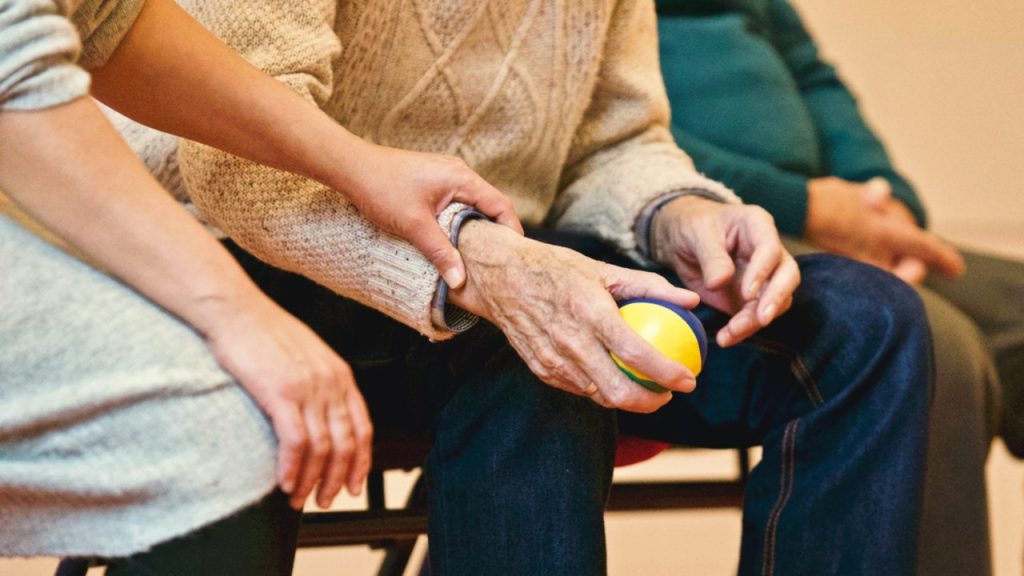
For nearly seven decades, The Association for The Aged (Tafta) has been a cornerstone of care for senior persons in Durban and surrounding communities. Its services include assisted living, frail care, home-based care, meal delivery, and essential social work and advocacy programmes, all designed to support the dignity and well-being of older persons.

Delivering this level of care consistently requires the right professional healthcare staff and strong administrative support across Tafta’s multiple facilities.

The challenge: ensuring compliance and consistency
Recruiting and managing trained Caregivers across several care units can be complex, particularly when strict compliance and accreditation standards must be met. Tafta needed a partner who could supply qualified staff while supporting operational efficiency and upholding care standards. Allmed, a specialist medical personnel solutions provider, with proven experience in healthcare staffing and administration, emerged as the ideal solution.

“At the time we were reviewing our contracts, we considered Allmed as one of the service providers to tender,” explains Yoshina Kistensamy, Divisional Manager: Operations of Tafta.

The requirements were clear: the partner needed to ensure all staff were fully compliant and accredited, while also providing responsive after-contract support. Financial flexibility was equally critical, enabling staffing to scale up or down according to operational realities without penalty.

Allmed provides layered support, with trained professionals backed by clinical facilitators, ensuring both quality care and peace of mind for residents’ families. This support is delivered across three key areas:

  • Strategic staffing: Ensures every facility has adequate, skilled personnel and optimises workforce allocation to meet varying needs.
  • Compliance oversight: Monitors adherence to healthcare standards, reducing risk and ensuring safe, consistent care practices.
  • Hands-on engagement: Provides practical support to staff and enhances day-to-day operations.

By combining these three areas, Allmed enables Tafta to operate efficiently while maintaining a strong focus on the quality and dignity of resident care.

The impact: lifting the burden, prioritising care
The partnership has given Tafta the space to focus on its core mission: providing compassionate care. By outsourcing much of its care staff, Tafta has transferred complex HR responsibilities, including training coordination, on-site supervision, and disciplinary processes, directly to Allmed.

Allmed provides layered support, with trained professionals backed by clinical facilitators, ensuring both quality care and peace of mind for residents’ families. This support is delivered across three key areas:

  • Strategic staffing: Ensures every facility has adequate, skilled personnel and optimises workforce allocation to meet varying needs.
  • Compliance oversight: Monitors adherence to healthcare standards, reducing risk and ensuring safe, consistent care practices.
  • Hands-on engagement: Provides practical support to staff and enhances day-to-day operations.

By combining these three areas, Allmed enables Tafta to operate efficiently while maintaining a strong focus on the quality and dignity of resident care.

The impact: lifting the burden, prioritising care
The partnership has given Tafta the space to focus on its core mission: providing compassionate care. By outsourcing much of its care staff, Tafta has transferred complex HR responsibilities, including training coordination, on-site supervision, and disciplinary processes, directly to Allmed.

“For us, the primary benefit lies in ensuring that our care staff remain fully compliant with all required accreditations and registrations, which supports our commitment to delivering quality care through trained professionals,” says Kistensamy. “In addition, Allmed manages the HR processes, supplementary training, and ongoing supervision for this team, allowing us to focus on expanding and strengthening care and support services for our residents and the broader eThekwini community.”

Allmed’s support goes beyond typical service agreements. They work alongside Tafta’s management and care teams. “Whether it’s a quick phone call, a WhatsApp message, or an on-site visit, Allmed is always available,” Kistensamy adds. “Knowing they are just a message away provides enormous peace of mind.”

Forging a partnership that goes above and beyond
Tafta values the partnership for more than staffing consistency. At the organisation’s annual Sports Day for older persons, Allmed has donated essential items, provided an on-site nurse, and actively participated alongside staff and residents. “It’s not just about supplying caregivers – Allmed consistently shows up and supports our programmes,” says Kistensamy.

Allmed also contributes to Tafta’s fundraising and public-relations events, including the International Day of Care and Support, golf days, resident Christmas lunches, and donor gala dinners. Their willingness to engage with staff, residents, and fellow care partners reinforces Tafta’s values and demonstrates that effective healthcare partnerships are built on the seamless alignment of the organisation, its beneficiaries, and its supporters.

Flexible solutions for non-profit needs
Agility has been a cornerstone of the Allmed–Tafta partnership. When budget pressures arose, Allmed offered alternative staffing rates without compromising service quality.

“They understand our sector and our challenges, and they work with us to make sure our residents are always cared for,” says Kistensamy. Three elements define the success of this collaboration:

  1. Exceptional customer service: proactive support and responsiveness beyond contractual obligations.
  2. Flexible staffing solutions: ability to scale services up or down based on resident needs and operational realities.
  3. Qualified, supported staff: ongoing training, supervision, and guidance ensure consistent, high-quality care.

Through this partnership, Tafta can prioritise its core mission: ensuring every resident receives compassionate, dignified care. With Allmed providing expert staffing and compliance support, the organisation can operate smoothly while maintaining high-quality care standards.

‘It’s a great sign’: Innovative Cochlear Implant Trial Expands Earlier than Expected

The new cochlear implant is implanted invisibly under the skin, unlike this standard design. Photo by Brett Sayles

A highly sought-after clinical trial testing completely under-the-skin cochlear implants is expanding earlier than expected. Promising preliminary results showed no serious adverse events or unexpected device effects.

The Medical University of South Carolina, which has one of the larger cochlear implant programmes in the country, is one of several sites in the United States taking part in the Acclaim study. Three patients were implanted in the first wave of the trial and have been using their devices for at least six months. Now, MUSC has the chance to enrol more.

“New patients are coming this week, and we’re going to resume device placement as soon as possible. We have people flying in from all over the country to be part of the trial as well as South Carolinians,” said Teddy McRackan, MD He’s medical director of the MUSC Health Cochlear Implant Program.

Some participants are traveling to Charleston to get the experimental implants because slots in the 56-person national trial are limited, and they like the idea of cochlear implants without external parts.

The Acclaim implants would be the first such devices to hit the market if they obtain approval from the Food and Drug Administration. McRackan said they use the body’s natural hearing bone movements to detect sound instead of the external microphones used in traditional cochlear implants.

“The trial has made it clear that hidden cochlear implants appeal to a lot of people,” said audiologist Elizabeth Camposeo, AuD. She’s assistant director of the MUSC Health Cochlear Implant Program.

“Seeing our patients going through this trial just feels like such a massive opportunity. I didn’t know how hard we were struggling to overcome the physical stigma of visible implants. There were many patients we screened for the trial who we could help with a traditional implant but who did not want any part of it. These people are profoundly hearing impaired, like 10 out of 10 terrible hearing, and they absolutely would not consider a traditional implant.”

They have plenty of company. Just 5% of adults in the United States who could hear better with traditional cochlear implants have them, according to the American Cochlear Implant Alliance.

To measure the Acclaim implants’ effectiveness, participants will check in for testing at one month, three months, six months, one year and two years after their implants are activated. Implantation requires surgery and then one month for healing before doctors turn on the devices.

Once the implants are activated, Camposeo said researchers will start analysing data about how much sound they detect and how well patients understand speech. “Similar to when you have your eyes checked, how close are you to 20/20 vision, we check sound detection. More importantly, we test speech understanding. We play a word. You repeat it back. We play a sentence. You repeat it back in both quiet and noise, because the world is a noisy place.”

A noisy place, and a place where potentially groundbreaking devices can be developed quickly, McRackan said. “I don’t think anybody thought two years ago that the Acclaim device would be at this point now. I think it’s kind of amazing how fast things are progressing.”

Source: Medical University of Southern Carolina

Five Ways Microplastics May Harm the Brain

A new study highlights five ways microplastics can trigger inflammation and damage in the brain.

Photo by FLY:D on Unsplash

Microplastics could be fuelling neurodegenerative diseases like Alzheimer’s and Parkinson’s, with a new study highlighting five ways microplastics can trigger inflammation and damage in the brain.

More than 57 million people live with dementia, and cases of Alzheimer’s and Parkinson’s are projected to rise sharply. The possibility that microplastics could aggravate or accelerate these brain diseases is a major public health concern.

Pharmaceutical scientist Associate Professor Kamal Dua, from the University of Technology Sydney, said it is estimated that adults are consuming 250 grams of microplastics every year – enough to cover a dinner plate.

“We ingest microplastics from a wide range of sources including contaminated seafood, salt, processed foods, tea bags, plastic chopping boards, drinks in plastic bottles and food grown in contaminated soil, as well as plastic fibres from carpets, dust and synthetic clothing.”

“Common plastics include polyethylene, polypropylene, polystyrene and polyethylene terephthalate or PET. The majority of these microplastics are cleared from our bodies, however studies show they do accumulate in our organs, including our brains.”

The systematic review, recently published in Molecular and Cellular Biochemistry, was an international collaboration led by researchers from the University of Technology Sydney and Auburn University in the US.

The researchers highlighted five main pathways through which microplastics can cause harm to the brain, including triggering immune cell activity, generating oxidative stress, disrupting the blood–brain barrier, impairing mitochondria and damaging neurons.

“Microplastics actually weaken the blood–brain barrier, making it leaky. Once that happens, immune cells and inflammatory molecules are activated, which then causes even more damage to the barrier’s cells,” said Associate Professor Dua.

“The body treats microplastics as foreign intruders, which prompts the brain’s immune cells to attack them. When the brain is stressed by factors like toxins or environmental pollutants this also causes oxidative stress,” he said.

Microplastics cause oxidative stress in two main ways: they increase the amount of “reactive oxygen species” or unstable molecules that can damage cells, and they weaken the body’s antioxidant systems, which normally help keep those molecules in check.

“Microplastics also interfere with the way mitochondria produce energy, reducing the supply of ATP, or adenosine triphosphate, which is the fuel cells need to function. This energy shortfall weakens neuron activity and can ultimately damage brain cells,” said Associate Professor Dua.

“All these pathways interact with each other to increase damage in the brain.”

The paper also explores specific ways in which microplastics could contribute to Alzheimer’s, including triggering increased buildup of beta-amyloid and tau; and in Parkinson’s through aggregation of α-Synuclein and damage to dopaminergic neurons.

First author UTS Master of Pharmacy student Alexander Chi Wang Siu is a currently working in the lab of Professor Murali Dhanasekaran at Auburn University, in collaboration with Associate Professor Dua, Dr Keshav Raj Paudel and Distinguished Professor Brian Oliver from UTS, to better understand how microplastics affect brain cell function. 

Previous UTS research has examined how microplastics are inhaled and where they are deposited in the lungs. Dr Paudel, a visiting scholar in the UTS Faculty of Engineering, is also currently investigating the impact of microplastic inhalation on lung health.

While evidence suggests microplastics could worsen diseases like Alzheimer’s and Parkinson’s, the authors emphasise that more research is needed to prove a direct link. However, they recommend taking steps to reduce microplastic exposure.

“We need to change our habits and use less plastic. Steer clear of plastic containers and plastic cutting boards, don’t use the dryer, choose natural fibres instead of synthetic ones and eat less processed and packaged foods,” said Dr Paudel.

The researchers hope the current findings will help shape environmental policies to cut plastic production, improve waste management and reduce long-term public health risks posed by this ubiquitous environmental pollutant.

Source: University of Technology Sydney

Lower Doses of Immunotherapy for Skin Cancer Give Better Results

Photo by Bermix Studio on Unsplash

According to a new study, lower doses of approved immunotherapy for malignant melanoma can give better results against tumours, while reducing side effects. This is reported by researchers at Karolinska Institutet in the Journal of the National Cancer Institute.

“The results are highly interesting in oncology, as we show that a lower dose of an immunotherapy drug, in addition to causing significantly fewer side effects, actually gives better results against tumours and longer survival,” says last author Hildur Helgadottir, a researcher at the Department of Oncology-Pathology at Karolinska Institutet, who led the study.

The traditional dose of nivolumab and ipilimumab is the one that is approved and established. Due to the extensive side effects, Sweden has increasingly begun to use a treatment regimen with a lower dose of ipilimumab, which is both gentler and cheaper. Ipilimumab is the most expensive part of this immunotherapy and causes the most side effects.

“In Sweden, we have greater freedom to choose doses for patients, while in many other countries, due to reimbursement policies, they are restricted by the doses approved by the drug authorities,” says Hildur Helgadottir.

Lower dose is more effective

The study included nearly 400 patients with advanced, inoperable malignant melanoma, the most serious form of skin cancer. The study shows that the regimen with the lower dose of ipilimumab is more effective, with a higher proportion of patients responding to treatment, 49%, compared to the traditional dose, 37%.

Progression-free survival, the time the patient lives without the disease worsening, was a median of nine months for the lower dose, compared to three months for the traditional dose. Overall survival was also longer, 42 months compared to 14 months.

Serious side effects were seen in 31% of patients in the low-dose group, compared to 51% in the traditional group.

“The new immunotherapies are very valuable and effective, but at the same time they can cause serious side effects that are sometimes life-threatening or chronic. Our results suggest that this lower dosage may enable more patients to continue the treatment for a longer time, which is likely to contribute to the improved results and longer survival,” says Hildur Helgadottir.

There were some differences between the two treatment groups, but even after adjusting for several factors such as age and tumour stage, the better outcome for the lower dose of ipilimumab remained. The study is a retrospective observational study and therefore it is not possible to definitively establish a causal relationship.

Source: Karolinska Institutet

Use of Social Media Linked to ADHD-like Symptoms in Kids

Increased ADHD-related symptoms in children were linked to social media use, but not video games and television

Photo by Emily Wade on Unsplash

Children who spend a significant amount of time on social media tend to experience a gradual decline in their ability to concentrate. This is according to a comprehensive study from Karolinska Institutet, published in Pediatrics Open Science, where researchers followed more than 8000 children from around age 10 through age 14.

The use of screens and digital media has risen sharply in the past 15 years, coinciding with an increase in ADHD diagnoses in Sweden and elsewhere. Researchers at Karolinska Institutet in Sweden and Oregon Health & Science University in the USA have now investigated a possible link between screen habits and ADHD-related symptoms.

The study followed 8324 children aged 9–10 in the USA for four years, with the children reporting how much time they spent on social media, watching TV/videos and playing video games, and their parents assessing their levels of attention and hyperactivity/impulsiveness. 

Social media stands out

Children who spent a significant amount of time on social media platforms, such as Instagram, Snapchat, TikTok, Facebook, Twitter or Messenger, gradually developed inattention symptoms; there was no such association, however, for watching television or playing video games.

“Our study suggests that it is specifically social media that affects children’s ability to concentrate,” says Torkel Klingberg, professor of cognitive neuroscience at the Department of Neuroscience, Karolinska Institutet. “Social media entails constant distractions in the form of messages and notifications, and the mere thought of whether a message has arrived can act as a mental distraction. This affects the ability to stay focused and could explain the association.”

Significance at population level

The association was not influenced by socioeconomic background or a genetic predisposition towards ADHD. Additionally, children who already had symptoms of inattentiveness did not start to use social media more, which suggests that the association leads from use to symptoms and not vice versa.

The researchers found no increase in hyperactive/impulsive behaviour. The effect on concentration was small at the individual level. At a population level, however, it could have a significant impact.

“Greater consumption of social media might explain part of the increase we’re seeing in ADHD diagnoses, even if ADHD is also associated with hyperactivity, which didn’t increase in our study,” says Professor Klingberg.

Well-informed decisions

The researchers stress that the results do not imply that all children who use social media develop concentration difficulties, but there is reason to discuss age limits and platform design. In the study, the average time spent on social media rose from approximately 30 minutes a day for 9-year-olds to 2.5 hours for 13-year-olds, despite the fact that many platforms set their minimum age requirement at 13. 

“We hope that our findings will help parents and policymakers make well-informed decisions on healthy digital consumption that support children’s cognitive development,” says the study’s first author Samson Nivins, postdoctoral researcher at the Department of Women’s and Children’s Health, Karolinska Institutet.

The researchers now plan to follow the children after the age of 14 to see if this association holds. 

Source: Karolinska Institutet

Tough Enough to Save a Life? SA Athletes Challenge Men to Register as Stem Cell Donors

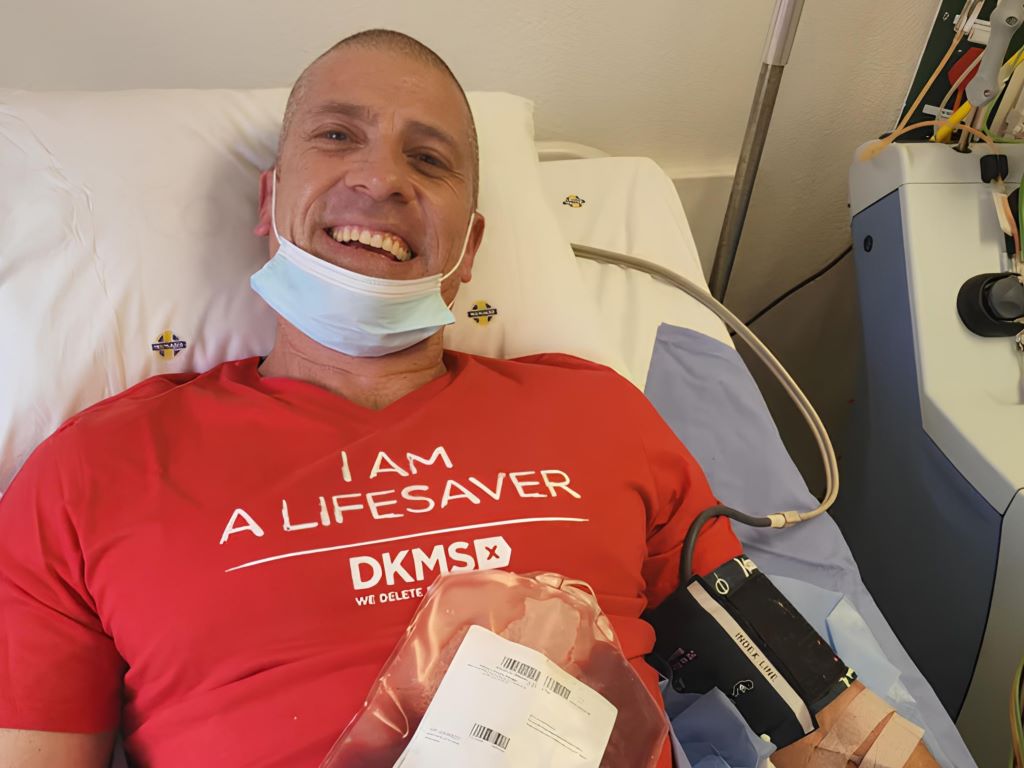
Jaco Pretorius was inspired by his best friend’s life being saved by a stem cell transplant.

With South African men having a 20-50% higher incidence rate of blood cancers than women, sports icons Jaco Pretorius, Seabelo Senatla, and Temba Bavuma are leveraging their platforms to challenge more men to join the stem cell registry and help rewrite the odds for patients in need.

The challenge confronts a widespread public disconnect from the issue. “Many people seem to be disinterested, until one of their own is diagnosed,” notes Senatla. “People tend to be nonchalant when things don’t pertain to them; they have this attitude of ‘not my problem’.”

Pretorius agrees that a lack of awareness is a major hurdle. “My experience is that people are not aware of the great need in our country and the simplicity of the process. But we’ve seen so many times how sport has the power to unite South Africa. When athletes from different backgrounds set an example, I believe people will follow, and together we can make a real difference.”

His advocacy is rooted in his own firsthand experience. Motivated to register after his best friend’s life was saved by a transplant, he was later called upon to donate. He hopes sharing his story will dismantle common fears. “The perception is that it is a painful procedure which carries personal risk. My experience was the complete opposite.”

A concern Bavuma often hears about is the time commitment, especially for those with demanding jobs or family responsibilities. “But if you do get the call to donate, those few days potentially add years, even decades, to someone else’s life. That’s a trade any of us should be willing to make.”

Tackling a common myth, Senatla says, “One of the biggest myths I’ve had to debunk is people having the notion that since stem cells are taken from them, they’ll be left with fewer stem cells. The body of a healthy person is constantly producing stem cells. You’re not in danger of having too little if you donate some to someone.”

For him, the motivation to act is deeply personal. “I grew up in an environment in which I was made to understand that your gifts are not only for you. Other people must benefit as well. That’s what’s in practice here.”

Addressing men who might be hesitant, Senatla points out that they aren’t losing anything by registering. “Rather, they’re affording someone who is ill a second chance at life.”

Bavuma challenges the passive mindset. “In cricket, you can’t field, thinking someone else will take the catch. The same goes for this. Too many people assume there are enough donors already, or that someone else will register.”

Pretorius adds, “I would encourage other people to immediately take action. The process is pain-free, professional, non-invasive, and there are no financial implications – only your time and commitment.”

The outcome of his simple act was profound. “I received communication from the stem cell recipient that the transplant was successful, and the person is healthy and well. That was one of the best feelings – to know that through such a simple action, someone else’s life was saved.”

Palesa Mokomele, Head of Community Engagement and Communications at DKMS Africa, highlights the impact of these role models. “While men currently make up the majority of registered donors in South Africa, the overall pool of donors is critically low compared to the national need. Having respected public figures like Jaco, Seabelo, and Temba lead this conversation is invaluable. When men see other men stepping up, it directly challenges hesitation, shifts perceptions, and ultimately helps save lives.”

Senatla offers a reminder of our shared humanity. “You’re never too important to help, and you should help because you can. Being in a position to help is an absolute privilege.”

“This isn’t a spectator sport; everyone who can help needs to get in the game,” concludes Bavuma.

South Africans aged 17 to 55 who are in good health can register as potential stem cell donors. The process is simple and starts with an online registration and a cheek swab.

Register today at https://www.dkms-africa.org/save-lives.

Planned Birth at Term Reduces Pre-eclampsia in Those at High Risk

Planned birth at term reduces the incidence of pre-eclampsia in women at high risk of the condition, without increasing emergency Caesarean or neonatal unit admission, according to new trial results.

Photo by SHVETS production

The PREVENT-PE trial, led by researchers from King’s College London and King’s College Hospital NHS Foundation Trust, is the first to find that a strategy of screening for pre-eclampsia risk at 36 weeks of pregnancy, and then offering planned early term delivery according to the mother’s risk, can reduce the incidence of subsequent pre-eclampsia by 30%, compared with usual care.

The trial, funded by the Fetal Medicine Foundation (FMF), also found that the intervention did not increase the rates of birth by emergency Caesarean or neonatal care needs, and there was no evidence of other harms to mother or baby.

The findings were published today in The Lancet.

Pre-eclampsia is high blood pressure that develops during pregnancy, most commonly at term gestational age. Pre-eclampsia affects 2-8% of pregnancies worldwide and can be life-threatening – there are around 46,000 maternal deaths due to pre-eclampsia each year and around 500,000 foetal or newborn deaths.1

Pre-eclampsia usually develops after 20 weeks of pregnancy, or soon after the baby is born. While aspirin can be taken to significantly reduce the risk of developing pre-eclampsia before 37 weeks of pregnancy, there are no treatments available to reduce risk at term (37-42 weeks).

Building on findings from an earlier data analysis, the PREVENT-PE trial recruited over 8,000 women from King’s College Hospital and Medway NHS Foundation Trusts. Women were randomly allocated into one of two groups: the intervention group (risk assessment for pre-eclampsia, followed by planned early term delivery according to risk) and the control group (usual care at term).

Pre-eclampsia risk was assessed using a model developed by the FMF, which combines maternal demographics and history, with blood pressure, and specific markers in the blood.

Those at high risk of developing pre-eclampsia at term were offered planned birth at 37, 38, 39 or 40 weeks of pregnancy. Women considered to be at low risk received usual care, according to their hospital protocols and UK standards of care.

A 30% reduction in term pre-eclampsia, from 5.6% to 3.9%, is very important. It represents an even greater reduction in the number of pre-eclampsia cases than we can achieve for preterm pre-eclampsia with aspirin.Professor Kypros Nicolaides, founder and chairman of the Fetal Medicine Foundation, and senior author of the paper

This trial took place in busy NHS maternity units serving a highly diverse population, and often socially deprived communities where the burden of pre-eclampsia is greatest. The high level of participation and adherence shows that a personalised, risk-based approach is acceptable, practical, and aligns with what women want from their care. Achieving a 30% reduction in term pre-eclampsia, without increasing emergency Caesarean birth or neonatal admissions, represents a meaningful and reassuring improvement for women, babies, and maternity services.Dr Argyro Syngelaki, Reader in Maternal-Fetal Medicine at King’s College London and co-lead author of the paper

We will soon report on the health economic implications of the trial, as well as the experiences of women and staff who participated, to provide policy-makers with the information that they need to implement the trial intervention within the NHS.Professor Laura A. Magee, Professor of Women’s Health at King’s College London and co-author of the paper

Read the full paper in The Lancet: https://www.thelancet.com/journals/lancet/article/PIIS0140-6736(25)01207-3/fulltext

References:

  1. World Health Organization (2025). Pre-eclampsia. Available at: https://www.who.int/news-room/fact-sheets/detail/pre-eclampsia (2 July 2025)

Source: King’s College London