Your guide to safe, effective, and natural hair restoration in 2026
Hair restoration is one of the fastest-growing aesthetic procedures worldwide. The International Society of Hair Restoration Surgery (ISHRS) reports hundreds of thousands of procedures performed globally each year, with demand climbing steadily. As more people seek confidence-boosting solutions to start the new year, South African specialists warn that choosing the wrong clinic can turn a life-changing decision into lasting damage.
Dr Kashmal Kalan, Medical Director at Alvi Armani South Africa, explains: “January brings a sense of renewal. Many people reassess their goals, and hair restoration has become one of the most transformative ways to invest in yourself. It’s no longer just about fitness or weight loss – hair and skin now play a central role in personal confidence.”
A successful hair restoration journey begins long before the procedure and continues well beyond it. At Alvi Armani, every patient undergoes a thorough, personalised consultation. The team evaluates hair loss patterns, donor density, scalp condition, hair type, and personal goals. Advanced AI-assisted microscopic analysis helps ensure patients are suitable and that the procedure is planned for optimal, natural results.
On procedure day, patients enter a calm, controlled environment. Hairline design is finalised, Follicular Unit Extraction (FUE) is performed with precision, and grafts are implanted to follow the natural flow of hair. Recovery is gradual, with initial shedding giving way to new growth. Density and texture refine over 12-18 months, and ongoing check-ins ensure progress stays on track.
Hairline design is the most artistic aspect of the process. Age, facial symmetry, ethnicity, and donor capacity all influence the final outcome. “We aim for perfection within imperfection. The goal is a hairline that complements the face naturally. No one should be able to tell a transplant took place.”
Strategic density planning is equally critical. Every follicle in the donor area is finite, and poor planning can create gaps or thin patches. This can leave permanent aesthetic imbalance. Reputable clinics plan for decades, not just the first few months. Patients should also understand that growth is gradual, and progressive hair loss may require more than one procedure to achieve the desired result.
Alvi Armani ensures every procedure is doctor-led and supported with ongoing care, including stabilisation medications, regenerative therapies, and annual check-ups. Dr Kalan cautions against so-called “dark clinics” offering prices too good to be true, often operating in unhygienic or mobile facilities. “These clinics treat hair restoration as a commodity rather than medicine. They overharvest donor areas, produce unnatural results, and leave patients needing urgent repairs. Repair procedures now make up roughly a quarter of our cases.”
Beyond procedural excellence, Alvi Armani educates patients on lifestyle choices that support lasting results, from nutrition and scalp care to ongoing therapies. While the process requires patience, the rewards – confidence, natural appearance, and the security of a clinic that plans carefully for the future – make it worthwhile.
For anyone considering hair restoration in 2026, the advice is clear: invest in quality from the start. With the right clinic, personalised planning, and medical oversight, patients can achieve safe, natural results that endure for years to come.
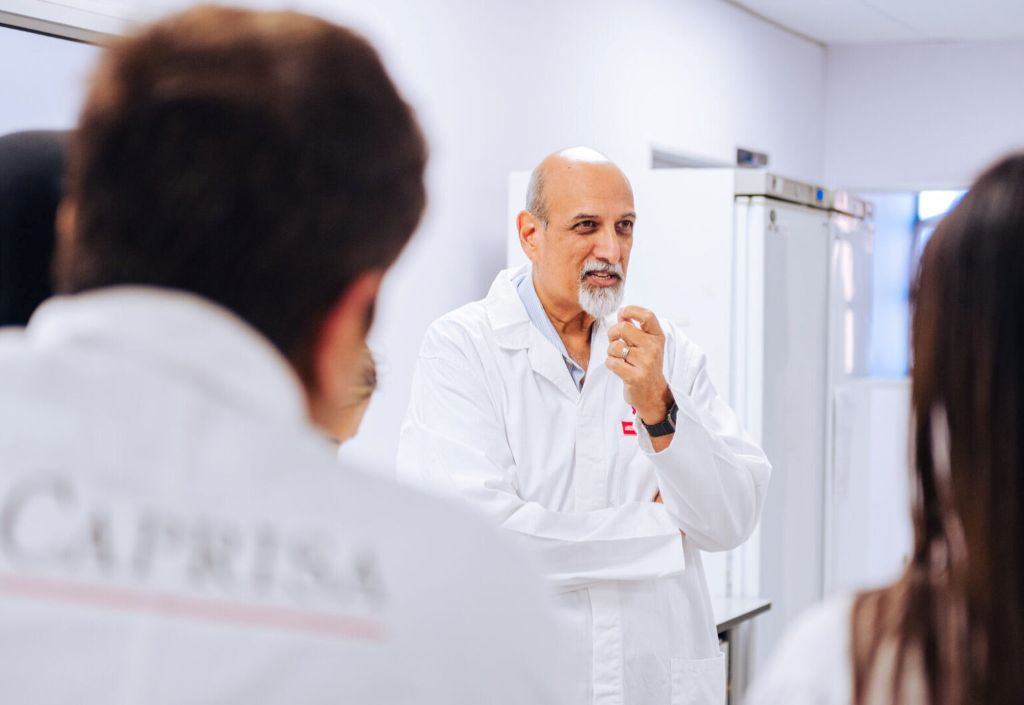
Epidemiologist Professor Salim Abdool Karim is internationally recognised for his significant contributions to research on HIV treatment and prevention. (Photo: Supplied)
By Salim Abdool Karim
As World AIDS Day 2025 swings by, CAPRISA Director Professor Salim Abdool Karim reflects on the frantic days following this year’s unprecedented cuts to health aid and research funding from the US, arguing that the deliberate disruptiveness was designed to be cruel. Nonetheless, he argues, our HIV response must now forge ahead on a path that is more affordable, sustainable and independent.
STOP WORK!
A “STOP WORK” order is immediate.
The Centre for the AIDS Programme of Research in South Africa (CAPRISA) received its first US government “STOP WORK” order from the US Agency for International Development (USAID) on 27 January 2025, imposing a 90-day suspension on a major HIV prevention research project.
A week earlier, on 20 January 2025, incoming US President Donald Trump signed an Executive Order imposing a 90-day freeze on USAID funding. Shortly thereafter, Elon Musk and his Department of Government Efficiency arrived at the USAID headquarters to systematically dismantle it and terminate most of its projects. Within 7 days, the full effect of Trump’s decision was reverberating across the world. The acute US funding cuts disrupted its foreign aid programmes that had for years worked to improve the lives of the most vulnerable communities across the globe.
The impact was instantaneous. Several US-funded projects ground to a halt. Feeding programmes for the hungry, shelter projects for those displaced by war and conflict, daycare for abandoned children and many other programmes in dozens of countries around the world were stopped. The swiftness of the implementation of the USAID dismantling caught the world off-guard.
On 3 February, Secretary of State, Marco Rubio, declared himself to be the new head of USAID, giving Musk carte blanche to destroy it. That day, I was contacted by journalists from The New York Times and from the prestigious magazine Science for information on the impact of US funding cuts on our HIV research.
On 7 February, the New York Times front page headline, “Clinical Trials Left in Lurch By Aid Freeze” informed the world of the impact of the US funding cuts on AIDS research in Africa. It described in graphic detail the impact of the funding cuts on research Dr Leila Mansoor and Dr Disebo Potloane of CAPRISA were undertaking in partnership with world-leading US scientist Dr Sharon Hillier, in developing new HIV prevention technologies for women.
Exactly a month after the initial 90-day “STOP WORK” order, we were notified that this US government funded project had been officially terminated for good. Several other large US-funded projects in South Africa, such as an HIV-vaccine development project led by Professor Glenda Gray, also received termination notices.
While the US government is perfectly entitled – as it sees fit – to stop funding for any of its projects, the deliberate disruptiveness of its implementation was sadly designed to be cruel. Musk relished his destruction of USAID with a chainsaw performance on stage at the Conservative Political Action Conference on 21 February. Ironically, the chainsaw, which he had just received as a gift from Argentine President Javier Milei, was engraved with the phrase “Viva la libertad, carajo”, which is Spanish for “Long live liberty, damn it.”
‘Disownment of science’
The Trump administration effectively dislocated the highly effective partnerships forged by the US and South African scientific communities over the past three decades. It was not simply a withdrawal of funding, but the disownment of science that rocked these research collaborations. A devaluing of science and an era of disinformation set in.
False information from the Trump administration is now rife, from debunked theories regarding autism from vaccines to the supposed dangers of paracetamol during pregnancy to the fictitious “white genocide” in South Africa or “Christian genocide” in Nigeria. This is a threat to democracy and to the decades of progress made in the AIDS pandemic.
Science, in its search for the truth, is under attack, as disinformation-based policies become official.
No time to wallow
Following the initial shock, we realised that we had zero time to wallow in this grief of sorts. CAPRISA went to work mobilising our own resources, reaching out to participants in terminated studies to offer them medical and emotional support. In March and April, our scientists routinely worked late into the night on new grant applications to research funders besides the US government. That hard work is now beginning to bear fruit as new grants begin to fill the gaps in our research funding.
These unprecedented disruptive funding cuts have been a stark reminder to never take donor funding for granted. And certainly, never to be as heavily reliant on a single donor again. While overseas development aid is intended to be altruistic, it has often come with strings attached. Those strings were a rude awakening in 2025 and has left several governments and non-governmental organisations, who were dependent on US foreign aid, in the lurch.
Scientific breakthroughs in HIV, including those by South Africa’s many highly accomplished AIDS researchers, have had widespread global impact benefitting vulnerable groups from all walks of life. Ironically, the funding cuts comes at a time when even greater resources are needed for research to successfully navigate the “last mile” on the way to the Sustainable Development Goal of ending AIDS by 2030.
As this year’s World AIDS Day theme, “Overcoming disruption, transforming the AIDS response” reminds us, this is the time to forge ahead on a path that transforms the response to one that is more affordable, sustainable and independent. As African scientists, we have already begun to take bold steps on the path to greater independence, thereby shifting our focus away from the disruption towards charting a determined path to a world without AIDS.
*Abdool Karim is the Director of CAPRISA and Pro Vice-Chancellor (Research) at the University of KwaZulu-Natal in Durban.
Note: Spotlight aims to deepen public understanding of important health issues by publishing a variety of views on its opinion pages. The views expressed in this article are not necessarily shared by the Spotlight editors.
An “immune system reset” cured autoimmune, or Type 1, diabetes in mice in a Stanford Medicine study. The approach may be useful for other autoimmune conditions as well as organ transplants.
A 3D map of the islet density routes throughout the healthy human pancreas. Source: Wikimedia CC0
A combination of blood stem cell and pancreatic islet cell transplant from an immunologically mismatched donor completely prevented or cured Type 1 diabetes in mice in a study by Stanford Medicine researchers. Type 1 diabetes arises when the immune system mistakenly destroys insulin-producing islet cells in the pancreas.
None of the animals developed graft-versus-host disease – in which the immune system arising from the donated blood stem cells attacks healthy tissue in the recipient – and the destruction of islet cells by the native host immune system was halted. After the transplants, the animals did not require the use of immunosuppressive drugs or insulin for the duration of the six-month experiment.
“The possibility of translating these findings into humans is very exciting,” said Seung K. Kim, MD, PhD, professor of developmental biology, gerontology, endocrinology and metabolism. “The key steps in our study – which result in animals with a hybrid immune system containing cells from both the donor and the recipient – are already being used in the clinic for other conditions. We believe this approach will be transformative for people with Type 1 diabetes or other autoimmune diseases, as well as for those who need solid organ transplants.”
The findings in the current report dovetail with those from a 2022 study by Kim and collaborators, in which researchers first induced diabetes in mice by destroying insulin-producing cells in the pancreas with toxins. They then cured them with a gentle pre-transplant treatment of immune-targeting antibodies and low-dose radiation, followed by transplantation of blood stem and islet cells from an unrelated donor.
The current study tackled a more complex problem: curing or preventing diabetes caused by autoimmunity, in which the immune system spontaneously destroys its own islet cells. In people this is called Type 1 diabetes. Unlike in the induced-diabetes study — in which the researchers’ goal was to prevent the recipient’s immune system from rejecting donated islet cells — the transplanted islet cells in the autoimmune mice have two targets on their backs: Not only are they foreign, but they are vulnerable to autoimmune attack by a misguided immune system bent on destroying islet cells regardless of their origin.
“Just like in human Type 1 diabetes, the diabetes that occurs in these mice results from an immune system that spontaneously attacks the insulin-producing beta cells in pancreatic islets,” Kim said. “We need to not only replace the islets that have been lost but also reset the recipient’s immune system to prevent ongoing islet cell destruction. Creating a hybrid immune system accomplishes both goals.”
Unfortunately, the inherent features that lead to autoimmune diabetes in these mice also make them more challenging to prepare for a successful blood stem cell transplant.
The solution the researchers found was relatively simple: Bhagchandani and Stephan Ramos, PhD, a postdoctoral fellow and study co-author, added a drug used to treat autoimmune diseases to the pre-transplant regimen the researchers had discovered in 2022. Doing so, then transplanting blood stem cells, resulted in an immune system made up of cells from both the donor and the recipient and prevented development of Type 1 diabetes in 19 out of 19 animals. Additionally, nine out of nine mice that had developed long-standing Type 1 diabetes were cured of their disease by the combined blood stem cell and islet transplantation.
Because the antibodies, drugs and low-dose radiation the researchers administered to the mice are already used in the clinic for blood stem cell transplantation, the researchers believe that translating the approach to people with Type 1 diabetes is a logical next step.
Where the concept began
The study builds on the work of the late Samuel Strober, MD, PhD, a professor of immunology and rheumatology, and his colleagues, including study co-author and professor of medicine Judith Shizuru, MD, PhD. They and other Stanford researchers had shown that a bone marrow transplant from a partially immunologically matched human donor allowed formation of a hybrid immune system in the recipient, and subsequent long-term acceptance of a kidney transplant from the same donor. In some cases, Strober and colleagues showed that transplanted donor kidney function lasted for decades, without the need for drugs to suppress rejection.
A blood stem cell transplant can be used to treat cancers of the blood and immune system, such as leukemia and lymphoma. But in those settings, high doses of chemotherapy drugs and radiation needed to treat the cancer and replace the recipient blood and immune system often result in severe side effects. Shizuru and colleagues have devised a safer, gentler avenue to prepare recipients with non-cancerous conditions such as Type 1 diabetes for donor blood stem cell transplantation — knocking their bone marrow back just enough to provide a foothold for the donated blood stem cells to settle in and develop.
“Based on many years of basic research by us and others, we know that blood stem cell transplants could also be beneficial for a wide range of autoimmune diseases,” Shizuru said. “The challenge has been to devise a more benign pre-treatment process, diminishing risk to the point that patients suffering from an autoimmune deficiency that may not be immediately life-threatening would feel comfortable undergoing the treatment.”
Judith Shizuru
“Now we know that the donated blood stem cells re-educate the recipient animal’s immune system to not only accept the donated islets, but also not attack its healthy tissues, including islets,” Kim said. “In turn, the donated blood stem cells and the immune system they produce learn to not attack the recipient’s tissues, and graft-versus-host disease can be avoided.”
What comes next?
Challenges remain using this approach to treat Type 1 diabetes. Pancreatic islets can be obtained only after death of the donor, and the blood stem cells must come from the same person as the islets. It is also unclear whether the number of islet cells typically isolated from one donor would be enough to reverse established Type 1 diabetes.
But the researchers are working on solutions, which could include generating large numbers of islet cells in the laboratory from pluripotent human stem cells, or finding ways to increase the function and survival of transplanted donor islet cells.
In addition to diabetes, Kim, Shizuru and their colleagues expect that the gentler pre-conditioning approach they developed could make stem cell transplants a viable treatment for autoimmune disease such as rheumatoid arthritis and lupus, and non-cancerous blood conditions like sickle cell anemia (for which current blood stem cell transplant methods remain harsh), or for transplants of mismatched solid organs.
“The ability to reset the immune system safely to permit durable organ replacement could rapidly lead to great medical advances,” Kim said.
NHS doctors are going on strike just as the UK is facing a surge in cases of “superflu”, which would have by itself placed an even greater burden than the public health service usually faces this time of year as services are stretched thin.
According to The Guardian, this is the 14th such action since disputes over junior doctors’ pay and jobs began in March 2023. Since then, they have won the right to be called “resident doctors” in line with the US because the British Medical Association (BMA) felt that the previous term was demeaning and misleading.
Resentment between government and doctors grows
After the government’s last offer was rejected, BMA members voted in an online ballot 84% in favour of industrial action. UK Prime Minister Keir Starmer called the walkouts “irresponsible” amid a surge in super-flu cases. Meanwhile, the UK’s Secretary of State for Health and Social Care, Wes Streeting, asked junior doctors to ignore the BMA and show up for work. He dismissed the resident doctors’ 26% pay claim as a “fantasy demand”, and has also said that the strike could be “the Jenga piece” that finally brings about the collapse of the NHS just when it is needed the most.
The strike will begin on Wednesday 17th December at 7am and will continue until the following Monday at 7am.
The magnitude of the problem has echoes of South Africa’s own struggles to find training placements – but at a far larger scale. Some 30 000 newly graduated doctors are having to compete for around 10 000 training posts. Even the government’s best offer could only add 2000 extra jobs.
Dr Jack Fletcher, the chair of the BMA’s resident doctors committee, said: “There are no new jobs in this offer. He has simply cannibalised those jobs which already existed for the sake of ‘new’ jobs on paper. Neither was there anything on what Mr Streeting has said is a journey to restoring our pay – that has clearly hit the buffers.”
Is ‘superflu’ even real?
Experts have however cast doubt on the UK government’s narrative of a dangerous new influenza mutation a “superflu”. Mathematician Christina Pagel, University College London professor, said that the “superflu” term was based on “highly misleading statistics” and that the flu season had merely arrived a few weeks early.
Government spin or not, the strikes have sounded alarm in the NHS, which is struggling to deal cope with a record flu hospitalisations for this time of year, filling 1700 beds. More and more hospitals are unable to contend with these numbers and having to declare a “critical incident”.
Children have higher energy levels than adults – but what is ‘typical’ behaviour?
Photo by Annie Spratt on Unsplash
Parents of children who fidget, daydream, and enjoy running and jumping should not automatically be concerned about ADHD.
This is the argument of a team of experts, comprised of a paediatrician, social worker and occupational therapist. They say it is important to attempt to alleviate confusion among parents around what is ‘typical’, and when children need professional help for developmental or behavioural differences.
Based on extensive evidence, their new book Developmental and Behavioral Complexities in Children highlights how the prevalence of ADHD, autism spectrum disorder, and some other developmental and behavioural diagnoses has increased – although they suggest it is not clear if this is because more people are aware of the conditions, screening has improved, changes in the diagnostic criteria have occurred, and/or if there is a genuine increase in the population. The increase in public awareness can sometimes lead to parents and caregivers questioning whether their child’s behaviour is different from others.
Jo-Ann Blaymore Bier, a retired developmental-behavioural paediatrician from Boston Children’s Hospital, occupational therapist Theresa A. Johnson, and Ellen Mullane who is a social worker, also say that opinions can differ among professionals which adds to the uncertainty for people who have children.
“The field of child development is not always a ‘black and white’ science,” they add.
“The way that children behave varies under different conditions and settings. Professionals may have varying thresholds for recommending intervention.
For example, they say: “Being energetic does not necessarily mean that a child has ADHD. Most children enjoy movement, and young children have limited attention spans.
Based on latest research and clinical experience, the experts offer strategies to manage problematic behaviours and examine the evidence behind available treatments.
The book is intended for advanced level students and professionals working in the field of child development, but may also be beneficial for parents and other caregivers who may have concerns. The book also answers questions that caregivers often ask such as is it my child’s personality or something more serious?
The authors, who have helped thousands of children, document a range of ‘typical’ behaviours as well as those likely to be symptoms of specific diagnoses, including autism, ADHD, and oppositional defiant disorder.
In the book, they emphasise that no one demonstrates what others consider acceptable behaviour all the time, and that all children are ‘wired’ differently.
ADHD is the most common childhood neuro-behavioural disorder, with some data sources indicating that about a million more children and adolescents in the US were diagnosed with ADHD in 2022 compared to 2016.
Increased awareness, changes in diagnostic criteria and in social norms are among many factors which the authors of Developmental and Behavioral Complexities in Children suggest may have contributed to the rise in cases.
However, no single specific medical test exists for ADHD. Clinicians make an assessment based on the child’s clinical presentation and on information from people who have observed the child’s behaviour.
For instance, children who are more energetic than their peers but also ‘function in group activities’ may not necessarily have ADHD, according to the authors.
Autism spectrum disorder (ASD) is also on the rise and is examined in detail in the book. The authors say the ASD diagnosis may have become even more complex – instead of easier – to understand.
The term ‘neurodiversity’ has also become increasingly used. In the book, the authors say: “Accepting and encouraging individuality can be positive goals. But if an individual’s differences are having a negative impact on their functioning, providing supports to improve their quality of life can be beneficial.”
A commonly prescribed antibiotic could help reduce the risk of some young people developing schizophrenia, new research suggests. Experts found that patients of adolescent mental health services who were treated with the antibiotic doxycycline were significantly less likely to go on to develop schizophrenia in adulthood compared with patients treated with other antibiotics.
The researchers say that the findings highlight the potential to repurpose an existing, widely used medication as a preventive intervention for severe mental illness.
Lower risk
Schizophrenia is a severe mental disorder that typically emerges in early adulthood and is often associated with hallucinations and delusional beliefs.
To better understand potential ways of preventing the condition, researchers from the University of Edinburgh, in collaboration with the University of Oulu and University College Dublin, applied advanced statistical modelling to large-scale healthcare register data from Finland.
The team analysed data from more than 56 000 adolescents attending mental health services who had been prescribed antibiotics. They found that those treated with doxycycline had a 30–35% lower risk of developing schizophrenia than peers who received other antibiotics.
The researchers hypothesised that the protective effect could be linked to doxycycline’s impact on inflammation and brain development.
Reduce inflammation
Doxycycline is a broad-spectrum antibiotic commonly used to treat infections and acne. Previous studies suggest it can reduce inflammation in brain cells and influence synaptic pruning – a natural process where the brain refines its neural connections. Excessive pruning has been associated with the development of schizophrenia.
Further analyses showed that the lower risk wasn’t simply because the young people may have been treated for acne rather than having infections, and was unlikely to be explained by other hidden differences between the groups.
The study is published in the American Journal of Psychiatry. It involved researchers from the University of Edinburgh, the University of Oulu, University College Dublin, and St John of God Hospitaller Services Group, and was funded by the Health Research Board.
As many as half of the people who develop schizophrenia had previously attended child and adolescent mental health services for other mental health problems. At present, though, we don’t have any interventions that are known to reduce the risk of going on to develop schizophrenia in these young people. That makes these findings exciting.
Because the study was observational in nature and not a randomised controlled trial, it means we can’t draw firm conclusions on causality, but this is an important signal to further investigate the protective effect of doxycycline and other anti-inflammatory treatments in adolescent psychiatry patients as a way to potentially reduce the risk of developing severe mental illness in adulthood.
Professor Ian Kelleher, Professor of Child and Adolescent Psychiatry at the University of Edinburgh
It is not a stretch to say that the NHI Act has been one of the most controversial pieces of legislation in post-apartheid South Africa.
Since President Cyril Ramaphosa signed it into law in May 2024, just two weeks ahead of the national and provincial elections, at least nine different court cases have been launched against the Act, or specific provisions in the Act. None of those cases have made it through the courts and it seems likely some might be combined.
In one preliminary to the bigger court battles, the North Gauteng High Court in Pretoria ordered Ramaphosa to provide the record of his decision to sign the act, but the President is challenging that order.
A subtext to the torrent of court cases is the sense that it is only through litigation that the NHI Act might be scrapped, or that some of the most controversial provisions in it might be repealed. The alternative to litigation, political compromise, for now seems dead in the water. There was some hope for such compromise around a year ago when Business Unity South Africa and several healthcare worker groups pushed government for a change in course – but while the Presidency seemed open to considering changes, the health minister did not, and eventually the ANC, and government with it, decided to buckle down behind their current NHI plans.
The door to political compromise could of course reopen should the balance of political power in the country change – as it will surely do after the 2029 elections, if not earlier.
To the courts then
There has been much media coverage of the various court cases challenging the NHI Act. Understandably, a lot of the public statements were aimed at drumming up public support for the various points of view. In the end, the courts will hopefully look past the rhetoric and politicking and judge the cases on their merits.
This is why in recent months Spotlight put substantial resources into combing through seemingly endless court papers and chatting to a variety of lawyers in an attempt to sift the wheat from the chaff. As with many other court cases we’ve reported on, we suspect the various NHI-related cases will in the end turn on just a few key legal questions. In a special two-part series, we tried to pin down what these key legal questions are likely to be – you can see part 1 here and part 2 here. (Thank you to the three lawyers we quote in the article, as well as those who shared their views, but opted not to be named and quoted.)
In our view, this crystallisation of the legal case against the NHI Act, and/or specific provisions in the Act, is the most notable NHI-related development this year. After all, a major ruling against the Act could make much else moot.
Other NHI developments
Meanwhile, the Department of Health is moving ahead on the assumption that NHI will be implemented as envisaged in the Act. The first formal step towards setting out the proposed governance structure and processes of the NHI Fund is underway with draft regulations that were published in the Government Gazette in March. Amongst others, the regulations provide for the appointment of the board of the NHI Fund, the fund’s chief executive officer, and for a benefits advisory committee and a healthcare benefits pricing committee. In the background here is the fact that, until the NHI Fund has been established as a public entity, it cannot be awarded a budget by parliament.
One source of funding for NHI could be the phasing out of medical scheme tax credits. This is according to a presentation by the National Health Department’s NHI lead, Dr Nicholas Crisp, who was addressing the Standing Committee on Appropriations in the National Assembly. The presentation notes that medical scheme tax credits could raise as much as R34bn for the NHI Fund by 2027/28. At the moment, eligible beneficiaries receive medical scheme tax credits to the value of R364 per month for the primary member, R364 for the first dependant, and R246 for each additional dependant. The rough idea is that tax credits would first be phased out for high-income earners. This would eventually be followed by the state scrapping medical scheme subsidies to civil servants.
But Finance Minister Enoch Godongwana seems unconvinced. He told BusinessDay: “It’s actually an attack on the middle class”.
And indeed, the proposed scrapping of medical aid subsidies has added fuel to suggestions that government is intentionally undermining the viability of private healthcare in South Africa. A set of recommendations on how to better regulate the country’s private healthcare sector remains largely unimplemented six years after being published. Government did publish draft regulations for tariff determination in the private sector in February, but, as we recently reported, those draft regulations have now been withdrawn. In fact, those draft regulations were so poorly thought out that one wonders whether they were a serious attempt at addressing the issue in the first place.
According to Crisp’s presentation, NHI could take “10, 15 or more” years to implement. There is some welcome realism in this. Rather absurdly, Section 57 of the NHI Act still states that it will be introduced in two phases, between 2023 and 2026, and between 2026 and 2028.
Several experts have suggested to Spotlight that, mainly for financial reasons, NHI is essentially dead in the water and that the more serious people in the government and the ANC know this. Few are however willing to say this publicly. Others, like Crisp and Health Minister Dr Aaron Motsoaledi, would of course beg to differ, and mean it.
Not the only solution
One thing that should not get lost in all this is that things really do need to change. Apart from being extremely unequal, much of the healthcare system in South Africa is deeply dysfunctional. But Motsoaledi is wrong when he suggests that the specific system set out in the NHI Act is the only possible solution. As we’ve previously argued, there are other viable paths to universal health coverage, even if the current set of leaders in the ANC refuses to seriously consider them.
One of the great tragedies of NHI is that for all the noise, we have never really had an informed public debate about the policy options and the reasons for going with one set of health reforms rather than another. There were few things as depressing as watching members of parliament’s portfolio committee for health reducing someone’s nuanced and constructive feedback on the Bill to a simple question of whether someone is for or against NHI. The ANC of course had a majority in parliament prior to the 2024 elections, so maybe there was a sense that they did not need to listen and do the hard work of engaging and bringing people along with them.
Either way, it now seems likely that in 2026, the courts will have to make one or more landmark rulings that will determine the future of NHI. We have some idea of what the key issues will be on which those cases will turn, but as to how the courts will decide, your guess is as good as ours.
Over the last 20 years, substance use-related deaths have more than doubled for women of reproductive age. Overdose deaths are now a leading cause of maternal mortality in the US, and in some states, the leading cause.
Still, substantial gaps remain in understanding how different treatment approaches influence the short- and long-term health of mothers and infants, as well as their broader economic impacts over time.
New research published this month in the journal JAMA Pediatrics found that while established medications for opioid use disorder in mothers – buprenorphine and methadone – are both superior and cost saving compared to alternative treatment pathways (naltrexone, medication-assisted withdrawal or no treatment), buprenorphine produced the greatest health gains and cost savings for mothers and infants.
Using a mathematical simulation model, the study projected the health and cost outcomes for pregnant individuals with opioid use disorder and their infants over their lifetime. The economic model captured how treatment decisions during pregnancy can have lasting health and economic consequences, such as risks of preterm birth, that extend from infancy through adulthood and drive substantial downstream health effects and costs. Outpatient buprenorphine emerged as the optimal treatment in most scenarios tested (58%-100%) and in nearly every lifetime scenario that incorporated both mother and infant trajectories (99%). In other words, across thousands of simulations, buprenorphine consistently produced the best health outcomes and lower costs compared to alternative strategies.
The study, led by Ashley Leech, PhD, assistant professor of Health Policy at Vanderbilt University Medical Center, and Stephen Patrick, MD, MPH, O. Wayne Rollins Distinguished Professor of Health Policy and chair of the Department of Health Policy and Management at Emory University, is among the first to compare the short- and long-term health benefits and costs of opioid use disorder treatment for mothers and infants, examining outcomes during pregnancy, postpartum and beyond the infant’s first year of life using simulation modeling.
Existing studies have not examined outcomes beyond the infant’s first year of life. The study used a hypothetical treatment group modeled on known demographic and other social factors to estimate differences in outcomes and cost savings over time for each treatment and population group. The paper found that, although neonatal opioid withdrawal syndrome (NOWS) has received much of the clinical attention as a marker of poor infant health after opioid exposure during pregnancy, preterm birth and low birth weight carry greater morbidity and mortality and played a more significant role in shaping long-term infant outcomes. Notably, buprenorphine, despite its direct association with NOWS, was protective against these critical outcomes.
“Nationwide, we have seen a significant growth of pregnant women with opioid use disorder, but there have not been comprehensive models that evaluate trade-offs of different medications and strategies,” said Patrick. “This study evaluated the trade-offs we face as clinicians – How will medications affect moms and babies? With the evidence we have available, what can we expect years from now? Bottom line, we found that buprenorphine treatment in pregnancy was cost saving and improved outcomes for mothers with opioid use disorder and their babies.”
The researchers emphasised, however, that patient-centred care and patient choice remain essential to sustaining treatment. “While we found that buprenorphine yielded the greatest health gains and was cost saving across all model variations, methadone could still be a viable option for mothers, and at the individual level, it might work better for some,” said Leech, the lead author of the study. “Buprenorphine shows clear benefits for long-term infant outcomes, but it can be more difficult for patients to start and stay on this treatment because, as a partial agonist, it may not feel as strong to those dependent on drugs like heroin or fentanyl. Methadone, by contrast, is often easier for patients to initiate and sustain.
“This is an opportunity to make sure buprenorphine works as well as possible – by ensuring pregnant individuals receive effective doses across trimesters (since they often need higher and increasing amounts for effectiveness compared to nonpregnant patients) and by removing unnecessary Medicaid restrictions.”
The study estimated substantial cost savings to public insurance programmes like Medicaid, finding that treating pregnant individuals this year could save roughly $4 billion in infant-related lifetime costs alone.
“Medicaid is the largest payer for pregnant individuals and those with substance use disorders. Our research shows that treatment is not only effective but also has the potential to generate significant savings for Medicaid, benefiting both mothers and their children’s long-term health,” Leech said.
Inspiring South Africa to Support Mobility, Inclusion and the Power of Possibility
Össur South Africa‘s Team 1: Rentia Retief & Travis Warwick-Oliver
Össur South Africa is proud to announce the launch of the 2026 ‘What’s Your Epic?’ campaign, an initiative that champions one simple truth: everyone deserves the freedom to move. As the world turns its attention to the Cape Epic from 15 – 22 March 2026, Össur is once again harnessing this global stage to drive awareness, spark action, and rally support for mobility access across South Africa.
Following the success of last year’s inaugural campaign, Össur South Africa has entered three amputee teams into the 2026 Cape Epic, one of the world’s most iconic and demanding mountain biking events. These six remarkable riders embody grit, courage, and the unbreakable belief that mobility transforms lives. Their mission is bigger than the race: to unlock meaningful support and funding for three exceptional non-profit organisations: Jumping Kids, Zimele and Rejuvenate SA.
“Movement is a fundamental right, not a privilege reserved for the few,” says Blignaut Knoetze, Managing Director of Össur South Africa. “Whether you’re an elite athlete, a child receiving their first prosthetic or an adult rebuilding independence; mobility unlocks dignity, participation, and potential. ‘What’s Your Epic?’ is our call to South Africa to stand with us in supporting organisations who make this freedom possible.”
The 2026 campaign aims to raise funds and awareness for four organisations driving mobility access and inclusion:
Jumping Kids: Providing quality prostheses, education access, and sport opportunities to children living with limb loss, giving them the tools to build confident, successful futures.
Rejuvenate SA: Founded on the belief that movement is a basic human right, Rejuvenate SA supplies mobility aids to those who cannot afford them, restoring dignity and independence.
Zimele: Meaning “independence” in Xhosa, Zimele supports adults with physical disabilities to regain control over their lives, reintegrate into society and build economic self-sufficiency.
Together, these six athletes across three teams are redefining what’s possible.
Team 1: Rentia Retief & Travis Warwick-Oliver
Rentia (33, Somerset West), an artist and amputee athlete, who survived a cycling accident in 2023. Her journey is a testament to courage and the belief that mobility is a right every person deserves. Partnering with her is Travis (32, Durban), founder of Rejuvenate SA, adaptive athlete, and two-time UTMB finisher who has transformed his own amputation into a mission to help others move freely and live without limitations.
Team 2: Mhlengi Gwala & Kean Dry
Mhlengi (34, Durban), an international para-triathlete and multiple African champion who continues to defy all odds after a 2018 attack that led to the amputation of his right leg. Riding alongside him is Kean (30, Cape Town), a dedicated endurance athlete and community motivator whose story of resilience inspires thousands to believe that adversity does not define possibility.
Team 3: Brian Style & Rudi Joubert
Brian (40, Springs), a passionate cyclist who has rebuilt his life through mountain biking, uses sport as a platform for giving back. He rides with Rudi (42, Secunda), a determined amputee athlete known for his positivity, teamwork, and commitment to raising funds for mobility solutions.
“These riders are not just racing, they are raising their voices for those who cannot and shining a spotlight on organisations that restore dignity, independence, and hope,” says Knoetze. Össur South Africa is inviting the public, corporates, partners, and communities to be part of this extraordinary movement. Whether through donations, corporate partnerships, fundraising initiatives, or simply sharing the message, every contribution helps someone stand, walk, run, play, work, or dream again.
“‘What’s Your Epic?’ is about pushing boundaries; not just on the bike, but in society,” adds Knoetze. “When we support mobility, we support access. We support inclusion. We support futures. We are asking South Africa to back our riders, our NPOs, and the belief that everyone deserves the freedom to move.”
Donate, fundraise, or get involved as an individual and/ or company. Your support can help someone take their first step, return to work, join a sport, or believe in possibility again. Össur Donations, ABSA Bank, Account number: 4123 215 542, Branch code: 632005 Reference: company name and contact number
Please contact Amelda Potgieter (apotgieter@ossur.com) for more information and/ or Section 18A certificates.
This is more than a race. It’s a movement. What’s your Epic?
People living with HIV are at an increased risk of developing anal cancer, particularly if they have compromised immune systems. Photo by Lorenzo Turroni on Unsplash
By Elna Schütz
South Africa has the world’s largest population of people living with HIV, which both heightens the risk of anal cancers and their severity. However, neither the collection of data nor the efforts for prevention and screening are in line with the likely impact. Experts say significant change is needed.
“Almost everyone has an anus,” Dr Daniel Surridge, a colorectal surgeon at Joburg Colorectal, says with a smile. He is one of a group of specialists trying to draw attention to arguably one of the most neglected areas in cancer.
“We’re quite a weird niche group who talk about bums all day, but most people are really in denial that they have an anus,” jokes Dr Tim Forgan, another colorectal surgeon, working in the private and public sector in Cape Town.
“It’s such an essential part of your daily life and you need your anus,” adds Dr Mark Faesen, specialist gynaecologist with the Clinical HIV Research Unit (CHRU), who runs an anal cancer screening clinic at Helen Joseph Hospital in Johannesburg, as far as we know, the only one in the country.
The stigma surrounding this particular body part, unfortunately, does no one any favours when it comes to cancer awareness and treatment.
A tricky hidden cancer
Anal cancers occur in the last few centimetres towards the external opening of the rectum. They can be associated with rectal, colon, or genital issues.
Professor Michael Herbst, health specialist consultant for the Cancer Association of South Africa, explains that the vast majority of these cancers are anal squamous cell carcinomas, meaning they develop in the skin cells of the anal canal.
Most anal cancers are caused by Human Papillomavirus (HPV), a virus that also causes most cases of cervical cancer.
“Patients and doctors often misdiagnose those early symptoms as haemorrhoids,” Herbst says, explaining that the disease is asymptomatic at first. Later, it may present with itching, discharge, bleeding or a palpable lump.
Ideally, a diagnosis is made of a pre-malignant lesion, which is a fairly flat, slightly dark growth. This can be found through a rectal exam or smear. A biopsy under anaesthesia may be needed to confirm the diagnosis.
Premalignant lesions can be treated topically if caught early. Otherwise, the skin may have to be surgically removed, which is often a difficult and risky surgery in this part of the body.
Once a lesion has progressed to cancer, treatment involves high doses of chemotherapy and radiation, which Surridge says is intense and only treats about half of patients effectively. “The rest go to a surgery where you have to remove the anus along with the rectum and put in a permanent colostomy bag,” he says.
In comparison to the rectal and colon cancers that Surridge sees in his work, he describes anal cancers as less predictable and more aggressive, with painful consequences. “It’s going to hurt like hell,” he says. “It stinks like you’re rotting from the inside, so no one wants to come near you.”
Anal cancers are also particularly resistant to chemotherapy, Surridge says, and run the risk of spreading through the lymph system, leading to a dismal outcome, possibly leading to death.
People living with HIV are at an increased risk of developing anal cancer, especially if they have compromised immune systems.
Faesen says that internationally, in the general population, the incidence of anal cancer is around 2 per 100 000 people per year. “If you’re HIV positive long enough, so over the age of 45, the risk is 20 to 40 per 100 000 per year,” he says. For men who have sex with men, the incidence can be as high as 60 or 130 per 100 000.
Those with HPV and patients with immune systems not working as well as they should, such as those who have received an organ transplant, are at risk. Furthermore, groups who engage in high-risk sexual activities, like men who have anal sex with multiple male partners, should be aware of the risk. However, sexual orientation and anal sex do not directly lead to an increase in anal cancer risk.
Rare but not that rare
Anal cancer may be considered a rare cancer, but the few local experts on it see it as a concerning cancer because of South Africa’s high number of people who are at increased risk.
“Anal cancer is strangely common in South Africa. It’s not extremely common, but it is reasonably common,” says Forgan.
The National Cancer Registry’s latest numbers, from 2023, has the cancer reported in around 300 women and 220 men, making up less than 0,7% of reported cancers. A recent analysis of the registry’s numbers found that the cancer’s incidence has significantly increased between 1994 and 2021. The paper found that younger black women and older white women were most likely to get the cancer. A study at the University of the Witwatersrand in 2023 found that three-quarters of their anal cancer cohort were female and 80% were HIV positive.
“We don’t actually know the true incidence in South Africa,” says Dr James Pattinson, Head of Colorectal Surgery at Chris Hani Baragwanath Academic Hospital, explaining that the disease is likely under-reported. Anecdotally, he says the cancer seems common in Gauteng. He says his unit alone sees around 100 new cases of anal cancer a year, making up around 30% of new reported colorectal cancers.
Surridge says it is getting more common, and “it is certainly raging through Gauteng”.
The challenges
The doctors agree that the reported numbers are likely lower than the real prevalence and that many cases could be avoided or caught early with intervention. A key factor is the lack of education and patient hesitancy to get tested. “The natural stigma and embarrassment associated with anal conditions cause patients to wait until the condition is severe before seeking medical help,” Pattinson says.
“The lack of awareness doesn’t stop at the door of the Department of Health,” Faesen says. He laments that few healthcare workers are well-informed about this cancer. This leads to misdiagnoses and problems being missed. This is aggravated by financial and resource constraints. But, he says, this is not a “blame game”, since the greater awareness of anal cancer is fairly new.
In that study, of over 4 000 people, progression to anal cancer was more than 50% lower in people who received treatment for precancerous lesions than in people who did not. The study provided a compelling rationale for increased screening, since it is only through finding precancerous lesions in the first place that they can be treated and progression to cancer be prevented.
Reaching the level of common-place awareness for anal screening that there is around cervical pap smears is still a while away. “It took 50 to 60 years to get there, but we’ve just started,” Faesen says. “We are at the absolute beginning of anal cancer awareness.” He does however note that the incidence of anal cancer in some South African populations is already much higher than that of cervical cancer when routine screening for that was started.
What to do
The lack of screening for anal cancer is one clear issue that needs to be addressed. “Hopefully, we can demonstrate with more and more screening that there is a need for it,” Faesen says. He hopes that this will catch the problem before it progresses to a serious disease in more patients.
However, Pattinson notes that screening in other countries has been historically focused on high-risk populations such as men who have sex with men. “This is obviously not feasible in South Africa, as high-risk individuals are the millions of people living with HIV.”
Screening could potentially be focused on certain sites, like HIV-specific clinics or doctors who particularly work with HPV and cervical screening. Expanding screenings for high-risk groups to include anal would not be incredibly expensive but would add an extra burden on staff, Forgan says. “And it’s a very easy thing to screen for. You just have a look.”
There is also a preventative solution, the HPV vaccine. A two-strain form of this vaccine is already offered to girls aged 9 to 12 years old by the Department of Health. This does not cover other strains and is mostly focused on cervical cancer.
Surridge says that focusing on vaccinating only girls means boys aren’t protected, and creates a possible lag in protection against anal cancer. He says the vaccine, ideally one with more strains, if possible, should be given to as many people as possible.
“If you’re in a higher risk group, like those (who are) immuno-suppressed, with HIV, or solid organ transplant recipients, you should be vaccinated,” Forgan says. “Then you wouldn’t need a screening programme, per se, because you had prevented it from happening.”
Beyond this, increasing education around the disease and eventually instituting local guidelines would be crucial.
The National Department of Health did not respond to questions from Spotlight about their plans relating to anal cancer.