Month: May 2025

Analysis of Pulse Rate can Predict Faster Cognitive Decline in Older Adults

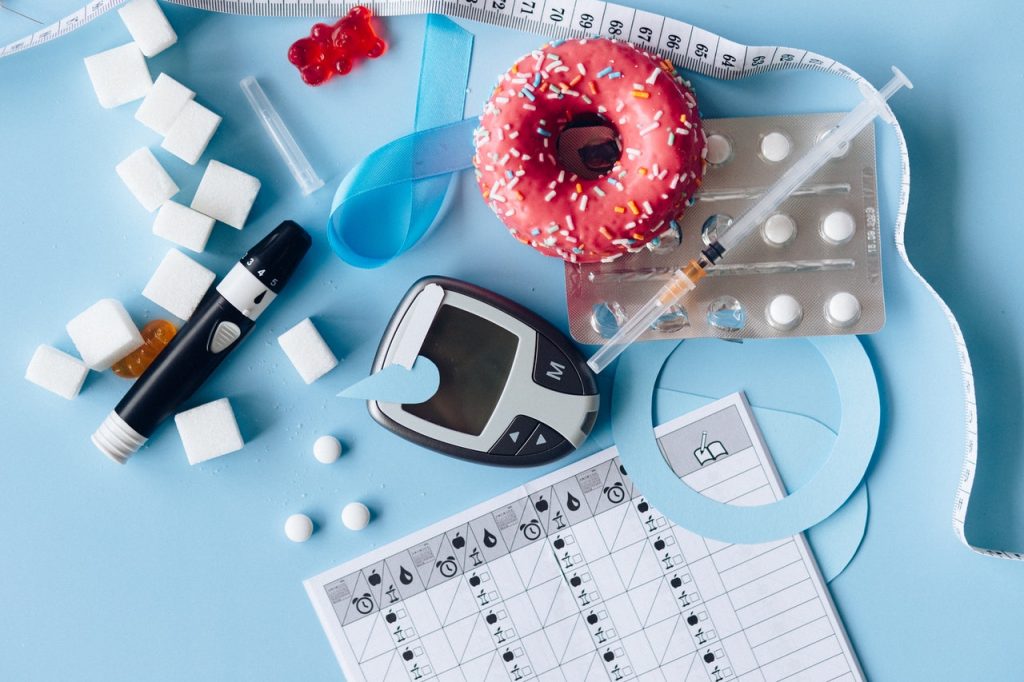
Photo by Matteo Vistocco on Unsplash

Healthy hearts are adaptable, and heartbeats exhibit complex variation as they adjust to tiny changes in the body and environment. Mass General Brigham researchers have applied a new way to measure the complexity of pulse rates, using data collected through wearable pulse oximetry devices. The new method, published in the Journal of the American Heart Association, provides a more detailed peek into heart health than traditional measures, uncovering a link between reduced complexity and future cognitive decline.

“Heart rate complexity is a hallmark of healthy physiology,” said senior author Peng Li, PhD, of the Department of Anesthesia, Critical Care and Pain Medicine at Massachusetts General Hospital (MGH) and the Division of Sleep and Circadian Disorders at Brigham and Women’s Hospital (BWH). “Our hearts must balance between spontaneity and adaptability, incorporating internal needs and external stressors.”

The study used data from 503 participants (average age 82, 76% women) in the Rush Memory and Aging Project. The researchers analysed overnight pulse rate measurements – collected by a fingertip pulse oximetry device known as the Itamar WatchPAT 300 device – and comprehensive measures of cognitive functions, collected around the same time as the pulse rate measurement and at least one annual follow-up visit up to 4.5 years later.

The team found that people with greater complexity in their heartbeats at baseline tend to experience slower cognitive decline over time. They determined that the conventional measures of heart rate variability did not predict this effect, indicating their measure was more sensitive in capturing heart functions predictive of cognitive decline.

The researchers plan to investigate whether pulse rate complexity can predict development of dementia, which would make it useful for identifying people at an early stage who might benefit from therapeutic interventions.

“The findings underscore the usefulness of our approach as a noninvasive measure for how flexible the heart is in responding to nervous system cues,” said lead author Chenlu Gao, PhD, also in the Department of Anesthesia, Critical Care and Pain Medicine at MGH. “It is suitable for future studies aimed at understanding the interplay between heart health and cognitive aging.”

Source: Mass General Brigham
Metabolic Syndrome Linked to Increased Risk of Young-onset Dementia

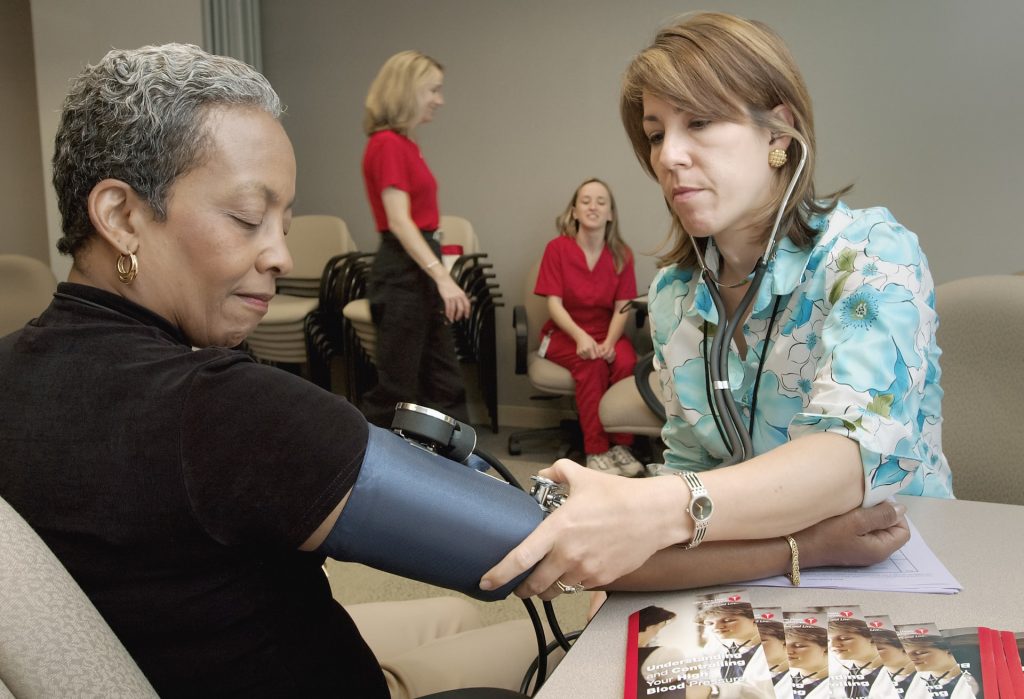
Photo by CDC on Unsplash

Having a larger waistline, high blood pressure and other risk factors that make up metabolic syndrome is associated with an increased risk of young-onset dementia, according to a study published on April 23, 2025, online in Neurology®, the medical journal of the American Academy of Neurology. Young-onset dementia is diagnosed before the age of 65. The study does not prove that metabolic syndrome causes young-onset dementia, it only shows an association.

Metabolic syndrome is defined as having excess belly fat plus two or more of the following risk factors: high blood pressure, high blood sugar, higher than normal triglycerides, which are a type of fat found in the blood, and low high-density lipoprotein (HDL) cholesterol, or “good” cholesterol.

“While most dementia is diagnosed in older age, young-onset dementia occurs while a person is still working and perhaps raising a family,” said study author Minwoo Lee, MD, PhD, of Hallym University Sacred Heart Hospital in Anyang, South Korea. “Our study found having metabolic syndrome in middle age is a risk factor for young-onset dementia.”

For the study, researchers reviewed national health insurance data in South Korea to identify nearly two million people between the ages of 40 and 60 who had a health check-up. The check-up included measurements of waist circumference, blood pressure, blood sugar, triglyceride and cholesterol levels. Of all participants, 25% had metabolic syndrome.

Over an average follow-up period of eight years, 8921 people, or 0.45% of all participants, developed dementia. For those with metabolic syndrome, the incidence rate was 0.86 cases per 1000 person-years, compared to 0.49 cases for those without metabolic syndrome. Person-years represent both the number of people in the study and the amount of time each person spends in the study.

After adjusting for age, education and health factors such as level of physical activity, depression and stroke, researchers found metabolic syndrome was associated with a 24% higher risk of dementia. When looking at specific types of dementia, it was associated with a 12% increased risk of Alzheimer’s disease and a 21% increased risk of vascular dementia.

Researchers found female participants with metabolic syndrome had a 34% increased risk of dementia compared to male participants who had a 15% increased risk. People in their 40s had a greater risk than people in their 50s.

Researchers found each component of metabolic syndrome was associated with an increased risk of dementia, which was cumulative. People with all five components had a 70% increased risk of dementia.

“Our findings suggest that lifestyle changes to reduce the risk of metabolic syndrome, such as eating a healthy diet, exercising regularly, maintaining a healthy weight, quitting smoking and reducing stress, may help reduce the risk of young-onset dementia,” said Lee. “Future research that follows people over longer periods of time and uses brain scans to look for biomarkers of dementia is needed to confirm and expand upon our findings.”

A limitation of the study was that researchers did not review genetic risk factors for Alzheimer’s disease.

The study was supported by the Korean National Research Foundation.

Source: American Academy of Neurology

Scientists Discover the Genes that Influence When Babies Start Walking

Photo by Chayene Rafaela on Unsplash

In the first study of its kind, scientists analysed the genetic information of more than 70 000 infants. They identified 11 genetic markers influencing when babies start walking, thus offering multiple targets for future in-depth biological investigation. 

In a paper published in Nature Human Behaviour, the study found that genetics accounts for about a quarter of the differences in when children take their first steps.

For years, researchers knew that environmental factors could influence when babies begin to walk, but this new finding shows that genetics also has a major impact. It suggests that, just like with other traits such as height, some children may naturally start walking earlier or later because of their genetic propensity. 

Professor Angelica Ronald, Professor of Psychology and Genetics, said: “Most babies take their first step sometime between ages 8 months and 24 months, so it is a wide window in which this exciting milestone happens. It is a big moment for both parents and baby; it symbolises a new phase in a child’s life.”

Dr Anna Gui, an author of the study and a researcher at the University of Rome Tor Vergata and Birkbeck, University of London said: “Until now, we didn’t understand what causes the wide differences between children in when they take their first step. Parents might often worry that walking early or late is a bad sign or that they have done something wrong. We see that genetics play a considerable role in influencing the timing of this milestone.

Walking isn’t just a key milestone in the development of a child, but it is connected in terms of genetic influences with many other important aspects of human development. The study found that the genetic factors influencing when children take their first step are partly the same genetic factors that influence brain development including the amount of folding and ridges in the outer surface of the brain (the “cortex”). Moreover, walking later within the typical range was linked genetically with less chance of developing ADHD. Finally, the study showed that relatively later onset of walking was influenced by some of the same genes involved in higher educational attainment.  

Prof Ronald added: “It is exciting to be able to discover the genes that influence when children learn to walk. Starting to walk independently is a major milestone for young children. We hope these new genetic findings can advance fundamental understanding about the causes of walking and be used to better support children with motor disorders and learning disabilities.”

She added that parents should still see a GP if there was concern, there is a lot of variety in when children take their first unaided step,

Led by scientists in the UK, the study was made possible through a large collaboration with scientists in the UK, Netherlands and Norway, and through UK and international funding including from the Simons Foundation for Autism Research Initiative.  

A Natural ‘Brake’ Could Help Prevent Organ Transplant Rejection

Photo by Natanael Melchor on Unsplash

Current treatments to prevent organ transplant rejection focus mainly on suppressing T cells, part of the adaptive immune system. However, the innate immune system – the body’s first line of defence that triggers early inflammation after transplantation – has largely remained untargeted by modern therapies.

In a new study, researchers from Mass General Brigham identified a natural “brake” within the innate immune system: the inhibitory receptor Siglec-E (SigE) and its human counterparts, Siglec-7 and Siglec-9. This receptor helps prevent overactivation of immune cells that drive rejection. When this brake is missing, inflammation worsens, leading to faster rejection in preclinical models. Importantly, transplant patients with higher levels of Siglec-7 and Siglec-9 showed better graft survival, highlighting this pathway as a promising target for new therapies. Results are published in Science Translational Medicine.

“For decades, we’ve focused almost exclusively on controlling T cells to prevent rejection,” said Leonardo Riella, MD, PhD, medical director of Kidney Transplantation at Massachusetts General Hospital (MGH). Riella is also the Chair in Transplantation at Harvard Medical School. “Our research shows that the innate immune system plays a pivotal role. By harnessing natural inhibitory pathways like Siglec-E, we can develop safer, more precise therapies that protect transplanted organs without compromising overall immune health.”

To conduct their studies, the researchers, led by first author Thiago J. Borges, PhD, of the Center for Transplantation Sciences at MGH, used mouse models of heart, kidney, and skin transplantation to study the roles of SigE, the murine equivalent of Siglec-7 and Siglec-9.  Recipients deficient in SigE had accelerated acute rejection and increased inflammation. The researchers also looked at the levels of the receptors in samples from human transplant biopsies, finding that higher levels of the receptors were associated with improved allograft survival, suggesting that the findings in mice will be translatable to organ transplants in humans.

“This discovery paves the way for next-generation treatments that address both arms of the immune system, offering hope for longer-lasting transplant success and reducing the need for lifelong immunosuppression,” said Riella.

Source: Mass General Brigham

Dual-action Approach Targeting Inflammation Shows Potential as Type 1 Diabetes Treatment

Photo by Nataliya Vaitkevich on Pexels

A study co-led by Indiana University School of Medicine researchers presents a potential new strategy to prevent or slow the progression of Type 1 diabetes by targeting an inflammation-related protein known to drive the disease. The findings, recently published in eBioMedicine, may help inform clinical trials of a drug that is already approved by the U.S. Food and Drug Administration for psoriasis as a treatment for Type 1 diabetes.

In laboratory studies using human cells and mouse models, the researchers found that applying a molecular method to block inflammation signalling through the tyrosine kinase 2 (TYK2) protein reduced harmful inflammation in the pancreas. This strategy not only protected the beta cells in the pancreas but also reduced the immune system’s attack on those cells. A medication that inhibits TYK2 is already approved for the treatment of psoriasis, an autoimmune condition that causes skin inflammation.

“Our study showed that targeting TYK2 could be a powerful way to protect insulin-producing beta cells while calming inflammation in the immune system at the same time,” said Carmella Evans-Molina, MD, PhD, co-author of the study and director of the Indiana Diabetes Research Center and the Eli Lilly and Company Professor of Pediatric Diabetes at the IU School of Medicine. “This finding is exciting because there is already a drug on the market that does this for psoriasis, which could help us move more quickly toward testing it for Type 1 diabetes.”

Past genetic studies have already shown that people with naturally lower TYK2 activity are less likely to develop Type 1 diabetes, further supporting the group’s approach for future treatments using this TYK2 inhibitor approach.

“Our preclinical models suggest that the treatment might work in people as well,” said Farooq Syed, PhD, lead author of the study and assistant professor in the Department of Diabetes-Immunology at the Arthur-Riggs Diabetes and Metabolic Research Institute of the City of Hope. “The next step is to initiate translational studies to evaluate the impact of TYK2 inhibition alone or in combination with other already approved drugs in individuals at-risk or with recent onset Type 1 diabetes.”

Source: Indiana University

Setting and Mental Health Shape Ayahuasca’s Longer-term Psychological Effects

Some acute post-ayahuasca “adverse effects” like visual distortions and hallucinations were associated with better reported mental health at a later date, while other adverse effects like feeling isolated or energetically attacked were associated with worse mental health later on

Ayahuasca being gathered. ICEERS, CC-BY 4.0

Mounting evidence supports ayahuasca’s potential to improve mental health, but its long-term effects are shaped by both individual mental health history and the context in which the psychedelic is used, according to a study published on April 30, 2025 in the open-access journal PLOS Mental Health by Óscar Andión from Research Sherpas, Spain; José Carlos Bouso from the International Centre for Ethnobotanical Education, Research, and Services (ICEERS) and the University of Rovira i Virgili, Spain; Daniel Perkins from the University of Melbourne and Swinburne University; and colleagues.

Ayahuasca, a psychedelic medicine traditionally used by Indigenous communities in South America, has received increasing interest from Western researchers and clinicians for its potential mental health benefits, but its potential risks and adverse effects remain understudied. In a previous review of adverse effects reported in a global survey of ayahuasca ceremony participants, José Carlos Bouso, Andión, and colleagues found that over half reported adverse mental states after ayahuasca use, with greater adverse experiences associated with a history of mental illness and using the drug in non-traditional settings. Importantly, potential adverse effects reported ranged from visual distortions or hallucinations to “feeling down, depressed, or hopeless”, “feeling disconnected or alone”, and “feeling energetically attacked”. 

In their new analysis, the authors applied machine learning and classical statistical approaches to the same dataset to better understand the mediating factors shaping the relationship between adverse events and mental health outcomes in ayahuasca users. The survey included 10 836 participants, of whom 5400 with complete data were included in the final analysis. Among these, 14.2% had a prior anxiety disorder and 19.7% a prior depressive disorder.. Although the Global Ayahuasca Survey reflects a large, diverse population of users, it was voluntary and administered potentially years after an individual’s ayahuasca experience, introducing self-selection and recall biases. 

The researchers found that participants with a history of anxiety or depression, as well as those using ayahuasca in non-traditional settings, were more likely to report adverse mental states after use. Some “adverse effects” like visual distortions, however, were associated with significantly better mental health outcomes reported in the present. Adverse effects like “feeling down”, “feeling disconnected”, and “feeling energetically attacked” however, were associated with poorer mental health in participants in the longer term. The authors suggest that the context in which ayahuasca is used, as well as factors like age and mental health history, influence whether an individual experiences psychological benefits following an ayahuasca experience, and note that “adverse” effects of ayahuasca may be subjective. 

Their findings appear to indicate that it would be more beneficial to use ayahuasca under the supervision of experienced users who can provide additional support to those with a history of depression, who may otherwise face a higher risk of negative outcomes. They propose that, while psychedelics are becoming increasingly medicalised, ayahuasca is most often consumed in group or community settings. Therefore, future studies should examine the effects of ayahuasca use in these real-life communal contexts. 

Dr José Carlos Bouso notes: “What stood out most to us was the significant difference in mental health outcomes between users who had supportive environments [during their use] and those who didn’t. This emphasises the importance of a responsible and well-prepared setting for those seeking healing through ayahuasca.”

On the role of spirituality, Dr Buoso says: “Our research also highlights that the spiritual significance of ayahuasca ceremonies plays a protective role, reducing adverse emotional states like anxiety, depression, and disconnection, thus contributing to overall mental health improvement.

 The authors add: “Our study reveals that the post-ayahuasca mental states, traditionally seen as adverse, can contribute to improved mental health, especially in individuals with previous anxiety and depressive disorders. This suggests the need for a more nuanced understanding of these states as potentially beneficial experiences.”

Provided by PLOS

Males Are More Likely to Get Sick and Less Likely to Seek Care for Three Common Diseases

A global analysis finds sex-based health disparities for hypertension, diabetes and HIV and AIDS

Photo by Towfiqu barbhuiya on Unsplash

In many countries, males are more likely than females to get sick and die from three common conditions, and less likely to get medical care, according to a new study by Angela Chang of the University of Southern Denmark, and colleagues, published May 1st in the open-access journal PLOS Medicine.

Many health policies are the same for males and females, even though there is strong evidence that sex and gender can substantially influence a person’s health outcomes. In the new study, researchers gathered global health data for people of different sexes and ages for three conditions, hypertension, diabetes, and HIV and AIDS. By comparing rates of diseases between males and females and differences in diagnosis and treatment, the researchers sought to illuminate and reduce health inequities between the sexes.

The analysis identified significant differences between the sexes at each step in the “health pathway,” which includes exposure to a risk factor, development of the condition, diagnosis, treatment and death. Males and females received different care for hypertension, diabetes and HIV and AIDS in 200, 39, and 76 countries, respectively. Males had higher rates of disease and higher rates of death compared to females, and in some countries, were less likely to seek out health care and adhere to treatment. In most countries, males were also more likely to smoke, while females were more like to be obese and engage in unsafe sex.

Overall, the study suggests that public health professionals need to develop strategies to encourage males to participate in preventive and health care services. The researchers also highlight the importance of examining health data by sex to understand health inequities and guide appropriate interventions at multiple points along the health pathway. They conclude that we need more comprehensive datasets for these and other conditions so that we can monitor for sex differences and implement equitable health care policies.

Professors Kent Buse and Sarah Hawkes, co-founders and co-CEOs of Global 50/50 say, “We have long advocated the benefits of publishing sex disaggregated data.  As our Gendered Health Pathways demonstrates, such data can reveal where the health journeys of men and women diverge be it in relation to the risk factors they are exposed to, their health care seeking behaviors or their experiences in health care systems. That is an important first step towards health equity. Most of these differences are not explained by sex (biology) alone, but by socially-constructed gender – highlighting the importance of taking a gender justice approach to reducing health inequities.  A gender analysis can help to shape systems of health for all.”

Angela Chang, senior author, adds, “The evidence is clear: sex differences persist at nearly every point along the health pathway, from higher smoking rates in men to higher obesity prevalence in women, yet interventions rarely reflect this. Without sex-disaggregated cascade data, we’re flying blind – unable to detect who is falling through the cracks in prevention, diagnosis, and care.”

Provided by PLOS

Updated Review Raises Concern About Cannabis Use in Pregnancy

Research team finds moderate risk for preterm birth, low birth weight

Photo by Thought Catalog on Unsplash

An updated systematic review finds that consuming cannabis while pregnant appears to increase the odds of preterm birth, low birth weight and infant death. This study by researchers at Oregon Health & Science University appears in JAMA Pediatrics.

Study lead author Jamie Lo, MD, MCR, is a physician-scientist who provides prenatal care for high-risk pregnancies at OHSU.

“Patients are coming to me in their prenatal visits saying, ‘I quit smoking and drinking, but is it safe to still use cannabis?’” said Lo, associate professor of obstetrics and gynaecology (maternal-foetal medicine) in the OHSU School of Medicine. “Until direct harms have been proven, they perceive it to be safe to use.”

In fact, cannabis remains one of the most common substances used in pregnancy that’s still illegal under federal law, and, unlike declines in prenatal use of alcohol or nicotine, cannabis use is continuing to increase. Lo said many of her patients are reluctant to give up cannabis during pregnancy because it helps to reduce common prenatal symptoms such as nausea, insomnia and pain.

Researchers updated the systematic review and meta-analysis, drawing on a total of 51 observational studies involving 21.1 million people to examine the potential adverse effects of cannabis use in pregnancy. The researchers found eight new studies since their previous update, raising the certainty of evidence from “very-low-to-low” to “moderate” for increased odds of low birth weight, preterm birth and babies being small for their gestational age.

The updated review also indicated increased odds of newborn mortality, though still with low certainty.

Researchers noted that the new systematic review includes a larger proportion of human observational studies examining people who only use cannabis, but don’t also use nicotine. And even though the evidence is low to moderate for adverse outcomes, Lo noted that the findings are consistent with definitive evidence in nonhuman primate models exposed to THC, the main psychoactive compound in cannabis.

The related research in animal models included standard prenatal ultrasound and MRI imaging that revealed a detrimental effect on the placenta, in terms of blood flow and availability of oxygen in addition to decreased volume of amniotic fluid.

“These findings tell me as an obstetrician that the placenta is not functioning as it normally would in pregnancy,” Lo said. “When the placenta isn’t functioning well, it can affect the baby’s development and growth.”

Even though cannabis remains a Schedule 1 substance under the federal Controlled Substances Act, Oregon is one of several states that have legalised it under state law for medicinal and recreational use. Lo said she recommends a harm-reduction approach to patients. For those who cannot abstain, she advises them to reduce the amount and frequency of use to help reduce the risk of prenatal and infant complications.

“Even using less can mitigate the risk,” she said. “Abstinence is ideal, but it’s not realistic for many patients.”

Source: Oregon Health & Science University

Shingles Vaccine Reduces Heart Disease Risk for up to Eight Years

Photo by Gustavo Fring on Pexels

People who are given a vaccine for shingles have a 23% lower risk of cardiovascular events, including stroke, heart failure, and coronary heart disease, according to a study of more than a million people published in the European Heart Journal.

The protective effect of the vaccine lasts for up to eight years and is particularly pronounced for men, people under the age of 60 and those with unhealthy lifestyles, such as smoking, drinking alcohol and being inactive.

The study was led by Professor Dong Keon Yon from the Kyung Hee University College of Medicine, Seoul, South Korea. He said: “Shingles causes a painful rash and can lead to serious complications, especially in older adults and those with weak immune systems. Previous research shows that, without vaccination, about 30% of people may develop shingles in their lifetime.

“In addition to the rash, shingles has been linked to a higher risk of heart problems, so we wanted to find out if getting vaccinated could lower this risk.”

The study included nearly 1.3 million people aged 50 or older living in South Korea. Researchers gathered data, from 2012 onwards, on whether people received a shingle vaccine and combined this with data on their cardiovascular health and data on other factors that can influence health, such as age, sex, wealth and lifestyle.

The vaccine was a live zoster vaccine, meaning it contained a weakened form of the varicella zoster virus that causes shingles. In many countries, this type of vaccine is now being replaced with a non-live, recombinant vaccine, meaning it contains a protein from the varicella zoster virus.

The study showed that among people who received the vaccine, there was a 23% lower risk of cardiovascular events overall, with a 26% lower risk of major cardiovascular events (a stroke, heart attack or death from heart disease), a 26% lower risk of heart failure and a 22% lower risk of coronary heart disease.

The protective effect was strongest in the two to three years after the shingles vaccine was given, but researchers found that the protection lasted for up to eight years.

Professor Yon said: “Our study suggests that the shingles vaccine may help lower the risk of heart disease, even in people without known risk factors. This means that vaccination could offer health benefits beyond preventing shingles.

“There are several reasons why the shingles vaccine may help reduce heart disease. A shingles infection can cause blood vessel damage, inflammation and clot formation that can lead to heart disease. By preventing shingles, vaccination may lower these risks. Our study found stronger benefits in younger people, probably due to a better immune response, and in men, possibly due to differences in vaccine effectiveness.

“This is one of the largest and most comprehensive studies following a healthy general population over a period of up to 12 years. For the first time, this has allowed us to examine the association between shingles vaccination and 18 different types of cardiovascular disease. We were able to account for various other health conditions, lifestyle factors and socioeconomic status, making our findings more robust.

“However, as this study is based on an Asian cohort, the results may not apply to all populations. Since the live zoster vaccine is not suitable for everyone, more research on the recombinant vaccine is needed. While we conducted rigorous analysis, this study does not establish a direct causal relationship, so potential bias from other underlying factors should be considered.”

Professor Yon and his colleagues also plan to study the impact of the recombinant vaccine to see if it has similar benefits for reducing heart disease.

Source: European Society of Cardiology

Does Cancer Treatment Affect Connections in the Brain?

Photo by Fakurian Design on Unsplash

New research published in the Journal of Magnetic Resonance Imaging has uncovered changes in brain connectivity during chemotherapy in patients with breast cancer.

In the study of 55 patients with breast cancer and 38 controls without cancer, investigators conducted functional magnetic resonance imaging scans of participants’ brains over several months.

Scans from patients revealed changes in brain connectivity, particularly in the frontal-limbic system (involved in executive functions) and the cerebellar cortex (linked to memory) throughout the course of treatment. These changes got worse and spread more as chemotherapy continued.

“The findings suggest that chemotherapy can quickly disrupt brain function in breast cancer patients, potentially contributing to cognitive issues,” the authors wrote.

Source: Wiley