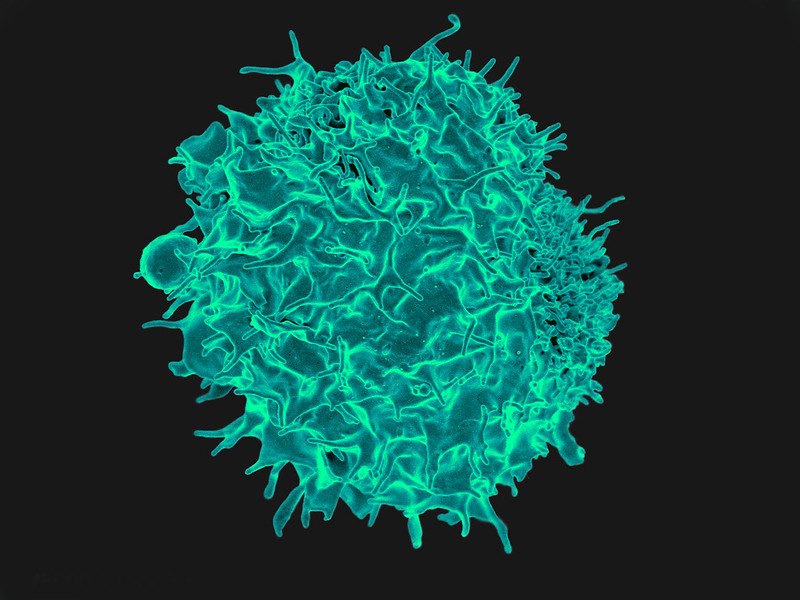
Regulatory T cells ensure that immune responses happen in a controlled way. But eating too much salt weakens these cells’ energy supply, thus rendering them temporarily dysfunctional. This salt-induced ‘load shedding’ may have implications for autoimmunity, researchers report in Cell Metabolism.
Excessive salt consumption not only causes cardiovascular problems, it could also adversely impact the immune system. The study found that salt can disrupt regulatory T cells by impairing their energy metabolism. The findings may provide new avenues for exploring the development of autoimmune and cardiovascular diseases.
A few years ago, research by teams led by Professor Dominik Müller and Professor Markus Kleinewietfeld revealed that excess salt in the diet can negatively affect the metabolism and energy balance in certain types of innate immune cells called monocytes and macrophages and stop them from working properly. They further showed that salt triggers malfunctions in the mitochondria. Inspired by these findings, the research groups wondered whether excessive salt intake might also create a similar problem in adaptive immune cells like regulatory T cells.
Important immune regulators
Regulatory T cells, also known as Tregs, are an essential part of the adaptive immune system. They are responsible for maintaining the balance between normal function and unwanted excessive inflammation.
Scientists believe that the deregulation of Tregs is linked to the development of autoimmune diseases like multiple sclerosis. Recent research has identified problems in mitochondrial function of Tregs from patients with autoimmunity, yet the contributing factors remain elusive.
“Considering our previous findings of salt affecting mitochondrial function of monocytes and macrophages as well as the new observations on mitochondria in Tregs from autoimmune patients, we were wondering if sodium might elicit similar issues in Tregs of healthy volunteers,” says Müller, who co-heads the Hypertension-Mediated End-Organ Damage Lab at the Max Delbrück Center and the ECRC.
Previous research has also shown that excess salt could impact Treg function by inducing an autoimmune-like phenotype. In other words, too much salt makes the Treg cells look like those involved in autoimmune conditions. However, exactly how sodium impairs Treg function had not yet been uncovered.
Salt interferes with mitochondrial function of Tregs
The new international study led by Kleinewietfeld and Müller has now discovered that sodium disrupts Treg function by altering cellular metabolism through interference with mitochondrial energy generation. This mitochondrial problem seems to be the initial step in how salt modifies Treg function, leading to changes in gene expression that showed similarities to those of dysfunctional Tregs in autoimmune conditions.
Even a short-term disruption of mitochondrial function had long-lasting consequences for the fitness and immune-regulating capacity of Tregs in various experimental models. The new findings suggest that sodium may be a factor that could contribute to Treg dysfunction, potentially playing a role in different diseases, although this needs to be confirmed in further studies.
“The better understanding of factors and underlying molecular mechanisms contributing to Treg dysfunction in autoimmunity is an important question in the field. Since Tregs also play a role in diseases such as cancer or cardiovascular disease, the further exploration of such sodium-elicited effects may offer novel strategies for altering Treg function in different types of diseases,” says Kleinewietfeld, who heads the VIB Laboratory for Translational Immunomodulation. “However, future studies are needed to understand the molecular mechanisms in more detail and to clarify their potential relationship to disease.”
A recent study found improved patient outcomes after receiving care based on scientific and clinical evidence, while also reducing costs. Published in Worldviews on Evidence-Based Nursing, the article also reviewed the extent and type of evidence-based practices (EBPs) performed across clinical settings.
A total of 636 published articles addressing EBP and patient outcomes met investigators’ inclusion criteria. There were many differences in approaches, designs, and outcomes measured among the articles included in the review.
Most articles (63.3%) were published in the United States, and 90% took place in the acute care setting. Various EBPs were implemented, with just over a third including some aspect of infection prevention, and most (91.2%) linked to reimbursement. The two most reported outcomes were length of stay (15%), followed by mortality (12%).
“Although our study revealed that EBP improves patient outcomes and reduces costs for healthcare systems, there is much opportunity to improve healthcare quality and safety with EBP as healthcare executives still do not invest enough in their budgets to ensure that all clinicians take this approach to care and that all care is evidence-based, not steeped in tradition, or outdated policies or procedures,” said corresponding author Linda Connor, PhD, RN, CPN, of The Ohio State University.
Over the past 17 years, evidence on chronic traumatic encephalopathy (CTE) has piled up. While some sports organisations like the National Hockey League and World Rugby still claim their sports do not cause CTE, a new review article in the journal Acta Neuropathologica strengthens the case that repetitive head impact (RHI) exposure is the chief risk factor for the condition.
CTE is characterised by a distinctive molecular structural configuration of p-tau fibrils that is unlike the changes observed with aging, Alzheimer’s disease, or any other diseases caused by tau protein.
Though CTE made US headlines in 2007, it wasn’t until 2016 that the National Institute of Neurological Disorders and Stroke/National Institute of Biomedical Imaging and Bioengineering (NINDS-NIBIB) criteria for the neuropathological diagnosis of CTE were published, and they were refined in 2021. Rare, isolated case studies reporting aberrant findings or using non-accepted diagnostic criteria have been disproportionately emphasised to cast doubt on the connection between RHI and CTE.
In the review, Ann McKee, MD, chief of neuropathology at VA Boston Healthcare System and director of the BU CTE Center, stresses that now over 600 CTE cases have been published in the literature from multiple international research groups. And of those over 600 cases, 97% have confirmed exposure to RHI, primarily through contact and collision sports. CTE has been diagnosed in amateur and professional athletes, including athletes from American, Canadian, and Australian football, rugby union, rugby league, soccer, ice hockey, bull-riding, wrestling, mixed-martial arts, and boxing.
What’s more, 82% (14 of the 17) of the purported CTE cases that occurred in the absence of RHI, where up-to-date criteria were used, the study authors disclosed that families were never asked what sports the decedent played.
According to the researchers, despite global efforts to find CTE in the absence of contact sport participation or RHI exposure, it appears to be extraordinarily rare, if it exists at all. “In studies of community brain banks, CTE has been seen in 0 to 3 percent of cases, and where the information is available, positive cases were exposed to brain injuries or RHI. In contrast, CTE is the most common neurodegenerative disease diagnosis in contact and collision sport athletes in brain banks around the world. A strong dose response relationship is perhaps the strongest evidence that RHI is causing CTE in athletes,” she added.
“The review presents the timeline for the development of neuropathological criteria for the diagnosis of CTE which was begun nearly 100 years ago by pathologist Harrison Martland who introduced the term “punch-drunk” to describe a neurological condition in prizefighters,” explained McKee, corresponding author of the study. The review chronologically describes the multiple studies conducted by independent, international groups investigating different populations that found CTE pathology in individuals with a history of RHI from various sources.”
Most people remember emotional events, like their wedding day, very clearly, but researchers are not sure how the human brain prioritises emotional events in memory. In a study published in Nature Human Behaviour, Joshua Jacobs, associate professor of biomedical engineering at Columbia Engineering, and his team identified a specific neural mechanism in the human brain that tags information with emotional associations for enhanced memory.
The team demonstrated that high-frequency brain waves in the amygdala, a hub for emotional processes, and the hippocampus, a hub for memory processes, are critical to enhancing memory for emotional stimuli. Disruptions to this neural mechanism, brought on either by electrical brain stimulation or depression, impair memory specifically for emotional stimuli.
Rising prevalence of memory disorders
The rising prevalence of memory disorders such as dementia has highlighted the damaging effects that memory loss has on individuals and society. Disorders such as depression, anxiety, and post-traumatic stress disorder (PTSD) can also feature imbalanced memory processes, especially with the COVID pandemic. Understanding how the brain naturally regulates what information gets prioritised for storage and what fades away could provide critical insight for developing new therapeutic approaches to strengthening memory for those at risk of memory loss, or for normalising memory processes in those at risk of dysregulation.
“It’s easier to remember emotional events, like the birth of your child, than other events from around the same time,” says Salman E. Qasim, lead author of the study, who started this project during his PhD in Jacobs’ lab at Columbia Engineering. “The brain clearly has a natural mechanism for strengthening certain memories, and we wanted to identify it.”
The difficulty of studying neural mechanisms in humans
Most investigations into neural mechanisms take place in animals such as rats, because such studies require direct access to the brain to record brain activity and perform experiments that demonstrate causality, such as careful disruption of neural circuits. But it is difficult to observe or characterise a complex cognitive phenomenon like emotional memory enhancement in animal studies.
To study this process directly in humans. Qasim and Jacobs analysed data from memory experiments conducted with epilepsy patients undergoing direct, intracranial brain recording for seizure localisation and treatment. During these recordings, epilepsy patients memorised lists of words while the electrodes placed in their hippocampus and amygdala recorded the brain’s electrical activity.
Studying brain-wave patterns of emotional words
Qasim found that participants remembered more emotionally rated words, such as “dog” or “knife,” better than more neutral words, such as “chair.” Whenever participants successfully remembered emotional words, high-frequency neural activity (30-128 Hz) would become more prevalent in the amygdala-hippocampal circuit, a pattern which was absent when participants remembered more neutral words, or failed to remember a word altogether. Analysing 147 participant, they found a clear link between participants’ enhanced memory for emotional words and the prevalence in their brains of high-frequency brain waves across the amygdala-hippocampal circuit.
“Finding this pattern of brain activity linking emotions and memory was very exciting to us, because prior research has shown how important high-frequency activity in the hippocampus is to non-emotional memory,” said Jacobs. “It immediately cued us to think about the more general, causal implications – if we elicit high-frequency activity in this circuit, using therapeutic interventions, will we be able to strengthen memories at will?”
Electrical stimulation disrupts memory for emotional words
In order to establish whether this high-frequency activity actually reflected a causal mechanism, Jacobs and his team formulated a unique approach to replicate the kind of experimental disruptions typically reserved for animal research. First, they analysed a subset of these patients who had performed the memory task while direct electrical stimulation was applied to the hippocampus for half of the words that participants had to memorise. They found that electrical stimulation, which has a mixed history of either benefiting or diminishing memory depending on its usage, clearly and consistently impaired memory specifically for emotional words.
Uma Mohan, another PhD student in Jacobs’ lab at the time and co-author on the paper, noted that this stimulation also diminished high-frequency activity in the hippocampus. This provided causal evidence that, by knocking out the brain activity pattern correlating with emotional memory, stimulation was also selectively diminishing emotional memory.
Depression acts similarly to brain stimulation
Qasim further hypothesized that depression, which can involve dysregulated emotional memory, might act similarly to brain stimulation. He analyzed patients’ emotional memory in parallel with mood assessments the patients took to characterize their psychiatric state. And, in fact, in the subset of patients with depression, the team observed a concurrent decrease in emotion-mediated memory and high-frequency activity in the hippocampus and amygdala.
“By combining stimulation, recording, and psychometric assessment, they were able to demonstrate causality to a degree that you don’t always see in studies with human brain recordings,” said Bradley Lega, a neurosurgeon and scientist at the University of Texas Southwestern Medical Center and not an author on the paper. “We know high-frequency activity is associated with neuronal firing, so these findings open new avenues of research in humans and animals about how certain stimuli engage neurons in memory circuits.”
Next steps
Qasim is now investigating how individual neurons in the human brain fire during emotional memory processes. Qasim and Jacobs hope that their work might also inspire animal research exploring how this high-frequency activity is linked to norepinephrine, a neurotransmitter linked to attentional processes that they theorise might be behind the enhanced memory for emotional stimuli. They also hope that future research will target high-frequency activity in the amygdala-hippocampal circuit to protect memory.
“Our emotional memories are one of the most critical aspects of the human experience, informing everything from our decisions to our entire personality,” Qasim added. “Any steps we can take to mitigate their loss in memory disorders or prevent their hijacking in psychiatric disorders is hugely exciting.”
New research published in the Journal of the American Geriatrics Society reports that motor vehicle collisions decreased after Japan implemented a mandatory cognitive screening test for older drivers when they renewed their drivers’ licences. For older pedestrians and cyclists, however, their number of collisions and injuries increased.
For the study, investigators analysed police-reported data on the number of collisions for drivers and injuries for pedestrians and cyclists among people aged 70 years or older in Japan from July 2012 to December 2019. As of March 2017, drivers aged 75 years or older who screen positive are required to see a physician before license renewal. If diagnosed with dementia, their licenses may be suspended or revoked.
From 2012 to 2019, there were 602 885 collisions for drivers and 196 889 injuries for pedestrians and cyclists among people aged 70 years or older. After the 2017 policy, collisions decreased among male drivers, and injuries increased among some age subgroups in both sexes. Cumulative estimated changes in the numbers of collisions and injuries from March 2017 to December 2019 were -3670 and 959, respectively.
“Safety measures need to be strengthened for older cyclists and pedestrians. We should also provide older people with necessary care to prepare for driving cessation and safe, alternative transport means,” said corresponding author Haruhiko Inada, PhD, a post-doctoral fellow at the Johns Hopkins Bloomberg School of Public Health.
Scanning Electron Micrograph image of a human T cell. Credit: NIH/NIAID
Researchers from the University of Queensland have identified a pathway in cells that could be used to reprogram the body’s immune system to fight back against both chronic inflammatory and infectious diseases such as E. Coli.
Reporting their findings in the open-access journal PNAS, Dr Kaustav Das Gupta and Professor Matt Sweet found that a glucose-derived molecule in immune cells can both stop bacteria growing and dampen inflammatory responses.
According to Dr Das Gupta, the discovery is a critical step towards future therapeutics that train immune cells.
“The effects of this molecule called ribulose-5-phosphate on bacteria are striking – it can cooperate with other immune factors to stop disease-causing strains of the E. coli bacteria from growing,” Dr Das Gupta said.
“It also reprograms the immune system to switch off destructive inflammation, which contributes to both life-threatening infectious diseases such as sepsis as well as chronic inflammatory diseases like respiratory diseases, chronic liver disease, inflammatory bowel disease, rheumatoid arthritis, heart disease, stroke, diabetes and dementia.”
The research was carried out on a strain of E. coli bacteria, responsible for 80% of urinary tract infections and also a common cause of sepsis. Pre-clinical trials confirmed the role of this pathway in controlling bacterial infections.
Professor Sweet said that human cells were also used to demonstrate that ribulose-5-phosphate reduces the production of molecules that drive chronic inflammatory diseases.
“Host-directed therapies which train our immune systems to fight infections, will become increasingly important as more types of bacteria become resistant to known antibiotics,” Professor Sweet said.
“A bonus is that this strategy also switches off destructive inflammation, which gives it the potential to combat chronic disease.
“By boosting the immune pathway that generates ribulose-5-phosphate, we may be able to give the body the power to fight back against inflammatory and infectious diseases – not one, but two of the major global challenges for human health.”
Many current anti-inflammatory therapies target proteins on the outside of cells but because this pathway occurs inside cells, the researchers devised a new approach to target the pathway using mRNA technology.
An ancient human instinct for foraging, fuelled by fructose production in the brain, may hold clues to the development and possible treatment of Alzheimer’s disease (AD), according to a new study published recently in The American Journal of Clinical Nutrition.
The findings provide a new way of looking at the neurodegenerative disease.
“We make the case that Alzheimer’s disease is driven by diet,” said the study’s lead author Richard Johnson, MD, professor at the University of Colorado School of Medicine specializing in renal disease and hypertension. The study co-authors include Maria Nagel, MD, research professor of neurology at the CU School of Medicine.
Johnson and his team suggest that AD is a harmful adaptation of an evolutionary survival pathway used in animals and our distant ancestors during times of scarcity.
“A basic tenet of life is to assure enough food, water and oxygen for survival,” the study said. “Much attention has focused on the acute survival responses to hypoxia and starvation. However, nature has developed a clever way to protect animals before the crisis actually occurs.”
When threatened with the possibility of starvation, early humans developed a survival response which sent them foraging for food. Yet foraging is only effective if metabolism is inhibited in various parts of the brain. Foraging requires focus, rapid assessment, impulsivity, exploratory behavior and risk taking. It is enhanced by blocking whatever gets in the way, like recent memories and attention to time. Fructose, a kind of sugar, helps damp down these centers, allowing more focus on food gathering.
In fact, the researchers found the entire foraging response was set in motion by the metabolism of fructose whether it was eaten or produced in the body. Metabolizing fructose and its byproduct, intracellular uric acid, was critical to the survival of both humans and animals.
The researchers noted that fructose reduces blood flow to the brain’s cerebral cortex involved in self-control, as well as the hippocampus and thalamus. Meanwhile, blood flow increased around the visual cortex associated with food reward. All of this stimulated the foraging response.
“We believe that initially the fructose-dependent reduction in cerebral metabolism in these regions was reversible and meant to be beneficial,” Johnson said. “But chronic and persistent reduction in cerebral metabolism driven by recurrent fructose metabolism leads to progressive brain atrophy and neuron loss with all of the features of AD.”
Johnson suspects the survival response, what he calls the `survival switch,’ that helped ancient humans get through periods of scarcity, is now stuck in the `on’ position in a time of relative abundance. This leads to the overeating of high fat, sugary and salty food prompting excess fructose production.
Fructose produced in the brain can lead to inflammation and ultimately Alzheimer’s disease, the researchers theorised. Animals given fructose show memory lapses, a loss in the ability to navigate a maze and inflammation of the neurons.
“A study found that if you keep laboratory rats on fructose long enough they get tau and amyloid beta proteins in the brain, the same proteins seen in Alzheimer’s disease,” Johnson said. “You can find high fructose levels in the brains of people with Alzheimer’s as well.”
Johnson suspects that the tendency of some AD patients to wander off might be a vestige of the ancient foraging response.
The study said more research is needed on the role of fructose and uric acid metabolism in AD.
“We suggest that both dietary and pharmacologic trials to reduce fructose exposure or block fructose metabolism should be performed to determine if there is potential benefit in the prevention, management or treatment of this disease,” Johnson said.
New research published in Clinical & Experimental Allergyindicates that the burden related to eczema in young individuals is substantial in a number of countries. A median of 6% of both children and adolescents experience some form of eczema while 0.6% and 1.1% of children and adolescents, respectively, report symptoms of severe eczema.
The results come from an analysis of data from 14 countries involving 74 361 adolescents aged 13–14 years and 47 907 children aged 6–7 years.
Investigators estimated an average increase over 27 years in the prevalence of current eczema symptoms of 0.98% per decade in adolescents and 1.21% per decade in children, and of 0.26% and 0.23% per decade in severe eczema symptoms. However, there was substantial variation in changes in eczema prevalence over time by income and region.
“Eczema remains a big public health problem around the world,” said corresponding author Sinéad Langan, PhD, of the London School of Hygiene & Tropical Medicine. “Global research efforts are needed to address the burden related to eczema with continued international efforts to identify strategies to prevent the onset of eczema and to better manage the impact on individuals, their families, and health service.”
2023 is the crunch year to complete the restoration of the fire-damaged sections of Charlotte Maxeke Johannesburg Academic Hospital, but one month in, it has not been plain sailing.
There are doubts over timeframes, the quality of workmanship, compliance, and effective project management. Added to this are deepening concerns that theft and suspected sabotage continue and that HR red tape and inefficiencies are standing in the way of getting the right people into 774 vacant posts that need to be filled to meet the high demand for healthcare services.
According to Gauteng Department of Health’s head of communication, Motalatale Modiba, the province is on track to meet its December 2023 deadline to complete repair work. There is a separate deadline for 2026 to complete fire safety compliance throughout the hospital.
Scramble for parking persists
January kicked off with what should have been the reopening of parking bays on the hospital campus. The parking levels were among the worst affected areas in the fire that broke out on 16 April 2021. Delays in getting parking areas reopened have had dire knock-on effects on the efficient running of the hospital. Staff and visitors have had to scramble to find parking on the streets around the hospital. This adds to traffic congestion and jammed-up appointment schedules even as the hospital is trying to play catch-up after healthcare services were disrupted by COVID and the fire. Added to this, there have been reports of theft from motor vehicles as well as muggings and assaults of doctors and nurses having to make their way to and from their cars.
Before the fire, the hospital had 1700 parking bays. Since the fire, only 229 have been accessible on the hospital campus and another 400 in sites around the hospital – it’s a shortfall of about 1000 parking bays.
Modiba told Spotlight at the beginning of February, “The construction of the temporary access ramp to level P3 is 100% complete. The only outstanding thing is the enrolment of the traffic management system to ensure a greater flow of vehicles into the parking, manage different parking zones, and vehicle access. The P3 parking bays will be available for usage soon.”
‘Criminal syndicates’
But DA spokesperson for health in the province, Jack Bloom says after his own site visit in January that continued delays to reopen this section is “gross incompetence that is causing misery as staff and patients hunt for parking every day and some sick people have to walk a long way from where they’ve found parking”.
“It’s not a great start for the year,” says Bloom. He says delays are being made worse by the higher stages of rolling blackouts that have hit the country, even though the hospital campus is exempt from loadshedding.
“Another issue is that we still haven’t been able to crack down on criminal syndicates operating at our hospitals. I believe what we’re seeing in the media now is only skimming the surface of widespread corruption in the system,” he says.
Insiders at Charlotte Maxeke have again raised alarms over ongoing theft that they say smacks of sabotage. According to them, the current situation is that cables and piping that run in-between hospital floors have been stolen or destroyed, resulting in disrupted oxygen flow that is fed to wards in Block 5 of the hospital. Block 5, houses, among others, the transplant unit.
Last year, the National Department of Health confirmed to Spotlight that vandalism and theft were rife. Investigations resulted in three officials in the Department of Infrastructure and Development being arrested in connection with these crimes.
Modiba did not respond to follow-up questions on how theft, vandalism, and sabotage are being dealt with by the provincial health department.
Repair work “on track”
Still, Modiba insists that the province is on track to meet both its 2023 and 2026 deadlines. Modiba however, also didn’t respond to a follow-up question on what compliance protocols will be followed in the three-year gap till fire safety compliance is expected to be completed.
It was fire safety compliance being flouted (including non-functioning fire doors, hose couplings that were stolen or broken, and no floor plan available for firefighters when they arrived on site) that led to the April 21 fire spreading and causing the extensive damage it did.
The repair bill now carries a price tag of R1.16 billion. According to Modiba, just over a billion of this will come from National Treasury, with around R146 million from donors making up the remainder.
The restoration work plan has also had to be adjusted in the past few months. An initial approach to work on fire compliance in multiple hospital blocks at a time was rejected by clinicians because it would be too disruptive for patient care.
“Decanting will now happen on a block-by-block basis with compliance work estimated to be between six to eight months per block. Services will keep rotating within the facility while contractors work from one area to another,” Modiba says.
He also tells Spotlight that the emergency unit which only reopened in May last year – and at the time only for referral patients – is now fully functioning. “All specialities are now present at the facility; there are no longer services that are being remotely rendered at other facilities,” he adds.
Modiba says that the hospital currently runs 1024 beds compared to the pre-fire status of 1138 beds. This comprises 1068 public beds and 70 Folateng beds. Folateng is the private ward within the hospital. There are 108 ICU and high-care beds and between 60 000 and 70 000 outpatients per month.
Meeting demands amid HR issues
Professor Adam Mahomed, head of the Department of Internal Medicine at the hospital, says meeting these massive demands when whole units and blocks have been out of commission has been a feat of adapting by doctors and nurses who have optimised ward space and found ways to repurpose parts of the hospital.
“Wards that used to fit 20 to 24 beds, we now have turned into wards that fit 32 beds,” he says.
Mahomed says it’s not optimal and amounts to trying to function in an overburdened state, especially with gross staff shortages. He says they expect the healthcare need to increase from the current numbers to having to run 1 400 beds in the hospital.
“We are seeing more people and sicker people coming through the doors because, during the COVID years, many people were not coming for healthcare or taking their chronic meds. We are also still playing catch up in oncology and surgery.”
Mahomed singles out inefficiencies in the hospital’s human resources department as the biggest stumbling block. He is calling for an independent audit and investigation into how human resources at Charlotte Maxeke is being run.
According to him, there are mounting questions around irregularities of why positions are not being filled timeously, or seemingly deliberately delayed and not just as a tactic to wait for budgets to refresh with the new financial year in April.
Some examples of “silly paperwork”, he says, are sessional doctors who have worked in the public sector previously being asked to produce matric certificates from 40 years ago. Other doctors have been asked to produce police clearance certificates, while others are asked to have proof of citizenship issued by the Department of Home Affairs.
According to Modiba, Charlotte Maxeke Hospital has 5334 approved posts and 774 vacancies currently. Of the 774 vacant positions, 253 vacancies are in administration and support, 40 for allied workers, 124 in medical, and 357 in nursing.
Mahomed says, “We need to have staff that will be able to accommodate 1400 beds and we need to have increased resources allocated for a hospital that is already over-burdened. We need to get HR to stop with the red tape, silly paperwork, and bureaucracies. “Bureaucracy is hampering us from getting actual resources to the people – HR bureaucracy is killing people. Politicians and management are still running healthcare when they should be taking input from those who are on the ground.”
A twin study of the relatively newly described eating disorder ARFID has found that it is strongly influenced by genetic factors. The study, perfomed by researchers at Karolinska Institutet, has been published in the journal JAMA Psychiatry.
An estimated 1 to 5% of people suffer from an eating disorder that few are even aware exists. Avoidant/restrictive food intake disorder (ARFID) is a serious eating disorder that leads to malnutrition and nutritional deficiencies, and is a relatively new diagnosis only introduced to the World Health Organization’s ICD-11 this year.
Unlike anorexia, ARFID is not about the patient’s experience of their own body and fear of gaining weight. Instead, the disease is characterised by the avoidance of certain types of food due to a sensory discomfort because of the characteristics or appearance of food, or for example, the fear of choking, a food poisoning phobia or lack of appetite.
17 000 twin pairs involved in the study
Researchers at Karolinska Institutet have now investigated the importance of genetic factors for developing ARFID. A cohort of almost 17 000 pairs of twins in Sweden born between 1992 and 2010 participated in the study. A total of 682 children with ARFID between the ages of six and 12 years could be identified.
The researchers used the twin method to determine the influence of genes and the environment on the onset of the disease.
“We know that identical twins share all genes and that fraternal twins share about half of their genes that make people different. When we then see that a certain trait is more common in both members of identical twin pairs than in fraternal twin pairs, it is an indication that there is a genetic influence. We can then estimate the degree to which a trait is influenced by genetic factors,” says Lisa Dinkler, a postdoctoral researcher at the Department of Medical Epidemiology and Biostatistics at Karolinska Institutet.
The genetic component for developing ARFID was high, 79%.
“This study suggests that ARFID is highly heritable. The genetic component is higher than that of other eating disorders and on par with that of neuropsychiatric disorders such as autism and ADHD,” says Lisa Dinkler.
The findings are important, says Lisa Dinkler, because an increased understanding of what causes the disease can make it easier for those affected and their relatives.
“I hope that the results can reduce stigma and guilt, which is a big problem with eating disorders. A child does not choose to develop ARFID, nor can a parent cause it in a child. That is important to remember.”, says Lisa Dinkler.
Possible connections with other conditions
The next step in Lisa Dinkler’s research is to study the extent to which ARFID is associated with other psychiatric diagnoses, such as anxiety and depression, neurodevelopmental disorders, and gastrointestinal problems.
“We will use twin studies to test the extent to which ARFID shares underlying genetic and environmental factors with these conditions,” says Lisa Dinkler.
ARFID is a relatively new diagnosis. In 2013, the disorder was included in the Diagnostic and Statistical Manual of Mental Disorders, DSM-5, and this year it was included in the World Health Organization’s diagnostic manual ICD. The latest edition, ICD-11, will be introduced to the Swedish healthcare system in a couple of years, consequently, the diagnosis is not an official part of Swedish health and medical care yet.