Year: 2023

Fat Metabolism from Exercise Depends on Time of Day

Tired woman after exercise
Photo by Ketut Subiyanto on Pexels

Exercise at the right time of the day may increase fat metabolism, at least according to the results of a mouse study. Published in the journal PNAS, research shows that mice that did exercise in an early active phase, which corresponds to morning exercise in humans, increased their metabolism more than mice that did exercise at a time usually spent resting.

Physical activity at different times of the day can affect the body in different ways since the biological processes depend on the circadian rhythms of the cells. To ascertain the effect of exercise timing on the burning of fat, researchers at Karolinska Institutet and the University of Copenhagen studied the adipose tissue of mice after a session of high-intensity exercise performed at two points of the daily cycle, an early active phase and early rest phase (corresponding to a late morning and late evening session, respectively, in humans). The researchers studied various markers for fat metabolism and analysed which genes were active in adipose tissue after exercise.

Independent of food intake

The researchers found that physical activity at an early active phase increased the expression of genes involved in the breakdown of adipose tissue, heat production and mitochondria in the adipose tissue, indicating a higher metabolic rate. These effects were observed only in mice that exercised in the early active phase and were independent of food intake.

“Our results suggest that late morning exercise could be more effective than late evening exercise in terms of boosting the metabolism and the burning of fat, and if this is the case, they could prove of value to people who are overweight,” says Professor Juleen R. Zierath at Karolinska Institutet.

Improving the health benefits of exercise

Mice and humans share many basic physiological functions, and mice are a well-established model for human physiology and metabolism. However, there are also important differences, such as the fact that mice are nocturnal.

“The right timing seems to be important to the body’s energy balance and to improving the health benefits of exercise, but more studies are needed to draw any reliable conclusions about the relevance of our findings to humans,” says Professor Zierath.

Source: Karolinska Institutet

Certain Jobs may Increase Risk of Pregnancy Loss

Pregnant with ultrasound image
Source: Pixabay

In an analysis of 2010–2019 information on more than 1.8 million employed and non-employed pregnant women in South Korea, certain occupations were linked with higher risks of miscarriage and stillbirth.

Published in the Journal of Occupational Health, risks were calculated for three adverse outcomes: early abortive outcomes (miscarriage, ectopic pregnancy, and molar pregnancy), stillbirth, and no live birth (pregnancy with no record of live birth thereafter, which include early abortive outcomes and stillbirth).

Overall, 18.0%, 0.7%, and 39.8% of pregnancies ended in early abortive outcomes, still-births, and no live births, respectively. The risk of early abortive outcomes and stillbirths was higher in non-employed women than in employed women, while no live births were more frequent in employed women.

Women in the health and social work industry had the highest risk of no live births. Higher risks of no live births were also observed in the manufacturing, wholesale/retail trade, education, and public/social/personal service occupations. Manufacturing jobs and health/social work were associated with higher risks of early abortive outcomes compared with financial and insurance jobs.

“The good news is that the Ministry of Employment and Labor of South Korea is now revising the Industrial Accident Compensation Insurance Act to cover all the abortive outcomes in pregnant women workers. Our study contributed to the amendment of this Act, as we presented the impact of the occupational environment on adverse pregnancy outcomes,” said corresponding author Jung-won Yoon, MD, of the National Medical Center in Seoul.

Source: Wiley

Defensiveness Keeping People from Taking at-home Colorectal Cancer Stool Tests

Photo by Priscilla du Preez on Unsplash

Despite colorectal cancer being highly treatable, especially when detected early, many people do not undergo recommended screening, even with the availability of at-home stool faecal immunochemical test (FIT) kits. New research published in CANCER reveals that people who react defensively to the invitation to get screened are less likely to take part.

For the study, Nicholas Clarke, PhD, of Dublin City University in Ireland, surveyed individuals in Dublin who had been invited to participate in a FIT screening program in 2008–2012. Questionnaires were mailed in September 2015 to all individuals who were invited to participate (over two screening rounds) but had declined and a random sample of individuals who had participated. Following two reminders, questionnaires were completed by 1988 people who participated in screening and 311 who did not.

Those who did not do FIT-based screening were more likely to provide responses indicating greater defensiveness. This was apparent for all questions related to the different domains of what is called defensive information processing (DIP). The four domains of DIP include:

  • attention avoidance (reducing risk awareness by avoidance),
  • blunting (active mental disengagement through avoidance and accepted denial),
  • suppression (acknowledging others’ risk but avoiding personal inferences through self-exemption beliefs), and
  • counter-argumentation (arguing against the evidence).

“People who react defensively to the invitation to colorectal cancer screening are less likely to take part, and this seems to be due to such misconceptions that having a healthy lifestyle or having regular bowel movements means that they do not need to be screened. Similarly, some people believe testing can be delayed while they wait for a ‘better’ test (even though the current test works very well) or wait until their other health concerns are under control,” explained Dr Clarke. “Some people also react defensively because they believe cancer is always fatal, which is not true. All of these factors can result in people making a decision not to take the home-based screening test.”

Dr Clarke noted that the study’s findings indicate that even well-designed health communication campaigns and proactive screening programs may be hindered by individuals’ defensive beliefs. “The measures used in this study could be used to help identify people who may need extra support to take part in colorectal cancer screening programs worldwide,” he said. “The results suggest that screening programs need strategies to decrease procrastination and address misconceptions about colorectal cancer and screening.”

He also stressed the importance of trying to make colorectal cancer screening something that everyone routinely does when they reach middle age.

An accompanying editorial by Beverly Beth Green MD, MPH advocates for additional research to test different strategies, such as financial incentives, for decreasing DIP in participants.

Source: Wiley

Can Progressive Hearing Loss be Reversed?

Photo by Dylann Hendricks on Unsplash

In humans, hearing loss from exposure to loud noises is progressive because the primary cells which detect sound, cochlear hair cells, cannot regenerate if damaged or lost. People who have repeated exposure to loud noises, like military personnel, construction workers, and musicians, are most at risk for this type of hearing loss, though it can happen to anyone over time.

On the other hand, birds and fish can regenerate these hair cells, and now researchers report their advances in promoting this effect in mammals. Their work is published in Frontiers in Cellular Neuroscience.

“We know from our previous work that expression of an active growth gene, called ERBB2, was able to activate the growth of new hair cells (in mammals), but we didn’t fully understand why,” said Patricia White, PhD, professor of Neuroscience and Otolaryngology at the University of Rochester Medical Center. The 2018 study led by Jingyuan Zhang, PhD, a postdoctoral fellow in the White lab at the time, found that activating the growth gene ERBB2 pathway triggered a cascading series of cellular events by which cochlear support cells began to multiply and activate other neighbouring stem cells to become new sensory hair cells.

“This new study tells us how that activation is happening – a significant advance toward the ultimate goal of generating new cochlear hair cells in mammals,” said White.

Using single-cell RNA sequencing in mice, researchers compared cells with an overactive growth gene (ERBB2 signalling) with similar cells that lacked such signalling. They found the growth gene, ERBB2, promoted stem cell-like development by initiating the expression of multiple proteins – including SPP1, a protein that signals through the CD44 receptor. The CD44 receptor is known to be present in cochlear-supporting cells. This increase in cellular response promoted mitosis in the supporting cells, a key event for regeneration.

“When we checked this process in adult mice, we were able to show that ERBB2 expression drove the protein expression of SPP1 that is necessary to activate CD44 and grow new hair cells,” said Dorota Piekna-Przybylska, PhD, a staff scientist in the White Lab and first author of the study. “This discovery has made it clear that regeneration is not only restricted to the early stages of development. We believe we can use these findings to drive regeneration in adults.”

“We plan to further investigation of this phenomenon from a mechanistic perspective to determine whether it can improve auditory function after damage in mammals. That is the ultimate goal,” said White.

Source: University of Rochester Medical Center

Brown Rice has a Cell-protecting Compound

Photo by Łukasz Rawa on Unsplash

Among its many health benefits, brown rice has long been known to protect against oxidative stress – but it was not known which compound was responsible for this. Researchers in Japan have identified the compound that confers this protective effect, with their findings published in the International Journal of Molecular Sciences.

In a recent study led by Professor Yoshimasa Nakamura from the Graduate School of Environmental and Life Science, Okayama University, researchers from Japan have identified cycloartenyl ferulate (CAF) as the main “cytoprotective” or cell-protecting compound in brown rice. CAF is a unique compound owing to its hybrid structure. As Professor Nakamura explains, “CAF is a hybrid compound of polyphenol and phytosterol and is expected to be a potent bioactive substance with various pharmacological properties, such as antioxidant effect and blood fat-lowering effect.”

In this study, the researchers provide evidence of CAF’s antioxidant properties by demonstrating that it can protect cells from stress caused by hydrogen peroxide. Although hydrogen peroxide is a by-product of a cell’s metabolic processes, abnormal amounts of the compound can be toxic to cells and cause irreversible damage. Treatment of cells with CAF increased their resistance to toxic stress induced by hydrogen peroxide. Moreover, CAF provided greater protection from hydrogen peroxide-induced stress compared to alpha-tocopherol and gamma-tocopherol, two other prominent antioxidant compounds that were earlier speculated to be major contributors to the antioxidant capacity of brown rice.

According to the study’s estimates, the amount of CAF in the whole grain of brown rice is five-fold higher than that of other antioxidant compounds found in brown rice. Further, CAF increases the concentration of heme oxygenase-1 or HO-1, an enzyme that facilitates the production of antioxidants. “We demonstrated here that CAF significantly increased the mRNA level of HO-1, the small molecular weight antioxidant-producing enzyme, at concentrations similar to that required for cytoprotective effects in resistance to oxidative damage,” Professor Nakamura explains.

The researchers further explored this mechanism of action through experiments where blocking HO-1 activity using inhibitors reduced the antioxidant effect of CAF considerably. The high abundance and unique mechanism of action are evidence that CAF is the major contributing antioxidant in brown rice.

Through this study, the researchers have not only uncovered the secret to the health benefits of brown rice, but also locked down on the component that is majorly responsible for these benefits. This will allow the use of CAF in the development of better novel supplements and food products focused on consumer health. As an optimistic Professor Nakamura observes, “Our study can help in the development of new functional foods and supplements based on the functionality of CAFs, like CAF-based nutraceuticals.”

Source: Okayama University

Iron Holds a Clue to New Lupus Treatments

Source: Wikimedia CC0

A new approach for treating systemic lupus erythematosus (SLE) could lie in targeting iron metabolism in immune system cells. Researchers found that blocking an iron uptake receptor reduces disease pathology and promotes the activity of anti-inflammatory regulatory T cells in a mouse model of SLE. The findings were published in the journal Science Immunology.

Treatments for lupus aim to control symptoms, reduce immune system attack of tissues, and protect organs from damage. Only one targeted biologic agent has been approved for treating SLE, belimumab in 2011.

“It has been a real challenge to come up with new therapies for lupus,” said Jeffrey Rathmell, PhD, Vanderbilt University professor. “The patient population and the disease are heterogeneous, which makes it difficult to design and conduct clinical trials.”

Rathmell’s group has had a long-standing interest in lupus as part of a broader effort to understand mechanisms of autoimmunity.

When postdoctoral fellow Kelsey Voss, PhD, began studying T cell metabolism in lupus, she noticed that iron appeared to be a “common denominator in many of the problems in T cells,” she said. She was also intrigued by the finding that T cells from patients with lupus have high iron levels, even though patients are often anaemic.

“It was not clear why the T cells were high in iron, or what that meant,” said Voss.

To explore T cell iron metabolism in lupus, Voss and Rathmell drew on the expertise of other investigators at VUMC.

First, Voss used a CRISPR genome editing screen to evaluate iron-handling genes in T cells. She identified the transferrin receptor, which imports iron into cells, as critical for inflammatory T cells and inhibitory for anti-inflammatory regulatory T cells.

The researchers found that the transferrin receptor was more highly expressed on T cells from SLE-prone mice and T cells from patients with SLE, which caused the cells to accumulate too much iron.

“We see a lot of complications coming from that – the mitochondria don’t function properly, and other signalling pathways are altered,” Voss said.

An antibody that blocks the transferrin receptor reduced intracellular iron levels, inhibited inflammatory T cell activity, and enhanced regulatory T cell activity. Treatment of SLE-prone mice with the antibody reduced kidney and liver pathology and increased production of the anti-inflammatory factor, IL-10.

“It was really surprising and exciting to find different effects of the transferrin receptor in different types of T cells,” Voss said. “If you’re trying to target an autoimmune disease by affecting T cell function, you want to inhibit inflammatory T cells but not harm regulatory T cells. That’s exactly what targeting the transferrin receptor did.”

In T cells from patients with lupus, expression of the transferrin receptor correlated with disease severity, and blocking the receptor in vitro enhanced production of IL-10.

Since the transferrin receptor mediates iron uptake in many cell types, the researchers want to develop transferrin receptor antibodies that bind specifically to T cells, to minimise off-target effects. They are also interested in studying the details of their unexpected discovery that blocking the transferrin receptor enhances regulatory T cell activity.

Source: Vanderbilt University Medical Center

During Pregnancy, Experiencing Racism Worsens Depression

Photo by Shvets Productions on Pexels

In a recent study published in The Journal of Advanced Nursing that included pregnant Black women from multiple US states, feeling upset by experiences of racism in the 12 months prior to delivery was associated with significantly higher odds of depression during pregnancy.

Perinatal depression is defined as major or minor depressive episodes that occur during pregnancy or in the first 12 months after birth. Mothers with perinatal depression often report symptoms including depressed mood; loss of interest or pleasure in daily activities; changes in weight, appetite and sleep; poor concentration; feelings of hopelessness; and suicidal ideations. Non-Hispanic Black women are twice as likely to experience symptoms of depression and suicidal ideations during the perinatal period than White women.

For this study, 7328 women answered survey questions. The findings showed that 11.4% of respondents reported feeling upset due to experiences of racism, and 11.4% reported experiencing depression during pregnancy. After adjusting for confounding factors, respondents who reported feeling upset due to the experience of racism had over two-fold higher odds of experiencing depression during pregnancy compared with respondents who did not report feeling upset due to the experience of racism.

“Our findings reinforce the importance of respectful maternity care, given the mental health impacts of experiences of racism during the perinatal period,” the authors wrote. “Racism is a powerful structural determinant of health with roots in a historical system of oppression that persists today in health care practices and policies. Perinatal health care providers, in collaboration with public health and other health disciplines, are ideally positioned to address inequities in maternal and child health that are rooted in racism.”

Source: Wiley

Greater Precision with MRI-guided Prostate Cancer Radiotherapy

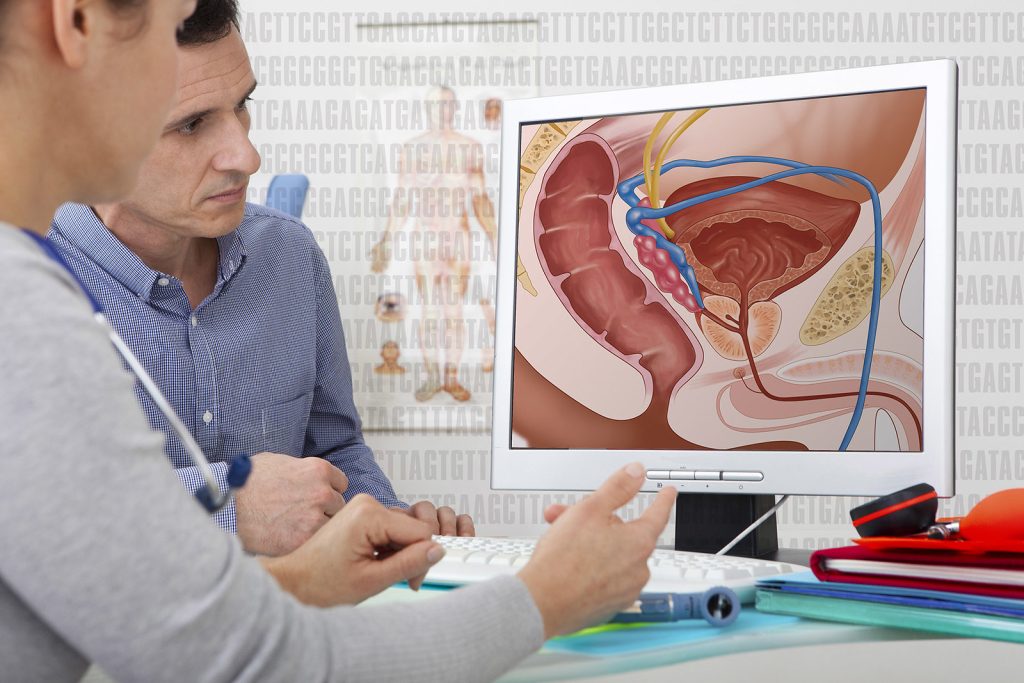
Credit: Darryl Leja / National-Human-Genome Research Institute / National Institutes of Health

Men undergoing MRI-guided radiotherapy for localised prostate cancer, had fewer toxicities and better quality of life, according to new research published in JAMA Oncology. This was the first randomised phase III clinical trial to directly compare MRI-guided stereotactic body radiotherapy (SBRT) with the same therapy guided by CT.

“MRI guidance offers several advantages over standard CT guidance, most notably the ability to dramatically reduce planning margins, providing more focused treatment with less injury to nearby normal tissues and organs,” said lead author Amar Kishan, MD, a radiation oncologist. “MRI technology is more costly than CT, both in terms of upfront equipment expenses and longer treatment times, which is one reason our study set out to determine if MRI-guided technology offers tangible benefits for patients.”

SBRT for prostate cancer usually delivers radiation in five or fewer precisely targeted doses. It is an established and generally well tolerated form of treatment, but it can cause toxicities resulting in urinary, bowel and sexual dysfunction. This UCLA-led clinical trial included 154 analysable patients with prostate cancer who were randomised to either a CT-guidance arm (76 patients) or an MRI-guidance arm (78 patients).

This study included assessment by both physicians and patients. From both perspectives, MRI-guided therapy was associated with fewer side effects and better quality of life over at least three months of follow-up.

“In this trial, we demonstrated that the reduction in treatment volumes facilitated by MRI guidance leads to a significant reduction in moderate physician-scored toxicity and to a reduction in the proportion of patients noting significant decrements in patient-reported outcome metrics in the near term,” said Dr Kishan. “Although additional studies will need to confirm these benefits over time, we’re hopeful that these results will lead to better outcomes for men with prostate cancer.”

The 2mm margin used with MRI-guidance in the trial is narrower than has been used in any previous large study. Unlike CT, MRI technology can monitor prostate motion directly, and it offers improved soft tissue contrast, improving the accuracy of alignment prior to radiation.

Source: University of California – Los Angeles Health Sciences

Buckets to Catch Water in Free State Hospital’s Leaking Wards

A theatre recovery room at Boitumelo Regional Hospital. The photo was taken in January. The hospital says leaks have since been fixed. Photo: Rethabile Nyelele

By Rethabile Nyelele for GroundUp

Crumbling infrastructure is hampering patient care at Boitumelo Regional Hospital in Kroonstad, Free State.

We first visited the hospital two weeks ago. Buckets have been set out on the floors of some wards and theatre rooms to catch water leaking from broken ceilings.

An extension of the hospital building and upgrades started in 2010. In July 2014, further renovations were done. But staff, who spoke to GroundUp on condition of anonymity, said conditions at the hospital are deteriorating, with leaking ceilings, and broken windows covered with cardboard.

Last week, nurses and other staff downed tools over the poor condition of the hospital. They also demanded to be paid for overtime. Most staff resumed their duties on Monday night, pending further negotiations with management on 17 February.

Boitumelo is the only regional hospital in the Fezile Dabi District and caters for patients from about 19 surrounding towns. The hospital has six theatres but we were told of at least 80 patients whose surgeries had to be rescheduled between October and December 2022.

“I’ve been going to the hospital for surgery since 2018 … They keep postponing,” said Langelihle Makhoba.

Another patient, Mamiki Mnguni from Oranjeville, who lives about 100km from the hospital, said, “I was scheduled for a gallstone removal on 19 January 2023, but I was told the theatre is not working. I was told to return in April.”

Hospital CEO Sibongile Mthimkhulu referred our questions to the Free State Department of Health.

The department’s spokesperson, Mondli Mvambi, responded to our questions with a screengrab from a memo sent by Mthimkhulu which details progress made on infrastructure repairs. The memo stated that ceiling panels had been replaced and two theatres had been painted, among other things.

But when we visited the hospital again on 6 February, ceiling panels were still broken and we were told that some of the theatres were not yet fully functional.

Republished from GroundUp under a Creative Commons Attribution-NoDerivatives 4.0 International License.

Source: GroundUp

COVID Deadlier than Bacterial or Viral Pneumonia for Older ICU Patients

Source: National Cancer Institute on Unsplash

For older patients in intensive care units (ICUs), COVID is more severe than bacterial or viral pneumonia, suggests new research published in the Journal of the American Geriatrics Society.

Among 11 525 patients aged 70 years and older who were admitted to Dutch ICUs, ICU-mortality and hospital-mortality rates of patients admitted with COVID were 39.7% and 47.6%, respectively. These rates were higher than the mortality of patients admitted because of pneumonia from causes other than COVID. (ICU- and hospital-mortality rates of patients admitted with bacterial pneumonia were 19.1% and 28.8%, respectively, and with viral pneumonia were 22.7% and 31.8%, respectively). Differences persisted after adjusting for several clinical characteristics and intensive care unit occupancy rate.

“In ICU-patients aged 70 years and older, COVID is more severe – with approximately double mortality rates – compared with bacterial or viral pneumonia. Nevertheless, more than half of these older patients admitted to Dutch ICUs with COVID survived the hospital,” said corresponding author Lenneke E. M. Haas, MD, PhD, of Diakonessenhuis, in the Netherlands. “Our findings provide important additional data to include in informed goals-of-care discussions.”

Source: Wiley