Year: 2023

Female and Male Hearts may Respond Differently to Noradrenaline

Source: Wikimedia CC0

A new study published in Science Advances shows that female and male hearts respond differently to the stress hormone noradrenaline. The study in mice may have implications for human heart disorders like arrhythmias and heart failure and how different sexes respond to various drugs.

Using fluorescence imaging, the researchers were able to see in real time and in vivo how a mouse heart responds to hormones and neurotransmitters, including noradrenaline.

The results reveal that male and female mouse hearts respond uniformly at first after exposure to noradrenaline. However, some areas of the female heart return to normal more quickly than the male heart, producing differences in the heart’s electrical activity.

“The differences in electrical activity that we observed are called repolarisation in the female hearts. Repolarisation refers to how the heart resets between each heartbeat and is closely linked to some types of arrhythmias,” said Jessica L. Caldwell, first author of the study.

“We know that there are sex differences in the risk for certain types of arrhythmias. The study reveals a new factor that may contribute to different arrhythmia susceptibility between men and women,” Caldwell said.

Methods

The novel imaging system uses a genetically modified ‘CAMPER’ mouse to emit light during a very specific chemical reaction in the heart: cAMP binding.

The cAMP molecule (an abbreviation of cyclic adenosine 3′,5;-monophosphate) is an intermediate messenger that turns signals from hormones and neurotransmitters, including noradrenaline, into action from heart cells.

The light signals from the CAMPER mouse are transmitted by a biosensor that uses a fluorescence signal that can be picked up at high speed and high resolution by a new imaging system specially designed for hearts. This allows the researchers to record the heart’s reaction to noradrenaline in real time, along with changes in electrical activity.

This new imaging approach revealed the differences in the breakdown of cAMP in female and male mice and the associated differences in electrical activity.

Including female mice leads to discoveries

The researchers had not planned to study sex-based responses, according to Crystal M. Ripplinger, senior author of the study. But the researchers started seeing a pattern of different reactions, which led them to realise the differences were sex-based.

When Ripplinger started her lab at the UC Davis School of Medicine over a decade ago, she exclusively used male animals. That was the norm for most research at the time. But several years ago, she began including male and female animals in her studies.

“Sometimes the data between the two sexes is the same. But if the data start to show variation, the first thing we do is look at sex differences. Using both male and female mice has revealed clues into differences we would never have suspected. Researchers are realising you can’t extrapolate to both sexes from only studying one,” Ripplinger said.

She notes that with the current study, it’s not clear what the differences in cAMP and electrical activity may mean.

“The response in the female mice may be protective – or it may not. But simply documenting that there is a measurable difference in the response to a stress hormone is significant. We are hoping to learn more in future studies,” Ripplinger said.


Source: University of California – Davis Health

A Stool Sample Could Detect Some Parkinson’s Cases Early

Old man with magnifying glass
Image by Mar Lezhava on Unsplash

One early indicator of Parkinson’s disease (PD) is isolated REM-sleep behaviour disorder. Researchers have shown that a greater concentration of α-synuclein aggregates can be detected in the stool samples of patients. In the scientific journal npj Parkinson’s Disease, they now present a method for detecting these aggregates.

There are two forms of PD. In 70% of cases, it originates in the central nervous system. However, in around 30% of cases it originates in the nervous system of the intestine (“enteric nervous system”). The latter form is referred to as “body-first Parkinson’s disease” (for short: body-first PD) and the characteristic deposits of aggregates of the body’s own α-synuclein protein are formed in the neurons in the intestine.

A preliminary form of body-first PD is the so-called isolated REM-sleep behaviour disorder (for short: iBRD). It causes in part complex movements during REM-sleep insofar as the patient experiences vivid and disturbing dreams. These movements can endanger the sufferer themselves or others.

A research team headed by Professor Erdem Gültekin Tamgüney from the Institute of Physical Biology at HHU now reports that it is possible to detect an elevated level of α-synuclein aggregates in the stool samples of patients. To achieve this, the team used a new surface-based fluorescence intensity distribution analysis (sFIDA) to detect and quantify individual particles of α-synuclein aggregates.

Professor Tamgüney: “We are the first to prove the presence of α-synuclein aggregates in stool samples. Our results show a significantly higher level of α-synuclein aggregates in iRBD patients compared with healthy individuals or patients with Parkinson’s. These findings could lead to a non-invasive diagnostic tool for prodromal synucleinopathies — including Parkinson’s — which could in turn enable therapies to be initiated at an early stage before symptoms occur.” However, more research is required before the process can find its way into clinical practice, for example investigation into why the level is lower in Parkinson’s patients.

The study was conducted in a collaboration to establish a biobank with stool samples from patients and control subjects, and to develop the test procedure and conduct the tests on the samples, and to eventually commercialise the technique.

Background

In body-first PD, the deposits of fibrils of the body’s own α-synuclein protein, which are characteristic of Parkinson’s, are first formed in the neurons of the enteric nervous system, which serves the gastrointestinal tract. The aggregates then spread to the central nervous system in a way similar to prions, i.e. an existing aggregate combines individual α-synuclein proteins in its vicinity into further aggregates in a nucleation process; these aggregates then spread further through the body.

The influence of what happens in the gastrointestinal tract on the brain is referred to as the “gut-brain axis.” The gastrointestinal tract is exposed to the environment and it is possible that harmful substances such as chemicals, bacteria or viruses ingested directly with food or via interaction with the microbiome of the gastrointestinal tract may trigger the pathological formation of α-synuclein aggregates.

Source: Heinrich-Heine University Duesseldorf

Zantac Manufacturer Was Aware of Carcinogenic Risks for Decades

Photo by Tingey Injury Law Firm on Unsplash

A Bloomberg investigation has revealed that Glaxo, which went on to form pharmaceutical giant GSK, was aware of the possible carcinogenic content of its popular heartburn drug Zantac for over 40 years.

The once-popular heartburn drug Zantac (ranitidine) was developed in the 1970s by the then-small British pharmaceutical company Glaxo. It was marketed as better and safer than Tagamet (cimetidine) and it soon outsold it and became one of the company’s best-selling drugs.

NDMA belongs to a class of compounds known as nitrosamines, came to light in cancer research when it was found that nitrites could combine with amines in the stomach, giving rise to cancer-causing compounds. This led to calls for restrictions of sodium nitrites, found in various cured foods, but the food industry has resisted this.

This all came to an end in 2019, when Zantac was found to be contaminated by the chemical N-Nitrosodimethylamine (NDMA), a pale yellow liquid at room temperature. NDMA is a known carcinogen at high concentrations and a possible one at low concentrations. This contamination was not due to a manufacturing error, however: NDMA can form from other reactions and in this case came from within the drug itself. Around the world, Zantac was pulled from shelves, and in 2020 the drug was banned by the FDA. NDMA currently is only produced in small amounts to induce cancer in rats. Whether it is carcinogenic at very low levels is still a matter of debate, but Zantac products contained NDMA at levels which could increase over time.

According to Bloomberg, Glaxo was aware of this, as the possibility of ranitidine being converted in the stomach to nitrosamines being raised in 1980. Tests with human subjects taking ranitidine showed this. Even though NDMA is widely held to be a carcinogen in humans, it is difficult to prove that a particular chemical is responsible for mutations leading to cancers. Glaxo simply took the view that ranitidine did not cause cancer in rodent studies, and that any possible cancer risk was minimised by short exposure. In fact, users would take Zantac for extended periods, even years or decades.

The company was thus warned over 40 years by its own scientists as well as independent researchers, with thousands of pages of documentation seen by Bloomberg for the first time. One 1981 Lancet study showed that Zantac mixed with nitrite in the stomach (as from a meal) would produce nitrosamines. Glaxo scientists countered by saying that the nitrite levels in the study were far above those found in a human stomach, a defence which would become their standard response.

While Glaxo was preparing for FDA approvals in 1982, another study came to their attention. Concerned, Glaxo asked one of their scientists, Richard Tanner, to replicate it and he found that some samples contained 232 000ng of NDMA – the FDA approved limit for each drug was 96ng, though with lower nitrite levels, no NDMA was detected. The daily FDA exposure limit from all sources for NDMA is 190ng, which includes NDMA from all sources, including other medications (which may produce their own NDMA over time) as well as biological processes.

This report would remain secret for more than 40 years. More trouble came from the fact that NDMA could be formed from exposure to either heat or humidity. When it went through the FDA approval process, it did not mention the Tanner report and the notion of storage was glossed over: approved in 150mg doses for eight weeks, storage requirements were listed as a dry place at a temperature no higher than 86°F (30°C).

Zantac surged in popularity, turning the company into a multi-billion dollar enterprise, though the FDA took action over Glaxo’s claims. An over-the-counter 75mg version was launched in 1996. It was coloured pink due to issues of discolouration with white pills turning yellow or brown over time.

While discolouration issues were briefly investigated, it was only in 2019 when there were concerns over NDMA contamination, spurred by recalls of a blood pressure drug, valsartan. A private laboratory warned the FDA over NDMA discovery in Zantac and ranitidine generics, and after the FDA conducted its own tests, the company that was now GSK turned over its documentation.

Within a month, distribution of ranitidine was halted nearly worldwide, and the FDA took the drastic further stop of ordering its production halted. Shortly afterward, the FDA stated that the evidence for NDMA in ranitidine was inconclusive, and clarified that the NDMA concerns were from contamination being produced during its storage, not production in the stomach.

For GSK, the damages from the thousands of plaintiffs may range from US$5 to 17 billion, but damages are likely to be reduced and previous lawsuits of this type have struggled to prove that the relevant compound caused cancer. For Zantac, however, this will be less of an obstacle as NDMA is almost universally accepted as a carcinogen.

Source: Bloomberg

AI Finds Face Shape Changes in Children with in Utero Alcohol Exposure

Photo by Helena Lopes on Pexels

Using artificial intelligence, researchers have found a link between alterations in the shape of young children’s faces and the amount of alcohol their mothers drank, before and during pregnancy. Even alcohol in small amounts – 12g a week, or less than one glass of wine – made a difference.

The study, published in Human Reproductionis the first to detect this association in the children of mothers who drank alcohol up to three months before becoming pregnant but stopped during pregnancy.

The finding is important because the shape of children’s faces can be an indication of health and developmental problems.

Study leader Gennady Roshchupkin, assistant professor at Erasmus Medical Centre, Rotterdam, said: “I would call the face a ‘health mirror’ as it reflects the overall health of a child. A child’s exposure to alcohol before birth can have significant adverse effects on its health development and, if a mother regularly drinks a large amount, this can result in foetal alcohol spectrum disorder, FASD, which is reflected in children’s faces.”

FASD is defined as a combination of growth retardation, neurological impairment and recognisably abnormal facial development. Symptoms include cognitive impairment, attention deficit hyperactivity disorder (ADHD), learning difficulties, memory problems, behavioural problems, and speech and language delays. FASD is already known to be caused by a mother’s drinking during pregnancy, particularly heavy drinking. However, until now, little was known about the effect of low alcohol consumption on children’s facial development and, therefore, their health. This is also the first study to examine the question in children from multiple ethnic backgrounds.

The researchers used AI and deep learning to analyse three-dimensional images of children taken at the ages of nine (3149 children) and 13 (2477 children). The children were part of an ongoing population-based study of pregnant women and their children from foetal life onwards. The children in this analysis were born between April 2009 and January 2006.

“The face is a complex shape and analysing it is a challenging task. 3D imaging helps a lot, but requires more advanced algorithms to do this,” said Prof Roshchupkin. “For this task, we developed an AI-based algorithm, which takes high-resolution 3D images of the face and produce 200 unique measurements or ‘traits’. We analysed these to search for associations with prenatal alcohol exposure and we developed heat maps to display the particular facial features associated with the mothers’ alcohol consumption.”

Information on the mothers’ alcohol consumption was gained from questionnaires completed by the women in early, mid-, and late pregnancy. The researchers divided them into three groups: mothers who did not drink before or during pregnancy, mothers who drank during the three months before becoming pregnant but stopped when they became pregnant, and mothers who drank during pregnancy, including those who only drank during the first trimester of pregnancy, and those who continued to drink throughout pregnancy.

“We found a statistically significant association between prenatal alcohol exposure and face shape in the nine-year-old children. The more alcohol the mothers drank, the more statistically significant changes there were. The most common traits were turned-up nose tip, shortened nose, turned-out chin and turned-in lower eyelid,” said Mr Xianjing Liu, first author of the study and a PhD student in Prof Roshchupkin’s group, who developed the AI algorithm.

“Among the group of mothers who drank throughout pregnancy, we found that even if mothers drank very little during pregnancy, less than 12g a week, the association between alcohol exposure and children’s facial shape could be observed. This is the first time an association has been shown at such low levels of alcohol consumption.”

At older ages, the alcohol consumption and face shape association weakened. No significant association was found when the researchers looked at data for the children at the age of 13 years.

“It is possible that as a child ages and experiences other environmental factors, these changes may diminish or be obscured by normal growth patterns. But that does not mean that alcohol’s effect on the health will also disappear. Therefore, it is crucial to emphasise that there is no established safe level of alcohol consumption during pregnancy and that it is advisable to cease drinking alcohol even before conception to ensure optimal health outcomes for both the mother and the developing foetus,” said Prof. Roshchupkin. “Further investigations on the mechanism of association are needed to fully understand how the association develops and then weakens with age.”

In the nine-year-olds, researchers found statistically significant facial traits were associated with mothers’ alcohol consumption when they compared those who drank before pregnancy but stopped on becoming pregnant with mothers who continued drinking throughout pregnancy.

They also looked at data for women who drank during the first trimester but then stopped, and those who continued to drink. The results were similar, which suggests that the associations were explained mainly by the foetus’s exposure to alcohol in the first three months of pregnancy.

According to the researchers, previous studies of childhood development after prenatal exposure to alcohol have suggested that possible mechanisms of action may be metabolic disorders in the mothers, such as problems with blood sugar levels and fatty liver disease, and that this could also explain the link with face shape. However, further investigations are needed.

The large number of children from multiple ethnic backgrounds is a strength of the study. Limitations include that there were no data on alcohol consumption more than three months before pregnancy, and that mothers may not have completed the questionnaire about their drinking habits correctly, possibly underestimating their consumption. Causation also cannot be established in this observational study.

Our Hospital can’t Cope, Say Atlantis Residents

By Peter Luhanga for GroundUp

People living in Atlantis, Cape Town, say they are struggling to access healthcare. There are two clinics run by the City – Saxon Sea and Protea Park – offering limited care, concentrating on family planning, child health, basic antenatal care, and HIV care. For any other health issues, residents have to go to Wesfleur Hospital. People queue for treatment as early as 5am.

In 2017, we wrote about the long queues and other problems at Wesfleur Hospital.

Community activists have set up the Atlantis Community Health Organisation (ACHO), which submitted a memorandum of grievances in August last year to Western Cape MEC for Health Nomafrench Mbombo, and resident Allison Adams, (not part of the ACHO) set up an online petition that has garnered over 1,275 signatures.

Adams and ACHO want the two City clinics taken over by the province so that they can be upgraded to offer primary and not just general healthcare. This would take pressure off Wesfleur.

“Clinics would serve as a conduit to relieve the hospital from everyday attendance. The hospital can’t cope. We have limited number of doctors available every day,” says Ashley Poole of ACHO.

Adams says the doctors can’t cope with treating patients, doing ward rounds and conducting medical assessments for residents seeking disability grants. It takes days for people to get help at the hospital, she says, and everyone with even a minor illness has to go to the hospital.

“We have people traveling to Dunoon Community Health Center to seek medical attention,” she says.

ACHO wants a new hospital built in Atlantis, which in the 2011 Census already had nearly 70,000 people.

Mayoral committee member for health Patricia van der Ross said the City is open to transferring the clinics, but “the Western Cape health department must have the requisite budget available to continue running the clinics”. Then a handover agreement can be concluded.

She said a task team was established and “numerous meetings” were held explaining to the community the challenges involved in doing such a transfer.

One interim measure is that stable, chronic patients are seen at Protea Park three days a week on Mondays, Thursdays and Fridays between 8am and 4pm, and at Saxonsea clinic on Mondays between 8am and 1pm.

Provincial health department spokesperson Natalie Watlington said since receiving the memorandum in August 2022, the department’s district team has implemented short and medium-term interventions to improve matters at Wesfleur Hospital.

Republished from GroundUp under a Creative Commons Attribution-NoDerivatives 4.0 International License.

Source: GroundUp

Receptor Location is Key when Rebuilding Neural Connections with Psychedelic Drugs

Source: Pixabay CC0

When using psychedelic drugs to treat mental illness, it’s all down to location when rapidly rebuilding connections between nerve cells. In their paper published in Science, scientists show that engaging serotonin 2A receptors inside neurons promotes growth of new connections – but engaging the same receptor on the surface of nerve cells does not.

The findings will help guide efforts to discover new drugs for depression, PTSD and other disorders, according to senior author David E. Olson, associate professor at the University of California, Davis.

Drugs such as LSD, MDMA and psilocybin show great promise for treating a wide range of mental disorders that are characterised by a loss of neural connections. In laboratory studies, a single dose of these drugs can cause rapid growth of new dendrites from nerve cells, and formation of new spines on those dendrites.

Olson calls this group of drugs “psychoplastogens” because of their ability to regrow and remodel connections in the brain.

Earlier work from Olson’s and other labs showed that psychedelic drugs work by engaging the serotonin 2A receptor (5-HT2AR). But other drugs that engage the same receptor, including serotonin, do not have the same growth effects.

Maxemiliano Vargas, a graduate student in Olson’s lab, Olson and colleagues experimented with chemically tweaking drugs and using transporters to make it easier or harder for compounds to slip across cell membranes. Serotonin itself is polar, meaning it dissolves well in water but does not easily cross the lipid membranes that surround cells. The psychedelics, on the other hand, are much less polar and can easily enter the interior of a cell.

They found that the growth-promoting ability of compounds was correlated with the ability to cross cell membranes.

Drug receptors are usually thought of as being located on the cell membrane, facing out. But the researchers found that in nerve cells, serotonin 2A receptors were concentrated inside cells, mostly around a structure called the Golgi body, with some receptors on the cell surface. Other types of signalling receptors in the same class were on the surface.

The results show that there is a location bias in how these drugs work, Olson said. Engaging the serotonin 2A receptor when it is inside a cell produces a different effect from triggering it when it is on the outside.

“It gives us deeper mechanistic insight into how the receptor promotes plasticity, and allows us to design better drugs,” Olson said.

Source: University of California – Davis

Promising Results for Immunotherapy Drug Nivolumab in Advanced Skin Cancer

Female scientist in laboratory
Photo by Gustavo Fring on Pexels

A phase II clinical trial has demonstrated that patients with advanced cutaneous squamous cell carcinoma can benefit from the immune checkpoint inhibitor nivolumab. The findings were published in the journal CANCER

Two other immune checkpoint inhibitors, cemiplimab and pembrolizumab, have been approved by the US Food and Drug Administration for the treatment of advanced cutaneous squamous cell carcinoma in recent years. This new study is the first to report clinical trial results for nivolumab. 

The single-arm trial included 24 patients who received nivolumab at 3mg/kg every two weeks until they experienced cancer progression, developed unacceptable toxicity, or had received 12 months of treatment.  

During the trial, 14 patients (58.3%) benefited from the treatment, with their cancers demonstrating a response. Treatment-related adverse events of any grade occurred in 21 patients (87.5%) and, for and grade ≥ 3, in six patients (25%). One patient discontinued nivolumab due to toxicities. Prior radiotherapy exposure was associated with a worse response. 

“This is the first study to investigate nivolumab in this patient population, and it provides further evidence supporting the use of immune checkpoint blockers as standard therapies in cutaneous squamous cell carcinoma,” said lead author Rodrigo R. Munhoz, MD, of the Hospital Sírio-Libanês, in Brazil. 

An accompanying editorial notes that although the trial was small, its results were similar to those reported with pembrolizumab and cemiplimab. “In addition to providing more assurance to the clinical activity of different [immune checkpoint] inhibitors in this disease, this replicated data may permit a more widespread utilisation of these agents in managing a common disease with global implications,” the authors wrote. 

Source: Wiley

Self-stigma Linked to Worse Blood Glucose Control in Type 1 Diabetes

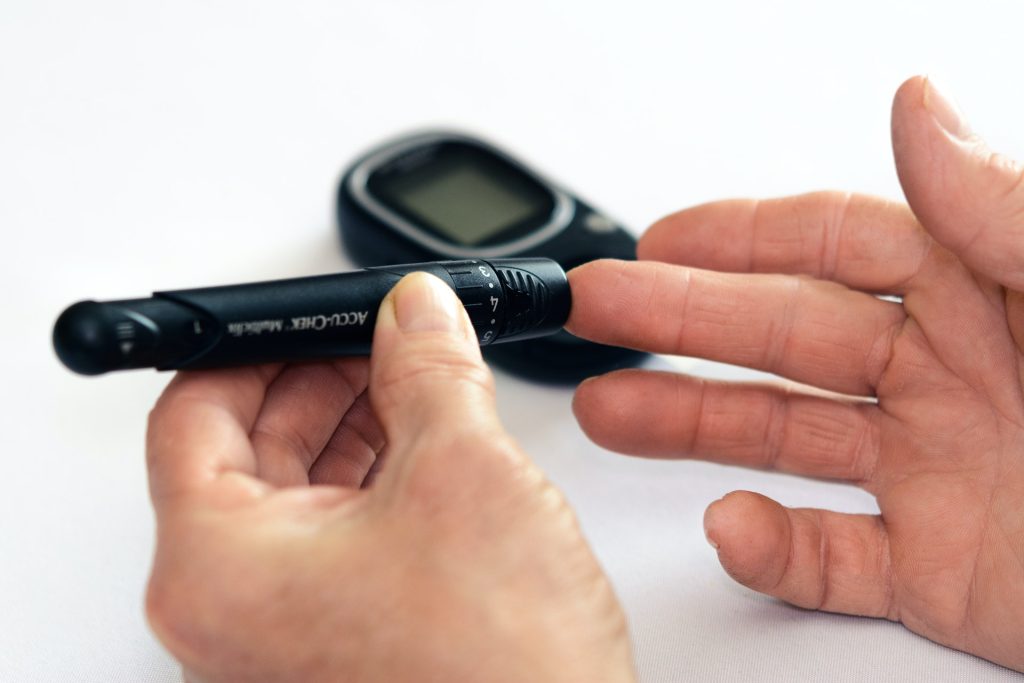
Diabetes - person measures blood glucose
Photo by Photomix Company from Pexels

Because of their illness, patients with chronic medical conditions may experience self-stigma, or negative beliefs, emotional reactions, and behaviours towards themselves. New research published in the Journal of Diabetes Investigation found a link between self-stigma and glycated haemoglobin (HbA1c) in adults with type 1 diabetes.

The study included 109 adults in Japan with type 1 diabetes who completed questionnaires that generated scores based on a self-stigma scale. Although the findings support a link between self-stigma and sub-optimal HbA1c, additional studies are needed to show whether this is a causal relationship.

“We focused on this issue through clinical experiences with people with type 1 diabetes, whose glycaemic management improved markedly by social supports of eliminating diabetes-related stigma. Although the finding of an association between self-stigma and HbA1c is significant, further longitudinal research is required to determine whether self-stigma leads to sub-optimal HbA1c,” said corresponding author Yukiko Onishi MD, PhD, of the Institute of Medical Science, Asahi Life Foundation, in Tokyo. “This research does support and highlight the importance of eliminating self-stigma when treating people with type 1 diabetes.”

Source: Wiley

Some Dipeptides Found in Meat are Potent Antioxidants

Photo by Jose Ignacio Pompe on Unsplash

Imidazole dipeptides (IDPs), which are abundant in meat and fish, have been reported to be effective in relieving fatigue and preventing dementia. Researchers have discovered that most of these IDPs identified in beef, chicken and pork also have remarkably high antioxidant activity. They detailed their findings in the journal Antioxidants.

Professor Hideshi Ihara from the Osaka Metropolitan University Graduate School of Science led a research team that was the first to discover 2-oxo-imidazole-containing dipeptides (2-oxo-IDPs), which have one more oxygen atom than normal IDPs. Found at concentrations of  0.015–0.11% that of normal IDPs, these were also shown to be potent antioxidants.

In their study, the researchers came up with a method for selective and highly sensitive detection of five types of 2-oxo-IDPs using mass spectrometry, which enables quantitative detection of trace 2-oxo-IDPs in living organisms. Using this method, they revealed for the first time that beef, pork, chicken, and other meats contain antioxidants, not only IDPs but a variety of different 2-oxo-IDPs.

“We hope that this research method, which enables advanced analysis of 2-oxo-IDPs, will be applied not only to basic biology but also to medicine, agriculture, and pharmacy, where it will help improve peoples’ health and prevent diseases,” concluded Professor Ihara.

Source: Osaka Metropolitan University

Study Shows How Present Fathers Support Adolescent Resilience

Photo by Kaysha on Unsplash

A new study published in Psychological Reports has shed light on the way present fathers play a positive role in adolescent psychological development. The researchers observed that when adolescents grow up with fathers present, they experience more ‘failure learning’, which supports the development of resilience.

Adolescence is a difficult time, with new social and academic pressures emerging. Resilience, or the capacity to cope with and recover from challenges, has been identified as a critical component to success in adolescence.

They explored the mediating effects of four subfactors of failure learning: failure cognition, reflection and analysis, experience transformation, and prudent attempt.

Failure cognition is the understanding and perception of a failure event. It includes recognising the occurrence of a failure and understanding the causes.

Reflective analysis involves evaluation of the events leading to the failure, and critically analysing one’s own actions and decisions. This helps identification of mistakes and areas for improvement.

Experience transformation involves taking the insights from reflective analysis and transforming the experience of failure into a learning opportunity.

Prudent attempt involves putting the lessons learned into practice, and taking calculated risks to improve subsequent performance. This component emphasises the importance of persistence and not being put off by prior failures.

Using questionnaires, the researchers assessed 626 Chinese middle school students, average age 14. They measured levels of father presence, resilience, and failure learning. The researchers found that: (1) there was a significant association between father presence, failure learning, and resilience; (2) failure learning played a mediating role between father presence and adolescents’ resilience; (3) the mediating effect of experience transformation and prudent attempt between father presence and adolescents’ resilience was significant, but not failure cognition and reflective analysis.

The researchers posited that the presence of a father helped to mediate resilience, especially in the two aspects of failure learning most linked to resilience. By supporting the decisions made around the failure, they help their adolescent children to recognise that a prudent attempt was made and to accept the failure.

Limitations included being the adolescents being exclusively Chinese, with cultural factors that may not be applicable to adolescents of other cultures. Additionally, the effect of mothers was not accounted for, and it was possible that the positive effects were only possible through the co-parenting support of a mother,

Source: PsyPost