

Biologically plausible, but more rigorous research needed before it can be recommended
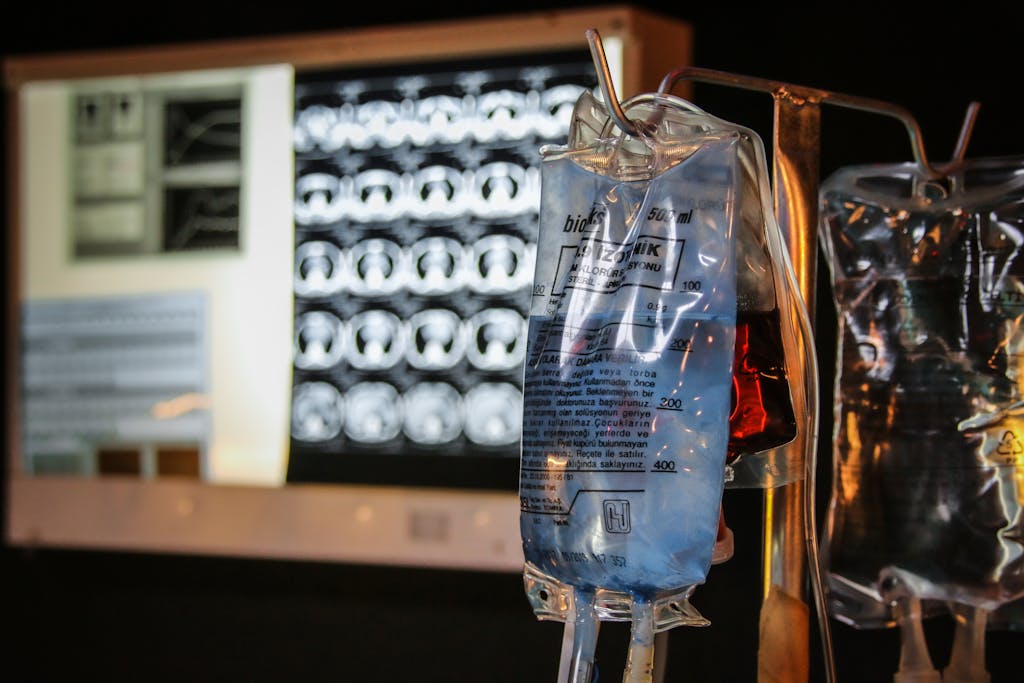
High doses of intravenous (IV) vitamin C may lower the risks of death and sepsis in trauma patients, as well as shortening hospital stay, suggests a review of the available evidence published online in the journal BMJ Military Health.
Although its effects are biologically plausible, especially given its role in aiding tissue repair and recovery, among other things, the quality of the available evidence isn’t currently good enough to recommend the use of vitamin C in trauma patients, say the researchers.
Major trauma triggers a complex physiological response in those affected and carries a high risk of death. And vitamin C, which helps to boost blood pressure, regulate the vital interface between blood and tissues (endothelial function), and neutralise harmful free radicals, is rapidly depleted in critical illness, explain the researchers.
As such, vitamin C has been mooted as a potentially promising treatment to aid the recovery of trauma patients, including in the context of the war in Ukraine. But this approach is yet to be rigorously reviewed or formally implemented, they add.
In a bid to extend the evidence base, the researchers scoured research databases for relevant published studies on high dose IV vitamin C, published up to the end of 2025.
They focused on its impact on death within 30 days of hospital discharge; prognostic scoring systems (Apache II, SOFA); incidence of complications, including sepsis and organ failure; and length of hospital stay.
Out of an initial haul of 108 studies, six, involving a total of 5171 patients, were eligible for systematic review. Three studies were randomised controlled clinical trials; 3 were observational studies.
The included studies reported a significant reduction in 30 day mortality, with significantly shorter intensive care unit and hospital stays. And 4 studies showed lower rates of sepsis in patients receiving vitamin C; 2 found lower rates of multi-organ failure.
“Overall, our findings demonstrate evidence of possible benefit in using high-dose vitamin C in the management of trauma patients,” but the variation in the reported effects “suggests that treatment effects may be context-dependent rather than generalisable across all critical illnesses,” write the researchers.
And they highlight several limitations to their findings: namely, the small number of studies, half of which were observational; and differences in patient groups, methodology, dosing regimens, co-interventions and outcome reporting.
“As our included studies did not use IV vitamin C monotherapy, we cannot truly associate our results with vitamin C alone. No studies investigated the timing of vitamin C, and therefore the optimal timing to administer vitamin C remains unclear.
“These methodological constraints limit the ability to draw firm conclusions about the optimal treatment protocols to use the potential benefits of vitamin C and contribute to the low certainty of evidence identified in this review,” they add.
But they suggest: “Even slight reductions in mortality, sepsis, organ failure or critical care requirement could be used to consider its use in current operational settings, providing a clear rationale for future trauma-specific research before clinical adoption.”
Source: The BMJ Group
