With yet a third new Alzheimer’s drug, the monoclonal antibody donanemab, expected to be approved by the Food and Drug Administration (FDA), the field is beginning to show progress in the fight to slow the disease. But the drugs work best for those in the earliest stages of Alzheimer’s, and other therapies will be needed to help those with advanced disease, according to Gil Rabinovici, MD, director of the UCSF Alzheimer’s Disease Research Center.
This is likely “just the opening chapter in a new era of molecular therapies for Alzheimer’s disease and related neurodegenerative disorders,” Rabinovici wrote in an editorial that is being published along with the results of the latest drug, donanemab, in JAMA. Rabinovici was not involved in the trial.
Donanemab is a monoclonal antibody, like the two earlier Alzheimer’s drugs, aducanumab (Aduhelm) and lecanemab (Leqembi). These drugs attack plaques in the brain that are made of a protein called amyloid. They disrupt cell function and lead to the rapid spread of another protein called tau. Both amyloid and tau contribute to the development of Alzheimer’s disease.
The trial showed donanemab slowed cognitive decline by 35% compared with placebo in patients with low-to-intermediate levels of tau in the brain. These results are similar to those reported with Leqembi, which received FDA approval earlier this month. In the donanemab trial, patients also experienced a 40% lower risk of progressing from mild cognitive impairment to mild dementia, or from mild-to-moderate dementia.
Donanemab was better at removing amyloid plaques compared to Aduhelm and Leqembi. It reduced tau concentrations in the blood, but not in a key area of the brain.
While these results are encouraging, Rabinovici said an in-depth analysis still is needed to understand how these findings affect patient outcomes.
Limited benefit in advanced disease
Patients with more advanced disease showed little to no benefit compared to those who received the placebo. Together with the drug’s potentially serious side effects, this should push experts to “aim higher in developing more impactful and safer treatments,” wrote Rabinovici, who is affiliated with the UCSF Memory and Aging Center, departments of Neurology, Radiology and Biomedical Imaging, as well as the Weill Institute for Neurosciences.
Donanemab should be restricted to patients with low-to-intermediate levels of tau, which indicates mild disease. Other trials are evaluating how well monoclonal antibodies work in the earliest phase of the disease before symptoms appear.
Like the two other new Alzheimer’s drugs, donanemab was associated with ARIA, amyloid-related imaging abnormalities that may include brain swelling and microbleeds. Serious ARIA occurred in 3.7% of patients, including three deaths. Risks were higher among patients with the APOE4 gene, which is related to an increased risk for Alzheimer’s. For that reason, Rabinovici said, genetic testing should be recommended prior to monoclonal antibody treatment.
While ARIA has generally been managed safely in clinical trials, Rabinovici urged caution as these drugs enter into real-world practice. He suggested limiting access to patients with normal pre-treatment MRIs, repeating MRIs at regular intervals and stopping or suspending treatment when ARIA occurs.
Lack of racial and ethnic diversity was a major limitation of the trial. Just 8.6% of the 1,251 U. S. participants were non-white. Rabinovici said this raises ethical concerns about the “generalisability of results to populations at highest risk,” noting studies that have shown higher rates of dementia in Black and Latino populations.
Given the anticipated high cost of donanemab and high patient demand, Rabinovici said it might make sense to limit the treatment duration to the time needed to clear amyloid plaques from the brain, which is the approach pioneered in the trial. He said this could “greatly enhance the feasibility of treatment for patients, clinicians, insurers and health systems.”
Antipsychotic drugs, used to treat schizophrenia, have many unpleasant side effects and are also ineffective for many patients, so new drugs are needed. New research published in Nature Neuroscience has discovered that antipsychotic drugs, which inhibit the overactive dopamine causing the symptoms of schizophrenia, interact with a completely different neuron than originally believed.
This new finding from Northwestern Medicine scientists provides a new avenue to develop more effective drugs to treat the debilitating symptoms of schizophrenia. Traditionally, researchers have screened antipsychotic drug candidates by evaluating their effects on mouse behaviour, but the approach used by a Northwestern lab outperformed these traditional approaches in terms of predicting efficacy in patients.
“This is a landmark finding that completely revises our understanding of the neural basis for psychosis and charts a new path for developing new treatments for it,” said lead investigator Jones Parker, assistant professor of neuroscience at Northwestern University Feinberg School of Medicine. “It opens new options to develop drugs that have fewer adverse side effects than the current ones.”
Individuals with schizophrenia have increased levels of dopamine in a region of the brain called the striatum. This region has two primary types of neurons: those with either D1 or D2 dopamine receptors.
Dopamine is a key for both receptors, but antipsychotics only block the D2 receptor locks. Therefore, experts have assumed these drugs preferentially act on neurons that express the D2 receptor locks. But, in fact, it was the other brain cells – the neighbouring ones in the striatum with D1 receptors – that responded to antipsychotic drugs in a manner that predicted clinical effect.
“The dogma has been that antipsychotic drugs preferentially affect striatal neurons that express D2 dopamine receptors,” Parker said. “However, when our team tested this idea, we found that how a drug affects the activity of D2 receptor-expressing striatal neurons has little bearing on whether it is antipsychotic in humans. Instead, a drug’s effect on the other striatal neuron type, the one that expresses D1 dopamine receptors, is more predictive of whether they actually work.”
Schizophrenia is a debilitating brain disorder that affects approximately 1 in 100 people. While existing antipsychotics are effective for the hallmark symptoms of schizophrenia such as hallucinations and delusions, they are ineffective for the other symptoms of schizophrenia such as deficits in cognitive and social function.
Moreover, current antipsychotics are completely ineffective in more than 30% of patients with treatment-resistant schizophrenia. The use of these drugs also is limited by their adverse effects, including tardive dyskinesia and parkinsonism.
The new study for the first time determined how antipsychotic drugs modulate the region of the brain thought to cause psychosis in living animals.
“Our study exposed our lack of understanding for how these drugs work and uncovered new therapeutic strategies for developing more effective antipsychotics,” Parker said.
Chronic inflammatory bowel disease (IBD), such as Crohn’s disease and ulcerative colitis, is on the rise worldwide, and current medications have problematic side effects. In the journal Angewandte Chemie, researchers report a new method of treatment, based on nanoparticles which trigger anti-inflammatory effects in the diseased sites in the intestine.
Stomach cramps and severe diarrhoea, often accompanied by significant weight loss, are some of the symptoms repeatedly suffered by patients with IBD, often for weeks at a time. The causes of this condition remain unclear but seem to involve a malfunction of the immune system. A cure is not yet in sight. Current treatments aim to reduce symptoms with anti-inflammatory medications, such as 5-aminosalicylic acid (5-ASA), corticosteroids, and immunomodulators. Their long-term use is not recommended because of their severe side effects, such as a high risk of infection resulting from immunosuppression. A team led by Hee-Seung Lee and Sangyong Jon at the Korea Advanced Institute of Science and Technology (KAIST) has now developed an innovative approach for a medication that can be taken orally and targets the inflamed sites in the gastrointestinal tract, minimizing systemic effects.
The starting point of their approach was the glycocalyx, a carbohydrate-rich layer that coats the cells on the surface of the intestine. Beneficial gut bacteria, which have their own matching glycocalyx, attach to this coating. With diseases from the IBD family, the glycocalyx carbohydrate patterns of inflamed intestinal regions are so altered that pathogenic bacteria can attach and enter the mucous membrane.
The team developed nanoparticles that mimic the glycocalyx pattern. Starting with the five sugar monomers most commonly found in nature, they produced a collection (“substance library”) of different polymer chains that have one, two, three, four, or five of these sugars in random order and composition as side chains. These polymer chains aggregate into nanoparticles. They also attached bilirubin molecules. Bilirubin is a bile pigment that is an antioxidant naturally produced by the body and it has an anti-inflammatory effect.
When administered orally to mice with IBD, some versions of these nanoparticles reduced symptoms significantly better than the drug 5-ASA. Nanoparticles with mannose and N-acetylglucosamine were the most effective. These two sugars increase uptake of the nanoparticles by activated macrophages in the inflamed intestine, and bilirubin very efficiently inhibits the inflammatory activity of these immune cells. The concentration of certain inflammatory cytokines is significantly reduced, the production of anti-inflammatory factors is stimulated, and oxidative stress is reduced. The immunosuppressive effect is limited to the inflamed areas of the intestine, minimising unfavourable systemic side effects.
A pair of new studies explains why babies get so many common respiratory infections and identifies a specialised cluster of immune cells found only in babies that help them better cope with new pathogens, helping explain why they were less vulnerable to COVID infection.
“We know little about how the immune system develops throughout life, and most of what we know about immune system development in children comes from animal studies,” says lead researcher Donna Farber, PhD, an expert in immune system development at Columbia University. “But mice develop much more quickly than humans and their immune systems are a bit different than ours.”
Using a trove of tissue samples from deceased paediatric organ donors, Farber’s team was able to pinpoint aspects of immune system development that distinguish babies from adults.
Immune cells in lungs and gut take time to mature
One study, published in Immunity, found that memory T cells, formed after first exposure to a pathogen, accumulate rapidly in the lungs and intestines through age three and more gradually in blood and lymph tissues. These cells enable older children and adults to mount an immediate and specific immune response during the next encounter with a pathogen.
But there’s a hitch.
“We found that memory T cells in young children are not functionally mature and only begin to have the capacity for protective immunity at around ages four to six years,” Farber says. “This explains why babies and young children are more vulnerable to recurrent respiratory infections and other infectious diseases compared with adults.”
The findings also may explain why introducing foods to children during the first year of life could prevent severe food allergies. “Early memory T cells are more tolerant than mature memory cells, so they’re not going to create an immune response against new foods,” Farber says.
‘Secret weapon’ protects babies from new pathogens
But while babies are highly susceptible to recurrent infections, a second study, published in Nature Immunology, found that babies have a unique way of coping with new pathogens. The researchers found clusters of antibody-producing B cells surrounded by T cells in the infants’ lungs. This bronchus-associated lymphoid tissue, or BALT, is formed between six and 12 months of age and disappears after age three.
“BALT enables the lung to make antibodies to respiratory pathogens well before T cell memory has developed but fall apart in later childhood when they are no longer needed,” says Farber. “This mechanism helps young children respond to the many different respiratory pathogens they encounter early in life.”
It also may explain why young children are more resilient to new respiratory infections compared to adults, as seen with SARS-CoV-2.
“With SARS-CoV-2, a virus no one had ever encountered before, we saw that people in their 50s and 60s were very susceptible to severe COVID, but most kids exposed to SARS-CoV-2 were fine, and many didn’t even have symptoms,” Farber says. “That told us that the babies and young children must have some adaptations to respond to new pathogens that adults don’t have.”
BALT also may be a reason why some children develop chronic asthma and allergies. “It’s possible that these diseases may be caused in part by the abnormal persistence of BALT well into childhood, which could trigger an overreaction to certain antigens,” says Farber.
Farber adds that the study may provide clues about why early trials of intranasal COVID vaccines have not shown promise in adults, whereas intranasal influenza vaccine tends to work better in children. “It could be that this type of vaccine works better in children because they have BALT structures that can initiate new antibodies in the lungs.”
“BALT provides some protection but clearly does not protect young children from everything,” Farber continues. “We have to remember that before vaccines, a third of children died of infectious diseases during infancy. So childhood vaccines are really important for protecting us.”
Research team led by Joshua Pearce has developed a new 3-D printed, completely open-source autoinjector for a tenth of the cost of a commercially purchased product. (Photo by Anjutha Selvaraj)
A new study published in PLOS One describes the development of a spring-driven autoinjector for the delivery of insulin and other medications. This device, made from a combination of 3D-printed and commercially available parts, could cost less than $7 to make while a store-bought version is closer to $70.
Sir Frederick Banting was an inspiration for a new open source self-administering drug delivery device. Long before open source was an option or even a concept, the now-celebrated former University of Western Ontario lecturer refused to patent insulin because he wanted it to be inexpensive and widely available for the betterment of all.
A century after Banting won the Nobel Prize for his discovery, Western researchers led by engineering and Ivey Business School professor Joshua Pearce has developed a new 3D printed, completely open-source autoinjector – a device designed to deliver a single dose of medicine – for a tenth of the cost of a commercially purchased product.
“I think of this device, like so much of what we’re doing here at Western, very much as following the golden rule: do unto others as you would have them do unto you,” said Pearce. “It makes the world slightly better to have an open-source version of an autoinjector, especially for people who don’t have access or the financial means to purchase a proprietary one.”
Autoinjectors are used all over the world by health care practitioners, patients and parents (for children under 12) to inject insulin into people with diabetes. Other chronic conditions such as psoriasis, multiple sclerosis and rheumatoid arthritis can also be treated using an autoinjector. The device is also essential during emergency conditions for migraine, anaphylaxis and status epilepticus patients, as well.
Pearce, along with research assistant Anjutha Selvaraj and post-doctoral associate Apoorv Kulkarni, have created the new open-source autoinjector to make the device – considered more reliable and easier to operate than a simple syringe for self-administering medications into the body – an equitable alternative to the more expensive options.
Studies show self-administration of medications by patients improves compliance and comfort and empowers patients as they are actively involved in their personal care. It also allows patients to avoid time-consuming and costly visits to the hospital, which is a bonus for overburdened health care systems.
And, as with all open-source hardware, there is money to be made as the digitally replicable device enables low-cost distributed manufacturing. All materials, designs and assembly instructions are also detailed in the new study, and the effectiveness of the autoinjector is tested against the current standard (ISO 11608-1:2022) for needle-based injection systems. It is released with an open source hardware license. Companies wishing to commercialise the device will still need to meet their own local regulatory requirements.
“Does this design make it possible for other people to commercialise it anywhere in the world? Yes, it does,” said Pearce. “But more importantly, it means we can really target isolated communities, whether they’re in northern Canada, Africa or anywhere in else in the world, and improve health care access for everyone.”
In what is likely one of the largest treatment rollouts in South African history, well over four million people living with HIV have started taking the antiretroviral dolutegravir since its introduction around four years ago. Now, according to a recent study published in the Lancet medical journal, use of dolutegravir in South Africa is associated with more people staying on treatment and higher rates of viral suppression.
The use of a three-in-one combination of the antiretroviral drugs tenofovir, lamivudine and dolutegravir (TLD for short) for the treatment of HIV was first recommended by the World Health Organization (WHO) in 2018. A year later it was recommended in the South African treatment guidelines as first line treatment for HIV and a three-year tender was awarded. Since then, dolutegravir has largely replaced another antiretroviral called efavirenz.
Today, TLD is the recommended treatment option for most people living with HIV in the country. The 2023 National antiretroviral (ARV) guidelines also include recommendations for the use of child-friendly formulations of dolutegravir and dolutegravir containing regimens in kids. Spotlight reported on these here.
Around 4.7m people in SA taking dolutegravir
According to Foster Mohale, spokesperson for the National Department of Health, in 2019 the HIV clinical guidelines were revised to include a fixed combination dose of TLD “for all eligible people for use as the first line regimen.”
Based on this, the department set a goal that 90% of those eligible for it should receive TLD as a first line regimen. In terms of meeting this goal, Mohale says that by March 2023, just over four million (4 127 427) people were on TLD. Additionally, about 650 000 (653 884) people were on other dolutegravir based regimens. Altogether, there are thus now over 4.7 million people in the country on treatment combinations that include dolutegravir.
“Based on the March 2023 data, 90% of clients on first line regimen were on TLD. However, performance varies by province,” he says.
Of the total number of people on ART in the public health sector, 75.8% are on TLD, according to Mohale.
Trends in the roll out
While on paper the country’s transition from efavirenz to dolutegravir-based regimens seems to have been smooth, the reality on the ground has been more complex. A study published in the Lancet earlier this year looked at real-world rollout data from 2019 to 2022. The study was conducted in 59 clinics across the country and collected data from two cohorts-one cohort were first time initiators of ART and the other were transitioning from regimens that did not include dolutegravir to ones that did.
In the initiator cohort, just over 45 000 people were initiated on ART between December 2019 and February 2022. Of those, 68.9% were initiated on dolutegravir-based regimens, 31.1% on efavirenz-based regimens, and 0.1% on nevirapine-based regimens.
Those initiated on dolutegravir-based regimens were more likely to still be on treatment a year later and were also more likely to be virally suppressed than those who were initiated on the other regimens.
In December 2019, in the transition cohort, just over 180 000 people were on a non-dolutegravir first line regimen. By February 2022, 67% of them had transitioned to a dolutegravir-based regimen. These people were also more likely to be retained in care at 12 months and be virologically suppressed than those who had not switched to a dolutegravir-based regimen.
“That’s good for a number of reasons. It means that the treatment’s working, people are less likely to get unwell and also, they can’t transmit the virus onto other people,” explains Dr Jienchi Dorward, one of the study authors and an academic clinical lecturer at the University of Oxford and honorary associate scientist at the Centre for the AIDS Programme of Research in South Africa (CAPRISA).
‘Bumpy transition’
Dr Yukteshwar Sookrajh, a Senior Medical Practitioner at the eThekwini Municipality Health Unit who was also involved in the study, tells Spotlight that the rollout quickly gathered momentum.
“But initially there were some issues to navigate around drug interactions; concurrent TB infection and the use of dolutegravir in women of childbearing potential,” he says. “Once those concerns were addressed, the comfort of switching to dolutegravir was increased and we find that the majority of our patients have now safely transitioned across to dolutegravir-based regimens.”
In many ways South Africa was slow in rolling out dolutegravir compared to other African countries, according to Professor Francois Venter, the head of Ezintsha at Wits University. Reasons for this, he says, include an initial concern around the safety of dolutegravir use among pregnant women, and disruption in training due to the COVID-19 pandemic.
He says that the South African Clinicians society was alerted during the COVID-19 pandemic that many patients in the public health sector had still not been transitioned to dolutegravir. An education campaign was then launched to encourage clinicians to start or switch patients to dolutegravir.
However, as it stands now the rollout of the drug in the public sector has been a huge success, despite what Venter calls a “bumpy transition”.
Initial safety concerns
One important reason to conduct the study reported in the Lancet, according to Dorward, was a safety concern regarding the use of dolutegravir by pregnant women. An earlier study conducted in Botswana called Tsepamo found a higher prevalence of neural-tube defects (a type of birth defect) associated with dolutegravir exposure at conception than with other types of antiretroviral exposure. As more data has been gathered since, it has however become clear that dolutegravir does not in fact increase the risk of neural-tube defects.
But the Tsepamo scare did impact who was initiated and transitioned onto dolutegravir in first two years of the rollout.
“The initial concerns around neural-tube defects and the use of dolutegravir in women of childbearing potential clearly hampered rollout of dolutegravir in women – and this has been clearly demonstrated in this study,” says Sookrajh.
The Lancet study found that pregnant women and non-pregnant women were less likely to be initiated on dolutegravir than men early in the rollout, with the biggest difference between women and men aged 15 to 24 years old. This difference decreased with age and by age 55 there was no difference between men and women receiving dolutegravir.
But this changed over time and by September 2021 women were as likely to get initiated on dolutegravir as men. Spotlight previously reported that the rollout was done in two stages. In the first stage men, adolescent boys, women on reliable contraception, and older women were prioritised.
Of those who started treatment during the study period, 46.9% of the pregnant women in the cohort were initiated on dolutegravir-based regimens, while 63.9% of the non-pregnant women and 82.3% of the men in the cohort were initiated on dolutegravir-based regimens.
“In both those groups [cohorts] we found that women were less likely than men to get dolutegravir, but interestingly, this was particularly in younger women,” Dorward explains. “As time went on, the difference between men and women became much less…around June to September 2021 was a time period where we found that women and men pretty much began to equally get dolutegravir.”
Dorward says the data showed an uptick in women in the study being given dolutegravir once the South African guidelines changed to reflect that there was no longer a concern around neural-tube defects. It is thus likely that the safety concern was responsible for the lower initial uptake among young women.
He adds that the messaging around this potential risk was based on the evidence available at the time and was clearly outlined in the guideline document and training for dolutegravir use, but these did not appear to adequately allay these concerns among healthcare workers.
“The risks versus benefits needed to be messaged in a more effective way such that healthcare workers were more comfortable and confident in offering dolutegravir to women,” he says. Based on this experience Sookrajh adds that in future there needs to be more engagement with “practitioners on the ground to determine what type of messaging and supportive materials are required to facilitate better understanding of guidelines at the coal face.”
Another concern for some healthcare workers has been that dolutegravir-based regimens have been associated with greater weight gain than efavirenz-based regimens. But, as argued in a recent editorial in the Southern African Journal of HIV medicine, association is not the same as causation and it may well be that efavirenz inhibits weight gain rather than dolutegravir promoting it. People living with HIV who start taking antiretroviral medicines often gain weight as their health recovers.
New guidelines should further boost uptake
Sookrajh says that the National Department of Health’s antiretroviral (ARV) 2023 guidelines will further improve the uptake of dolutegravir in the public healthcare system.
“With the April 2023 National Department of Health ARV Guidelines, we actually find that further barriers to switching to dolutegravir have been removed and dolutegravir is clearly placed as the preferred drug of choice in almost all scenarios for both first- and second-line antiretrovirals,” he says.
“I think the new [ARV] guidelines hopefully will be a big improvement for people who are on treatment, and part of that is possible because we’re using the drug that is better. You’re less likely to get resistance with dolutegravir so we’re less worried if people don’t take treatment properly that they might get drug resistance, although we still need more research to be sure about that,” Dorward says. “And it’s still very important for people to take treatment consistently to suppress the virus and maintain their own health and prevent onward transmission.”
According to Venter, there needs to be proper resistance surveillance to detect potential dolutegravir resistance.
“We can’t take for granted we’ll never have resistance [to dolutegravir]…eventually there will be the occasional patient that does have resistance, but we need proper surveillance there,” he says. “And then we need to keep an eye on things. There are still patients getting HIV…there’s still a lot of new infections…we need to make that stop…we’ve got amazing PrEP and way too few people getting it. So, we do need to start addressing that.” (PrEP, or pre-exposure prophylaxis, refers to antiretrovirals taken to prevent HIV infection.)
Venter adds that while successful in the public health sector, the uptake of dolutegravir has been extremely slow in the private health sector for reasons unknown to him.
Penicillin allergy affects up to 1 in 10 Americans yet most penicillin allergy labels are in fact incorrectly applied. In addition to limiting the choice of antibiotics to prescribe, the widespread mislabelling contributes to the growing threat of antibiotic resistance. A new procedure developed by researchers at Vanderbilt University Medical Center aims to fix that.
Some 75% of penicillin allergy labels come on by age 3 due to, for example, confusion with a viral rash. The majority of these rashes were never allergic, but the labels ‘stick’ into adulthood and carry many adverse consequences.
Many low-risk patients with a penicillin allergy were able to have their penicillin allergy label removed through a simple procedure known as “direct oral challenge” as part of a world-first multi-centre randomised control trial known as the Penicillin Allergy Clinical Decision Rule (PALACE) study, the results of which were published in JAMA Internal Medicine.
In the PALACE study, investigators randomised low-risk penicillin allergic patients to two different approaches to remove their allergy label. They either underwent the current standard of care to have skin testing followed if negative by oral challenge with a penicillin or they went straight to oral challenge (“direct oral challenge”) without preceding skin testing.
“The majority of patients labelled as penicillin allergic, more than 90%, have low-risk histories, meaning they did not have a history to suggest a severe or more recent reaction to a penicillin,” said PALACE study protocol member and Vanderbilt University Medical Center principal investigator Elizabeth Phillips, MD. “We would expect more than 95% of these patients to have negative testing and be able to take penicillin in the future.”
The study, undertaken by a team of researchers from specialised centres in North America and Australia, enrolled 382 adults who were assessed using a specialized risk assessment tool called PEN-FAST. Participants were randomly assigned to receive either a direct oral penicillin challenge or the standard approach (penicillin skin testing followed by an oral challenge). The primary goal was to determine if the direct oral penicillin challenge was no worse than the standard method of skin testing followed by oral challenge which needs to be performed in an allergist’s office.
Only one patient (0.5%) in each group experienced a positive reaction to the penicillin challenge, demonstrating that the direct oral penicillin challenge performs just as well as the standard method. Importantly, there were no significant differences in adverse events between the two groups, and no serious adverse events were reported.
The findings have wide-ranging implications for patients. By accurately identifying low-risk penicillin allergy patients, health care providers can ensure appropriate antibiotic prescriptions. Patients with a documented penicillin allergy are more likely to be prescribed alternative antibiotics, known as second-line antibiotics, which are often not as effective against certain infections and may have more side effects.
“Patients with penicillin allergy are more likely to get second-line or broader spectrum antibiotics that lead to risk of antibiotic resistance and serious infections such as antibiotic-associated diarrhoea due to Clostridioides difficile, which can spread through hospitals and become a major public health problem.” Phillips said. “In the US increasingly we also have a major problem with other antibiotic-resistant ‘superbugs’ such as multi-resistant gram-negative infections, Candida auris and even a resurgence of syphilis for which penicillin is the best treatment and the only treatment that should be used in pregnancy to prevent transmission to an unborn child.
“The evidence provided by the PALACE study will change clinical practice. Many patients in the United States do not have direct access to an allergist to provide specialised testing such as skin testing. Therefore, the ability to go to direct oral challenge with a penicillin in low-risk patients which can be carried out in any observed setting will make it easier for patients in the United States to access health care to safely and effectively remove the label of penicillin allergy,” she said.
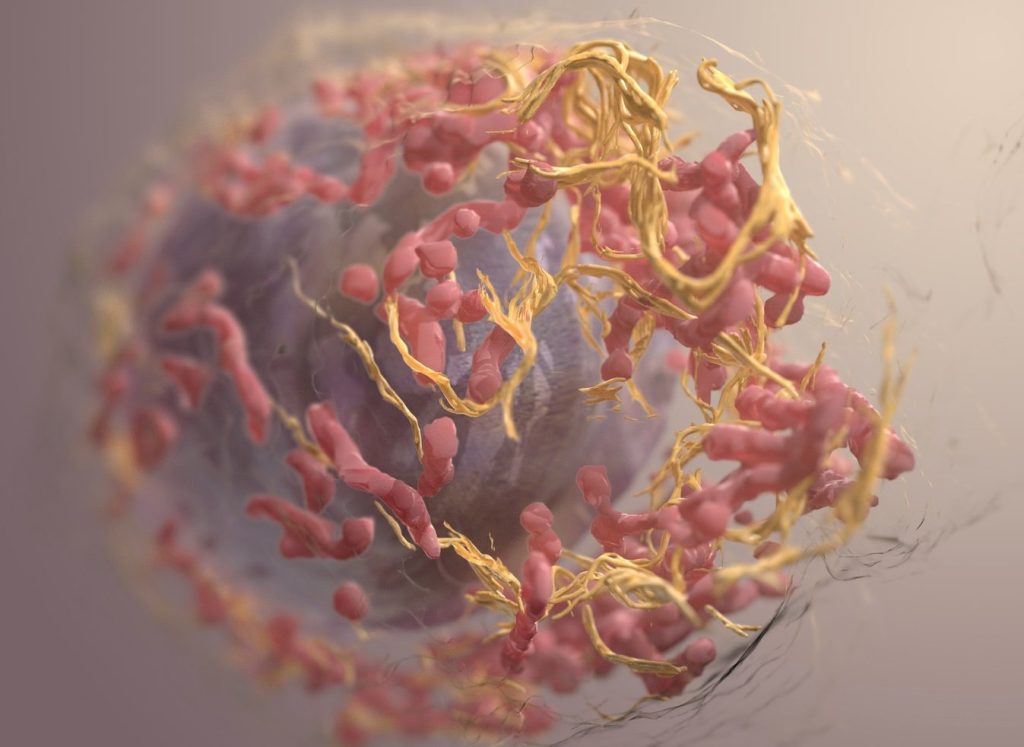
3D structure of a melanoma cell derived by ion abrasion scanning electron microscopy. Credit: Sriram Subramaniam/ National Cancer Institute
New research has helped explain how melanoma evades the immune system and may guide the discovery of future therapies for the disease. The study found that a protein known to be active in immune cells is also active inside melanoma cells, helping promote tumour growth. The findings, published in the journal Science Advances, suggest that targeting this protein with new drugs may deliver a powerful double hit to melanoma tumours.
“The immune system’s control of a tumour is influenced by both internal factors within tumour cells, as well as factors from the tumour’s surroundings,” says first author Hyungsoo Kim, PhD, a research assistant professor at Sanford Burnham Prebys in the lab of senior author Ze’ev Ronai, PhD. “We found that the protein we’re studying is involved in both, which makes it an ideal target for new cancer therapies.”
“Immunotherapy is the first-line therapy for several cancers now, but the success of immunotherapy is limited because many cancers either don’t respond to it or become resistant over time,” says Kim. “An important goal remains to improve the effectiveness of immunotherapy.”
To find ways to boost immunotherapy in melanoma, the research team analysed data from patient tumours to identify genes that may coincide with patients’ responsiveness to immunotherapy. This led to the identification of a protein that helps tumours evade the immune system – called NR2F6 – which was found not only in tumour cells, but also in the surrounding noncancerous cells.
“Often we find that a protein has the opposite effect outside of tumours compared to what it does within a tumour, which is less effective for therapy,” says Kim. “In the case of NR2F6, we found that it elicits the same change in the tumour and in its surrounding tissues, pointing to a synergistic effect. This means that treatments that block this protein’s activity could be twice as effective.”
In a mouse model, the researchers then deleted the NR2F6 protein in both melanoma tumours and in the tumours’ environment. This inhibited melanoma growth more strongly, compared to when this effect occurs in either the tumour or its microenvironment alone. The cancer’s response to immunotherapy was also enhanced upon loss of NR2F6 in both tumours and their microenvironment.
“This tells us that NR2F6 helps melanoma evade the immune system, and without it, the immune system can more readily suppress tumour growth,” adds Kim.
To help advance their discovery further, the team is working with the Institute’s Conrad Prebys Center for Chemical Genomics to identify new drugs that can target NR2F6.
“Discovering drugs that can target this protein are expected to offer a new way to treat melanomas, and possibly other tumours, that would otherwise resist immunotherapy,” says Kim.
After implementation of a multidisciplinary quality improvement project, the percentage of infants from the neonatal intensive care unit (NICU) experiencing hypothermia upon operating room (OR) arrival and at any point during the operation decreased from 48.7% to 6.4% and 67.5% to 37.4%, respectively. Conducted at Ann & Robert H. Lurie Children’s Hospital of Chicago, the successful project and was featured in the journal Pediatric Quality and Safety.
About one-third of infants admitted to children’s hospitals’ NICUs require surgery and are at increased risk for intraoperative hypothermia due to environmental heat loss, anaesthesia, and inconsistent temperature monitoring. Hypothermic infants are at risk for infection, excessive bleeding, increased oxygen consumption, the need for cardiorespiratory support, and mortality.
Upon return to the NICU, the percentage of infants experiencing postoperative hypothermia decreased from 5.8% to 2.1% while postoperative hyperthermia increased from 0.8% to 2.6%.
“Intraoperative hypothermia is more prevalent than postoperative hypothermia, yet the problem appears to be recognized less. Several improvement projects have addressed postoperative hypothermia, however, few have focused on reducing intraoperative hypothermia,” said senior author Gustave Falciglia, MD, MSCI, MSHQPS, neonatologist at Lurie Children’s. “The strengths of our project were the large cohort of infants and the use of continuous, secure and automated data to ensure normal temperature for infants before, during and after an operation. Using our current approach, however, further decreasing intraoperative and postoperative hypothermia may not be possible without further increasing postoperative hyperthermia.”
Dr Falciglia and colleagues from Lurie Children’s Center for Quality and Safety, anaesthesiology, NICU and OR nursing, surgery, neonatology and Data Analytics and Reporting succeeded in reducing rates of intraoperative hypothermia by standardising temperature monitoring, the transport process to the OR and intraoperative warming.
“In this project, we used improvement science methodology to understand the barriers to maintaining normal temperature in NICU infants before, during and after surgery, and then to design and implement solutions,” said lead author Abbey Studer from the Center for Quality and Safety at Lurie Children’s. “We found variation in processes that contributed to intraoperative hypothermia, so we focused on standardizing temperature monitoring and thermal support during the infant’s transport and operation. Automated monitoring using a preoperatively placed continuous temperature probe enhanced providers’ situational awareness of infant temperature and guided clinical adjustments.”
For this improvement project, the hospital’s Center for Quality and Safety coordinated care and resources between multiple departments. It achieved consensus and buy-in from providers despite competing factors such as perspiring surgeons and busy anaesthesia providers transporting all infants to the OR. It identified key participants who were vested in revising processes and facilitated adoption with their colleagues, following up on missed opportunities and gaps in the processes identified through observation and surveys. The centre provided data analysts who worked iteratively with providers to generate valid, actionable, and real-time data.
“Although medicine prizes specialisation, our success relied upon individuals with various talents sharing their skills and knowledge,” said Dr Falciglia. “Working together we can continue to improve the care of infants in the NICU who need surgery.”
University of Virginia School of Medicine researchers have discovered a lipid biomarker to identify pregnant women at risk of preeclampsia, complications from which are the second-leading cause of maternal death around the world. Their findings are published in the Journal of Lipid Research.
The UVA scientists, led by Charles E. Chalfant, PhD, say that their finding opens the door to simple blood tests to screen patients. Further, the approach worked regardless of whether the women were on aspirin therapy, which is commonly prescribed to women thought to be at risk.
“Clinicians have been seeking simple tests to predict risk of preeclampsia before symptoms appear. Although alterations in some blood lipid levels have been known to occur in preeclampsia, they have not been endorsed as useful biomarkers. Our study presents the first comprehensive analysis of lipid species, yielding a distinctive profile associated with the development of preeclampsia,” said Chalfant. “The lipid ‘signature’ we described could significantly improve the ability to identify patients needing preventative treatment, like aspirin, or more careful monitoring for early signs of disease so that treatment could be initiated in a timely fashion.”
Preeclampsia affects up to 7% of all pregnancies. Symptoms typically appear after 20 weeks and include high blood pressure, kidney problems and abnormalties in blood clotting. The condition is associated with dangerous complications such as kidney and liver dysfunction and seizures, as well as a lifelong increased risk of heart disease for the mothers. An estimated 70 000 women around the world die from preeclampsia and its complications each year.
Doctors commonly recommend low-dose aspirin for at-risk women, but it works for only about half of patients, and it needs to be started within the first 16 weeks of pregnancy – well before symptoms appear. That makes it all the more important to identify women at risk early on, and to better understand preeclampsia in general.
Chalfant and his team wanted to find ‘biomarkers’ in the blood of pregnant women that could reveal their risk of developing preeclampsia. They examined blood plasma samples collected from 57 women in their first 24 weeks of pregnancy, then looked at whether the women went on to develop preeclampsia. The researchers found significant differences in ‘bioactive’ lipids in the blood of women who developed preeclampsia and those who did not.
This, the researchers say, should allow doctors to stratify women’s risk of developing preeclampsia by measuring lipid changes in their blood. The changes represent an important ‘lipid fingerprint’, the scientists say, that could be a useful tool for identifying, preventing and better treating preeclampsia.
“The application of our comprehensive lipid profiling method to routine obstetrical care could significantly reduce maternal and neonatal morbidity and mortality,” Chalfant said. “It represents an example of how personalised medicine could address a significant public health challenge.”