In a large-scale randomised controlled trial, researchers from the UK and Sweden have shown that internet-mediated cognitive behavioural therapy (CBT) can provide results for post-traumatic stress disorder (PTSD) that are in line with conventional face-to-face care. The article, which was recently published in Lancet Psychiatry, also shows that the time required for therapists is greatly reduced, which could mean that more patients can be treated and have access to the right help.
Common symptoms include reliving the trauma, overexcitement, avoidance and emotional and cognitive consequences, such as depression and difficulty concentrating. Psychological treatment in the form of CBT has been shown to have good effects in PTSD, but access to care is limited and varies between different places.
Post-traumatic stress disorder (PTSD) is a psychiatric diagnosis that affects about 5-10% of the population. PTSD occurs as a result of experiencing – or witnessing – severe, life-threatening and traumatic events, such as abuse, war, accidents and mistreatment.
The study recruited 217 participants through the NHS or self-referral. Mean age was 36·36 years, with a range 18–71 years; 158 (73%) self-reported as female, 57 (26%) as male, and two (1%) as other. Of these, 52 (24%) participants met self-reported criteria for ICD-11 complex PTSD. The advantages in outcome for internet-mediated therapy were greater for participants with high dissociation or complex PTSD symptoms, and mediation analyses showed both treatments worked by changing negative meanings of the trauma, unhelpful coping, and flashback memories. No serious adverse events were reported.
Assembled human PCNA (PDB ID 1AXC), a sliding DNA clamp protein that is part of the DNA replication complex and serves as a processivity factor for DNA polymerase. The three individual polypeptide chains that make up the trimer are shown. Source: Wikimedia CC0
A ‘cure for cancer’ has long been something of a holy grail for medical research – but experience has shown that cancers are highly individualised and respond differently to therapy, adapting to resist them. Now, in an early study, researchers have tested a cancer drug that kills all solid cancer tumours while leaving other cells unharmed and resulting in no toxicity. The new molecule targets a common key cancer cell protein, the proliferating cell nuclear antigen (PCNA), that is key to helping them grow and metastasise – a target previously believed to be ‘undruggable’.
The new drug, AOH1996, was tested in vitro against 70 different cancer cell lines, including breast, prostate, brain, ovarian, cervical, skin, and lung cancer. It proved effective against all of them, as well as sparing healthy cells. What’s more, developing resistance against the drug is unlikely due to the nature of PCNA as a mistranslation rather than a mutation. The results were published in Cell Chemical Biology. Instructions for synthesis were included in supplementary material.
The research was led by Dr Linda Malkas, a professor at City of Hope Hospital, who said that the molecule selectively disrupts DNA replication and repair in cancer cells, leaving healthy cells unaffected. Animal models also showed a reduction of tumour burden with no apparent adverse effects, with the no observed adverse effect level (NOAEL) calculated being six times higher than the administered dose.
She explained the drug in simple terms to the Daily Mail: “Most targeted therapies focus on a single pathway, which enables wily cancer to mutate and eventually become resistant,” she said. “PCNA is like a major airline terminal hub containing multiple plane gates.
“Data suggests PCNA is uniquely altered in cancer cells, and this fact allowed us to design a drug that targeted only the form of PCNA in cancer cells. Our cancer-killing pill is like a snowstorm that closes a key airline hub, shutting down all flights in and out only in planes carrying cancer cells.”
Dr Malkas said results so far have been ‘promising’ as the molecule can suppress tumour growth on its own or in combination with other cancer treatments without resulting in toxicity.
The development of AOH1996 is the culmination of nearly two decades of work by City of Hope Hospital in Lose Angles.
Decades in the making
PCNA in breast cancer was identified as a potential target in 2006 since it is an isomer, allowing antibodies to target it. The researchers’ first attempts with antibodies to target PCNA were unsuccessful as these were too big to penetrate into solid tumours. Next, they tried a small molecule, which appeared to work in vitro but in vivo proved to have a half-life of only 30 minutes. But they were able to tweak that molecule and arrive at the current drug, AOH1996. It was named after Anna Olivia Healy who died in 2005 from neuroblastoma, and she became the inspiration for the research.
“She died when she was only 9 years old from neuroblastoma, a children’s cancer that affects only 600 kids in America each year,” Malkas said. “I met Anna’s father when she was at her end stages. I sat him down for two hours in my office and showed him all of my data on this protein I had been studying in cancer cells.”
At the time, Dr Malkas was researching breast cancer, studying a protein found in cancer cells but not normal cells. Dr Malkas eventually took Anna’s father, Steve, and his wife, Barbara, to see her lab.
“[Steve] asked if I could do something about neuroblastoma and he wrote my lab a cheque for $25 000,” Dr Malkas said. “That was the moment that changed my life – my fork in the road. I knew I wanted to do something special for that little girl.”
One of the most damaging aspects of our public discourse on National Health Insurance (NHI) is the mistaken notion in some quarters that the only two options are NHI and the status quo. PHOTO: Rosetta Msimango/Spotlight
By Marcus Low for Spotlight
One of the most damaging aspects of our public discourse on National Health Insurance (NHI) is the mistaken notion that the only two options are NHI and the status quo. Often implicitly, sometimes explicitly, defenders of NHI suggest that any argument against NHI is one for maintaining the current system. Since the current system doesn’t work very well for most people, this line of argument gets some purchase, even though it is based on a false premise.
In his book “Which country has the world’s best health care?”, oncologist and bioethicist Ezekiel Emanuel outlines the key features of healthcare systems in 11 different countries. Two things that stand out are that health systems differ substantially between countries and that most systems are the relatively messy products of complex histories and political and other compromises. This latter point about the path-dependency of healthcare systems is an important point we will return to.
Many varieties
South Africa’s proposed NHI system is sometimes clumped together with systems in other countries such as Canada, the United Kingdom, and Thailand. At times this is fair, at times it skims over important differences.
For example, NHI will be a single-payer system, which is to say, the NHI fund will be responsible for almost all purchasing of healthcare services in the country. In some respects, Canada has a similar system, except that rather than one system for the whole country, they in effect have 13 single-payer systems for each of their provinces and territories. Even Thailand, at times referred to as an example of NHI, technically has three funds rather than one, although it resembles South Africa’s NHI plans in several other respects. In principle, a large single-payer should be able to negotiate better deals than several smaller payers, but on the other hand, having Canada-style provincial funds would be more closely aligned with South Africa’s current governance arrangements and in some provinces, like the Western Cape, chances are people would have more trust in a fund run by the province than in one run nationally.
Another thing that quickly becomes apparent when looking at the variety of healthcare systems out there, is that a simplistic dichotomy between NHI and private healthcare is a false one. Countries like the Netherlands and Germany have achieved excellent health outcomes with systems that are neither NHI-style systems nor examples of the private sector running riot. Though the details are significantly more complicated than this, you can think of the Netherlands and Germany roughly as having many strictly regulated medical schemes (called sickness funds in Germany) with scheme/fund membership being compulsory (with some exceptions). The German system is progressive in that people with higher incomes contribute more than people with lower incomes – an important difference from South Africa’s medical schemes.
Funds in the Netherlands are also not primarily funded directly, as with our medical schemes, but receive funding from a central fund via a risk adjustment process. Both the German and Dutch systems have significant social solidarity built-in in the way it institutionalises the cross-subsidising of the poor by the wealthy.
In South Africa, such a system could, for example, be implemented by dramatically tightening up the regulation of medical schemes, putting in place a progressive mechanism for cross-subsidisation between schemes, making scheme membership compulsory for those who can afford it, and, over time, using tax revenue to pay for scheme membership for the unemployed (although this last element, like NHI, does come with a big question mark on affordability. Those with long enough memories might remember that a system roughly along such lines was on the cards in South Africa around the turn of the century. (see for example the Taylor report of 2002 and this interesting paper.)
Getting to there from here
One striking thing about NHI in South Africa is that for all the column inches, submissions to Parliament, and oral hearings across the country and in Parliament, hardly anyone seems to have shifted their positions in the last decade and there has been very little serious consideration of alternative paths to universal healthcare.
Photo by Hush Naidoo on Unsplash
One reason for this is the sense that the design choices behind the NHI Bill were essentially decided on by a relatively small group of people in the National Health Department and the African National Congress (ANC) around 10 or 15 or so years ago. What followed since then often felt like an attempt at co-opting rather than meaningful engagement. This was particularly apparent in the way some members of the Portfolio Committee on Health continuously pushed people on whether they are for or against NHI, rather than engaging with the substance of people’s submissions. Though the boxes for public engagement were ticked, the reality was often a parody of what such engagement is meant to be.
We could have gone a different route. It would have been entirely feasible to have a process for NHI akin to the much more meaningful set of engagements we had for the Competition Commission’s Health Market Inquiry into the private healthcare sector. In that case, people could make submissions, be heard by the panel, and crucially, one never got the sense that the outcome was preordained. Such a process may in some respects have given government officials and members of Parliament a few more headaches, but it would also have built trust and understanding of the technical issues, and for major reforms like NHI trust and public understanding is half the battle.
People with type 2 diabetes who drank the fermented tea drink kombucha for four weeks had lower fasting blood glucose levels compared to when they consumed a similar-tasting placebo beverage, according to results reported in Frontiers in Nutrition. Though only a pilot 12-person feasibility trial, the finding suggests a dietary intervention that could help lower blood sugar levels in people with diabetes and also establishes the basis for a larger trial to confirm and expand upon these results.
Kombucha is a tea fermented with bacteria and yeasts and was consumed as early as 200BCE in China, but it has only recently become popular elsewhere. Its popularity has been bolstered by anecdotal claims of improved immunity and energy and reductions in food cravings and inflammation, but proof of these benefits has been limited. Researchers at Georgetown University’s School of Health, the University of Nebraska-Lincoln and MedStar Health conducted a clinical trial investigating its effects in diabetes.
“Some laboratory and rodent studies of kombucha have shown promise and one small study in people without diabetes showed kombucha lowered blood sugar, but to our knowledge this is the first clinical trial examining effects of kombucha in people with diabetes,” says study author Dan Merenstein, M.D., professor of Human Sciences in Georgetown’s School of Health and professor of family medicine at Georgetown University School of Medicine. “A lot more research needs to be done but this is very promising.”
Merenstein continued, “A strength of our trial was that we didn’t tell people what to eat because we used a crossover design that limited the effects of any variability in a person’s diet.”
The crossover design had one group of people drinking about eight ounces of kombucha or placebo beverage daily for four weeks and then after a two-month period to ‘wash out’ the biological effects of the beverages, the kombucha and placebo were swapped between groups with another four weeks of drinking the beverages.
Kombucha appeared to lower average fasting blood glucose levels after four weeks from 164 to 116mg/dL while the difference after four weeks with the placebo was not statistically significant. Guidelines from the American Diabetes Association recommended blood sugar levels before meals should be between 70–130mg/dL.
The researchers also looked at the makeup of fermenting micro-organisms in kombucha to determine which ingredients might be the most active. They found that the beverage was mainly comprised of lactic acid bacteria, acetic acid bacteria, and a form of yeast called Dekkera, with each microbe present in about equal measure; the finding was confirmed with RNA gene sequencing.
“Different studies of different brands of kombucha by different manufacturers reveal slightly different microbial mixtures and abundances,” says Robert Hutkins, PhD, University of Nebraska-Lincoln and the study’s senior author. “However, the major bacteria and yeasts are highly reproducible and likely to be functionally similar between brands and batches, which was reassuring for our trial.”
The researchers hope that larger studies will prove kombucha’s protective effects.
A study on almost 4000 people of African descent has identified a gene that acts as natural defence against HIV by limiting its replication in certain white blood cells. The findings were published in Nature. An international effort co-led by EPFL, Canada’s National Microbiology Laboratory, and Imperial College London, it paves the way for new treatment strategies.
“We searched for human genetic variation that associates with spontaneous control of HIV and identified a novel region in the genome that is only variable in populations of African ancestries,” says Professor Jacques Fellay at EPFL’s School of Life Sciences. “We used a combination of computational and experimental approaches to explore the biological mechanism behind the genetic association and provide evidence that the gene CHD1L acts to limit HIV replication in a subset of white blood cells.”
HIV is still a problem
Despite significant advances in treatment and access to therapy, the human immunodeficiency virus remains a global health challenge with almost 40 million affected individuals, no vaccine and no cure.
Although annual HIV infections have been declining because of widespread antiretroviral therapies, the trend has slowed substantially since 2005, and there are now alarming increases in the number of newly infected adults in some regions.
Genome-Wide Association Studies, or GWAS, analyse the entire genome of a large number of individuals to identify genetic variants associated with a clinical outcome, such as the ability to naturally control viral replication.
Measuring HIV replication control: not enough in African populations
The degree of viral infection is measured by the virus’ “setpoint viral load” (spVL), which refers to the relatively stable level of HIV replication in the body after the initial, acute phase of infection in untreated individuals.
A critical determinant of HIV infection progression and transmissibility, spVL is expressed as the number of viral copies/mL of plasma. The spVL of HIV varies widely in the infected population, depending on the ability of every individual’s immune system to control viral replication without antiretroviral drugs.
Although there have been large studies of spVL control in populations of European descent, much less has been done in populations of African ancestries, which have both a high genomic diversity and the greater burden of HIV.
A key gene for resistance to HIV replication in people of African ancestries
To address this disparity, a large international collaboration of scientists and clinicians has now performed large-scale GWAS using data from diverse populations of African ancestries. In total, the scientists analyzed the genomes from 3,879 individuals living with HIV-1. Using computational analysis and fine-mapping techniques, they identified a novel region in the genome that shows a strong association with spVL control.
This region corresponds to a gene known as CHD1L (for “Chromodomain Helicase DNA Binding Protein 1 Like”), which encodes a protein that helps DNA unwind after it has been damaged, allowing it to be repaired. But in this study, the CHD1L gene showed genetic variation specific to populations of African ancestries, and that was linked to the spontaneous control of the most common and virulent type of HIV, called HIV-1.
Having identified CHD1L as a potential modulator of HIV-1 infection, the researchers explored the biological mechanism behind the genetic association and determined that CHD1L plays a role in limiting HIV replication in a subset of white blood cells.
The study was co-led by Jacques Fellay at EPFL, Paul McLaren at the Public Health Agency of Canada’s National Microbiology Laboratory, and Manjinder Sandhu at Imperial College London.
The discovery of CHD1L’s role in limiting HIV replication could lead to improved treatment options for infected individuals. “Our findings provide insights into potential therapeutic targets, which are needed to continue the fight against HIV-1,” says Fellay. “In addition, our results underscore the importance of performing genomic studies in diverse ancestral populations to better address their specific medical needs and global health inequities.”
Researchers have added several genes, which appear to affect obesity risk in certain sexes and ages, to the list of genes which influence weight gain. The study, published in the journalCell Genomics, may shed light on new biological pathways that underlie obesity and highlight how sex and age contribute to health and disease.
“There are a million and one reasons why we should be thinking about sex, age, and other specific mechanisms rather than just lumping everyone together and assuming that disease mechanism works the same way for everyone,” says senior author John Perry, a geneticist and professor at the University of Cambridge. “We’re not expecting people to have completely different biology, but you can imagine things like hormones and physiology can contribute to specific risks.”
To untangle sex’s role in obesity risk, the research team sequenced the exome (the protein-coding part of the genome) of 414 032 adults from the UK Biobank study. They looked at variants, or mutations, within genes associated with body mass index (BMI) in men and women, respectively. Five genes influencing BMI in women and two in men were identified.
Among them, faulty variants of three genes – DIDO1, PTPRG, and SLC12A5 – are linked to higher BMI in women, up to nearly 8 kg/m² more, while having no effect on men. Over 80% of the women with DIDO1 and SLC12A5 variants had BMI-indicated obesity. Those carrying DIDO1 variants had stronger associations with higher testosterone levels and increased waist-to-hip ratio, both risk indicators for obesity-related complications like diabetes and heart disease. Others with SLC12A5 variants had higher odds of having type 2 diabetes compared with non-carriers. These findings highlight previously unexplored genes that are implicated in the development of obesity in women but not men.
Perry and his colleague then repeated their method to look for age-specific factors by searching for gene variants associated with childhood body size based on participants’ recollections. They identified two genes, OBSCN and MADD, that were not previously linked to childhood body size and fat. While carriers of OBSCN variants had higher odds of having higher weight as a child, MADD variant carriers were associated with smaller body sizes. In addition, the genetic variants acting on MADD had no association with adult obesity risk, highlighting age-specific effects on body size.
“What’s quite surprising is that if you look at the function of some of these genes that we identified, several are clearly involved in DNA damage response and cell death,” says Perry. Obesity is a brain-related disorder, whereas biological and environmental factors act to influence appetite. “There’s currently no well-understood biological paradigm for how DNA damage response would influence body size. These findings have given us a signpost to suggest variation in this important biological process may play a role in the aetiology of obesity.”
Next, the research team hopes to replicate the study in a larger and more diverse population. They also plan to study the genes in animals to peer into their function and relationship with obesity.
“We’re at the very earliest stages of identifying interesting biology,” says Perry. “We hope the study can reveal new biological pathways that may one day pave the way to new drug discovery for obesity.”
Colourised electron micrograph image of a macrophage. Credit: NIH
University of Virginia School of Medicine researchers have discovered a key driver of chronic inflammation that accelerates aging. This could lead to treatments that let people live longer, healthier lives, and prevent age-related conditions such as cardiovascular disease and devastating brain disorders.
Improper calcium signalling in the mitochondria of certain immune cells seems to be the culprit behind this chronic age-related inflammation. Mitochondria rely heavily on calcium signalling, and they are the powerhouses of cells.
The UVA Health researchers, led by Bimal N. Desai, PhD, found that in macrophages, mitochondria lose their ability to take up and use calcium with age. This, the researchers show, leads to chronic inflammation responsible for many of the ailments that afflict our later years.
The researchers believe that increasing calcium uptake by the mitochondrial macrophages could prevent the harmful inflammation and its terrible effects. Because macrophages reside in all organs of our bodies, including the brain, targeting such “tissue-resident macrophages” with appropriate drugs may allow us to slow age-associated neurodegenerative diseases.
“I think we have made a key conceptual breakthrough in understanding the molecular underpinnings of age-associated inflammation,” said Desai, of UVA’s Department of Pharmacology and UVA’s Carter Immunology Center. “This discovery illuminates new therapeutic strategies to interdict the inflammatory cascades that lie at the heart of many cardiometabolic and neurodegenerative diseases.”
The inflammation of aging – ‘Inflammaging’
Macrophages swallow up dead or dying cells, removing cellular debris, and patrol for pathogens and other foreign invaders. In this latter role, they act as important sentries for our immune systems, calling for help from other immune cells as needed.
Scientists have known that macrophages become less effective with age, but it has been unclear why. Desai’s new discovery suggests answers.
Desai and his team say their research has identified a “keystone” mechanism responsible for age-related changes in the macrophages. These changes, the scientists believe, make the macrophages prone to chronic, low-grade inflammation at the best of times. And when the immune cells are confronted by an invader or tissue damage, they can become hyperactive. This drives what is known as “inflammaging” – chronic inflammation that drives aging.
Further, the UVA Health scientists suspect that the mechanism they have discovered will hold true not just for macrophages but for many other related immune cells generated in the bone marrow. That means we may be able to stimulate the proper functioning of those cells as well, potentially giving our immune systems a big boost in old age, when we become more susceptible to disease.
Next steps
Fixing “inflammaging” won’t be as simple as taking a calcium supplement. The problem isn’t a shortage of calcium so much as the macrophages’ inability to use it properly. But Desai’s new discovery has pinpointed the precise molecular machinery involved in this process, so we should be able to discover ways to stimulate this machinery in aging cells.
“This highly interdisciplinary research effort, at the interface of computational biology, immunology, cell biology and biophysics, wouldn’t have been possible without the determination of Phil Seegren, the graduate student who spearheaded this ambitious project,” Desai said. “Now, moving forward, we need an equally ambitious effort to figure out the wiring that controls this mitochondrial process in different types of macrophages and then manipulate that wiring in creative ways for biomedical impact.”
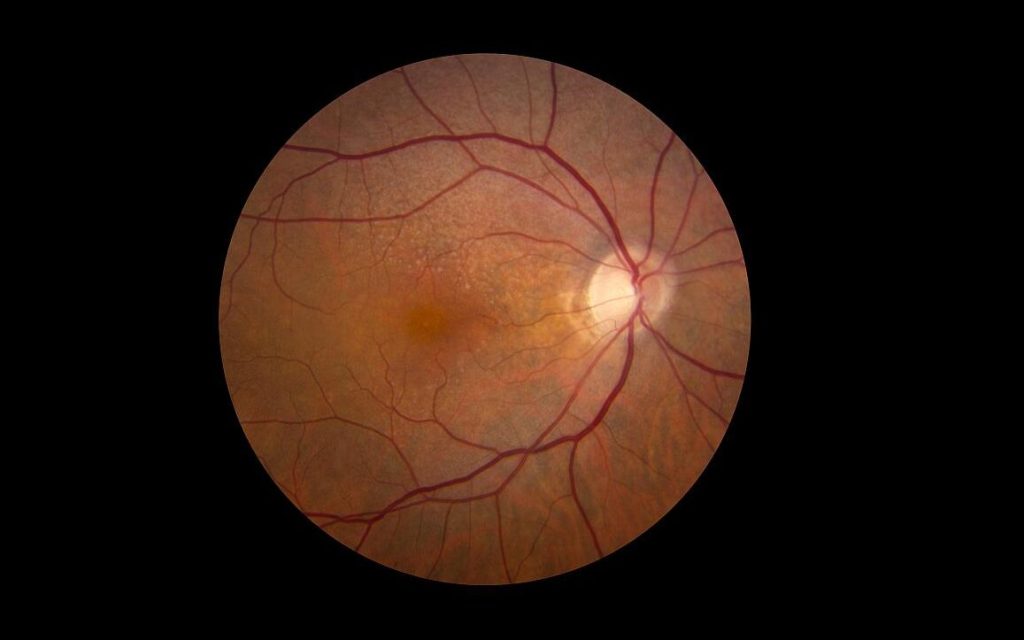
Anglia Ruskin University (ARU) researchers have found a to create a 3D ‘scaffold’ to grow cells from the retina -paving the way for potential new ways of treating a common cause of blindness. Their nanotechnology-based approached is detailed in the journal Materials & Design.
The researchers have been working on a way to successfully grow retinal pigment epithelial (RPE) cells that stay healthy and viable for up to 150 days. RPE cells sit just outside the neural part of the retina and, when damaged, can cause vision to deteriorate.
It is the first time this technology, called ‘electrospinning’, has been used to create a scaffold on which the RPE cells could grow, and could revolutionise treatment for one of age-related macular degeneration, one of the world’s most common vision complaints.
When the scaffold is treated with a steroid called fluocinolone acetonide, which protects against inflammation, the resilience of the cells appears to increase, promoting growth of eye cells. These findings are important in the future development of ocular tissue for transplantation into the patient’s eye.
Age-related macular degeneration (AMD) is a leading cause of blindness in the developed world and is expected to increase in the coming years due to an ageing population. Recent research predicted that 77 million people in Europe alone will have some form of AMD by 2050.
AMD can be caused by changes in the Bruch’s membrane, which supports the RPE cells, and breakdown of the choriocapillaris, the rich vascular bed that is adjacent to the other side of the Bruch’s membrane.
In Western populations, the most common way sight deteriorates is due to an accumulation of lipid deposits called drusen, and the subsequent degeneration of parts of the RPE, the choriocapillaris and outer retina. In the developing world, AMD tends to be caused by abnormal blood vessel growth in the choroid and their subsequent movement into the RPE cells, leading to haemorrhaging, RPE or retinal detachment and scar formation.
The replacement of the RPE cells is among several promising therapeutic options for effective treatment of sight conditions like AMD, and researchers have been working on efficient ways to transplant these cells into the eye.
Lead author Professor Barbara Pierscionek, Deputy Dean (Research and Innovation) at Anglia Ruskin University (ARU) said: “This research has demonstrated, for the first time, that nanofibre scaffolds treated with the anti-inflammatory substance such as fluocinolone acetonide can enhance the growth, differentiation, and functionality of RPE cells.
“In the past, scientists would grow cells on a flat surface, which is not biologically relevant. Using these new techniques. the cell line has been shown to thrive in the 3D environment provided by the scaffolds.
“This system shows great potential for development as a substitute Bruch’s membrane, providing a synthetic, non-toxic, biostable support for transplantation of the retinal pigment epithelial cells. Pathological changes in this membrane have been identified as a cause of eye diseases such as AMD, making this an exciting breakthrough that could potentially help millions of people worldwide.”
A US study shows that use of low-dose atropine eyedrops, commonly used in a higher dose to treat lazy eye, was no better than a placebo at slowing myopia progression and elongation of the eye among children treated for two years.
The first randomised controlled trial of its kind aimed at identifying an effective way to manage myopia was published last week in JAMA Ophthalmology. It was conducted by the Pediatric Eye Disease Investigator Group at at Vanderbilt University Medical Center (VUMC) and 11 other hospitals and practices across the United States and funded by the National Eye Institute (NEI).
“We found, interestingly, and honestly shockingly, that there was no difference in the use of 0.01% atropine and placebo in treating these children who ranged in age from 5 to 12,” said associate professor Lori Ann Kehler, OD, and the Vanderbilt site principal investigator for the study.
The onset of myopia usually occurs between the ages of 7 and 16 when developing eyes can start growing too long axially (from front to back). Instead of focusing images on the retina, images of distant objects are focused at a point in front of the retina which causes people to have poor distance vision while their near vision remains unchanged.
The condition results in the need for eyeglasses to improve distance vision, and it can also result in medical complications and serious uncorrectable vision loss later in life, like retinal detachments or myopic macular degeneration.
The study contradicts earlier studies from East Asia that showed the small dose of atropine is effective in slowing progression of myopia.
In 2017 the Academy of Ophthalmology endorsed the findings from East Asia saying that although the FDA had not approved atropine for this use, there was sufficient evidence for prescribing the low dose for myopia. Ophthalmologists across the country, including at VUMC, began to offer the prescription to young patients with myopia.
“That was a really exciting finding at the time because we had had no treatment options for many years,” Kehler said. The prescription of atropine for treating myopia is not covered by most insurance plans.
“The incidence of myopia is increasing worldwide,” Kehler said. “By 2030 it’s predicted that 39 million people in the US will have myopia. By 2050 that number is expected to increase to more than 44 million people in the US and to 50% of the global population. Once it’s detected in children, it tends to get worse every year,” she said. “Investigators all over the world have tried strategies to intervene, to either stop or slow the worsening of myopia.”
Kehler said it is not known why the incidence of myopia is increasing. “There are several theories. Some believe it’s the increase in the use of screens and screen time, but myopia was increasing even before screens were part of children’s lives. Others think it has to do with industrialisation. We were an agricultural society. We were outside more. We weren’t reading. We weren’t looking up close all day. Really, the prevailing thought is whether we’re at a screen or looking at a math book or reading most of the day, we think the lack of sunlight and sustained near effort is what’s causing the increase of myopia.”
Kehler said the percentage of children with myopia using the atropine drop at VUMC is low and estimates fewer than 5% of children with myopia are using the drops nationally.
Going forward, eye specialists should have a frank discussion with parents of children with myopia about the conflicting data between the Asian studies and the new U.S. study.
“The absence of a treatment benefit in our US-based study, compared to East Asian studies, may reflect racial differences in atropine response. The study enrolled fewer Asian children, whose myopia progresses more quickly, and included Black children, whose myopia progresses less quickly compared with other races,” noted the study’s lead co-author, Michael X. Repka, MD, professor of Ophthalmology at Johns Hopkins University, in a news release from the NEI.
“All the studies have shown the drops are safe, so we aren’t putting children at risk if we continue to prescribe the 0.01%,” Kehler said. “But we are telling them there is a difference in these studies and it might have to do with your genetics; it might be that it’s more effective in children from Asia than in the U.S. population,” she said.
Further study is needed, Kehler said. The next step is likely to study a higher dose of atropine to see if children in the U.S. experience a benefit.
The LAMP study out of Hong Kong found that 0.05% might be more effective.
Kehler said other groups are studying the use of red-light therapy to slow the progression of myopia, and there are also new eyeglass lenses that have been developed to slow the progression of myopia, but they are not yet available in the U.S.
“It’s much harder to get drops in very young children,” Kehler said. “But if we had a spectacle option, that would open the door to treating our younger patients.”
Myopia usually stabilises in about half of children around 16 years of age and among an increasingly larger percentage as they get older. By their early 20s, about 10% of individuals with myopia will continue to grow more nearsighted, and by age 24 that percentage is 4%.
The Supreme Court of Appeal has dismissed an application for leave to appeal by Solidarity and Afriforum over a 2021 court case where they challenged a condition by South African Health Products Regulatory Authority (SAHPRA) that the Johnson & Johnson vaccine be restricted to the government. SAHPRA said that this was not a condition that they had imposed.
On 26 July 2023, the Supreme Court of Appeal (SCA) dismissed an application for leave to appeal filed by Solidarity and Afriforum (the Applicants) on the grounds that there is no reasonable prospect of success.
The Pretoria High Court struck Solidarity and AfriForum’s application from the court roll on the grounds of an alleged lack of urgency, and the court also ordered them to pay SAHPRA’s legal costs which was filed in June 2021 by the Applicants, wherein they alleged that when SAHPRA approved and registered the J&J vaccine, SAHPRA imposed a condition that the sale of the J&J vaccine is restricted to the National Government. The applicants argued that SAHPRA was not mandated to stipulate the condition that only the government may purchase the J&J vaccine and questioned the legality of such a condition.
SAHPRA refuted this claim because this is not a condition that SAHPRA had imposed. Subsequently, the applicants proceeded to lodge an application for leave to appeal with the SCA . SAHPRA CEO, Dr Boitumelo Semete-Makokotlela said, “This court ruling indicates that SAHPRA is judicious in adhering to its mandate responsibly. We welcome the outcome of this judgement.”